
25 October 2024
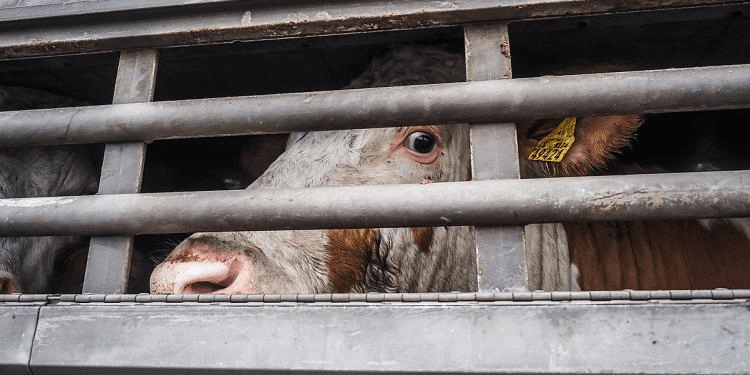
Last week, 69 pregnant heifers suffered a terrible death after being stranded at the border between Bulgaria and Turkey for over four weeks.
Because the cows were coming from Brandebourg, which is considered an epidemic area for the bluetongue virus, Turkish authorities stopped the animals, and legal bureaucracy did not allow a return to the EU.
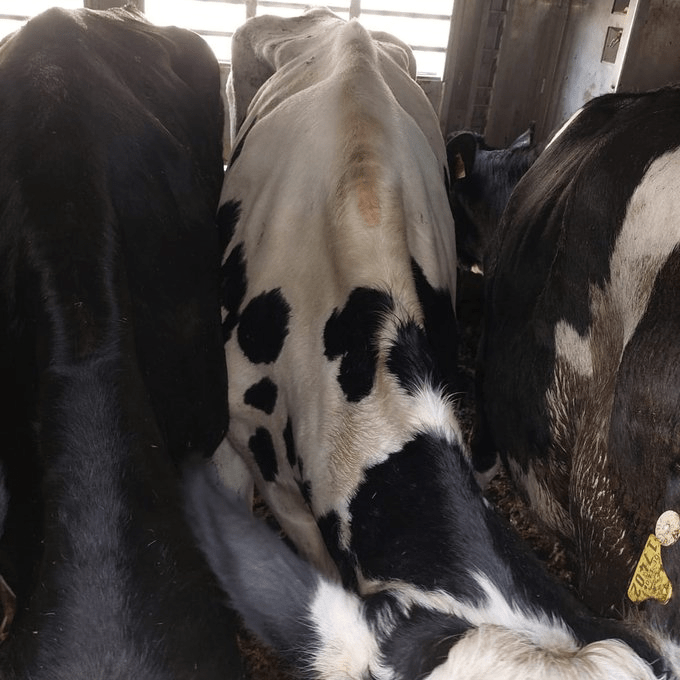
Despite many reports from animal advocacy groups, the cows were left stranded in their own faeces, with many dying in the truck. No authority chose to take responsibility for these animals.
The cows that survived were eventually slaughtered without stunning, a practice that causes severe suffering.
Another tragedy looms
Just days after this terrible event, another situation surfaced at the same border. This time, 47 cows are stranded without food and water. Animals have started to fall ill, and two have already died.
Animals suffer greatly while being transported for days on end, with journeys lasting for up to three weeks. Cramped tightly in vessels that are often filthy and hazardous, they endure injuries, sickness and heat stress.
The effects on vulnerable animals, like young and pregnant animals, can have long-term effects. Evidence shows that in the case of calves, issues sustained during transport can lead to lifelong problems with their digestive and respiratory systems.
What needs to be done?
The EU is not doing enough.
The transport file, where the new legislation is being discussed, is still at a standstill, and it is still legal to transport animals to non-EU countries.
Animal protection NGOs call for legislation that meaningfully protects animals during transport, and an end to all live transport from the EU to third countries.
Regards Mark
 World Animals Voice