Ukraine’s EU accession: opportunity to improve animal welfare across Europe.

24 June 2024

Press Release

As accession negotiations between the EU and Ukraine start this week, Eurogroup for Animals highlights the need to prioritise animal welfare in the discussions, to ensure that through the right support, Ukraine elevates its standards to match those envisioned in the Union.

The accession of Ukraine to the EU is an opportunity to improve the lives of millions of animals, given Ukraine’s substantial livestock agriculture. At present, Ukraine represents the second largest egg producer after France, and has the fourth largest poultry sector. Agricultural products account for 41% of Ukraine’s exports, with animal products estimated to make up almost a third of this, most of which are poultry and eggs. In 2023 alone, millions of animals were farmed and slaughtered in the country, of which 712 million poultry. Yet, current animal welfare standards in Ukraine fall below current EU standards.

While it is welcome that Ukraine is already taking steps to match EU standards through the adoption of rules on keeping farm animals, it is crucial that negotiations reflect upcoming EU standards, like cage free-farming. This will allow producers to make future-proof investments, avoiding additional changes and costs in the coming years, and ensuring that Ukraine is already aligned with standards in other Member States when accession is complete. The EU should support this transition by providing details on the upcoming animal welfare legislation and through adequate support to joining countries. 

This should also apply to the implementation of other animal-related EU laws, such as protection of wildlife and biodiversity, which have been significantly threatened by Russia’s war in Ukraine, as well as animals used in science and companion animals. 

These negotiations also offer a chance for the EU to rethink its farm policies, particularly in ensuring that funds are not supporting unsustainable farming practices

Considering the scale of agriculture in the country, Ukraine would be eligible for a quarter of the CAP budget, sparking discussions on the current payment model based on hectares. These policies should include stronger conditionality to the improvement of animal welfare and supporting transitions from intensive farming to a resilient, sustainable one.

The accession negotiations coincide with the next legislative term, a crucial one for animal welfare: the European Commission must come forward with revised animal welfare legislation that provides adequate protection for all farm animals, from farm to slaughter, while a concrete timeline and action plan for ending cage farming should be a priority.

We welcome the start of negotiations with Ukraine to join the EU, and hope that the chance is used to elevate the lives of millions of animals in the country. Failing to support Ukraine to transition to anticipated EU animal welfare standards would lead to a two-speed Europe, which would not only be bad news for the animals but also for EU consumers and producers. It is therefore vital that the EU comes forward with revised legislation and an action plan to end cage farming across the continent, including in Ukraine, as soon as possible.

Reineke Hameleers, CEO, Eurogroup for Animals

Regards Mark

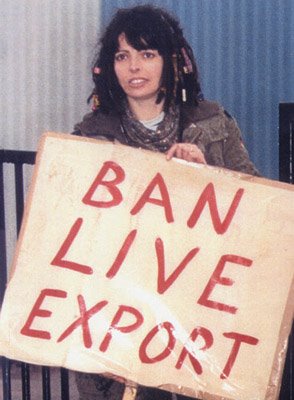
Global: Momentum Builds For Further Live Export Bans.

14 June 2024

CIWF

Citizens and activists are making a stand for animals, calling for a ban on live animal exports across the globe.

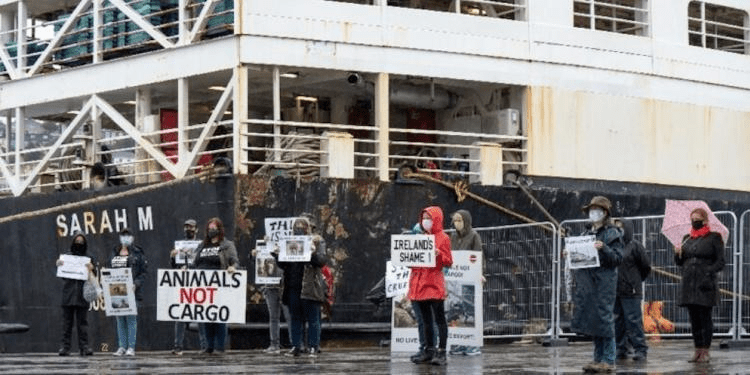
Ban Live Exports International Awareness Day, on 14th of June, marks the same day in 2015 when 13,000 sheep tragically lost their lives during a long sea journey from Romania to Somalia. Since then, campaigners have continued to call for an end to this practice, in which animals endure horrific conditions such as overcrowding and extreme temperatures causing enormous pain and distress. Millions of live animals are transported each year by road, rail, sea and air across continents on journeys lasting up to three weeks.

Great Britain introduced a ban on live exports for fattening and slaughter just weeks ago, while Australia announced that live sheep exports by sea would be banned from 2028. New Zealand introduced a ban on live animal exports in 2023, but the legislation is currently in jeopardy as a new coalition government has vowed to repeal the law. In Brazil, the federal court also ruled last year that no live animals should be exported from the country’s ports.

The EU’s promised comprehensive review of animal welfare legislation offered hope for a ban on live exports, yet last year the Commission missed the opportunity to switch to a carcass-only trade, announcing weak amendments to transport regulations.

Across the world, the tide is turning. Governments are waking up to the unnecessary cruelty this barbaric industry inflicts on millions of sentient animals transported across the world each year like cargo.Our message is clear – we call on the European Commission to end this unnecessary trade and switch to carcass-only exports.

Susanna Blattner, Farmed Animals Programme Officer, Eurogroup for Animals

This is the ninth consecutive annual awareness day, organised by Compassion in World Farming.

A video shared for this day captures some of the suffering these animals endure, including stress, dehydration, exhaustion, overheating and injuries.

This Ban Live Exports International Awareness Day, people are being urged to stand up for animals by sharing the video on social media, using the hashtag #BanLiveExports.    

Regards Mark

Three recent investigations put Lidl’s treatment of animals under fire.

Three recent investigations put Lidl’s treatment of animals under fire

10 June 2024

AWO

Animal Welfare Observatory’s investigations reveal significant animal welfare abuses across several farms in Spain and Germany connected to Lidl.

The seriousness of the breaches uncovered emphasises once more the urgent need for EU policy-makers to revise the Kept Animals Regulation, as countless sentient beings are shown to be suffering in the most egregious conditions.  

[VIEWER DISCRETION ADVISED]

Three investigations from the Animal Welfare Observatory, published between 2023 and 2024, shows both broiler chickens and pigs (including sows, piglets and fattening pigs) enduring illnesses and malformations while living in disgusting conditions across farms in Spain and Germany, connected to the supermarket chain Lidl. Workers are displayed showing very little care for these sentient beings, and in places, even revelling in the discontent of the animals. 

Fast-growing broiler chickens cannot cope with their growth rate

The first of the three investigations consists of footage recorded between September 2022 and 2023, taken at large-scale farms in northwest Germany. 

The footage shows fast-growing broiler chickens experiencing physical and mental distress due to their unnatural growth rate which, as we have explored in a recent article and report, makes it impossible for them to live comfortable or satisfying lives. 

As the recordings reveal, these fast-growing birds are barely able to move. Elsewhere in the video, day-old chicks are shown being roughly thrown to the ground and mishandled, while deformed chickens struggle to walk, and display twisted necks and other malformations. Coexisting with dozens of corpses, several birds show signs of “botulism”, a debilitating condition that can be passed on through contact with dead birds. 

Diseased pigs are living in squalor and agony 

Subsequent investigations published in November 2023 and May 2024 show pigs living in gruesome conditions on various farms in Burgos, Spain. 

In the first of these investigations, the Animal Welfare Observatory recorded the living conditions of 5,000 pigs spread across five sheds. Extreme physical ailments make life for these pigs very difficult:

  • Breeding sows are so thin their spines are showing, and have infected and gangrenous wounds due to spending all their time behind bars;
  • Piglets are shown to be trembling, sick and malformed while being abused by workers;
  • Fattening pigs live with hematomas, abscesses and skin lesions that are compatible with scabies. Several also have hernias – in the footage, one has a hernia so large it scrapes the floor, weighing about seven kilos. 

The horrors captured on this farm were mirrored by one further investigation published by the NGO in May 2024, showing pigs living in similarly filthy confines – the footage captures feeders full of insects, worms, rats and spider webs. Here, several pigs are also shown to be suffering from hernias, deformities and infections, and are suffering from severe abuse: in one capture, a worker delivers blows with a spiked hammer to mark the pigs that are to be taken to the slaughterhouse.

Animal welfare policies must be enforced to stop this kind of suffering

These kinds of animal rights abuses should not be slipping through the cracks in the EU’s farming industry. Not only do we need better laws to protect all kept animals, but standards must be put in place to ensure these laws are enforced, to truly safeguard the welfare of these sentient beings. 

Regards Mark

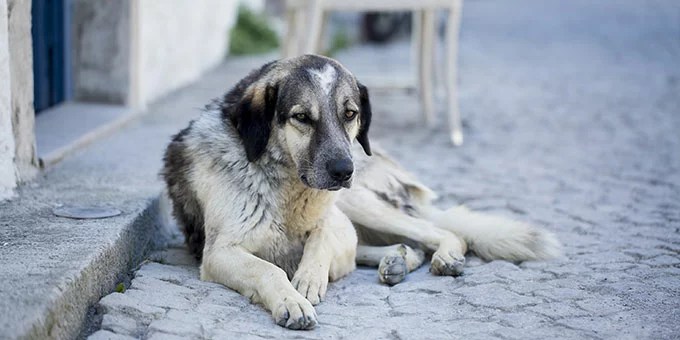
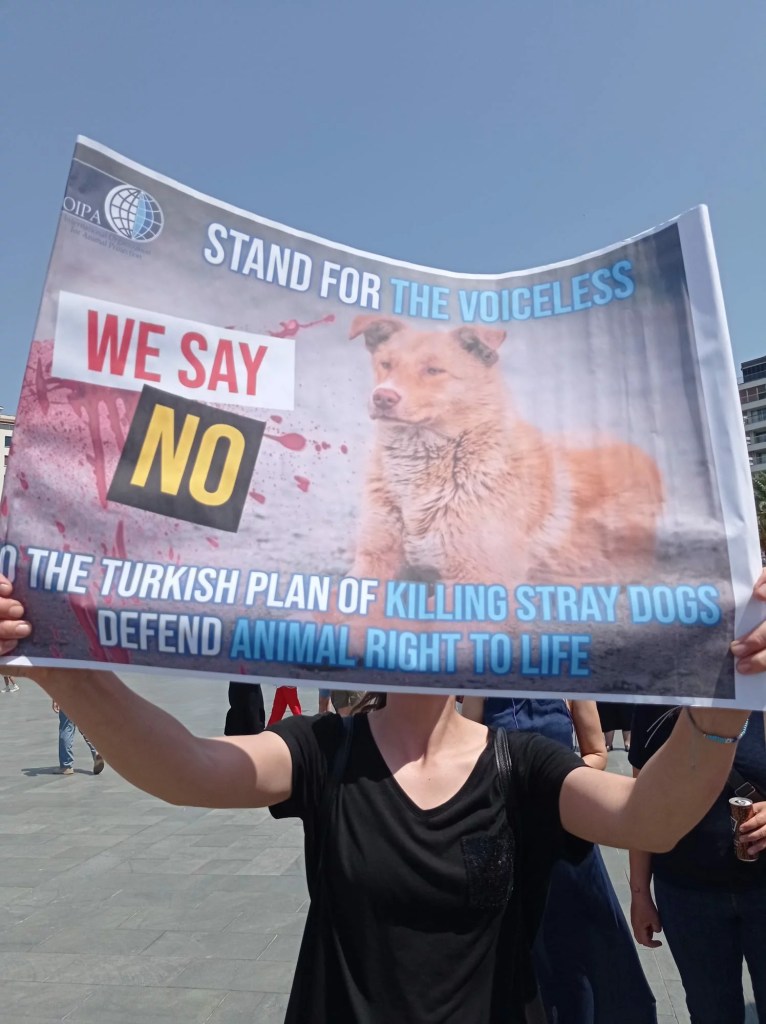
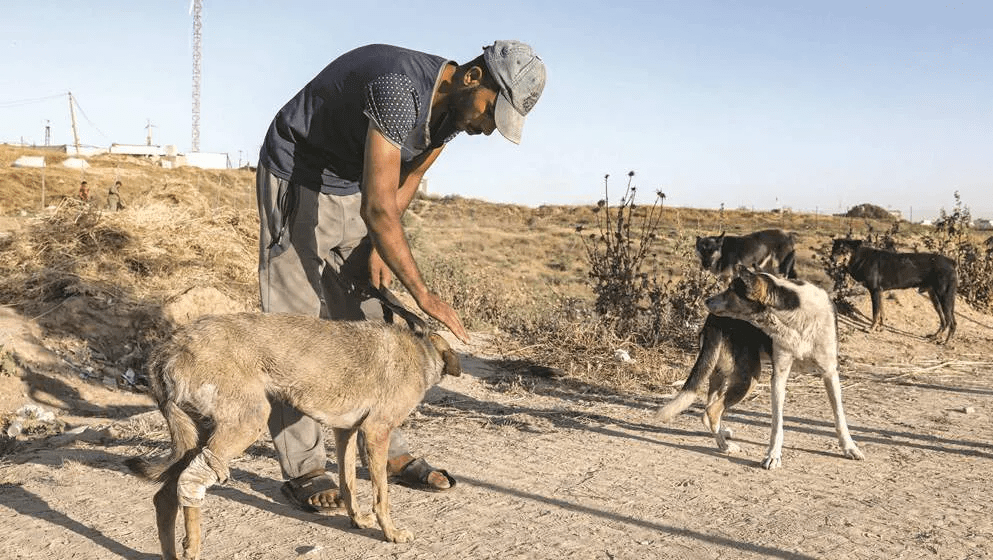
(TR) URGE TURKISH GOVERNMENT TO REJECT THE AMENDMENT THAT WILL ALLOW EUTHANASIA TO STRAY ANIMALS

What “euthanasia” means in a country like Turkey we can all imagine. Seen it numerous times. So this plan must not be put into action.

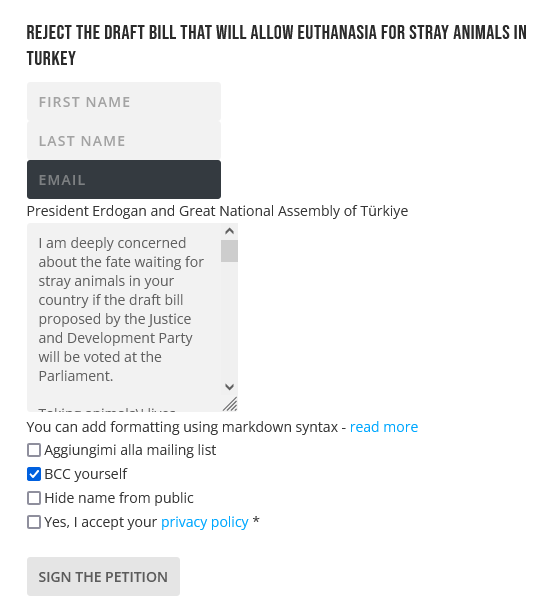
Please sign the Petition on the page of OIPA below, thank you.

https://www.oipa.org/international/turkey-allow-euthanasia-to-stray

Posted by oipainternational | May 23, 2024

Take Action! Urge the Government of Turkey to reject the amendment allowing euthanasia for stray animals throughout the country. Send your protest email now.

The Justice and Development Party (AKP) of Turkey drafted a bill that would amend the Animal Rights Law revised in 2021, after the issue of country’s stray dog population recently resurfaced alarming President Erdoğan to take urgent action.

Parliament will vote a law on Friday, May 24, which allows the capture and euthanasia of stray animals throughout the country.

The proposed draft law will require each municipality to collect strays and post photographs of dogs in their shelters on an adoption website. Dogs who are not adopted within 30 days will undergo euthanasia by lethal injection.

The incorrect and unproved idea that spaying and neutering method is ineffective, this proposal will justify a massacre of innocent beings.

The reality is that municipalities did not invest and do not want to allocate financial resources to sucessfully implement this sustainable and humane approach. An alternative that can save animals’ lives, while reducing stray dog population over time.

In addition, a considerable number of municipalities failed to meet the requirement to create a shelter, as outlined in the Animal Rights Law, which was revised in 2021.

The Animal Rights Law required municipalities to allocate 0.5% of their finalized budgets over three years for animal shelters and rehabilitation. They set this rate at 0.3% for metropolitan municipalities.

Humans should not take animals’ lives away due to their inability to properly manage a problem.

Read OIPA letter to the Grand National Assembly of Türkiye: Open Letter – OIPA Türkiye Büyük Millet Meclisi – Reject the amendment that will allow euthanasia for stray animals Throughout The Country

(Petition link on Page)

USA: Massive $35,000,000 Fine Hits Dog Breeding Giant for Animal Neglect and Environmental Harm.

In a landmark decision, the Department of Justice and Environmental Protection Agency have imposed a hefty $35 million penalty on a company for serious violations of animal welfare and environmental laws. This fine marks the largest in history under the Animal Welfare Act, highlighting a significant step towards stricter compliance and respect for animal rights and environmental safety.

Animal Breeding: A Harrowing Discovery at Virginia Dog Breeding Facility

The fine stems from a distressing situation uncovered in 2022 at a Virginia-based dog breeding facility operated by Envigo Global Services. The facility, which bred dogs primarily for research purposes, was found severely lacking in meeting the humane standards required by law. Over 4,000 beagles were living in deplorable conditions, prompting a forced surrender by the Department of Justice.

Continue reading https://www.msn.com/en-us/news/us/massive-35-000-000-fine-hits-dog-breeding-giant-for-animal-neglect-and-environmental-harm/ar-BB1nLecW?ocid=BingNewsSearch

Mark

England: ‘Dr Death’, ringleader of Essex dog-fighting gang, jailed along with accomplices for animal cruelty.

‘Dr Death’, ringleader of Essex dog-fighting gang, jailed along with accomplices for animal cruelty

https://www.lbc.co.uk/news/dr-death-dog-fighting-jailed/

Phillip Harris Ali, 67, of Chigwell, was given five years for his role in the repeated acts of animal cruelty. Two other men were also sentenced to prison time, while a woman was given community service.

The dogs were were starved before being put in bouts where they sometimes fought to the death, Chelmsford Crown Court heard on Monday.

They were kept in filthy conditions and were denied clean water and proper bedding.

Judge Jamie Sawyer said the gang showed “a shocking level of barbarism and callousness” for the dogs involved in the case.

He said the fights, which took place in England, Ireland and France, were “highly planned and without a care for the welfare of the animals in question”.

The judge told the defendants: “Dogs were treated as a commodity by each of you. They were playing pieces in your game.”

Much of the key evidence in the case came from a phone belonging to Ali, of Manford Way, Chigwell, Essex.

This included photos and videos of dogs and gruesome match reports detailing how the animals were set upon each other, sent via the encrypted messaging app Signal.

Many of the crimes were committed while Ali was still under licence conditions put in place after a 2007 conviction for attempted murder.

His “right-hand man”, Stephen Albert Brown, 57, of Burrow Road, Chigwell, Essex, was jailed for two years and six months after he was found guilty of five offences under the Animal Welfare Act.

As the fighting ring’s medicine man, he got illegal veterinary medication and equipment and was involved in training dogs and arranging fights.

Personal trainer Billy Leadley, 38, who had a dog fighting pit at his home in Bambers Green, Takeley, Essex, was jailed for four years for 12 different offences.

The judge said reading a match report about one 58-minute fight at which Leadley was referee, in which one of the animals suffered two broken legs, was “horrific”.

His wife, hairdresser Amy Leadley, 39, who was not directly involved in the ring, was sentenced for various offences linked to keeping a premises for dog-fighting and not caring for the animals properly.

She was given an 18-month community order, 200 hours of unpaid work and 25 days of rehabilitation activity.

The four defendants were banned from keeping dogs for ten years.

RSPCA chief inspector Ian Briggs said: “Dog fighting is a barbaric and horrific blood sport which has been illegal in this country for almost 190 years; yet there is a secretive and clandestine underworld where it continues to happen today.

“It has become a hobby, passion and source of entertainment for the people involved, but the reality is that the dogs involved suffer unimaginable pain, suffering, fear and distress.

“This gang dedicated their lives to breeding, preparing and training what they believed were champion fighting dogs.

“They enjoyed the build-up to a fight and the excitement of the bloody brawls, as well as trying to patch their injured and dying dogs back together after the event.

“Sadly, some of the dogs in this case suffered severe injuries and were never found but a mobile phone recovered as part of the investigation included match reports that detailed awful and fatal injuries suffered by some of the dogs involved.”

Mark

EU: Improve pig welfare standards, demand animal rights advocates.

Pig producers across the EU should deliver higher welfare standards than the EU Pig Directive currently requires, say activists who are now calling for better practices and additional measures to ensure pig welfare.

“The legislation that exists right now, the EU Pig Directive, is seriously out of date, and it really needs to be brought up to date with current understandings of animal welfare science,” says Jo Swabe Senior Director of Public Affairs at Humane Society International Europe (HSI/Europe).

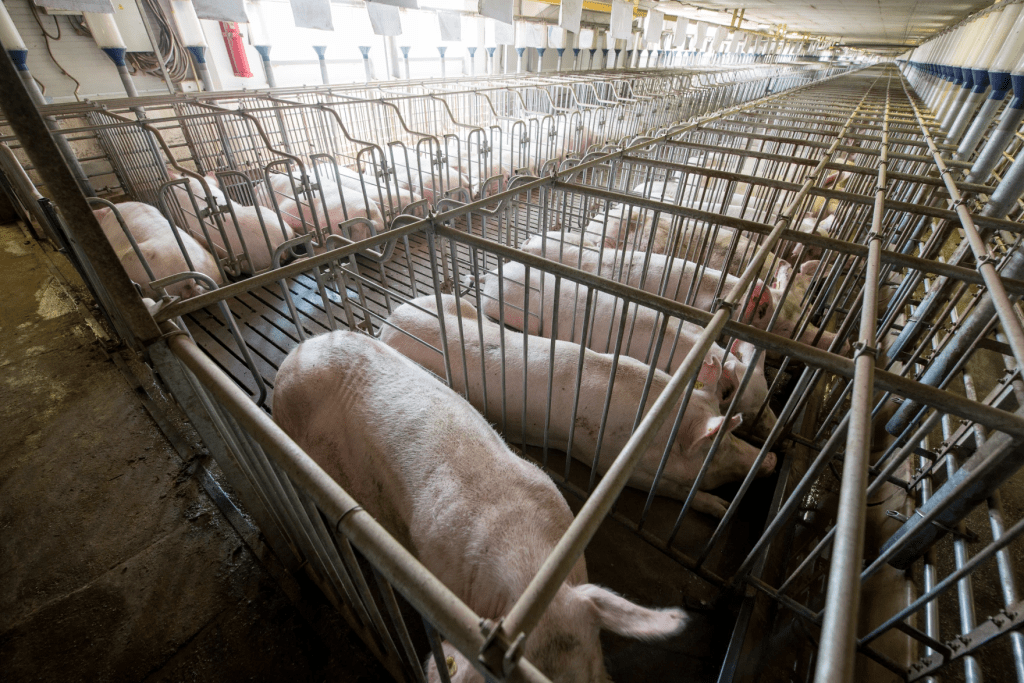
As the ‘End the Cage Age’ row rages, removing cages within pig husbandry is a significant part of the issue. “Pigs can still be isolated in an individual crate for up to 28 days of the gestation period,” said Swabe, adding that preventing the mutilation of piglets, through castration, tail docking and earmarking is also a top priority.

Continue reading at

Mark

USA: The Changing Face of Animal Rights and Legislation in the US.

What does the evolution of animal welfare laws tell us about our society’s values and priorities?

The legal environment regarding animal welfare has seen a substantial change in the United States within the last ten years.

Driven by both public demand and evolving ethical standards, state and federal governments have enacted numerous laws aimed at protecting animals from cruelty and enhancing their living conditions. Let’s take a closer look.

Continue at https://business-review.eu/business/the-changing-face-of-animal-rights-and-legislation-in-the-us-261599

Regards Mark

USA: Animal Rights Want End To Utah Gestation Crates.

Agnor Mark Rayan/Agnormark – Stock.Adobe.Com

Since 2002, 11 states have restricted or banned gestation crates but Utah is not among them. Pork producers keep sows in these cramped crates throughout their lives, artificially impregnate them and take away their young to keep up with the demand for meat.

As of December 2021, Utah farms accounted for just over 1% of the total U.S. hog inventory, according to the National Pork Producers Council.

Devon Dear, institutional outreach manager for the group Animal Equality, said improvements have been made, but more needs to be done.

“We’ve seen some really big players in this industry move away from crates; McDonald’s, Wendy’s, Jack in the Box, Chipotle, Shake Shack, Panera Bread,” Dear outlined. “These companies have significantly reduced or eliminated crates from their supply chain, so we know it can be done successfully.”

Dear added around 60% of pigs in the U.S. are crated for their entire pregnancies and will spend, on average, 74% of their lives in crates. The report lists corporations like Denny’s, Chick-fil-A, Dunkin’ and KFC among others as not being aggressive enough in reducing their crate usage. Dear hopes the Farm Bill currently being debated in Congress can help advance the issue.

Continue reading:

https://www.upr.org/utah-news/2024-06-06/animal-rights-group-wants-to-end-use-of-livestock-gestation-crates

Mark

EU: EU Elections: 1000 candidates take the pledge for animals.

7 June 2024

Press Release

Over 1000 candidate MEPs have committed to work towards better animal welfare in the EU, should they be elected in the current European Elections.

The Vote for Animals campaign, run by Eurogroup for Animals and its members, asks candidates to take a pledge committing to do more for better protection of all animals at EU level.

Candidates spanning the entire political spectrum across 27 Member States have made the commitment. Spain, Italy, Finland and France have the largest number of candidates supporting the pledge.

The Vote for Animals pledge calls for:

  • New species-specific legislation for all farmed species, and a transition to non-cage systems within five years, as promised in response to the End the Cage Age ECI.
  • An end to the suffering of animals during live transport, moving away from live animals towards transporting meat products.
  • Higher standards for aquatic species, both farmed and wild, in farming, transport and slaughter; and a ban on the introduction of octopus farming.
  • A Common Agricultural Policy that supports a sustainable food system, and a transition to higher animal welfare, and a shift towards plant-based diets.
  • Trade requirements that respect the same standards as those established by revised EU legislation.
  • Raised efforts and resources to accelerate the transition to non-animal methods in research, and support the scientific community to shift towards animal-free testing. 
  • Better legislation for wild animals, including a positive list of animal species allowed to be kept as pets, strengthened EU legislation for zoos, action against wildlife trafficking, and humane methods in wildlife management.
  • A ban, without delay, of fur farms and fur products on the EU market, as per the demands of the Fur Free Europe ECI.
  • Full traceability, improved breeding practices, stricter controls on sales and transportation, and better treatment of companion animals.
  • An EU commissioner responsible for animal welfare, to ensure consistent attention and action in this area.

The feedback to our Vote for Animals campaign is reflective of the demands of EU citizens for better protection for animals. It is now time to go and vote, to help shape an EU that will place animal welfare at the forefront, and ensure revised and better legislation that is fit for a progressive Europe

Reineke Hameleers, CEO, Eurogroup for Animals.

Regards Mark

EU: Public consultation: tell the EU you want seals to stay protected.

6 June 2024

Responding to a major outcry against cruel hunting of seals, the EU adopted a groundbreaking legislation restricting imports of seal products in 2009. This legislation is one of the key factors in the recovery of seal populations in Canada. After a decade, the European Commission is assessing whether the legislation remains fit for purpose.

Tell the EU that seals should remain protected by taking part in the public consultation.

To help you with your feedback, we’ve put together some of the top arguments why we need to uphold this landmark legislation:

The EU seal regime meets its objective of protecting animal welfare

The aim of the EU seal regime is to prevent animal welfare harm to address concerns of EU citizens. EU citizens’ desire for better animal welfare has continued to increase (as demonstrated by the latest Eurobarometer). Citizens remain strongly against cruel and unnecessary culling of seals, which is evident in typical killing methods that involve firearms, netting, trapping and the use of hakapik.

Seals provide important socio-economic and ecosystem services

We must coexist with seals. As apex predators, they play a crucial role in the trophic cascade helping maintain healthy fish populations. For instance, seals act as pest control for invasive species which have a negative impact on commercial fish stocks and ecosystems. They also bring in significant revenue for the tourism industry through wildlife observation. 

Potential impact of seals on the fishing industry can be tackled with non-lethal methods

The EU seal regime does not prevent the management of seals where necessary, but non-lethal methods are available and should be used to keep seals away from aquaculture basins or fishing nets and grounds, such as acoustic deterrents. Non-lethal management methods, such as fertility control, could be further explored. The availability of alternative methods to protect fish stocks and fishing equipment makes the commercial hunt of seal irrelevant and disproportionate. It is also essential to recall that the Regulation is not intended to protect fisheries and aquaculture. 

Trade in seal products is not sustainable and threatens fragile populations

Seal populations have significantly increased since the implementation of the EU seal regime, demonstrating the devastating impact of commercial hunting on the species. Deregulating trade in seal products would dangerously jeopardise current successful conservation efforts and undermine the protection of animal welfare. 

It is important to consider the multiple threats they are facing. Climate change and overfishing are having a major impact on seals and other marine mammals, reducing prey availability and increasing food competition. Water pollution and zoonotic diseases are other factors affecting the viability of these populations. Commercial hunting would exert additional pressure on their survival. The trade of seal products is therefore not in line with sustainability requirements, contrary to the claims of the industry.

The EU seal regime is not a ban, allowing sufficient flexibility

Regulation 1007/2009 is often referred to as the seal ban. However, the EU Regulation is not a ban on the imports of all seal products, it simply restricts it to products derived from traditional hunts, contributing to the livelihood of indigenous communities and with due consideration to animal welfare. In this context, the EU market remains open to indigenous communities who depend on seals for their subsistence. It is also important to note that the import of seal products for processing, and re-export of the processed goods, is not prohibited by the Regulation, allowing further flexibility. 

The EU must uphold its leadership on animal welfare at the World Trade Organisation 

The EU Seal Regime brought groundbreaking discussions at the World Trade Organization (WTO). For the first time ever, the WTO found that a legislation restricting trade based on  animal welfare grounds falls within the exceptions allowed under the WTO rules, as it was deemed necessary to protect ethical concerns of citizens. 

The EU seal regime had a significant impact on the welfare of seals. Following its announcement, international demand for seal products declined sharply. Reversing the regime would undermine its objectives and impact the EU’s credibility at the WTO, at a time when the EU is introducing a proposal to restrict imports of cats and dogs based on breeding conditions and contemplating more import requirements on farm animal welfare, all of which would also be justified based on ethical concerns of EU citizens.  

Tell the EU that seals should remain protected by responding to the public consultation by 7 August 2024.

Regards Mark

EU: Unique mobile exhibition for better animal protection to tour Europe.

5 June 2024

Project 1882

The conditions of animals in factory farms will be put under the spotlight in a mobile exhibition set to tour in 15 European cities in the coming months. The mobile truck, which will make its way across Europe, transforms into an interactive exhibition place, offering a unique experience to visitors.

The initiative For the Animals, by Project 1882, will allow citizens to witness first-hand the mistreatment endured by animals in factory farms around Europe and emphasise the urgent need for stronger EU legislation to protect them.

The mobile exhibition will offer visitors informative, knowledge-building and engaging activities that will help to inform them about current animal welfare issues, as well as opportunities for change. It also seeks to urge policymakers to prioritise animal welfare at the EU level, particularly by pushing for the long-awaited animal welfare legislation, which is yet to be published. 

The unique mobile event acts as a meeting place in large European cities, where both the public and elected officials have the opportunity to meet and share information.

How we treat animals is one of the great existential questions of our time. With our tour across Europe, Project 1882 will shed light on the systematic suffering endured by animals in factory farms every day. The European Commission has failed to deliver on its promises. Proposals for new animal welfare legislation exist, but they are not being presented, which is a betrayal of both citizens and animals.

Benny Anderson, CEO, Project 1882

Since its establishment in 1882, Project 1882 has been working to improve the lives of animals who are widely exploited and suffer most. The For the Animals tour marks the organisation’s latest effort to elevate animal rights issues on the Commission’s agenda.

The tour will start in Helsinki on 6 June, followed by visits to cities such as Berlin, Madrid, and Lisbon, before finally reaching the EU headquarters in Brussels in the fall.  

The list of tour stops will be regularly updated here.

Mark

England: This English Village Might Soon Be Overrun With a Megafarm.

Petition link  petition: This English Village Might Soon Be Overrun With a Megafarm (thepetitionsite.com)

Please support this petition thank you.

This English Village Might Soon Be Overrun With a Megafarm

In a troubling move, the food producer Cranswick is proposing an aggressive expansion of its operations in Norfolk, England, aiming to build one of the UK’s largest industrial farmsThe plan includes adding millions of chickens and tens of thousands of pigs on a site formerly known for its serene landscapes and vibrant wildlife. Local residents are understandably deeply concerned about the increased traffic, pollution, and the inhumane treatment of animals that such a massive scale of operations would entail. It’s simple: We cannot let this project continue.

Sign the petition to urge West Norfolk Council to reject this mega-farm proposal and protect our community and natural environment!

This massive farm expansion threatens to disrupt the local ecosystem, diminish residents’ quality of life, and could potentially create a hotspot for diseases due to the high concentration of animals. Industrial-scale farming practices like this one not only undermine animal welfare but also pose significant risks to public health and our environment.

Also, the impact on local infrastructure and the natural beauty that attracts tourists to Norfolk could be devastating. With increased traffic and foul odors emanating from animal waste, the character of this beloved village is at risk. 

Sign this petition to demand that West Norfolk Council prioritize the welfare of our communities, the protection of wildlife, and the integrity of our environment over the interests of big business.

UK: General Election Actions From The Badger Trust – Demo Dates And Template To Write To Your MP.

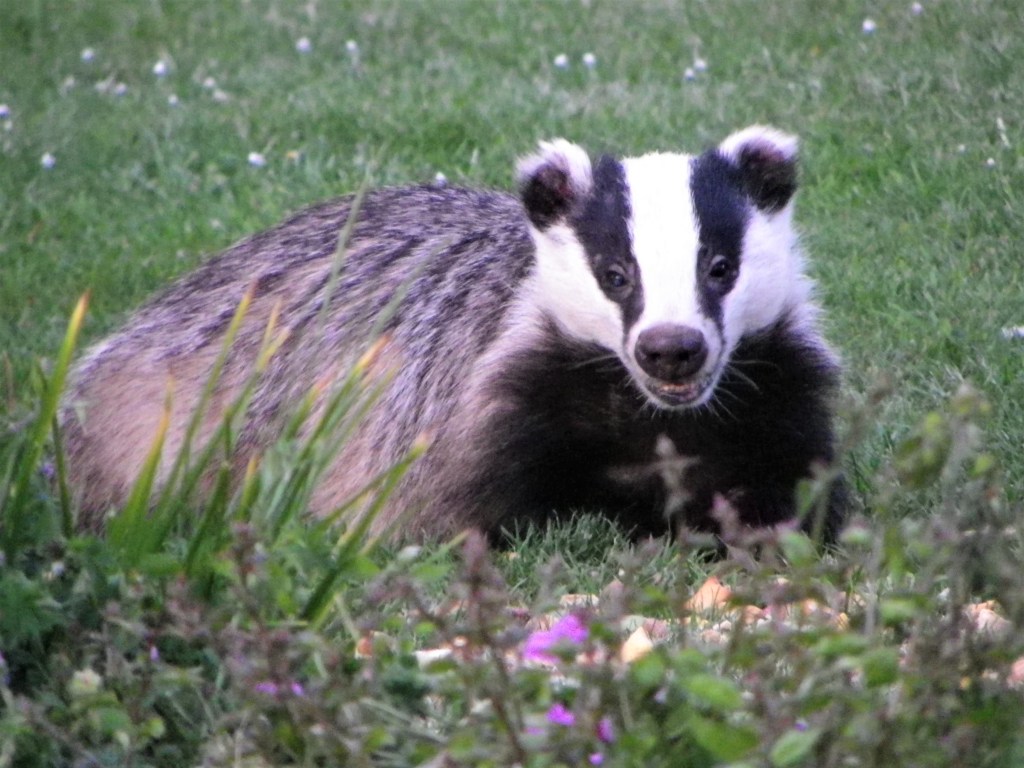
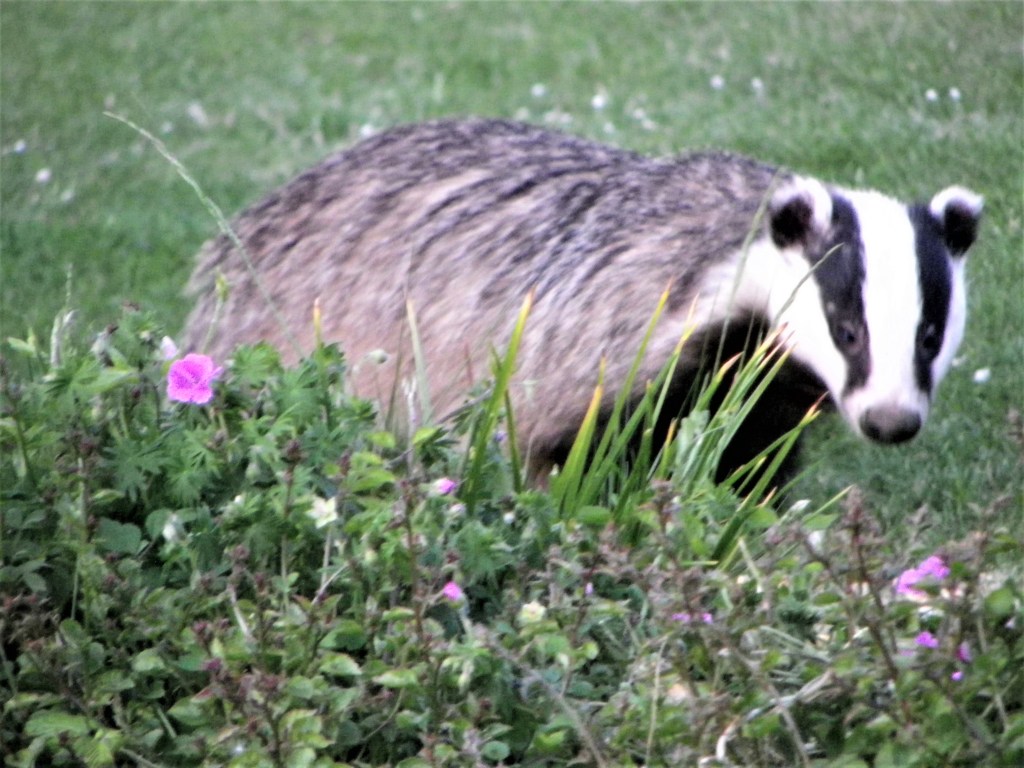
I am passionate about helping Badgers. Half an hour ago I had the pleasure of watching a badger feeding out on my own back garden – – with tasty food I had specifically put out for him to enjoy.

Following photos – Mark (WAV).

The following is copied directly from The Badger Trust; who are asking supporters to be a voice for badgers at the UK General Election which is only about 5 weeks away now. If you want to write directly to your own MP; then a template letter is provided at the end for you to use.

Regards Mark

Copied from, and helping badgers with the Badger Trust:

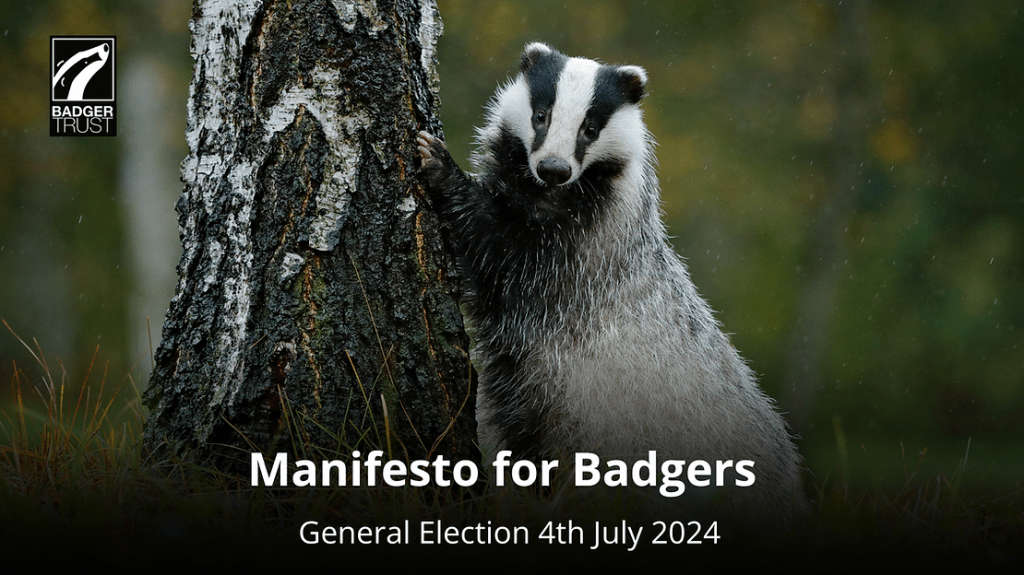
General Election 2024: Our Manifesto for Badgers (badgertrust.org.uk)

General Election 2024: Our Manifesto for Badgers

We outline our asks as we seek clarity from the main political parties on their visions for badgers and their natural habitats. 

The General Election has been called for 4 July 2024, and we look forward to clarity from the main political parties on their visions for badgers and their natural habitats.

In particular, we want to know their plans for the future of the badger cull.  It’s an ineffective, costly and unethical policy of mass killing badgers to control bovine TB.

It’s not a cull, it’s a slaughter. 

What we’re asking

  • End the badger cull now and protect the remaining wild badger population before it’s too late.
  • Deliver the rapid development and roll-out of a compulsory cattle vaccine and an improved cattle test to stamp out bTB infection in the cattle herd and protect both farmed cows and wildlife. 
  • Be honest about the true levels of bTB hidden in the English cattle herd, with compulsory nationwide use of more sensitive (reliable) testing and giving enhanced compensation to farmers.
  • Commit to a ‘One Health and One Welfare’ approach to UK ecosystems by supporting farmers to integrate effective cattle-based bTB control measures into their animal welfare and environmental sustainability practices. 
  • Make badger persecution notifiable and extend the maximum sentence for convictions under the Protection of Badgers Act (1992) from six months to five years, in line with the Animal Welfare (Sentencing) Act 2021.
  • Make space for badgers and other wildlife and prevent further habitat loss by ensuring new development protects and enhances our natural environment.
  • Restore Nature Now and address the UK’s nature crisis by protecting badgers and their habitats.

Save badgers. Save nature. Protection not extinction.

The UK is one of the most nature-depleted countries in the world. Badger Trust proudly supports Restore Nature Now, a campaign to address this nature crisis.  

Killing 230,000 native badgers—half the estimated population—is at the very heart of this unnecessary attack on nature. Badgers also face threats from high rates of wildlife crime and the rapid rise of property and road development. As ecosystem engineers, badgers provide many benefits to other species. Threats to badgers and their spaces are threats to the balance of our natural environment.

That’s why, on Saturday, 22 June, we will be marching peacefully with thousands of fellow nature and wildlife supporters to make all politicians sit up and take notice ahead of the election that we want them to act to Restore Nature Now—please join us

What we’re doing

We’re voting badger!

As a registered charity, Badger Trust is politically neutral and does not endorse any party—we only support badgers! 

We will continue to do all that we can to promote and enhance the welfare, conservation and protection of badgers, their setts and their habitats. We will work with all people who share those aims and want to see nature protected, not driven to extinction levels.  


What you can do

Five ways for you to get involved and show your support for badgers.

  1. Sign our petition to end the cull and show policymakers you want protection, not extinction.
  2. Send a letter to your parliamentary candidates asking for their views—our template will help you get started**
  3. Order your free End The Cull Action Pack,  containing an information leaflet and postcards to share and raise awareness locally  
  4. Donate to our campaigns to protect badgers, their setts and their habitats. 
  5. Get involved with your local badger group. Volunteers at badger groups across the country campaign locally to End the Cull, and they will be pleased if you join them.

Further Information:

*Download and read our letter to all the leaders of political parties represented at Westminster. 

Badger Trust 2024 General Election Letter to all political parties.pdf

And letter template to your own MP:

Badger Trust 2024 Parliamentary Candidate Letter template.pdf

Regards Mark

The following photos – WAV Archive.

THANK YOU

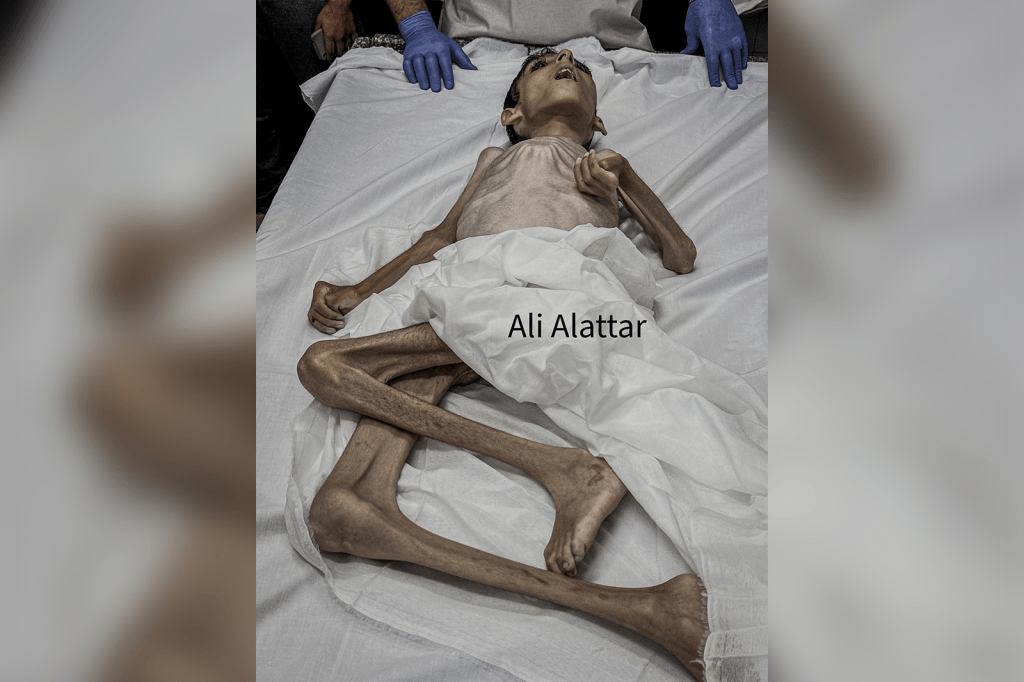
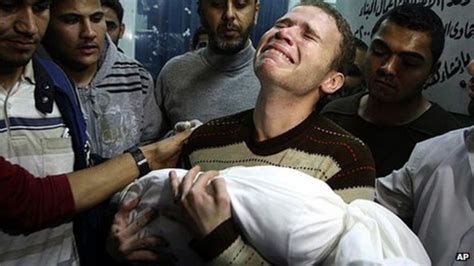
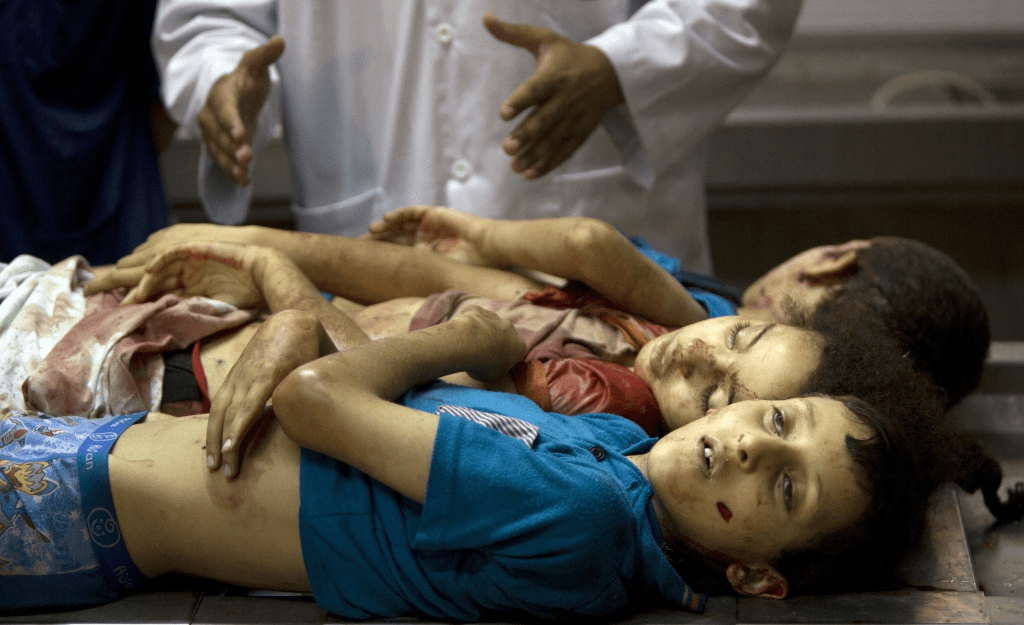
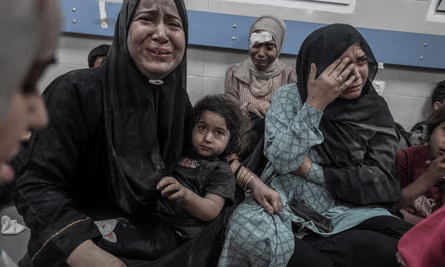
(Gaza) Children Starving

Once again, and as a follow-up to already published articles here, we feel compelled to show what the world must see. Clearly, if one reads the daily news, it has not sunk in with many – certainly not those who are directly responsible and/or could halt this nightmare. Especially for the very young, and utterly innocent.

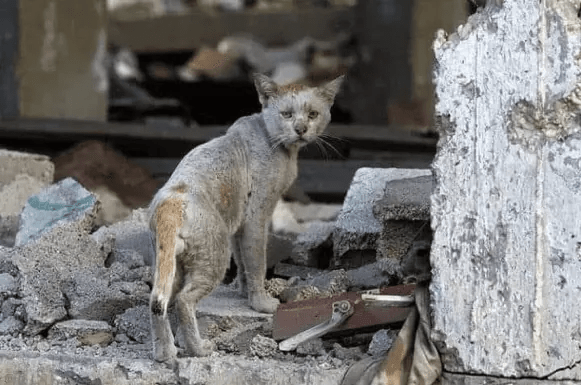
We are in June, this year is not even half-over, and there’s way too many children dying – Human and Animal – at the hands of Perverts. “The Decline of Humanity in this World”, was said elsewhere today.

Previous:

Israeli minister says there is no famine in Gaza and ‘never has been’

Really ! – what planet does this cretin come from ?

https://www.msn.com/en-gb/news/other/israeli-minister-says-there-is-no-famine-in-gaza-and-never-has-been/ar-BB1mO0bZ?ocid=BingNewsSearch

Want proofwe suggest he reads:

Children in Shabura camp in Rafah city queue to receive a bowl of food for their families from charity organizations, in Rafah, Gaza on May 03 2024.

Palestinian child dies because of famine in Gaza

The United Nations Office for the Coordination of Humanitarian Affairs (OCHA) has warned that far too little aid is reaching Palestinians in Gaza, to the extent that children are now starving.

New Category

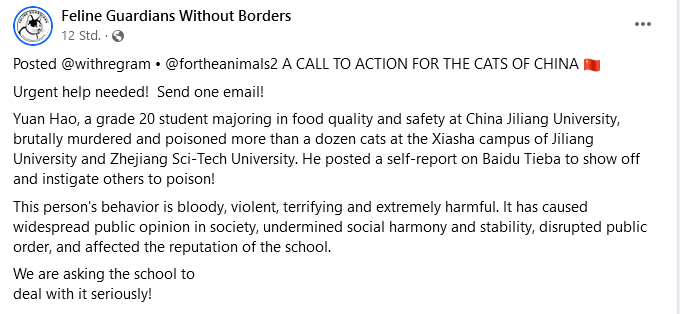
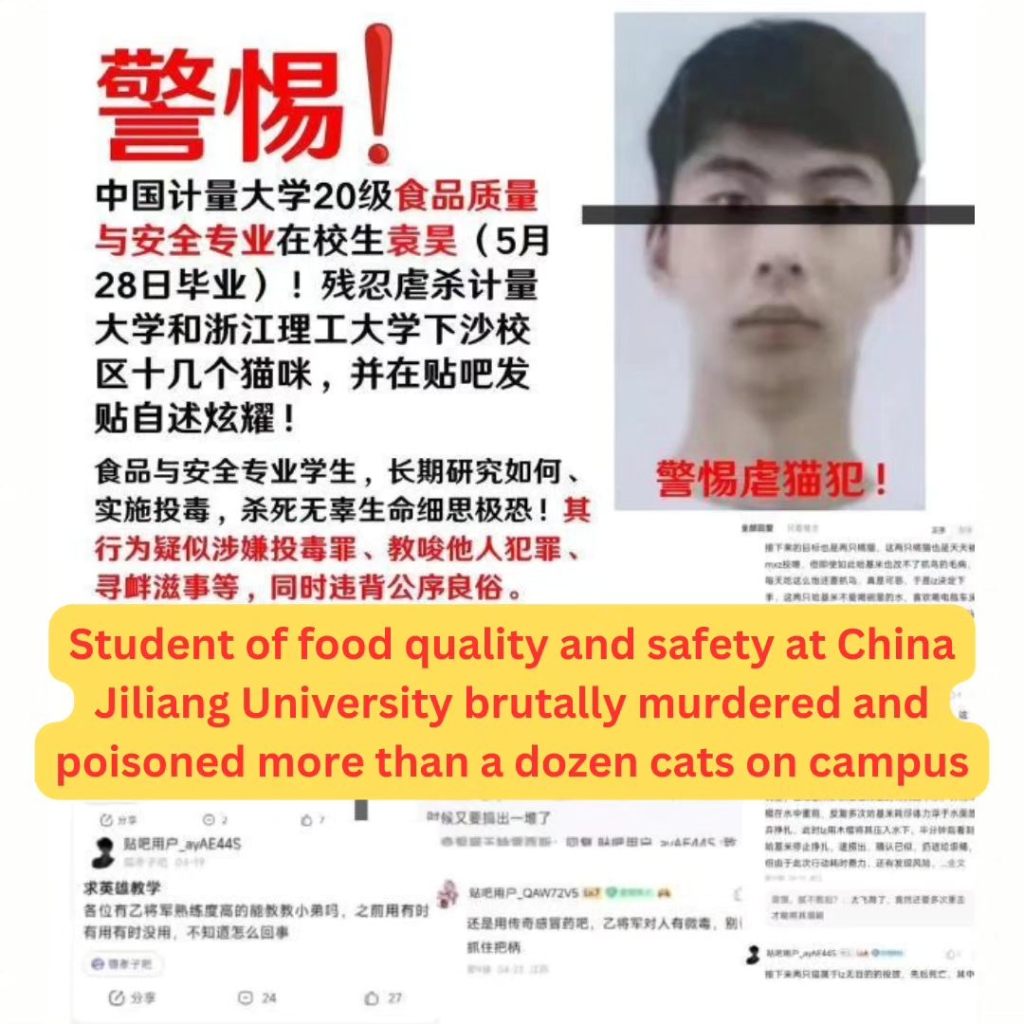
Hi all; we have now added a new category called ‘China Cat Torture’ – everything relating to this issue will be stored here as well as under ‘General News’.

You can therefore just type in ‘China Cat Torture’ in the Search box on the home left side and you should be given all of our past posts relating to this abuse.

Or, sorry, late night yesterday, forgot to add – you can simply click here for the new category:

https://worldanimalsvoice.com/?s=china+cat+torture

Regards Mark (aka Bonsai Nut)

(CN) Cat Torture – A difficult decision

Hi all.

Now, it is often for us a tightrope walk what to show you and what not. We have frequently spoken about that, amongst ourselves, and it remains a difficult decision. There is still one post not published, which contains a video we hesitate to show (not the one mentioned below). Yet.

The source is a very active colleague in Japan, who, as he says in the post below, struggles with the question, and for himself, what he can see, what he can bear to see. And ultimately, he WILL see, because he feels to look away is to abandon those victims – each and every one of whom is an individual whose life and suffering is unique and not just a number of dead, in the now long list of atrocities committed every day in China.

Personally, I feel the same. And that also goes for the here, on the site, mentioned suffering of children in Gaza.

Diana

UK: Some Positive Actions / News.

Dear Friend,

We are delighted to welcome the Pet Abduction Act 2024. Under this new law – which was a Private Members’ Bill sponsored by our Patron Anna Firth and Lord Black of Brentwood and supported by the Government – anyone found guilty of stealing a pet in England or Northern Ireland will face up to five years in prison, a fine, or both.

The new law recognises that cats and dogs are not inanimate objects but sentient beings capable of experiencing distress and other emotional trauma when they are stolen from their owners or keepers.

Evidence from the Pet Theft Taskforce suggests around 2,000 dog and over 400 cat theft crimes were reported to police in 2020, causing considerable distress for owners and their pets alike. With an estimated 28% of UK adults owning a dog and 24% owning a cat, pet theft is a major concern to the public.           

 <https://mcusercontent.com/39260baecf6044e1f26ef4f9d/images/908aee09-9ac7-a6c0-ca21-11ed0c0985b3.jpeg>          

 Anna Firth, Lord Black

Support for the Act builds upon wider action to protect pets from theft, including making the microchipping of cats compulsory from 10 June 2024. This makes it easier for lost, stray or stolen pets to be reunited with their owners and returned home safely.

Anna Firth commented: “As a nation of pet-lovers, it is vital that the law recognises the emotional impact the theft of a pet can have and brings the perpetrators to justice in a way that correctly reflects this. Pets are not merely items in our lives, they are sentient beings, and it is not right that the law does not distinguish this. My thanks to Lord Black, Debbie Matthews, Dr Dan Allen, Pet Theft Alliance, Tilly’s Angels, the Conservative Animal Welfare Foundation and Cats Protection, the Dogs Trust, Battersea Cats and Dogs Home, Refuge and Pet Theft Awareness, all of whom have provided invaluable insight on my Bill.”

Lord Black of Brentwood commented; “I am delighted that the Pet Abduction Act is now on the statute book.  We have seen a great deal of important animal welfare legislation in this Parliament – and it seems fitting that it should end with this vital step forward. It will make a real difference to millions of families, like my own, who love their pets. I am so grateful to the Conservative Animal Welfare Foundation, as well as all the other charities in the sector, who have given such strong support. This is a victory for all of you.”

Lorraine Platt, Co-Founder of the Conservative Animal Welfare Foundation, commented: “We are delighted our Patron Anna Firth’s Pet Abduction Act which will tackle the growing issue of pet theft has become law.  This Act delivers a key component of Defra’s Action Plan for Animal Welfare (2021) and address an issue close to the hearts of the British public. Our pets are members of the family, often providing much-needed companionship and stability throughout our lives. That the theft of a treasured pet was treated no more severely under the law than that of a mobile phone was simply unacceptable, and we look forward to seeing this new legislation provide an effective deterrent against such offences. We would like to thank Anna Firth and Lord Black for the hard work and time they have spent on this important new law and our Prime Minister Rishi Sunak and Secretary of State Steve Barclay for their strong support for the new legislation to protect animals.”

Live Exports Ban

We are thrilled that the Animal Welfare( Livestock Exports) Act is now law after receiving Royal Assent- it has been an important time for animal welfare! This new historical law bans exports of live cattle, sheep, pigs, goats and horses for slaughter and fattening abroad and is the first in Europe to do so.

These two new laws follow other notable Conservative Party achievements for animals since 2019  and include; the Animal Welfare (Sentience Act) including crustaceans and cephalopods, the Animal Welfare (Sentencing Act), the Glue Traps (Offences) Act, the Animals (Penalty Notices) Act, The Ivory Act, the Animal Welfare (Service Animals Act), the Animals (Penalty Notices) Act 2019, a ban on keeping primates as pets, a ban on third-party puppy and kitten sales, a ban on wild animals travelling in circuses, a ban on microbeads to protect marine life, mandatory CCTV in slaughterhouses, mandatory microchipping of cats, the Animals (Low-Welfare Activities Abroad) Act, and the Shark Fins Act.

 <https://mcusercontent.com/39260baecf6044e1f26ef4f9d/images/df2d47e7-6048-a4e6-ce62-d2baf7a8a3ba.jpg>            

Politicians and CAWF team:( left to right top to bottom). Giles Watling, Damian Green, Rebecca Harris, Sir Roger Gale, Louie French, Mark Francois, Kevin Foster, Theresa Villiers, Sir Roger Gale, Selaine Saxby, Sir Roger  Gale, Louie French, Dame Tracey Crouch, Theresa Villiers, Rebecca Harris, Kevin Foster, Peter Gibson, Paul Howell,  Chris Platt( CAWF) Baroness Hodgson, Baroness Fookes, Lorraine Platt and Jenny Lewis( CAWF) Theresa Villiers, Chris Platt( CAWF) Rebecca Harris, George Eustice, Lorraine Platt, Chris Platt and Dame Andrea Jenkyns          

The General Election

Now, with the 2024 General Election underway, it is crucial the Conservative Party continues to build on the positive momentum gained thus far in its upcoming manifesto. We like to call ourselves a nation of animal lovers, and we know that animal welfare is an important focus for the public. It is essential that the Conservative manifesto contains pledges on issues that the voting public care about. We know that there is increasing concern on the lives of billions of farm animals on intensive industrial farms. Our campaigns focus on ending cruel systems where farm animals are confined to small cages and crates, unable to exhibit any of their natural behaviours or see natural daylight or even feel a blade of grass under their feet for their entire lives.            

 <https://conservativeanimalwelfarefoundation.us12.list-manage.com/track/click?u=39260baecf6044e1f26ef4f9d&id=7389e84bb8&e=57f5095601>

Our  Conservative Animal Welfare Foundation 2024 Manifesto for Animals <https://conservativeanimalwelfarefoundation.us12.list-manage.com/track/click?u=39260baecf6044e1f26ef4f9d&id=fb4815b4c4&e=57f5095601> outlines the following primary asks, which are critical for the advancement of animal welfare.

1.         Commit to a fixed and fair phase out period of the use of farrowing crates for sows and gilts in the UK with ongoing transitional support for farmers during the phase out period.

2.         Commit to a fixed and fair phase out period for enriched cages for laying hens in the UK with ongoing transitional support for farmers during the phase out period.

3.         Introduce mandatory animal welfare labelling on all meat products for human consumption.

4.         Legislate to ensure that farmed fish have the equivalent legal protection to that of terrestrial farmed animals, including at time of slaughter.

Additionally, our Manifesto includes asks to ban the commercial importation of foie gras, ban fur imports, trophy hunting imports, prohibit the remote sale and shipping of live animals for food to non-commercial customers, ban the importation of cats or dogs that have been mutilated in ways that are illegal in the UK (such as tail docking, ear cropping or de-clawing), ban the use of snares and introduce a close season for brown hares in England and Wales to align with existing legislation in Scotland and Northern Ireland. It’s important to enshrine core standards for animal welfare in all future trade agreements, in order to safeguard the UK’s existing animal welfare standards and to protect British farmers.

We know that animals matter to the public and we hope that our proposals are considered for the General Election Manifesto.

Thank you for your kind support

Best wishes

Lorraine, Chris and the Team

Regards Mark

“The greatness of a nation and its moral progress can be judged by the way its animals are treated.”

― Mahatma Gandhi

EU: End the Cage Age: Case To Be Heard In Court, Ombudsman Complaint Closed.

31 May 2024

The legal action brought against the European Commission (EC) before the General Court on its failure to uphold the commitment to the European Citizens’ Initiative End-the-Cage-Age will now supersede the complaint made to the European Ombudsman on the same matter.

The complaint

In November 2023, 57 animal protection NGOs submitted an official complaint to the European Ombudsman on the EC’s failure to uphold governing rules. Despite having generated legitimate expectations on acting on the ECI, the EC failed to come forward with a legislative proposal, putting into question the purpose of this democratic tool. This was the first time in which a large number of NGOs submitted a complaint to this inter-institutional European body.

Subsequently, an inquiry was open, in which the EC was asked to send an official reply to the complainants. The delayed response of the EC was however unsatisfactory to the complaints, providing no clear timeline or action plan on when the proposal will be published.

The court case

In March 2024,  the Citizens Committee of the ECI launched a landmark legal action against the EC at the European Court of Justice of the EU over its failure to act on its commitment, ignoring the demands of 1.4 million EU citizens.

What happens now?

The complaint at the European Ombudsman has now been closed, and animal protection NGOs will focus their efforts on the official court case. The court case has been officially logged on the 6th of May, and further details on next steps are expected in due course.

What’s at stake?

Over 300 million farm animals, including hens, quails, rabbits, sows and ducks, are confined in cages on farms in the European Union each year, with many kept like this for all or most of their life. Animals are severely restricted in their movements, prevented from exhibiting natural behaviours, with detrimental effects on their health and welfare.

Without the promised legislative proposal, the phasing out of animals in cages in the EU remains on hold, and animals continue to suffer in millions.

Mark

Further reading https://www.euractiv.com/section/agriculture-food/news/improve-pig-welfare-standards-demand-animal-rights-advocates/

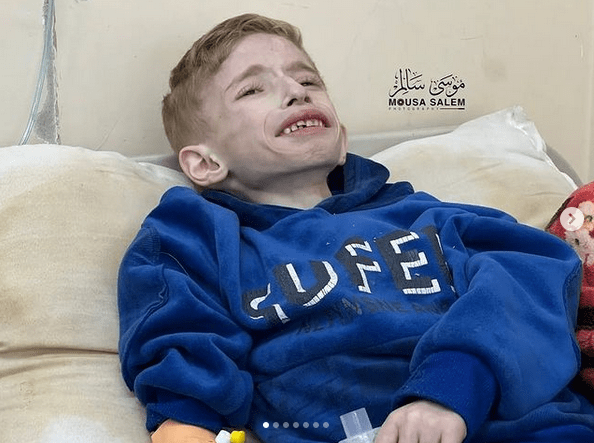
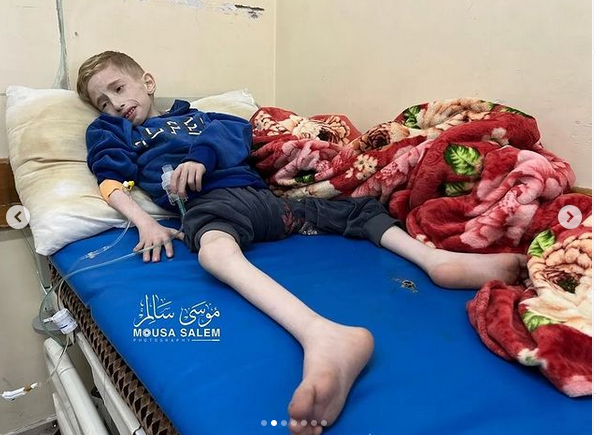
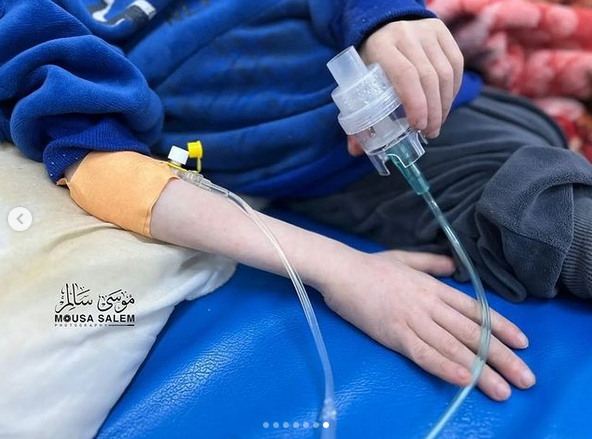
(Palestine) Fadi Al-Zant

Dear all,

as a follow-up to our recent critical post on the situation of Gaza’s children, and those we, and the global compassionate community, consider responsible for their suffering, we would like to further highlight the “problem” with this 6-year old child “Fadi Al-Zant“. There is no, and we repeat, NO justification for causing such suffering to the Innocent and their helpless families.

https://www.middleeasteye.net/news/war-gaza-mother-fears-losing-last-child-starvation

2024 and the USA and Israel are making innocent children suffer like this ? – global shame on them.

USA: Animal Rights Group Files Complaint Against Eastern Virginia Medical School Citing Abuse In Baboon Research.

As part of research, pregnant baboons were given varying combinations of estrogen and an estrogen inhibitor, and their fetuses were delivered via C-section at different stages of pregnancy, according to documents provided to The Virginian-Pilot. The placenta and fetal tissue were collected for study, according to the protocol objective for the experiment submitted by EVMS to the school’s Institutional Animal Care and Use Committee.

A total of 156 baboons were requested for the experiment over three years. Death of the mother, the fetus or both were accepted outcomes of the study as described in the documents.

Read the full article at  Animal rights group files complaint against Eastern Virginia Medical School citing abuse in baboon research (msn.com)

USA: NJ Animal Rights Group To Protest The Gassing Of Geese At Teterboro Airport.

Further News – Protest:

https://www.msn.com/en-us/travel/news/stop-gassing-geese-at-major-nj-airport-animal-group-says-protest-planned/ar-BB1nglTC?ocid=BingNewsSearch

 A New Jersey-based animal rights organization is taking action, and urging others to follow suit, against the lethal way that Teterboro Airport mitigates its local Canada geese population.

According to the Animal Protection League of New Jersey (APLNJ), Teterboro Airport has been working with the U.S. Department of Agriculture’s Wildlife Services program to gas Canada geese as well as other bird species and mammals for decades.

Read the full article at:

https://www.msn.com/en-us/news/us/nj-animal-rights-group-to-protest-the-gassing-of-geese-at-teterboro-airport/ar-BB1nfdbk?ocid=BingNewsSearch

EU: What ARE Member States Doing To Help Broiler Chickens Across The EU?

29 May 2024

Billions of broiler chickens across the EU are bred to be fast-growing, which puts their bodies under enormous strain. In our new white paper, we call on policy-makers to phase out these breeds and, instead, prioritise slower-growing breeds in EU legislation. Several Member States are already showing support for this kind of shift.

It is impossible for fast-growing broiler chickens to live a good life, in which they are comfortable, healthy, and exposed to a variety of positive experiences. To improve the welfare of the birds in this sector, it is critical that EU policy-makers legislate on a significant, EU-wide transition: in which fast-growing broiler chickens are phased out, and only slower-growing, higher welfare breeds are permitted to be farmed. 

In our new white paper, Paving the way for higher welfare broiler breeds in the EU: From market initiatives to legislation, we lay out three legislative routes policy-makers could take to foster such a change. We also lay out the European Chicken Commitment as the basis for this legislation, and explore what individual Member States have been doing to improve broiler welfare, both nationally and in supporting the phase-out of fast-growing breeds at EU level. 

The Netherlands

The Netherlands has already made a lot of notable progress towards producing only higher welfare breeds. The “Chicken of Tomorrow” was introduced between 2014 – 2015, an initiative that ensured slower-growing broilers were prioritised in its food systems. Now, the market for fresh chicken meat in the Netherlands consists of 100% higher welfare, slower-growing broilers. 

This sector shake-up was largely catalysed by interest from Dutch consumers in animal welfare, as well as related issues such as public health and sustainability. Various studies showed Dutch consumers are willing to pay more for improved animal welfare standards, incentivising retailers to rethink their production practices. 

Further pressure was added by NGOs that shone a light on the awful experiences of fast-growing broilers, for instance the Plofkip campaign by our member Wakker Dier. This caused a public outcry, which persuaded the two biggest retailers in the Netherlands, Jumbo and Albert Heijn, to launch their own higher welfare standards for broilers. They were soon followed by all the other supermarket chains.

Denmark

The Danish government and key Danish political parties have agreed to phase out the state procurement of fast-growing chickens, as well as promised to back a ban on the farming of fast-growing broilers at EU level. 

Sweden

New criteria developed by the Swedish National Agency for Public Procurement include standards for higher welfare chicken breeds, in line with European Chicken Commitment. There are also two propositions in the Swedish Parliament to ban fast-growing breeds nationwide (proposition number 18 and proposition number 29).

Norway

The Animal Ethics Council has recommended fast-growing breeds are banned in Norway. As of May 2024, the Norwegian government has been working on recommendations to give to Parliament, and the Norwegian animal protection law will likely be revised in the near future.

The organic movement and labelling schemes across Europe are also having an impact on broiler chicken welfare

Alongside these progressive steps by governments and retailers across Member States, several labelling schemes and initiatives are also playing a role in changing the fates of Europe’s broilers. 

Chiefly, the European Chicken Commitment, also known as the Better Chicken Commitment, is incentivising corporations to commit to higher welfare standards for broiler chickens. Hundreds of companies have signed up to these commitments, demonstrating that higher welfare standards and market competitiveness are compatible. Further, as a science-based welfare policy, approved and supported by animal welfare organisations all over the world, the standards laid out in the commitment make an excellent foundation for future legislation on broilers at EU level.  

Organic legislators and organisations have also been showing support for slower-growing broilers across Europe. Organic bodies in Finland, Poland, Spain, and Austria  have all recommended specific broiler breeds that can be used in organic farming, pointing to the clear connection between slower growth and higher welfare.

Specific labels at national level have contributed to this growing emphasis on slower-growing broilers, too. In Germany, Deutscher Tierschutzbund has laid out a mandatory requirement within both the basic and premium levels of its animal welfare certification label Für Mehr Tierschutz, for extensive to medium-extensive breeding lines with slower growth.

Similarly Krav, an organic labelling scheme in Sweden, has set a growth rate limit for slower-growing breeds with an ambition to make this limit even stricter by 2032.

Shaping a new future for broiler chickens in the EU

As the EU gears up to revise the full animal welfare legislation, several Member States are already setting an example for the kind of major changes needed to truly put welfare at the heart of the broiler chicken sector. The wellbeing of the birds in this industry will be defined largely by the action policy-makers now take to legislate on slower-growing breeds. Without such policies in place, these sentient beings will only continue to suffer.

EU: Animal Welfare Should Be A Priority For Next Commission, Member States Say.

Eid Slaughter of exported British sheep – Paris. Very fortunately, the UK live export ban prevents this EU abuse witnessed in the past.

27 May 2024

Animal welfare should be at the core of the European Commission’s next legislative agenda, and priority should be given to publishing the long-due animal welfare legislation, a number of Member States highlighted in the AGRIFISH council meeting today.

The information note was submitted by Slovenia, Bulgaria, France, Portugal and Sweden.

The delegations noted the work that has been done so far on animal welfare, in particular the publication of the transport regulation proposal, and the regulation on the welfare of cats and dogs, currently being discussed by the working parties in the Council. 

WAV Comment – ‘Discuss’ is all they can ever do – we never see results !

On the regulation on cats and dogs, the delegation stressed the need of public-facing awareness campaigns, to enable consumers to make informed choices and recognise unregistered establishments and illegal pet trade operations, particularly with the increase in online trade. They noted the need for the European Commission to support Member States in these efforts.

The delegation called on the European Commission to come forward with the revised proposal to protect animals at farm level and at the time of killing: the Kept Animals and Slaughter Regulations, respectively. 

These proposals were promised to be published by the end of last year, however they have yet to see the light of day.  This call was reinforced by a number of member states during the session, specifically Luxemburg, Denmark and Netherlands, with the latter highlighting that animal welfare is critical for sustainable food production, public health and consumers’ trust.

On the European Citizens Initiatives, “End the Cage Age” and “Fur Free Europe”, the delegation emphasised that it expected further work on the EC’s side a proper assessment of the economic and social impacts of any proposed legislation in this area. 

On transport, Luxembourg called for immediate work on the legislative proposal, while it called for a ban on exports to non-EU countries, saying this should be replaced by meat and carcasses.

The revised animal welfare legislation should be a priority for the next Commission. Citizens have asked for better protection of animals, and it is high time it was delivered. In the run-up to the European elections, it is great to see Member States speak up. Over 700 candidate MEPs have so far taken a pledge for the animals, and we hope that the next legislature will bring the changes that are long overdue.

Stephanie Ghislain, Political Affairs Manager, Eurogroup for Animals.

Fortunately, the UK did the right thing. The UK has gone it alone and banned live animal exports; and the EU ? – ask them again in another five years !!

Sometimes You Have To Divert From Animals; But Oh, He Kills Many Of Them Also – Hmm, So Basically Animal And Child Killers.

Further Reading:

https://www.theguardian.com/world/article/2024/may/28/spying-hacking-intimidation-israel-war-icc-exposed

Thanks to Thefreeonline for publishing this post – view the photos ! https://thefreeonline.com/2024/05/09/its-okay-says-biden-as-israel-kills-23-women-and-kids-and-cuts-all-aid-at-rafah-crossing/

Metro London

Seen enough ? – the US supplies bombs to Israel – the above shows what results.

Tik Tok Under Scrutiny In The USA Today (13/3/24) – The US House of Representatives To Vote On Possible Ban.

We are of the opinion that the issue of Cat torture and killings is associated directly or indirectly with issues such as this. Many platforms, despite what they say, are allowing their sites to be used for the promotion of abuses; and there appears to be little in the way of controls.

Have a look here: related:

TikTok fined £12.7m for misusing children’s data – BBC News

Summary

  1. The US House of Representatives has voted today on a bill that could lead to a nationwide ban on TikTok
  2. It would require the Chinese tech giant ByteDance to sell its stake in the app within six months or face a ban from US app stores and web hosting platforms
  3. It follows previous efforts by American authorities to limit access to the app, citing national security risks
  4. The bill’s fate in the Senate is unclear, but President Joe Biden says he will sign the bill into law if it reaches his desk
  5. Lawmakers say TikTok’s owner ByteDance has links with the Chinese Communist Party – something denied by ByteDance and TikTok
  6. Former President Donald Trump unsuccessfully tried to ban the app when he was in the White House in 2020.

More on social media / animal abuse:

Austria: 14 Animal Rights Activists Arrested In Front Of The Ministry.

On Thursday, 14 animal rights activists were arrested in front of the Ministry of Agriculture in Vienna. According to their own statement, they had held out there for seven hours to speak to Minister Norbert Totschnig (ÖVP). Their request: an end to the fully slatted floor.

The 20 animal rights activists came to the Ministry of Agriculture on Thursday as a “delegation of pigs”, according to a press release from the VGT Association Against Animal Factories. When they were not received by Minister Norbert Totschnig (ÖVP), they waited in the entrance area and some of them chained themselves with bicycle locks around their necks.

On Thursday, 20 animal rights activists gathered in front of the Ministry of Agriculture to demand an end to fully slatted floors. (Image: VGT.at)

VGT chairman Martin Balluch posted several photos of the action. “Even if the minister has once again buried his head in the sand, the problem will not go away. A ban on full slatted floors is necessary,” he wrote on Platform X. The interests of the animals must be taken into account, according to a statement.

14 activists in police custody
According to the VGT members, they held out in front of the Ministry of Agriculture in Vienna for a whole seven hours. The police then cut the activists loose and arrested 14 out of a total of 20. They were taken into police custody.

Fully slatted floors are usually concrete floors with slits through which the animals’ manure and urine fall into the slurry pit below. Straw is not used. According to Statistics Austria, around 70 percent of pigs in Austria are kept on fully slatted floors (as of 2020). The law stipulates, for example, a certain width for the slats and a minimum distance between them.

See more pictures at https://www.krone.at/3388281

Mark

EU: Are EU Companies Paying Due Diligence To Animal Welfare?

24 May 2024

New EU rules will introduce requirements for large companies to address the environmental and human rights impacts of their operations and value chains. While animal welfare is not included in the obligations, the text recognises that companies should contribute to protecting ecosystems and the well-being of animals.

Following a two-year process, the Council gave the final approval to the legislative proposal today. The European Parliament already approved the file on 24 April.

As the legislation applies to large companies (with over 1,000 employees and a turnover of more than 450 million euros), several types of companies involved in animal-based food production will be subject to the Directive. For example, large producers of animal-based products and feed would be required to integrate due diligence policies across the company. 

For instance, they should identify actual or potential adverse impacts to human rights or to the environment arising from their production, prevent them, or bring them to an end should they occur. Potential impacts could include the expansion of livestock production into forests or pollution coming from a farm’s operations.

Moreover, the Directive acknowledges the One Health approach, as recognised by the World Health Organization, underlining the link between the health of humans, domestic and wild animals, and the wider environment. It also includes the Convention on International Trade in Endangered Species of Wild Fauna and Flora (CITES) among the list of international environmental instruments to be complied with.

Above – Foie Gras Force Feeding – and Death As A Result

Eurogroup for Animals calls on the EU Member States to incorporate animal welfare when transposing the legislation into national law. Building on the progress for animals in the OECD Guidelines for Multinational Enterprises on Responsible Business Conduct and the EU’s Corporate Sustainability Reporting Directive, Member States must go further by setting stricter due diligence requirements for animal welfare.

NO ! – They are NOT Paying Due Diligence To Animal Welfare?

Regards Mark

EU: European Citizens’ Initiatives: The Commission Cannot Ignore Its Own Democratic Tools.

23 May 2024

Press Release

Eurogroup for Animals and Slow Food have sent a joint letter to the European Commission, urgently demanding concrete actions on the ECIs “End the Cage Age” and “Save Bees and Farmers”!

Democratic participatory tools, designed to empower citizens in shaping EU legislation, are being disregarded by the European Commission (EC), raising concerns over the lack of action on commitments made in response to European Citizens’ Initiatives (ECIs).

In a joint letter addressed to Vice President of the European Commission for Values and Transparency Věra Jourová, Eurogroup for Animals and Slow Food expressed their concern on the inaction of the EC in response to citizens’ demands. Specifically, the NGOs highlighted the ECIs  End the Cage Age  and  Save bees and farmers!, which both initially received clear commitments from the EC, only to be later backtracked. This failure by the EC to follow through calls into question the very raison d’etre of the ECI instrument itself and severely undermines the trust that citizens have in the EU’s democratic process. 

Despite its objective to enable participatory democracy, none of the ten successful ECIs have resulted in  concrete legislative outcomes, indicating that citizens’ demands have only had a marginal influence on the Commission’s legislative agenda.

The two NGOs also emphasised that the absence of a sustainable food system framework continues to jeopardise the very objectives of the EU’s Green Deal ambitions, at a time when all studies show there is a critical need for a transition to resilient farming and a focus on dietary shifts.

EU Citizens have been resoundingly vocal on the need for better legislation to protect animals, yet, the impact of democratic participatory tools have so far only been marginal. As we head to the European elections, we call on the European Commission to answer to the calls of citizens and come forward with action plans on these ECIs,

Reineke Hameleers, CEO, Eurogroup for Animals

So many EU citizens have mobilised around European Citizens’ Initiatives in the past years. Such a widespread engagement cannot keep being dismissed by the European Commission, because it undermines the democratic principles upon which the EU is founded. It erodes trust in the political process and risks alienating citizens who are eager to contribute to shaping policies that affect their lives

Marta Messa, Slow Food’s Secretary General

Eurogroup for Animals and Slow Food urge the European Commission to promptly address these issues and take concrete actions to fulfil the commitments made in response to ECIs. 

Regards Mark

UK: United Kingdom Bans Live Animal Export.

21 May 2024

CIWF

The Animal Welfare (Livestock Exports) Act, which has now been enshrined in law, means that farm animals can no longer be exported from Great Britain for slaughter or fattening.

The passing of this legislation marks over five decades of campaigning against the cruel live export trade, which sees animals make gruelling journeys by road and sea, often only to be slaughtered at the end of the voyage. 

During such journeys animals suffer from overcrowding, exhaustion, dehydration and stress.

The bill was first raised in 2017 by the Conservative party, promoted as a benefit of Brexit since EU trade rules prevent member states from banning live exports to other countries in the union.

The ban has been celebrated by campaigners such as Compassion in World Farming as a landmark victory.

For decades, farmed animals have endured these senseless and arduous exports to the continent – but no longer! I am phenomenally proud of our supporters whose dedication and persistence have helped secure this hard-fought victory.

Philip Lymbery, President, Eurogroup for Animals

The news follows Australia’s recent announcement of a phase out of live export of sheep. 

Pressure is mounting on the European Commission to follow suit and finally bring an end to the export of live animals from EU ports. 

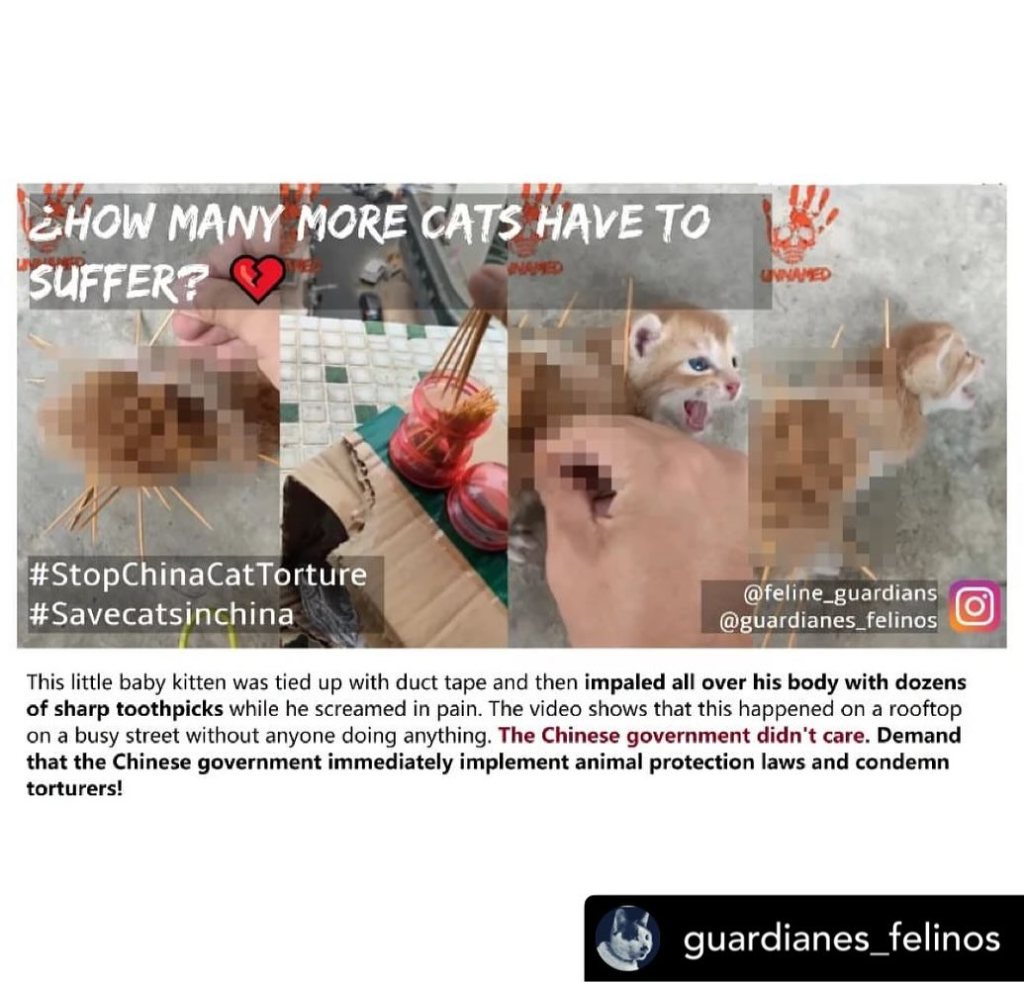
China: Cat Torture .. And Once Again … This is Why. Kitten Impaled With Toothpicks.

Stick with us.

We’ve already published a series of images with cat abuse and descriptions of what was being done. These were as yet missing.

Even for us here at WAV, we need to remind ourselves that, until the Chinese Government acts decisively, these horrors are ongoing.

And MUST be fought. And the evidence MUST be collected, and published, hard as it may be – for us all.

So please use these images, as we do, FG and others working to end this, for your protests, mails, communication with decision makers, Press, etc.

Petition: Australia Is Finally Banning Live Sheep Exports. The UK Has Now Introduced A Ban. The European Union Must Follow Suit!


Petition Link:


petition: Australia is Finally Banning Live Sheep Exports. The European Union Must Follow Suit! (thepetitionsite.com)

In rare positive news about the live animal trade, Australia finally announced its plan to end its live sheep export trade by 2028, due to the serious animal welfare issues involved. Now, the European Union (EU) must follow suit.

As the world’s largest livestock exporter, the EU has a responsibility to lead by example and put an end to the cruel and perilous journeys that animals endure.

Sign the petition to demand the European Union Commission ban live sheep exports!

Animal welfare organizations have long criticized the live export trade for its cruelty. The heartbreaking reality is that animals in the live export trade suffer unimaginable conditions on long sea voyages during trade, leading to avoidable injury, sickness, and death.

Countries like Germany have already begun to acknowledge these horrors by restricting or ending their involvement in live exports, but the EU remains the largest live sheep exporter in the world. Now, it is time for the entire EU to step up and protect these vulnerable creatures.

As we move towards more humane and ethical practices, ending live exports is a crucial step. The proposed ban not only aligns with global moves to protect animal welfare but also addresses public health and ethical concerns.

European leaders must not delay in making this vital change. By banning live sheep exports, the EU can prevent further animal suffering and demonstrate its commitment to compassion and innovation in agriculture.

Sign the petition to join us in calling on the European Union Commission to enact a full ban on live sheep exports.

Regards Mark

Following photos – WAV / SAV contacts.

We expose live sheep being shipped from Serbia to Israel


https://serbiananimalsvoice.com/2015/09/21/england-sav-now-write-to-eu-commissioner-hahn-regarding-serbia-israeli-live-animal-transport/

https://serbiananimalsvoice.com/2015/10/20/serbia-it-now-appears-the-sheep-exported-live-to-israel-were-from-serbia-despite-the-threats/

Survey Reveals Majority of Citizens in EU Bullfighting Countries (Spain, France and Portugal) Are Against the Tradition.

WAV Archive Photos

17 May 2024

CAS

A survey conducted by CAS International shows that the majority of Spanish, French and Portuguese citizens are against bullfighting, and think the harmful tradition sees too much suffering to bulls.

Spain, France and Portugal are the only European countries that still allow bullfighting, including different patronal festivities with bulls and cows. 

7500 citizens were polled by Ipsos I&O Public on behalf of CAS International. Key finding included:

77% agreed that bullfighting causes too much suffering to bulls;

65% agreed that children under 18 should be prohibited from attending bullfights;

Only one in every five persons thought that bullfighting is a valuable tradition that should have a place in society;

58% favour a complete ban on bullfighting. 

It is clear that more and more people are becoming aware of the violence inflicted on bulls and people do not accept this anymore.

Maite van Gerwen, Director, CAS International

The European Union leaves the protection of animals that are used in cultural, traditional and religious events at the discretion of Member States. However, 74% of respondents agreed that the European Union should act to protect the welfare of animals in cultural traditions, and 67% did not agree with the use of national or EU subsidies to support bullfighting.

There are clear signs that interest in bullfighting is in a decline. In the past 20 years, the number of bullfights in France has decreased by 40%, and by 63% since 2007 in Spain. In Portugal, 166 bullfights were held in 2023, the lowest number ever recorded in the country.

Regards Mark

USA: Animal Rights Group PETA Asks Idaho To Investigate ‘Deceptive’ Yellowstone Bear World.

Animal rights group PETA asks Idaho to investigate ‘deceptive’ Yellowstone Bear World (yahoo.com)

An often-controversial animal rights group has asked Idaho’s attorney general to investigate a wildlife park’s business claims, which the activist group said misled the public into believing the park is a rescue operation.

People for the Ethical Treatment of Animals, or PETA, filed the consumer protection complaint about Yellowstone Bear World earlier this month, urging the attorney general’s office to investigate alleged insinuations from the park and its staff that Yellowstone Bear World is a sanctuary or nonprofit. The animal rights group also alleged Bear World made misleading claims about keeping bears on its property for life and falsely advertised the size of its property.

Bear World is a drive-through wildlife park in eastern Idaho that is home to numerous animal species, including its namesake black and grizzly bears. The park has faced intense scrutiny over its animal care, bear breeding and cub bottle-feeding practices, particularly after the viral 2020 “Tiger King” documentary drew attention to roadside animal exhibitors.

Continue reading via the above link.

China: Cat Torture – London Protest May 21st 2024. Piccadilly Circus – Chinatown, Then On To Chinese Embassy. – World Animals Voice

China: Cat Torture – X STORM – Wednesday 22nd May 2024. – World Animals Voice

Study – Despite the pervasive public interest in animal welfare, the framing of animal rights activism in the media has largely contributed to its depoliticization.

Study reveals how media representations of animal rights advocacy contribute to its depoliticization (msn.com)

Despite the pervasive public interest in animal welfare, the framing of animal rights activism in the media has largely contributed to its depoliticization, argues a paper in Polity. “Vegans and “Green-Collared Criminals,'” by Serrin Rutledge-Prior, presents the reaction to a day of animal rights protests in cities and towns around Australia in 2019, and ultimately concludes that the public narratives about the activists delegitimized their endeavors.

Use above link to continue reading.

China: Cat Torture – London Protest May 21st 2024. Piccadilly Circus – Chinatown, Then On To Chinese Embassy. – World Animals Voice

China: Cat Torture – X STORM – Wednesday 22nd May 2024. – World Animals Voice

UK: Queen Pledges Not To Buy Any More Fur.

Queen Camilla pledges not to buy any more fur in latest Palace move away from animal products – after foie gras banned, holy oil for anointing the King was ‘cruelty-free’ and Coronation roll produced on paper for the first time.

Getty Images

Queen Camilla has pledged not to buy any more fur products in the latest move by Buckingham Palace to not use animal products. 

The Palace sent a letter with ‘the Queen’s warmest wishes’ to the People for Ethical Treatment of Animals (Peta) which vowed Camilla ‘will not procure any new fur garments’.

The animal-rights group toasted the news with a glass of the finest claret and its managing director Ingrid Newkirk said: ‘It’s right and proper for the British monarchy to reflect British values by recognising that fur has no place in our society.’

Continue reading at:

Queen Camilla pledges not to buy any more fur in latest Palace move away from animal products – after foie gras banned, holy oil for anointing the King was ‘cruelty-free’ and Coronation roll produced on paper for the first time | Daily Mail Online

China Cat Torture Actions:

China: Cat Torture – London Protest May 21st 2024. Piccadilly Circus – Chinatown, Then On To Chinese Embassy. – World Animals Voice

China: Cat Torture – X STORM – Wednesday 22nd May 2024. – World Animals Voice

UK: More Live Export Ban Info.

The Conservative Animal Welfare Foundation is delighted the Animal Welfare (Livestock Exports) Bill has passed its Third Reading in the House of Lords

 <https://mcusercontent.com/39260baecf6044e1f26ef4f9d/images/50104a3a-7d55-85c3-2f37-f849393cf768.png>       

Animal Welfare (Livestock Exports) Bill passes through Parliament!

 <https://mcusercontent.com/39260baecf6044e1f26ef4f9d/images/4c363c29-8ef7-562a-cb4e-c611c447304c.png>      

London, 14th May 2024

Today (14th May) The Conservative Animal Welfare Foundation (CAWF) is delighted the Animal Welfare (Livestock Exports) Bill has passed its Third Reading in the House of Lords.

This follows the Bill passing its Report Stage on 8th May in the House of Lords and Committee Stage on 14th March, having already passed all of its stages in the House of Commons.

The Bill has now completed all of its stages and will soon receive Royal Assent to become law and ban live exports for slaughter and fattening.

Throughout its passage in the House of Commons and the House of Lords, the Bill has attracted support across parties. During the Third Reading in the House of Commons, Minister Mark Spencer said that ending live exports for fattening and slaughter “is close to the hearts of many in this House”. Several Conservative MPs spoke in support of the Bill, including Patron and former Secretary of State for Defra Theresa Villiers MP, Patron Henry Smith MP, former Secretary of State for Defra Dr Therese Coffey MP, and Sir Mike Penning MP.

The Animal Welfare (Livestock Exports) Bill will ban the export of cattle, sheep, goats, pigs and horses for slaughter and fattening from Great Britain, stopping unnecessary stress, exhaustion and injury caused by exporting live animals. You can read more about the Bill here <https://conservativeanimalwelfarefoundation.us12.list-manage.com/track/click?u=39260baecf6044e1f26ef4f9d&id=bf0910abaa&e=57f5095601>

.The commitment to end live exports for fattening and slaughter honours a popular Conservative Party Manifesto commitment and delivers an important component of Defra’s Action Plan for Animal Welfare. Since the founding of Conservative Animal Welfare Foundation in 2016, ending live exports for fattening and slaughter has been a core campaign. Historically Great Britain has exported large numbers of sheep and calves abroad to France and as far afield as Spain. Overcrowding means that some cannot lie down at all, while those who do may be injured or trampled to death. They can be in transit for days, suffering extremes of temperature and often without sufficient food, water or rest.

Animals may end up in countries with far poorer welfare standards than our own, enduring practices which are illegal in the UK such as veal crates. Calves placed into the Dutch white veal pen systems, where they are unable to perform natural behaviour, are barely able to turn around.

Conservative Animal Welfare Foundation would like to thank the Prime Minister Rishi Sunak MP, Secretary of State for Defra Steve Barclay MP, and the Defra team for their continued support for this critical measure which will spare many animals the suffering they endure on long journeys overseas.

Lorraine Platt, Co-Founder of Conservative Animal Welfare Foundation, commented: “We are delighted the Animal Welfare (Livestock Exports) Bill passed its Third Reading in the House of Lords. With the Bill now awaiting Royal Assent, today we have made history in passing legislation to finally put an end to the cruel live export trade for fattening and slaughter.”

“This Bill –which delivers a key Manifesto commitment, as well as an important component of Defra’s Action Plan for Animal Welfare– has enjoyed the strong support of MPs and Peers across the political spectrum.”

“We are grateful to Minister Lord Douglas-Miller for leading the Bill in the Lords, and Secretary of State Steve Barclay for leading the Bill in the Commons, as well as to the wider Defra team for their hard work on this important subject.”

.CLIFFS LIT UP IN CELEBRATION OF LIVE EXPORT BAN

https://www.ciwf.org.uk/

About the Conservative Animal Welfare Foundation (CAWF) The Conservative Animal Welfare Foundation was established in 2016 to raise awareness on the lives of billions of animals reared on intensive farms around the world and how this impact upon animal welfare, the environment and public health. We want to highlight the action people can take to help advance farm animal welfare.

Animal welfare is an increasing concern amongst the public, who frequently look to Government to take the lead in both maintaining and improving standards.

The Conservative Animal Welfare Foundation believes it is highly important that the welfare of farm animals is placed at the forefront of the Governments plan for food and farming along with its focus on productivity, competitiveness, and technology.


CLIFFS LIT UP IN CELEBRATION OF LIVE EXPORT BAN

https://www.ciwf.org.uk/news/2024/05/cliffs-lit-up-in-celebration-of-live-export-ban

Regards Mark

Remembering Jill and many others in this campaign.

UK: Parliament FINALLY Passes Animal Welfare (Live Exports) Bill To Protect Farmed Animals. Mega Result For Activists !

After Tory dither and delay, parliament FINALLY passes Animal Welfare Bill to protect farmed animals

On Tuesday 14 May, the UK House of Lords passed a landmark new bill on animal welfare. Of course, it’s a major win for animal rights. However, it likely could have happened a lot sooner if not for Tory wrangling on previous bills.

Animal Welfare Bill passes through parliament

The Animal Welfare (Livestock Exports) Bill prohibits the export of cattle, goats, pigs, and horses for slaughter, and fattening for slaughter.

It aims to improve animal welfare in farming by ending long, arduous journeys to other countries. These journeys regularly put animals through overcrowding, exhaustion, dehydration and stress.

However, on 14 May (2024), the House of Lords passed the new bill that will bring this appalling practice to a close. It will now head for royal assent before becoming law.

Activists have been calling for the ban for decades. Emma Slawinski, director of policy, prevention and campaigns at the RSPCA animal charity, described it as “an extraordinary achievement” that activists had campaigned on for 50 years. She said that:

Back in the 90s we had more than a million animals going out from the UK. It’s an abhorrent trade. The suffering is intense and it goes on for a long time.

Some of those journeys were measured in days, not in hours, and they’re never going to happen again.

Activists launched particularly fierce and dedicated campaigning during this time. Notable among this was a coordinated wave of protests and direct action against the practice at the port of Brightlingsea in Essex in 1995. UK media dubbed the event “The Battle of Brightlingsea”.

In tandem with this, on February 1, 1995, Jill Phipps (photo above) was one of a few dozen animal rights activists who broke through a police line at Coventry Airport in central England. She was crushed to death under a lorry as she protested against the export of live calves for veal in 1995.

Continue reading at:

Animal Welfare Bill: step forward for animal rights to become law (thecanary.co)

It does not seem to be true really; after 40+ years of fighting this campaign personally; now we have it enshrined in Law.

A wonderful result that many good friends who fought for years; but are no longer with us, will be having a beer or two (somewhere) tonight.

I think I will be joining them !

Regards Mark

Above – Great Friend and Export Campaigner – Mike Tucker (London).

Above – A cold day fighting for the calves at Dover.

Remembering dear friend John; he made such a contribution:

Giant Whales Reappear After Being Missing for Over a Century.

Sei whales, known for their impressive size and distinctive blue-gray coloring, have returned to Argentina’s Patagonian coast after more than a century of absence.

According to a report by India Today, the reappearance of Sei whales is evidence of the positive impacts of international bans on commercial whaling implemented decades ago.

During the 1920s and 1930s, the Sei whale population was nearly decimated due to rampant commercial whaling.

The global prohibition of this practice has allowed these majestic marine creatures to gradually recover, demonstrating the effectiveness of sustained international wildlife conservation efforts.

Continue reading (with photos) at:

Regards Mark

EU: European Elections 6-9 June 2024: 500 Candidates Take The Pledge For Animals.

16 May 2024

Press Release

More than 500 candidate MEPs have pledged to do more to protect animals at EU level should they be elected to the European Parliament in three weeks.

The Vote for Animals campaign, run by Eurogroup for Animals and its members, asks candidates to take a pledge committing to do more for better protection of all animals at EU level.

The pledge addresses live animal transport, non-animal science, welfare of aquatic species, the conservation of wild animals, imports of animal-based products, and welfare of companion animals. It also addresses a future fur farming ban, the importance of sustainable food production and an ask for an EU commissioner for animal welfare.

Candidates spanning the entire political spectrum across 26 Member States have made the commitment. So far, Finland, Italy and France have the largest number of candidates supporting the pledge.

EU citizens have the opportunity to ask their candidates to sign the pledge, by sending a message through a dedicated platform, which is available in all EU languages. So far, over 9,000 citizens have sent a message to their candidates.

An estimated 400 million EU citizens are eligible to vote in the European elections set to take place between 6-9 June. The demand for improved EU legislation on animal welfare has been resoundingly voiced: 91% of Europeans believe that safeguarding the welfare of farmed animals is crucial, while 84% feel that current protection measures are not enough.

Taking the pledge for the animals is a commitment that in the next legislature, should I be elected, I will continue to push for better EU legislation to protect all animals across their lifespan. There is a critical need for action to phase out animals in cages, as per citizens’ demands, and a push for more ambitious legislation for animals during transport. The promised revision of the animal welfare legislation should be a top priority for the next Commission.

Niels Fuglsang, candidate MEP (Socialdemokraterne, Denmark) and Vice-President of the Intergroup for Animal Welfare.

The majority of EU citizens want animals to be better protected in Europe. To achieve this, we need more MEPs who want the EU to do more. Voting for candidates who have signed the Vote For Animals pledge is the best way to advance animal welfare in the EU. If I am re-elected, I pledge to continue to be the voice of animals and their defender in the European Parliament.

Caroline Roose, candidate MEP (Europe Écologie, France) and Vice-President of the Intergroup for Animal Welfare.

It is great to see so many candidates take a pledge for the animals. It is important that the next European Parliament represents citizens’ demands for better protection of all animal species, and MEPs can help to ensure that this topic stays on top of the agenda for the next term.

Reineke Hameleers, CEO, Eurogroup for Animals.

Good stuff !

Regards Mark

World Federation for Animals Commits To Elevating Animal Welfare In Sustainable Development Agenda.

15 May 2024

Over 60 organisations gathered in Copenhagen for the first General Assembly of the World Federation for Animals (WFA). They collectively committed to embark on a journey to ensure animal welfare is recognised as essential to the achievement of the global sustainable development agenda.

The event brought together leaders and advocates from five continents to solidify their commitment to integrating animal welfare into the global sustainable development agenda.

A Promise to Animals & Our Future 

During the Assembly, the WFA launched its Promise to Animals & Our Future. This commitment builds on the understanding of the urgent need for systemic change in how animals are treated across sectors and underscores their profound impact on global health, biodiversity, and sustainable livelihoods. 

The Federation has promised to work with international bodies, governments, corporations, and communities to establish animal welfare as a fundamental aspect of sustainable development. 

This promise comes at a critical moment, as the world evaluates progress at the midpoint of the 2030 Agenda for Sustainable Development, adopted by all United Nations member states in 2015. 

With countries nowhere near reaching the Sustainable Development Goals, this initiative offers a new perspective on achieving a sustainable future that includes animal welfare. 

The UN’s global policy agenda must include animal protection: not only for the animals but for humans, future generations and the whole planet. We can only achieve sustainable development, tackle the current environmental crises, foster resilient societies and ecosystems, and prevent the next pandemics if we transform how we treat animals.

Dr James Yeates, CEO, World Federation for Animals

WFA is a membership organisation founded in 2020 by and for national, regional, and international animal protection organisations. WFA is the result of these organisations’ decision to join forces and work together towards a broad representation of the interests of animals in international policy.

 Eurogroup for Animals is proud to support the WFA as a founding member.

Regards Mark

Ireland: Live Transport Vessel Denied Entry To Irish Port Thanks To Campaigners.

Photo EFI

14 May 2024

EFI

Ethical Farming Ireland succeeded in preventing a 45 year old transport vessel from coming into port at Greenore to collect Irish cattle for export.

The Sarah M was scheduled to dock at Greenore on Ireland’s northeast coast on April 30, to collect 2000 young bulls for export. 

The ship had recently been classed with the Russian Maritime Register of Shipping, and was therefore subject to European Union sanctions which include denial of access to EU ports. 

Ethical Farming Ireland alerted the Department of Transport of this breach, which resulted in the vessel being denied entry. 

The organisation has long campaigned against live export from Ireland to mainland Europe and beyond, as thousands of animals are exported to countries as far afield as Libya, Jordan, Morocco, Lebanon, Israel, Egypt and Turkey each year. 

The organisation has expressed disappointment that their intervention was necessary in order to ensure proper regulation of the vessel.

Such incidents are not uncommon amongst live transport vessels, as revealed in new research by Animal Welfare Foundation. Nearly half of the animal transport vessels approved in the EU are flying the flag of a country marked by the Paris Memorandum of Understanding as a black flag (for example Togo, Sierra Leone or Tanzania). 

This flag indicates these vessels pose a high risk to maritime traffic, as well as to the animals, crew and environment.

Regards Mark

UK – Law Society Gazette. UK Animal Welfare Laws Look Impressive Until You Ask ‘Who Enforces Them?’.

https://www.lawgazette.co.uk/commentary-and-opinion/the-uks-animal-welfare-laws-look-impressive-until-you-ask-who-enforces-them/5125439.article

Related – https://worldanimalsvoice.com/2025/12/21/uk-finally-the-government-is-being-forced-by-campaigners-to-act-on-animal-welfare-issues/

UK – Finally, The Government Is Being Forced By Campaigners To Act On Animal Welfare Issues.

Photo – Getty Images / Stockphoto.

https://www.msn.com/en-gb/news/world/uk-to-ban-puppy-farming-and-snares-in-welfare-reform/ar-AA1SLXZi?ocid=BingNewsSerp

See also the very recent post on Draghunting –

Regards to you all, wherever in the World you are from. I hope you agree that we are getting some positive UK news today, so this is being concentrated on – Mark.

‘Golda’ protests at Dover against live animal exports – we won !

UK – Draghunting – ‘The Practice Is Still Being Used As A Smokescreen For The Hunting Of (Real) Wild Animals’.

Photo – BBC via Getty Images.

https://www.bbc.co.uk/news/articles/c4g9y20j259o

Mark – About time; the hunts have been using ‘Draghunting’ as a cover for continuing to hunt REAL British Wildlife ever since the UK Hunting Act Ban came into effect in 2004.

The hunts were then given a ‘no kill’ alternative to murdering real animals, They ignored or continued to abuse it. So this is now the new result, December 2025.

Household pets, livestock and road traffic all suffer as a result of ineffective monitoring.

https://www.independent.co.uk/news/uk/crime/hunt-hounds-cats-dogs-attack-b2774200.html

Related – https://www.bbc.co.uk/news/articles/c1mrj3r30nno

https://www.bbc.co.uk/news/articles/cy7pr2yvzvyo

https://www.mirror.co.uk/news/politics/boxing-day-hunts-thing-past-36433951

https://www.mirror.co.uk/news/uk-news/campaigners-urge-government-deliver-promise-34375603

England – Tributes Pour In As Beloved Stevenage Station Cat ‘Nala’ Dies.

https://www.msn.com/en-gb/news/world/tributes-pour-in-after-beloved-stevenage-station-cat-nala-dies/ar-AA1SCaEj?ocid=msedgdhp&pc=DCTS&cvid=69446373d4a148b784d64446a1296ae4&ei=17

https://www.facebook.com/reel/1568435607248485/?s=single_unit&cft[0]=AZaFQNQo5nW1uEwzHjst0stvY7nqgHSuU8KhOUAnWZmmv2DNS9QqLsnHnNU1__1jSarG0Gcs3lPVeTfXWXxJEXpAOML9eUnErDT9KKSZbGH7GLpT1vRgdQkKxVg9aWjjryk6gwRYfC5zNQMS1kfcYOa1Bs12j0ITvwKsdNf1nJ8232WHFPahKibmaZsEnqOrPoZIJUnaTMMvUbJS173rz5m_&tn=H-R