
Category: Environmental

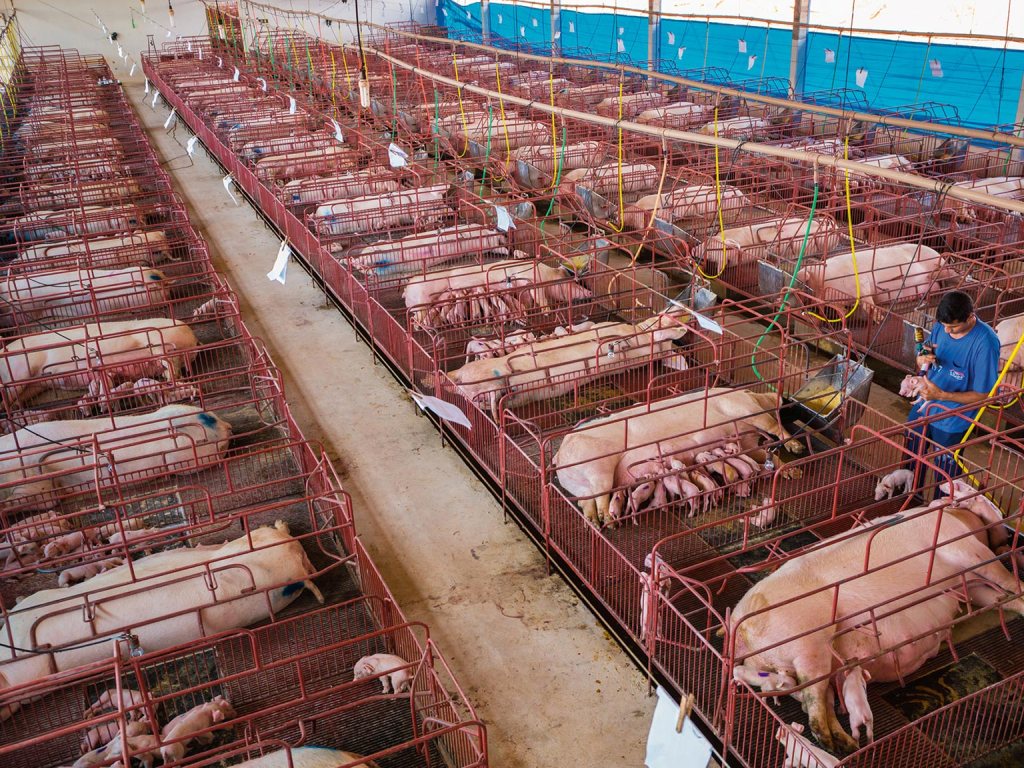
China / Argentina: China Working On Investing £2.7 Billion to Build 25 Factory Pig Farms in Argentina, Each of them Cramming 12,500 Sows Into Unhealthy, Overcrowded Sheds.

From ‘Farms Not Factories’ – England UK.

In China and Argentina, trade officials are planning to turn Argentina into a pork powerhouse to replace some of China’s 300 million pigs killed by, or euthanised to stamp out African Swine Fever (ASF). 55% of surveyed farmers in China have abandoned plans to ever raise pigs again.

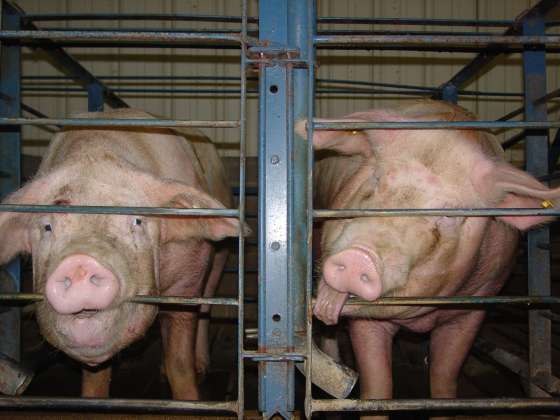
The plan is to invest £2.7 billion to build 25 factory pig farms in Argentina, each of them cramming 12,500 sows into unhealthy, overcrowded and barren sheds, to supply China’s growing appetite for pork. This would practically double Argentina’s pig production from 8 to 15 million pigs per year requiring thousands of additional hectares of soy and maize for feeding, devastating ever more of their fragile native Gran Chaco forest, the second largest forest in South America after the Amazon.

WWF have published a report that supports the UN and WHO in warning that if we fail to protect natural habitats from wildlife exploitation and unsustainable food systems, we increase the probability of new human pandemic diseases. Factory farms themselves are also breeding grounds for human pandemics like the H1N1 Swine Flu virus that first appeared in factory pig farms in North Carolina in the late 1990s before emerging in 2009 as a global pandemic near a Smithfield-owned factory pig farm in Mexico.

So on top of putting pigs in Argentina at an increased risk of an African Swine Fever outbreak, the population there would be ever more exposed to dangerous pathogens, bacteria and viruses that can pass from animals to humans. To add to their nightmare would be the huge increase in pig waste which causes air, water and soil pollution and sickens local residents. Conveniently for China, Argentina does not have a national environmental law and experts believe that the weak regional laws are not up to the task of imposing regulations on giant agri-industrial corporations in a political battleground where gunmen terrorise and kill local environmentalists.

Collusion between the Chinese and Argentine governments to build these massive pig factories is generating unprecedented resistance among the so-called beneficiaries – the Argentine general public. Combined, their petitions have gathered almost 400,000 signatures; please sign and support!

It is not impossible to stop these factory farms getting permission and even closing them once built. One of the episodes in our Farms Not Factories’ country specific film series, #PigBusiness in Chile, recorded the success of the neighbouring residents in their battle with Government police that achieved the closure of the corporate pig factory giant AGROSUPER on safety grounds. It is in all our interests to campaign against the expansion of factory pig farming, not least because this summer, Chinese scientists reported a pervasive new H1N1- G4 virus in China’s vast pig factory operations which contains “all the essential hallmarks” of a virus that can potentially cause a new human pandemic.

Amongst the many pig factories being opposed by local residents across the world, we must include those in the UK that such as Aldoborough, Norfolk where local residents have mounted a campaign against plans to build 2 factory pig farm sheds just outside the village within 250 metres of 26 residential properties that would inevitably be affected by toxic emissions, stench, light pollution and noise. The decision, in spite of a formidable legal challenge, might be made as early as 17 September, and the consultation period has now closed. We will keep you posted on this.

The solution is to buy local food from high welfare farms. This week we interviewed Anthony Davison, creator of BigBarn, the UK’s no.1 local food website. Anthony tells us about the importance of having access to local food networks and thereby finding healthy food at a fair price to both producer and consumer by cutting out the middlemen, not least supermarkets. By using the power of our purse, we can halt the horrors of global trade and help UK farms survive without becoming animal factories.
England: BEAVERS WIN LEGAL ‘RIGHT TO REMAIN’ IN ENGLAND FOR FIRST TIME EVER.

Happy Beaver High-Res Vector Graphic - Getty Images

BEAVERS WIN LEGAL ‘RIGHT TO REMAIN’ IN ENGLAND FOR FIRST TIME EVER

Posted by Katie Valentine | August 10, 2020

In a landmark judgment, the UK Department for Environment, Food and Rural Affairs has decided to legally grant 15 Eurasian beaver families the permanent “right to remain” within their habitat on the River Otter in East Devon, England.

The “most groundbreaking government decision for England’s wildlife for a generation” comes following a five-year study by the Devon Wildlife Trust regarding beavers’ impact on the local environment and marks the first time in history the English government has supported the reintroduction of an extinct native species within the country. Beavers proved beneficial to the local ecology, the study showed, leading to increased fish biomass, improved water quality, and more food for other animals. Meanwhile, their dams serve as effective flood barriers, preventing nearby homes from being filled with water during storms.

Around 400 years ago, beavers in England went extinct after people hunted them for their meat, fur, and a bodily fluid called castoreum, which is used in perfume, medicine, and food, according to BBC. Since then, the first evidence of a wild breeding population in the country appeared in 2013, when video footage of a young beaver swimming along the River Otter surfaced.

At first, the government threatened to remove the beavers, as unsubstantiated rumours about activists illegally releasing them into the wild in an attempt to revive their numbers surfaced. The Devon Wildlife Trust and University of Exeter, however, won a hard-fought legal battle for the right to study the creatures, who are now legally protected regardless of whether they were deliberately or accidentally returned to their natural environment.

Citing the revival of England’s beaver population as a “public good,” Environment Minister Rebecca Pow mentioned that there will be ongoing attempts to conserve the species, including possibly compensating farmers and landowners in exchange for allowing the animals to live on their land.

There are around 50 beavers living along the River Otter today, all of whom are considered disease-free and non-threatening to the local communities and wildlife that they share their environment with.

Happy Beaver | UPDATE: Hi folks, please feel free to use thi… | Flickr

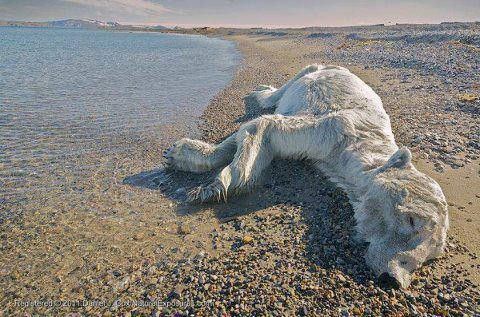
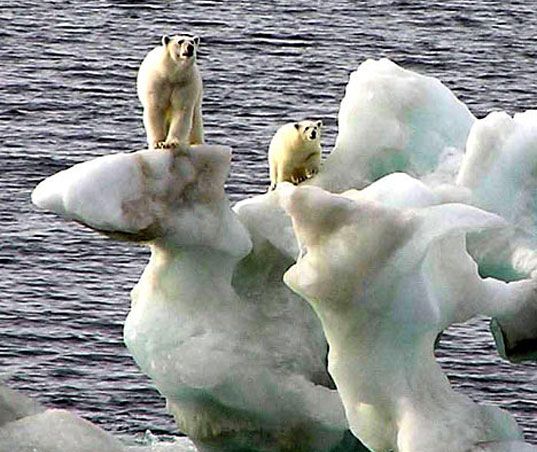
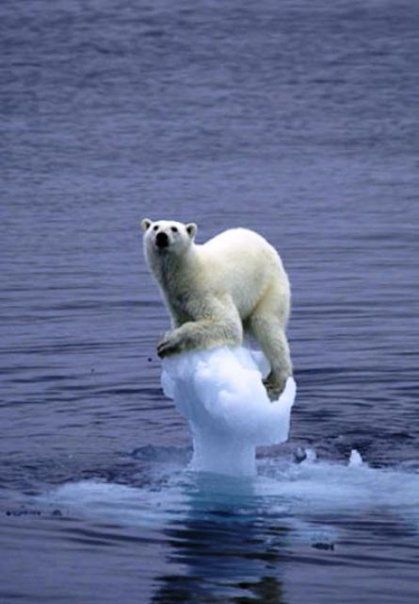
Greenland’s Ice Has Melted Beyond Return, Study Suggests.

Tracy glacier is seen in this satellite handout image from Greenland, September 7, 2018, provided by Maxar Technologies on August 14, 2020. Satellite image ©2020 Maxar Technologies/Handout via REUTERS THIS IMAGE HAS BEEN SUPPLIED BY A THIRD PARTY. NO RESALES. NO ARCHIVES MANDATORY CREDIT

The melting was revealed in satellite images. Pic: Maxar Technologies

Scientists have long been concerned about the future of Greenland

https://news.sky.com/story/greenlands-ice-has-melted-beyond-return-study-suggests-12049724

Greenland’s ice has melted beyond return, study suggests

It will now gain mass only once every 100 years, and if all the ice melts, it would push sea levels up by roughly six metres.

Greenland’s ice sheet may have melted beyond the point of return, with the ice likely to disappear no matter how quickly the world reduces climate-warming emissions, research suggests.

Ohio State University scientists studied 234 glaciers in the Arctic territory for 34 years until 2018.

They found that annual snowfall was no longer enough to replenish glaciers of the snow and ice being lost to summertime melting, which is already causing global seas to rise about a millimetre on average per year.

If Greenland’s ice goes, the water released would push sea levels up by an average of six metres – enough to swamp many coastal cities around the world.

Co-researcher and glaciologist Ian Howat said Greenland “is going to be the canary in the coal mine, and the canary is already pretty much dead at this point”.

Scientists have long worried about Greenland’s fate, given the amount of water locked into the ice.

The Arctic has been warming at least twice as fast as the rest of the world for 30 years, while the polar sea ice hit its lowest extent for July in 40 years.

Through studying satellite images, the new study found the territory’s ice sheet will now gain mass only once every 100 years.

Co-author and glaciologist Michalea King said the sobering findings should spur governments to prepare for sea-level rise, adding “things that happen in the polar regions don’t stay in the polar regions”.

But she said containing the global temperature rise can still slow the rate of ice loss.

Greenland is far from the only country rapidly losing its glaciers and moisture.

Canada’s last intact ice shelf broke apart into hulking iceberg islands in late July due to a hot summer and global warming, scientists recently revealed.

Satellite images showed that about 43% of the 4,000-year-old Milne Ice Shelf on the northwestern edge of Ellesmere Island had snapped off.

Meanwhile, scientists have warned that summer heatwaves and minimal rainfall have sucked eastern Germany’s lakelands dry, harming fish and plants.

Seddiner Lake, in the state of Brandenburg, south-west of Berlin, has sunk 60cm annually on average over the past few years, with local geographer Knut Kaiser calling it the “beginning of the end for the region’s lakes”.

Coronavirus: world treating symptoms, not cause of pandemics, says UN.

Source – England:

https://www.theguardian.com/world/2020/jul/06/coronavirus-world-treating-symptoms-not-cause-pandemics-un-report

Coronavirus: world treating symptoms, not cause of pandemics, says UN

Ongoing destruction of nature will result in stream of animal diseases jumping to humans, says report

The world is treating the health and economic symptoms of the coronavirus pandemic but not the environmental cause, according to the authors of a UN report. As a result, a steady stream of diseases can be expected to jump from animals to humans in coming years, they say.

The number of such “zoonotic” epidemics is rising, from Ebola to Sars to West Nile virus and Rift Valley fever, with the root cause being the destruction of nature by humans and the growing demand for meat, the report says.

Even before Covid-19, 2 million people died from zoonotic diseases every year, mostly in poorer countries. The coronavirus outbreak was highly predictable, the experts said. “[Covid-19] may be the worst, but it is not the first,” said the UN environment chief, Inger Andersen.

Human impact on wildlife to blame for spread of viruses, says study

The biggest economic costs fall on rich nations – $9tn (£7.2tn) for Covid-19 over two years, according to the IMF’s chief economist. This makes a very good case for investment in the countries where diseases emerge, the authors say.

The report said a “one health” approach that unites human, animal and environmental health is vital, including much more surveillance and research on disease threats and the food systems that carry them to people.

“There has been so much response to Covid-19 but much of it has treated it as a medical challenge or an economic shock,” said Prof Delia Grace, the lead author of the report by the United Nations Environment Programme (Unep) and the International Livestock Research Institute (Ilri).

“But its origins are in the environment, food systems and animal health. This is a lot like having somebody sick and treating only the symptoms and not treating the underlying cause, and there are many other zoonotic diseases with pandemic potential.”

“An intense surge in human activity is affecting the environment all across the planet, from burgeoning human settlements to [food production], to increasing mining industries,” said Doreen Robinson, Unep’s chief of wildlife. “This human activity is breaking down the natural buffer that once protected people from a number of pathogens. It’s critically important to get at the root causes, otherwise we will consistently just be reacting to things.”

“The science is clear that if we keep exploiting wildlife and destroying our ecosystems, then we can expect to see a steady stream of these diseases jumping from animals to humans in the years ahead,” said Andersen.

Wildlife and livestock are the source of most viruses infecting humans and the report cites a series of drivers of outbreaks, including rising demand for animal protein, more intensive and unsustainable farming, greater exploitation of wildlife, surging global travel and the climate crisis. It also says many farmers, regions and nations are reluctant to declare outbreaks for fear of damaging trade.

“The primary risks for future spillover of zoonotic diseases are deforestation of tropical environments and large-scale industrial farming of animals, specifically pigs and chickens at high density,” says the disease ecologist Thomas Gillespie of Emory University in the US, an expert reviewer of the report. “We are at a crisis point. If we don’t radically change our attitudes toward the natural world, things are going to get much, much worse. What we are experiencing now will seem mild by comparison.”

Pandemics result from destruction of nature, say UN and WHO

The report highlights some examples of where zoonotic risks are being managed. In Uganda, deaths from Rift Valley fever have been reduced by using satellite data to anticipate heavy rainfall events, which can produce mosquito swarms and trigger outbreaks.

The report is the latest stark warning that governments must address the destruction of the natural world to prevent future pandemics. In June, a leading economist and the UN said the coronavirus pandemic was an “SOS signal for the human enterprise”, while in April, the world’s leading biodiversity experts said more deadly disease outbreaks were likely unless nature was protected.

“At the heart of our response to zoonoses and the other challenges humanity faces should be the simple idea that the health of humanity depends on the health of the planet and the health of other species,” said Andersen. “If humanity gives nature a chance to breathe, it will be our greatest ally as we seek to build a fairer, greener and safer world for everyone.”

If you thought July was hot, you were right: It was one of Earth’s hottest months ever recorded.

global warming – Google Search

We Didn't Start The Fire”... Or Did We? : Global Warming And ...

If you thought July was hot, you were right: It was one of Earth’s hottest months ever recorded

Doyle Rice USA TODAY

Published 10:28 AM EDT Aug 14, 2020

https://eu.usatoday.com/story/news/nation/2020/08/13/july-2020-record-heat-one-hottest-months-ever-recorded/3366762001/

Last month was a scorcher worldwide. 

July 2020 tied with July 2016 as the second-hottest month ever recorded for the planet Earth, according to a report released Thursday by the National Oceanic and Atmospheric Administration. 

Only July 2019 was hotter, and only by a fraction of a degree. 

“The July 2020 global land and ocean surface temperature was 1.66 degrees above the 20th-century average of 60.4 degrees, tying with 2016 as the second-highest temperature in the 141-year record,” NOAA said. “Last month was only 0.02 of a degree F shy of tying the record-hot July of 2019.”

July 2020 also marked the 44th-consecutive July and the 427th-consecutive month with temperatures above the 20th-century average, according to NOAA.

Experts say this is a sure sign of human-caused climate change: “The trend of record heat continues – a trend which we’ve shown in past publications can only be explained by the warming impact of fossil fuel burning,” said Penn State University meteorologist Michael Mann.

Record-hot July temperatures spread across parts of southeastern Asia, northern South America and North America. In the U.S., several states either set or tied their hottest month on record, including Virginia (tied), Maryland, Pennsylvania (tied), Delaware, New Jersey, Connecticut (tied) and New Hampshire.

What’s more, the Northern Hemisphere saw its hottest July ever – surpassing its previous record high set just last year, NOAA said.

“The unprecedented summer heat waves, droughts, wildfires and floods we continue to witness are all a consequence of the record warmth,” Mann said.

It was also very warm up north, as Arctic sea ice extent for July 2020 was the smallest-July extent in the 42-year record at 846,000 square miles (23.1%) below the 1981–2010 average, according to an analysis by the National Snow and Ice Data Center.

In addition, July continued the pattern of unusually warm months this year. For the year-to-date, 2020 is now the second-warmest year on record, trailing only 2016.

“The year-to-date global land and ocean surface temperature was the second-highest in the 141-year record at 1.89 degrees above the 20th-century average of 56.9 degrees,” the report said. “This value is only 0.07 degree less than the record set in 2016.” 

It’s the hottest year on record across a large portion of northern Asia, parts of Europe, China, Mexico, northern South America as well as the Atlantic, northern Indian and Pacific Oceans. 

“The year 2020 is very likely to rank among the five warmest years on record,” NOAA said.

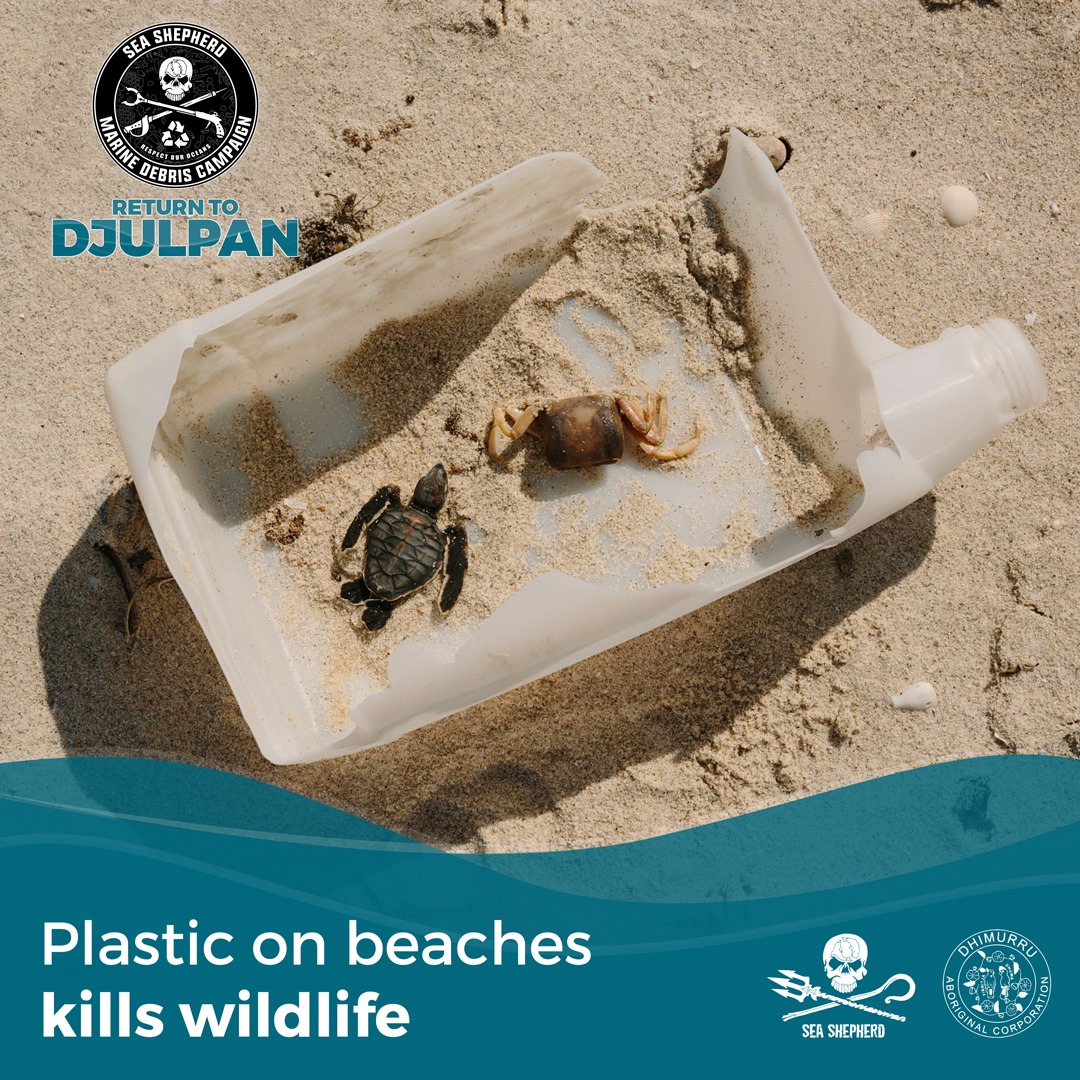
Plastic kills, our garbage kills

You may think a plastic container looks pretty harmless on a supermarket shelf but if discarded into the ocean and swept-up onto a beach, it is a different story.
This container, found by Sea Shepherd crew as they worked alongside the Dhimurru Rangers cleaning the 14km beach, had trapped and killed a turtle hatchling and crab.

plastik kills o

As the plastic crisis sweeps across Australia’s top-end beaches, we are seeing the same story in other places too.

Plastik66
Recently, in the first study of its kind, an IMAS-led research team estimated that around 570 000 hermit crabs have been killed on the Cocos (Keeling) Islands in the Indian Ocean.

Tauchen / Christmas Island
The hermit crab study found that piles of plastic pollution on beaches create both a physical barrier and a series of potentially deadly traps for crabs and other marine creatures.

The plastic waste lying around poses a risk of injury to all marine animals and blocks, for example, young turtles from getting to the water.

Animals like hermit crabs also crawl into the containers and cannot find their way out.
Unfortunately, the decaying smell of the dead conspecifics often attracts other animals, which then faces the same fate.

The actually “harmless” container thus triggers an insidious and deadly chain reaction.

Whether on the coast, in the city or in the country, you can find garbage everywhere.

Cans, balloon cords, bottles and and and … – if it’s lying around, take it with you, you could possibly save a life with it.

https://www.imas.utas.edu.au/news/news-items/half-a-million-crabs-killed-by-plastic-debris-on-remote-islands


And I mean…Of course, we will also clean up the garbage that threatens the lives of our flatmates, the animals.
It will be us again, who else?

We are the ones who save animals wherever they can be found.
We are the ones who are always on duty to correct fatal mistakes made by idiots, irresponsible people, or animal haters.
Like a concrete slab, this cruel reality presses us every day and forces us to work for abandoned, injured, neglected animals. And that’s a tough job!

We correct malice, injustice, violence; we cannot do otherwise, our own morals dictate that.

But if we see and feel the advancing catastrophe of our planet every day, which is taking place due to the indifference of the meat eaters, the molesters of nature, the exploiters of natural resources and animals, then we could say that Corona lasted far too short.

Our hope champion was too slow and too weak.

Corona_Cage

This Corona was a weakling.

My best regards to all, Venus

Cameroon cancels logging plan that threatened rare apes.

Cameroon cancels logging plan that threatened rare apes

DAKAR (Reuters) – Cameroon has backtracked on a decision to allow industrial logging in one of the ion’s least exploited rainforests, home to rare gorillas, tool-wielding chimpanzees and giant frogs.

The latest government decree overturns one signed in July that would have permitted timber extraction across 68,385 hectares (264 sq miles), or nearly half, of southwestern Cameroon’s Ebo forest, following an outcry from conservation groups and local communities.

Logging would have destroyed the habitat of a small population of gorillas that may be a new subspecies and threatened chimpanzees known for both cracking nuts and fishing for termites, according to Global Wildlife Conservation.

Without giving a reason for the U-turn, the office of Prime Minister Joseph Ngute said in a statement on Tuesday that he had been instructed by President Paul Biya to reverse the earlier decree allowing logging.

It also said Biya had ordered a delay to plans to reclassify a separate 65,000 hectares of Ebo, a move that could have opened it up to loggers.

Conservationists, researchers and local groups have repeatedly urged the Cameroonian government to suspend plans for the two long-term logging concessions in Ebo, which is also the ancestral home of more than 40 local communities.

On Wednesday, Greenpeace Africa greeted the authorities’ apparent change of heart with cautious relief.

“The government of Cameroon seems to have suspended logging plans,” it said in an emailed statement. “The fate of Ebo forest – the communities dependent on it and the wildlife that live in it – still remains unclear.”

Ebo’s mountain slopes and river valleys also host at least 12 plant species that cannot be found anywhere else on the planet as well as the endangered Goliath Frog, a shy, cat-sized amphibian that builds pools for its tadpoles out of rocks.

https://www.reuters.com/article/us-cameroon-deforestation/cameroon-cancels-logging-plan-that-threatened-rare-apes-idUSKCN2582BE

Cameroon cancels logging plan that threatened rare apes

DAKAR (Reuters) – Cameroon has backtracked on a decision to allow industrial logging in one of the region’s least exploited rainforests, home to rare gorillas, tool-wielding chimpanzees and giant frogs.

The latest government decree overturns one signed in July that would have permitted timber extraction across 68,385 hectares (264 sq miles), or nearly half, of southwestern Cameroon’s Ebo forest, following an outcry from conservation groups and local communities.

Logging would have destroyed the habitat of a small population of gorillas that may be a new subspecies and threatened chimpanzees known for both cracking nuts and fishing for termites, according to Global Wildlife Conservation.

Without giving a reason for the U-turn, the office of Prime Minister Joseph Ngute said in a statement on Tuesday that he had been instructed by President Paul Biya to reverse the earlier decree allowing logging.

It also said Biya had ordered a delay to plans to reclassify a separate 65,000 hectares of Ebo, a move that could have opened it up to loggers.

Conservationists, researchers and local groups have repeatedly urged the Cameroonian government to suspend plans for the two long-term logging concessions in Ebo, which is also the ancestral home of more than 40 local communities.

On Wednesday, Greenpeace Africa greeted the authorities’ apparent change of heart with cautious relief.

“The government of Cameroon seems to have suspended logging plans,” it said in an emailed statement. “The fate of Ebo forest – the communities dependent on it and the wildlife that live in it – still remains unclear.”

Ebo’s mountain slopes and river valleys also host at least 12 plant species that cannot be found anywhere else on the planet as well as the endangered Goliath Frog, a shy, cat-sized amphibian that builds pools for its tadpoles out of rocks.

https://www.reuters.com/article/us-cameroon-deforestation/cameroon-cancels-logging-plan-that-threatened-rare-apes-idUSKCN2582BE

USA: NRDC; Fighting Hard Against Trump for the People, the Environment and Animal Welfare.

Dear Mark,

A few weeks back, we promised we’d file suit to stop the Trump administration’s new policy that guts the landmark National Environmental Policy Act (NEPA). Well, we’ve done it.

Last week, a coalition of environmental justice and environmental groups — represented by NRDC attorneys and joined by other civil rights and environmental organizations — sued the Trump administration over its attempt to roll back NEPA.

NEPA is a critical part of our democracy that requires thorough environmental reviews and public input before major federal projects — including dangerous fossil fuel infrastructure — can be approved. It protects the people’s right to speak out against the destructive influence of polluters and hazardous projects that poison communities today and lock us into the climate crisis for decades to come.

The Trump administration’s rollback would eliminate environmental reviews for too many projects, erode government transparency, and thwart public participation.

The courts are our best bet at stopping the Trump administration from gutting this landmark environmental protection. So NRDC rushed to court to defend NEPA alongside environmental justice organizations from around the country, including:

Our litigation partners also include Sierra Club, National Audubon Society, and the New York Civil Liberties Union.

Be sure to visit the websites of our partners to find out more about their critical work.

Dear Mark,

A few weeks back, we promised we’d file suit to stop the Trump administration’s new policy that guts the landmark National Environmental Policy Act (NEPA). Well, we’ve done it.

Last week, a coalition of environmental justice and environmental groups — represented by NRDC attorneys and joined by other civil rights and environmental organizations — sued the Trump administration over its attempt to roll back NEPA.

NEPA is a critical part of our democracy that requires thorough environmental reviews and public input before major federal projects — including dangerous fossil fuel infrastructure — can be approved. It protects the people’s right to speak out against the destructive influence of polluters and hazardous projects that poison communities today and lock us into the climate crisis for decades to come.

The Trump administration’s rollback would eliminate environmental reviews for too many projects, erode government transparency, and thwart public participation.

The courts are our best bet at stopping the Trump administration from gutting this landmark environmental protection. So NRDC rushed to court to defend NEPA alongside environmental justice organizations from around the country, including:

Our litigation partners also include Sierra Club, National Audubon Society, and the New York Civil Liberties Union.

Be sure to visit the websites of our partners to find out more about their critical work.

And read all about the Trump administration’s disastrous NEPA rollback and what NRDC and our allies are doing to stop it at NRDC.org.

Trump’s rollback is a clear example of environmental racism.

Weakening of NEPA will most directly impact low-income communities and BIPOC communities, who have long faced disproportionate levels of pollution due to industrial facilities placed in or near their neighborhoods.

These are the same communities who have been hit the hardest by the COVID-19 crisis, which is especially critical as preliminary research shows that long-term exposure to air pollution is associated with higher death rates from the coronavirus.

Predictably, Trump has decided to double-down on exposing them to dangerous pollution and continued health risks. NRDC, our partners in the lawsuit, and our allies across the movement, will do everything in our power to stop attacks on NEPA.

Find out more about Trump’s disastrous attack on NEPA at NRDC.org and from the original email we sent you below.

Earlier this year, NRDC and our sister organization, the NRDC Action Fund, submitted over 100,000 public comments — alongside nearly half a million more from green and environmental justice groups — opposing Trump’s NEPA rollback.

Now, we’ll continue the fight to save NEPA in the courts, alongside our important litigation partners from across the country.

This is NRDC’s 121st lawsuit against the Trump administration — and we’ve won nearly 90% of the cases that have been resolved — an astounding record of success fighting back against illegal actions by this president that harm our environment and public health. And we’re confident that with this lawsuit, we will prevail again.

While America faces the crises of the COVID-19 pandemic and its history of racism and inequity, President Trump is pushing ahead with an anti-environmental assault that would exacerbate both challenges in one fell-swoop.

The Trump administration just finalized its disastrous rollback of the National Environmental Policy Act (NEPA) — a landmark law that empowers people to make their voices heard about hazardous projects in their communities and stop pollution in their own backyards.

This attack on NEPA is an attack on democracy, our environment, our climate, and YOUR voice, Mark.

And NRDC will respond immediately, taking the Trump administration to court if that’s what it takes to stop this reckless assault on one of the pillars of environmental law. And we couldn’t respond so effectively without the support of NRDC supporters like you — thank you.

Get all the facts about Trump’s harmful attacks on NEPA, and how NRDC and our allies and partners are fighting back, and more at NRDC.org.

If Trump’s NEPA rollback is allowed to stand, disastrous polluting projects — like coal mines, highways, incinerators, oil and gas drilling operations, and pipelines — could be expedited with little-to-no environmental review, public input, or analysis of long-term impacts on the environment, our climate, or the people who live near these projects.

Make no mistake: this rollback is a clear attempt to silence people and make it easier for industry to pollute our communities.

And it will further marginalize low-income communities, Black communities, Indigenous communities, and communities of color who already suffer disproportionately from the adverse health impacts of industrial pollution — and who have been hit the hardest by the COVID-19 crisis. This is especially critical as preliminary health studies suggest that long-term exposure to air pollution is associated with higher death rates from the coronavirus.

NEPA gives people the right to weigh in before a highway project tears up their neighborhood or a pipeline goes through their backyard. Steamrolling their concerns will mean more polluted air, more contaminated water, more health threats, and more environmental destruction — and it will encourage the government to ignore how massive polluting projects contribute to climate change.

We must — and will — do everything in our power to stop the Trump administration’s rollback and save NEPA, including fighting back in federal court if necessary.

This dangerous new rollback comes weeks after another sweeping executive order that prods administration officials to ram through polluting projects without public notice, let alone adequate environmental reviews.

And it comes amid an onslaught of other Trump administration rollbacks over the past few months — including a move that could allow industrial polluters to evade penalties if they unlawfully fail to monitor and report on their pollution during the coronavirus crisis.

NRDC is fighting many of these rollbacks in court — just as we’ll fight to save NEPA as well, if that’s what it takes. NRDC has filed 118 lawsuits against the Trump administration. With the law on our side, we’ve won nearly 90 percent of the cases resolved so far.

Thank you for standing with us at this critical moment.

Sincerely,

Sharon Buccino
Senior Director, Land Division, NRDC

https://www.nrdc.org/

England: Running for Their Lives – Hare Hunting Exposed – League Against Cruel Sports (London).

Produced with massive help from the ‘League Against Cruel Sports’ (LACS) – London.

https://www.league.org.uk/?gclid=EAIaIQobChMIsKblx5mV6wIVA-ztCh0UTAoMEAAYASAAEgJm_PD_BwE

Much of the information is reproduced from their site at  https://www.league.org.uk/hunting-act

The Hunting Act 2004 is the law which bans chasing wild mammals with dogs in England and Wales – this basically means that fox hunting, deer hunting, hare hunting, hare coursing and mink hunting are all illegal, as they all are cruel sports based on dogs chasing wild mammals.

The introduction of the Hunting Act followed an extensive and often exhausting campaign spanning 80 years, with the League Against Cruel Sports and its supporters (including us) at the forefront since 1924. In Scotland, hunting with dogs was banned earlier by a different law, the Protection of Wild Mammals (Scotland) Act 2002.

Securing the Hunting Act was a key moment in the history of animal protection legislation in the UK and public polling consistently shows it is a popular law. Yet, since its introduction, the Hunting Act has been the target of considerable attack from the pro-hunt lobby which has waged an on-going campaign to try and undermine the Act with the aim of getting it scrapped or weakened, and defied the Act by developing and promoting methods to circumvent it in the form of false alibies or illicit exploitations of its exemptions.

This sabotage of the law continues today, despite the legislation of 2004.

Prosecutions and Exemptions

Official figures demonstrate that the Hunting Act has protected animals, with people being convicted for crimes covered by the law. However, far too many allegations of illegal hunting have not been properly investigated and far too many illegal hunters have got away with it unpunished, which means that the Act has a serious enforcement problem. Because of the weak enforcement by the authorities the successful prosecution of registered hunts was spearheaded by the League when we took private prosecutions against illegal hunters.

While many people have been convicted under the Hunting Act, most of these are in fact poachers rather than hunters. Unfortunately we believe that illegal hunting with dogs by organised hunts is very common across the country, while there are very few prosecutions. The problem is that considering the defiance of the hunting fraternity and how they have created sophisticated alibies and illicitly exploited the exemptions of the Act, it is often hard to catch hunts in the act of chasing and killing a fox, and even if they are caught, it is hard to prove in court.

The Act contains ‘exemptions’ built into its Schedule, which were designed to prevent the ban affecting activities which Parliament did not intend to prohibit. Unfortunately, hunts often use these exemptions as an excuse if they are caught hunting. For example, staghunts use the ‘Research and Observation’ exemption that was designed for researchers and not hunters, and some fox hunts carry birds of prey in order to claim that they use the ‘falconry’ exemption, which was designed for falconers.

However, the most common way illegal fox hunters use to avoid prosecution is with ‘trail hunting’. Most registered fox and hare hunts now claim to be trail hunting – an activity that was not in existence or envisaged when the Hunting Act was drafted, and which should not be confused with ‘drag’ hunting.

Trail hunting is an entirely new invention which purports to mimic traditional hunting by following a scent trail (using fox urine, according to the hunters) which has been laid in areas where foxes are likely to be. Those laying the trail are not meant to tell those controlling the hounds where the scent has been laid, so if the hounds end up following a live animal scent the hunt can claim that they did not know.

This image has an empty alt attribute; its file name is lacs-hare-2.jpg

Having looked over 4,000 hunt monitoring reports of over 30 hunt monitors from different organisations covering the majority of hunts in England and Wales (157), since the Hunting Act 2004 was enacted these hunt monitors have reported witnessing someone laying a possible trail only in an average of around 3% of the occasions they monitored hunts, but they believed that only an average of around 0.04% of the occasions they may have witnessed a genuine trail hunting event, rather than a fake one.

Trail hunting is not the same as drag hunting, a legitimate sport created in the 1800s which is not intended to mimic animal hunting, but instead is a sport using hounds to search for a non-animal scent without the pursuit or killing of wild animals.

In drag hunting, or in bloodhounds hunting (or hunting the ‘clean boot’ as it is also known) where the scent of a human runner is followed instead of a drag, the trail never contains animal scent, is never laid in areas likely to have foxes, and those controlling the hounds always know where the trail was laid.

This is why in drag hunting, ‘accidents’ when live animals are chased are very rare, while in trail hunting they are very common.

The League believes there is no such a thing as the ‘sport of trail hunting’ and it is simply a temporary, false alibi to cover for illegal hunting while the hunting fraternity hopes for the hunting ban to be repealed or weakened.

For more information visit our trail hunting page and read or download our detailed report on trail hunting, drag hunting and the ‘clean boot’.

Hare hunting and hare coursing

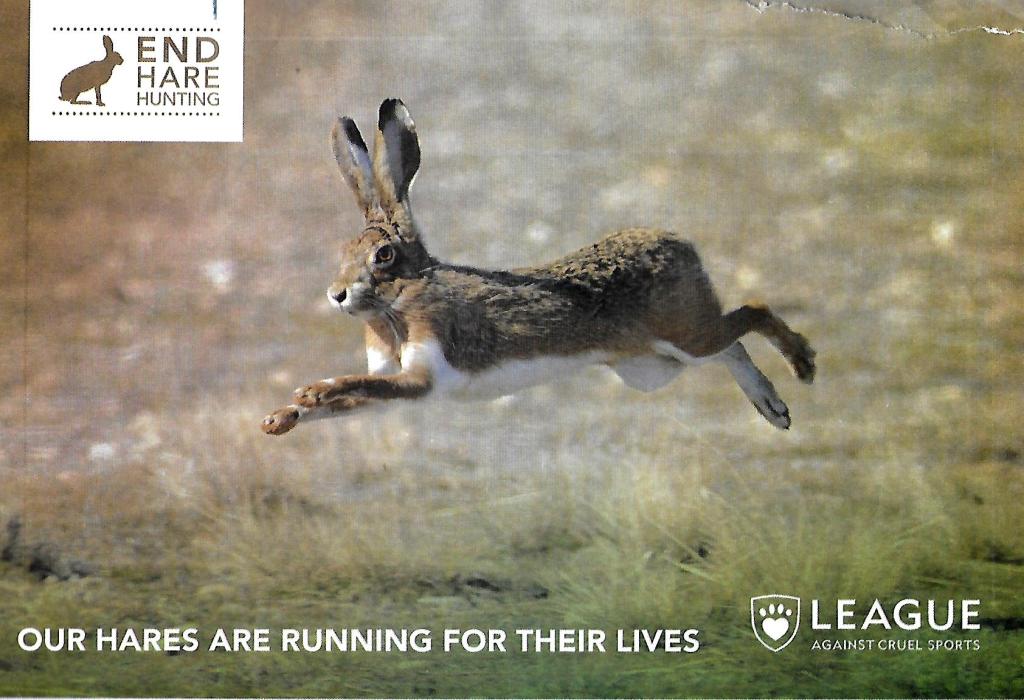
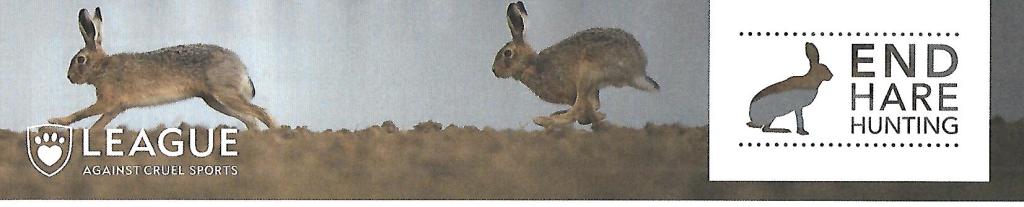
Hare hunting is the lesser known cousin of fox hunting and deer hunting, but in the days before hunting was banned in England and Wales, one in three hunts were actually hare hunts. Despite the ban, when hunting with dogs was made illegal, most of these hunts still exist, and are chasing and killing hares in the name of ‘sport’.

Hare coursing is a different ‘sport’, involving two fast dogs being set loose to chase a hare. Traditionally, this could take place on a small scale but also as a large-scale, organised event, such as the famous Waterloo Cup event which attracted thousands of spectators who came to watch and place bets. Hare coursing was banned, along with hare hunting, by the Hunting Act 2004, and is illegal, but coursing still takes place

According to the Hare Preservation Trust, the number of brown hares in the UK has declined by 80% since the late 1880s – that’s a devastating drop. While modern farming practices are thought to be the main cause of this decline, hare hunting and hare coursing also had an impact. A return to these cruel sports could see brown hares wiped out in many parts of Britain. The brown hare is listed as a conservation priority in the UK’s Biodiversity Action Plan, meaning we should be doing all we can to protect this vulnerable species.

There is nothing ‘natural’ about a hare being chased with a pack of dogs. Hares have evolved to sprint at high speeds for short periods to escape predators. They cannot match the stamina of hunting hounds who will continue the chase until the hare is exhausted and can run no more. When talking about hares and hunting with dogs, the Government’s Burns Report published in 2000 concluded that ‘this experience seriously compromises the welfare of the hare.’

Ref – https://www.league.org.uk/hare-hunting-and-hare-coursing

Watch the reality of the Hare hunt:  https://youtu.be/Xrhkt0EOGx4

Regards Mark

In many ways it is still a bloodbath !

Australia: Italian Fashion Giant Prada Bans the Use of Kangaroo Skin. But States of Victoria and New South Wales Still Allow Kangaroo Killing. Take Action Here. Has Australia Not Killed Enough Wildlife Rcentl;y ?

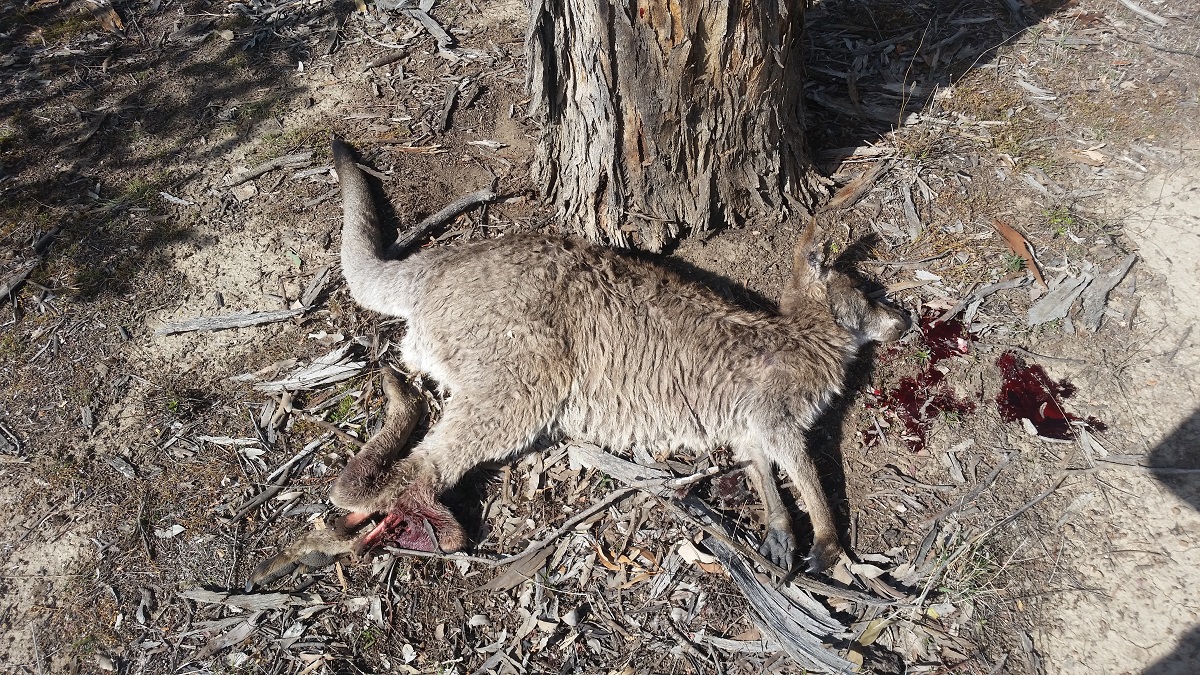
Image shows a dead kangaroo

Great news,

Italian fashion giant Prada has banned kangaroo skin.

The Prada Group – which includes Prada, Miu Miu, Church’s, and Car Shoe – has confirmed that it will no longer purchase any new kangaroo leather. The decision will spare these remarkable Australian animals immense suffering.

Prada joins the likes of Versace, Victoria Beckham, Chanel, and Paul Smith in banning leather made from kangaroos.

Some 2.3 million kangaroos are reportedly killed every year for their skin. To produce leather, the animals are first shot. Then, the injured kangaroos – as well as orphaned joeys – are decapitated or hit sharply on the head to “destroy the brain” before their skin is torn off so it can be exported and made into accessories often labelled as “k-leather”.

As you read this, state governments are approving permits to hunt kangaroos.

Please join our campaign urging the New South Wales and Victorian governments to stop issuing permits for the mass slaughter of kangaroos

While wildlife carers are still working day and night rehabilitating burned, otherwise injured, and starving animals, the Victoria and New South Wales governments are allowing permits to be issued for the mass slaughter of kangaroos – often simply because they compete for food with introduced farmed animals raised for meat, leather, and wool.

It’s outrageously easy to get a permit to kill kangaroos in these states – in fact, in New South Wales, it’s called a “Licence to Harm” and applicants can even renew over the phone. 

Meanwhile, Queensland’s commercial slaughter has been halted and the South Australian government has stopped plans to slaughter wallabies on Kangaroo Island after one-third of the island caught fire. 

More than 1 billion animals perished in Australia’s recent fires. The death toll is high enough. 
Join us in urging the New South Wales and Victoria governments to stop issuing permits to kill wildlife.

Take Action Here:

https://secure.peta.org.au/page/56507/action/1?utm_source=PETA%20AU::E-Mail&utm_medium=Alert&utm_campaign=0820::skn::PETA%20AU::E-Mail::Prada::::aa%20em&ea.url.id=4858960&forwarded=true

Regards Mark.