Day: July 24, 2023

India: July 2023 News and Rescues.

Dear Mark,   

When we consider the quality of life of animals who are other-abled, it’s joyous to see how much love and play are core elements that make a life worth living. 

Although first-time visitors may express sadness in seeing dogs with physical impairments, our volunteers almost always express finding, after even just a few days, that it’s not the number of legs that measure happiness.

Instead, the dogs’ happiness is expressed in their play, curiosity, mischief and in the friendships they form with other dogs and people.

Thank you for helping us provide not only a safety net for the healing, the blind, the 2-and-3-leggers, the oldies and youngies, but also place where every bed can become a trampoline when the mood strikes! 

Transformed by trust, Cheeto won’t stop playing!

Cheeto was in excruciating pain from a laceration to the side of his face, and cried out in fear when we approached. We gently placed a blanket over his eyes to calm him down enough to let us carry him to our ambulance.

He was so forlorn during his first treatment and we found the wounds were very deep. But within just days the swelling had reduced, his pain was subsiding and suddenly he became a whirlwind of love! Meet Cheeto now!

Help put the life back in the party for someone hurting. Make a donation today.

Trapped in a sewer, a paralysed dog needed our help to get out.

We’d received a call that a dog was lying in a sewage drain, unable to move. We found him forlorn and worried, sitting perfectly still as the cold sewage water rushed past him. 

We found that his hind legs were not responding when we checked for sensation, indicating spinal injury. Spinal injuries have different rates of recovery depending on the severity, and we were very worried by the lack of sensation in his toes. But we gave him a chance, and began his bedrest and physical therapy in hopes that the sensation and movement would come back to his legs.

After several weeks working with him daily and helping him stand, Hopper surprised us all!

For someone in desperate need of help: Make a donation today.

More shade and shelter for our biggest boys and girls.

Preparing for this year’s monsoon season which began a few weeks ago, we have built more shade throughout the shelter including an addition in the large animal hospital, giving more space where the biggest boys and girls can go for a nap or night’s sleep without getting wet or muddy. 

Thank you for giving us the means to continually improve Animal Aid’s shelter each year.

Your wonderful donations at work!

Our June statistics reflect an increased number of spay-neuter surgeries thanks to the re-opening of our Animal Birth Control (ABC) Center, and we thank our donors for enabling this wonderful boost

Lovely ways to help animals.

100% of the proceeds go to our street animal rescues

https://shop.animalaidunlimited.org/

We thank you deeply for all you do, are, and inspire for animals.

Founding family Erika, Claire and Jim,

and the Animal Aid Unlimited team.

EU: The second worst animal welfare problem in Europe? Here’s what’s really happening to dairy cows.

The second worst animal welfare problem in Europe? Here’s what’s really happening to dairy cows

24 July 2023

Are you clued up when it comes to what factory farmed dairy cows in Europe go through? Millions of these animals are spending nearly their whole lives sick, confined and in pain. Here are some of the main problems they face – and how policymakers should address them as they continue to revise the animal welfare legislation.

You’ll be hard-pressed to find a ‘healthy’ dairy cow in a factory farm. Forced to produce massive amounts of milk and subjected to zero-grazing systems, inadequate housing and improper monitoring and treatment, millions of these poor beings spend nearly their whole lives in pain. In fact, their health problems are so severe that they’re considered by the European Union to be the second-worst animal welfare problem in Europe. With that said, the welfare laws for dairy cows have not been addressed for decades. It’s time that changes.

The stats listed below are from the 2021 No Animal Left Behind report.

Across factory farms in the EU, dairy cows commonly suffer from two major challenges:

Lameness, which hinders their movements and increases their susceptibility to mastitis and other metabolic disorders. There hasn’t  been a meaningful  reduction in the prevalence of this illness for the past 20 years, which affects up to 31% of dairy cows in industrial farming systems

Mastitis, which can permanently injure their udders and is caused by physical trauma and infections. It affects between 20% – 30% of cows per herd, and it can be very hard to treat and has a high chance to come back.

Lack of access to pasture is a big reason why these dairy cows are suffering so much

Cows have evolved to thrive on pasture, where they can graze, exercise, socialise, and explore the environment at their will. These natural habits are critical for their welfare, and are something they’re strongly motivated to do. Dairy cows have been known to push against weighted gates to access pasture, even when they’ve been hungry and exhausted – clearly, their desire to be in these spaces is deeply-rooted, regardless of their physical state.

Cows simply need pasture. There’s no long-term replacement for it. However, surveys show that there has been a decline in grazing dairy cows across Europe over the past decade, with evidence concurrently showing that this lack of access to the outdoors has contributed to health issues like mastitis, dystocia, lameness, and teat trampling. 

Dairy cows and calves also spend too much time alone, bored and starving

The indoor environment millions of dairy cows are forced to live in is nowhere near good enough to keep them satisfied, comfortable and sickness-free. Numerous cows are tethered within ‘tie-stall systems’ where they find it incredibly difficult to lie down and relax, and where they are far more likely to get sick (as opposed to cows in ‘loose-housed’ systems, who can roam and look after themselves more effectively).

Cows are commonly lonely on factory farms, too. 60% of Europe’s dairy cows are housed individually for at least the first eight weeks of their lives. This impedes their ability to learn, socialise, and develop good coping mechanisms, as well as restricts their behaviours and ability to move. Adult dairy cows can be tethered throughout their lives, as well. 

The grass is greener on the other side: the European Commission must free Europe’s dairy cows and protect their welfare.

These problems clearly cannot be allowed to continue or worsen. The EU’s dairy cows desperately need changes to be put in place for their welfare as the European Commission continues to revise the animal welfare laws, including provisions to:

Enable them to access good-quality pasture more frequently

House calves socially, so they don’t have to grow up alone

Improve their indoor environment – so when dairy cows do have to be indoors, they have plenty to do to keep themselves healthy and entertained. A simple measure that could be implemented is the use of mechanical brushes, which can reduce boredom, stress and frustration, as well as improve their hygiene and make them happier

Fed sufficient amounts of nutritious food

Tethering of dairy cows should be banned, so no cow has to endure being tied to the same place for months in a row.

Dairy cows deserve to be free, comfortable, healthy, nourished and happy – as does every other living thing. Share this tweet if you agree – dairy cows and all other kept animals need stronger laws for their welfare! 

Regards Mark

Belgium: Keep Wildlife In the Wild – GAIA and The Launch of Europe’s First Virtual Zoo.

Launch of Europe’s first virtual zoo

24 July 2023

GAIA – https://www.gaia.be/en

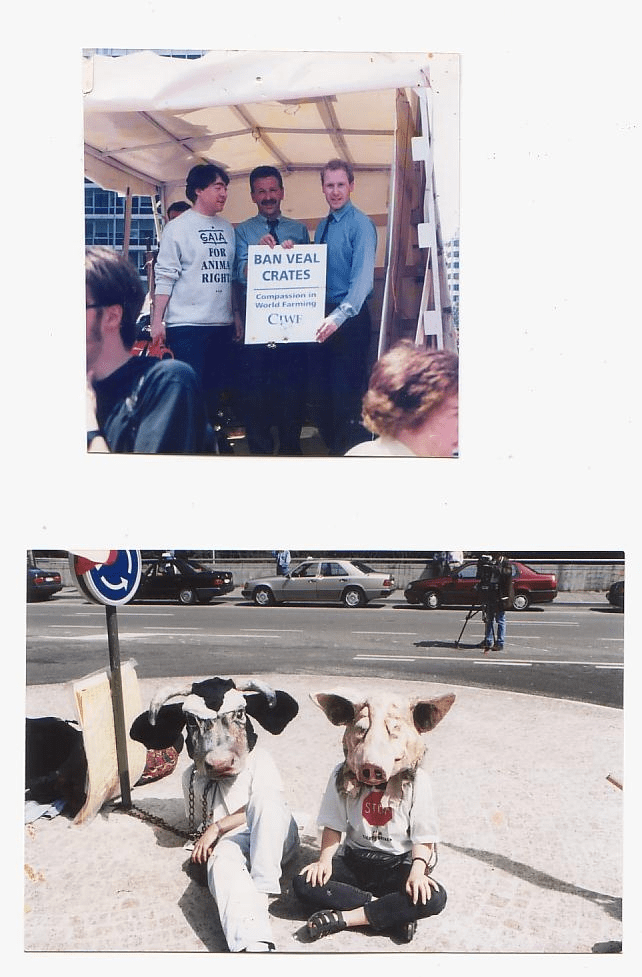
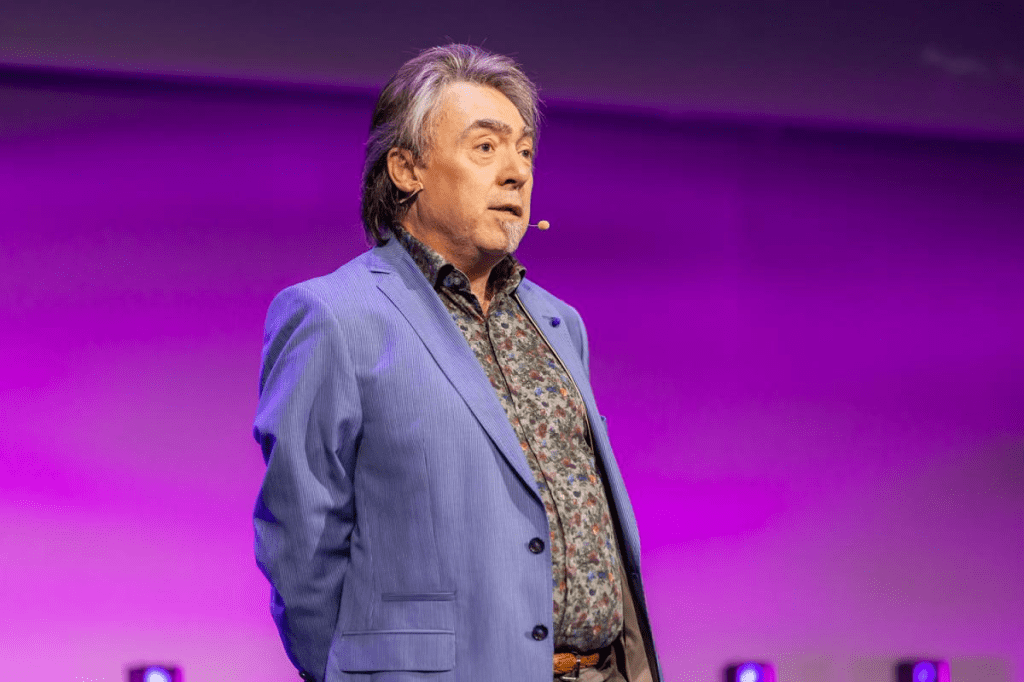
WAV comment – I (Mark) want to personally thank GAIA President Michel Vandenbosch for all his wonderful work and a life completely devoted to the welfare of animals. I first encountered a young Michel back in the 80’s when we were campaigning at EU headquarters, Brussels, for ban on veal crates.

Michel has over the years led GAIA to become a real primary voice for the voiceless in Europe, and he deserves credit for all the work he has undertaken for deacades relating to his devotion to animal welfare.

Here is the photo (below) I took back in the 80’s at that Brussels veal crate demo – you can see Michel on the left.

This virtual zoo is yet another of Micel’s wonderful contributions to the bettering of welfare for animals, Thank you Michel.

Above – GAIA President Michel Vandenbosch

Related:

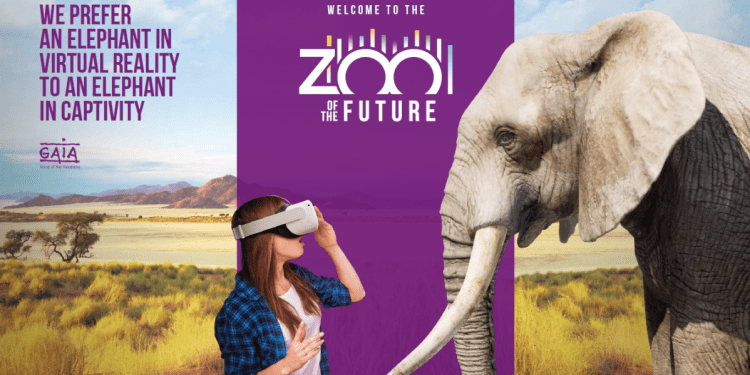
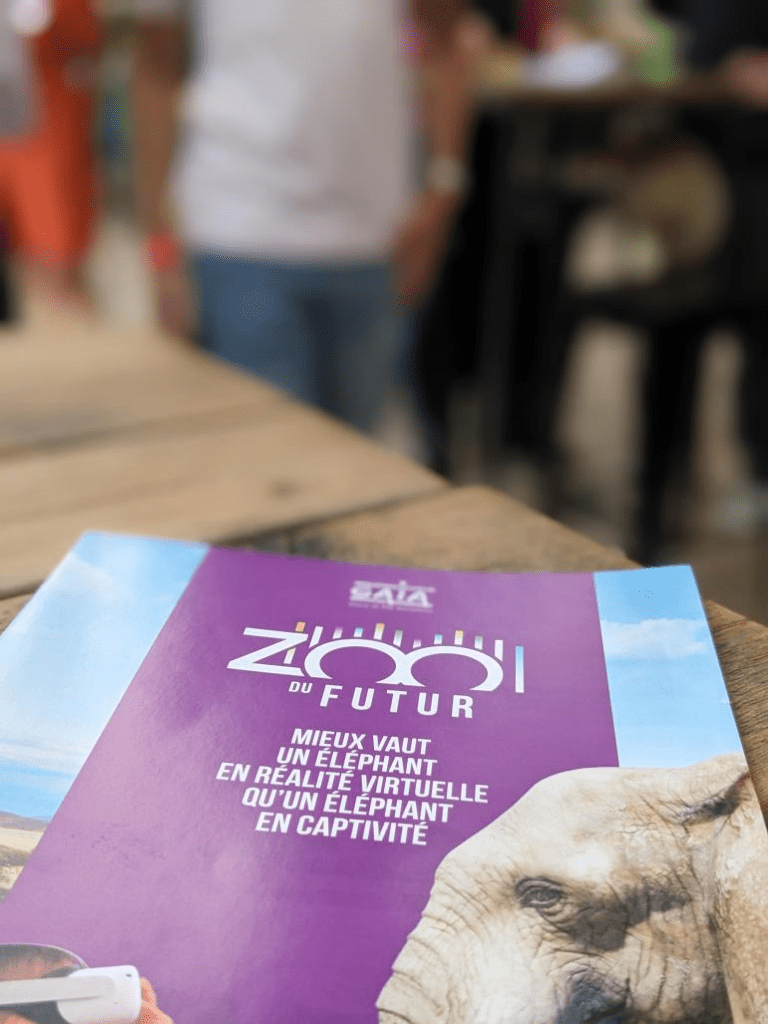
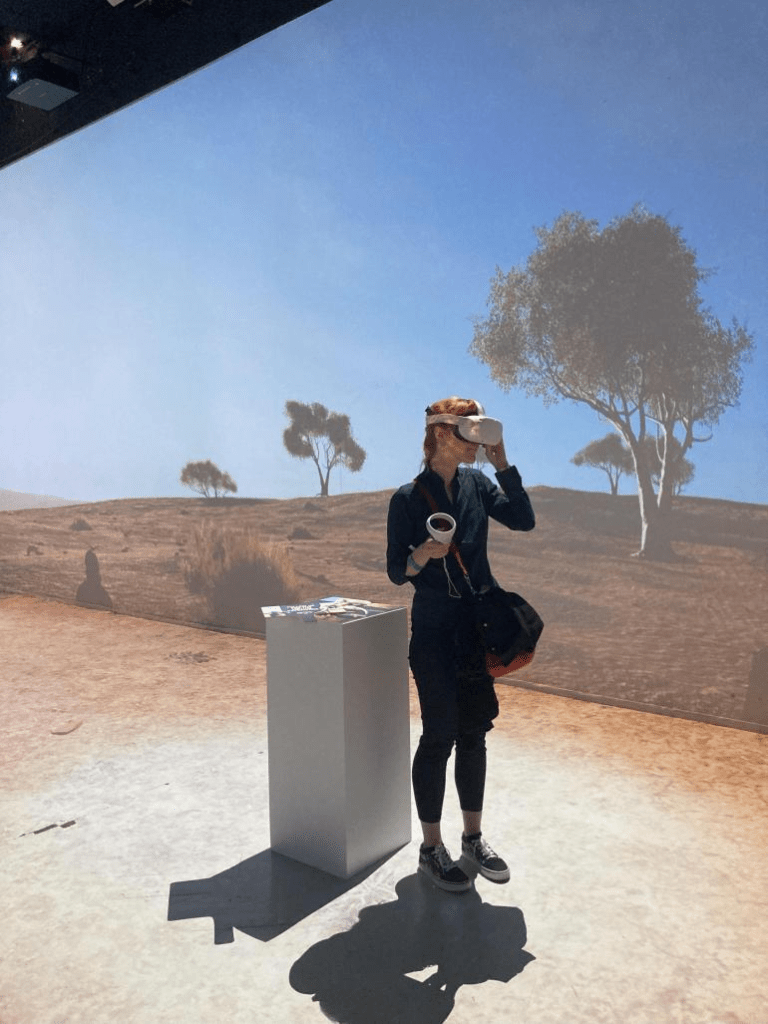
On Wednesday 19 July, GAIA inaugurated the first virtual reality zoo alongside Prince Laurent of Belgium and Bernard Clerfayt, Brussels Minister for Animal Welfare. This zoo of the future immerses visitors in wild habitats in virtual reality, allowing them to observe all kinds of animals, from tigers and penguins to giraffes and elephants.

Several million wild animals are kept in captivity in the 10,000 zoos currently counted around the world. Locked up in enclosures infinitely smaller than their natural habitat, in artificial environments that have little to do with their original savannah or forest, the animals suffer. 

Many of them develop stereotypies (abnormal repetitive behaviour, a sign of psychological suffering). Boredom and frustration drive animals to incessant pacing, constant rocking, compulsive grooming and self-mutilation.

GAIA’s idea is simple: rather than observing polar bears pacing on a fake concrete ice floe, or bored monkeys in a glass enclosure, it would be better to get to know them while respecting their freedom.

In GAIA’s new virtual zoo, we will be able to admire wild animals evolving freely in their environment without being disturbed by visitors. This initiative could significantly reduce the number of animals kept in zoos, especially where minimum welfare standards cannot be met.

The value of this initiative also outweighs the educational benefits of zoos, where visitors cannot learn the natural behaviours of wild animals. Besides exotic animals, there are thousands of wild animals that can be observed, with patience and precaution, close to your home.

If you’re in Belgium, GAIA’s virtual zoo will be travelling to a number of major cities this summer. Here are the tour dates:

25/07 Brussels (Place de la Monnaie)

26/07 Antwerp (Wapper)

28/07 Leuven (Place de l’ange)

01/08 Charleroi (Place verte)

02/08 Hasselt (Molenpoortplein)

03/08 Bruges (Grote Markt)

04/08 Blankenberge (Zeedijk)

08/08 Gent (E. Braunplein)

09/08 Mons (location to be confirmed)

10/08 Liège (location to be confirmed)

11/08 Eupen (Marktplatz)


Regards Mark