An international animal rights charity has worked together with the restauranteur to shut down the cat slaughterhouse for good (Picture: Chau Doan)
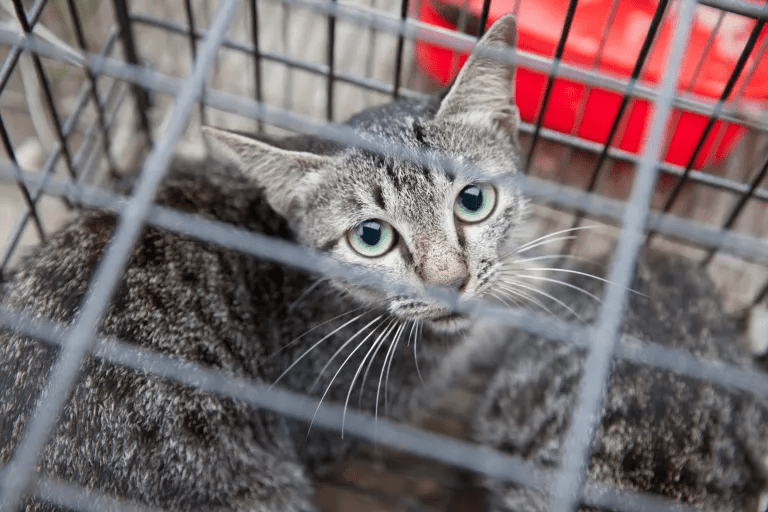
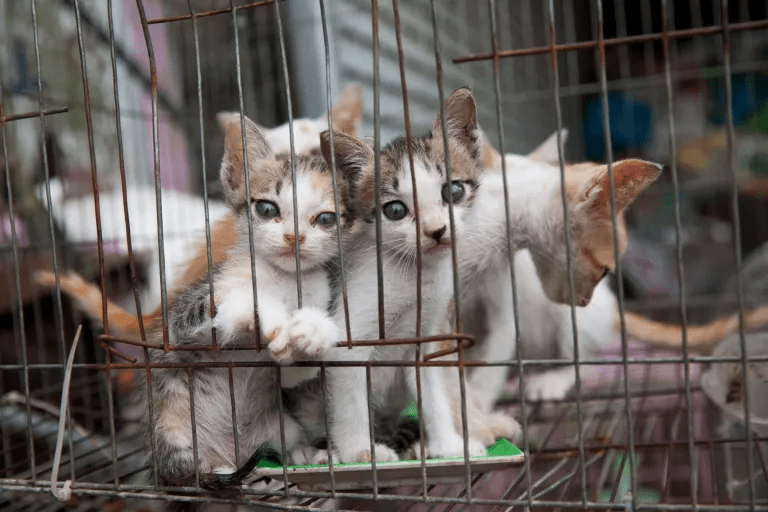
A Vietnamese slaughterhouse that drowned 300 cats a month for the Southeast Asian country’s feline meat trade has been closed down for good.
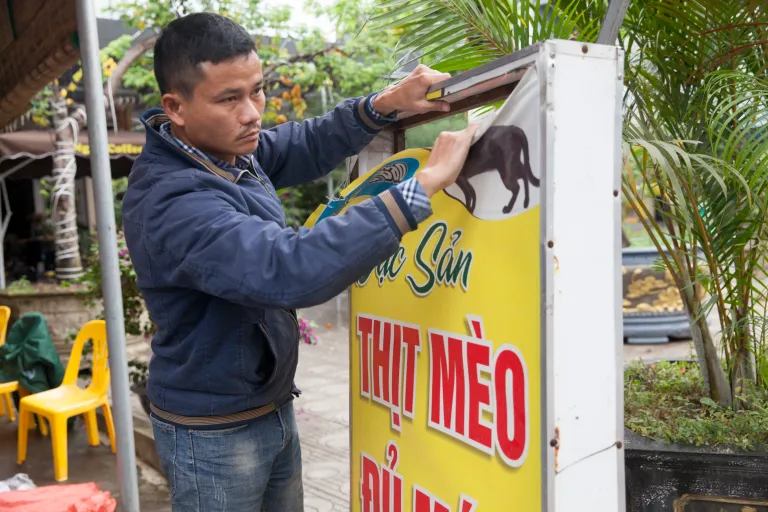
Pham Quoc Doanh, 37, ran the Gia Bảo restaurant in the Thịnh Đán ward of Thái Nguyên, the capital of the northeast province of the same name, for five years.
‘Specialty cat meat,’ the sign outside the eatery on Quang Trung Street once read, with a photograph of a wide-eyed black cat in the top-right corner.
Eating cats is relatively common in Vietnam, where the decade-old appetite for felines has seen their meat be considered an aphrodisiac, lucky charm and even a health-boosting superfood that combats Covid-19.
“The message we are getting is that if we don’t take care of nature, it will take care of us.” —Elizabeth Maruma Mrema, deputy executive director of the United Nations Environment Programme
PJ: Our treatment of animals is linked to key crises affecting us today like pandemics and epidemics, climate catastrophe and pollution, antibiotic resistance and other threats to public health, and even violent crime. We too are animals.
Today, ethologists confirm many resemblances between humans and animals, from whales to even invertebrate creatures like bees. They describe these and other animals as sentient, intelligent beings who express emotional states.
The Animal Agriculture Alliance has concluded the release of reports from four prominent animal rights extremist conferences held throughout 2023.
The conferences included: Direct Action Everywhere’s Animal Liberation Conference (ALC) (held June 9-14), The Animal and Vegan Advocacy Summit (held July 27-30), Humane Society of the United States’ Taking Action for Animals (TAFA) Conference (held August 5-6), and Animal Legal Defense Fund’s Animal Law Conference (held October 20-22). The Alliance also released a report from The Reducetarian Summit (held October 27-29).
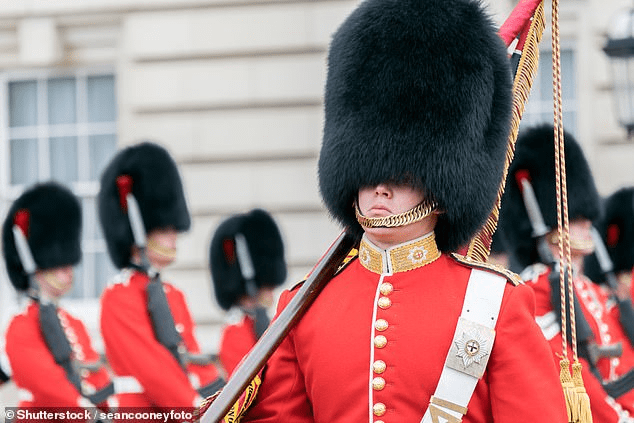
The King’s Guards are still donning Canadian bearskin caps as ‘greenwashing’ defence officials have used a ‘meaningless’ ethics scheme to ignore suitable faux fur options, animal rights campaigners have claimed.
The Ministry of Defence, who pledged to drop fur once an alternative was found, have now revealed their use of a controversial fur industry marketing scheme to justify the continuing use of fur in the uniform.
People for the Ethical Treatment of Animals (PETA) have accused officials of using ‘Furmark’ a scheme branded ‘meaningless’ by former British Fur Trade Association CEO Mike Moser – ‘Luxury faux fur manufacturer ECOPEL has created the world’s first faux fur that looks identical to the animal-fur cap and is easily rendered 100% waterproof. It has met all of the MoD’s requirements. We urge for the MoD to adopt the new caps.
‘We believe there is no justification to continue using the fur of Canadian black bears for the ornamental caps, when an excellent alternative exists.
‘They cost the taxpayer hundreds of thousands every year and using real fur conflicts with public opinion on this issue.’
‘Luxury faux fur manufacturer ECOPEL has created the world’s first faux fur that looks identical to the animal-fur cap and is easily rendered 100% waterproof. It has met all of the MoD’s requirements. We urge for the MoD to adopt the new caps.
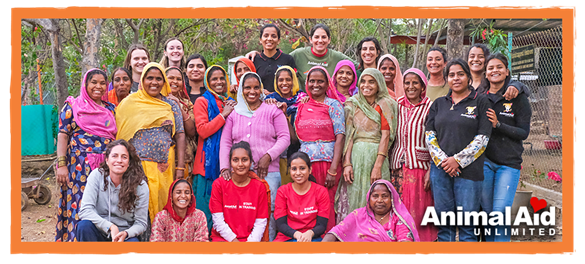
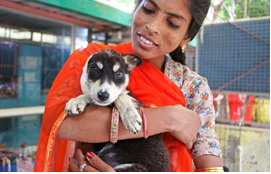
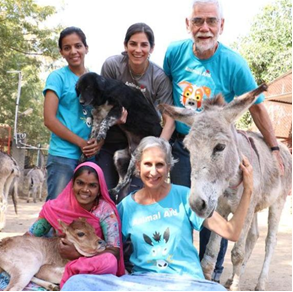
Our team of fabulous women staff is growing! We currently have 35 incredible women employed in Animal Aid who are essential in making Animal Aid the love-filled place that it is.
Many of our women employees come from rural backgrounds and traditional families where it’s not always encouraged for women to work outside of the house. Indeed, in our early years when we only had male employees we had almost no applications from women. But one by one as women joined, they helped encourage others to do the same. Many of our female staff have overcome many obstacles and are the sole bread-winners of the family, and working at Animal Aid gives them independence. They excel at their jobs here because they understand nurturing from having cared for their own children, and they understand how to get a job done from having managed their households.
Thank you, supporters, for not only saving animals, but also giving employment that has improved so many human lives.
Daffodil was a wilting flower. When she healed from mange, she bloomed.Daffodil was a wilting flower. When she healed from mange, she bloomed.
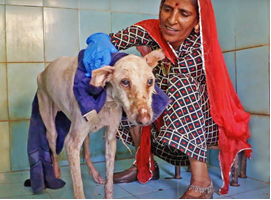
Daffodil’s red encrusted face looked almost like burn scars from a distance. But once we got closer we could see that her face, throat, chest and arms were fiery red because of an extremely ravaging case of mange. She could barely open her eyes, because the parasites had advanced to her eyelids, and she seemed to be wearing a mask of pure pain. She wouldn’t survive much longer without treatment. We took no chances of her getting away from us and caught her using the net.
But by the time we gently lifted her to the treatment table her exhaustion made her completely docile. She could barely stand. We immediately treated her for pain, and applied soothing cream over all the hurting skin, and then gave her a few hours in the sunshine to rest and adjust to her new surroundings. We treated her with mange medicine including weekly medicated baths. She was an extremely shy girl–at first! But watch this transformation to withdrawn and afraid, to falling in love, beaming in joy. Completely pain-free and all healed, meet delightful Daffodil now!
When he healed, this boy became the world’s sweetest Saber-Toothed Tiger!
When Saber emerged from his hiding place under a car, our rescue team gasped. This beautiful old street dog’s lower jaw at first seemed simply–gone. The skin was entirely detached in a tangled confusion of flesh and maggots. We lifted him gently and hurried back to Animal Aid where our team began assessing his horrible maggot-filled wound. We were extremely worried that the wound could never heal, but he had such a fighting spirit, we knew we had to try.We were surprised and so relieved that his appetite was incredible, and his courage to eat despite the pain humbled our hearts.
This frightful beginning turns into one of THE HAPPIEST endings–or should we say, new beginnings! Meet Saber now, and check out the single tooth on his jaw–you’ll know why we named him Saber. It’s short for Saber-Toothed Tiger!
Courage can best be measured in relation to someone’s fear. This dog had good reason to be afraid, and he showed incredible bravery after a forehead wound became a massive hole filled with life-threatening maggots.
He didn’t give up, although we had to see through his shyness to fully grasp his strength. Melvin remained shy throughout his 6 healing weeks, but the gradual emergence of his smile told us the story in his heart.
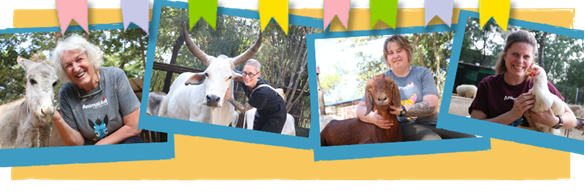
Rita (Germany) is travelling with an appetite for the unexpected and spontaneous. We were so all so lucky that when she “stopped in” at Animal Aid to experience volunteering here, she found such a sweet fit that she gave the animals almost two months of the most loving care. We were thrilled to see Rita transform into an Animal Aid “regular” and eagerly await her return.
Stefanie (Germany) has volunteered numerous times over the last 8 years. She returned last month and warmed the hearts of everyone here–such a gentle soul with unbelievable patience, focus, and caring for animals and the people who care for them. We feel so lucky to have amazing Stefanie in the lives of so many dear animals.
Jen (USA) has been a delightful multi-time addition to our volunteer crew, and took time off from her job as an EMT helicopter pilot to swoop down to help the animals once again. We thank Jen for her unwavering good cheer, her deep sensitivity to what animals need one by one, and for brightening all our lives every day she was with us.
Rachel (UK) has graced these newsletter pages several times before; she is a mainstay among our volunteers and can be easily mistaken for staff, given her growing knowledge of our systems here, her charisma with newcomers, and the loving help she lavishes on animals and all the people here.
…Just cuz!
It’s always a great reason to buy a gift
for a friend, or for yourself!
Cuz your purchase here is always a gift of love for the animals.
100% of the proceeds go to our street animal rescues.
Last week, the European Commission published its long-awaited proposal on animal welfare rules during transport. While the transport of terrestrial farm animals is a well-recognised issue, what are the key issues fish face during transport, and to what extent does the new proposal cover them?
Fish are particularly sensitive to disturbance and experience stress while being handled during farming, being moved with nets or pumps, or being transported between sites or to slaughter. Inappropriate transport of fish can result in injury, pain, distress and suffering. A brief period of stress for fish can result in long-lasting effects such as increased disease incidence, reduced appetite, impaired development, deformities and increased mortality.
The most critical aspects of welfare in the transport of fish are:
Handling and loading procedures;
Equipment for monitoring and maintaining water quality;
Feed withdrawal prior to loading;
Monitoring of fish after unloading.
Until now, EU transport legislation was very weak on fish transport, and implementation was difficult. Fish were included within provisions on planning and documenting journeys, but no standards or practices were set. Certain provisions were also detrimental to fish welfare, such as the requirement to inspect fish at border control points, which means increased light exposure, changes in ambient noise causing stress and stationary periods affecting water quality.
The new proposed legislation includes aquatic animals (fish, cephalopods such as octopuses, and decapods such as crabs and lobsters) in its scope. Unfortunately, it excludes fish used in aquariums or ornamental fish as “the transport of ornamental fish rarely represents a major risk for animal welfare“.
Annex two of the proposal outlines basic principles for the transport of aquatic animals, recognising that aquatic animals have specific welfare needs that have to be protected by law. For example, conditions for crowding and loading fish, ensuring that water quality is appropriate for the species, and reasons for considering aquatic animals as not fit for transport are included.
The aquatic annex provides positive recognition of the importance of aquatic animal welfare during transport. The proposal calls for specific provisions for aquatic animals to be set and updated based on new science when the relevant EFSA opinions are available. This follow-up work is essential to ensure specific and implementable requirements for fish and other aquatic animals.
Now that the European Commission has published the proposal, the European Parliament and the Council of the EU will have a chance to review and propose amendments to the text.
Eurogroup for Animals calls for the text to include deadlines for adopting the delegated acts with more species-specific requirements following the scientific opinions.











 World Animals Voice