Month: December 2023

England: Talking Turkeys.

We were enjoying a curry indoors last night and Pauline was talking about this;

Here is the link https://benjaminzephaniah.com/books/talking-turkeys/ 

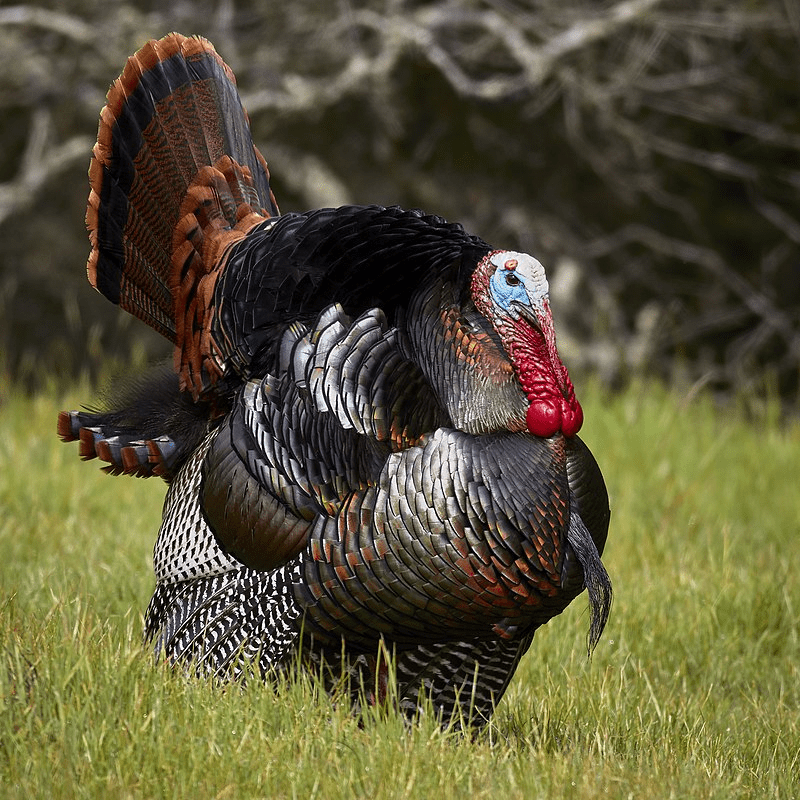
Adult male wild turkey (Meleagris gallopavo intermedia) strutting at Deer Island Open Space Preserve near Novato, Marin County, California

Here is our recent link to Benjamin’s passing –  England: Breaking – Animal Rights Advocate Benjamin Zephaniah dies. – World Animals Voice

Here is the link to all of Paulines wonderful photos – Search Results for “pauline” – World Animals Voice

Regards Mark

https://en.wikipedia.org/wiki/Turkey_(bird)

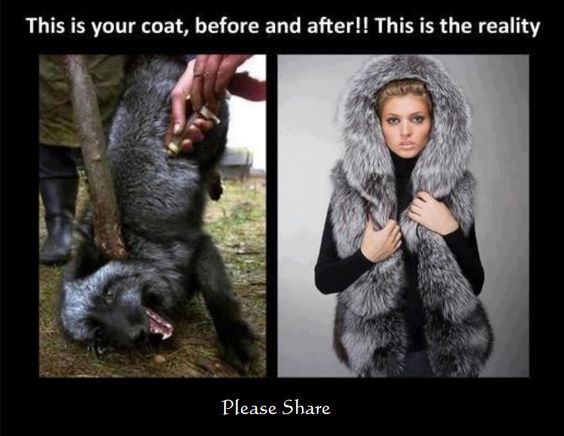
Fur Free Europe ECI: Pending EFSA Opinion Too Far Away Fur Farms in Europe Could Finally Be Banned (sometime, if ever ? !!) – Read On – Disgusting.

WAV Comment – Here we go again; the gutless, spineless and many other ‘less’ European Commission fails to make a decision; and instead passes the buck over to the EFSA to undertake a ‘scientific opinion’ on the subject. The evidence is there – https://worldanimalsvoice.com/?s=fur – how much longer do we have to wait for opinions to tell us the bleeding obvious ???

So now what ? – ‘after evaluation of the EFSA opinion to be put forward by March 2025’. 2025, that equals another 18 months of animals being subjected to on going abuses on fur farms – https://worldanimalsvoice.com/?s=fur – before any wind down period is even started to be enforced. So how long in reality ? – 2030, 2035 ?? !!!

This gives full justification to the fact that the European Commission is nothing but an un elected body of complete and utter nothing who individually can do nothing, and then together decide that nothing can be done.

Mark

7 December 2023

Press Release

Fur farming and the placement of farmed fur products on the European market could finally be banned by EU law, but the European Commission (EC) failed to take a decision, instead opting to first await a scientific opinion by the European Food Safety Authority (EFSA).

The communication published by the European Commission comes in response to Fur Free Europe, in which more than 1.5 million citizens called on the EU to ban fur farming and the placement of farmed fur products on the European market once and for all.

The reply mentions a possible prohibition of fur farming and placement of farmed fur products on the European market, or alternatively other measures, after evaluation of the EFSA opinion to be put forward by March 2025.

The request for an EFSA opinion comes despite the fact that there is already a vast body of scientific evidence that concludes that the housing system in fur farms, cannot under any circumstances, meet the needs of species kept and killed for fur.  

However, we (not WAV) welcome the news of a consideration of a ban, and trust that the scientific opinion will reinforce the well-established scientific basis. 

While the Commission asked EFSA to “assess whether these welfare consequences can be prevented or substantially mitigated under current farming conditions”, the opinion should start from the animals’ specific needs, the main premise of this citizens’ call, as opposed to the infrastructure of the system, as several studies have concluded, consistently, that no level of cage enrichment can maintain animal welfare

Moreover, the mentioned EFSA mandate appears focused on the four main species kept and killed on EU fur farms: mink, foxes, raccoon dogs and chinchillas, while the ECI Fur Free Europe calls for a ban on keeping and killing all animals only or mainly for the purpose of their fur, regardless of the species. 

In conjunction with an EFSA opinion, the EC will evaluate several other areas which are impacted by the practice of fur farming, namely public health, environment, social, legal and economics. This comprehensive assessment will be conducted by March 2026, when a final decision is expected to be communicated.

The EC also plans an evaluation and assessment on the revision of the Textile Labelling Regulation, including a public consultation. Adopting labelling rules for fur products does not, in any way, catalyse any difference for the way animals are raised on fur farms and should not be considered as a solution to the welfare problems on fur farms. 

Since its peak in 2014, the fur industry in Europe has been in constant decline.

In 2022, around 8.5 million animals were kept and killed for fur production in the European Union. 20 Member States have already totally or partially banned fur farming or implemented stricter measures on grounds of animal welfare, environment and public health. The call to ban fur farms in the EU has been supported by MEPs from all political groups and Member States joined the call at the Agriculture and Fisheries Council (AGRIFISH) in 2021 and 2023.

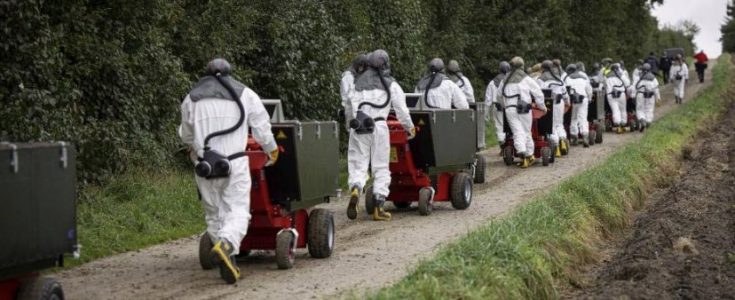
Above – Fur Killing Boxes; Denmark.

It is disappointing that the European Commission failed to take a decisive decision today, while millions of animals keep suffering while this horrendous practice continues to be legitimate in a ‘progressive’ Europe. The welfare of animals on fur farms cannot be improved, and the only option is a full ban, as asked by more than 1.5 million citizens, and reflected in the decision of many Member States.

We trust that the EFSA opinion and the whole evaluation will reflect this, and that we will see a full prohibition, sooner, rather than later.

Reineke Hameleers, CEO, Eurogroup for Animals

Regards Mark

EU: Good news for cats and dogs: finally protected by EU legislation. But Saying Is One Thing – Doing Is Another.

8 December 2023

For the first time, the welfare of cats and dogs will be protected by EU legislation. The proposal is set to introduce long overdue measures on the traceability of cats and dogs, breeding practices and imported animals, but further work is required to tackle extreme breeding and online sales.

The lack of proper traceability, which hinders controls and enforcement when tackling illicit trade, has finally been addressed through the proposal of national databases that must be interoperable at EU level. All cats and dogs must now be identified and registered by a veterinarian or qualified person. 

It is welcoming to see that the five domains concept is fully embraced by the regulation, not only through the absence of negative experiences but by encompassing positive ones. The proposal includes several measures to improve breeding practices, most notably a requirement for breeders to gain approval from competent authorities, with permission only provided after inspection, yet the frequency for such inspections is not yet defined. Approved establishments must be included by authorities in a public list, while caretakers need to obtain certification following mandatory training.

It is positive to see that these requirements would also apply to imports, to ensure that the EU does not feed cruel practices abroad.

In other good news, the legislation addresses the online pet trade, however, there is room for improvement in order to ensure tighter measures for safer and more secure online sales of cats and dogs.  

The conclusions of the EU Animal Welfare Platform Voluntary Initiative on the health and welfare of pets (dogs and cats) and the EFSA’s opinion on housing and health have been acknowledged to a large extent. Cosmetic and convenience surgeries, including mutilations, such as ear cropping and tail docking, will be strictly prohibited, unless they are performed for medical reasons.

The proposal does fail, however, to address other important measures such as a ban of sale of cats and dogs in pet shops, the abuse of artificial insemination, and sufficient actions to control extreme breeding: “minimising negative welfare consequences” may be too broad to be addressed as it deserves. An ownership ban, as well as a ban on the use of extreme featured breeds in the media and in exhibitions and competitions, could provide much better restrictions.

The need for these measures are highlighted in the findings of the EU enforcement actions on illegal pet trade, published yesterday, which shed light on the major routes for fraud concerns, and identified the challenges in tackling such trade. An estimated 438,000 dogs and 80,000 cats are offered at any given time online, with fraud still rampant. The report highlighted the importance of ongoing collaboration between Member States as well as tools that can facilitate this.

Today marks an important milestone for the welfare of cats and dogs, and the publication of the European Commission’s report on illegal trade further demonstrates the need for this legislation. The overdue measures for animal welfare and traceability within the EU are critical, yet we must address shortcomings, to control the rampant illegal pet trade happening online, through enhanced communication between Member States, training, effective enforcement, and harmonisation of regulations.

Reineke Hameleers, CEO, Eurogroup for Animals

Animal protection organisations reiterate the need for the EC to come forward with a timeline for the missing proposals that were previously announced, in particular the Kept Animals and Slaughter Regulations, which will benefit billions of farm animals each year.

Read the full proposal.

Regards Mark

EU: Animal transport proposal fails to make significant improvements for animal welfare.

11 December 2023

Press Release

The long overdue proposal on animal transport is far from enough to protect the billions of animals transported each year, and fails to acknowledge several EFSA opinions on critical issues, presenting a missed opportunity by the European Commission (EC) to improve animal welfare.

Most notably, the proposal still allows for animals to be transported live to non-EU countries, on very long journeys, in which they are unable to benefit from the legal protection they receive in the EU. It is also deeply concerning that the proposed regulation allows for animals to be transported at sea, with no time limit, as, shockingly, sea journeys are exempted from any restriction on this. 

The text does not provide sufficient protection for vulnerable animals such as pregnant ones and unweaned calves. These animals are still going to be transported when they are in very vulnerable states such as late pregnancies, or too young to be able to find food for themselves, or endure incredibly stressful situations like long journeys.

The text does not provide for adequate measures to protect animals in extreme temperatures and humidities, nor does it provide measures on actions required in the case of disruptions. 

Another concern is that many animals are excluded from the new measures, including animals transported for scientific purposes, companion animals and aquatic ones, all of which should have legislation specific to their needs.

The proposal does have some positive aspects, notably, a commitment for real-time traceability for road journey times, updated space allowance and maximum journeys to up to nine hours, however this time limit only applies to animals being transported to slaughter. Animals transported for breeding and fattening can be transported for 42 hours over three days, a limit which is excessive and inconsistent with EFSA’s opinions. Moreover, ships flying “black flags” (severely sub-standard), which at the moment constitute 55% of the EU-approved livestock transport fleet, would no longer be allowed to operate. 

For the first time, the EC made reference to the transition to meat and carcasses, in the objectives of the Regulation. This is particularly timely, following a recent report which shows that switching to this type of export, as opposed to live transport, would not only benefit the animals, but could save up to 2.5 times the costs, and reduce environmental externalities.

Despite its commitment to come forward with a full set of regulations to improve animal welfare by the end of this year, the EC has now failed to publish the three other legislative proposals, most notably the Kept Animals Regulation (KAR), through which the phase out of cages was promised. 

Only updating the live transport rules, and publishing the new proposal on cats and dogs, leaves billions of animals at the mercy of outdated legislation, while it ignores the ask of millions of European citizens for better animal welfare.

This proposal comes only one week after the publication of a report that highlights how official records on live transport are often masked, and the suffering endured by billions of animals each year is much worse than imagined.

It is concerning that after such a long wait the European Commission comes forward with only one of the promised proposals, and one that lacks ambition and fails to protect the welfare of animals during transport, despite the ever-growing evidence of the immense suffering that they endure. The proposal evidently embraces a “business as usual approach” favouring economic benefits over the welfare of the animals. It is now time for the Council and the Parliament to truly reflect the wishes of EU citizens in the legislation.

Reineke Hameleers, CEO, Eurogroup for Animals

Read the full proposal here.

Business case: the benefits of a carcass over a live animal tradeBusiness case: the benefits of a carcass over a live animal trade

9 November 2023

Report

Eurogroup for Animals commissioned Human Behaviour Change for Life (HBCL) to write this report: ‘Business case: the benefits of a carcass over a live animal trade’.

This document considers the business case for a change to the export of carcass meat instead of live animals from the European Union (EU) to third countries. It includes the current economic, environmental, and societal challenges and opportunities that these different approaches present.

The research provides a unique insight into the costs of the trade through the development and use of innovative modelling, frameworks, case studies and evidence-based approaches. It enables the consideration of how a move from live animal export towards a meat and carcass trade could be advantageous for the agricultural sector, the environment, and wider society.

BROWSE TO THIS PUBLICATION

A data dump of suffering: The EU’s long-distance trade in farm animals exposed

28 November 2023

Compassion in World Farming

Report

A cache of unpublished records obtained in summer 2023 reveals disturbing new evidence on the extent and nature of the EU’s trade in farm animals.

The data comprises official planning records relating to more than 180,000 consignments of animals, moving between EU countries and to non-EU countries between October 2021 – April 2023. It clearly shows that the rules for live transport are not robust or detailed enough to truly protect the welfare of animals in the sector.

A joint report by Eurogroup for Animals and Compassion in World Farming.

A data dump of suffering: The EU’s long-distance trade in farm animals exposed | Eurogroup for Animals

Regards Mark

USA: Wayne Hsiung Given 90 Jail Term.

After days of discussion, California’s Sonoma County Superior Court Judge Laura Passaglia slapped a high-profile animal rights activist on the wrist with 90 days in jail, followed by an additional two years of probation for his trespassing and conspiracy convictions. 

Wayne Hsiung, animal rights activist, lawyer, and co-founder of the group Direct Action Everywhere, was convicted in November for his extreme antics on poultry farms, and faced up to three years in jail for his convictions. 

Continue reading:

Co-founder of Animal-Rights Group Sentenced to Jail in Poultry Farm Case (msn.com)

Animal rights activist Wayne Hsuing gets 90 days in jail over protests that shut Sonoma farms – CBS San Francisco (cbsnews.com)

Regards Mark

UK: Body Shop Teams Up With CFI Against Animal Testing.

The Body Shop has teamed up with long-term partner Cruelty Free International to reignite its campaign against animal testing.

The UK banned animal testing for make-up and its ingredients in 1998, but the government says it has changed its policy to match rules in the EU where some animal testing is allowed.

To raise awareness of the changes and call for a reinstation of the full ban, The Body Shop and Cruelty Free International have launched a limited-edition version of their iconic heritage ‘Forever Against Animal Testing’ t-shirt. The shirt first appeared when the organisations campaigned on the issue in the early 1990s.

All profits from the sale of the products will go directly to Cruelty Free International to support its work.

Continue reading:

https://www.theretailbulletin.com/health-and-beauty/the-body-shop-reignites-its-fight-against-animal-testing-04-12-2023/

Mark

Shane MacGowan Funeral Links.

Our recent post announcing the death of Shane:

Funeral today

Moment Shane MacGowan’s family dance in the aisles to The Pogues’ Christmas classic Fairytale of New York at the singer’s funeral | Daily Mail Online

Johnny Depp and Bono give readings at Pogues frontman Shane MacGowan’s funeral (msn.com)

Johnny Depp salutes Shane MacGowan before speaking at funeral (msn.com)

Depp and Higgins join crowd in saying goodbye to Shane MacGowan (msn.com)

Regards Mark

UK: Election Looming – So MPs Attempt to Revive Animal Welfare Measures – Anyone With Any Sense Would !!

MPs attempt to revive animal welfare measures – BBC News

Animal-loving backbench MPs are trying to breathe new life into welfare legislation quietly dropped by the government last year.

Plans to ban trophy hunting imports, live animal exports and crack down on puppy smuggling were included in the 2019 Conservative election manifesto.

Three MPs are now attempting to get some of these policies into law.

Labour’s John Spellar has launched a Private Members Bill (PMB) to ban hunting trophies.

Two Tory MPs – Selaine Saxby and Anna Firth – have launched separate PMBs to ban live animal exports and make pet abduction a criminal offence.

These two measures were originally included in the Kept Animals Bill, which was dropped by the government over fears it could be used to force a vote on hunting – a deeply divisive issue in the Conservative Party.

On Wednesday, Ms Saxby tabled a PMB to restrict the import of dogs, cats and ferrets to crack down on pet trade.

The RPSCA thanked Ms Saxby for “rescuing” the plans, which they say are crucial for ending puppy farming – where dogs often kept in terrible conditions which would be illegal in the UK, and used to breed multiple litters.

David Bowles, head of public affairs at the RSPCA, said: “Buying an imported puppy leaves new owners open to the very real risk that they are supporting cruel overseas puppy farming.

“We are delighted that Selaine Saxby’s Bill will give the UK government another opportunity to support an end to this cruel trade.”

Ms Firth introduced a PMB to specifically criminalise abducting cats, dogs, and other common pets.

PMBs rarely become law without the support of government, as they do not get the same amount of time dedicated to government businesses.The government has been under pressure to dedicate government time to fresh legislation to fulfil a manifesto commitment to ban the import of hunting trophies into Great Britain.

Every year, hunters from the UK travel abroad, often to southern Africa, and pay thousands of pounds to legally shoot animals, such as lions and elephants.

Under current rules, with the right paperwork, they can then bring trophies, such as stuffed heads or horns, back to the UK.

The measures had been expected in government legislation but ministers instead backed a PMB from Conservative MP Henry Smith during the last parliamentary session.

It passed the Commons comfortably, but ran out of time as its face opposition in the House of Lords.

Time for PMBs are allocated by a lottery – 20 MPs are randomly chosen for a chance to debate their bill on one of seven Fridays set aside for this purpose.

The top seven MPs get priority for these debating slots.

Julie Elliott, Labour MP for Sunderland Central, won the top spot in the ballot, giving her first priority. Her PMB seeks to level the banking sector’s competitive field by modernising rules that currently restrict building societies’ lending abilities.

Regards Mark

You bet they are under pressure ! – we will continue to make this an issue right up until election day – about 1 year max away.

The government has been under pressure to dedicate government time to fresh legislation to fulfil a manifesto commitment to ban the import of hunting trophies into Great Britain.

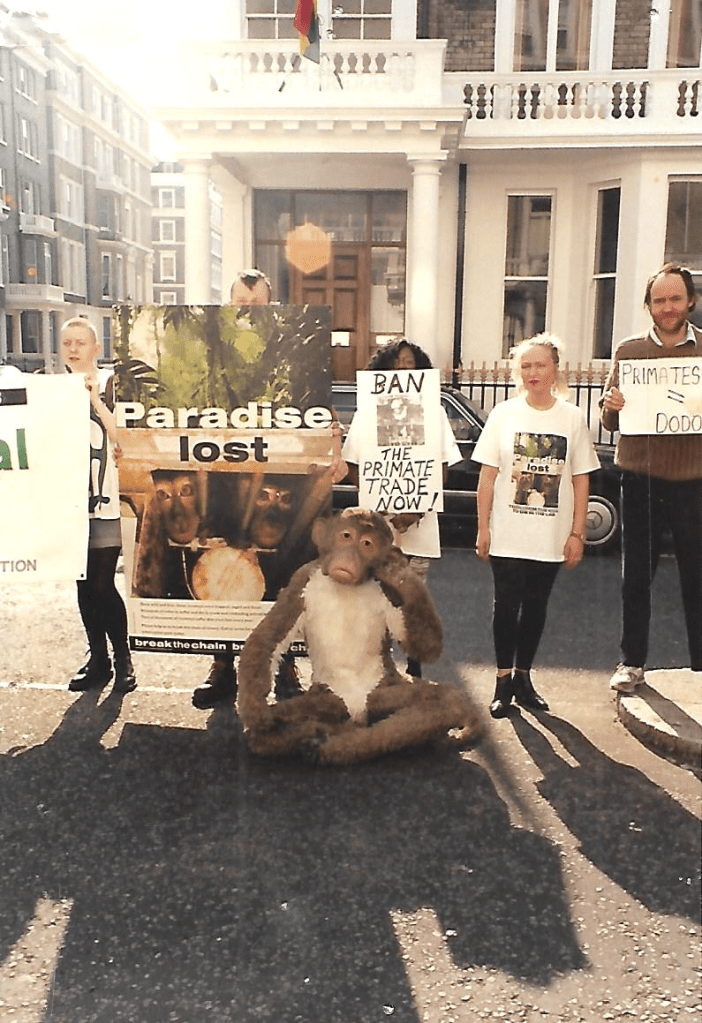
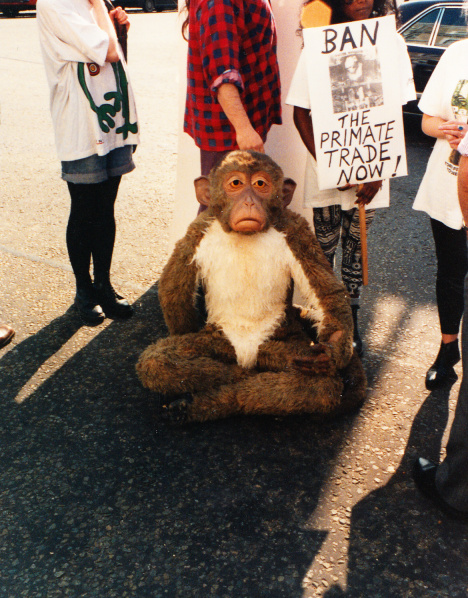
Still Paradise Lost.

A lucrative underground trade risks undermining research, creating new pandemics and pushing a recently abundant species to the brinkIn 2019, Jonah Sacha, a researcher at Oregon Health and Science University, received a delivery of 20 monkeys from Mauritius. As part of his research into stem-cell transplants as an HIV treatment, he performs tests on long-tailed macaques.

Read full story at  $20,000 monkeys: inside the booming illicit trade for lab animals | Global development | The Guardian

Regards Mark

Angry  – just a bit; see:

UK / Mauritius: ‘Paradise Lost’ – 35 Years On (for us) and Mauritius Still Supplies Primates to the UK for Research. – World Animals Voice