
Will be publishing at least 2 new posts on this within next 24 hours.
Mark and Diana.

Will be publishing at least 2 new posts on this within next 24 hours.
Mark and Diana.

23 January 2024
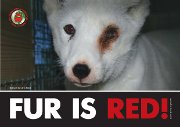
Under no circumstances can the welfare of animals in fur farms be protected, and a full ban is the only way forward, Eurogroup for Animals argued in the first stakeholder meeting of the European Food and Safety Authority (EFSA) to evaluate current practices on fur farms.
EFSA hosted the first stakeholder meeting to evaluate the current practices on fur farms, after it was asked by the European Commission (EC) to put forward a scientific opinion in reply to the Fur Free Europe European Citizens Initiative (ECI), in which 1.5 million citizens asked for a ban on fur farms and placement of fur products in Europe.
In its official reply to the ECI in December, the EC mentioned a possible prohibition of fur farming and placement of farmed fur products on the European market, following EFSA’s opinion, which is to be put forward by March 2025. The technical meeting involved participation of representatives of animal protection NGOs, academics and the fur industry.
Scientists representing the fur industry openly admitted that the ‘Welfur’ certification system has evident shortcomings and questioned the fact that it has failed to identify inadequate conditions on fur farms in Europe.
While the EC asked EFSA to “assess whether these welfare consequences can be prevented or substantially mitigated under current farming conditions”, animal protection NGOs stressed, once again, that EFSA’s opinion should start from the animals’ specific needs, as opposed to the infrastructure of the system, as scientific studies have consistently concluded that no level of cage enrichment can maintain animal welfare.
It is difficult to assess positive welfare in a system which removes the agency of animals to act on their natural behavioural urges, such as foraging, seeking shelter or other natural motivations.
If we genuinely intend to discuss animal welfare, the species-specific needs of animals should be the only starting point to determine if and how we should continue keeping and killing sentient beings for commercial purposes.
Nicholas Clark, Wildlife Programme Leader, Eurogroup for Animals
There are inherent problems in fur farming that simply cannot be resolved. The fur industry’s so called ‘certification schemes’ mislead consumers, and are designed to reward the status quo. There are no changes that can be made – the welfare of wild animals on fur farms is severely compromised across all five domains, resulting in a life not worth living.
Mark Glover, Director, Respect for Animals

Around 7.7 million animals are currently kept and killed for fur production in the European Union. 20 Member States have already totally or partially banned fur farming, or implemented stricter measures on grounds of animal welfare, environment and public health.
While the fur industry has made an open invite to the European Commission to visit fur farms, Eurogroup for Animals stresses that any visits must be unannounced and randomly selected.
Regards Mark


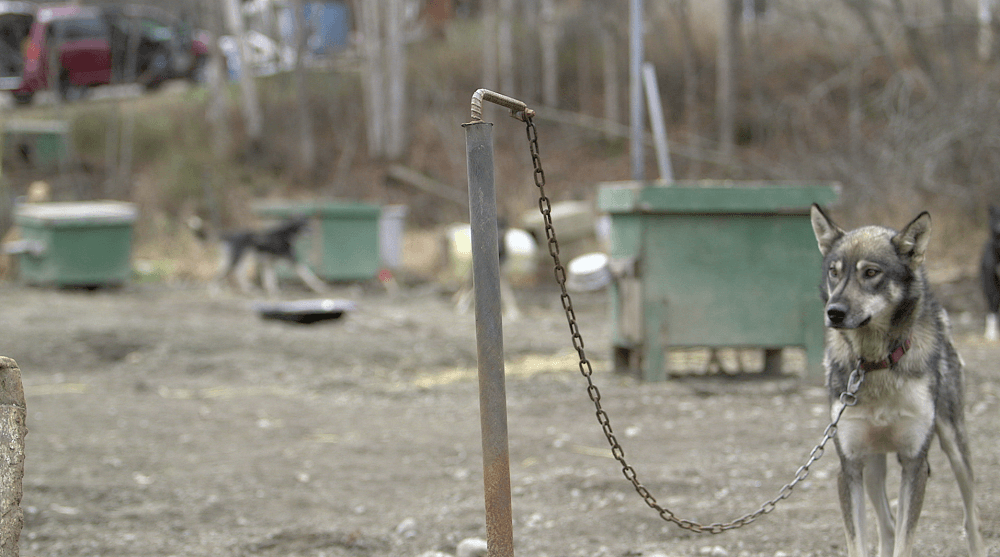
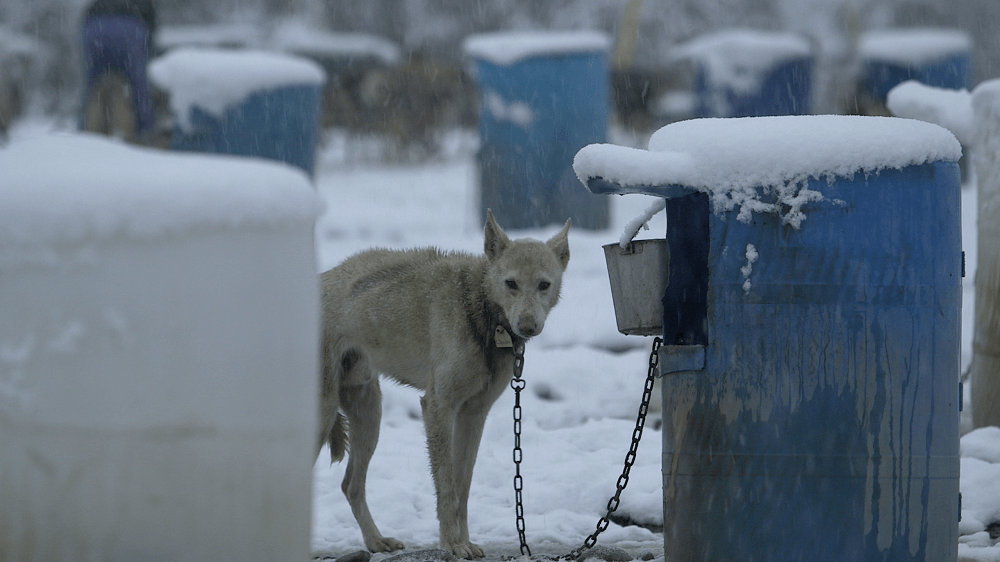
Above – Photo of a dog chained up at a facility run by Joe Redington Jr., the son of Iditarod’s founder Joe Redington.
Check out all of our past Iditarod posts:
Search Results for “iditarod” – World Animals Voice
Dear Mark,

In 39 days, the cruel Iditarod will begin again, forcing hundreds of dogs to run approximately 1,000 miles in less than two weeks. Last year, around 175 dogs were pulled off the trail due to exhaustion, illness, or injury. The “winner” of last year’s race caused nationwide controversy when he was caught on video dragging his visibly exhausted dogs in and out of a race checkpoint.
Consider the 2022 race: By the time it ended on March 19, nearly 250 dogs had been pulled off the trail because of exhaustion, illness, injury, and other causes, forcing the rest to work even harder. Two dogs went missing—one of whom has still not been found—a musher was apparently forced to drop out after dogs he was using were found in poor condition, and outrage ensued when the Iditarod fined mushers who had brought dogs inside to protect them during a dangerous storm. Before the race even began, multiple dogs were attacked and one was killed during training, and after it ended, Iditarod musher Jessie Holmes reportedly let several dogs loose in a hotel parking lot and they attacked and killed a woman’s companion dog.
Numerous companies have cut ties with the race after reviewing PETA’s documentation of cruelty and hearing from our supporters, and the Iditarod’s days are numbered. We’re fighting hard to help the dogs forced to run in this absurd race, and with your help, we can win more victories for them.

Please take 10 actions in under two minutes:
Take Action for dogs:
The Deadly Iditarod Race Should Be Terminated: Here’s Why (peta.org)

Photo of a dog at a kennel operated by former Iditarod champion Lance Mackey. In 2015, Mackey was given the Sportsmanship Award by his fellow mushers, despite two of his dogs dying from probable heart attacks during the race.

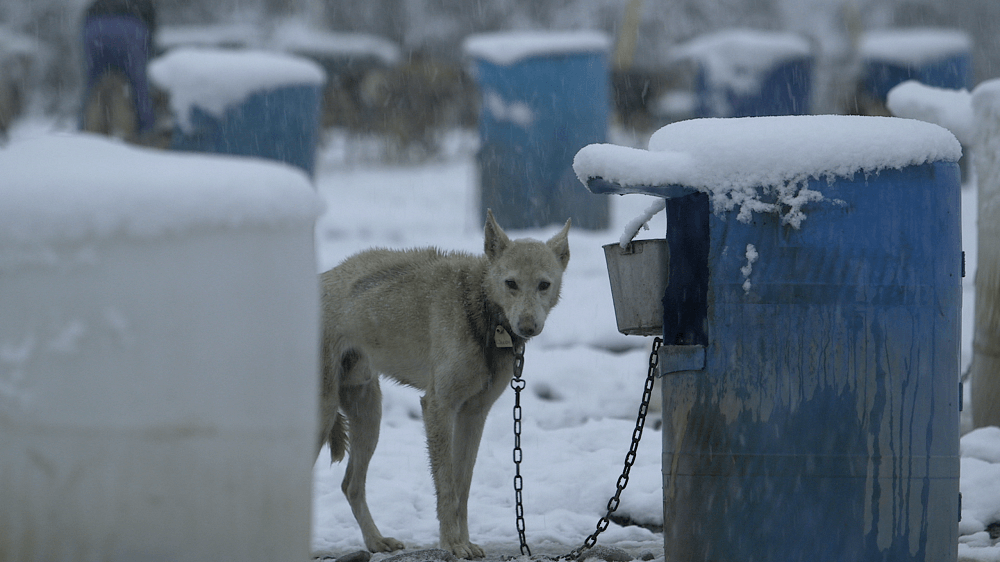
Above and Below – Dogs residing at a kennel run by 2017 Iditarod champion Mitch Seavey. These dogs are chained up with only a plastic barrel for shelter.
Regards Mark



Dear Mark,
BIG NEWS: Miami-Dade County officials have announced their intent to shut down the hellish Miami Seaquarium! This announcement comes after weekly protests by local activists as well as a massive campaign by PETA that has included lawsuits, celebrity ads, letters to county officials, and lively rallies. Please help bring about a swift closure to the facility by contacting Miami-Dade County’s mayor.

The Miami Seaquarium was issued a Notice of Intent to Confiscate four of the animals there by the U.S. Department of Agriculture (USDA)—the first time in 30 years that the agency has taken measures to confiscate marine mammals. Every day the abusive facility remains open is another day that the animals’ lives are in danger, and we need your help to make sure it finally shuts down.
Please send a polite e-mail to Mayor Daniella Levine Cava at mayor@miamidade.gov to thank her for taking this important step and ask her to make sure the Miami Seaquarium is shut down immediately.
Here are some talking points:
The Miami Seaquarium has proved time and again that it’s either unwilling or unable to comply with even the minimum standards of the federal Animal Welfare Act through chronic and repeat violations documented by USDA reports over the last three years.
The animals at the Miami Seaquarium have suffered through multiple owners, renovations, and promised improvements for more than half a century. It’s clear that no management team can provide these complex and intelligent individuals with the care they require at this wholly inadequate facility.
As owner and lessor of the land, Miami-Dade County has a responsibility to help these animals. Please, ensure that the Miami Seaquarium’s lease is terminated and that the facility is shut down.
Thank you for speaking up for the animals suffering at the Miami Seaquarium. This massive step wouldn’t have been possible without your help and support.
We appreciate your compassion for animals.
Regards Mark / PETA

Ritualistic sacrifice of roosters prevented in Kerala following animal rights organisation complaint People for the Ethical Treatment of Animals (PETA) India had lodged a complaint with Kozhikode Rural police and the Revenue Divisional Office, Vadaka…
Read more at: https://www.deccanherald.com/india/kerala/ritualistic-sacrifice-of-roosters-prevented-in-kerala-following-animal-rights-organisation-complaint-2858146
Regards Mark

SEOUL, Jan. 18 (Korea Bizwire) — An animal rights organization’s investigation has revealed that approximately 91.3% of cattle euthanized last year due to lumpy skin disease died in pain while conscious.
The Korean Animal Welfare Association conducted a study of the euthanasia records from October 20 to November 20 of last year, the period following the first outbreak of lumpy skin disease in South Korea.
The study encompassed 34 local governments nationwide and found that out of 6,416 Korean beef and dairy cattle euthanized at 108 farms, about 5,859 (approximately 91.3%) were put down in a manner causing them suffering.
Continue reading at Animal Rights Group Reveals High Suffering Rates in Cattle Euthanized Due to Lumpy Skin Disease | Be Korea-savvy (koreabizwire.com)
Regards Mark

Ariel, the six-legged dog found dumped in a supermarket car park, has had surgery to remove her extra limbs.
The 11-week-old spaniel hit the headlines after being abandoned outside a Pembrokeshire branch of B&M in September.
About £15,000 was raised by well-wishers all over the world, enabling her to have a life-changing operation.
Surgeon Aaron Lutchman managed to save all four of her working limbs after fears one might have to be amputated.
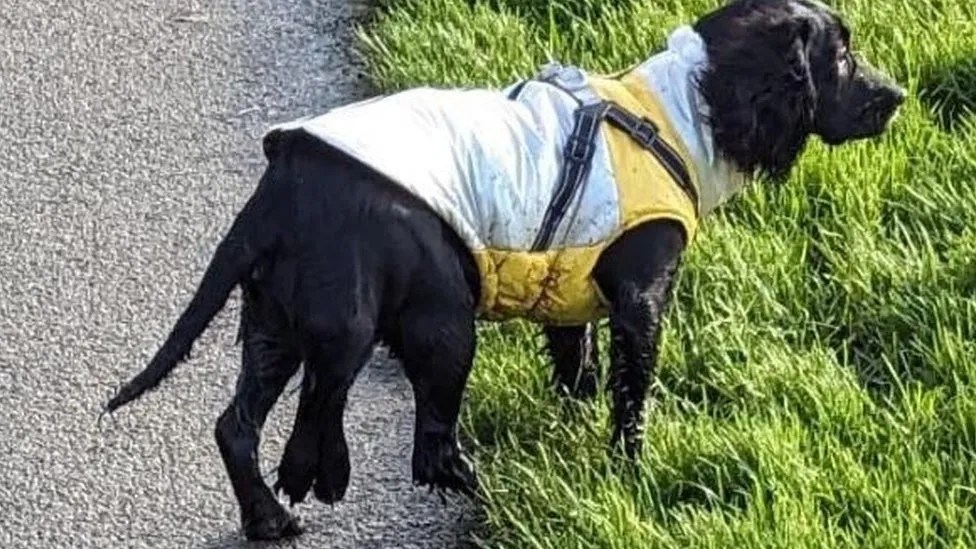
Ariel was named after Disney’s Little Mermaid because her partially fused extra back legs resembled a mermaid’s tail
“She’s doing really well, she’s bounced back and she’s a happy little dog and we’re hoping she’s going to go on to lead a fabulous little life,” said Mr Lutchman.
“She’s got her own little character and even though she’s had a tough start in life she really has done well to come through this as she has… if we can do what we can to help then that’s just absolutely brilliant.”
Dog with six legs has operation to remove extra limbs – BBC News
Mikey Lawlor is the founder and manager of Greenacres Rescue near Haverfordwest, which took in Ariel after she was discovered alone, skinny and in a state of distress.
“The vet who initially assessed Ariel noted that, in addition to her two surplus back legs, she also had an additional vulva,” said the 42-year-old.
He added that a CT scan later revealing she only has one kidney upped the complexity of the medical treatment required.
“And, due to having two hip joints on one side, Ariel’s pelvis never formed properly.
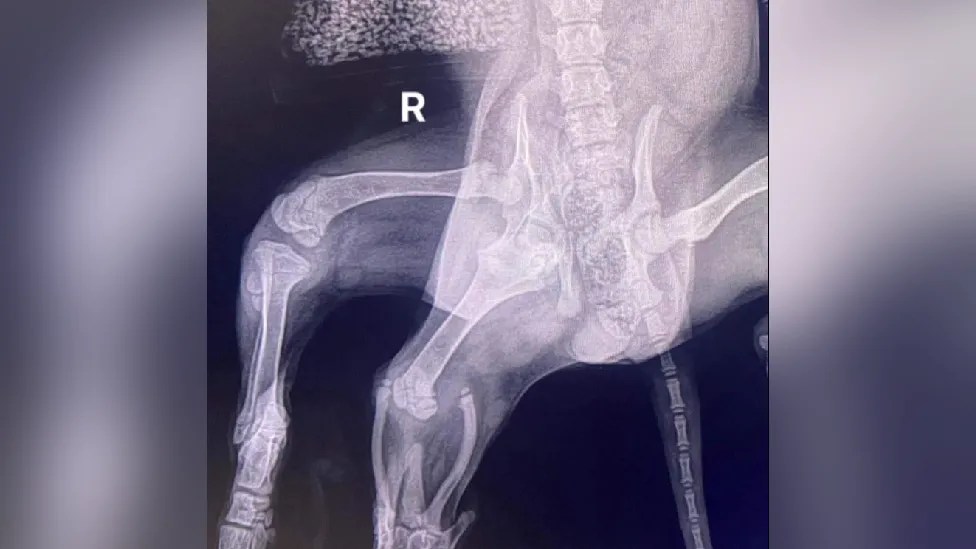
An early X-ray showed Ariel had two hip joints on her right side
“As a result her normal back right leg had virtually no muscle tone, so there was a possibility that might have had to come off too.
“Thankfully that wasn’t the case though as it’s shown signs of having strengthened a lot in recent months. ”Named after Disney’s Little Mermaid character, because her partially fused extra back legs resembled a mermaid’s tail, Ariel was operated on at Langford Vets Small Animal Referral Hospital in Somerset on Thursday.
“There were two procedures which lasted about two hours, but both went fine,” said Mr Lawlor.
“The next day she was up, walking around and eating and drinking.
“Now we just need to keep our fingers crossed she doesn’t get any infections, but she really is in the best hands.”
Mr Lawlor said he hoped Ariel would be discharged this weekend to return home to her foster family in west Wales.
“Then, after she’s had several weeks of physiotherapy and recovery, we’ll see about finding her a forever home,” he added
“The response we’ve had to Ariel’s story so far, including calls and emails from as far away as New York and Australia, has been incredible – so I’ve no doubt she’ll be snapped up.
“I just can’t say enough of a thank you to everyone who’s contributed to helping her.”
Langford Vets’ hospital director Vicki Black added: “Ariel was a complicated little dog whose care required close collaboration across a number of our specialist teams, including orthopaedics, soft tissue surgery, anaesthesia and radiology.
“As part of the University of Bristol we are a centre committed to career-long learning and are proud to innovate and treat pets like Ariel.
“We are delighted such a lovely animal has recovered well from her surgery.”
Great story – am sure thousands will want to adopt her.
Regards Mark

19 January 2024
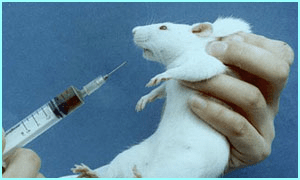
In December 2023, the European Commission published its proposal for a Regulation on the protection of animals during transport. The proposal explicitly recognises that animals transported for scientific purposes are covered by the Regulation. However, the lack of species-specific provisions addressing crucial factors such as fitness for transport and journey times raises deep concerns.
Since the implementation of Council Regulation (EC) No 1/2005, the European Commission has not taken specific actions concerning the welfare of animals transported for scientific purposes. Despite the stress, suffering, and elevated risk of injury that these animals may experience during transport, there has been a notable absence of measures to ensure their welfare.
Data on the transport of animals used for scientific purposes to and within the EU has been scarce, with only minimal information available in EC and Member State reports on statistics.
The Commission’s proposal now explicitly includes the transport of animals used for scientific purposes within the scope of the Transport Regulation. The proposal acknowledges that “while a distinction can be made with regard to the purpose for which these animals are transported, their welfare should be guaranteed”.
However, the Commission continues to leave these animals unprotected, arguing that “due to the strict requirements on the quality of animals needed for research and testing”, and because “scientific procedures may require the use of animals that can potentially be considered unfit for transport according to this Regulation”, “it would be neither coherent nor acceptable to include them completely in the scope of this Regulation”.
In particular, species-specific provisions relating to fitness for transport, watering and feeding intervals, journey times, temperatures and rest periods, and the assessment and recording of conditions of animals on arrival do not apply to the transport of animals used for scientific purposes. These exemptions are particularly alarming in the context of animals transported over long distances.
Regardless of the purpose for which animals are being transported, the needs and welfare concerns of a particular species remain the same. Whether they are categorised as farm animals, companion animals, or animals used for scientific purposes, individuals of the same species with comparable physiological conditions have common requirements in terms of journey times, resting periods, temperatures and access to water and food. The exception is made for vulnerable animals such as genetically altered animals, animals that have undergone surgery, animals that are disease ‘models’, pregnant animals, and lactating and newborn animals which require special provisions.
Proper assessment and recording of the condition of animals on arrival is also missing. These aspects include elements such as the number of animals that died and any health or physical problems, including injuries that occurred during the transport, which are crucial to increase the traceability and transparency of transport operations, and to enable the enforcement of the Regulation.

The proposal also lacks provisions addressing the air transport of animals, including non-human primates. Most non-human primates used for scientific purposes in the EU are born outside of the EU, mainly in Africa and Asia, and imported. These animals suffer long journey times by air and by road in small crates that leave little room for the animals to even turn around. Travel times of up to 58 hours are not uncommon, and in some cases may exceed 70 hours. Directive 2010/63/EU recognises that an increase in transport times may negatively impact on the welfare of animals used for scientific purposes bred outside the EU. Animals transported by air may face different challenges, including extended waiting periods with restricted access to water and food, exposure to high temperatures, stress-inducing loading and unloading, and the risk of incorrect handling by untrained staff.
While we recognise the positive step forward in bringing the transport of animals used for scientific purposes within the scope of the revised Transport Regulation, we are deeply concerned by the limited protection proposed.
Eurogroup for Animals calls for the following amendments:
Regards Mark


18 January 2024
Four Paws

Despite the ever-growing biodiversity crisis, it is still legal to hunt endangered species for trophies, with elephants, rhinos, leopards, lions and polar bears often falling victim to this cruel practice.
The EU is the second largest importer of hunting trophies worldwide, with nearly 15,000 hunting trophies of individual animals imported between 2014 and 2018 alone. The industry often uses misguided messaging to justify their actions, but a new report, published by 30 NGOs from across Europe and Africa, scientifically addresses these myths. Here are just a few:
Myth: Trophy hunting helps in conservation efforts
Fact: It negatively impacts populations of endangered and protected species
Hunters often target large or strong animals, jeopardising the gene pool of a population and negatively affecting long-term survival. This also undermines efforts by local communities towards conservation and co-existence, as it normalises the killing of animals for personal pleasure.
Myth: It benefits local communities
Fact: For communities it is a lose-lose situation
The trophy hunting industry is riddled with corruption and mismanagement, maximising profits for hunting officials, hunting tour operators and government officials. Local communities benefit by as little as USD 0.30 and USD 5.90 per capita per year, depending on the country. Often, hunting fees do not even reach local communities.
For most communities, trophy hunting is a lose-lose situation. They lose their wildlife to the rifle of foreign hunters, and fail to profit from the money produced by this deadly business. Trophy hunting not only exploits wildlife and nature, but also robs local communities of their heritage and future existence.
Nick Clark, Wildlife Programme Leader, Eurogroup for Animals

Myth: Trophy hunting prevents poaching
Fact: Poaching and illegal practices are rampant in hunting areas
Evidence shows high poaching incidents in hunting areas, leading to depleted animal populations. This has been especially evident in the Selous Game Reserve in Tanzania, the largest
hunting area in Africa, where approximately 55,000 elephants were poached between 2007 and
2014, leading to a population decline of 80 %. In some instances, animals migrate from protected areas to reoccupy empty territories in hunting areas, only to end up victims of trophy hunting.
Myth: Trophy hunting reduces human-animal conflicts
Fact: Trophy hunting exacerbates conflicts between humans and animals
Trophy hunters often target large and more mature males, which often disrupts social dynamics, exacerbating conflict with people. As an example, elephants from populations that have been subject to illegal hunting over a period of time often become more responsive towards humans, and may express aggressive behaviour. Hunting can also encourage predators to venture more frequently into human settlements, preying on farm animals as an easily available food source.
There is increased opposition to trophy hunting from the public, member states and NGOs.
The European Parliament has called for an import ban on trophies from protected species, and Belgium, the Netherlands, France and Finland have already implemented, or are in the process of, import restrictions. 81% of citizens from major European trophy importing countries oppose the practice and call for an import ban.
Regards Mark

 World Animals Voice