Read the story here (with images):
Regards Mark
Read the story here (with images):
Regards Mark

Boy band ‘Seventeen’ donate millions to animal rights organisations for members birthday.
Read the story here:
Big thanks to them for doing the right thing !!
Mark
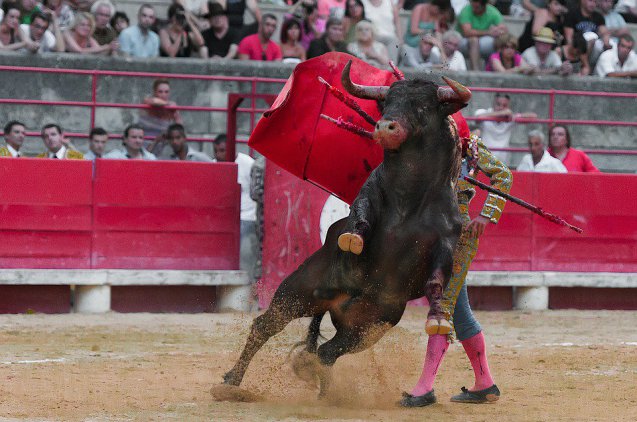
Animal rights protesters from Peta interrupted Pope Francis’s weekly general audience on Wednesday, 7 August, calling for an end to bullfighting.
The activists ran into the room in the Vatican wearing t-shirts reading “Stop blessing corridas” and raised banners reading “Bullfighting is a sin” before they were escorted out by Swiss Guards.
Spanish-style bullfighting is also known as “corrida de toros”. The organisation has been urging the pontiff to condemn bullfighting.
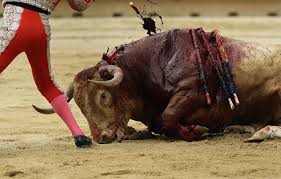
In a written statement, Peta said: “These gruesome spectacles are often held ‘in honour’ of Catholic saints and on holy days, the Catholic Church can and must help end this abuse by condemning bull torture in the name of religion.”
Mark
Supplied via Diana:
https://www.lidlchickenscandal.com/
It is YOUR actions that mhttps://www.lidlchickenscandal.com/ake a real difference: Say STOP and bring Lidl to its senses.
Potentially deadly germs are thriving in the sheds of Lidl suppliers.
In tests performed on 142 chicken samples taken from Lidl’s store brands in five countries, a laboratory found antibiotic-resistant pathogens in every second sample.
You can change this: Sign the petition now and stop Lidl’s irresponsibility.
This is the bitter reality of what chickens have to go through for Lidl:
Chickens breaking down. Workers mistreating chickens. Sick and injured chickens suffering visibly… crammed together by the thousands in bleak sheds.
Miserable husbandry conditions mean that dangerous germs thrive in the sheds. So say NO to animal cruelty committed for Lidl. Become active now. Sign the petition.
Background:
Click here to continue reading about all international investigations– https://www.lidlchickenscandal.com/
Regards Mark and Di.

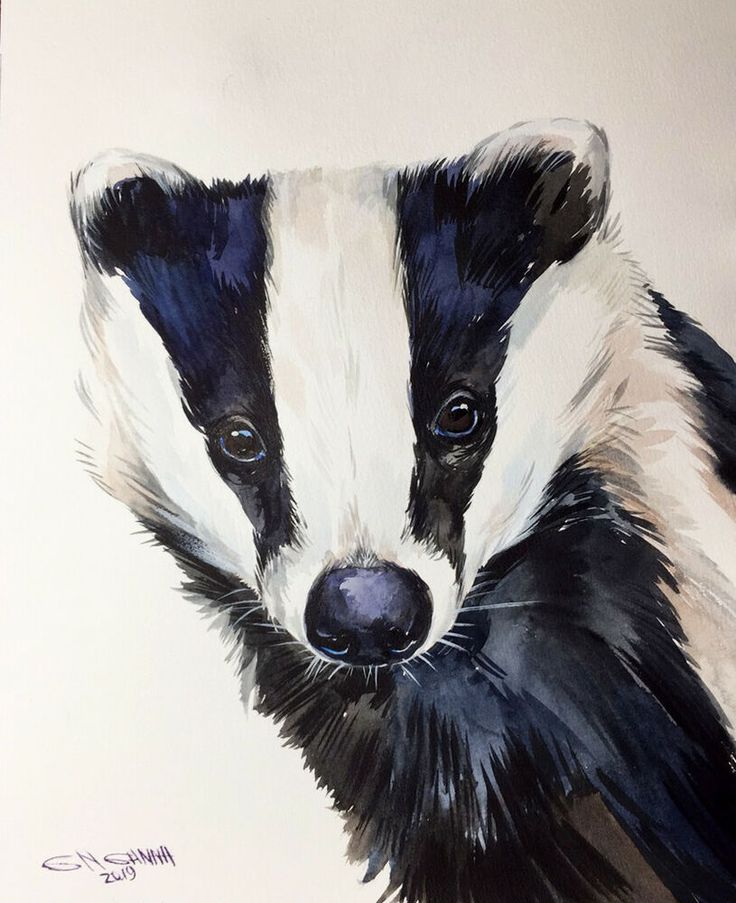
I think Mr Krebbs was totally correct in what he said all along – https://www.bing.com/search?q=krebbs+report+badgers&cvid=0552abb706e544d29743826acab3518b&gs_lcrp=EgZjaHJvbWUyBggAEEUYOTIGCAEQABhA0gEJMTE5NjZqMGo0qAIIsAIB&FORM=ANAB01&PC=DCTS
= Vaccinate, DON’T CULL
Regards Mark
Link: https://www.eurogroupforanimals.org/campaigns/no-animal-left-behind
The European Commission promised to deliver a full revision to the animal welfare legislation by October 2023, which would have affected the lives of billions of sentient beings across the EU.
The latest scientific evidence, along with various case studies and investigations on livestock farming, show the current legislation is not fit for purpose and does not go far enough to protect the welfare of Europe’s kept animals.
However, the European Commission has so far failed to deliver on its promise. Rather than publishing the whole revision, they only published the Transport Regulation in December 2023, leaving countless animals open to mistreatment and neglect for potentially years to come.
Continue reading via above link;
Mark


5 August 2024
Directive 2010/63/EU establishes common EU measures for the protection of animals used for scientific purposes, but the way the Directive is implemented differs between EU Member States. A new implementation report highlights this heterogeneity, particularly in areas where the Directive lacks specific, detailed provisions.
Member States are required to send information on the implementation of Directive 2010/63/EU to the European Commission every five years. Following the first report in 2019, the second report, covering the period 2018-2022, has just been published.
Education and training
The Directive requires appropriate education and training for staff carrying out procedures, caring for animals, killing animals and designing procedures and projects. However, implementation rests largely with Member States, which can decide independently how competence should be demonstrated.
Most Member States mentioned that they follow the EU Education and Training Framework document, but did not explicitly explain how competence should be demonstrated beyond having obtained the required education.
Project evaluation and authorisation
During project evaluation, applications must be carefully considered to ensure that animal use is justified, the principles of the 3Rs (replacement, reduction and refinement) are applied, and that the benefits are expected to outweigh the anticipated harms. 2 Member States use individuals to evaluate projects, whereas the others use a panel.
Around 15 000 projects involving the use of animals are authorised across the EU and Norway annually. The number of projects has remained reasonably constant throughout the five-year reporting period, and only around 4.5% of applications are rejected each year.
Competence of project evaluators is assured in different ways. However, it seems that there may be scope for improved training to ensure a consistent approach across the Member States. Many Member States discussed the required qualifications of project evaluators, but only Ireland mentioned expertise in the area of non-animal methods.
It is surprising that there was no explanation on how to achieve harmonisation when project evaluation is carried out by multiple competent authorities from some Member States.
Only one Member State confirmed that applicants are never involved in the project evaluation of their own work.
Animals bred and killed but not used in procedures
This category includes animals killed for their organs and/or tissues, animals used for breeding when they reach the end of their breeding life, animals which were ill and humanely killed before being used, and animals killed in order to protect the health and scientific integrity of the colony. They are not reported in the annual statistics.
In 2022, 9.5 million animals were bred and killed but not used in procedures. This means that there are more animals that fall into this category than the number of animals that are actually used in procedures. Mice, zebrafish and rats account for more than 90% of the animals reported.
Inspections
20 Member States complied with the requirement to inspect at least 1/3 of the user establishments each year. Greece, Croatia and Portugal appear not to have met this criterion for any of the years reported.
According to the Directive, an appropriate proportion of inspections must be carried out without a prior warning. Across the Union, around 1/3 of inspections were unannounced. However, the proportion of unannounced inspections varied between Member States from 0-100%. This suggests that different criteria are being applied to determine “an appropriate proportion.”
8 Member States performed no unannounced inspections which is the same number as in the first report. Cyprus and Portugal performed no unannounced inspections over the ten years covered by the two implementation reports.
18 Member States acknowledged that they did not meet the minimum requirements for inspection in any of the reporting years.
Penalties
Nearly 3/4 Member States reported infringements, and 21 Member States have used administrative actions. Infringements which were dealt with by administrative action were due to failings in animal welfare, staff, records, environment, and facilities.
Almost half of the Member States used legal actions, of which two-thirds were fines.
Structure of competent authorities
The Directive requires that the authorisation of establishments, inspections, project evaluation, project authorisation and retrospective assessment are performed by a competent authority. 7 Member States have only one competent authority for each of the five tasks (Denmark, Ireland, Cyprus, Malta, Portugal, Slovenia, Norway), while other Member States have very large numbers of competent authorities (for example, 112 in Spain; 245 in Italy, 328 in Poland and 573 in Germany).
It may be challenging to provide a consistent approach where there are multiple competent authorities responsible for the same individual tasks. Large numbers of competent authorities for any or all tasks increase the risk of inconsistencies.
Summary
The implementation reports are an opportunity to show how Member States have been working since the implementation of the Directive, understand where they encounter difficulties, but also highlight best practices so that they can learn from each other.
The lack of harmonisation across Member States continues to have a negative impact on the objective of creating a level playing field across the EU, but also, and importantly, on animal welfare.
Regards Mark

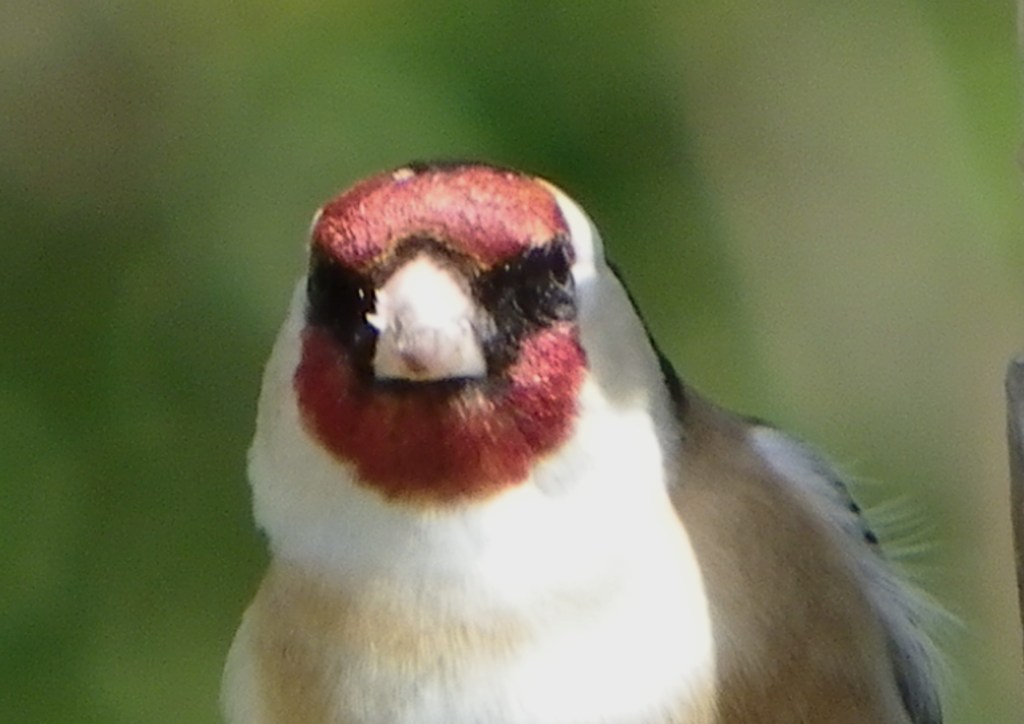
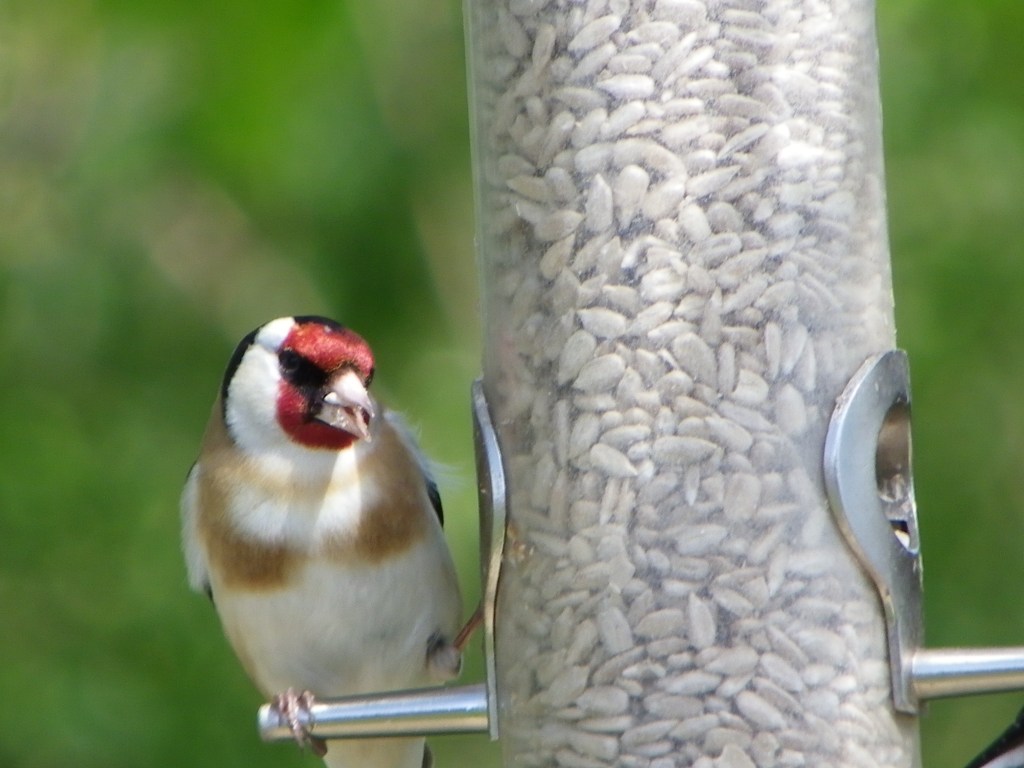
We get masses of the beautiful ‘Goldfinches’ visiting the garden each and all day.
Here are a few pictures I took in the the garden of these beautiful birds:
A flock of Goldfinch is called a ‘Charm’ – and charming they are for sure.

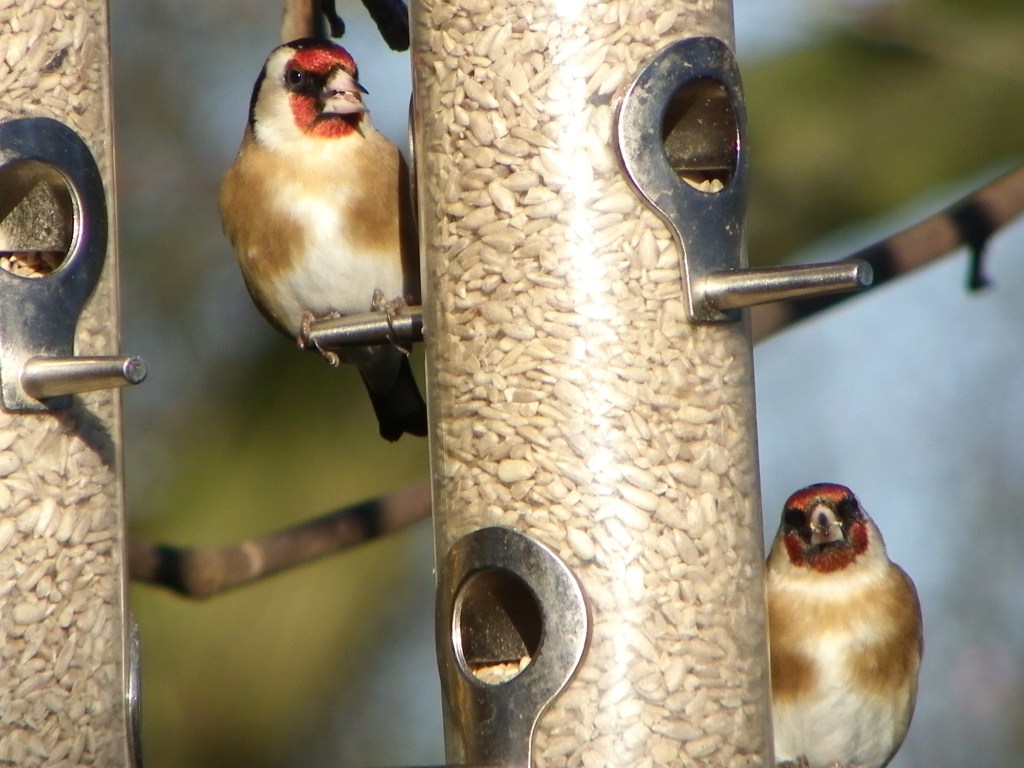

In the last week, (now start of August) there has been a massive drop in the birds visiting the feeders for the Sunflower Hearts – same on talking to my neighbour, Was getting concerned as a huge and very massive decline; (down from a flock of around 50 to virtually nothing in a week !) – more investigation needed. With the following video and other data researched, it ended up being ‘job sorted’ – no need to worry = phew ! see you beauties all again in the coming winter months.
Regards Mark



 World Animals Voice