https://www.thepost.co.nz/nz-news/360712152/fed-animal-rescue-team-wants-spca-do-their-job
June 7, 2025

Yvonne Packer and her husband Chris are overwhelmed with rescues at their animal charity in South Auckland.
LAWRENCE SMITH / Sunday Star-Times
nday Star-Times
The pair behind a small South Auckland animal charity are frustrated with abuse from the public, and say the SPCA needs to be doing more to help with a surge in roaming animals. Stewart Sowman-Lund reports.
unday Star-Times
The pair behind a small South Auckland animal charity are frustrated with abuse from the public, and say the SPCA needs to be doing more to help with a surge in roaming animals. Stewart Sowman-Lund reports.
The calls can come at any time of the day or night.
Whether it be a dog on the loose, a litter of unhoused kittens, or (on one occasion) some goats – Yvonne Packer will answer the phone.
But after two decades running the South Auckland Animal Rescue, at least half of that time as a registered charity, Yvonne and her husband Chris are growing increasingly frustrated by the level of abuse directed at them by disgruntled members of the public, and want the SPCA to start “doing their job”.
“It’s shocking,” says Yvonne of Auckland’s problem with roaming dogs.
“The amount of phone calls we get daily, and messages daily, asking us to take dogs because people can’t take them to their rentals, or they’re moving, or they’re going overseas, or somebody’s died, or it’s had puppies because they haven’t de-sexed.”
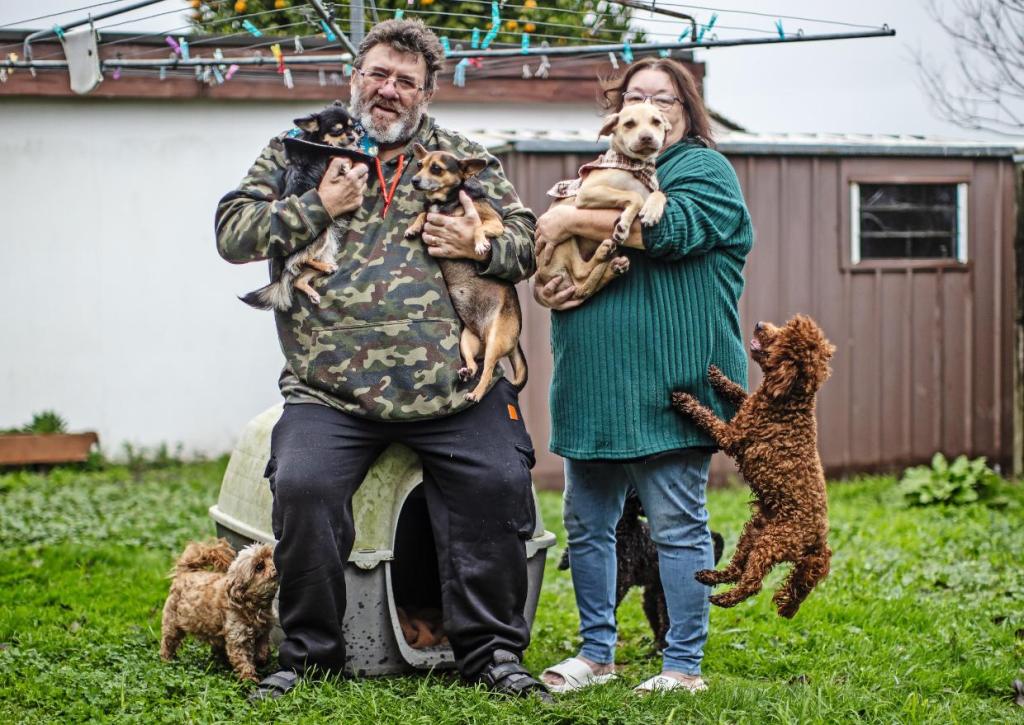
Yvonne Packer says Auckland’s roaming dog problem is out of control.
LAWRENCE SMITH / Sunday Star-Times
South Auckland Animal Rescue is just one of a number of smaller outfits dealing with a growing problem. As Yvonne explains, anyone can start a rescue centre and you don’t have to be a registered charity.
The Sunday Star-Times has previously looked at Auckland’s out-of-control problem with roaming dogs and spent time with the team dealing with it on the frontline, the council’s animal management squad. They described how things got worse during Covid-19, as people stuck indoors decided they wanted a pet only to realise after lockdown lifted it was too much.
Yvonne agrees, and says there has been a boom in roaming animals, welfare issues and attacks since the pandemic. This week, a pair of dogs were seized in Glen Innes after eight cats were killed. Roaming dogs killed two of Yvonne’s cats during a spate of attacks last year.
As The Post reported, there were close to 600 dog attacks on people and animals in Auckland in 2024. A clampdown on unregistered dogs saw 5500 infringement notices issued earlier this year.
The surge in welfare issues and roaming animals has also resulted in more abuse directed at Yvonne and her small team of volunteers. People have dumped animals on her doorstep, or yelled at her down the phone. On another occasion, a dog was left tied up to her front gate. The police have even delivered animals to her house.
People think that since Yvonne and Chris run an animal rescue service, they can take in an unlimited number. What they might not realise is that their charity is run from a South Auckland home and relies on fosters willing to take in animals and get them ready for a new life.
“We can only do what we can do, and each rescue is doing their best,” says Yvonne.
Last month, a post was made on South Auckland Animal Rescue’s Facebook page that put it bluntly.
“The abuse being thrown at us is unbelievable,” the post read. “We are not the SPCA and receive no government funding like they do.”
It continued: “To get abuse hurled … threats made because people can’t or won’t take accountability for their own pets is getting beyond a joke.”
Yvonne says it was a volunteer that made the post, but with her consent. It was a bad day, she confesses, but the message needed to be heard.
While some rescues “take and take and take”, adds Chris, that’s not always possible for them – or the right thing to do for the animals.
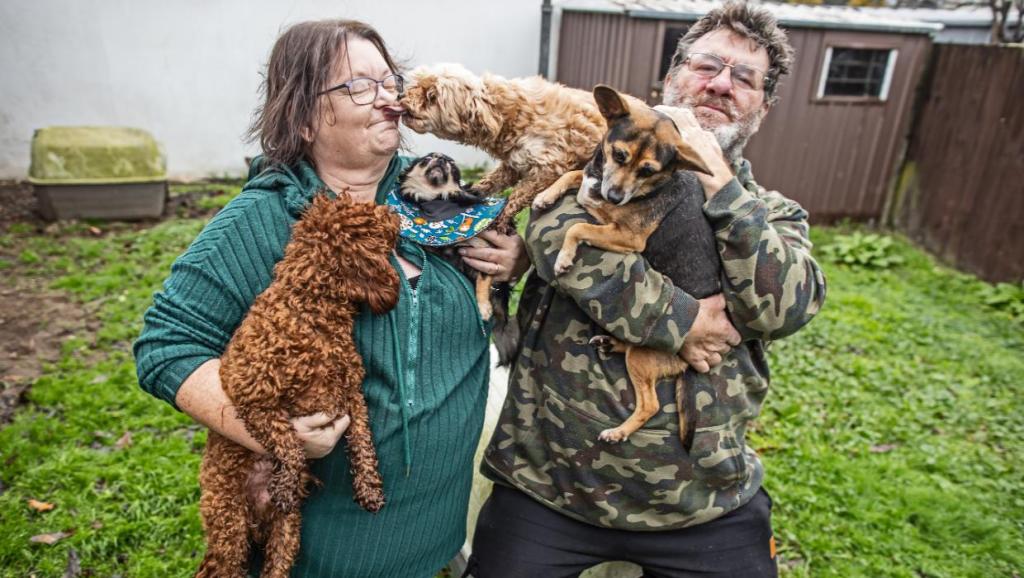
Yvonne and Chris Packer want the SPCA to step up and help.
LAWRENCE SMITH / Sunday Star-Times
“They’re just too full that they end up being an animal hoarder rather than a rescue. And the animals aren’t being helped,” he says.
“And we get abused because we don’t take animals – because if we can’t look after them, the dogs are no better off.”
Yvonne says she’s “disgruntled” with the SPCA and that the charity – which she describes as “the big name” in animal rescue – needs to “up their game”.
“You know, the amount of calls we get, ‘Oh, we rung the SPCA, they won’t help us.’ [Or] ‘We’ve rung the SPCA, they’re closed’,” says Yvonne.
“They’re just a corporate business now, gaining the revenue. But what are they doing with it? Because we’re doing their job.”

An impounded puppy rescued from a property in Wiri during a Sunday Star-Times outing in March.
Stewart Sowman-Lund / Sunday Star-Times
In a statement, the SPCA’s general manager of animal services, Dr Corey Regnerus-Kell, rejects that criticism, telling the Star-Times that SPCA centres around the country are “fully funded” by donations, including through adoption fees, pet insurance and the network of op-shops.
An additional funding agreement covers approximately 80% of the operational costs for the SPCA Inspectorate Service.
Yvonne says if it’s a matter of resources, then the SPCA needs to get more staff on the ground and in the community.
“They have to pick up … they need to go back to the way they used to be, and actually do their job.”
But Regnerus-Kell says the SPCA does not have any powers under the Dog Control Act.
“As such, while roaming and stray dogs in communities are overtly managed by councils, SPCA support the proactive measures of providing community desexing opportunities as a reduced or free service for dogs to address the population issues,” he says.
Yvonne would like to see the SPCA share funding with smaller players. Providers like her charity are desperate for extra help.
At the moment, she has between 40 and 60 animals fostered out, and she’s always on the lookout for more people willing to take on an animal, short-term, so it can be rehomed.
“They might do a few [ads] on the TV with that grey kitten,” says Yvonne of the SPCA. “That cat must be just about dead by now. I mean, seriously, it’s been on there for years. ‘Sylvie, the cat. We feed it on Purina’ – yeah, have they not had any more cats since?”

Yvonne Packer says people need to take responsibility for their pets, and can’t rely on rescue centres for help.
LAWRENCE SMITH / Sunday Star-Times
Regnerus-Kell says the SPCA does not provide any financial support to other animal welfare groups for operational needs, but offers access to funding to support desexing initiatives.
“We have now pulled this process back in-house, and charitable status will no longer be a requirement. We will restart the SPCA Desexing Grant process later this year.”
A new partnership with Auckland Council will help provide free desexing services in communities across the supercity. “We hope to develop more relationships like this with councils going forward,” says Regnerus-Kell.
Yvonne’s charity entirely relies on public donations, but even that’s not enough. She admits she regularly has to dip into her own pockets to keep the service afloat.
day Star-Times
Regnerus-Kell says the SPCA does not provide any financial support to other animal welfare groups for operational needs, but offers access to funding to support desexing initiatives.
“We have now pulled this process back in-house, and charitable status will no longer be a requirement. We will restart the SPCA Desexing Grant process later this year.”
A new partnership with Auckland Council will help provide free desexing services in communities across the supercity. “We hope to develop more relationships like this with councils going forward,” says Regnerus-Kell.
Yvonne’s charity entirely relies on public donations, but even that’s not enough. She admits she regularly has to dip into her own pockets to keep the service afloat.
“Our average vet bill a month is between $9,000 and 12,000,” she says.
No dog will leave the South Auckland Animal Rescue without being desexed, registered, microchipped and vaccinated – something she believes not all rescues are consistent with. It all adds up.
“We cover all their costs, vet bills, worming, flea treatment, anything they need,” she says.
“We’ve just had 11 pups desexed on Sunday, we had one go in yesterday. Last week, there were four that went in. So we’ve done a heap in this last sort of week. And that’s not cheap.”
And they go the extra mile. At the moment, she’s spending most nights on the North Shore helping to track down a dog that’s been on the run for six weeks.
Her message is simple, and it’s not just a call for more money. It’s to pet owners.
“Take responsibility for the animals that you have in your care,” she says.
“If you cannot afford to feed them, give them medical care, get them desexed: don’t get them. Get a stuffed toy.”
 World Animals Voice