This January, a 57-year-old man in Baltimore received a heart transplant from a pig. Xenotransplantation involves using nonhuman animals as sources of organs for humans. While the idea of using nonhuman animals for this purpose might seem troubling, many humans think that the sacrifice is worth it, provided that we can improve the technology (the man died two months later). As the bioethicists Arthur Caplan and Brendan Parent put it last year: ‘Animal welfare certainly counts, but human lives carry more ethical weight.’
Of course, xenotransplantation is not the only practice through which humans impose burdens on other animals to derive benefits for ourselves. We kill more than 100 billion captive animals per year for food, clothing, research and other purposes, and we likely kill more than 1 trillion wild animals per year for similar purposes. We might not bother to defend these practices frequently. But when we do, we offer the same defence: Human lives carry more ethical weight.
But is this true?
Most humans take this idea of human exceptionalism for granted. …..
I sadly accept that there will always be some folk who enjoy eating dead animals as part of their diet. Saying that, a reduction in meat consumption and the associated reduction in animal murders (slaughter houses) can only be seen as a positive from my corner.
But I am a realist also, accepting that everyone on the planet will never move to plant based. Thus as welfare campaigners, we have a responsibility to ensure that we get the best for animals that we can. The global tide is rather rapidly moving towards plant based diets – and that can only be positive; very positive. In other ways, a negative global tide is surrounding us in the form of global warming and the ‘master human’ who knows best – no, ask the whales !
The more posts I can write about on this site re the ‘killing factories’ (they are SLAUGHTER HOUSES, not abattoirs – a place where animals are killed for their meat) BEING CLOSED DOWN; then the better.
We all saw that the recent closure of Arley ritual slaughterhouse; a closure really attributed to their own non conformances with national UK laws which are supposed to give animals the maximum protection ?? at the times of their deaths. Does frightening the shit out of a sheep about to be slaughtered by playing a recording of a howling Wolf in the background constitute UK laws regarding slaughter legislation? – no, they do it for kicks which really shows the types they are.
They failed in many areas, they were closed down – end of. WONDERFUL.
So, as the EU Parliament now commences votes on its priorities for the next long term EU budget, all of us in the welfare camp are calling for higher funding in the transition to better animal welfare practices in accordance with the vast majority of EU citizens demands.
The ‘Multiannual Financial Framework’; or MFF, is a seven year framework regulating the EU’s annual budget. The current long term budget runs until the end of 2027; so now we have to start work !
Ahead of the proposals in the next long term budget; expected in July; the Budget Committee of the European Parliament; has set out its priorities in an own-initiative report. It emphasises the need to meet more ambition to meet citizens expectations in the context of the US retreating from its global role; Russia’s war on the Ukraine; economic and social challenges, EU competitiveness and the worsening climate and biodiversity crisis.
The report implies that the budget should finance public goods, support the resilience and competitiveness of EU small scale farms and better help protect the environment. It highlights that the ‘Common Agriculture Policy’, or CAP, is crucial for food security, and that spending must persue EU objectives.
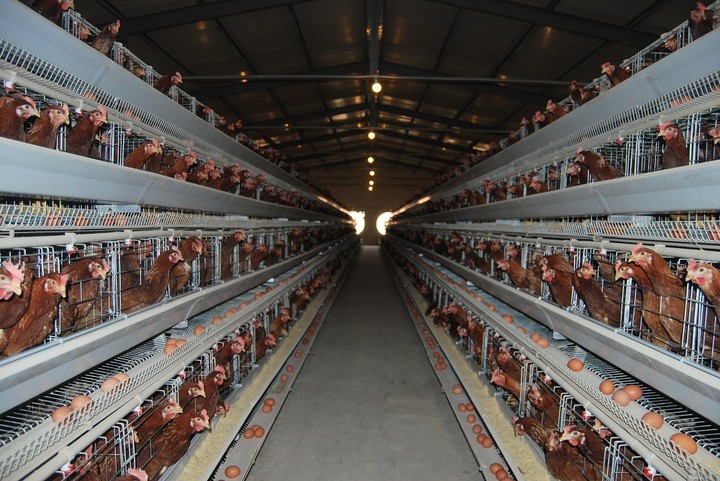
The Eurogroup for Animals call for the long term spending on the CAP to consider the expectations that EU citizens have on improved animal welfare. These expectations are not yet fully met, and the importance of animal welfare as a public good has been repeatedly demonstrated by the European Citizens’ Initiative ‘End The Cage Age, as well as the latest barometer on animal welfare. More than 9 out of 10 Europeans state that it is important to protect the welfare of farmed animals; with an absolute majority deem it as very important. More than 8 out of 10 believe that farmed animals in their countries should be given more protection than they are at present.
There is a crucial need for adequate funding from the long term budget for the transition to new animal welfare rules and regulations. The proposal for a review of the EU farm animal directive is envisaged in 2026.reduce production costs;
Financing better animal welfare in the EU is not just an ethical priority, it is a financial security for the EU’s future. Improved animal welfare can and would reduce production costs, enhance the product quality, drive innovation and strengthen the EU’s global market postioning.
Adequate funding from the MFF for the CAP is crucial to support farmers in transitioning to the new animal welfare rules. There needs to be higher funding for farmers to transition to higher animal welfare standards; and the need to support early transitioners is a vital element.
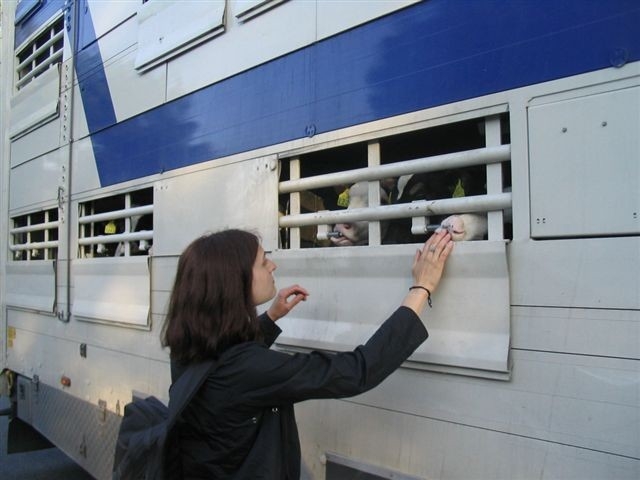
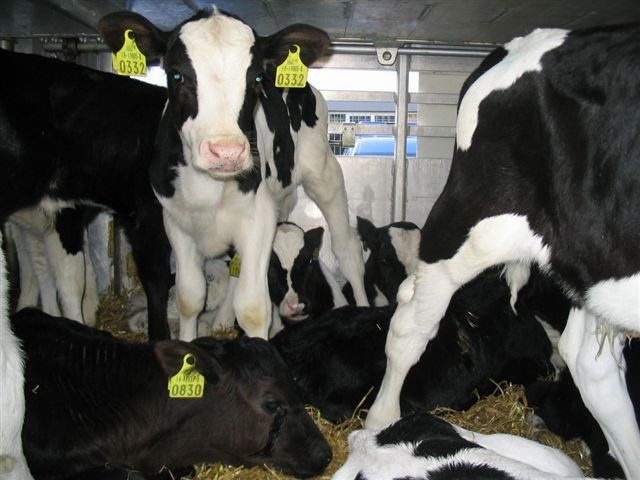
As someone with a special interest in campaigning for, and stopping long distance live animal transports; enough evidence has been supplied over decades by investigators to show the abuses with the ‘EU system’.
It is now time for them to step up to the plate; ACCEPT THE MASSIVE ABUSES UNCOVERED, and DO SOMETHING ABOUT IT !!
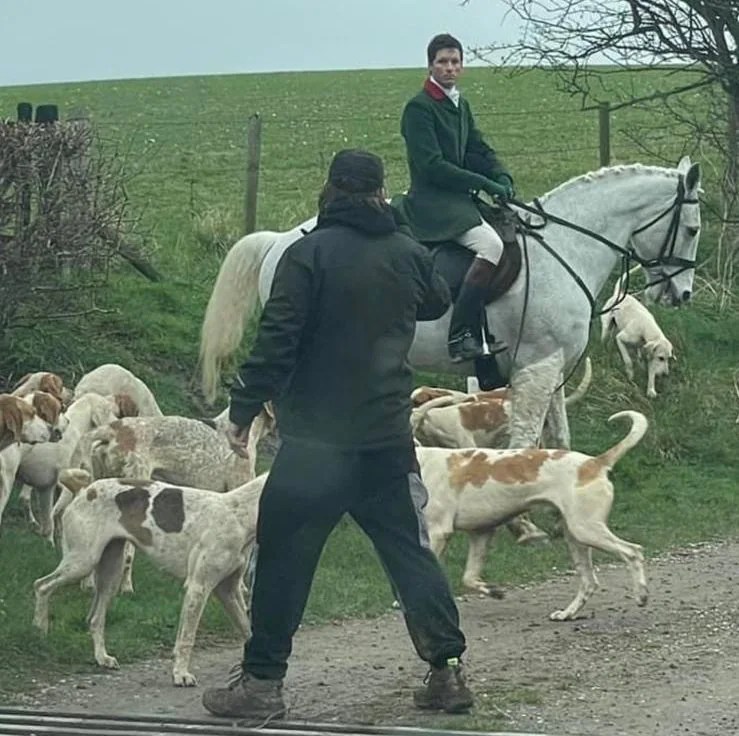
The Royal Artillery Hunt said it had been the victim of more than 200 incidents since fox hunting was banned in 2004 Credit: John Eccles
The demands of the Royal Artillery Hunt seem simple – they just want law enforcement to treat them like everyone else.
But after years of attacks by masked saboteurs – and an alleged lack of action from authorities despite dozens of police reports detailing harassment, abuse and physical assault – they are beginning to lose hope.
“If what happened to the trail hunting community happened in other walks of life, then people would almost immediately be arrested, but it doesn’t happen with the sabs,” James Harris, a hunt master, told The Telegraph.
For the first time, the hunt has released its record of attacks by saboteurs. It shows that while there have been more than 200 incidents since fox hunting was banned in 2004, the number of cases has increased dramatically in recent years.
Over the course of the two seasons from 2022, a period covering 14 months, there were 103 incidents recorded and 67 police reports. But there was not a single prosecution.
Perhaps it is no coincidence that the start of the spike was the year that Jim McMahon, Labour’s then shadow environment secretary, vowed to ban trail hunting.
Have the political attacks emboldened the activists? “They have upped the ante,” Mr Harris said. “They smell blood.”
He described his hunt as a “prime target”. As a military pack, they hunt a trail on Ministry of Defence (MoD) land, so following them and making complaints to the landowner allows the activists to put pressure on the Government.
“The hunt saboteurs claim to be monitoring trail hunts but that is a misnomer – the clue is in their title,” Mr Harris said. “Their remit is to incite and upset and disrupt our activities.”
He added: “They are continually masked and they claim to the public that that is for their own protection but that is an out-and-out lie.
“We know their names, we know exactly who they are, they are masked because they are constantly breaking the law and with intent to do so. Hiding their identities means that they cannot be prosecuted, that is the true reason why they are masked.”
….
A member of the Royal Artillery Hunt is confronted by an activist
(It was only a matter of time when the backlash would come …)
The Springwatch host saw no issue being likened to St Francis of Assisi, making his holier-than-thou attitude worse than ever this week
Vanity is a bewitching drug for some of the BBC’s biggest stars. Jostling for most luminous position in the media firmament this week, next to Gary Lineker (who completely by mistake, and in the knowledge that the media watches his every social media move, managed to post to Instagram the suggestion that Jews were rats) was Chris Packham. …..
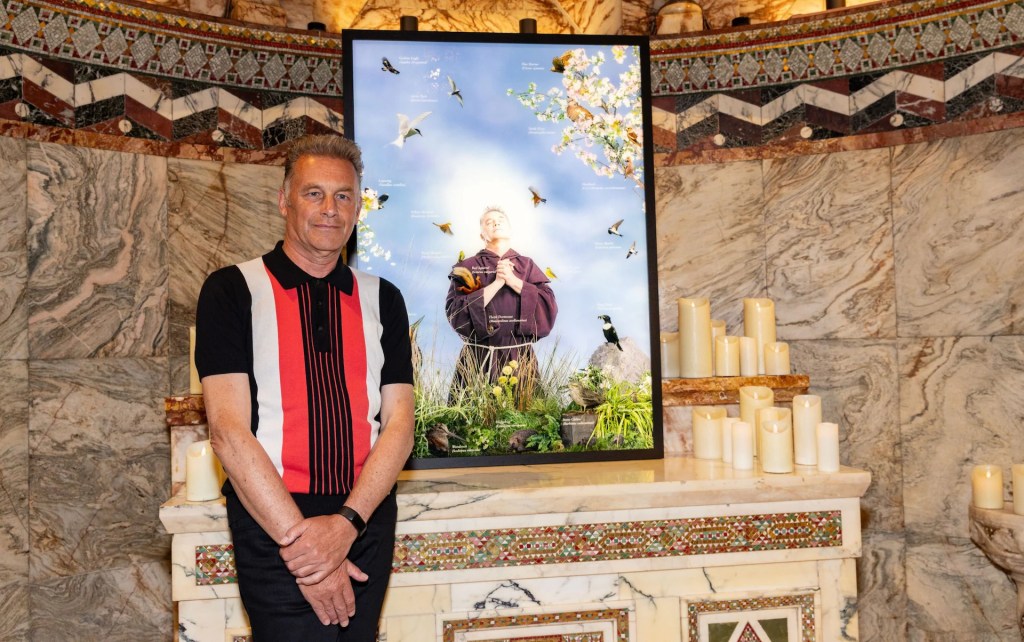
Chris Packham with his portrait, which it is said depicts him as “a living saint”, in the Fitzrovia Chapel Credit: Richard Ansett/Radio Times
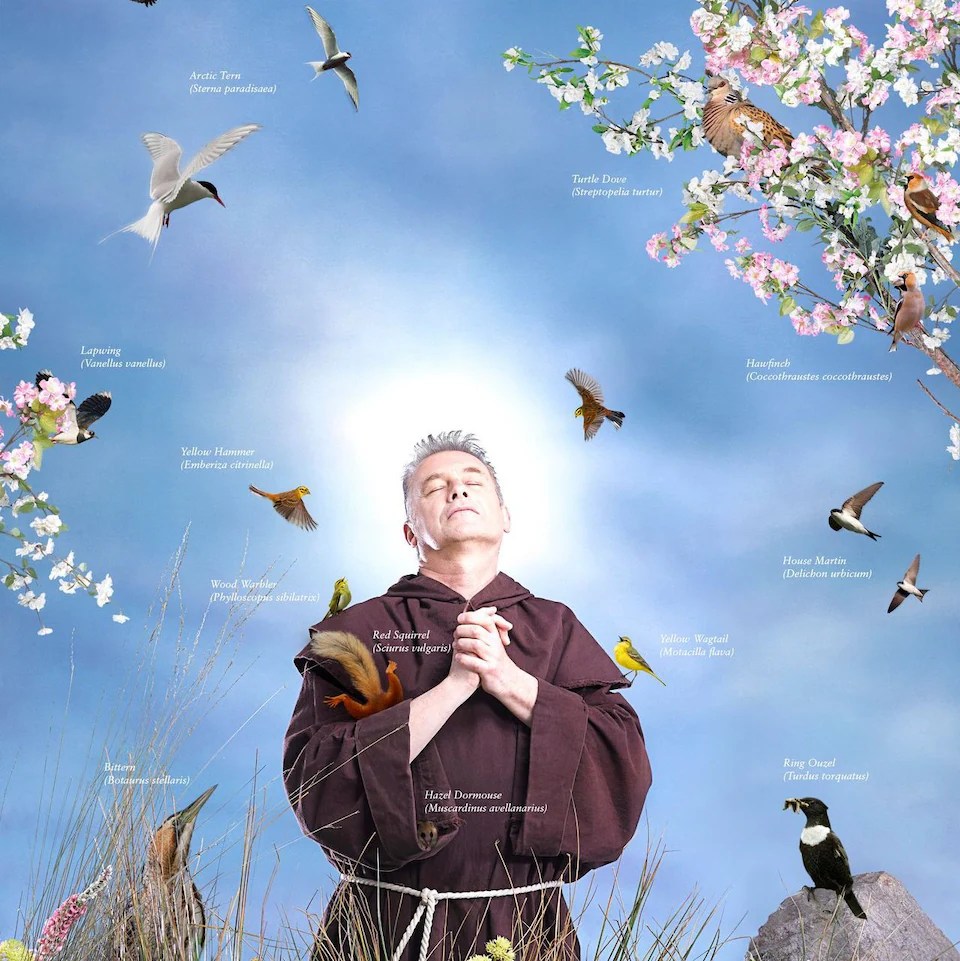
Chris Packham has posed as St Francis of Assisi in a portrait celebrating him as a “living saint”.
The portrait of the presenter and environmental campaigner is now on show on the altar of the Fitzrovia Chapel, central London.
Originally commissioned by Radio Times magazine to mark Earth Day, it is the work of photographic artist Richard Ansett.
Packham is surrounded by images of some of the UK’s most endangered species. Mr Ansett said it also made reference to Packham’s neurodiversity – the presenter was diagnosed with autism in his 40s.
“I hope that every pixel of this portrait offers a safe space for anyone challenged by neurodiversity. Packham’s remarkable connection to the natural world drives him relentlessly to save us from ourselves,” Mr Ansett said.
The portrait of Packham is available to view until May 21 at the former chapel, where it is described as a work “elevating him to the status of living saint”.
Chris Packham is surrounded by some of the UK’s most endangered species in the artwork Credit: Richard Ansett/Radio Times
Packham said: “This photo is about a fundamental level of engagement, an engagement of equals. It conveys the importance of nature to heal us, provide us with a sanctuary in times of terrible trouble.
“But the species featured are also rare or declining so it serves to remind us that our one and only home, our Earth, is on a brink too many are refusing to see and act to protect and repair.
“This is a photograph about love, a love of life, all life.”
The featured species include the red squirrel, the house martin, the woodcock and the hedgehog.
Mr Ansett, an award-winning photographer whose previous works include Sir Grayson Perry in the style of the Madonna and Child, added that the Packham portrait “recognises the difficulties that he has prevailed over to become a success in his career and a positive light for so many people”.
It is “a personal tribute to Packham’s humanity in challenging the worst parts of ours, in our ambivalence to the destruction created in the wake of our own needs”, the photographer said.
Chris Packham; known to all of us in the UK for his environmental knowledge and especially as a television wildlife campaigner; narrates a video for ‘Animal Aid’, of which he is a Patron, called ‘Killing Our Countryside’.
The film reveals the damage done to the British countryside and wildlife by the shooting industry’s mass release of tens of millions of pheasants and partridges for shooting ever year.
The film, and accompanying campaign, make the argument for a ban on the production and release of birds for shooting.
The film also reveals what many people have not seen; the method of raising these birds which are bred to die – simple as that !
WAV is based in Kent, England; as well as having Diana in Germany.
Kent is known as the ‘gateway to Europe’ due to its location. It is a short hop over [or under] the English Channel to start your euro journey from France. Kent is a very historic county with masses of beautiful buildings and locations to visit. It is located directly South East of ‘Ol London town’ but the reality is once you get there, for example, down into the Weald; https://en.wikipedia.org/wiki/Weald which still has 23% of its area covered by woodland; the world here is utterly different to the madness mayhem that is London. And to think central London borders with Kent and is a mere 23 miles away !
KWT have a unique opportunity to create a wildlife rich landscape; where missing species can be resored to former farmland.
In the borough of Tunbridge Wells lies over 205 ACRES of land where hedgerows have eroded and the woodland edges are disappearing. Bordering Furnace Farm, an existing KWT reserve, Hoathly Farm has been intensively farmed for decades and no longer yields the returns needed to be viable without flooding the land with pollutants.
KWT HAVE UNTIL THE 24TH MAY 2025 TO SECURE THIS LAND AND RESTORE IT TO A BEAUTIFUL HAVEN FORE WILDLIFE AND WALKERS.
Can you help with a donation; no matter the size ?
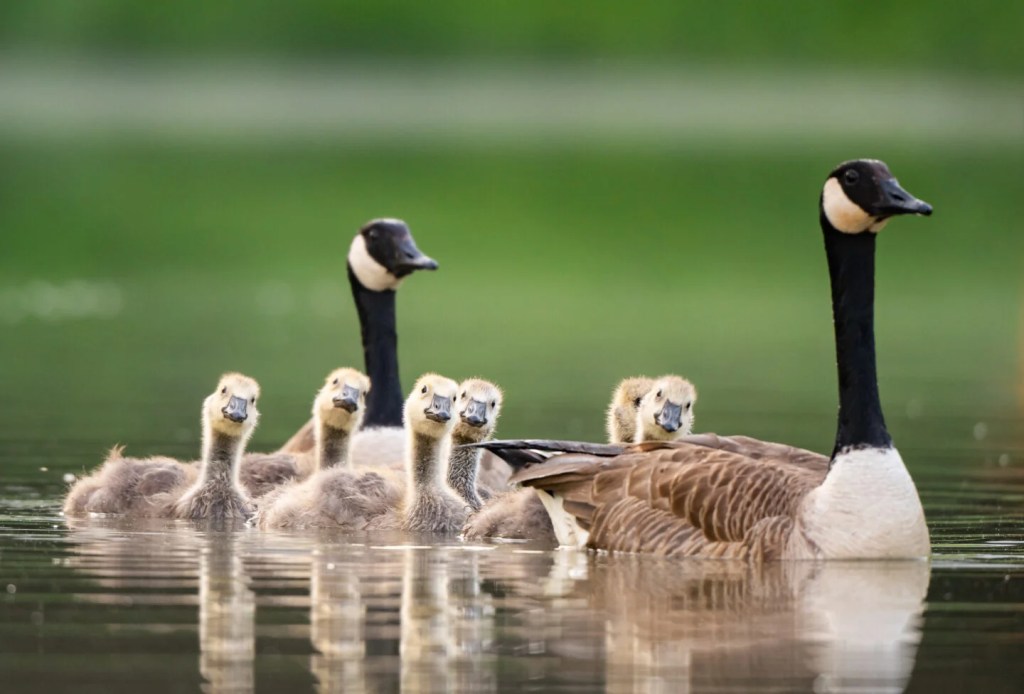
It’s getting closer to the time when the USDA comes into New Jersey to kill Canada geese. As we’ve mentioned in previous alerts, APLNJ has been reviewing USDA reports to see who contracts with them for geese management. This is the time of year when towns/businesses, etc. contract with the USDA, so writing NOW is critical.
We have reached out to all of them, sent information and visited the site with some. We’ve had success in steering some away from lethal towards nonlethal. But others are still hell-bent on allowing the killing (with a portable CO2 gas chamber).
The individuals you will be sending a letter to either allow the USDA, in partnership with Teterboro Airport in Bergen County, to come on their property, which lies in the flight path of airplanes, and round up and gas the geese OR have their own contract with USDA Wildlife Services to come in and kill.
Instead of allowing the USDA in year after year to kill, they all should be looking into habitat modification which is the clear winner when it comes to options for keeping geese out of a specific area. These methods are highly effective and provide better protection for air traffic areas. In fact, at best it’s irresponsible to not use the most effective methods, at worse, is can be dangerous, providing a false sense of security.
Please urge these entities to DENY THE USDA ACCESS to their property and schedule a site visit with Animal Protection League of New Jersey instead. Click here to send a letter.
And a second letter is going to those who have their own contract with USDA and we are asking them to CANCEL THE CONTRACT. Click here to send that letter.
Kruger Park rangers on the poisoning scene. (Photo: EWT)
08 May 2025
Eighty-four vultures have been rescued after a mass poisoning event in the Kruger National Park, one of the largest incidents of its kind recorded in southern Africa.
An elephant carcass, laced with poison and surrounded by more than 100 dead vultures, marked one of the most devastating wildlife poisoning events yet seen in the Kruger National Park. Remote sensing triggered a scramble to save birds that were still alive.
In a coordinated emergency operation spanning helicopters, ambulances and nearly 24 hours of intensive care, 84 poisoned vultures were pulled back from the brink.
The operation this week was undertaken by a combined team of South African National Parks rangers and Endangered Wildlife Trust (EWT) officials in the park’s Mahlangeni Section, where the elephant carcass was found.
According to Gareth Tate, head of EWT’s Birds of Prey Programme, the organisation’s wildlife poisoning detection system triggered an alarm, flagging suspicious activity.
“The following morning, SANParks rangers conducted surveillance and uncovered a mass poisoning event involving more than 120 dead birds,” Tate said. “It was a shocking, gruesome scene.”
By 8.20am the joint team had arrived on site. They discovered 122 dead vultures, including 102 white-backed vultures, 20 Cape vultures and one lappet-faced vulture – all species listed as endangered or critically endangered. Several vultures were found alive but severely affected.
Tate described the rescue as a “world-class operation” involving two ground teams, helicopters, 12 vehicles and the EWT’s specialised Vulture Ambulance. Emergency treatment was administered in the field, including atropine to reverse the effects of the poison on the birds’ nervous systems, activated charcoal to bind toxins, fluid therapy and a procedure to flush and milk the vultures’ crops to remove ingested poison.
“We’ve developed a strict protocol over the years and we’ve achieved about a 98% success rate for birds found alive,” Tate explained. “Those first 24 hours are critical. If we can get them through that, they have a good chance of survival.”
Vultures were being deliberately targeted both to conceal illegal activities and to harvest body parts for the illegal wildlife trade and traditional medicine markets.
A total of 84 vultures were rescued alive. Of these, 45 were transported in the EWT’s mobile vulture ambulance and 39 were taken by helicopter to care facilities. Five of the rescued birds died despite treatment, but 83 remained alive as of the following morning, representing a 96% survival rate.
SANParks Pilot Bradford Grafton with one of the rescued vultures. (Photo: SANParks)
Eighty-four vultures have been rescued by a joint team of SANParks rangers and Endangered Wildlife Trust (EWT) following a devastating poisoning incident in the Kruger National Park. (Photo: EWT)
Reinforcements were swiftly deployed. Support teams from the Moholoholo Wildlife Rehabilitation Centre, Briner Veterinary Services and Wildscapes Veterinary Services were mobilised within hours and worked through the night to stabilise each bird and keep them alive.
“This was one of the largest and most coordinated vulture rescues ever conducted in the region,” Tate said. “The collaboration between SANParks, vets, NGOs and rangers was remarkable.”
This is intentional genocide of vultures. It’s absolutely malicious and a silent killer.
The poisoning involved agricultural toxins placed on an elephant carcass, a method increasingly used by poachers to kill vultures that might otherwise alert rangers to poaching sites by circling overhead. Tate said vultures were being deliberately targeted both to conceal illegal activities and to harvest body parts for the illegal wildlife trade and traditional medicine markets.
“Vultures are being systematically removed from the landscape,” Tate warned. “This is intentional genocide of vultures. It’s absolutely malicious and a silent killer.”
“They’re targeting vultures for their brains, heads and feet,” Tate said. “There’s even evidence that poisoned vulture parts are ending up in muti markets, meaning that toxic substances are being sold to unsuspecting users.”
Broader crisis
This incident forms part of a broader crisis facing vultures across southern Africa. The birds play a key role in ecosystems by consuming carcasses and reducing the spread of disease. Their absence leads to carcasses lingering longer in the environment, increasing the risk of disease transmission to other wildlife and humans.
The decline of vultures has been linked to knock-on effects seen in other regions: in India, the collapse of vulture populations due to veterinary drug poisoning led to a boom in feral dog numbers and a corresponding rise in rabies cases.
Kruger hosts at least five regular vulture species: the white-backed vulture (Gyps africanus), the most common; the Cape vulture (Gyps coprotheres), mainly found in the park’s north; the lappet-faced vulture (Torgos tracheliotos); the hooded vulture (Necrosyrtes monachus) and the rarely seen white-headed vulture (Trigonoceps occipitalis). Each species occupies a niche at carcasses, forming an efficient clean-up system.
Each adult vulture killed is not just an immediate loss – it’s a loss of future generations.
However, their numbers are declining due to a number of pressures. Many species breed slowly, raising only one chick per year. Their nesting habitats are shrinking as large trees along rivers are lost, often from increased elephant activity. Without sufficient nesting sites, reproductive success drops. Poisoning events exacerbate these losses, wiping out breeding adults and chicks alike.
Poisoning incidents targeting vultures have increased. Poachers use pesticides like carbofuran, a highly toxic agricultural chemical, to lace carcasses. Vultures that feed on the poisoned remains are removed as natural sentinels from the ecosystem. Other scavengers, including jackals, lions, hyena and ground hornbills, also fall victim.
“Unlike targeted poaching of individual animals, poisoning takes out entire species indiscriminately,” Tate said. “Each adult vulture killed is not just an immediate loss – it’s a loss of future generations.”
Efforts to address the issue include increased patrols, training poison response teams and establishing artificial feeding sites to provide uncontaminated food. Conservationists stress that long-term solutions will require stronger regulation of agricultural poisons, improved enforcement against wildlife crime and engagement with communities living near protected areas.
Community outreach initiatives by the Kruger Park have begun, aiming to reduce demand for vulture parts in belief-based practices and build support for conservation. However, scaling these measures to meet the size of the problem remains a challenge.
Tate emphasised the need for stricter penalties for those responsible. “These individuals need to be caught and the penalties must reflect the seriousness of the crime – they’re killing critically endangered animals.”
Natural waste disposers
The rescued vultures continue to recover under veterinary care and will be released once they are fit to return to the wild. “Some of them are so strong that we’re planning to release them this Saturday,” Tate said.
Conservationists hope the surviving birds will resume their vital ecological role as natural waste disposers, limiting the spread of disease in the ecosystem. The poisoning incident highlights the vulnerability of vultures to deliberate targeting, the ecological consequences of their decline and the urgent need for interventions.
“Without vultures, carcasses take longer to decompose, leading to increased risks of disease,” Tate said. “Their loss disrupts a delicate balance. We need to act now to protect them.”
As the surviving vultures recover, conservationists warn that the battle to save these birds is ongoing. Preventing future poisonings, preserving nesting habitats and raising awareness about their ecological importance will be essential to ensure that vultures remain part of Kruger’s skies. Each circling silhouette is a sign that the clean-up crew is still at work, maintaining the health of the ecosystem for wildlife and humans alike.