Category: Environmental

Japan: 5 Whaling Vessels Have Now Set Off For A Hunt.

Japan

We first covered the issue of the Japanese return to whaling a few days ago – see our post:

https://worldanimalsvoice.com/2019/06/30/japan-is-about-to-resume-catching-whales-for-profit-in-defiance-of-international-criticism/


Well now the whaling fleet has set sail:

https://www.bbc.co.uk/news/world-asia-48821797


Japanese whalers set sail for commercial hunting


whale 1

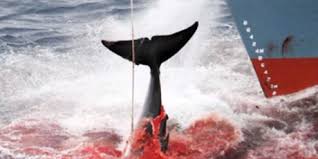
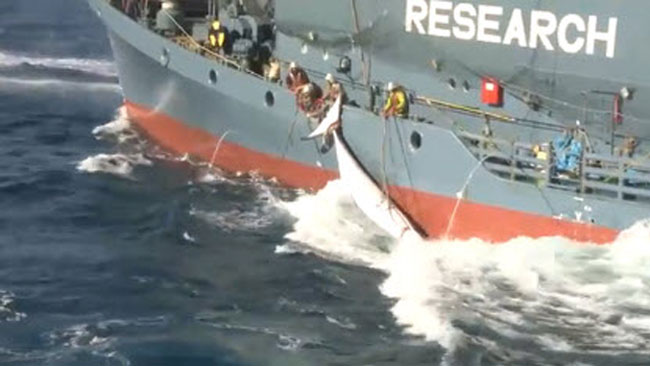
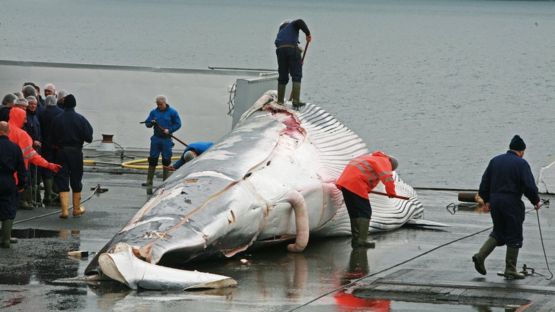
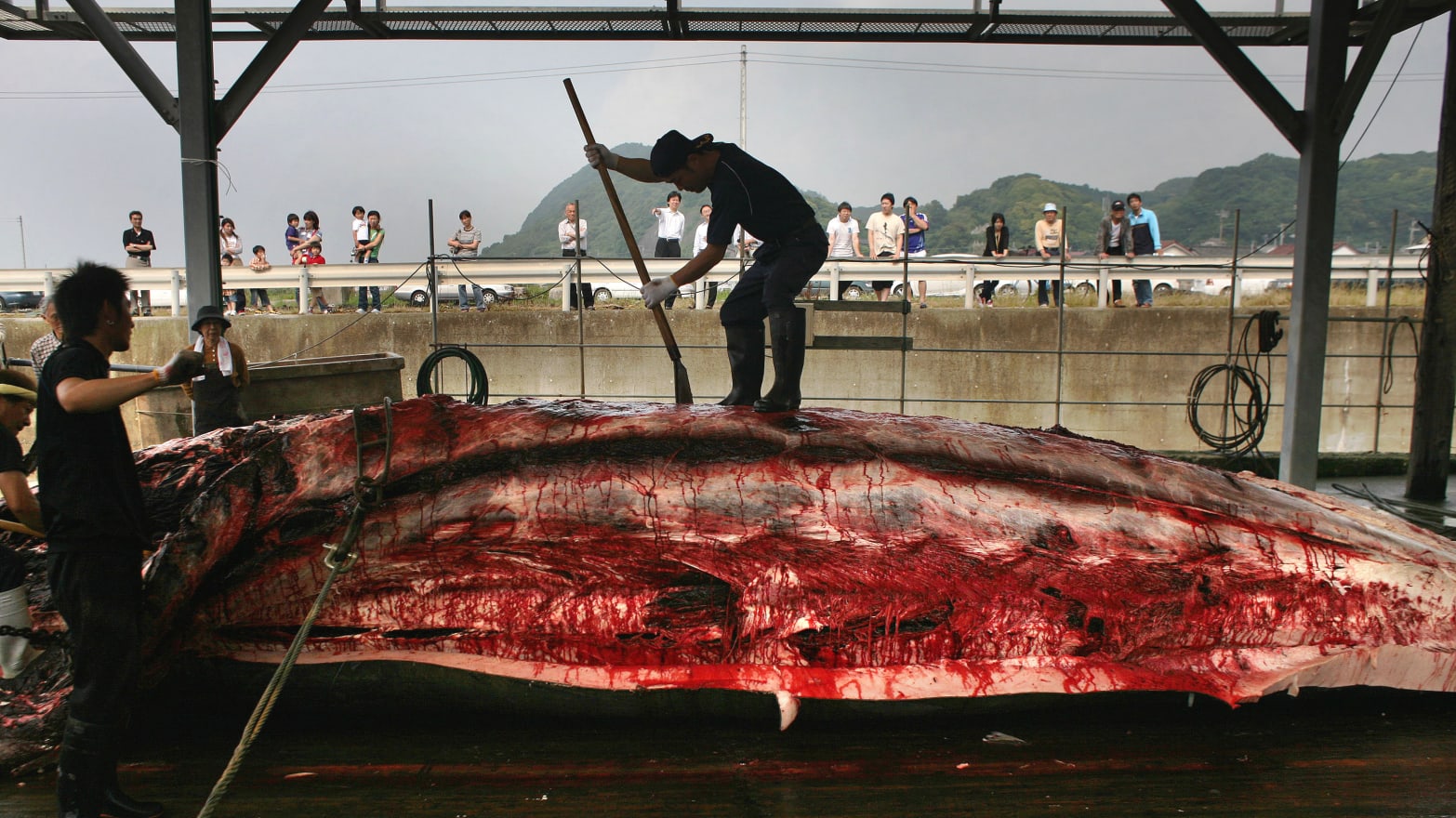
Five Japanese whaling vessels have set sail for the country’s first commercial hunt in decades, in defiance of international criticism.

The whaling ships have a permit to catch 227 minke, Bryde’s and sei whales this year in Japanese waters.

Japan’s last commercial hunt was in 1986 but it has continued whaling for what it says was research purposes.

It has now withdrawn from the International Whaling Commission (IWC) so is no longer subject to its rules.

IWC members had agreed to an effective ban on whale hunting, but Japan has long argued it is possible to hunt whales in a sustainable way.


Enthusiasm among whalers

The fisheries ministry has set a kill cap for the season of 52 minke, 150 Bryde’s and 25 sei whales.

“The resumption of commercial whaling has been an ardent wish for whalers across the country,” the head of the agency, Shigeto Hase, said at a departure ceremony in northern Kushiro for the small fleet.

He said the resumption of whaling would ensure “the culture and way of life will be passed on to the next generation.”

“My heart is overflowing with happiness, and I’m deeply moved,” Yoshifumi Kai, head of the Japan Small-Type Whaling Association, said. “People have hunted whales for more than 400 years in my home town.”

“I’m a bit nervous but happy that we can start whaling,” one whaler told news agency AFP before setting sail.

“I don’t think young people know how to cook and eat whale meat any more. I want more people try to taste it at least once.”

Criticism by conservationists

According to the IUCN Red List of Threatened Species, minke and Bryde’s whale are not endangered. Sei whale are classified as endangered but their numbers are increasing.

Conservationist groups like Greenpeace and Sea Shepherd remain critical of Japan’s resumption of whaling but say there are no concrete plans for action against the country.

Japan “is out of step with the international community”, Sam Annesley, executive director at Greenpeace Japan, said in a statement when Tokyo announced its whaling plans last year.

Like other whaling nations, Japan argues hunting and eating whales are part of its culture.

A number of coastal communities in Japan have hunted whales for centuries but consumption only became widespread after World War Two when other food was scarce.

Didn’t Japan kill whales all along?

Whales were brought to the brink of extinction by hunting in the 19th and early 20th Century. In 1986, all IWC members agreed to a hunting moratorium to allow whale numbers to recover.

Whaling countries – like Japan, Norway and Iceland – assumed the moratorium would be temporary until everyone could agree on sustainable quotas. Instead it became a quasi-permanent ban.

Since 1987, Japan has killed between 200 and 1,200 whales each year under an exemption to the ban allowing scientific research.

Critics say this was just a cover so Japan could hunt whales for food, as the meat from the whales killed for research usually did end up for sale.

In 2018 Japan tried one last time to convince the IWC to allow whaling under sustainable quotas, but failed. So it left the body, effective July 2019.

whale 4


Japan is about to resume catching whales for profit in defiance of international criticism.

Japan

whale 4

https://www.bbc.co.uk/news/world-asia-48592682


Japan is about to resume catching whales for profit, in defiance of international criticism.

Its last commercial hunt was in 1986, but Japan has never really stopped whaling – it has been conducting instead what it says are research missions which catch hundreds of whales annually.

But Japan has now withdrawn from the International Whaling Commission (IWC), which banned hunting, and will send out its first whaling fleet this July.

whale 1


Isn’t whaling banned?

Whales were brought to the brink of extinction by hunting in the 19th and early 20th Century. By the 1960s, more efficient catch methods and giant factory ships made it obvious that whale hunting could not go unchecked.

So in 1986, all IWC members agreed to a hunting moratorium to allow whale numbers to recover.

Conservationists were happy but whaling countries – like Japan, Norway and Iceland – assumed the moratorium would be temporary until everyone could agree on sustainable quotas. Instead it became a quasi-permanent ban.

But there were exceptions in the moratorium, allowing indigenous groups to carry out subsistence whaling, and allowing whaling for scientific purposes.

whale 2

Tokyo put that latter clause to full use. Since 1987, Japan has killed between 200 and 1,200 whales each year, saying this was to monitor stocks to establish sustainable quotas.

Critics say this was just a cover so Japan could hunt whales for food, as the meat from the whales killed for research usually did end up for sale.

Why is Japan restarting whaling now?

In 2018 Japan tried one last time to convince the IWC to allow whaling under sustainable quotas, but failed. So it left the body, effective July 2019.
The fisheries ministry told the BBC it would start issuing permits for hunts on 1 July. “But the starting date is subject to decisions of the whalers, weather and other conditions.”

Whaling is a small industry in Japan, employing around 300 people. About five vessels are expected to set sail in July.

The whaling “will be conducted within Japan’s territorial waters and Exclusive Economic Zone”, Hideki Moronuki of the Japanese fishing ministry told the BBC.

whale 3

This means Japan will no longer hunt whales in the Antarctic, as it did under its earlier research programme.

Like other whaling nations, Japan argues hunting and eating whales are part of its culture. A number of coastal communities in Japan have indeed hunted whales for centuries but consumption only became widespread after World War Two when other food was scarce.

From the late 1940s to the mid-1960s whale was the single biggest source of meat in Japan but since become a niche product again.

Is Japan’s plan legal?

“Within its 12 mile coastal waters, Japan can do whatever it wants,” Donald Rothwell, professor of international law at the Australian National University, told the BBC.

Beyond that, in its 200 miles (322km) exclusive economic zone and of course the high seas, the country is bound by the UN Convention on the Law of the Sea.

Article 65 of said convention mandates that “states shall co-operate with a view to the conservation” of whales and “shall in particular work through the appropriate international organizations for their conservation, management and study”.

Having left the IWC, Japan is no longer part of any such international organisation and that “directly raises questions issues whether or not Japan would be consistent with the convention,” Mr Rothwell explains.

It’s not clear if any country would try to bring Japan to court over this – in its defence, Japan might argue that for years it did try to co-operate within the IWC without any results.

Even if there were to be a ruling or injunction against Tokyo, there’d be no mechanism to enforce it.

What environmental impact will Japan’s whaling have?

The ministry will allow for the hunting of three species: minke, Bryde’s and sei whales.

According to the IUCN Red List of Threatened Species, minke and Bryde’s whale are not endangered. Sei whale are classified as endangered but their numbers are increasing.

So in terms of numbers, Japan’s commercial whaling will have only a minimal impact.

In fact, some defenders of whaling argue that whale meat has a smaller carbon footprint than pork or beef.

Conservationist groups like Greenpeace or Sea Shepherd remain critical of Japan’s resumption of whaling but say there are no concrete plans yet to tackle the country over this.

Japan “is out of step with the international community”, Sam Annesley, executive director at Greenpeace Japan, said in a statement, urging Tokyo to abandon its hunting plans.

Besides the question of stock sustainability, a key argument against the hunt is that harpooning whales leads to a slow and painful death.

Modern hunting methods, though, aim to kill whales instantly and it backers say the near-global anti-whaling sentiment is deeply hypocritical., compared to, say, industrial meat production.

But even if Japan does defy the criticism and stick with whaling, there’s a good chance the contentious issue will gradually die down by itself.

Japanese demand for whale meat has long been on the decline and the industry is already being subsidised. Eventually, commercial whaling might be undone by simple arithmetic.

Image result for japan whalingImage result for japan whaling

Image result for japan whaling


We live in a world of abundance!

Overproduction is neither responsible use of food nor is it environmentally conscious!

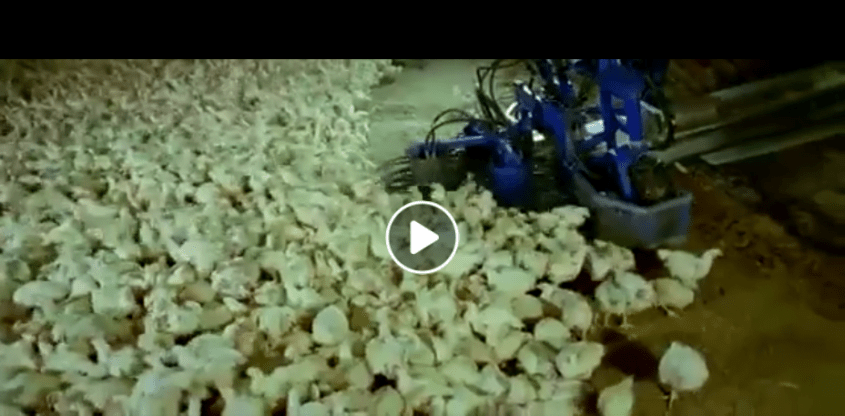
About a third of all food produced worldwide is not consumed, but thrown away! And it does not just affect fruits and vegetables, but also meat!

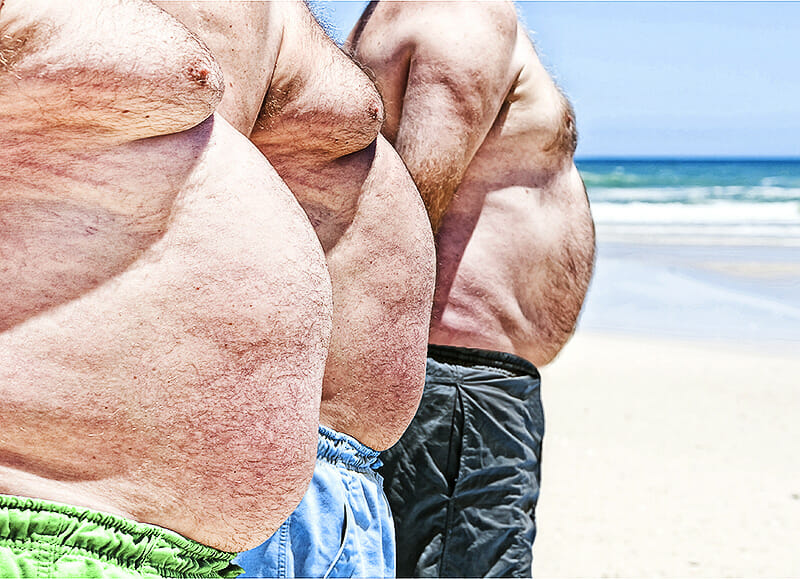
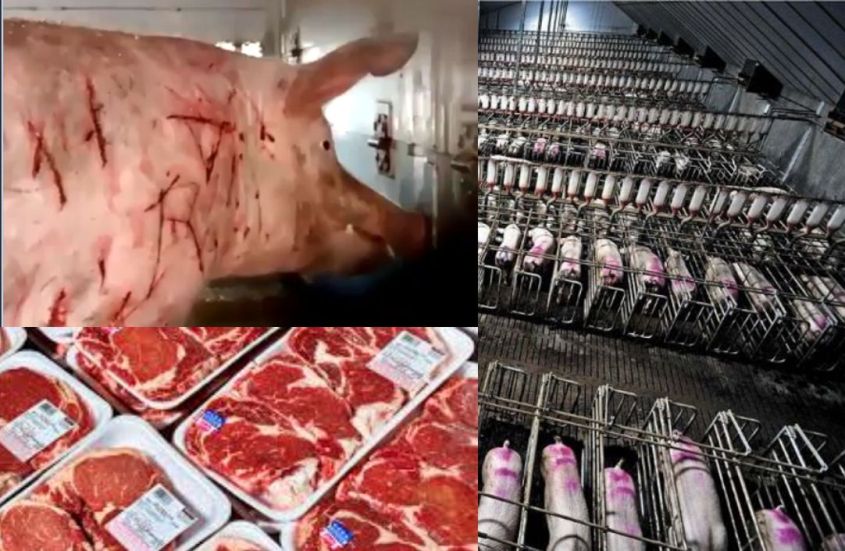
AbundanceIt is well known that meat production has a huge impact on the environment and that high meat consumption can have harmful effects on human health.
State economic aid not only rewards the increase in meat production, but produces more than consumers buy.

uebergewicht
Meat is thrown away before it even reaches the supermarket shelves! Food waste occurs throughout the entire production chain – and although it is known, production continues to be subsidized and food waste increases!

fleischatlas-fleichkonsum-deutschland-bild

It is shameful that supermarket chains only want to reduce their food waste by 2030!
Why not stop this overproduction immediately? You should just delete the subsidies!

For example, Europe imports cheap fruits and vegetables, but also meat from other countries where it is produced cheaply, processes it and then exports it to distant countries at low prices and destroys the market there! Is not it sick?

Fleisch99

For years containers with tangerines or tomatoes from China have been coming to Europe, landing in Dossen and being exported to Australia, for example!

We live in a world of abundance – with terrible consequences!

palmoel.j und Opfer Affepg

https://www.facebook.com/Netzfrauen/

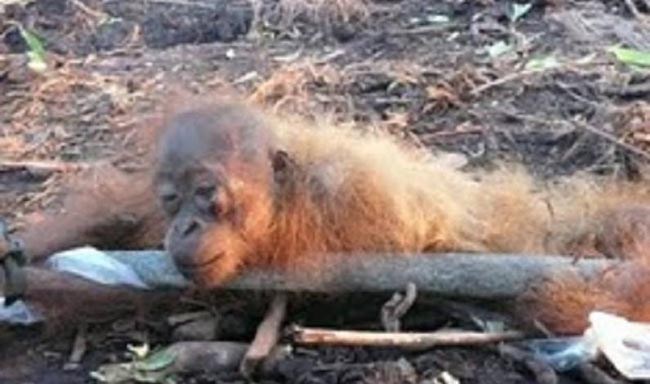
And I mean:  Nature dies of the criminal behavior of a species, the human species.
And every day, the population clock is ticking faster than the global collapse … today 200,000 more people, tomorrow 200,000 more people, the day after tomorrow 200,000 more people, the day after tomorrow … Until the last final chord!
The unrestrained growth of humanity is the root cause that permanently destroys the future of human being, animal being and nature.

My best regards to all, Venus


Who takes our garbage?


The world garbage dump closes!


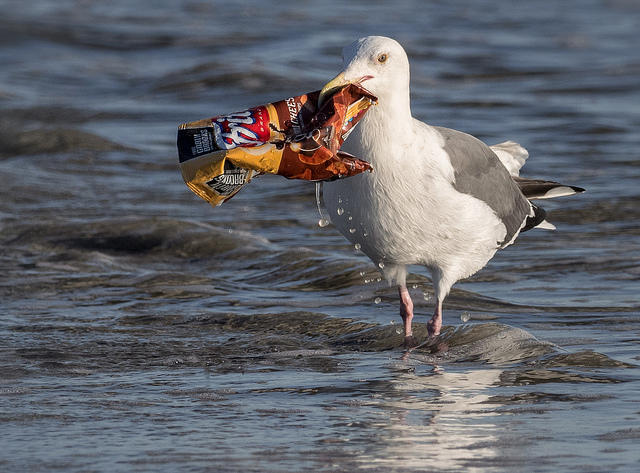
möwe mit Müllpg

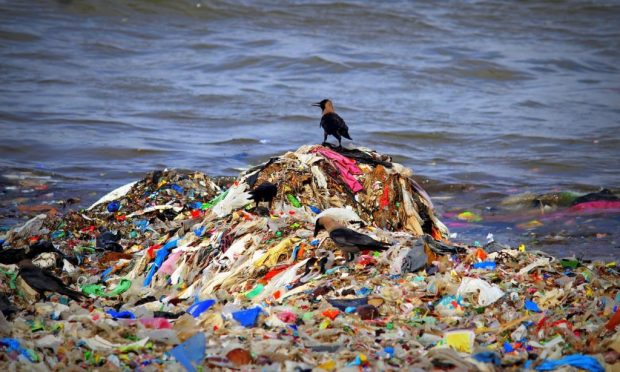
Indonesia also sends plastic garbage back to its countries of origin after Malaysia and the Philippines.

More and more Asian countries do not want to be a garbage dump for the world.

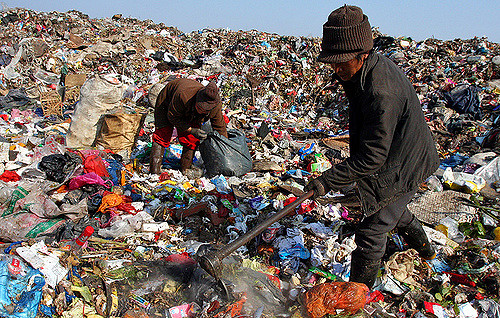
müll in China pg

Europe has been dumping its waste in China for decades – without many citizens in Germany knowing about it. Now China has shut down. On January 1, 2018, China presented the world with a 111 million-ton trash problem!!!

To date, 56 percent of all plastic waste worldwide and 87 percent of all plastic waste from EU Member States have been exported to China. Germany has sent around 760,000 tonnes of plastic waste annually to China, as magazine “Die Zeit” reports.
After on January 1, 2018, China presented the world with a 111 million-ton trash problem and India followed the example of China, Europe and the US must seek new countries for their plastic waste. But already Malaysia and the Philippines have returned the containers containing the controversial plastic waste to their countries of origin. Because, as was increasingly stated, the containers were marked incorrectly.
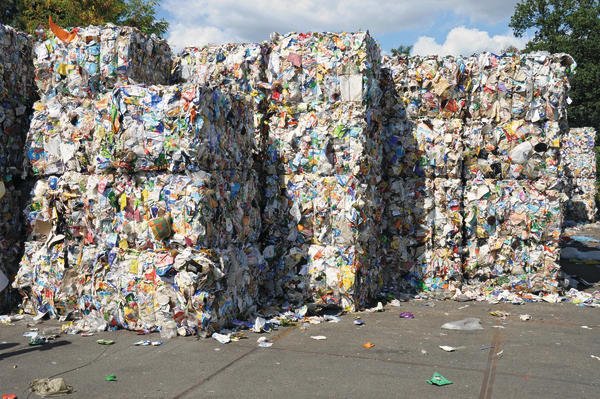
Allegedly, the containers should contain waste paper, and when the authorities checked the contents, it was dirty plastic waste including diapers.

müll Paketejpg

When Indonesia inspected the containers and found that the containers were filled with dirty plastic garbage like diapers and other plastic garbage instead of waste paper, of course Indonesia did not want the plastic garbage and issued a decree. Now Indonesia sends the plastic waste back.

“We do not want to become a garbage dump for the world,” is the answer to the Western world.

The western countries remain sitting on their (shit) trash.

Plastikmuell--c

Well… now there is not much choice left. It is also worth noting that more than 320 million tonnes of plastic waste are produced annually worldwide, but only an estimated 9% are recycled. The ban on Beijing forced Western companies, which do not have their own waste recycling capacity, to look for new “markets” in Asia.

Internationaler Tag der Umwelt  - Myanmar

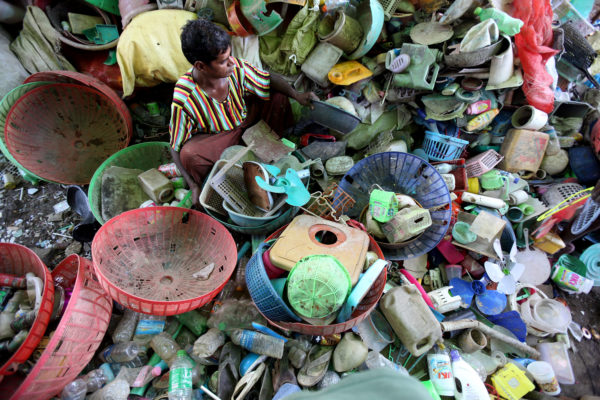
The Germans produce so much rubbish than any other European country. But only about 42% of plastic garbage in Germany is recycled. Under the motto: “out of sight, out of mind” plastic waste has been exported to Asia until now.
But there is another problem here: China, Indonesia, the Philippines, Thailand and Vietnam are throwing more plastic into the oceans than the rest of the world, and this is exactly where EU plastic waste is exported.

But that’s it now over! these countries no longer want the plastic waste and send the plastic waste back to their countries of origin!
But where to go, if more and more countries do not want our plastic waste?

https://netzfrauen.org/2019/06/21/plasticwaste/


plastic-strand-620x372

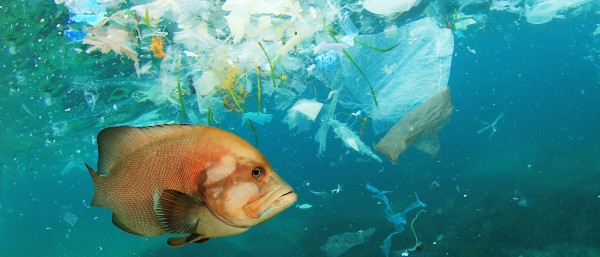
As before, we deal with the nature criminal. Not only with our soil but also with our seas.

fisch in Müllpg

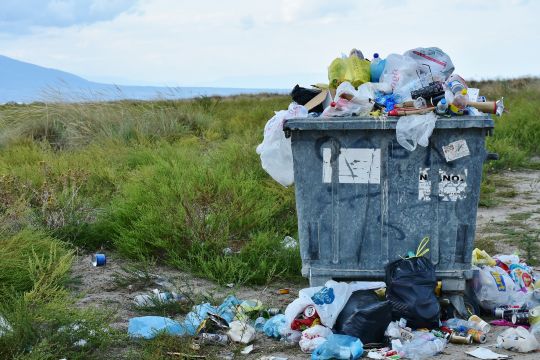
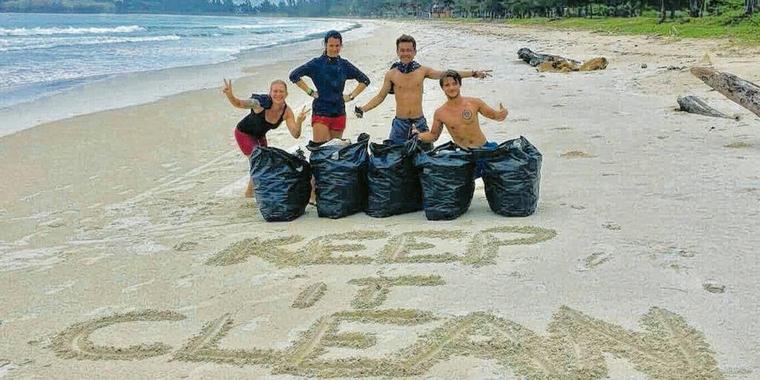
The summer is here and many people are fleeing to the beach! But why do not people take their waste back? Please share so that everyone knows that the BEACH is not a garbage dump!
“Heat … hurray … let’s have a beach party!” But please leave the location without leaving any trash.

müll in Parkplatzpg
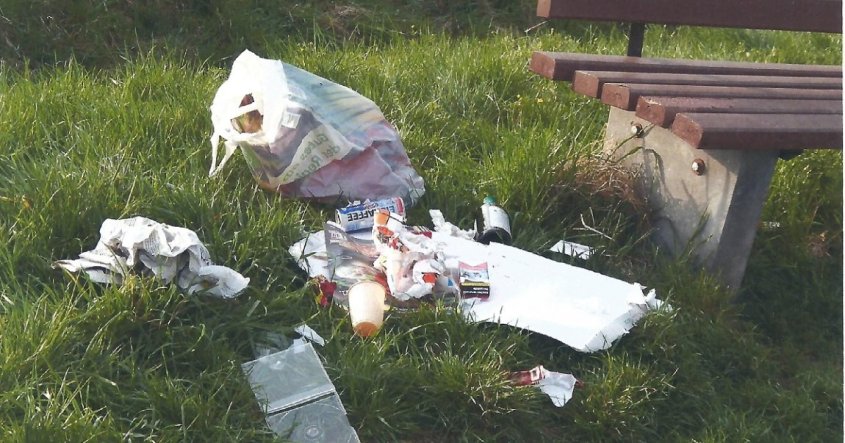
Not only tourism on the coasts is booming, but also rubbish on the beach! All over the world, people just leave the trash. And not only on the beach. Especially on the highways: windows open, garbage out!
Everyone has to shoulder a bit of responsibility and not leave the fate of our planet to corrupt governments and criminal multi-corporations.

mümm keap it ckean_big_teaser_article

My best regards to all, Venus

USA: Howl for the Wolves – They Need Your Voice.

wolf

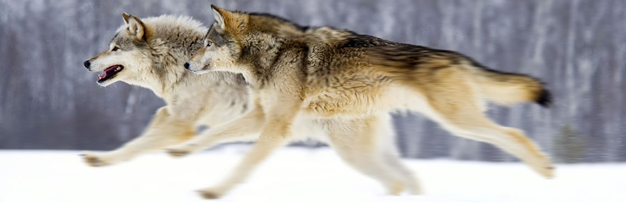
All photos are from our archive and are not directly associated with this article – WAV.


-usa-us-flagge-

Dear Mark,

Today, my father Dr. Michael W. Fox is traveling to Brainerd, Minnesota, to join hundreds of other wolf advocates to testify on behalf of Project Coyote before the U.S. Fish and Wildlife Service (USFWS) in opposition to the Trump Administration’s proposal to strip all remaining federal protections for wolves across the lower 48 states (except for Mexican wolves in the Southwest).

As a veterinarian, canid ethologist, bioethicist and author of more than 40 books – including The Soul of the Wolf my father will speak to the many values of wolves. Read his testimony here.


howlingwolvesmoon


Project Coyote Science Advisory Board Member Dr. Adrian Treves is part of a five-member peer review panel appointed by the USFWS that analyzed the proposal to delist the gray wolf. He and several other peer reviewers found the proposal “chock full of scientific errors,” stating “it looks like they decided to delist and then they compiled all the evidence that they thought supported that decision.” Read more here and here.

wolf quote


Across the nation, today is Stop Extinction Day of Action against wolf delisting – and we need your voice!  If you haven’t already, please weigh in on this critical issue for our nation’s imperiled gray wolves. THE PUBLIC COMMENT PERIOD ENDS JULY 15th! 

Please submit comments TODAY in opposition to the proposed rule to delist wolves.

Click here to submit your comments using an online form. If your comments fit into the comment box, this method is preferred. For longer comments, please attach them in a Microsoft Word document.


wolves7

Talking Points:

Your comments can simply state: “I am in opposition to the U.S. Fish & Wildlife Service’s proposed rule to remove Endangered Species Act protections for gray wolves in the lower 48 states. I urge you to reconsider this proposed rule and to instead develop a national wolf recovery plan for wolves that reflects their intrinsic value and the myriad ecological, aesthetic, and economic benefits the species provides to our communities and ecosystems.”

For maximum impact, however, we encourage you to personalize your comments. Here are some talking points you may consider incorporating:

  •  Continuing Endangered Species Act protections for wolves is necessary for the species to fully recover. Federal protections saved gray wolves from extinction following decades of persecution – and the species is still recovering, currently occupying only a fraction of their historic range.
  • The proposed rule would transfer authority over wolves to state wildlife management agencies, which historically have shown little interest in preserving wolves. These state agencies have catered to special interest groups who seek to kill wolves for trophies or entertainment, or on the misguided belief that killing wolves protects livestock or increases deer and elk populations.
  •  Wolves are vital to healthy ecosystems. Benefits wolves provide include increasing biodiversity by keeping large herbivores such as deer from overgrazing habitats and maintaining the health of prey animals such as deer by culling the sick members from the heard, including animals suffering from Chronic Wasting Disease.
  •  The best available, peer-reviewed science demonstrates that killing wolves will not protect livestock or increase populations of game species like deer or elk. Wildlife management decisions should be based on ethics and sound science, not fear and misunderstandings.
  •  The vast majority of Americans are wildlife watchers who prefer to view wolves in their natural habitat – preserved and treated with respect. Allowing wolves to return to their historic range and thrive will provide far more benefits to our economy than allowing a tiny minority of the population to extirpate these iconic animals from our landscape.

Learn more about wolves here.

Wolves CBD

Thank you for acting TODAY to protect wolves from extinction!

For Wild Nature,

Camilla Fox
Founder & Executive Director


EU: Urgent Petition to Stop Bee Killing Pesticides -URGENT – Please Sign Now.

zerissene EU-Flagge am Stock

gegen Monsanto pg


Be4

SPEAK UP FOR THE BEES NOW !


We’re so close to securing a ban on thiacloprid, Bayer’s pesticide that devastates bee populations, poisons birds, and endangers the health of farm workers.

Hundreds of SumOfUs members like you have just chipped in for hard-hitting adverts in Politico, the magazine that’s read and trusted by EU politicians. Before we go to print, please add your name to the petition so readers know exactly how many of us want a Europe free of dangerous, bee-harming chemicals:


Petition Link:

https://actions.sumofus.org/a/the-pesticide-thiacloprid-is-toxic-to-bees-and-humans-ban-it-now-3/?akid=57768.7697051.o7Jnjp&rd=1&source=fwd&t=14


Be1

Petition Wording:

This is unbelievable. The EU is under pressure from Bayer-Monsanto to re-approve the toxic pesticide thiacloprid.

Thiacloprid is a neonicotinoid pesticide — just like the ones that the EU banned from outdoor use last year, after hundreds of thousands of SumOfUs members like you voiced your concern over the dangers those chemicals posed to bees.

But thiacloprid isn’t only bad for bees. It’s harmful to humans too, and puts workers on farms where it’s used in danger of suffering from organ damage and even cancer.

We won’t let Bayer win this one. Thiacloprid’s licence needs to be reapproved this year so there’s still time to keep the EU from making a horrible mistake — but only if we speak up right now.

Tell the EU to ban thiacloprid before it’s too late!

Thiacloprid is already banned in France because of its danger to bees, and it’s also been shown to damage human and mammal reproductive systems.

There’s no conceivable reason why this toxic pesticide should be legal in the EU — but Bayer, with its billion-euro lobbying machine, has managed to convince the European Commission so far.

But there’s one thing Bayer forgot about: Us. You and I have already fought the pesticide giant on the bees’ behalf and won. 

It was our pressure that forced last year’s ban on three other bee-killing neonicotinoids. We can make the Commission acknowledge the real threat that thiacloprid poses to both bees and people, but we’ve only got a few short weeks to do it — so we need you on board now.

Tell the EU to get toxic thiacloprid out of our fields and our food!

Be2

More information

Peer review of the pesticide risk assessment of the active substance thiacloprid
European Food Safety Authority. 14 March 2019.

France becomes first country in Europe to ban all five pesticides killing bees
The Telegraph. 31 August 2018.



USA: Arizona Game & Fish Commission Adopts Rule to Ban Wildlife Killing Contests.

-usa-us-flagge-

FOR IMMEDIATE RELEASE – June 21, 2019

proj coyote media release

Contacts:
Betsy Klein, I AM WOLF NATION, (714) 478-0353, b@planb.foundation
Matt Francis, Project Coyote, (435) 659-9635, mfrancis@projectcoyote.org
Katie Stennes, Project Coyote, (240) 328-5369, kstennes@projectcoyote.org
Lain Kahlstrom, Animal Wellness Action, (480) 565-0655, lkahlstrom@outlook.com

Arizona Game & Fish Commission Adopts Rule to Ban
Wildlife Killing Contests

Commissioner Vows to Revisit Rule if Contests are Held Despite the Ban

Phoenix, AZ – Today the Arizona Game and Fish Commission (AZGF) voted unanimously (4 to 0) to ban wildlife killing contests (WKCs) for predatory and furbearing species in Arizona. For months a coalition comprised of concerned citizens and wildlife conservation organizations has worked tirelessly to ban WKCs statewide. Wildlife killing contests are barbaric events wherein participants compete to kill the greatest number, the largest, or even the youngest of the target wildlife species for “entertainment” and prizes. Hundreds of coyotes, bobcats, cougars, foxes and other species are killed in these events every year in Arizona.

In 2018 and 2019, Dewey-Humboldt, Flagstaff, Coconino County and Yavapai County passed resolutions condemning the events (Tucson and Pima passed similar resolutions in recent years). New Mexico and Vermont banned coyote killing contests in 2019 and 2018, respectively. California passed a wildlife killing contest regulation in 2014. Recently the Washington Post highlighted the Santa Slay Coyote Tournament, which takes place annually in Yavapai County, noting the national public outcry against these contests.

“We commend the Commission for adopting a rule to crack down on wildlife killing contests for predatory and furbearing species including coyotes and foxes,” said Matt Francis, Arizona State Representative for Project Coyote. “While we have concerns that potential loopholes may allow these contests to continue, we were pleased to hear that Commissioner Davis is committed to amending the rule if necessary to prevent participants from evading the ban. We all want the same thing: to end the cruel and ecologically destructive killing of the public’s wildlife for no good reason.”

“I believe Commissioner Davis said it best when he said it is the responsibility of the Commission to ensure their rules uphold the highest ethical principles, and they prohibit the take and use of wildlife for economic and illegitimate purposes,” stated I AM Wolf Nation Executive Director Betsy Klein. “As stewards of all wildlife, we owe this to present and future generations. While the rule leaves room for these atrocities to continue, it is a step in the right direction and we are thankful to the Commission for proposing such a rule in the first place.”

The coalition has been working to close loopholes in the rule that may allow WKC participants and organizers to continue their contests so long as participants don’t officially “register or record entry” or “pay a fee.” The rule as passed today also leaves animals such as prairie dogs and rabbits unprotected.

Today Commissioner Davis noted that he believed 99 percent of hunters would abide by the new rule.  
 
Over 70 conservation scientists have signed a statement condemning WKCs on ecological and ethical grounds (see a factsheet here explaining why indiscriminately killing coyotes is counterproductive).

The Arizona Game and Fish Department (AZGFD) itself recognizes that killing coyotes does not reduce their numbers, stating on their website: “Removing coyotes from one area generally results in other coyotes moving in from surrounding areas and breeding faster.” There is no way to know the effect that wildlife killing contests have on coyote populations in Arizona because AZGFD does not monitor the contests or track the number of coyotes killed in these events.

The coalition is hopeful that today’s action by the Game and Fish Commission put an end to the scientifically and ethically indefensible practice of wildlife killing contests in Arizona.

***

Footage of today’s Commission meeting is available here.

Read an Op Ed in today’s Arizona Daily Star by Dan Flores, author and Project Coyote Ambassador, and David Parsons, retired wildlife biologist for the U.S. Fish and Wildlife Service and Project Coyote Science Advisory Board Member condemning wildlife killing contests.

Project Coyote, a national nonprofit organization headquartered in Northern California, is a North American coalition of wildlife educators, scientists, ranchers, and community leaders promoting coexistence between people and wildlife, and compassionate conservation through education, science, and advocacy. For more information, visit ProjectCoyote.org

Project Coyote is a fiscally sponsored project of Earth Island Institute, which has received a Four Star rating from Charity Navigator.


Update – Two very special Belugas have arrived at their new sanctuary home…


Following on from our recent post that Little Grey and Little White had set off on their journey to a new sea sanctuary; we can now give you an update that they have arrived safely at their destination – so that is brilliant news !

Our recent post:

https://worldanimalsvoice.com/2019/06/19/little-grey-and-little-white-have-now-begun-their-journey-to-their-new-sea-sanctuary/

News From the Whale and Dolphin Conservation Society:

Two very special belugas have arrived at their new sanctuary home…

Yesterday, Little White and Little Grey arrived safely in Iceland! 

If you’ve been following this story, you’ll know that we have been working with the SEA LIFE Trust to create the world’s first ocean sanctuary for whales.

We realised a long time ago that it is no use calling for an end to captivity unless there is somewhere for captive whales and dolphins to go. After years of planning and mind-boggling logistical challenges, the first two whales have arrived at their new sanctuary home. They will be monitored by our experts in a quarantine area to make sure they are fully fit after their long journey before being released into the sea.

beluga jet full livery

How do you fly two Belugas to their new sanctuary home?

beluga transport graphic WDC

Your support made all this possible. Now we need your help to continue looking after Little Grey, Little White, and many others still held in captivity. Please donate today so we can continue our vital work. 

Donate to help the new sanctuary by clicking on the following link:

https://uk.whales.org/support/support-the-worlds-first-beluga-sanctuary/?don=referrer_fixed&ref=EM-BELU-19-06-00-DON&utm_medium=email&utm_campaign=June%20ENL&utm_content=June%20ENL+CID_823b6fba353adcf63345d797ccbb4adb&utm_source=Campaign%20Monitor%20WDC&utm_term=DONATE%20NOW