Category: Environmental

England: The Goldfinch ‘Charm’.

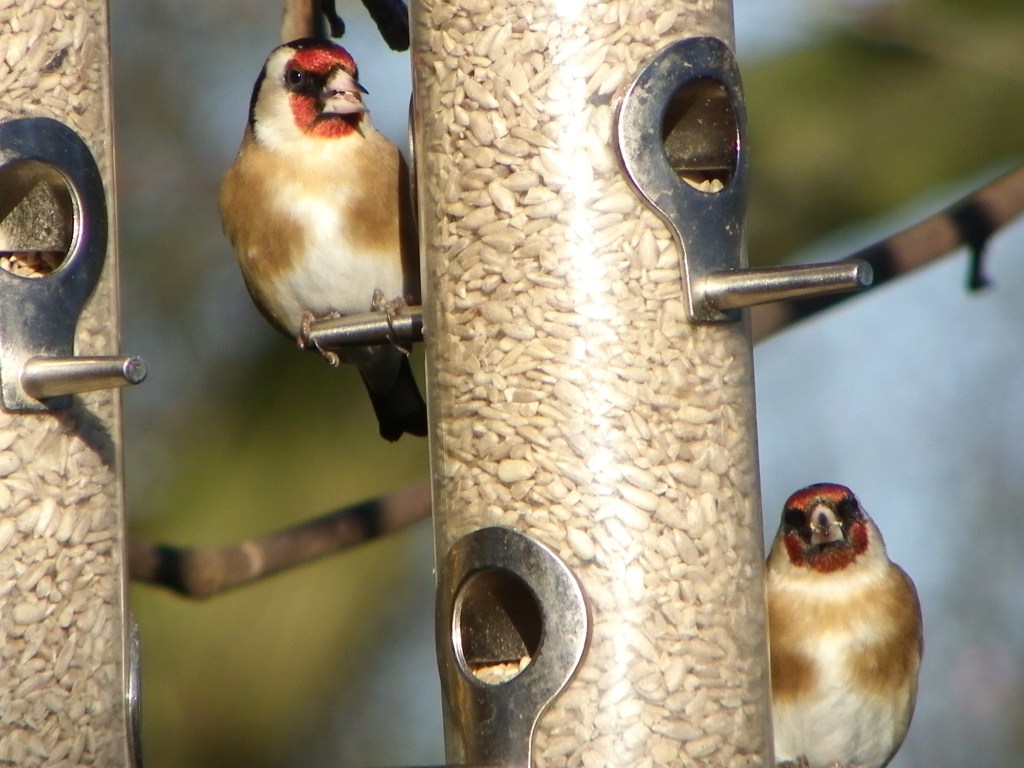
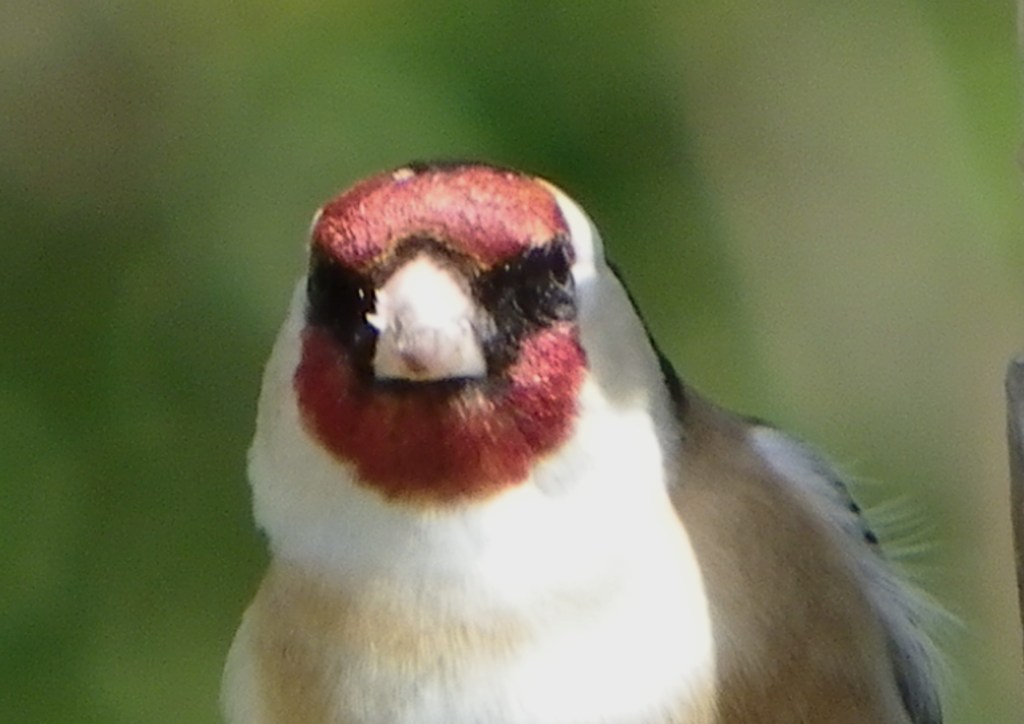
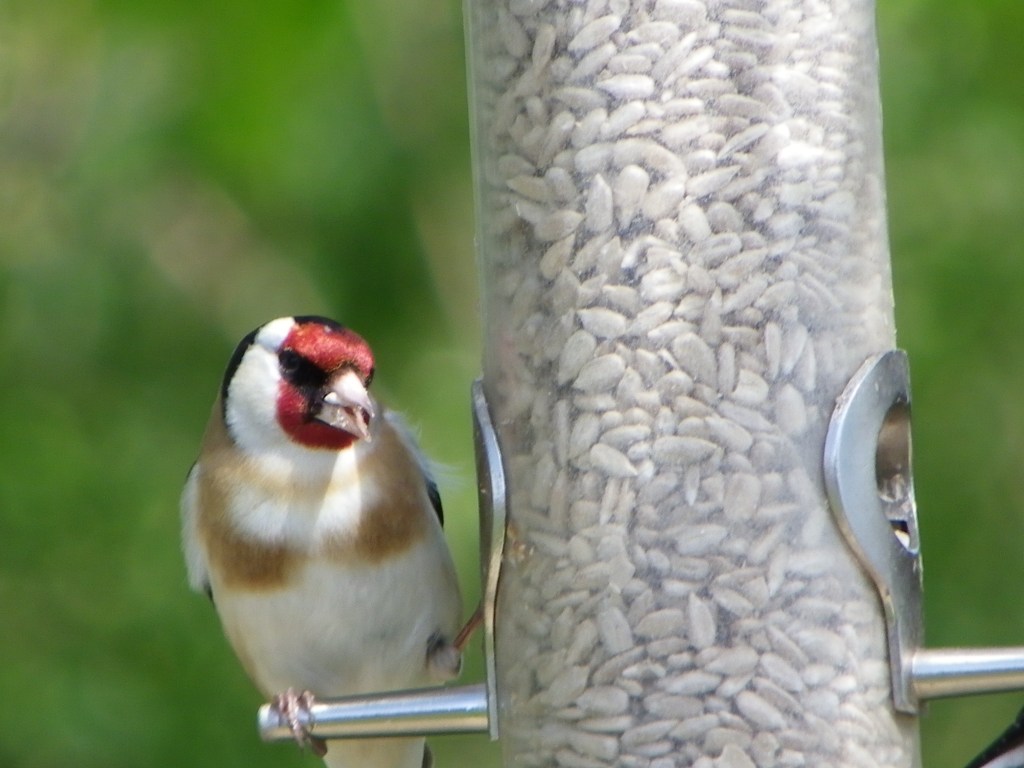
We get masses of the beautiful ‘Goldfinches’ visiting the garden each and all day.

Here are a few pictures I took in the the garden of these beautiful birds:

A flock of Goldfinch is called a ‘Charm’ – and charming they are for sure.

In the last week, (now start of August) there has been a massive drop in the birds visiting the feeders for the Sunflower Hearts – same on talking to my neighbour, Was getting concerned as a huge and very massive decline; (down from a flock of around 50 to virtually nothing in a week !) – more investigation needed. With the following video and other data researched, it ended up being ‘job sorted’ – no need to worry = phew ! see you beauties all again in the coming winter months.

Regards Mark

EU: Citizens remain strongly opposed to seal products on the EU market

1 August 2024

WAP

Press Release

The ban on commercial seal products on the EU market should remain, EU citizens say, as the European Commission conducts an evaluation of the legislation adopted in 2009.

In 1983, the EU prohibited the import of products from seal pups and in 2009 the legislation was complemented with a prohibition on the placing of all seal products from commercial hunting on the market, based on moral concerns on seals being killed with inhumane methods. This legislation, referred to as the EU Seal Regime, includes an exemption for products derived from traditional hunts from indigenous communities.

The regulation was put forward after a long battle, and came through after EU citizens became aware of the cruelty involved in obtaining seal products. The legislation was challenged under the World Trade Organisation (WTO), which confirmed, in a landmark decision, that animal welfare is a justifiable rationale for a trade restriction to protect public morals. 

Since the legislation came into force, millions of seals have been spared a brutal and cruel death. Despite this, the EU is now, unexpectedly, running a fitness check, to assess whether this legislation should hold, with the risk of backtracking it.

A backtracking of this legislation would seriously undermine animal welfare and public morals since commercial hunting is extremely cruel and seals experience excruciating pain and slow deaths. Killing methods remain inhumane, involving the use of clubs and hakapik, and the shooting of seals from a distance resulting in severe injuries. 

EU citizens continue to be against this practice. In a new survey conducted in 13 Member States, 80% of respondents said they support the EU ban on the trade of seal products derived from commercial hunting and 68% said it should not be weakened in any way. 80% also agree that the legislation remains important to protect ethical concerns of EU citizens and animal welfare.

A 2011 survey showed that 72% of citizens in 11 Member States supported the restriction on the trade in seal products, demonstrating growing support. It is therefore clear that EU citizens want this legislation to stay intact.

This survey clearly shows that the EU Seal Regime remains crucial to protect seals and address the concerns of Europeans. As demanded by its citizens, the EU should uphold efforts to protect the welfare of these animals on the continent and beyond, maintaining its leadership and driving positive change.

Léa Badoz, Wildlife Programme Officer, Eurogroup for Animals

In 2009, the EU banned the trade in commercial seal products in response to long-standing and serious public moral concerns about the welfare of seals being inhumanely slaughtered, primarily for their fur. These survey results clearly demonstrate that, since that time, EU citizens’ attitudes towards the cruel commercial sealing industry have not changed. It is vital that the EU Seal Regime is upheld.

Dr Joanna Swabi, Senior Director of Public Affairs, Humane Society International/Europe

This survey demonstrates that EU citizens are deeply concerned about the blatant and unnecessary cruelty inflicted in commercial seal hunts. Seals shouldn’t be treated as commodities for the sake of profit. They are of great significance to the wider ecosystem in which they live, and they deserve our protection. It is crucial that the EU Seal Regime is maintained.

Sanne Kuijpers, campaign manager Wildlife, World Animal Protection Netherlands

The survey shows that EU citizens are still very concerned about animal welfare. They are happy that seal products from commercial hunts are no longer sold on EU markets. The EU should stand up for the values of its citizens. The EU Seal Regime is a milestone that should be celebrated, not evaluated.

Barbara Slee, Senior Programme Manager – International Policy, the International Fund for Animal Welfare

The survey was conducted by Savanta in July 2024 among 13,000 respondents in the following Member States: Belgium, France, Germany, Italy, Lithuania, Netherlands, Poland, Romania, Spain, Sweden, Finland, Denmark and Estonia and was commissioned by Eurogroup for Animals, IFAW, HSI and World Animal Protection Netherlands. Access results here

Regards Mark

USA: Trump’s Threat To Animals.

JULY 23, 2024

Trump’s Threat to Animals

BY JON HOCHSCHARTNER

I’ve been unsure how animal activists should orient themselves in the coming American presidential election. Obviously, in the United States’ two-party system we should vote for the Democratic nominee. But should we do more than simply cast a ballot for the candidate, whoever that ends up being?

I typically argue we should prioritize nonhuman interests to the greatest extent possible, as there are so few people who do. For me, that means picketing legislators and writing letters to newspapers in the hope of using the political process to accelerate the development of cultivated meat.

But, as the election approaches, I wonder if the threat Donald Trump poses to animals and our movement is so extreme we should pause our usual work and temporarily focus on helping to defeat him. I put this question and others to a group of animal advocates who were kind enough to share their time with me.

Merritt Clifton is editor of the Animals 24-7 website. Previously, he was news editor for Animals’ Agenda magazine, as well as the editor of the Animal People newspaper. When asked what a second Trump presidency might look like, Clifton referred to his coverage of the Republican’s first term.

Continue reading this article – see link at top.

Regards Mark

Can octopuses be farmed?

One comment – well said: Human beings are the worst!!!! These beautiful beings are super intelligent, sentient, friendly and must be respected. You do not “FARM” sentient beings. You farm tomatoes!!!!!!!

18 July 2024

Currently, all octopus products available on the market are wild-caught, as octopuses have never been commercially farmed at scale. This is not due to a lack of trying.

In Europe, particularly in Spain, octopus farming has so far been confined to fattening young wild-caught octopuses in ocean cages, in order for them to reach market weight. These cages were typically anchored to the sea floor, or simply suspended from rafts being used to farm mussels. In an attempt to prevent aggression and cannibalism, ocean cages included individual, compartmentalised octopus shelters made of pvc pipes or other plastic cylinders. 

After having some success in the early 2000s, most octopus fattening systems have since shut down due to stricter fisheries regulations, unstable yearly catches, variations in octopus mortality rates, and expensive feed requirements. Raising wild-caught octopuses in on-land aquaculture tanks has also been attempted in Mediterranean countries as well as  Australia and Latin America. However, efforts have not progressed past the experimental level as there are limited options for scalability.

Research and investments have more heavily focused on breeding octopuses in captivity. These efforts have been ongoing since the 1970s with major hurdles linked to cannibalism, containment issues, inadequate feed options and low survival rates among pregnant and young octopuses. 

A new milestone was reached in 2019 when Spanish multinational seafood company Nueva Pescanova announced that they had successfully closed “the octopus reproduction cycle in aquaculture”, meaning they had bred and raised octopuses through every stage of their life cycle in an artificial environment. The company is now applying for permits to open the world’s first industrial octopus farm, aiming to farm and slaughter one million octopuses annually for introduction to the market by 2027. 

Although the first, Spain is not the only country interested in the prospect of this new industry.  Similar plans to factory farm octopuses are unfolding across the globe, including in Portugal, Greece, Mexico, Chile, Australia, China and Japan.

Octopuses have a complex life cycle and are particularly ill-suited to farming conditions, making it challenging to raise them in captivity. Here are some significant issues associated with octopus farming:

1.     Dietary needs 

Octopuses are carnivorous animals and require live food during the early stages of development. Providing a natural diet in a farming environment can be resource-intensive, unsanitary and costly. Feeding octopuses at the industrial scale is also environmentally unsustainable due to its reliance on wild-caught fish ingredients.

2.     Solitary nature

Naturally solitary, octopuses may become overly stressed and resort to aggression and cannibalism in crowded farming conditions. Their need for space and isolation makes intensive farming impractical and inhumane.

3.     Physical vulnerability 

Without an internal or external skeleton, octopuses have fragile skin that can easily be damaged in farm tanks. This issue is exacerbated with their tendency to use jet propulsion to move quickly about their environments.

4.     Unsuitable slaughter method 

No humane slaughter method exists to kill octopuses for human consumption. Nueva Pescanova’s plans propose using ice slurry, which involves plunging the octopuses into freezing water. This method is known to cause a painful, stressful and slow death.

A study by the London School of Economics found that octopuses feel pain and pleasure, leading to their recognition as sentient beings in the UK’s Animal Welfare (Sentience) Act 2022. Professor Jonathan Birch and his co-authors argue that high-welfare octopus farming is impossible and that killing via ice slurry “would not be an acceptable method of killing in a lab“. They also recommended the UK government consider a pre-emptive ban on farmed octopus production and imports.

“Large numbers of octopuses should never be kept together in close proximity. Doing this leads to stress, conflict and high mortality. A figure of 10-15% mortality should not be acceptable for any kind of farming.” – Professor Jonathan Birch, London School of Economics.

Globally, there are also mounting concerns around octopus farming. The world’s first legislative ban on octopus farming was signed into law in Washington state in March 2024. Several other US states are introducing similar legislative proposals, with some such as California extending to ban imports of farmed octopus.

While it may be possible to farm octopuses, Eurogroup for Animals remains steadfast in its conviction that octopuses are unsuited to farming conditions and should not be farmed.

Uncovering the horrific reality of octopus farming

 DOWNLOAD PDF 2.09 MB

 DOWNLOAD PDF 2.11 MB


Exposing the environmental risks of octopus farming

 DOWNLOAD PDF 3.05 MB

 DOWNLOAD PDF 1.77 MB

Regards Mark

 

EU: EFSA releases new scientific opinion on the use of high expansion foam for stunning and killing pigs and poultry

16 July 2024

The European Food Safety Authority (EFSA) has released a scientific opinion addressing the use of high expansion foam for the stunning and killing of pigs and poultry in situations other than slaughter, such as emergency depopulation purposes. We call on the European Commission to take this latest opinion into account, and also advocate for the continuous improvement and adoption of the most humane methods available in this sector.

Read the scientific opinion here.

The scientific community recognises that farm animals are still stunned and slaughtered with methods capable of negatively impacting their welfare. This new opinion highlights that high expansion foam is an alternative to existing methods for the stunning and killing of pigs and poultry in situations other than slaughter, but also stresses some important animal welfare hazards along with potential mitigation strategies. 

Eurogroup for Animals commends EFSA for this important assessment, which evaluates the welfare implications of using high expansion foam filled with nitrogen to induce anoxia, leading to unconsciousness and death in pigs and poultry. This method involves displacing air in a container with foam and using a nitrogen jet to burst the bubbles, thereby creating an oxygen-deprived environment.

The European Food Safety Authority (EFSA) has released a scientific opinion addressing the use of high expansion foam for the stunning and killing of pigs and poultry in situations other than slaughter, such as emergency depopulation purposes. We call on the European Commission to take this latest opinion into account, and also advocate for the continuous improvement and adoption of the most humane methods available in this sector.

Read the scientific opinion here.

The scientific community recognises that farm animals are still stunned and slaughtered with methods capable of negatively impacting their welfare. This new opinion highlights that high expansion foam is an alternative to existing methods for the stunning and killing of pigs and poultry in situations other than slaughter, but also stresses some important animal welfare hazards along with potential mitigation strategies. 

Eurogroup for Animals commends EFSA for this important assessment, which evaluates the welfare implications of using high expansion foam filled with nitrogen to induce anoxia, leading to unconsciousness and death in pigs and poultry. This method involves displacing air in a container with foam and using a nitrogen jet to burst the bubbles, thereby creating an oxygen-deprived environment.

Key findings of the EFSA opinion include:

·       Animal welfare equivalence: The EFSA Panel on Animal Health and Welfare (AHAW) concluded that the use of high expansion foam ensures a level of animal welfare at least equivalent to existing methods, such as exposure to high concentrations of carbon dioxide or electrocution via water baths, especially in whole-house gassing scenarios;

·       Welfare hazards and mitigation: The opinion identifies potential haza

Key findings of the EFSA opinion include:

·       Animal welfare equivalence: The EFSA Panel on Animal Health and Welfare (AHAW) concluded that the use of high expansion foam ensures a level of animal welfare at least equivalent to existing methods, such as exposure to high concentrations of carbon dioxide or electrocution via water baths, especially in whole-house gassing scenarios;

·       Welfare hazards and mitigation: The opinion identifies potential hazards associated with the foam, including the need for proper training and certification of handlers, strict adherence to key parameters, and having backup methods ready to prevent animals from regaining consciousness;

·       Recommendations for best practices: EFSA recommends that procedures should only commence when all critical parameters are met. Animals should be handled calmly to avoid stress, and a reliable monitoring system should confirm death before carcass disposal. Additionally, further research is necessary to validate results and improve monitoring techniques;

·       Extent of application: The current assessment is limited to laying hens, broiler chickens of all ages, and pigs weighing between 15 and 41 kg. 

These findings are of particular importance considering that large-scale depopulation operations are increasing in the EU due to constant outbreaks of highly pathogenic avian influenza (HPAI) and African swine fever (ASF). We hope that, in light of the new EFSA study and the recurrent problems encountered by Member States in killing large numbers of animals due to disease outbreaks, ensuring humane depopulation methods will become a priority for the European Commission. 

While EFSA’s opinion supports the equivalence of high expansion foam with current methods, Eurogroup for Animals emphasises that ‘tolerable’ methods are not sufficient. 

We advocate for the continuous improvement and adoption of the most humane methods available.

In the meantime, updating the applicable regulations to reflect the latest knowledge on animal welfare during slaughter – including this latest opinion by EFSA – will help minimise suffering across this sector. We believe that a comprehensive approach is needed to ensure that the equipment used and procedures followed in slaughterhouses do not cause unnecessary fear, pain and distress to farm animals, and call on the European Commission to take the following actions:

·       Replace outdated and less effective stunning methods with more humane alternatives;

·       Ensure all animals are adequately stunned before slaughter;

·       Ban the use of electric prods and high-concentration CO2 stunning for pigs;

·       Ban the use of water bath stunning for chickens.

Learn more about what we are asking for in this industry in our recent white paper

 Regards Mark

Agreement on a Green Denmark maintains enormous meat and dairy production and overlooks farm animal welfare.

15 July 2024

Animal Protection Denmark

On June 24 the Danish government, along with several organisations, created an “Agreement on a Green Denmark”: a plan to make the farming sector more climate- and environmentally-friendly. However, several NGOs, including our members Animal Protection Denmark and World Animal Protection Denmark, have pointed out this agreement falls far short in achieving a more sustainable food and farming system, and have signed an open letter calling on the government to rethink its plans.

To make our food and farming systems fit for the future, it’s critical there is a higher uptake in plant-based diets and that less animals are farmed, while only in high welfare conditions. As evidence has repeatedly shown, the issues of animal welfare and sustainability go hand in hand, as poor animal husbandry can lead to the spread of zoonoses, animals being farmed in huge numbers, and more.

Unfortunately, while it does have some ambition, Denmark’s new agreement does not come close to improving the problems of large scale industrial animal production. 

Instead of reducing the size of the livestock sector, the agreement wants to “optimise” how animals are farmed

Denmark produces about 200 million farm animals per year – in a country of only five million people. 

Rather than reducing the number of animals being farmed, however, the agreement suggests the way they are farmed should be revised, and offers funding to explore such “innovations”: for instance, by offering a 60% base deduction and several subsidies for technologies that can reduce emissions from livestock production. 

Not only could this incentive enable farmers to continue farming animals in the same numbers – doing nothing to address the low welfare and unsustainable factory farming model in which billions of sentient beings suffer each year – but it could mean animals suffer even more in these systems:

Animals will be put under even more pressure due to climate technologies and demands for higher productivity. The idea is to make each animal deliver as much as possible, e.g. even more piglets from sows, and even higher milk yields from cows, as is considered good for the climate, and to address specific issues such as methane from cow digestion with feed additives.

Britta Riis – Director, Animal Protection Denmark

Plant-based solutions are being neglected

What is more, an unequal level of support is being offered to farm animal producers in the agreement, while plant producers and innovators are being overlooked.

Whether intended or not, this disparity in incentives sends a clear message: that the animal agriculture sector has a strong role to play in the future of farming, while plant-based products are less important. Really, the opposite is true.

Open letter calls for the agreement to be revised urgently

Several NGOs, including our members Animal Protection Denmark and World Animal Protection, alongside organisations like Greenpeace and the Danish Vegetarian Association, have signed an open letter to the Danish government, arguing that the current agreement does not provide a reliable way forward for a greener farming model. 

The letter states that wanting to optimise animal production is like wanting to optimise the use of oil, coal, and gas – it’s not possible. Such incentives will only draw focus further away from the solutions that will have real impact – chief among them, a big reduction in the number of animals being farmed.  

The urgent climate crisis calls for an ambitious approach to our food and farming systems, with real structural changes required in the sector. Stay posted for updates.


Regards Mark

England: Animal Rebellion: Hundreds of animal rights protesters linked to Extinction Rebellion stop traffic in London.

Hi folks; sorry but there has been a total shutdown of everything for a few days. An attack by Chinese cat abusers was one consideration; maybe they finally got us type thing ! – but today after playing around with things last night, all appears well again this morning. If things go down again soon then you know that at least we are having big problems. Regards Mark

Animal Rebellion: Hundreds of animal rights protesters linked to Extinction Rebellion stop traffic in London

Animal Rebellion has held a march for animal rights which began at Smithfield Market and made its way to the offices of Unilever, Cargill and the Marine Stewardship Council.

Read the full story here:  Animal Rebellion: Hundreds of animal rights protesters linked to Extinction Rebellion stop traffic in London | UK News | Sky News

Regards Mark

Hungary presidency: time to step up work in animal welfare.

Every 6 months a different nation takes on the Presidency of the EU. This is a rotational thing, ensuring each member state plays its part. Now Hungary – Hence:

10 July 2024

As Hungary presides over the council for the next six months, Eurogroup for Animals urges the presidency to prioritise the critical needs in animal welfare.

The Belgian presidency significantly advanced on the proposal for the welfare and traceability of cats and dogs, which was approved by Member States in the council. While this achievement is welcome, the Hungarian presidency must now address the remaining urgent issues.

Read our full memorandum to the Hungarian Presidency here.

Animal welfare legislation must be published

Foremost, the presidency must urge the Commission to publish the remaining animal welfare proposals early in the next political term, to address the severely outdated legislation that does not adequately protect animals throughout their lifetime, from farm to slaughter. In particular, the legislation should have a plan of action to transition to cage-free systems, as per the commitment to the End the Cage Age ECI.

Better protection of animals during transport

Eurogroup for Animals urges the Hungarian presidency to further the work on the revision of the Transport Regulation to support a ban on the transport of live animals outside EU borders, in parallel with a transition towards a trade in meat and carcassesand stricter requirements to protect animals during intra-EU transport, particularly vulnerable animals.

Support coexistence with wildlife

With significant support for coexistence with wolves in rural communities across the EU and sufficient EU guidelines, practices and support initiatives to prevent loss of livestock, the Hungarian presidency is encouraged to to close the discussions on the proposal to downgrade the protection status of wolves and rather promote the uptake of coexistence measures currently underutilised.

Move towards non-animal science

The impact of EU legislation to protect animals used for scientific purposes has so far been limited. In 2020, over 7.9 million animals were used in research, testing, and education in the EU-27 and Norway, and a further 686,628 animals were used for creating and maintaining genetically altered lines. Eurogroup for Animals urges the Hungarian presidency to support efforts to advance negotiations on legislative initiatives to phase out the use of animals in science.

Read our full memorandum to the Hungarian Presidency here.

 Hungary presidency: time to step up work in animal welfare | Eurogroup for Animals

 Regards Mark