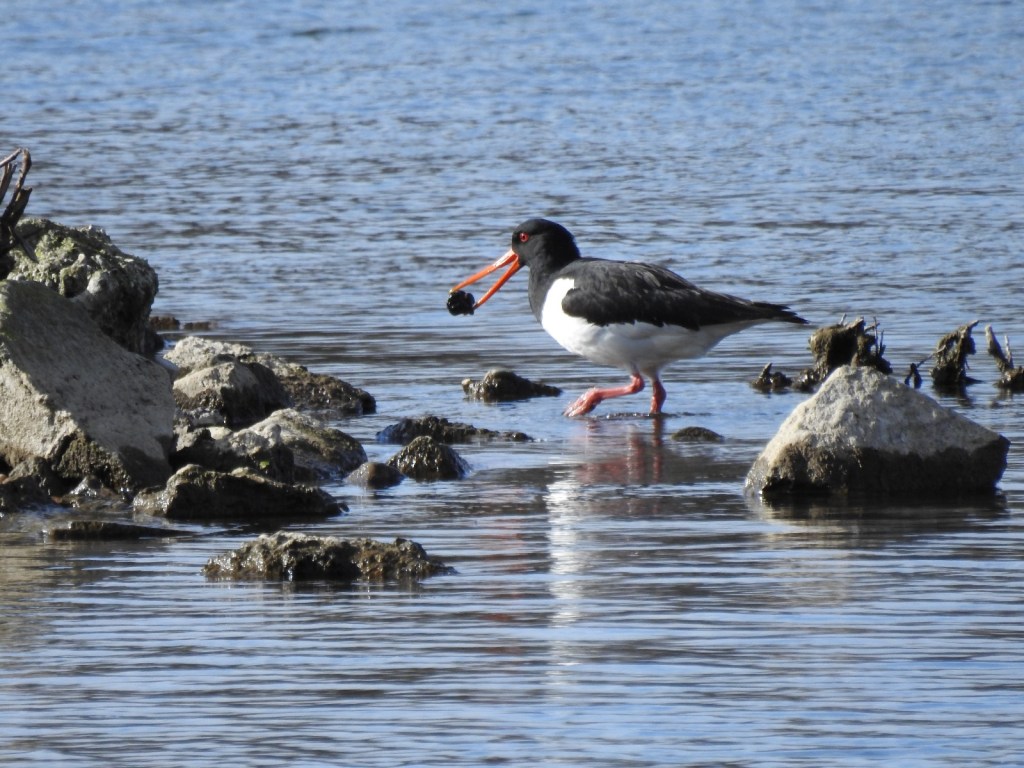
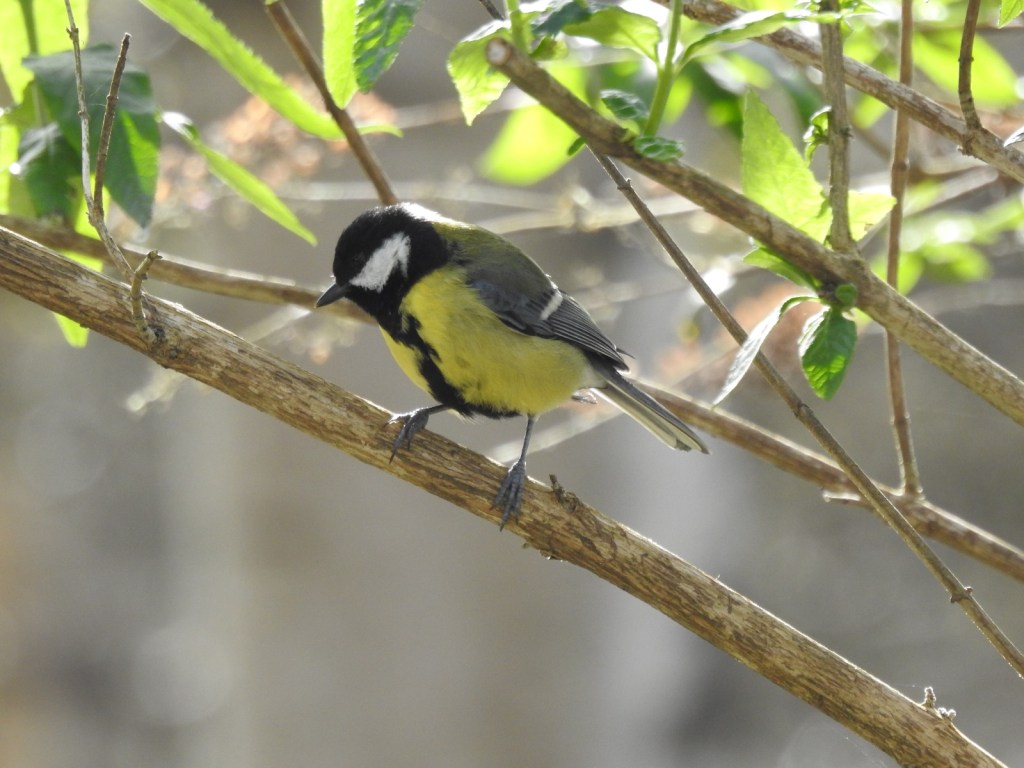
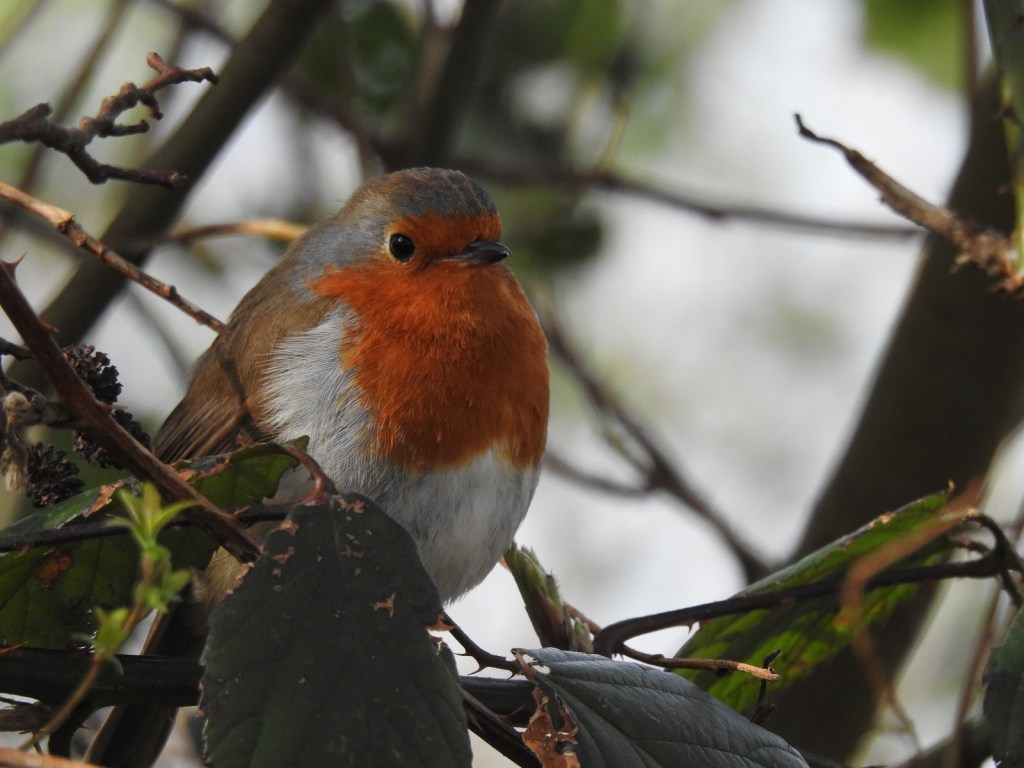
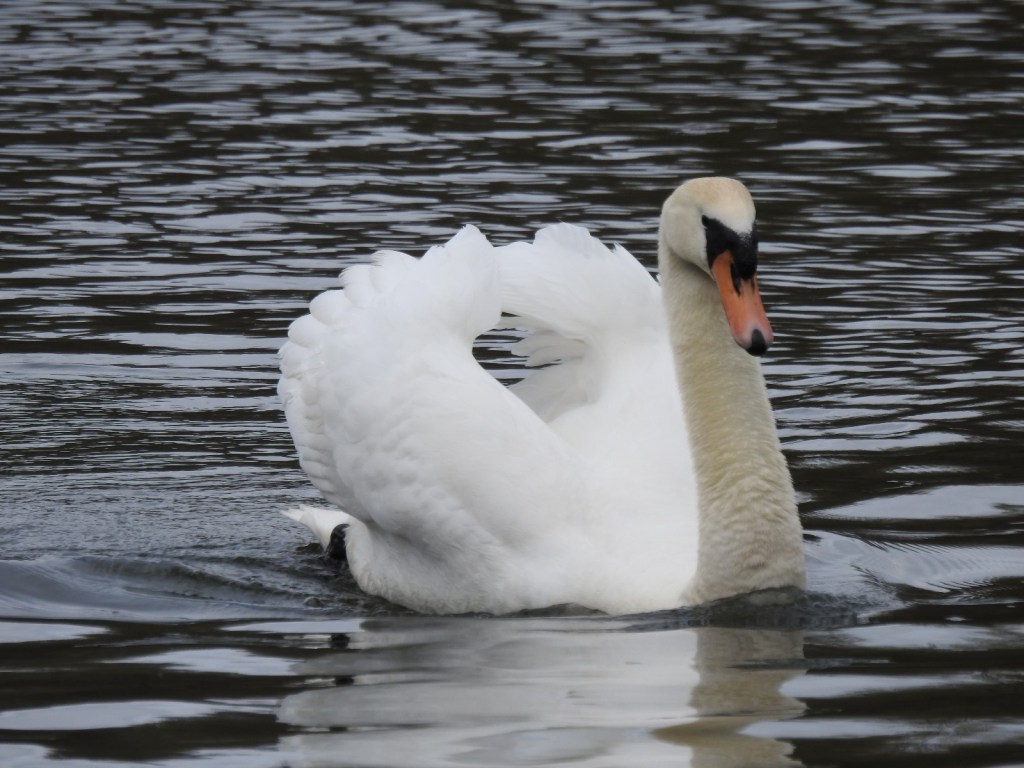
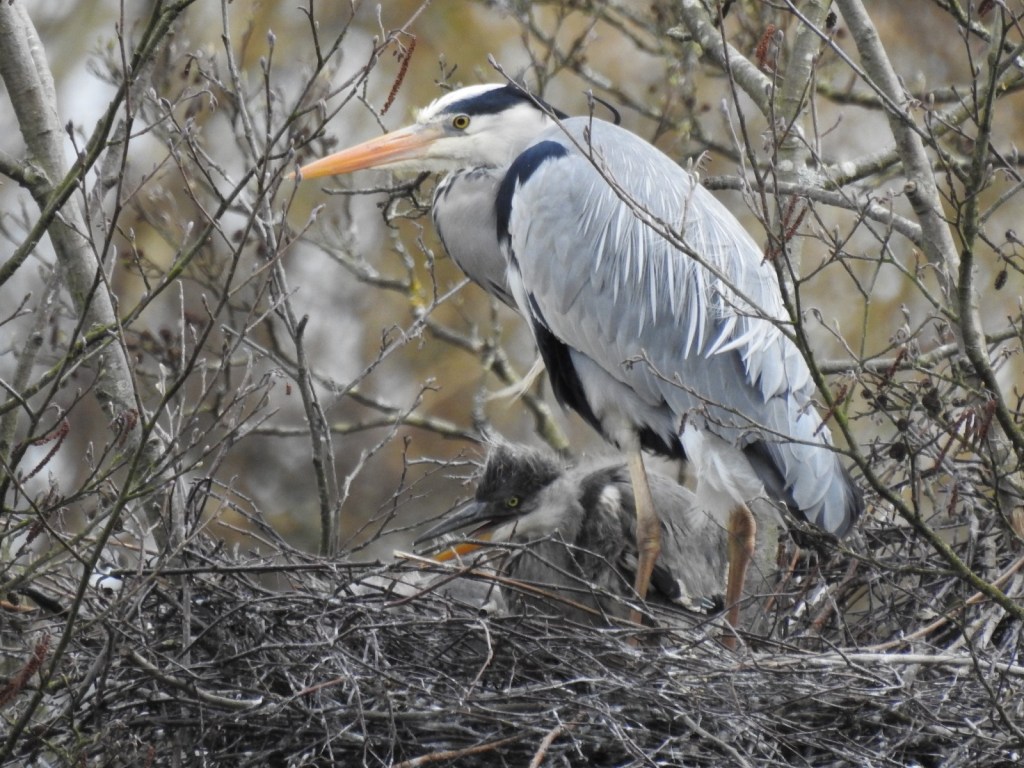
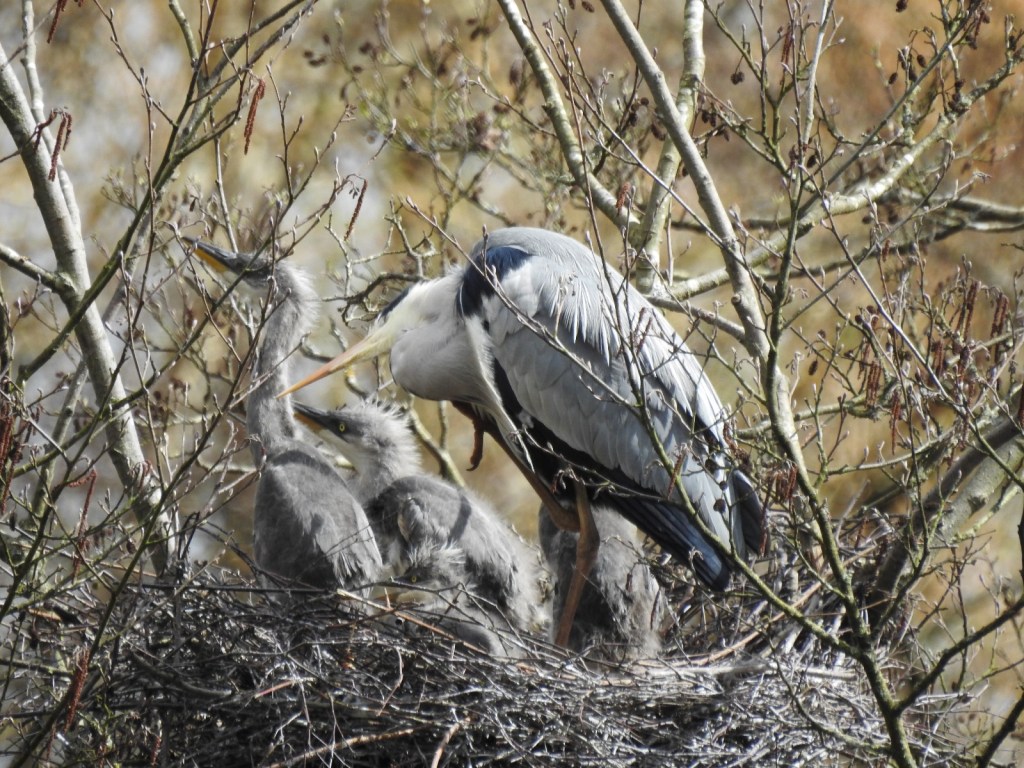
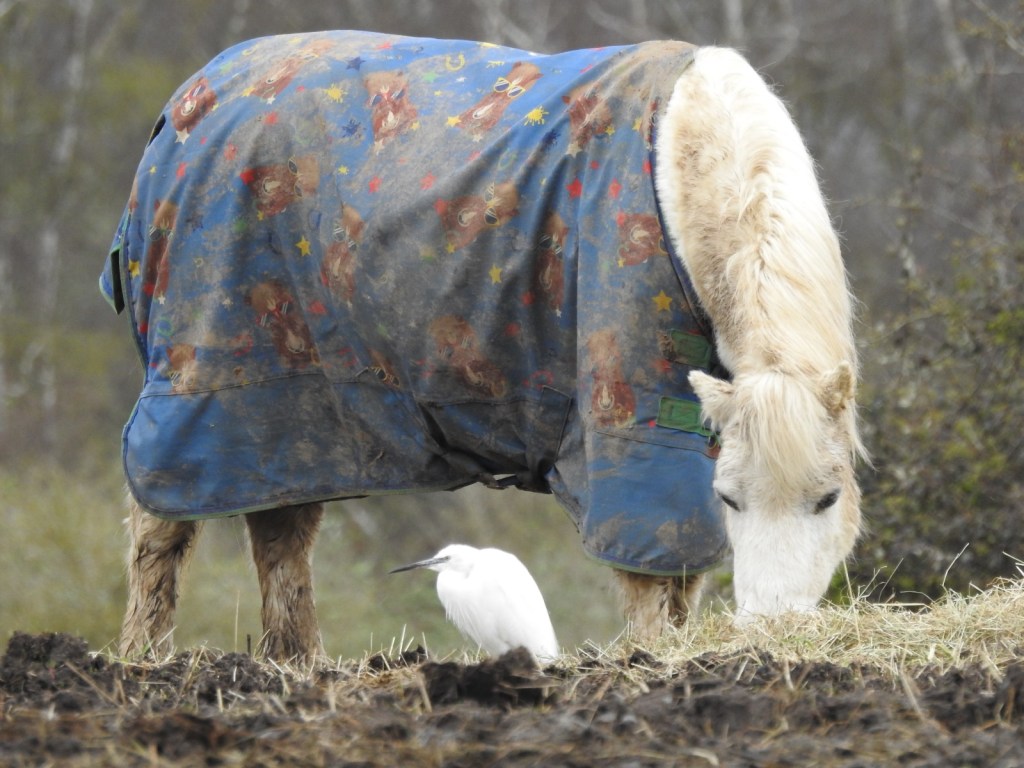
Foxes are true survivors, at home in all regions of the Earth. Nowadays, the smart animals also feel at home in our cities. As an example, a close-knit clan has been living in Berlin’s government district for many years. High up in the North on the German coast, a vixen raises her litter alone. Rarely is there enough to feed everyone. Like after a storm, for example, when the vixen finds a lot to eat in the drift line on the beach. The little ones have to grow up fast, as once the autumn arrives, their single parent mother’s reserves are exhausted and she drives them out of her territory. For more than two years, filmmakers Roland Gockel and Rosie Koch kept track of the foxes in Berlin, Hamburg and on the North German coast. With the help of hidden cameras, they were able to unearth many secrets of the clever animals.
Roberts’ (above) social media accounts show how he is an avid hunter who frequently hunts wild animals alongside his kids. – What a way to raise kids !!!
Upset animal lovers descend on Wyoming over wild wolf torture video – claiming the footage has left them with ‘nightmares’ and calling for a boycott of the state
Video filmed by witnesses showed him kissing the barely conscious wolf and laughing at its distress as it lay on the floor of the Green River Bar
Roberts dragged the wolf into the bar over protests from the owner, and left it there for hours while he drank.
‘He was a jokester about it, while it was just sitting there bleeding to death… He was drunk and rambling mostly. A guy who thinks highly of himself.‘
The owner and many of the other patrons in the bar were unhappy with the situation, but no one challenged Roberts and the bar staff didn’t tell him to leave.
The only female wolf in Baden-Württemberg was probably run over by a car near Schluchsee on Wednesday. Exactly where a wolf pup was fatally captured in December.
WAV Comment – Does not look that ‘damaged’ if it was ‘run over’ by a car. Where is the driver ? – A hunters bullet does not cause massive damage !
Wounds and traces of blood in the fur: A photo shows the dead wolf that was run over on the B500 between the Windgfällweiher and the municipality of Schluchsee (Breisgau-Hochschwarzwald district).
It is not the first dead wolf in the Black Forest. Back in December last year, there was a collision between a car and an eight-month-old wolf pup.
WAV Comment – “Exactly where a wolf pup was fatally captured in December” We have contacts who reside in this very area. Hunters are not supposed to kill wolves; but … many of them ignore the rules – it is exactly the same with the protected Lynx. The body of a shot (hunted) animal will be thrown onto the road, without failure, after the bullet has been removed, and then left to be run over by a vehicle to make the incident look like a road kill, thus making it all look like a terrible accident – being hit by a car, when in fact the animal was actually shot by hunters.
Female killed in accident: wolf was pregnant
According to police, the collision occurred early Wednesday morning. Around seven o’clock, the animal is said to have crossed the road and was fatally hit by a motorist. The Forest Research Institute (FVA) in Freiburg has now seized the animal. Micha Herdtfelder, head of the Wildlife Institute at the FVA, has confirmed to SWR that it is a female wolf – most likely the female from the wolf pack at Schluchsee. In addition, the animal was pregnant.
The carcass is taken to the Institute for Zoo and Wildlife Research in Berlin for further examination. The aim is to obtain nationwide uniform data on the health and nutritional status of killed wolves.
Ministry of the Environment: Formation of packs in BW off the table for the time being
After the only female wolf in Baden-Württemberg was run over, the rebuilding of a pack may have moved into the distant future. “The formation of packs is now off the table in Baden-Württemberg,” said Claudia Hailfinger, press spokeswoman for the Ministry of the Environment.
As the only reproducing female wolf, the female wolf played an important role in the return of the once native predator. After their presumed death, only male wolves are now settled in Baden-Württemberg. According to the Ministry of the Environment, offspring depend on immigrant ferries. It is unclear whether this will happen next year or again in ten years.
He also had mange, a contagious skin disease. The puppy had been detected in July 2023 by photo trap of the Forest Research Institute (FVA). It was the first known wolf offspring in about 150 years. Since 1866, the wolf was considered extinct in Baden-Württemberg.
In 2015, the first wolf was detected in the country, the animal came from Switzerland. It was run over in the same year on the A5 in Lahr (Ortenaukreis). It was not until 2017 that the first male resettled permanently in the Black Forest.
In 2023, the first pack formed in the municipality of Schluchsee. However, Baden-Württemberg is still a long way from a stable population. Nevertheless, the number of specimens is increasing.
Another sedentary wolf detected in the northern Black Forest
In mid-February, a male wolf was genetically identified in the northern Black Forest. According to the Ministry of the Environment, the animal originally comes from a pack in the Gutenbrunn area of Lower Austria. The male dog is probably three or four years old. According to the ministry, his new “Hornisgrinde Territory” in the northern Black Forest is located in the already existing Wolf Prevention Black Forest funding area. The area encompasses the entire natural area of the Black Forest. It has a size of about 8,800 square kilometers.
So far, comparatively few specimens live in the country. By way of comparison, in the 2022/2023 monitoring year, a total of 184 wolf packs, 47 pairs of wolves and 22 sedentary lone wolves were counted nationwide by the Federal Agency for Nature Conservation (BfN) and the Federal Documentation and Advice Centre on the Subject of Wolves (DBBW). Nationwide, the wolf focus is also more likely to be in Lower Saxony and Brandenburg as well as in Saxony, Saxony-Anhalt and Mecklenburg-Western Pomerania. Nevertheless, incidents on the pastures always cause a stir in the southwest.
Octopus farm must be stopped, say campaigners, as new documents reveal plans were reckless and threatened environment, wildlife and public health
8 April 2024
CIWF
Press Release
Campaigners are calling on a seafood company to scrap plans to build the world’s first octopus farm in Spain as new documents reveal that – as well as ignoring animal cruelty concerns – it failed to consider the significant threats the farm would pose to wildlife, the environment and public health.
Environment report was insufficient & exposes ‘hypocrisy’ of Nueva Pescanova’s sustainability claims
NGOs Eurogroup for Animals, Compassion in World Farming and AnimaNaturalis are urging company Nueva Pescanova to immediately stop the project on the grounds that, as well as causing cruelty to octopuses, the farm contradicts its own corporate sustainability claims. Among the concerns is that the farm could threaten dolphins and turtles near the site, and its discharges could add to local water pollution and CO2 emissions. The probability of these impacts was considered to be ‘significantly high’ by the Canary Islands Government.
The company’s website claims that it is committed to ‘maintaining biodiversity’, ‘protecting the ecosystem’ and ‘promoting the circular economy’. Yet its own environmental report for the farm at the Port of Las Palmas, Gran Canaria, was considered insufficient by the Canary Islands Government due to concerns that the plans could:
threaten local wildlife, including protected cetaceans (dolphins and porpoises) and vulnerable sea turtles, through noise and water pollution due to its close proximity to a Marine Protected Area (MPA).
pose a public health risk by using nearby seawater which is not of a high enough quality to be used for human food production.
cause pollution including CO2 emissions, odour concerns, and discharges that could significantly contribute to the already highly contaminated harbour waters.
threaten a protected species of algae – cystoseira – which is present in the surroundings.
involve highly unsustainable practices such as the use of wild fish as feed and high energy consumption of the facility.
Speaking on behalf of the team of Legal Natura legal experts who examined the documents, lawyer, Maria Angeles López Lax, said: “Nueva Pescanova’s environmental report was inadequate, lacking basic information to allow the Government to assess the impact of the farm on the environment and public health. It’s up to the company to prove that the farm would not impact on protected species or risk public health before permission can be granted, yet the company has failed to address even the most basic of these concerns.”
Octopuses are unique, intelligent, naturally solitary creatures who are not suited to the overcrowded conditions that are typical of factory farms. This would increase aggression and can ultimately lead to cannibalism. They are also carnivorous, meaning they need to be fed wild fish in captivity, an unsustainable practice that would put extra pressure on already overexploited fish populations.
Compassion in World Farming launched its report Octopus Farming: A Recipe for Disaster in 2021 revealing scientific evidence that octopus farming would be both cruel and environmentally damaging. A year ago, Compassion and Eurogroup for Animals launched Uncovering the Horrific Reality of Octopus Farming – its joint response to Nueva Pescanova’s plans to farm around one million of these intelligent, unique animals in an aquatic factory farm annually.
On World Octopus Day last year (8 October), 75 NGOs, experts and public figures, led by Compassion and Eurogroup for Animals, wrote to the Canary Islands Government urging it to reject the plans. Thousands of supporters also took action, urging the President of the community to stop the octopus farm.
It is unjustifiable to introduce this new type of factory farming, as climate scientists warn of the urgent need to change our food systems and evolve our diets to become more sustainable. We deserve better than continued environmental devastation to fill corporate pockets, and these incredible animals deserve better than lives diminished to confinement and suffering.
Keri Tietge, Aquatic Animals Policy Officer, Eurogroup for Animals
Not only would this octopus farm cause cruelty to these naturally solitary and intelligent animals and be environmentally unsustainable, it’s also hypocritical for Nueva Pescanova to push plans that contradict their own corporate sustainability claims.
Dr Elena Lara, a marine biologist and Senior Research Manager, Compassion in World Farming,
Our society should be in a moment of progress towards a more empathetic and compassionate treatment of animals. If this aberration continues, despite the rejection of the scientific community and a large part of society, we will be facing a serious rupture of these values.
On Feb. 29, a Sublette County man reportedly captured and tormented a wolf in Daniel, Wyoming. He allegedly taped its mouth shut and showed it off in a bar before taking it out back and shooting it. The man has been charged with possession of a live wolf.
The case of a man allegedly capturing a wolf and tormenting it — including by showing it off in bar — before finally killing it could spark enough outrage to shake Wyoming’s wolf management policy.
It’s legal to kill wolves in the part of Sublette County where the incident is said to have happened.
But keeping an animal alive and tormenting it in such manner, as was reportedly done, would be an egregious violation of hunting ethics and a black eye for Wyoming, two sources familiar with the incident told Cowboy State Daily on Tuesday on condition of remaining anonymous.
Cowboy State Daily verified the reports of both sources, which also align with a report of an incident the same day from the Wyoming Game and Fish Department.
One source said they had seen photos of the wolf, with its mouth taped shut, being shown off in a bar in Daniel, Wyoming, a tiny town in Sublette County.
According to the account of events, a man ran the wolf down with a snowmobile Feb. 29, disabling it. Instead of killing the animal on the spot, he reportedly kept the wolf and took it back to his residence, then to the bar — before finally taking it out behind the bar and killing it.
Citation Issued
The Wyoming Game and Fish Department verified that somebody has been cited and fined for being in possession of a live wolf, but didn’t release that person’s name, the name of the investigating game warden or any exact details of the case.
Sublette County Circuit Court records, however, show that local resident Cody Roberts, born in 1981, was cited for a wildlife violation stemming from an incident that day, Feb. 29, and that Adam Hymas was the investigating agent.
A records request from Cowboy State Daily for detailed Game and Fish written reports regarding the case was still pending at press time.
Multiple calls from Cowboy State Daily to a number in Daniel listed as Roberts’ went unanswered.
When asked over the phone about the story of a wolf being taken into the bar — identified in the photos as the Green River Bar — an employee referred Cowboy State Daily to the bar’s owner, who had not returned messages as of publication.
Game And Fish Account Of Events
Game and Fish spokeswoman Breanna Ball sent Cowboy State Daily a statement about the case via email Tuesday.
“An anonymous reporting party notified the Wyoming Game and Fish Department that an individual was alleged to be in possession of a live wolf. The reporting party notified the Department on March 1, 2024. According to the investigation, the individual possessed the live wolf on 2/29/24,” according to the statement.
“The individual was hunting when he came across the wolf in the predator zone and intended to harvest it. However, the wolf was transported alive back to his residence and later to a business in Daniel, WY. The individual euthanized the wolf later that day. The individual was cited for violating Chapter 10, Importation and Possession of Live Warm-Blooded Wildlife,” according to Game and Fish.
That offense carries a $250 fine.
Will This Affect Wolf Policy?
Wyoming has a three-tiered wolf management policy. Inside Yellowstone and Grand Teton national parks, wolves remain under full federal protection and may not be hunted.
In areas of Wyoming adjacent to the national parks, there is a “trophy hunting zone.” There, wolves are managed as a trophy species. Hunting is allowed, but hunters must have wolf hunting tags and can kill wolves only during designated hunting seasons and within predetermined quotas.
The rest of Wyoming, or roughly 85% of the state, is a “predator zone” for wolves. That means they may be killed at any time, with bag limit and no hunting tags required.
One source who spoke to Cowboy State Daily said the worry is that such an act of alleged animal cruelty could turn the tide of nationwide public sentiment against Wyoming’s wolf policy.
“When this story gets out, and it will, this is going to drastically change the discussion about wolf management in Wyoming,” the source said.
ACTION
SIGN: JUSTICE FOR WOLF RUN DOWN BY SNOWMOBILE, TORTURED, AND KILLED AT WYOMING BAR
PETITION TARGET: Sublette County Sheriff and County Attorney
A wolf in Wyoming was allegedly horrifically disabled after being hit by a snowmobile. The animal’s pain was drawn-out when the man responsible allegedly taped the wolf’s snout shut, brought the injured wolf home, took pictures posing with the abused animal, took the terrified wolf to a bar, and later killed the wolf outside the business in Sublette County, as reported by Cowboy State Daily.
In a video from Wyoming Game and Fish Department, obtained by Lady Freethinker via a Freedom of Information request, the muzzled wolf can be seen languishing in pain inside a bar.
The wolf was kept alive and in pain — apparently so the man could take pictures of the wolf’s suffering and subject the frightened animal to an audience before killing the animal.
Wyoming law permits what it calls “humane destruction” of certain animals. What this wolf endured was not humane.
Wyoming Game and Fish Department cited a man — but only for possession of the live animal.
“Animal cruelty charges are not applicable to predatory animals,” Wyoming Game and Fish Department said in a statement about the incident.
The law which Wyoming Game and Fish Department cites – Title Six – does not prohibit the “hunting, capture, killing or destruction of any predatory animal, pest or other wildlife in any manner not otherwise prohibited by law.” However, tormenting animals is otherwise prohibited by law. Title Six goes on to describe felony cruelty to animals as “knowingly, and with intent to cause death or undue suffering, beats with cruelty, tortures, torments or mutilates an animal.”
Other hunters have reportedly agreed that the circumstances under which this wolf was captured and killed were inhumane, according to Wyoming Public Radio.
The Wyoming Game and Fish Department has come under question for their handling of this case and we are calling on prosecutors to treat it with the severity it deserves.
No animal deserves to be tortured and suffer prolonged pain before death. Wolves are sentient, intelligent animals. They deserve to be protected from merciless acts of cruelty.
This wolf was made to suffer tremendous pain and fear before being killed in a manner resembling a public execution. Animal cruelty charges must be filed against the person responsible for mercilessly tormenting this wolf to send the message that Wyoming does not condone animal cruelty and to prevent others from inflicting similarly inhumane violence against animals.
Sign our petition to urge Sublette County officials to investigate and pursue felony animal cruelty charges against the person responsible for torturing this wolf to set a precedent that animal cruelty will not be permitted in Wyoming.
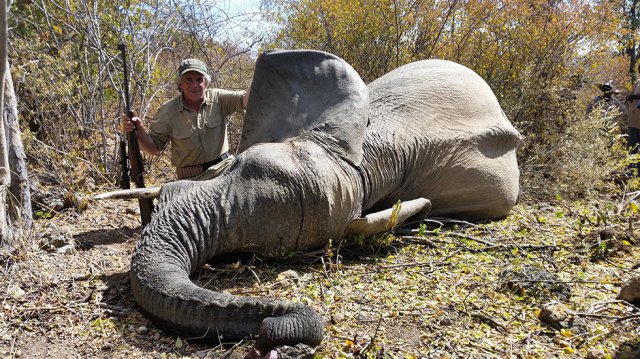
The dispute began earlier this year when Germany’s environment ministry, citing concerns about poaching, suggested imposing stricter limits on the import of hunting trophies. Germany is the EU’s chief importer of African elephant trophies, according to a 2021 report by the Humane Society International.
The landlocked nation is home to 130,000 elephants, accounting for a third of the world’s tuskers. In recent years, the president said elephant herds have been trampling people and destroying homes and crops.
Facing pressure from local communities to tackle the problem, Mr Masisi’s government in 2019 lifted the prohibition on trophy hunting imposed five years earlier.
Botswana had previously offered to send 8,000 elephants to Angola and 500 to Mozambique to deal with the “overpopulation”.
Mr Masisi said he would “like to offer such a gift to Germany” and “not take no for an answer”.
He criticised the German government and particularly the environment ministry for seeking to ban the import of trophies. “It is very easy to sit in Berlin and have an opinion about our affairs in Botswana. We are paying the price for preserving these animals for the world,” he said.
“We want our elephants to roam freely. The German weather is bad enough for them,” he added. “If you like them so much, then please accept this gift from us.”
The German environment ministry said Botswana had “not yet contacted them on this matter”, Politico reported. However, environment minister Steffi Lemke “signalled that she will accept Botswana’s invitation if an opportunity arises” to inspect wildlife protection.
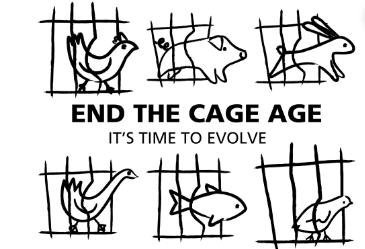
Agriculture minister Jim Fairlie said if it was implemented Scotland would be “leading the way in improving the welfare of animals”.
The use of battery cages for birds was banned in the UK in 2012.
But there are still more than 1.1m chickens in Scotland kept in “enriched cages”, which provide birds with more room to nest, roost and scratch than the smaller battery cages.
A survey in 2020 found that almost nine out of 10 people (88%) in the UK believed that using cages in farming was cruel.
And more than three quarters (77%) supported a complete ban on their use.
The Scottish government’s preference is for a ban on the installation of new cages from 2033, followed by a complete ban on keeping birds in enriched cages from 2034.
Ministers believe this option “most effectively balances improvements in bird welfare and ensures sustainability for the laying hen sector”.
But the consultation also seeks views on banning the use of enriched cages from 2030.
And it proposes a non-regulatory option, which would see shops and caterers commit to stop selling and using eggs from birds kept in enriched cages by 2034.
‘Significant progress’
Mr Fairlie said the Scottish government’s most recent programme for government had included commitments “to improve the welfare of laying hens to ensure their confinement does not negatively impact their normal behaviours”.
He added: “Significant progress has already been made in recognising the importance of animal welfare – both in government policies and the demand from the public in the choice they make when shopping.
“If implemented, the ban would be another example of Scotland leading the way in improving the welfare of animals by being the first UK nation to ban the practice.”
The minister said the European Union had put forward legislation to prohibit using cages for all farmed livestock, with Luxembourg and Austria already banning them and others phasing them out.
And he said the Scottish government would also call for evidence, in due course, on the use of cages in the gamebird, quail egg and meat sectors.
Mark Borthwick, World Animal Protection policy manager, welcomed the news and said: “We’re pleased to see Scotland leading the way in consulting on the ban of cages for laying hens which are still in use in the UK.
“Enriched cages for laying hens will be banned in other countries including in Germany in 2025, in Czechia by 2027 and in Slovakia by 2030.
“France has banned the installation of any new cages. The UK is behind, and the other nations are slipping behind even further.
“It is time to end the use of cages which restrict animals’ natural behaviours and cause great suffering.”
‘Leading the way’ ? – 10 YEARS TOO LATE ! – Regards Mark
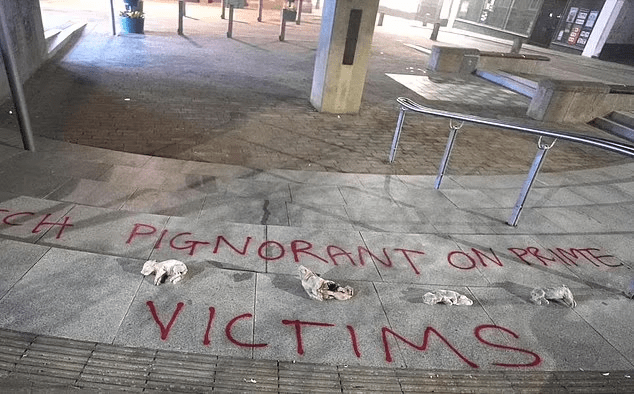
Am just sending out news links about this today as there is a lot going on – basically, activists got into slaughterhouse re pig killing; and dead baby piglets are left outside a town hall as a result – with the words ‘Pignorant on crime’ sprayed onto the pavement. All to highlight the cruel and suffering endured by pigs.
The courts and prison system are in chaos here – with everything taking far too long to send REAL criminals through the system – but if you do animal rights, you get charged within hours and it all moves on quickly – how strange !
Sonoma County voters will be asked this November if they want to restrict the size of animal farms.
The county clerk and registrar of voters approved the measure for the ballot last Wednesday after animal rights and environmental activists gathered more than enough signatures to meet the required 19,746.
The petition drive was led by the group Coalition to End Factory Farming, who want to end large-scale concentrated animal feeding operations, or CAFOs, in Sonoma County.
The initiative calls for a three-year phase-out of one classification of animal farms — large CAFO. It does not affect farms classified by the U.S Environmental Protection Agency as medium CAFO or smaller.
According to Coalition spokesperson Samantha Faye in a statement released Monday, the ordinance could affect two dozen sites that classify as Large CAFOs, which she said are only about 2.4% of animal farms in the county.
“Across these two dozen facilities, there are approximately 2.9 million animals confined,” she said. “These facilities disproportionately affect animals, our water, our air quality, our public health, and the sustainability of agriculture in Sonoma County.”
The group uses the EPA definition of CAFO, which differs depending on an animal’s species, their quantities and the way the farm handles animal waste. For example, a duck farm is classified as a “large CAFO” if it confines 5,000 ducks and uses a liquid manure handling system that washes their waste into a holding pond or lagoon on site. If it disposes of manure some other way, it doesn’t become a large CAFO until it has 30,000 ducks.
The potential ordinance would state that CAFOs disproportionately affect low-income and disadvantaged communities, and that the county intends to provide a retraining and employment assistance program for workers at CAFOs to facilitate the transition to safer forms of work.
“We are against the very vague language in the proposed ballot initiative put forth by the Coalition to End Factory Farming, and the group behind them, Direct Action Everywhere,” said Jennifer Reichardt of Sonoma County Poultry, Liberty Ducks in an email. “This will not save family farms. The goal of this initiative is to put farms out of business.”
Reichardt said that if the measure is passed, residents in the Bay Area will have to pay a higher price for meat, dairy, and eggs, because they will need to be imported.
“If it is passed, it will increase greenhouse emissions from trucking in products from further away, increase the cost of food, and shut down local, often multi-generational, businesses. It will put hundreds of employees out of work, and force the import of other meat, dairy, and eggs from outside the county and state,” Reichardt said.
Sonoma is one of four California counties where the highly pathogenic avian flu was detected among commercial flocks last year, prompting the board of supervisors to declare a local state of emergency in December 2023.
The Coalition to End Factory Farming includes animal rights groups, small farm advocates, and Direct Action Everywhere, an organization that, among other things, wants to make legal the right of people to enter places such as factory farms to remove animals they say are in distress. Their activism includes trespassing to obtain video footage inside farms and rescuing animals.
Their co-founder, San Francisco attorney Wayne Hsiung, was arrested in November and sentenced in Sonoma County to 90 days in jail and two years of probation last year for felony trespassing at chicken and duck farms in 2018 and 2019.
At a press conference Monday, Cassie King of Direct Action Everywhere said they watch farms from public property or may use satellite imagery to decide to enter a facility. For example, they may see if birds never go outside in a facility that’s supposedly free range.
“Sometimes they find animals who are on the brink of death, who are clearly ill or injured and can’t get themselves up, can’t get themselves to food and water,” she said. “If they leave them behind, they will surely die, either die slowly from starvation or dehydration. In many cases, facility employees will come and kill the individuals who are too sick or weak to feed themselves to survive.”