Category: Farm Animals

“Less meat”….

schönes Foto mit totem chwein und Spruchpg

…is de facto an excellent vehicle to sell MORE meat, because ‘less meat’ is an ideal hanger for advertising elements for IMPROVING the meat image: ‘eat more consciously’, ‘eat better’, ‘show respect’, ‘ biological ‘,’ ecological ‘,’ sustainable ‘etc. ”

(Helmut F. Kaplan, Austrian philosopher and animal ethicist)


Regards and good night from Venus

USA: Pig farmers continue to increase

Department of Agriculture experts anticipate a significant increase in US pig production and higher pork exports to Mexico and China this year.

USA Flagge

As of March 1, 2020, approximately 4% more pigs were kept in the United States than in the previous year.

In the United States, the signs on the pig market are still pointing to expansion.
The farmers have once again increased their stocks to record levels.

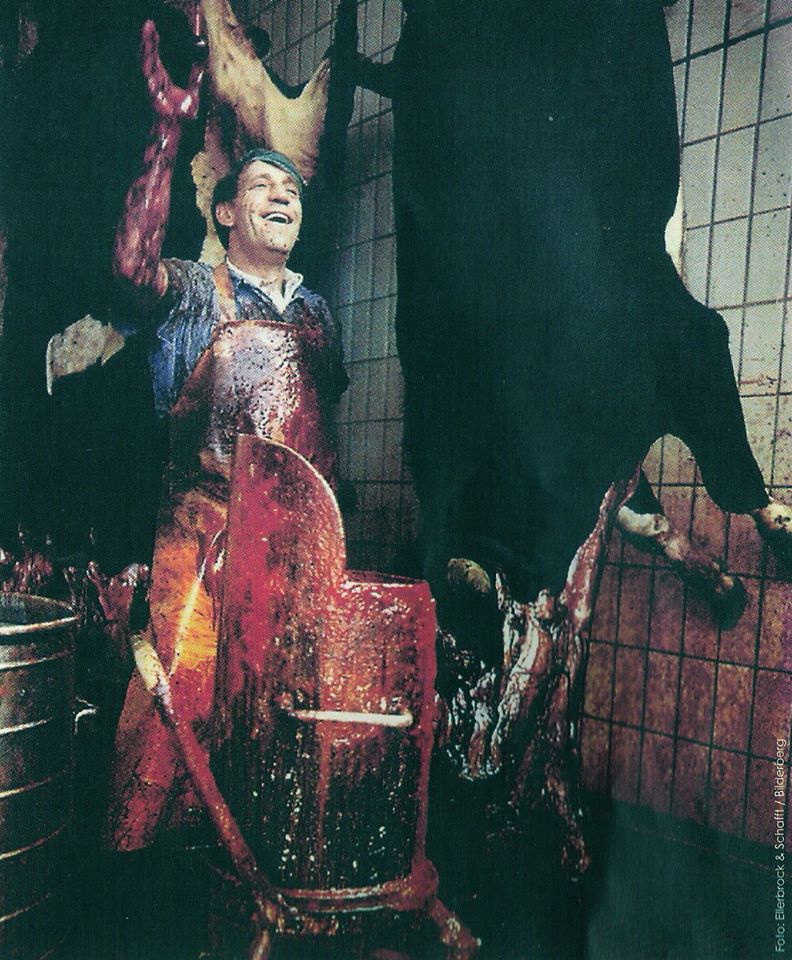
OntarioAbattoir_JMcArthur_schweine schlachtung2011-9964-768x510

According to recent data from the United States Department of Agriculture (USDA), a total of 77.63 million pigs were held nationwide as of March 1, 2020; that was almost 4.0% more than twelve months earlier and more than ever since the spring census began in 1988.
The survey found growth in all animal categories.

massenproduktion-nahrungsmittel-mit schweine

The productivity of sows also goes up.
In the last recorded period from December 2019 to February 2020, with an average of 11.0 piglets per litter, more animals were born alive than ever before in this winter period. Compared to the same period in the previous year, the increase was 2.8%.

In view of the stock development, the USDA experts also anticipate a significant increase in US pork production in 2020; This should increase by around 830,000 t compared to the previous year to a record level of 13.15 million t (!!!)
With domestic consumption growing rather moderately, pork exports are forecast to increase by almost 650,000 tons or 23% to 3.52 million t (!)

schweine industry pg

Above all, higher sales are expected in Mexico and China.

As part of phase 1 of the trade agreement with the People’s Republic of China, Beijing facilitated access to the US pork market and reduced import duties.
The delivery volume there has already increased significantly in recent months, according to the American meat export organization (USMEF).

https://www.topagrar.com/schwein/news/usa-schweinefarmer-stocken-weiter-auf-12026326.html


And I mean…What can one say?

Is that all we have learned from this pandemic? Should we perhaps wait until 1 billion non-thinking, non-learning, non-understanding human animals die?

We continue to allow slaughterhouses and the animal industry to think for us, produce viruses and work at high speed for mass animal suffering.

We saw this virus bomb as an opportunity to introduce a new animal order that will abolish factory farming in the future.
Not only for the benefit of the animals.

However, learning ability has been shut down in most brainless and fearful people, or so-called good people, through daily propaganda and the lying system.

No virus, not even the corona is stronger than human stupidity and evil.

My best regards to all, Venus

No one needs eggs, not even at Easter!

kücke tot _oPhoto: “Easter campaign with dead day-old chicks” by ARIWA Germany, April 2019


Around 50 million male chicks are gassed alive in Germany shortly after hatching each year. The reason: they are uneconomical because they cannot lay eggs and do not eat nearly as much meat as their specially bred counterparts.
Millions of other chicks that do not hatch in the automated hatchery in time for the “deadline” share this fate, regardless of gender.

 (The undercover video is from 2018 and was made by SOKO undercover in a hatchery for organic farming in Munich. It is in German, but you can even look at it without text, you understand everything that you should understand.).


Alternatives such as gender recognition in the egg, switching to “dual-use chickens” or “brother rooster” rearing only aim to consolidate the existing system of animal use – and not, for example, to fundamentally change anything.

kücken am Fliessband_n

In any case, the suffering of the laying hens would remain the same and all male animals would continue to be killed.

The desire for animal products free of animal suffering as “basic foodstuffs” is and remains an illusion.

We therefore call for the abolition of all animal husbandry!


And I mean…We are also calling for the abolition of factory farming.
We have been calling for the abolition of animal cages for a year.
We haven’t heard anything since.
The EU and European governments are happy that we are currently dealing with the corona pandemic and have put the “end the cage age” campaign on hold.
But WE have not forgotten it.
The cages must be abolished, we are 1.2 million people who demand it.
And according to the latest pandemic knowledge, we know that factory farming is the number 1 factor in the production of pandemics.

We remain combative and measure equal importance to the abolition of animal factories that work in front of our own door and cause terrible suffering to millions of animals, but also fatal diseases for people.

zwei Kücken pg

My best regards to all, Venus

China signals end to dog meat consumption by humans.

China


China signals end to dog meat consumption by humans


Draft policy released by agriculture ministry cites concern over animal welfare and prevention of disease transmission as factors behind move

The Chinese government has signalled an end to the human consumption of dogs, with the agriculture ministry today releasing a draft policy that would forbid canine meat.

Citing the “progress of human civilisation” as well as growing public concern over animal welfare and prevention of disease transmission from animals to humans, China’s Ministry of Agricultural and Rural Affairs singled out canines as forbidden in a draft “white list” of animals allowed to be raised for meat.

The ministry called dogs a “special companion animal” and one not internationally recognised as livestock.

The city of Shenzhen recently approved the first ever mainland China ban on consumption of dog and cat meat, a move that has given hope to animal welfare groups worldwide that other parts of the country could soon follow suit. The new draft policy has provided even more.

“The signal is the first ever from a ministry that dogs are not food animals,” Paul Littlefair, international head of the Royal Society for the Prevention of Cruelty to Animals told the Guardian. “[This] leaves the door open for local governments to follow Shenzhen’s lead.”

While not officially a ban on the consumption of dog meat, the draft policy from the agriculture ministry could be a “game changer moment for animal welfare in China”, Wendy Higgins of Humane Society International (HSI) told the Guardian.

“That signals a major shift, recognising that most people in China don’t eat dogs and cats and want an end to the theft of their companion animals for a meat trade that only a small percentage of the population indulge in,” Higgins said.

HSI estimates that between 10 and 20 million dogs are killed in China for their meat annually, while Animals Asia puts the figure for cats at around 4 million per year.

Most of these are stolen animals and not raised in captive breeding facilities, Higgins said.

“Not only does it cause enormous animal suffering, but it is also almost entirely fuelled by crime and, perhaps most significantly right now, poses an undeniable

The temporary wildlife trade ban was imposed from late January in response to the Covid-19 outbreak, largely thought to have originated in the formal or illicit wildlife supply chain.

But campaigners hope the government will go still further. Peter Li, China Policy Specialist with HSI, told the Guardian: “Listing wild animals, including foxes and raccoon dogs, as ‘special livestock’ is concerning. Rebranding wildlife as livestock doesn’t alter the fact that there are insurmountable challenges to keeping these species in farm environments, their welfare needs simply can’t be met. In addition, there’s clear evidence that some of these species can act as intermediate hosts of viruses, such as Covid-19, which is why we’re urging China and all governments to stop trading in wildlife.”


https://www.theguardian.com/environment/2020/apr/09/china-signals-end-to-dog-meat-consumption-by-humans


Germany and its disabled authority


Downer cow fate again /Authorities helpless.


banane rep deutschlandpg

At a dairy farm in Schleswig Holstein, Germany, an injured Downer cow was reported to us last night. The poor animal lay next to a road without protection. Not connected because the owner knew that she would not get up. A deceased cattle was sighted in the same place yesterday morning. Then the next victim came.

down Kuh SOKOImage: SOKO Tierschutz

The condition of the animal was quickly checked. It had no access to water or food when checked. The cow was injured on the horn and one leg. A break is suspected. It rolled her eyes in pain. How did she get there? Not without violence.

down Kuh 2 SOKOjpgImage: SOKO Tierschutz


Then it got difficult. We informed the police that night. The first conversation with a policewoman was daunting. Because she said what would it bring if she goes out there and takes pictures?
In addition, they do not know about cows, she says (!!!)

At the veterinary office you would now reach no one at night and on Good Friday.
We then contacted the veterinary emergency call of the district of Plön.

Again, helplessness, because the veterinarian said he could not even go to the property and the best thing to do was to call the perpetrator to take care of him (!!!)

In a third phone call, we appealed to the police to go there with the vet team, secure evidence, and end the animal’s suffering in one way or another.

We particularly pointed out the danger that the animal would still be removed by force by criminal butchers and that this would cause even more suffering.

+++Update: The police informed us that they had spoken to the animal owner, who had assured that everything was fine and that the animal was only recovering after slipping.
When we asked whether it would be strange that an animal that could get up and walk again was stored right next to a busy road, there was no skepticism.

So everything is fine, again.
The animal is delivered to the keeper and his “vet-doctor” and no one is available today at Veterinary office!

Concentrated helplessness of the authorities. In what other act do the authorities want to call the perpetrator first before they go out? they march immediately because of a smashed window, but not of a smashed animal!
We have filed a complaint and a complaint and are staying tuned.

SOKO Tierschutz


And I mean…the german animal protection law says: Paragraph 2: “Whoever keeps, looks after or has to look after an animal, 1. must feed, care for and care for the animal appropriately according to its type and needs”…

Paragraph 3: “It is forbidden to enter the house to suspend or leave the company or other animal in the care of humans in order to get rid of it or to evade the obligation to keep or look after it ”!

Authorities in Germany are unwilling, unable, overwhelmed or corrupted.
Therefore animals – and especially the “useful” animals – only have the right to suffer and to die, that’s it.
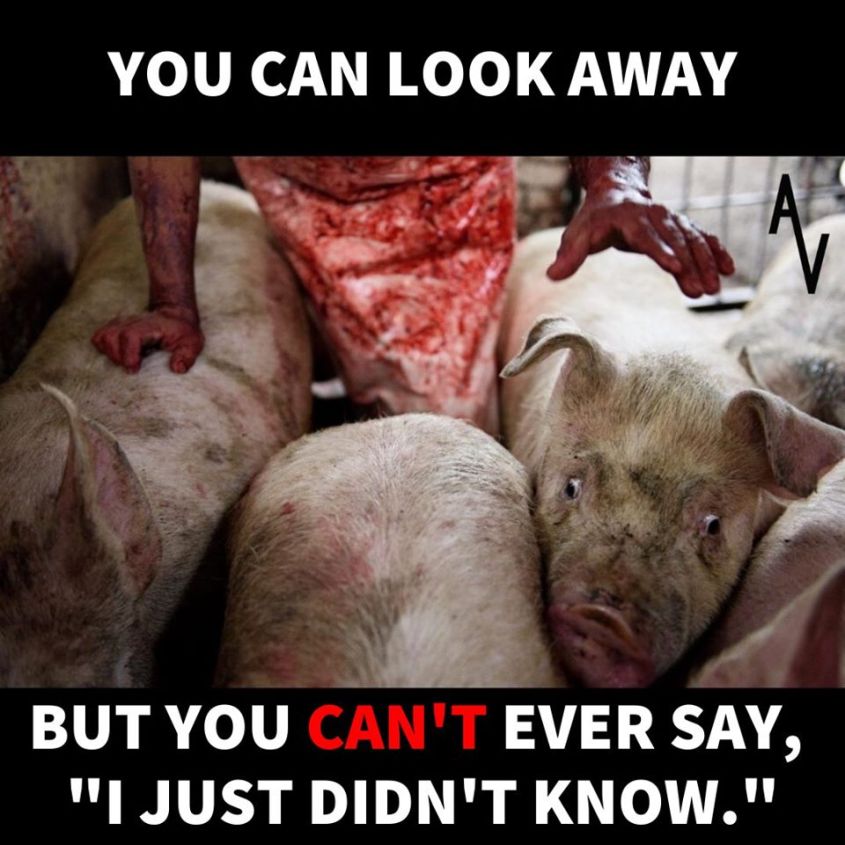
Who is still involved in this shitty animal production?
The milk consumer!
Who else falls into the lie trap that the meat and milk mafia generates for its billions?
The meat and milk consumers!
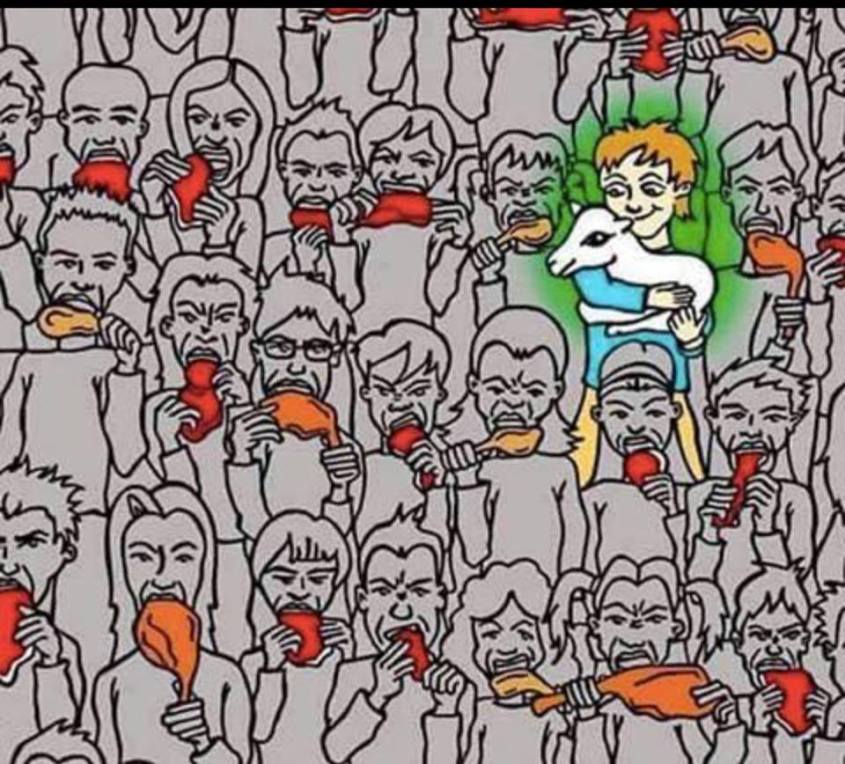
They are the second-hand culprits and torturers of this fascist system.

Nobody can say “I didn’t know it” as in the time of National Socialism.
Today we know how the modern Dachau work.
Today WE have the decision to take part in the animal holocaust, or not!

Zitat über Mittäterschaftn

“Suddenly you realize that you are part of an indescribable crime and understand that almost everyone around you wants to hold onto his complicity” (ethice.de)


My best regards to all, Venus

England – BFF: Hundreds of conservation experts join forces to pressure WHO to force live animal markets to close.

WAV Comment – A good time to see what the WHO response will now be.  Are they just like the EU institutions; exist and pay themselves high salareis; ignore the evidence and bow to the wishes of the lobbyists, or do they actually have the will and power to do anything ? – we wait and watch with interest, for a very concerned global community which is suffering because of the ignorance so far !  As the Independent (London) says:

if we don’t take care of nature, it will take care of us


World Health Organization officially recognises 'gaming disorder ...


Coronavirus: Hundreds of conservation experts join forces to pressure WHO to force live animal markets to close


The World Health Organisation (WHO) is coming under some of the greatest pressure it has experienced in its 72-year history – to force the closure of live animal markets to prevent future pandemics.

More than 200 conservation groups across the world have signed an open letter calling on the organisation to do all it can to prevent new diseases emerging from wildlife trade and spreading into global pandemics.


Virus Sparks Soul-Searching Over China's Wild Animal Trade - WSJ


Scientists say the evidence points to Covid-19 originating from animals – most likely bats – in “wet” markets where live and dead creatures, from dogs and hares to turtles, are sold as food and slaughtered on demand.

Previous epidemics, including severe acute respiratory syndrome, which killed nearly 800 people in 2002-3, and Ebola, which has killed at least 11,300 people, have also been linked to viruses caused by hunting bush meat or other wildlife consumption.

Ever since evidence of the Covid-19 link to Wuhan’s wet markets was revealed earlier this year, experts worldwide have called for such places to be shut down because of the risk of starting dangerous diseases.


What Are Wet Markets?


The new joint letter calls on the WHO to recommend to governments worldwide that they bring in permanent bans on live wildlife markets and close down or limit trade in wildlife to reduce the threat to human health.

In February, the Chinese government temporarily banned such markets, although there is evidence some sellers have started up again or are dealing online.


Bloomberg Publishes Gushing Article About China's 'Wet Markets ...


China promotes bile from caged bears to treat coronavirus

The experts also want the use of wildlife, including from captive-bred animals, to be “unequivocally” excluded from the organisation’s definition and endorsement of traditional medicine.

Last year the WHO added traditional Chinese medicine, which uses animal body parts, to its influential global compendium.

Conservationists say the WHO should work with governments and international bodies such as the World Trade Organisation to raise awareness of the risks the wildlife trade poses to human health and society.

It should also support and encourage initiatives that deliver alternative sources of protein to people who survive on eating wild animals.


UPDATE: Dr. Fauci Wants Foreign 'Wet Markets' Shut Down | PETA


The letter, coordinated by wildlife charity Born Free and its Lion Coalition partners, is backed by organisations including the Bat Conservation Trust, International Fund for Animal Welfare and the Zoological Society of London.


An Inside Look at Asian Wet Markets - We Animals Media


At the same time, world leaders are receiving a science-based white paper from Humane Society International, warning that Covid-19 is “a tipping point that governments globally must not ignore” and asking governments to help the traders involved to find new livelihoods as quickly as possible.


Without action, “the emergence of another coronavirus-based disease in the future is a practical certainty”, the paper says.

In the UK, the paper is being sent to foreign secretary – and effective deputy prime minister – Dominic Raab, health secretary Matt Hancock and environment secretary George Eustice.

The United Nations’ biodiversity chief has also added her weight to demands for a global ban on wildlife markets. Elizabeth Maruma Mrema said the change could prevent new pandemic diseases from spreading.


China's 'wet markets' start selling bats, dogs again: Report


“The message we are getting is if we don’t take care of nature, it will take care of us,” she told The Guardian, but cautioned poor commmunities would need support to prevent them trading illegally and driving species extinctions.

Markets selling live animals – both captured from the wild and bred in captivity – are popular in southeast Asia but also exist in Africa and South America.

The Chinese government encouraged them to expand and become more commercial during the 1980s.

Mark Jones, the head of policy at Born Free, said the trade in wild animals was not only bad for the welfare of millions of individual animals but was also a major factor in global declines in wildlife.

“We need to dig deep and reset our fundamental relationship with the natural world, rethink our place in it and treat our planet and all its inhabitants with a great deal more respect, for its sake and for ours,” he said.

“Once Covid-19 is hopefully behind us, returning to business as usual cannot be an option.”

Separate research by wildlife charity WWF has found high levels of public support in Asia for closing illegal and unregulated wildlife markets and the wildlife trade.

The survey, conducted in Hong Kong, Japan, Burma, Thailand and Vietnam, found 93 per cent of people supported eliminating illegal and unregulated markets.

Influential organisations including the RSPCA, Humane Society International, Peta, the US-based Wildlife Conservation Society, World Animal Protection and Four Paws International have all spoken out against wildlife trading since the Covid-19 pandemic.

Even before China’s temporary ban, some of the country’s own researchers called for a crackdown.

Dr Jones added: “The World Health Organization has a mandate to promote human health, keep the world safe, and protect the vulnerable.

“We are asking the WHO to advise governments to permanently close down wildlife markets, and to curb the commercial trade in wild animals for food, traditional medicines and the myriad of other uses for which wildlife is exploited.

“A global response to curb wildlife trade is clearly needed to prevent further human health crises, and to reverse the unprecedented decline in the natural world.”

The Independent has asked the WHO whether it is considering making any recommendations to world governments.


China coronavirus: Calls to ban live animal sales in wet markets ...

https://www.independent.co.uk/environment/coronavirus-animal-wet-markets-wildlife-who-bats-dogs-turtles-a9450081.html


Coronavirus – How Did It Start and Can We Stop It In the Future ?


Thanks to Stacey for sharing:

https://our-compass.org/2020/04/06/coronavirus-how-did-it-really-start-how-do-we-stop-it-from-happening-again-covid-19/

Alternate video link:

https://youtu.be/aIoBAS6bLy8


Source Surge Activism

Many of the world’s deadliest outbreaks, including COVID-19, SARS and bird flu – are directly linked to the exploitation of animals by humans.

Summarized in our latest Surge Media campaign released amid the global coronavirus pandemic, and explored in greater depth in an upcoming white paper, Surge has brought together findings from the world’s leading authorities on infectious diseases including the World Health Organisation (WHO), Centers for Disease Control and Prevention (CDC), Food and Agriculture Organization of the United Nations (FAO) and World Organisation for Animal Health (OIE).

The CDC warns that three out of four new or emerging infectious diseases in people come from animals, while the WHO, FAO and OIE have previously stated that increased demand for animal protein is one of the main risk factors of a pandemic.

The HIV virus started because of humans eating chimpanzees and the recent Ebola outbreak started because of people eating bats. Furthermore, BSE and the human equivalent vCJD is believed to have started in the UK because farmers were feeding dead infected cattle back to cattle, forcing them to cannibalise, and an ancestral strain of swine flu was traced back to a pig farm in North Carolina.

Surge also hopes that shedding light on the global prevalence of zoonotic outbreaks will help shift blame away from certain countries and cultures associated with more recent diseases, such as China where both COVID-19 and SARS are believed to have originated from so-called ‘wet’ markets according to the most widely accepted theories.

In light of recent attacks against individuals who appear Asian, Surge urges the public to understand that diseases occur all over the world – including the US (HIV and swine flu) and the UK (BSE / vCJD) – and their places of origin can be different to where their major outbreaks were recorded.

Not all of the world’s zoonotic outbreaks can be attributed to the intentional exploitation of non-human animals, but enough have been to warrant a discussion about the way we use others. The transmission of zoonotic diseases to humans is not entirely preventable as there is always a chance that zoonotic viruses, bacteria and other pathogens can be passed to humans in situations where there is no direct exploitation of animals, but Surge posits that the risk would be considerably lower than, taking the example of swine flu, in an intensive farming environment where huge numbers of animals are brought into close proximity with humans in a way that would virtually never happen in any other setting, or in the case of BSE, where cows would never naturally cannibalise other cows.

Moving away from the use of non-human animals will greatly lower the risk of future outbreaks of unknown zoonotic diseases, and save not only non-human animal lives, but those of countless thousands of humans. While it is impossible to predict how many lives could be saved this way, COVID-19 has already killed around 25,000 worldwide to-date, while other recent outbreaks like SARS, swine flu and avian flu combined have killed hundreds of thousands.


Sources and Citations


https://apps.who.int/iris/bitstream/handle/10665/68899/WHO_CDS_CPE_ZFK_2004.9.pdf

http://www.fao.org/3/i1963e/i1963e00.pdf

https://www.theaidsinstitute.org/education/aids-101/where-did-hiv-come-0

https://www.independent.co.uk/news/world/americas/ebola-outbreak-is-bushmeat-to-blame-9804605.html

https://www.cdc.gov/prions/bse/about.html

https://www.ecdc.europa.eu/en/vcjd/facts

https://www.wired.com/2009/05/swineflufarm/

https://www.ecdc.europa.eu/en/novel-coronavirus/event-background-2019

https://www.sciencedirect.com/topics/biochemistry-genetics-and-molecular-biology/sars-coronavirus

http://www.fao.org/news/story/en/item/210621/icode/

https://www.ncbi.nlm.nih.gov/pmc/articles/PMC2865087/

https://www.theguardian.com/commentisfree/2020/mar/25/new-virus-china-covid-19-food-markets

https://www.bbc.co.uk/news/health-29604204

https://www.newscientist.com/article/dn18063-timeline-the-secret-history-of-swine-flu/

https://www.ncbi.nlm.nih.gov/books/NBK215318/

https://sentientmedia.org/coronavirus-should-make-you-reconsider-eating-meat/

https://www.independent.co.uk/news/health/coronavirus-antibiotics-wild-animals-wildlife-china-wuhan-bat-pangolin-a9407261.html


Click HERE to go Dairy-Free

Order a FREE vegan kit: http://www.peta.org/living/food/free-vegan-starter-kit/

Take PETA’s Cruelty-Free Shopping Guide along with you next time you head to the store! The handy guide will help you find humane products at a glance. Order a FREE copy HERE

Searching for Cruelty-Free Cosmetics, Personal-Care Products, Vegan Products, or more?
Click HERE to search.

Click HERE to find out How to Wear Vegan!

Shenzhen / China: pet and wild animal consumption prohibited

Finally good news in the Corona crisis! Thethe city metropolis of Shenzhen will ban the trade and consumption of wild animals and pets. Dogs, cats, snakes, etc. can then no longer be sold, slaughtered and bred for consumption.

China

The Chinese city of Shenzhen has passed a law that prohibits the production and consumption of cat and dog meat. This makes Shenzhen the first city in mainland China to prohibit eating pets.

The law is due to enter into force on May 1, 2020.

And: It also applies to the trade and consumption of wild animals such as snakes and lizards. Anyone who violates this can expect fines of up to EUR 19,600.

Trade in wild animals is currently banned throughout China – but only temporarily. The law in Shenzhen should now apply without time restrictions.

wildmarkt wildtier chinajpg
The government is thereby reacting to the coronavirus outbreak, which according to current estimates is said to have passed from animals to humans in a wild animal market in Wuhan, China.

Nevertheless, the law in Shenzhen includes not only wild animals, but also pets.

Hund im Kefig-China_n
In an announcement, a city spokesman said: “Dogs and cats have a much closer bond to humans as pets than other animals. In developed countries, Hong Kong and Taiwan, it is normal to ban dogs, cats and other pets. This prohibition also corresponds to the demands and spirit of human civilization. “

Of course pork, beef, sheep, rabbits, poultry and other animals that are specially bred for consumption may continue to be eaten (!!)

Animal welfare organizations such as the Humane Society International or the Animal Hope & Wellness eV association welcome the decision. They hope that the fifth largest city in China will have a domino effect and other regions will follow suit.

In China, it is estimated that around ten million dogs and four million cats are killed each year for meat trading and consumption.

Contrary to Western prejudice, eating dogs and cats in China is anything but normal. In Beijing, for example, there is hardly a restaurant that offers such meat. According to surveys, only a minority of Chinese have eaten dog meat at all.

china verbot von Hunde essenpg

https://www.deine-tierwelt.de/magazin/coronavirus-shenzhen-verbietet-den-verzehr-von-haustieren/


And I mean…It is a very welcome decision by the Chinese to stop killing dogs and cats for consumption.
Every step that leads to the abolition of cruelty to animals is a step towards more justice, everywhere!
Abolishing wildlife trade and consumption has always been our vision. China confirms our long struggle in this direction today.

However, animal rights are not restricted goods.
If we want fair conditions in animal life, the abolition of meat consumption should not preserve privileged and unprivileged animals, but should aim at ALL animal species.

Otherwise, the animal rights movement runs the risk of being satisfied with a result that frees some from suffering and legalizes the suffering of others.

If we want to do our job properly and well, we must continue the struggle for the liberation of ALL animals from the slavery, which has been legalized and established by a fascist regime, the regime of the human species.

My best regards to all, Venus

China: China’s National Health Commission publishes a list of COVID 19 recommended treatments, including injections that contain Bear Bile powder.

china


Less than a month after taking steps to permanently ban the trade and consumption of live wild animals for food, the Chinese government has recommended using Tan Re Qing, an injection containing bear bile, to treat severe and critical COVID-19 cases. It is one of a number of recommended coronavirus treatments—both traditional and Western—on a list published March 4 by China’s National Health Commission, the government body responsible for national health policy. This recommendation highlights what wildlife advocates say is a contradictory approach to wildlife: shutting down the live trade in animals for food on the one hand and promoting the trade in animal parts on the other.

Secreted by the liver and stored in the gallbladder, bile from various species of bears, including Asiatic black bears and brown bears, has been used in traditional Chinese medicine since at least the eighth century. It contains high levels of ursodeoxycholic acid, also known as ursodiol, which is clinically proven to help dissolve gallstones and treat liver disease. Ursodeoxycholic acid has been available as a synthetic drug worldwide for decades.

The World Health Organization says no cure exists for COVID-19, though some medicines, such as pain relievers and cough syrup, can treat symptoms associated with the disease. (Read about what scientists know and don’t know about treating coronavirus.)

Traditional Chinese medicine practitioners typically use Tan Re Qing to treat bronchitis and upper respiratory infections. Clifford Steer, a professor at the University of Minnesota in Minneapolis, has studied the medical benefits of ursodeoxycholic acid. He knows of no evidence that bear bile is an effective treatment for the novel coronavirus. But, he says, ursodeoxycholic acid is distinct from other bile acids in its ability to keep cells alive and may alleviate symptoms of COVID-19 because of its anti-inflammatory properties and ability to calm the immune response.

Enacted in 1989, China’s wildlife protection law sees wild animals as a resource to be used for the benefit of humans. In 2016, it was amended to further legitimize the commercial use of wildlife, asserting explicitly that animals can be used for traditional Chinese medicine, Humane Society International’s China policy specialist Peter Li wrote at the time.

Although use of bear bile from captive animals is legal in China, bile from wild bears is banned, as is the import of bear bile from other countries. According to Aron White, wildlife campaigner for the Environmental Investigation Agency (EIA)—a nonprofit based in London, England, that exposes wildlife crimes—his organization learned first about the Chinese government’s recommendations to treat COVID-19 via social media posts from illegal traders.

“We were witnessing how this government recommendation was being coopted by the traffickers to advertise their illegal products as a treatment,” White says. Illegal bile from wild bears is produced in China, he says, and is also imported from wild and captive bears in Laos, Vietnam, and North Korea. The illegal trade persists even though Asiatic black bears, one of the species most commonly farmed for their bile, are protected from international commercial trade under the Convention on International Trade in Endangered Species of Wild Fauna and Flora, which regulates cross-border trade of wildlife and wildlife products.

Wildlife advocates worry that China’s recommended use of Tan Re Qing injections, which contain goat horn powder and extracts from several plants in addition to bear bile powder, will increase the trade in illegal wildlife products and justify animal abuse. “There’s a consistent preference among consumers for the wild product, which is often regarded as more powerful or ‘the real deal,’” White says. “So, having this legal market from captivity doesn’t reduce pressure on the wild populations—it actually just maintains demand that drives poaching.”

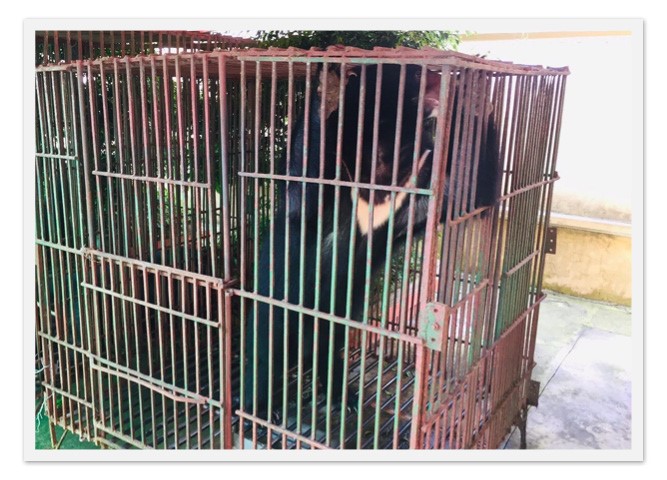
At bear bile farms in China and across Southeast Asia, the animals may be kept for decades in small cages. Bile is routinely extracted by inserting a catheter, syringe, or pipe into the gallbladder. All methods for extracting bile are invasive and “cause severe suffering, pain, and infection,” according to Animals Asia, a nonprofit dedicated to ending bear bile farming. Neglect and disease are common on these farms, and consumers risk ingesting bile from sick bears, which may be contaminated with blood, feces, pus, urine, and bacteria, according to Animals Asia.

Another traditional medicine on the National Health Commission’s approved list that could be in demand for use against COVID-19 is a pill called Angong Niuhuang Wan. The remedy, used to treat fever and various diseases, traditionally contains rhino horn, which is strictly banned from global trade. Under Chinese law, the pills must contain buffalo horn, White says, but some traders continue to tout pills containing rhino horn.

Promotion of Tan Re Qing injections and other wildlife-based treatments at a time when Beijing seems intent on shutting down the country’s trade in live wild animals “really speaks to the mixed messages coming out of China at the moment,” White says.

But in China, use of traditional medicine, most of which is plant-based, spans thousands of years and was the primary form of health care until the early 1900s, when the last emperor of the Qing dynasty was overthrown by a Western-trained doctor. Traditional cures are often endorsed by the government as a pillar of Chinese culture, and in 2018, the World Health Organization included traditional medicine diagnoses in its medical compendium. During the coronavirus pandemic, officials have emphasized their use, and 85 percent of COVID-19 patients receive some form of herbal treatment, according to the Ministry of Science and Technology.

China’s National Health Commission did not respond to requests for comment.


Risks to human health

All wildlife farms pose health risks, regardless of whether the animals are being bred for meat or traditional medicine, White says. For example, in both cases, hundreds of wild animals often live crammed together, and people often interact with carcasses.

“Whether [wildlife is] being consumed as meat or as medicine, the risks are still there in how the animals are being slaughtered, gathered and stored, processed, consumed,” White says. If China is closing farms that produce meat from wild animals such as peacocks, porcupines, and boar because they pose a disease risk, White says, “why are they also not looking at farms—you know, bear farms, tiger farms? You have many of the same issues.” Besides, he adds, “the vast majority of traditional Chinese medicine doesn’t contain any wildlife parts. This doesn’t need to be a threat to wildlife.”

When it comes to COVID-19, what we need is clear, says the University of Minnesota’s Clifford Steer. “At the end of the day,” he says, “the world just has to develop a vaccine against this to protect people.”

https://www.nationalgeographic.com/animals/2020/03/chinese-government-promotes-bear-bile-as-coronavirus-covid19-treatment/?cmpid=org=ngp::mc=social::src=twitter::cmp=editorial::add=tw20200325animals-bearbilecoronavirus::rid=&sf231982446=1

Frog trade: Torture animals and exploit third world


The level to which humans feel they can exploit, commodify, abuse and subjugate other animals holds no bounds.

Frog farming, like all other types of animal farming, occurs in nothing more than the name of tradition and taste.

Farmed frogs are shipped alive to restaurant kitchens, where they will be murdered by the chef before each meal.

-froschschenkel-pg

The standard restaurant method of killing frogs is via the victim being held down, and then the point of a knife being stabbed through the top of the frog’s head, followed by a slice down through the face until the victim’s head is split in half.

Other methods include bludgeoning the frog by slamming them and then decapitating them with a cleaver. At street food stalls, frogs are sometimes skinned alive, chopped into pieces, and thrown while still wriggling into hot soup as a “delicacy”.

frosch teilejpg

This psychotic behaviour from humans is UNJUSTIFIABLE.


My comment: In the area of animal protection / species protection there are topics that only trigger a weary yawn in public.
“What? Eat frog thighs? That was once an issue in the 1970s”, many think, and this opinion is quite wrong.

It is frightening how many places in Germany meanwhile frog legs are sold and prepared and eaten in bars.
While we are organizing campaigns in spring to save frogs and toads during the annual amphibian migrations, these are consumed in the restaurant next door!

frosch

In 2015, the European Union imported 4,234 tons of frog legs – which corresponds to the limbs of between 84 and 200 million frogs writes Deutsche Welle and reports:

“After India and Bangladesh banned the export of frogs in 1987 and 1989, Indonesia became the main exporter. Today, more than two-thirds of all frog legs in supermarkets worldwide come from there. For many years, conservationists have been warning that trade cannot be sustainable. And it goes even further: According to a new study, many frog legs are wrongly identified”

With the “frog leg harvest” the extremities from the frogs are usually separated from the body while the body is alive.
Many of the imported frog legs still come from wild catches. This reduces the endangered animal species and increases the risk of malaria at the same time.
Frogs in particular help prevent the spread of this infectious disease.

frosch

Eating frog legs is not just cruelty to animals, it also endangers human life.

More than 700 amphibian species are affected by an aggressive fungal infection worldwide, many of which have already died out.
This is to blame for a deadly mushroom epidemic called chytrid, one of the most important causes of global amphibian death.

Since the 1980s at the latest, this pathogen has carried tons of frogs, toads and newts – initially only in Latin America and Australia, but now all over the world.

One of the central causes for the spread of the chytrid mushroom is the worldwide trade in frogs …

The import of frog legs to Germany and Europe is a legalized form of animal cruelty and an exploitation of poor countries like Indonesia.
A particular scandal is the uncontrolled import of wild catch, which endangers not only endangered species, but also the rural population if the lack of frogs increases the risk of malaria.
And with it the risk of the next pandemic ..

My best regards to all, Venus