Category: Farm Animals

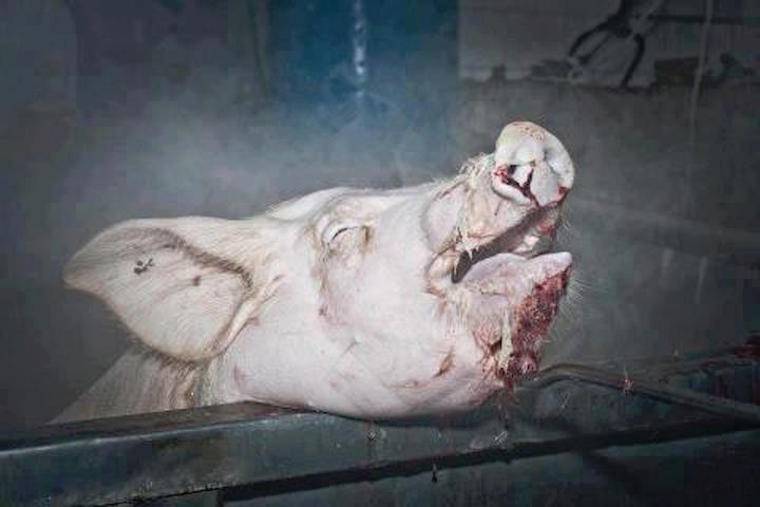
European Union Court Rules Halal Meat Cannot Get Organic Label.

EUUN0001

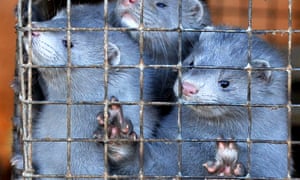
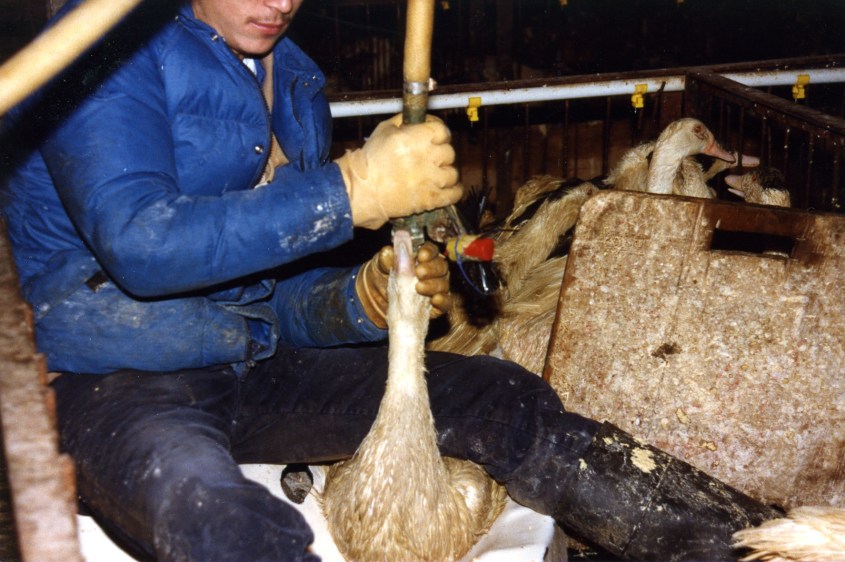
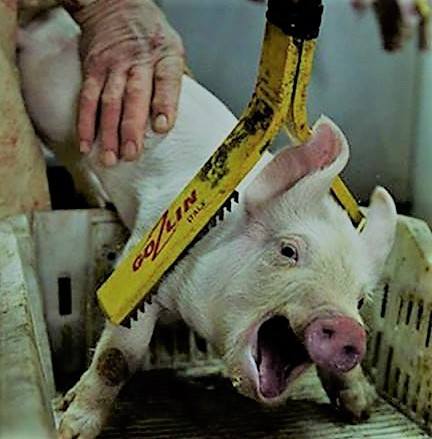
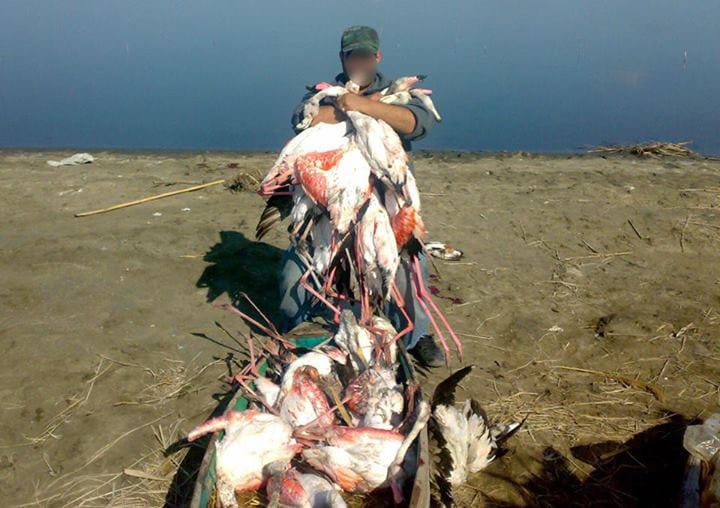
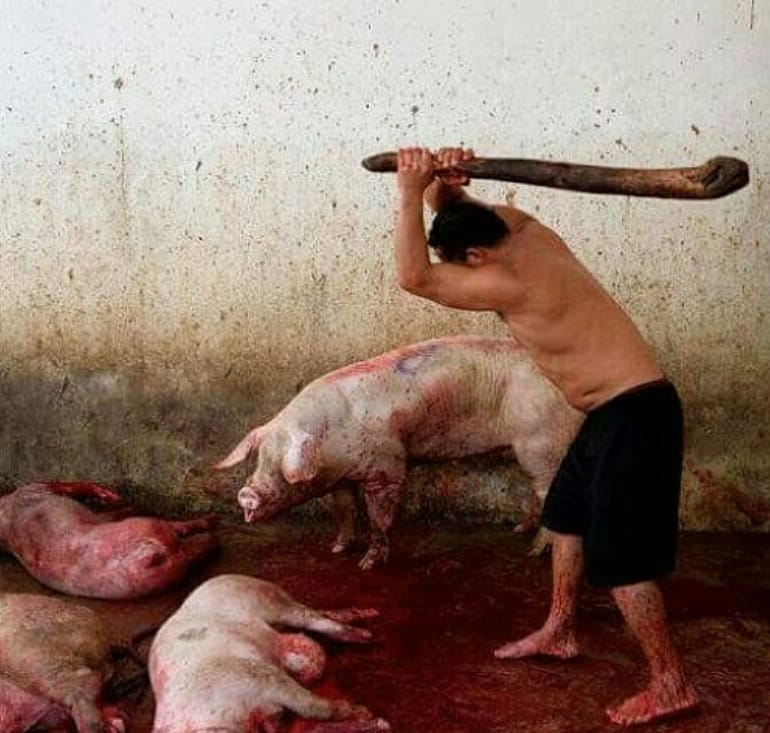
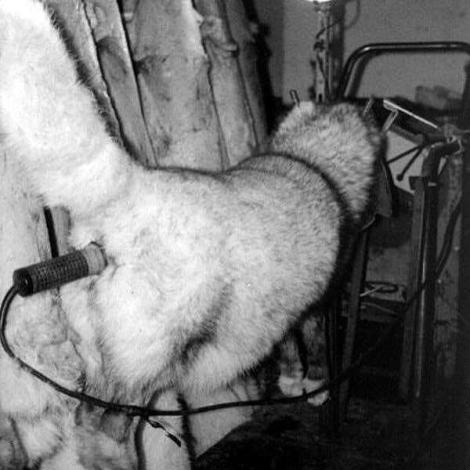
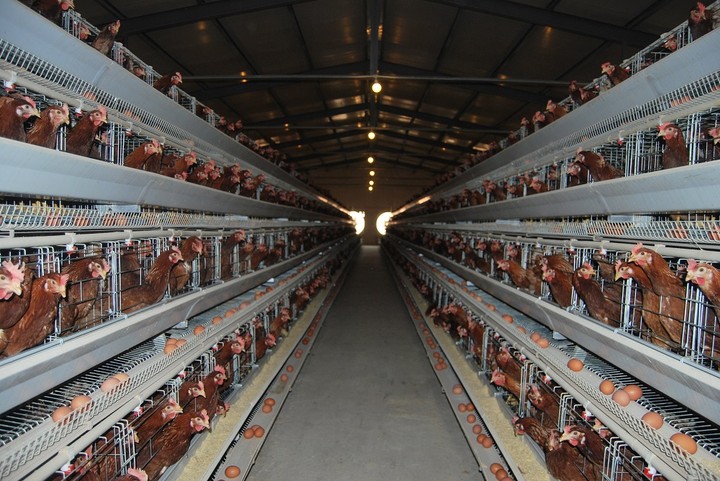
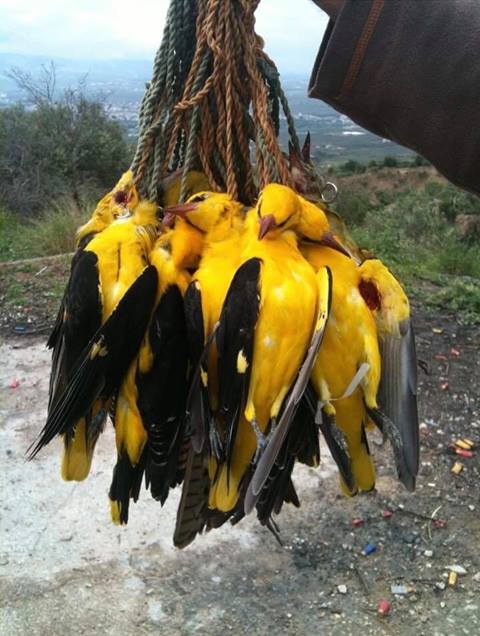
Photographs from our archive and not part of original article – WAV.

European Union Court Rules Halal Meat Cannot Get Organic Label

The EU Court of Justice said on Tuesday that such labelling aims to ensure products have been obtained in observance of the highest standards in animal welfare.

Halal meat

Source – https://www.news18.com/news/world/european-union-court-rules-halal-meat-cannot-get-organic-label-2049625.html

Paris: The European Union’s top court has ruled that the EU organic food logo cannot be used on meat derived from animals that have been slaughtered in accordance with religious rites without first being stunned.

The EU Court of Justice said on Tuesday that such labelling aims to ensure products have been obtained in observance of the highest standards in animal welfare.

Halal 1
The court says the stunning technique significantly reduces animal suffering

A French animal welfare association brought the case in 2012, arguing that halal beef shouldn’t be labelled organic.

The ruling states that the practice of ritual slaughter as part of which an animal may be killed without first being stunned is authorised by an exception to the general rule in the EU to ensure observance of the freedom of religion.

Halal 2

Halal 3

UK: Government Confirmation of ‘Strengthened Protections’ for Animal Welfare / Sentience When the UK Leaves the EU (March 2019 ?).

UNKG0001

26/2/19

We very recently contacted the UK government about the issue of ‘animal sentience’ once the UK leaves the EU – which we hope will be very son at the end of March 29019.

eu uk 4

Here below is a written reply that we have had on this; and we are very satisfied to see that the UK government has pledged “the sentience of animals will continue to be recognised and protections strengthened when we leave the EU

We have always said that once we can get away from the un-enforced welfare regulations of the EU; the UK will improve animal welfare legislation due to the demands of the British public.  The letter really confirms this by talking of ‘protections strengthened when we leave the EU’.

Here is a copy of the formal response sent by the government.

Regards Mark

AH 26 2 without address

India: Enjoy The Latest Video Rescues From Our Friends At ‘Animal Aid Unlimited’ – February 2019.

aa 2019 header


INDA0001

One animal at a time has become thousands of rescued animals

Thank you for sharing our videos. We can see from the comments that viewers are from all corners of the world, united in compassion and enthusiasm to help more animals in more ways than ever before. The donations these views bring about save a precious life, and another, and another. When we started Animal Aid Unlimited our motto was “one animal at a time.” Our mission today includes training activists in street animal first aid techniques, humane education, vegan outreach, but at the end of the day, the idea remains: one by one you’re saving someone astounding, innocent and in desperate trouble.

Thank you for being a force for help.


This baby was alive, and then some! What an incredible recovery

Her head was flipped backwards and lay in a pool of blood. Her neck seemed broken, but when we came close, we saw her breathing. We scooped her up and hurried her to our hospital and immediately began treating her for brain swelling and pain.

Her consciousness came and went, but she was unable to control her movement. Standing and even eating was completely impossible and her eyes were dull. We feared the worst. But slowly her life force stirred and progress began. Meet Jellybean today. Please help us rescue the next precious street animal. 

This is team-work and we need you on this team.  Please donate today for street animal rescue.


Toggle had a talking Mommy!  


This happy-ending story began as one of the saddest, when a mother dog cried out in anguish, seeming to beg us to help her badly wounded baby. She didn’t stop trying desperately to communicate as we gently lifted her puppy who had two deep wounds and placed him in the ambulance. We couldn’t bring her along because she had 4 other babies to watch over. We would try our best to save her sweetheart and bring him home, and how we wished and hoped she would somehow understand. Her little one was so brave, and never struggled throughout his wound dressings. But he had a lingering problem: the wounds hurt him so badly he couldn’t walk for several days. We weren’t sure if the nerve damage was permanent. But Toggle was comforted throughout the days of his healing, and while we fell in love with his incredibly sweet nature, we knew there was someone very important waiting for him back home. Watch this incredible reunion of Toggle and his family. 

Please donate, so that families who need each other won’t be torn apart.


Biscuit is so cheerful even a terrible wound couldn’t stop his joy

We got a call that a dog’s ear was torn off and as we approached we expected him to cry in agony. But instead, this extraordinary sweetheart wagged his tail, gobbled down his biscuit treats, and gave our rescue team the sense that he knew for sure that he was on his way to safety. Meet this unforgettable ambassador of love, who lost his ear but who will definitely win your heart. 

With your help more sweethearts can be saved. Please donate.


Abused donkey with legs lacerated rescued

This gentle donkey, Angelo, had collapsed when his legs were lacerated by plastic rope, tied together to prevent him from running away, and nearly ending his life. His owner was so negligent he didn’t untie them even after they first started cutting into his skin, deeper and deeper until the rope reached the bone. Donkeys are at great risk of abuse, because many owners believe they’ll get more profit the less they spend on the welfare of their donkeys, who often get poor quality food, no freedom to graze, (donkey owners rarely own land for donkeys to graze, so if they’re not chained they are roaming on busy streets), and very little rest. The donkeys suffer in a cycle of poverty and exploitation. 

Our growing experience with the suffering of working animals continues to affirm for us the belief that all animals deserve their freedom to be who they are, to fulfill their own interests and lives, free from the bondage of serving humans. 

Please donate today for humane education in India.


Celebrate the staff: Babulal  

babulal

It takes a special soul to turn up day after day and year after year to clean up after animals. Babulal Gameti joined the team 12 years ago and we’ve never been the same since. In all his time here he has kept up a willingness to say yes despite weather that’s hot, rainy, cold, dark; animals who are noisy, incontinent, and whose activities can make cleaning around them challenging. Babulal has lived in Hawala all his life, and has accompanied us through 2 hospital moves. Whether he is heating water for a hot water bottle, washing blankets or scrubbing a floor, Babulal is always ready for a smile of kindness


UK ‘Marc the Vet’ Visits AAU

This month we welcomed celebrity vet Marc Abraham, known in the UK as “Marc the Vet” who came on behalf of the UK newspaper The Telegraph to write a travel feature about Animal Aid Unlimited. Marc was one of the most kind, enthusiastic and sweet guests we’ve ever had. In addition to being an amazing vet, he has led the UK’s anti-puppy mill “Lucy’s Law” campaign to prohibit the sale of puppies and kittens by pet shops, online dealers and other 3rd party sellers. 

Marc jumped in to all aspects of Animal Aid’s hospital life–going out on rescues, assisting in surgery, joining school presentations and assisting in street treatments–all in just 5 days. We can’t wait to see the travel feature but moreover, Animal Aid made a new friend.


RSPCA Australia Asks You To Take Part In Public Consultation Over Sheep Exports – Links Below.

australia


RSPCA Aus sheep


WAV Comment – you now have your chance via this public consultation to make a difference and help Australian animals from never having to be (live) exported again.  Please read the article from the RSPCA below and click on the link to make your voice heard.  Be a voice for the suffering sheep ! – Thanks, WAV.

All pictures below are from our archive and are not associated with the RSPCA document.

sheep123

Mark, you have been with us in our ongoing fight to end the suffering of sheep in the live export trade.

You – along with tens of thousands of other supporters – have already taken countless actions.

But we need your help one more time to help end the cruelty for good.

The government review panel has got the science right (at last!), when it comes to heat stress experienced by sheep onboard these journeys.

We’ve said all along that the evidence shows heat stress is unavoidable on board journeys to the Middle East in the high risk May to October period.

Now, the recently released Heat Stress Risk Assessment Review has been opened for public consultation, and all recommendations support what we have been calling for:

  • a risk assessment based on welfare, not mortality,
  • and one that will ultimately mean the end to the most horrific conditions experienced by thousands of Aussie sheep each year.

This is the review we’ve been waiting for – but live export lobbyists are desperately trying to stop these improvements and roll back these reforms.

Mark make no mistake – these reforms are the bare minimum of what needs to be done to protect our sheep.

Please take action today and add your voice to the RSPCA submission, supporting these vital improvements to protect Australian sheep from the live export industry.

live ex ship

WAV Note – Or Use the following link to make your submission and speak up for the sheep who suffer:

https://www.rspca.org.au/campaigns/live-export-australia/hsra-review?utm_source=Email%20Campaign&utm_medium=email&utm_campaign=27921-55271-HSRA%20pubic%20consultation%20eBlast%2022/02/19


Canada’s rules for transporting animals are weak — but they’re also not rigorously enforced.

Canada


WAV Comment – the pictures in this article are not from the column written by Mr Walkom – they are taken from our own archives.  Not only does Canada murder seals and try to blame them for taking humans fish stocks, but it seems they don’t really have a clue about the welfare of animals in transport either !

In Canada, the rules for transporting animals are already weak. Pigs can be trucked for up to 36 hours without food or water. For cattle, the number is 52 hours. Animals can be shipped in the freezing cold or broiling sun — as long as they do not suffer “undue exposure” to the elements (whatever that means).18 Sep 2018

can cold truck 2


Canada’s rules for transporting animals are weak — but they’re also not rigorously enforced


By Thomas WalkomNational Affairs Columnist

Tues., Sept. 18, 2018


Source – https://www.thestar.com/opinion/star-columnists/2018/09/18/poor-enforcement-of-animal-transport-rules.html


In Canada, the rules for transporting animals are already weak. Pigs can be trucked for up to 36 hours without food or water. For cattle, the number is 52 hours.

Animals can be shipped in the freezing cold or broiling sun — as long as they do not suffer “undue exposure” to the elements (whatever that means).

But inspection reports released to the Canadian Coalition for Farm Animals has revealed another glaring inadequacy: In much of Canada, including Ontario, the rules are not rigorously enforced.

To be more specific, in 2016 and 2017 the Canadian Food Inspection Agency (CFIA) conducted spot inspections of trucks carrying animals in only five provinces: British Columbia, Alberta, Saskatchewan, New Brunswick and Prince Edward Island.

Exactly why Ontario and other provinces were exempted from these spot checks remains unclear. A CFIA spokesperson said only that the agency’s “highway and border inspections are conducted pending the availability of law enforcement partners and appropriate weather conditions.”

The reports, released to the animal welfare coalition by the CFIA under access-to-information laws and passed on to the Star, show that the federal agency conducted 269 highway inspections over the two-year period, mainly in Saskatchewan.

In virtually all of those inspections, the truckers were ultimately found to be in compliance with CFIA regulations — even when, initially, they weren’t.

In December 2017, for instance, an unheated truck containing 45 cows in -20C weather was stopped by a CFIA inspector in Saskatchewan. The inspector wrote that he initially deemed the transport inadequate but changed his mind after the trucker agreed to put some boards along the sides of the vehicle and after he allowed his cattle to rest for five hours in a warm barn.

In February 2016, another truck transporting 26 horses to a slaughterhouse was stopped for inspection in Saskatchewan. The inspector found that one of the horses appeared too sick to get up — a regulatory no-no.

can cold truck 1

So he had the trucker unload his vehicle until the downed horse could struggle to its feet. The inspector then okayed the transport as compliant with the law and let the truck continue on.

The reports show that the CFIA became most engaged when the animals involved were slated for export. In June 2017, for instance, a truck containing 2,525 Canadian baby piglets was turned back at the U.S. border.

The Americans found the piglets were dirty and overcrowded. Seven had died.

This caused much consternation on the Canadian side. One of the problems, according to CFIA emails, was that for sanitary reasons the piglets could not be returned to the farm they came from. If the U.S. remained adamant, there was nowhere for them to go.

Eventually, however, the Americans relented and let the truck in. By the time it had reached its final destination in Iowa, eight more piglets were dead.

Similarly, in May 2016, 21 cattle were refused entry by the U.S. One calf was lame and one steer missing its ear tag. The trucker was persuaded by CFIA officials to let his cattle have food, water and a vet check. He then reloaded his trailer with all but the suspect calf and steer and made his way back to the border where, this time, he was allowed entry.

Later that month, another inspector found a dead pig in a load of 900 slated for export to the U.S. Nonetheless, he ruled that the other 899 were in compliance with regulations.

In November 2016, a truckload of 30 boars was refused entry into the U.S. The problem: two of the boars were dead. The CFIA reports are silent on what happened to the other 28.

Not all of the reports are negative. Many of the spot inspections — particularly those related to valuable show or breeding animals — indicate that some care was taken by truckers transporting them.

And at least, in those cases, federal agents were making inspections. In Ontario, they weren’t.


Further reading:

https://www.theglobeandmail.com/opinion/canada-must-do-better-to-protect-freezing-animals-in-transport/article37521254/

https://www.ctvnews.ca/canada/canada-s-livestock-transportation-rules-worst-in-the-western-world-advocate-1.2820563


Italia: Undercover Investigation about factory farming under water!


italien


Very often, almost every day, we reported on the suffering and torture of animals in conventional factory farming.
Did we forget the fish?
No! that’s not the case, it is only because there are very few documents about fish, because the undercover investigations under water are very difficult.

In Europe, about 74 million tons of marine animals worth 120 billion euros are raised in aquaculture. An Italian organization wanted to know under what conditions.

And what they found is scary.

The Essere Animali Organisation has documented intensive fish farms for the first time in Europe. From here comes most of the fish consumed by Italians.

These pictures in the video do not come from Asia but from Italy. Italy produces 185,000 tonnes of fish every year – 12% of the total catch from Europe.

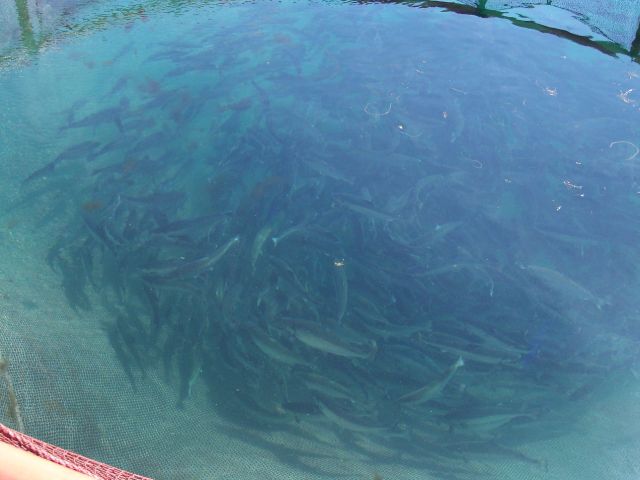
With hidden cameras they have discovered farms similar to those for meat, millions of fish locked up in cages, manipulated and transported as if they were objects. They are not even allowed to stun before death: they are left agonized for long minutes. That of fish is a silent suffering on which it is urgent to intervene.

Fische-mit-Schnur-aneinander-gebunden-tierquaelerei-fischquaelerei

In order to meet the enormous demand for fish, Germany and Europe depend on the import of fish products. But fish is also produced in Europe under brutal conditions. Already today almost every second fish comes from a breeding. Ascending trend.

Essere Animali is an animal welfare organization in Italy. For the first time, they have been able to capture shots of underwater factory farming in Europe. These are brutal practices in an industry that has been largely unregulated so far.

Claudio Pomo, a co-founder of Essere Animali, who shot the film, said, “Fish farms are simply underwater farms, but with more serious animal welfare issues. No law or EU regulation protects fish, and after spending their lives in a crowded cage, millions of them suffocate slowly and painfully every year. ”

Garnelen-1

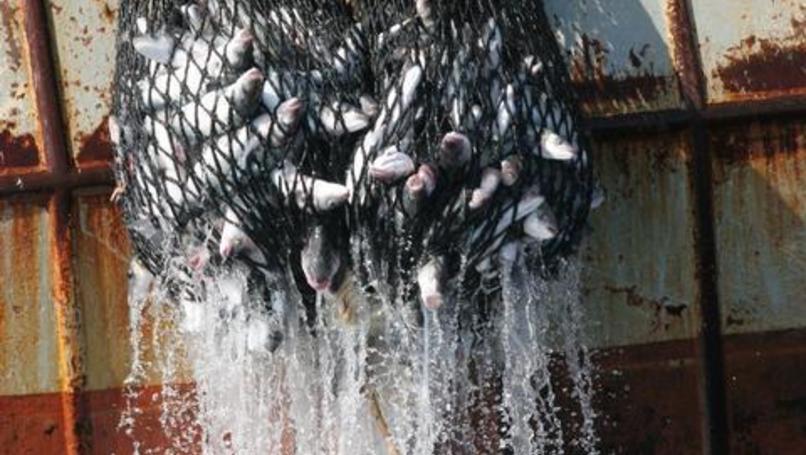
The video shows separate “schools” of sea bream, sea bass and trout being pulled out of tight nets before being thrown into plastic containers and slowly suffocated. Many spend their last moments helpless on the floor.

fischquaelerei-Fische-auf-Eis

Some of the surviving fish are stifling very slowly because it takes them up to an hour to end up in an ice-filled container at the slaughterhouse until they are finally slaughtered.

The images show that fish are beastly tormented: slow suffocation, bruising, tormenting and brutal killing are commonplace. Fish cruelty is also the reproductive methods and transportation of live animals through pipes and trucks. Also, fish roe are squeezed out of some fish.
Roe is the whole of the mature eggs of female fish.

fischeier pressur

In 2009, EU Health Commissioner Androulla Vassiliou said there was “enough scientific evidence to suggest that fish are sentient beings and that they are experiencing pain and suffering.”

The EU Commission in a report in March 2018 stated that there are serious abuses in the factory farming of fish (aquaculture).

But EU sees no further need to protect fish.

The Commission justifies this by saying that the welfare of fish could also be achieved through ‘voluntary measures, as demonstrated by the industry’s improvements in recent years’!!

Please sign the petition: https://www.change.org/p/no-agonia-dei-pesci-i-supermercati-intervengano

https://netzfrauen.org/2019/02/15/fish


My comment: The fish are also animals, they feel pain, fear and they also have emotions. Although fish do not scream, when they are in pain and fear, their behavior should be proof enough of their suffering if they are skewered or caught in the net. They fight to escape, showing that they have a will to survive.

That fish are capable of emotions is certain from our present state of knowledge, and the following video makes it more than clear.

My best regards, Venus


Animals Asia: Rescued sun bear steps on grass for first time after 15 years of cruel captivity.

England


From Mark in England:

My dad died in November last year (2018). Instead of flowers at the funeral; we asked people to give a donation to Animals Asia https://www.animalsasia.org/ or to London based Environmental Investigation Agency (EIA) – https://eia-international.org/ who do so much work relating to environmental issues.

I made contact with both organisations; and they kindly sent us leaflets on their work. Leaflets were put into each and every copy of the funeral service at the crematorium, so that everyone who came was able to see, and take away with them, information of these excellent organisations.

As an animal campaigner himself; I know that dad would much have preferred donations going to help animals and the environment rather than on flowers which would have ended up in the waste within a few days or weeks.

Despite losing dad, it gives us heart to know that we have helped in several ways towards making a better life for little Aurora. We know that he would not have had any problems with this in the least – it would have been something he would have been very happy with.

dad golda.JPG


So here is the latest in Aurora’s new life at the sanctuary:

We have followed and shown you the rescue of Aurora on this site from the very start.

You can read about this and see a lot of other issues relating to global farm issues by visiting the farm animals section of our WAV site: https://worldanimalsvoice.com/category/farm-animals/


Rescued sun bear steps on grass for first time after 15 years of cruel captivity

14 February 2019

Sun bear Aurora worked up the courage to explore the unknown – finding cool grass beneath her paws, coconuts and even potential new friends.

Having been poached from the wild as a tiny cub, sun bear Aurora hadn’t felt grass under her paws for 15 years. Little wonder then that when the door to her new sanctuary home first opened onto an outdoor enclosure, Aurora wasn’t quite sure what to do.

As with so many rescued bears, Aurora’s first instinct was to be wary of the unknown. She timidly poked her head out of the den and let her eyes adjust to the sunlight. Then, taking small, slow steps, she stepped out onto the concrete patio and sniffed the strange new environment.

In front of her lay a grassy playground full of trees and climbing structures. Scattered throughout the enormous enclosure were irresistible treats including coconuts, jam smears and tropical fruits.

Soon enough temptation overcame trepidation and Aurora courageously stepped onto the grass and followed her nose around her new home.

Animals Asia Bear Manager Sarah van Herpt said:

“Aurora is the smallest bear in the whole sanctuary, but she has a big heart. She quickly overcame her fears and bravely explored her new home, searching out treats.

“Most encouragingly of all, while given free-reign outside, Aurora encountered other sun bears in their dens and played with them through the bars. Some of the bears were interacting very positively which gives us hope they could go on to become firm friends in the future.”

While bears are believed to be mostly solitary in the wild, Animals Asia has found the companionship of other bears to be an important factor in improved welfare for bears living in rescue centres and sanctuaries.

Sarah said:

“The entire sanctuary works tirelessly to give the bears new experiences every day and opportunities to live as naturally as possible, but nothing is as stimulating as playing with other bears. They can wrestle, learn from each other’s example, cuddle up on cold days and generally enrich each other’s lives.”

In the near future, attempts will be made to integrate Aurora with some of the other 11 sun bears currently at Animals Asia’s sanctuary.

Aurora spent 15 years in a tiny cage having been poached from the wild and sold as an exotic pet. She was rescued by Animals Asia in December 2018 and travelled 1,500 kilometres by road to the charity’s sanctuary in the north of Vietnam.

Since her rescue, Aurora has also received a thorough examination by vets who believe she has a small gallstone and suffers from arthritis. Thankfully, neither condition requires surgery or medication currently and will be monitored closely as future treatment will likely be required.

Animals Asia is a pioneer in combating the bear bile farming industry. In 1998, it was the first to expose the harsh realities of this once-hidden trade and has since rescued more than 600 bears from the industry in both Vietnam and China.

The organization’s Founder and CEO, Jill Robinson, is considered the world’s leading authority on bear bile farming, having dedicated her life to exposing and eradicating this brutal industry for more than 20 years. Today, nearly 200 bears live in peace and tranquility at Animals Asia’s Vietnam Bear Rescue Centre, while 190 more are looked after by the organization in China.

In 2017, the Vietnamese government signed a landmark partnership agreement with Animals Asia to shut down every bear bile farm and send all captive bears to sanctuaries by 2022.

AA logo 1

EU: As With ALL EU So Called ‘Animal Welfare Legislation’, the EU’s legislation on broiler welfare is currently NO guarantee for the welfare of broiler chickens.

EUUN0001

Photo – L214


A new report of AgriBusiness Consulting makes a compelling case for a complete rethinking of the industrial intensive chicken production model that predominates in the EU and that threatens public health, pollutes the environment, and does little to respect animal welfare.

The report, published less than a week after the European Parliament urged the European Commission to address the major societal challenges caused by intensive broiler farming, focuses on the main issues arising from EU poultry production practices. After describing these practices and gathering evidence on their impact, the report concludes intensive broiler farming contributes to the current increase in antimicrobial resistance and causes environmental degradation, while also being  intrinsically linked to poor animal welfare.

According to this new report, intensive broiler rearing practices are contributing to the increase in  antimicrobial resistance (AMR) in bacteria of zoonotic importance, such as Campylobacter spp., Salmonella spp., and E.coli (EFSA/ECDC, 2016). Fighting against AMR remains a key priority for the EU, but no actions have been set so far by the Commission to concretely support the uptake of higher animal welfare standards in broiler farming as an important means to reduce the sector’s still high dependency on antimicrobial treatments. Zoonotic bacteria that are typically found in intensive poultry production are developing resistance to multiple antibiotic substances that are important for human health, and Commission action is therefore urgently needed across the industry.

Antimicrobials used in intensive broiler systems are also polluting the environment, through water and soil contamination. Indeed, recent scientific studies show that up to 90% of antimicrobial agents used for livestock, including intensively reared broilers, may be excreted into the environment, causing changes in the physiology of water life and constituting another potential route for AMR.

Additionally, intensive broiler farming is responsible for high ammonia emissions, with negative effects on animals and humans, as ammonia is absorbed by land, water, and vegetation. As highlighted in the report, soil and water acidification, eutrophication and subsequent loss in biodiversity and greenhouse (GHG) emissions are major problems associated with ammonia deposition.

Clearly poor animal welfare – primarily due to selection for extremely fast growth –  goes hand in hand with harmful consequences for public and environmental health. Factors such as high stocking densities, the deprivation of any possibility to express natural behaviours, and high concentrations of noxious gases, contribute to making intensively reared broiler chickens extremely vulnerable to disease. Consequently these animals still require a significant amount of antimicrobials just to stay alive.

“Despite available evidence on the detrimental effects of such farming practices, intensive broiler systems account for over 90% of the whole production in the EU, and the sector is in constant expansion” says Reineke Hameleers, Director at Eurogroup for Animals. “Given the animal welfare, environmental and public health implications highlighted by this report, the EU institutions have a duty to discourage intensive rearing. Raising the bar for animal welfare and supporting the shift to alternative systems are pivotal to tackle the problems at their roots.

The EU’s legislation on broiler welfare is currently no guarantee for the welfare of broiler chickens, a fact that clearly emerges from the European Commission’s own implementation report. In an attempt to overturn this situation and urgently address the legislation’s shortcomings, the European Parliament will vote on a Motion for Resolution on this matter next week.

We hope this text will send a strong message to the Commission, urging it to support alternative, and less harmful, broiler farming systems. To keep animals healthier, Eurogroup for Animals is advocating for a shift towards rearing systems that offer animals more space, enrichment materials and clean air. Higher welfare breeds should be favoured, in order to have more robust flocks that are less susceptible to disease  and consequently require fewer antimicrobials.