
Rampaging animals ? – dick head ‘thrill seekers’ yes; if it was not for the dickheads then there would be no need for ‘rampaging animals’ – not there by choice !!

Red and white ‘tradition’ ! – helps identify the idiots I guess.
Rampaging animals ? – dick head ‘thrill seekers’ yes; if it was not for the dickheads then there would be no need for ‘rampaging animals’ – not there by choice !!
Red and white ‘tradition’ ! – helps identify the idiots I guess.

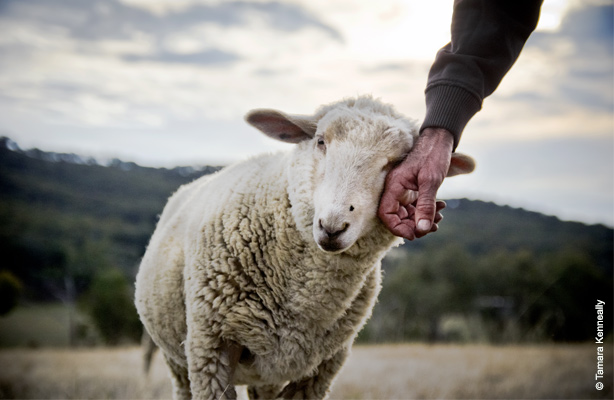
| I feel such emotion as I write the following words, ‘we did it’. Legislation to bring the live sheep export industry to an end has just been passed in the Senate. This is the moment we have been hoping for – that we have worked so hard for. This is a moment for us to savour. As you know so well, this historic outcome for animals has taken many years, in fact decades, of our lives to achieve. In the face of great challenges, our resilience was tested time and time again, but we ‘stayed the course’, because our hearts would not let us do otherwise. It was long ago that our ancestors named the four legged woolly creatures who grazed peacefully together, ‘sheep’. Back then, no-one could have foreseen that these gentle animals would be subjected to an industry that would unite people across a vast continent to plead, on their behalf, for mercy. Nor could we have known the number of years it would take for governments to heed our calls for compassion. But that momentous day has finally come. |
| WATCH: In this brief video Shatha and I reflect on this momentous day. |
| On this historic day, it is so very important for me to acknowledge those who have helped achieve the passage of this legislation. To Dr Jed Goodfellow and Dr Bidda Jones from the Australian Alliance for Animals and Dr Suzie Fowler and Joanne Webb from RSPCA Australia – thank you so very much. Your public advocacy and political lobbying over the past year has been exceptional. The voices of Dr Lynn Simpson, and Dr Sue Foster and her team at Vets Against Live Export have been critical in providing scientific evidence and expertise to the calls to end live sheep export. So too my heartfelt gratitude goes to Stop Live Exports for their decades-long superb frontline work protesting and representing the sheep in WA – with a special ‘shout out’ to Katrina Love. To my own team at Animals Australia who have led the campaign to end live sheep export over the past two decades – shining light on the suffering of exported sheep year after year – you have been magnificent. Over so very many years, it was politicians such as Andrew Wilkie, Melissa Parke, Lee Rhiannon, Mehreen Faruqi, Josh Wilson and Sussan Ley who spearheaded debate on behalf of live exported sheep in parliament, ensuring they were not forgotten. To each and every MP and Senator who gave these animals their voice, we will be forever grateful. And to the Albanese government – and crossbench MPs – the first government in Australia’s history to recognise our societal responsibility to animals, we applaud you and we thank you. |
| So very many learnings have flowed from this journey together. First and foremost is the extraordinary power of compassion to bring like-hearted people from all walks of life together. It was compassion that led my life path to intersect with Fazal Ullah’s. Without Fazal’s extraordinary courage, Australians would not have witnessed the unimaginable suffering that had been occurring on sheep ships over many decades. I would not have met Shatha Hamade had our hearts not united in service to exported sheep. There were so many moments, when faced with great suffering in animal markets and slaughterhouses half a world away, that we made silent commitments to our sheep that we would be their voice. I am so very glad that those promises have been fulfilled today. And the truth is, I would not have ‘met’ you, and had the privilege of witnessing your amazing strength of heart, had it not been for our shared compassion for these animals. I know I have been changed forever through this journey together, and I suspect you have been too. It has challenged us to become more, to do more, to care more. And you magnificently accepted that challenge. Words could never adequately express my gratitude to you – for every email and letter you wrote, for every protest you attended, for every investigation you funded. From my heart to yours… thank you. This day would not have come, had it not been for you. Today, with the passage of this unprecedented legislation, history has been made. And we are one step closer to that kinder world that awaits us all. For the sheep, |
  Lyn White AM Director of Strategy Lyn White AM Director of Strategy |
Fantastic News – I personally know how long and hard anti live export work is.
Mega congrats to all those who reached this triumphant day !
And also especially to our own Patron Phil who has personally made this a major issue.
Regards Mark

All photos – WAV Archives.

1 July 2024
Animal Equality

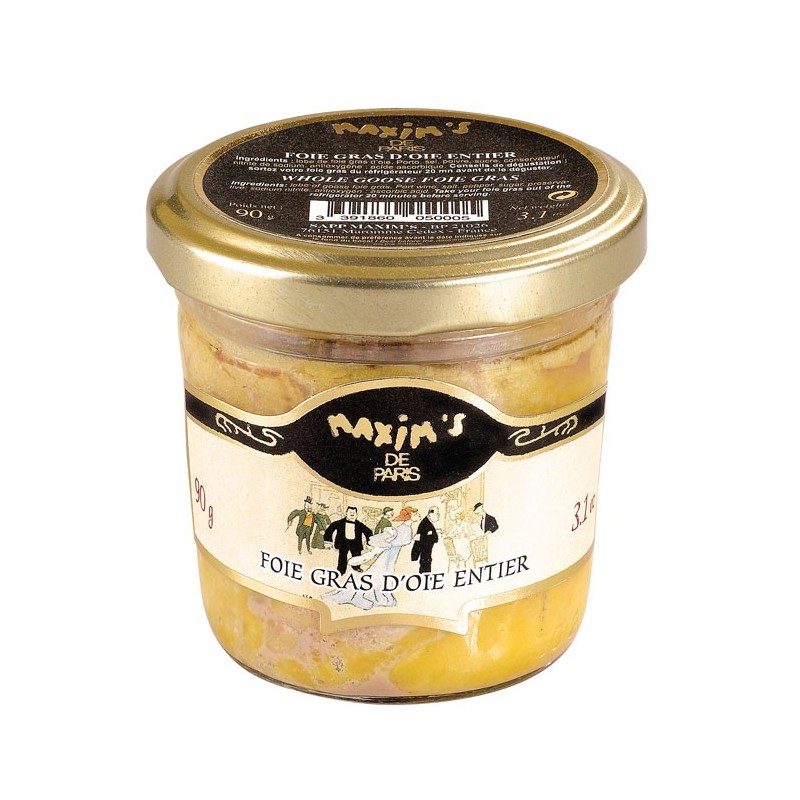
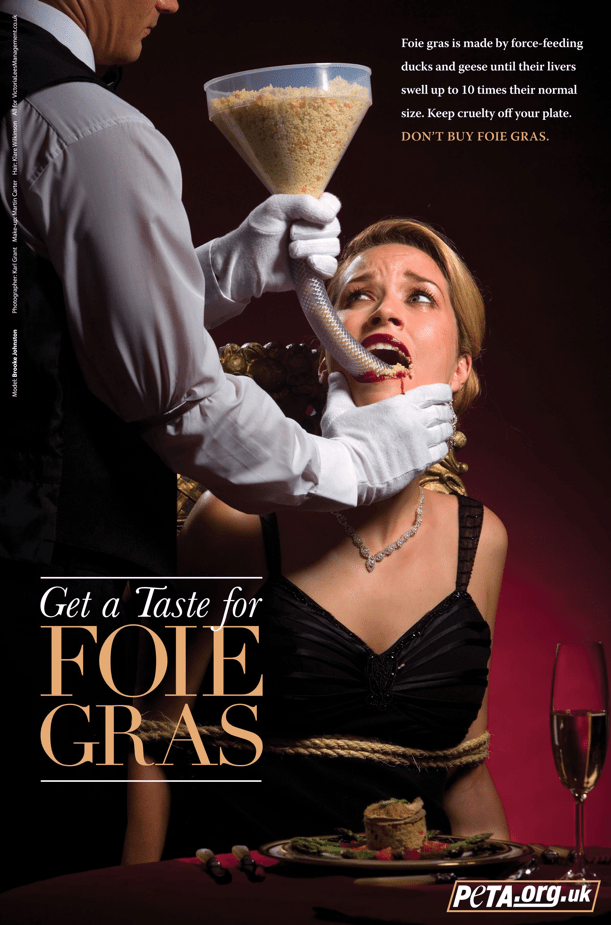
Foie gras is set to be provided at this year’s Olympic games: a product connected to the intense suffering of countless ducks and geese in Europe. Animal Equality has launched a petition calling on the committee to rethink this decision, while the issue itself serves as a strong reminder for why an EU-level ban on force-feeding for foie gras production is still needed.
13 million meals will be dished up at this year’s Olympic games, which will take place in Paris between July 26 and August 11. Of these, 60% will be plant-based, according to the International Olympic Committee.
While this shows a positive commitment to more sustainable and healthy diets, it is a stark contradiction that a cruel and controversial product is also on offer to the games’ VIP guests: foie gras.
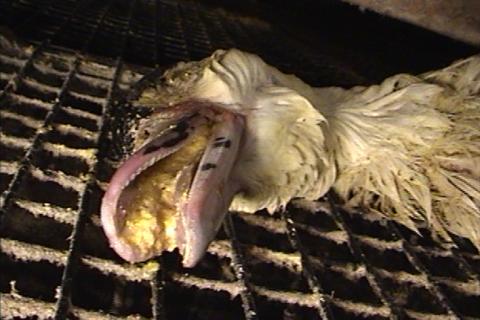
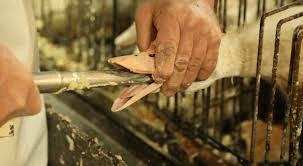
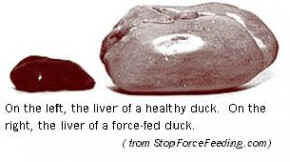
The production of foie gras is brutal. Geese and ducks are force-fed large quantities of food through a funnel up to three times a day for 12 to 16 days, after which they are then slaughtered. In most cases, these birds are made to live in horrible conditions during this process: in small cages fitted with a moving grid, within which they are squeezed at the time of force-feeding, to make their necks easier to grasp.
22 Member States have already recognised the barbarism of this practice and have outlawed the production of foie gras, with the exception of some countries including France, Hungary and Spain. In the countries that still allow it, the savage treatment of geese and ducks in the sector has been well-documented, including by the French NGO L214 and our Belgian member GAIA, which launched a legal action at the end of 2023 against the Walloon Region for continuing to turn a blind eye to this practice.
It is critical the European Commission steps in to align all 27 of its Member States on this issue, and bans force-feeding for foie gras in legislation, so this cruel process cannot be conducted anywhere within the EU. Indeed, this is a step the European Parliament already called for in 2021. It’s vital we see this change enacted as soon as possible.
The message needs to be clear: foie gras must not be offered to guests at this year’s Olympic games. Having claimed it would like to “[showcase] French food that is sourced, produced and consumed in a responsible way”, it would be a hypocritical move by the International Olympic Committee to then include a product that is so closely linked to needless cruelty and suffering.
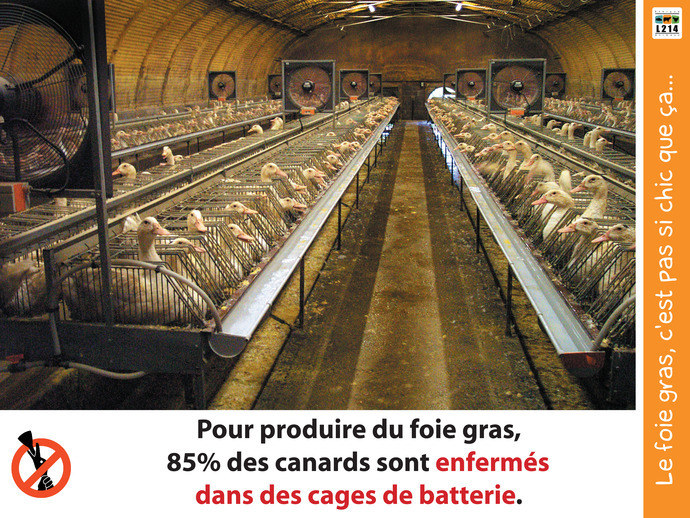
Our member, Animal Equality, has launched a petition asking the International Olympic Committee to revoke its decision to serve foie gras:

Alternatively, try this link https://animalequality.org.uk/campaign/ban-force-feeding/olympics/
With the world watching, the Olympic games is a powerful moment to take a stand for animal welfare, and show that foie gras has no place on the menu.
A disgusting show of what the movement thinks – disgusting; I will keep my thoughts and words to myself – but please sign the petition; this is gonna be a big issue at the games; so lets make it one !
Regards Mark
28 June 2024
The European Food Safety Authority (EFSA) has released a scientific opinion addressing the hazards and welfare consequences associated with the on-farm killing of sheep and goats. Eurogroup for Animals calls on the European Commission to take this assessment into account when it revises the Regulation 1099/2009.
EFSA’s new assessment covers situations where sheep and goats need to be killed for purposes other than slaughter for human consumption, such as for disease control, environmental contamination, or the individual euthanasia of unproductive, injured or terminally ill animals.
The assessment divides the on-farm killing process into two main phases:
For each phase, the EFSA opinion identifies potential welfare consequences that sheep and goats may experience, such as:
Additionally, the opinion identifies possible welfare hazards for each process, along with their origins and related preventive and corrective measures. Comprehensive outcome tables linking hazards, welfare consequences, animal-based measures, origins, and mitigation strategies are included.
The EFSA assessment provides a thorough evaluation of the animal welfare implications of the on-farm killing of these sentient beings. This information is expected to inform regulatory efforts, such as the upcoming revision of the EU’s Regulation 1099/2009 on the protection of animals at the time of killing. It’s critical that this happens and that this scientific opinion, along with other recent evidence and research in this field, is factored into policy-making: ensuring EU-level legislation reflects the latest knowledge on animal welfare, and minimises their suffering during this vulnerable period to the greatest extent possible.
Eurogroup for Animals calls for an urgent update to the Slaughter Regulation to ensure humane treatment of animals. Our key proposals include:
Regards Mark


All of our WAV past posts, Regan Russel : https://worldanimalsvoice.com/?s=regan+russel
At the time of her death, Russell was protesting Bill 156, the Security from Trespass and Protecting Food Safety Act, which came into force just one day before she died.
The bill created “animal protection zones” that prohibit animal rights activists from interfering or interacting with the farm animals in a motor vehicle.
The province enacted the legislation in response to demands from the agricultural industry and about 120 municipal resolutions calling on the government to do more to control trespassing.
Ontario argued the legislation was aimed at “protecting animal safety, biosecurity, and the safety of farmers as well as preventing economic harm that can arise from threats to animal safety and biosecurity.”
Read it all via this link:https://www.cbc.ca/news/canada/hamilton/regan-russell-death-fourth-anniversary-1.7244114

Like Jill Phipps here in England; Regan will always be remember for fighting the fight for sentients;
Regards Mark

Above, Jill

Recent WAV initial past post on this:
EU: End the Cage Age: Case To Be Heard In Court, Ombudsman Complaint Closed. – World Animals Voice
27 June 2024
Press Release
Eurogroup for Animals, alongside other major EU NGOs, is asking the European Court of Justice to join the court case holding the European Commission (EC) to account for failing to deliver on its promise to end cage farming in Europe, as millions of animals continue to spend their lives confined in cages.
The court case, brought forward by the Citizens Committee of the End the Cage Age ECI, spearheaded by Compassion in World Farming, is holding the EC accountable for failing to bring forward the legislative proposals it promised in response to the ECI, in which 1.4 million EU citizens demanded an end to cage farming.
The EC had pledged to present proposals by the end of 2023, but it backtracked on its commitment, disregarding the comprehensive reports, consultations, and preparations that had been completed. This betrayal of trust undermines the legitimate expectations of citizens who demanded better protection of farm animals.
For the past years, Eurogroup for Animals has continuously supported the End the Cage ECI, and if accepted by the Court, it will have the opportunity to present its arguments, alongside the ECI Campaign and Animal Equality Italy, as an official intervener.
Across the EU, around 300 million pigs, hens, rabbits, ducks, quail and geese spend most of their lives in cages every year. Laying hens and rabbits are confined to barren cages about the size of an A4 sheet of paper. Sows are forced to nurse their piglets in crates so small they can’t even turn around. Ducks and geese are caged for force feeding to produce foie gras.


While the court case might take up to 18 months to complete, animal protection and democracy NGOs encourage the EC to quickly come forward with a proposed timeline, and to make the file a priority in the next legislature. This will allow concerned stakeholders to start to invest in future-proof solutions.
EU citizens have made use of the democratic tool at their disposal – they want these millions of animals out of cages. There is no argument against ending animal suffering.
Yet with the Commission’s silence on the issue, we do question the very democratic purpose of the ECI, which was specifically introduced to allow EU citizens to shape EU decision making.
Reineke Hameleers, CEO, Eurogroup for Animals.
The European Commission must deliver on its legally binding commitment to ban caged animal farming. Its failure to do so not only impacts around 300 million farmed animals suffering every year in cages, it damages our environment and makes a mockery of the ECI as a democratic tool for EU citizens, especially for the 1.4 million who signed it. We will not rest until the Commission delivers on its promise and every cage is an empty cage.
Annamaria Pisapia, Head of Compassion in World Farming Italy and spokesperson for the Citizens’ Committee of the EtCA ECI.
Regards Mark


24 June 2024
Press Release
As accession negotiations between the EU and Ukraine start this week, Eurogroup for Animals highlights the need to prioritise animal welfare in the discussions, to ensure that through the right support, Ukraine elevates its standards to match those envisioned in the Union.
The accession of Ukraine to the EU is an opportunity to improve the lives of millions of animals, given Ukraine’s substantial livestock agriculture. At present, Ukraine represents the second largest egg producer after France, and has the fourth largest poultry sector. Agricultural products account for 41% of Ukraine’s exports, with animal products estimated to make up almost a third of this, most of which are poultry and eggs. In 2023 alone, millions of animals were farmed and slaughtered in the country, of which 712 million poultry. Yet, current animal welfare standards in Ukraine fall below current EU standards.
While it is welcome that Ukraine is already taking steps to match EU standards through the adoption of rules on keeping farm animals, it is crucial that negotiations reflect upcoming EU standards, like cage free-farming. This will allow producers to make future-proof investments, avoiding additional changes and costs in the coming years, and ensuring that Ukraine is already aligned with standards in other Member States when accession is complete. The EU should support this transition by providing details on the upcoming animal welfare legislation and through adequate support to joining countries.
This should also apply to the implementation of other animal-related EU laws, such as protection of wildlife and biodiversity, which have been significantly threatened by Russia’s war in Ukraine, as well as animals used in science and companion animals.
These negotiations also offer a chance for the EU to rethink its farm policies, particularly in ensuring that funds are not supporting unsustainable farming practices.
Considering the scale of agriculture in the country, Ukraine would be eligible for a quarter of the CAP budget, sparking discussions on the current payment model based on hectares. These policies should include stronger conditionality to the improvement of animal welfare and supporting transitions from intensive farming to a resilient, sustainable one.
The accession negotiations coincide with the next legislative term, a crucial one for animal welfare: the European Commission must come forward with revised animal welfare legislation that provides adequate protection for all farm animals, from farm to slaughter, while a concrete timeline and action plan for ending cage farming should be a priority.
We welcome the start of negotiations with Ukraine to join the EU, and hope that the chance is used to elevate the lives of millions of animals in the country. Failing to support Ukraine to transition to anticipated EU animal welfare standards would lead to a two-speed Europe, which would not only be bad news for the animals but also for EU consumers and producers. It is therefore vital that the EU comes forward with revised legislation and an action plan to end cage farming across the continent, including in Ukraine, as soon as possible.
Reineke Hameleers, CEO, Eurogroup for Animals
Regards Mark

14 June 2024
CIWF

Citizens and activists are making a stand for animals, calling for a ban on live animal exports across the globe.
Ban Live Exports International Awareness Day, on 14th of June, marks the same day in 2015 when 13,000 sheep tragically lost their lives during a long sea journey from Romania to Somalia. Since then, campaigners have continued to call for an end to this practice, in which animals endure horrific conditions such as overcrowding and extreme temperatures causing enormous pain and distress. Millions of live animals are transported each year by road, rail, sea and air across continents on journeys lasting up to three weeks.
Great Britain introduced a ban on live exports for fattening and slaughter just weeks ago, while Australia announced that live sheep exports by sea would be banned from 2028. New Zealand introduced a ban on live animal exports in 2023, but the legislation is currently in jeopardy as a new coalition government has vowed to repeal the law. In Brazil, the federal court also ruled last year that no live animals should be exported from the country’s ports.
The EU’s promised comprehensive review of animal welfare legislation offered hope for a ban on live exports, yet last year the Commission missed the opportunity to switch to a carcass-only trade, announcing weak amendments to transport regulations.
Across the world, the tide is turning. Governments are waking up to the unnecessary cruelty this barbaric industry inflicts on millions of sentient animals transported across the world each year like cargo.Our message is clear – we call on the European Commission to end this unnecessary trade and switch to carcass-only exports.
Susanna Blattner, Farmed Animals Programme Officer, Eurogroup for Animals
This is the ninth consecutive annual awareness day, organised by Compassion in World Farming.
A video shared for this day captures some of the suffering these animals endure, including stress, dehydration, exhaustion, overheating and injuries.
This Ban Live Exports International Awareness Day, people are being urged to stand up for animals by sharing the video on social media, using the hashtag #BanLiveExports.
Regards Mark


Three recent investigations put Lidl’s treatment of animals under fire
10 June 2024
Animal Welfare Observatory’s investigations reveal significant animal welfare abuses across several farms in Spain and Germany connected to Lidl.
The seriousness of the breaches uncovered emphasises once more the urgent need for EU policy-makers to revise the Kept Animals Regulation, as countless sentient beings are shown to be suffering in the most egregious conditions.
[VIEWER DISCRETION ADVISED]
Three investigations from the Animal Welfare Observatory, published between 2023 and 2024, shows both broiler chickens and pigs (including sows, piglets and fattening pigs) enduring illnesses and malformations while living in disgusting conditions across farms in Spain and Germany, connected to the supermarket chain Lidl. Workers are displayed showing very little care for these sentient beings, and in places, even revelling in the discontent of the animals.
Fast-growing broiler chickens cannot cope with their growth rate
The first of the three investigations consists of footage recorded between September 2022 and 2023, taken at large-scale farms in northwest Germany.
The footage shows fast-growing broiler chickens experiencing physical and mental distress due to their unnatural growth rate which, as we have explored in a recent article and report, makes it impossible for them to live comfortable or satisfying lives.
As the recordings reveal, these fast-growing birds are barely able to move. Elsewhere in the video, day-old chicks are shown being roughly thrown to the ground and mishandled, while deformed chickens struggle to walk, and display twisted necks and other malformations. Coexisting with dozens of corpses, several birds show signs of “botulism”, a debilitating condition that can be passed on through contact with dead birds.
Diseased pigs are living in squalor and agony
Subsequent investigations published in November 2023 and May 2024 show pigs living in gruesome conditions on various farms in Burgos, Spain.
In the first of these investigations, the Animal Welfare Observatory recorded the living conditions of 5,000 pigs spread across five sheds. Extreme physical ailments make life for these pigs very difficult:
The horrors captured on this farm were mirrored by one further investigation published by the NGO in May 2024, showing pigs living in similarly filthy confines – the footage captures feeders full of insects, worms, rats and spider webs. Here, several pigs are also shown to be suffering from hernias, deformities and infections, and are suffering from severe abuse: in one capture, a worker delivers blows with a spiked hammer to mark the pigs that are to be taken to the slaughterhouse.
Animal welfare policies must be enforced to stop this kind of suffering
These kinds of animal rights abuses should not be slipping through the cracks in the EU’s farming industry. Not only do we need better laws to protect all kept animals, but standards must be put in place to ensure these laws are enforced, to truly safeguard the welfare of these sentient beings.
Regards Mark

Pig producers across the EU should deliver higher welfare standards than the EU Pig Directive currently requires, say activists who are now calling for better practices and additional measures to ensure pig welfare.
“The legislation that exists right now, the EU Pig Directive, is seriously out of date, and it really needs to be brought up to date with current understandings of animal welfare science,” says Jo Swabe Senior Director of Public Affairs at Humane Society International Europe (HSI/Europe).
As the ‘End the Cage Age’ row rages, removing cages within pig husbandry is a significant part of the issue. “Pigs can still be isolated in an individual crate for up to 28 days of the gestation period,” said Swabe, adding that preventing the mutilation of piglets, through castration, tail docking and earmarking is also a top priority.
Continue reading at
Mark
 World Animals Voice