Category: Farm Animals

EU: 2040 climate target – EU Commission half-heartedly recognises the role of shifting diets. So, What’s New With EU ?

2040 climate target – EU Commission half-heartedly recognises the role of shifting diets

6 February 2024

Press Release

Today, the European Commission published its communication starting the process for establishing a 2040 intermediary climate target on the EU’s road towards climate neutrality by 2050, yet it fails to recognise the full potential of shifting diets to fully achieve these goals.

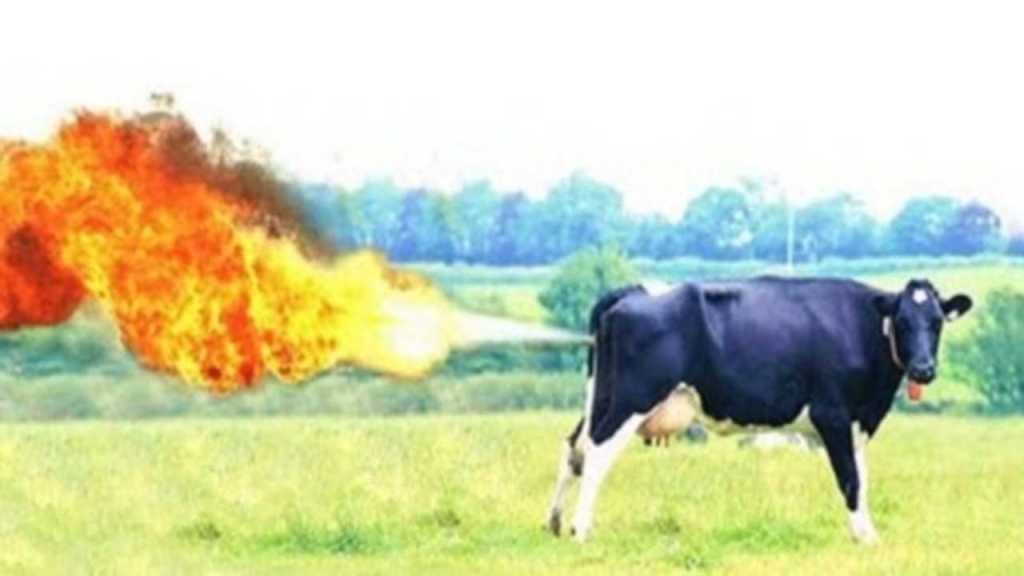
The final text no longer includes a reference to a 30% cut in non-CO2 emissions from agriculture, such as CH4 emissions from livestock and N2O emissions from soils. Similarly, parts of the communication recognising the role of lifestyle changes, including dietary shifts, in bringing greenhouse gas emissions down have also been dropped. On a more positive note, the communication stresses the role of the food industry in contributing to food environments making healthy diets an easy and affordable choice for consumers.

The last-minute watering down follows the farmers’ protests which have unfolded across Europe. Policymakers are responding to farmers’ discontent by settling on short-sighted compromises and rolling back climate policies, rather than adopting necessary long-term measures. Yet, the agriculture and food sectors have great potential to enable dietary shifts, reduce climate-harming emissions and improve human and animal health.

The link between dietary patterns and greenhouse gas emissions is now beyond question. It is beyond understanding that the Commission has deliberately ignored it. If we want to be serious on the climate crises, EU policymakers must regulate food environments, and make our food choices healthy and sustainable by default. They must use the One Health approach – in all policies – as a reflex, not a slogan.

Dr. Milka Sokolovic, Director General, European Public Health Alliance (EPHA)

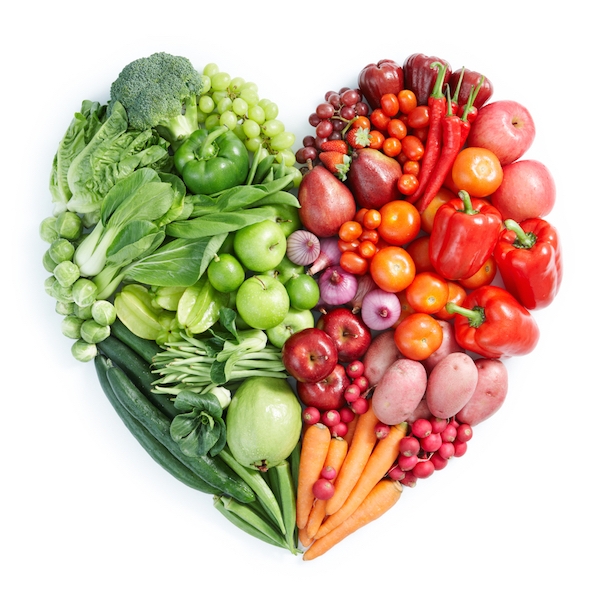
Today the Commission failed to recognise the need for shifting to healthy, plant-rich diets and raising fewer animals under much higher conditions to achieve the EU’s climate objectives. Without such a transition the EU falls short on  its ambitions on animal welfare whilst jeopardising its climate, environmental and health objectives.

Reineke Hameleers, CEO, Eurogroup for Animals

However hard the Commission tries to handle farmers with kid gloves, facts are stubborn things: our food and agriculture systems contribute a big chunk of the EU’s climate impact. Consumers are willing to change the way they eat and play their part in the fight against climate change, provided sustainable, healthy food becomes more available and affordable. Now the ball is in the court of the next European Commission, who will have to urgently dust off the overdue Sustainable Food Systems law and put it on the table. Such law must incentivise industry and retailers to better support consumers in the transition.

Monique Goyens, Director General, European Consumer Organisation (BEUC)

This short briefing outlines why shifting diets has a positive impact on health and climate. 

Put Change on the Menu is a collaborative project between BEUCEurogroup for Animals, and the European Public Health Alliance.

Regards Mark

Shift Funding From Animal Agriculture, Says EU Science Board.

Europe should move towards a plant-based food system, the report states

Funding should be moved away from animal agriculture towards “lower-emitting products and activities,” according to Europe’s top scientific advisors.

The European Scientific Advisory Board on Climate Change made the comment in a new report titled “Towards EU climate neutrality.”

Specifically, the board recommends “better aligning the EU’s common agricultural policy with the EU climate ambitions.”

The common agricultural policy (CAP) has been a key part of the European Union (EU) since 1962. The CAP currently takes up about a third of the EU’s budget. The majority goes to subsidies for animal farmers.

Lucia Hortelano, EU Senior Policy Manager, ProVeg International told Plant Based News (PBN): “We agree with this report that subsidies for intensive animal agriculture should be shifted towards the production of more climate-friendly, plant-based foods. This proactive shift will pave the way for a legacy that future generations will deeply appreciate.”

Animal agriculture holds back EU progress

The report from the European Scientific Advisory Board does not introduce any new targets. Instead, it fills in some gaps from previous documents.

One major gap is meat and dairy. Animal agriculture is responsible for around 16.5 percent of global greenhouse gas (GHG) emissions. Despite this, policymakers have ignored food system change as a solution for years. At COP28, the UN Food and Agriculture Organization (FAO) mentioned “benefits” of cutting meat consumption in rich countries but fell short of calling for a transition towards a plant-based food system.

Calls for a plant-based food system have been getting louder. In a recent letter, 250 scientists and experts urged the US Secretary of Agriculture to “address both production and consumption of animal-based foods.” A growing number of councils and governments around the world have endorsed the Plant-Based Treaty.

Now, the EU’s leading climate scientists have acknowledged that animal agriculture is holding back progress on climate change.

Hortelano added: “By prioritizing funding for a climate-friendly initiative, we can contribute to a healthier planet, cleaner waterways, and improved well-being for countless animals. The EU is in a position to set a powerful example to the rest of the world by channelling its finances into research and development, production and export of plant-based foods.”

Subsidies for plant-based transition needed

The report mentions the lack of financial incentives for farmers to transition towards plant-based food as a key issue to address.

The authors note a need to “strengthen measures to encourage healthier, more plant-based diets,” as well as “develop a strategy for a just transition to a food system consistent with climate neutrality.”

This means updating the CAP to support farmers away from emission-intensive animal agricultural. Elsewhere in the report, the scientists are more blunt. The EU needs “concrete policies for delivering a sustainable food system, reducing food waste and encouraging healthy, plant-based diets,” they write.

Despite the report’s strong conclusions, some campaigners and politicians remain unconvinced that it will lead to anything in practice. Anna Spurek, COO of Green REV Institute, told PBN that the European Commission is “spending public money on meat and dairy advertising campaigns, and shelving the draft regulation on a sustainable food system.”

Spurek added: “Work has now started on the Common Agricultural Policy after 2027. But we are under no illusion. Unfortunately, the climate crisis and the planet will not wait – it is time to veganize the CAP.”

Regards Mark

EU: The time is right to finally drop the EU-Mercosur Free Trade Agreement.

2 February 2024

Press Release

Thousands of farmers have been protesting across Europe in recent days, and many gather today in Brussels to denounce the unfair competition brought about by the implementation of Free Trade Agreements (FTA) like the EU-Mercosur, and the resulting poor working conditions and low income.

Friends of the Earth Europe, Eurogroup for Animals and the European Trade Justice Coalition (ETJC) share European farmers’ frustration over having to compete with imported products exempt from the EU environmental, labour and animal welfare standards. As President Macron, who reportedly asked the European Commission to stop the EU-Mercosur negotiations, meets Ursula Von der Leyen today at a summit of European Union leaders, groups reinforce the call to end the EU-Mercosur deal and stop other FTAs in progress. 

The crises of climate, workers rights and inequality we face cant be solved by more outdated and unjust trade agreements, negotiated behind closed doors. We need a u-turn on trade policy and to put the planet, and people at the centre. The only reasonable call is for more countries to join France in their demand to put a full stop to this disastrous deal.

Leah Sullivan, Coordinator, ETJC

Environmental, animal welfare, and trade justice NGOs also denounce current populist discourses seeking to blame green and progressive legislations for farmers’ unease. Farmers need fair and stable prices for more environmentally and animal welfare friendly produced food. In order to successfully transition to sustainable food systems and achieve food sovereignty, the EU must uphold the European Green Deal’s farming objectives and reform its Common Agricultural Policy. 

When thousands of farmers protest in Europe against unjust free trade agreements, a fight supported by environmentalists and a large part of civil society, how can the Commission still put corporate giants’ economic interests above our common well-being? The negotiations of the EU-Mercosur deal, a toxic and outdated deal, must stop now and for good”.  

Julie Zalcman, trade campaigner, Friends of the Earth Europe

If implemented, the EU-Mercosur deal will create further unfair competition between European and South American farmers, reinforce the intensification of monocultures, intensive animal farming and extractive models in South America, and fuel deforestation, pesticide use and human rights violations. Those issues are inherent to the deal and cannot be fixed with a non-enforceable joint instrument, as proposed by the EU Commission.  

Even with the proposed joint instrument, the agreement would still increase the risks of animal cruelty, deforestation and human rights abuse due to the EU’s demand for commodities such as soya, beef, and poultry.” 

Stephanie Ghislain, Political Affairs Manager, Eurogroup for Animals

Regards Mark

Australia: Federal Department of Agriculture Rejects Application To Re Export Thousands of Cattle and Sheep – The Reason; Failure To Meet Animal Welfare Requirements In Importing Country.

We’ve just been informed that Australia’s live export regulator has rejected the application to re-export thousands of sheep and cattle trapped on the MV Bahijah after a month at sea.

As you know, 16,000 cattle and sheep have been languishing inside the live export ship after it was forced to turn back to Western Australia due to increasing conflict in the Red Sea.

The live export industry expressed its intention to re-export the animals, forcing them to endure an even longer and more gruelling route around Africa.

Tonight, the Federal Department of Agriculture has announced that it will not approve the application, citing the failure to meet animal welfare and importing country requirements.

Our immediate feeling is one of immense relief. The complexity of the work we’ve done behind the scenes Mark may not have made headlines, but it gave the regulator reason to reject the export permit application. 

I am also so very grateful to our legal team who worked day and night to find avenues to prevent these animals from facing 60-plus days at sea. And our thanks also to our colleague groups, both here and abroad, who have so exceptionally represented these animals. 

It is important to note though that we do not see this as a ‘win’ but instead, a reprieve.

It’s unclear what will happen to the animals now, as this situation is unprecedented. One possibility is that the exporter will unload the animals, rest them and in weeks to come, re-apply for another export permit, meaning these animals may still face further export.

I know you’ll agree that the thousands of surviving sheep and cattle who remain inside the MV Bahijah have endured enough — they should never have to set foot on a ship again.

For now, we take a breath — and we work on next steps. Stay tuned, and as always, thank you for making our work on behalf of animals possible.

For the animals, 

Lyn White AM Director of Strategy (AA)

and Diana and Mark (WAV)

Italy: Animal Rights Activists Interrupt Papal Service In Rome.

ROME (Reuters) – Two women from an animal rights group interrupted a vespers service presided over by Pope Francis at a Rome basilica on Thursday, shouting and holding up banners against bullfighting before being taken away by guards.

An activist from the animal rights group PETA (People for the Ethical Treatment of Animals) protests against bullfighting, as Pope Francis attends the Vespers prayer service to celebrate the conversion of Saint Paul, at St Paul’s Basilica in Rome, Italy, January 25, 2024. REUTERS/Guglielmo Mangiapane© Thomson Reuters

Photos below – WAV Archives.

Video and pictures showed the two women at the back of the centre aisle of the Basilica of St. Paul Outside the Walls, where the pope and other Christian leaders were taking part in a traditional annual service for Christian unity.

One of the women held up a banner reading “Stop Blessing Corridas” and wore a T-shirt with the same slogan in Italian. Corrida is the Spanish word for a bullfight.

It was not clear if the pope heard the women, who were at the back of the church, which is in Rome’s outskirts.

The ceremony, which was attended by Archbishop of Canterbury Justin Welby, spiritual leader of the world’s Anglicans, went ahead without interruption before about 1,500 people. Both the pope and Welby went on to deliver their homilies.

The women were from the Italian branch of the organisation People for the Ethical Treatment (PETA), witnesses said.

Members of the same group gathered near the Vatican last July in red capes and fake horns to urge the pope to denounce what they see as the barbaric practice of bullfighting. The practice does not exist in Italy.

Animal rights activists interrupt papal service in Rome (msn.com)

Justin Welby usually has such a lot to say – but remains quiet on this issue !

Regards Mark

Vote for Animals: placing animal welfare at the heart of the EU Elections.

1 February 2024

Press Release

The Vote for Animals campaign, launched by Eurogroup for Animals, aims to place animal welfare at the core of the upcoming EU Elections. The campaign encourages candidate MEPs to take a pledge for the animals, while informing citizens about the importance of these elections for progress on animal welfare in the EU, helping them to choose candidates that share their values and encouraging them to vote.

Candidate MEPs are being encouraged to sign a pledge stating a clear commitment to work to improve animal welfare if they are elected to the European Parliament (EP). The pledge, composed of ten asks, addresses live animal transport, imports of animal-based products, welfare of aquatic species, non-animal science and the conservation of wild animals, among others.

By taking the pledge, candidates commit to represent EU citizens’ demands for better animal welfare legislation. European citizens have been very vocal in demanding the EU to do better for animals. Six of ten successful European Citizens Initiatives are related to animal welfare, of which 1.5 million citizens have asked for a Fur Free Europe, and 1.4 million asked for a transition to cage-free systems. The last Eurobarometer, showed that over nine in ten Europeans believe that it is important to protect the welfare of farmed animals, while an overwhelming majority expressed the importance of better protection of kept animals during their entire lifetime.

Elected MEPs have the competence to drive animal welfare issues forward, by working to ensure it remains a priority on the EU agenda, being vocal on issues that need addressing, and voting in the interest of animals. During the current term, a significant number of MEPs have brought to light critical issues including the delay in the publication of the animal welfare legislation, the horrific nature of live animal transport and fur farming.

Elected representatives also have the opportunity to join the Intergroup on the Welfare and Conservation of Animals, which provides a cross-party platform for MEPs to discuss and exchange views on animal welfare issues and to initiate and promote related  initiatives  in the EP. 

The Vote for Animals campaign page is translated in all official EU languages, and citizens are encouraged to send a message to their representatives, asking them to sign the pledge. 

MEPs can serve as catalysts to push for better animal welfare legislation. The Vote for Animals pledge is our commitment to do our utmost to make sure the European Commission comes forward with ambitious legislation on critical issues that need much attention. If I am given the trust by the public, I promise to continue to place these issues at the core of my work, representing the demands of citizens to do more in this aspect. I encourage other candidate MEPs to take the pledge.

Niels Fuglsang, MEP (S&D, DK)

With so many EU citizens asking for more action on animal welfare, the European Parliament must be representative of these interests, to drive forward much-needed progress. This campaign provides both citizens and MEPs the opportunity to shape an institution that keeps animals at the core of their work.

  • Reineke Hameleers, CEO, Eurogroup for Animals

Elections

EU / Morocco: Nearly three weeks of suffering for bulls trapped on trucks at the Moroccan border.

31 January 2024

Two live animal transport vessels containing bulls from Portugal were detained for 19 days in the Moroccan port of Tangier-Med.

The bulls were confined in extremely unhygienic conditions, which only worsened over time. Forced to stand ankle-deep in their own excrement, many of them developed respiratory problems and inflamed eyes. It was reported that one bull died onboard, his corpse left to decompose inside the vessel where it was trampled on by the other animals. 

The root of this suffering was bureaucratic, with the bulls apparently having been detained due to current import duties and high customs tariffs. Their clearance was said to be contingent on the adoption of new customs regulations. In the meantime, no thought was given to their welfare, with the Moroccan authorities appearing unconcerned with their rapidly-degrading state, and unmotivated to act in the best interest of these sentient beings (for instance, by unloading and quarantining them at their destination or in another stable).

Trade routes should not be entertained with third countries, as it is extremely difficult to influence how transported animals are treated once they leave the EU’s borders.

This incident further highlights the need for a robust revision to the Transport Regulation, as it is a reminder that transported animals are very vulnerable. Measures must be taken swiftly to ensure they experience the least amount of stress possible directly before, during, and after their journeys.

With a recent data leak showing the scale of suffering in the live animal transport industry is much vaster than is recognised by official records, the European Commission must not delay on making these critical sector changes happen.

This week, Eurogroup for Animals, together with four other animal protection organisations, sent a joint letter to the veterinary organisations highlighting the poor welfare experienced by animals during these long journeys, as well as the risk of inhumane slaughter on arrival. 

Veterinary officials are tasked with inspecting the health of animals for export, but are often put in a difficult position as they have a contractual obligation to their employer, which might conflict with their ethical one to safeguard the wellbeing of animals. 

The letter calls on the veterinary community to use their influence to ban the export of live animals to non-EU countries.

Regards Mark

Mexico: Animal rights activists in Mexico protest return of bullfighting.

In Mexico City, animal rights activists are protesting against the return of bullfighting, years after it was outlawed.

The Mexican Supreme Court repealed its decision last month, citing a lack of sufficient reasoning to ban the events.

Read and listen to full article at:

Animal rights activists in Mexico protest return of bullfighting | RNZ

Read our WAV recent on this:

Regards Mark

EU: EFSA stakeholder meeting on fur farming: first step towards ban?

23 January 2024

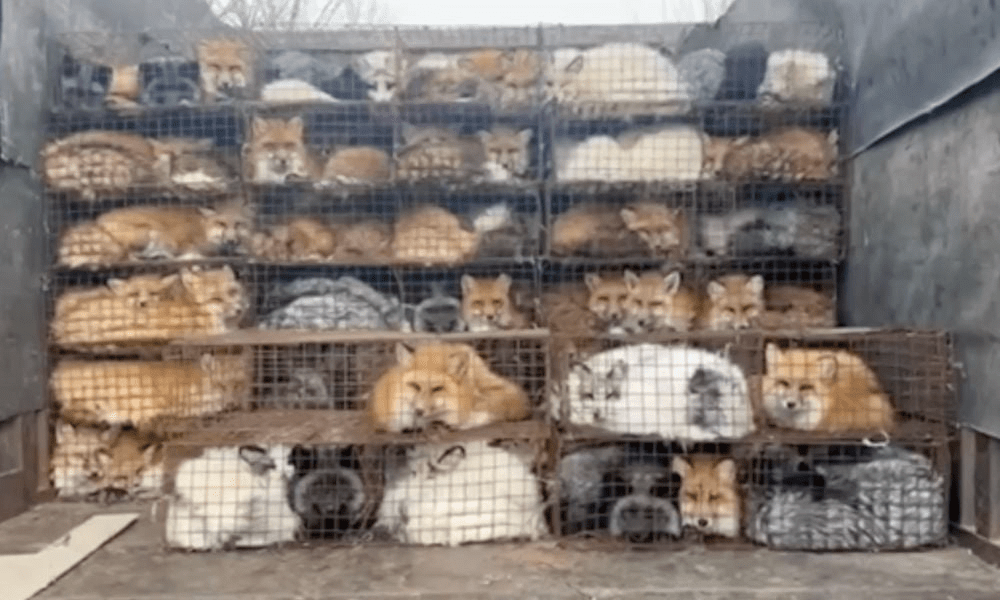
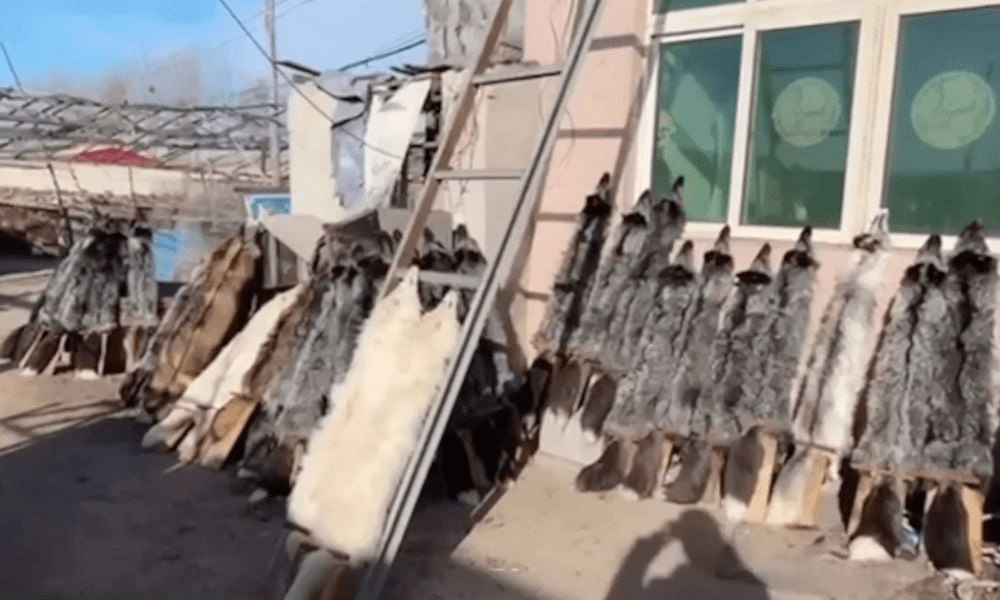
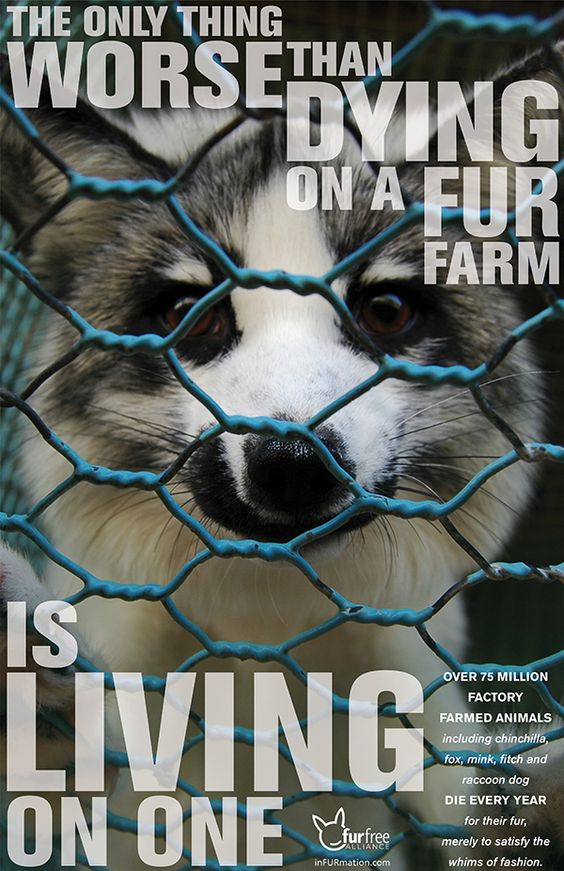
Under no circumstances can the welfare of animals in fur farms be protected, and a full ban is the only way forward, Eurogroup for Animals argued in the first stakeholder meeting of the European Food and Safety Authority (EFSA) to evaluate current practices on fur farms.

EFSA hosted the first stakeholder meeting to evaluate the current practices on fur farms, after it was asked by the European Commission (EC) to put forward a scientific opinion in reply to the Fur Free Europe European Citizens Initiative (ECI), in which 1.5 million citizens asked for a ban on fur farms and placement of fur products in Europe. 

In its official reply to the ECI in December, the EC mentioned a possible prohibition of fur farming and placement of farmed fur products on the European market, following EFSA’s opinion, which is to be put forward by March 2025. The technical meeting involved participation of representatives of animal protection NGOs, academics and the fur industry.

Scientists representing the fur industry openly admitted that the ‘Welfur’ certification system has evident shortcomings and questioned the fact that it has failed to identify inadequate conditions on fur farms in Europe. 

While the EC asked EFSA to “assess whether these welfare consequences can be prevented or substantially mitigated under current farming conditions”, animal protection NGOs stressed, once again, that EFSA’s opinion should start from the animals’ specific needs, as opposed to the infrastructure of the system, as scientific studies have consistently concluded that no level of cage enrichment can maintain animal welfare.  

It is difficult to assess positive welfare in a system which removes the agency of animals to act on their natural behavioural urges, such as foraging, seeking shelter or other natural motivations.

If we genuinely intend to discuss animal welfare, the species-specific needs of animals should be the only starting point to determine if and how we should continue keeping and killing sentient beings for commercial purposes.

Nicholas Clark, Wildlife Programme Leader, Eurogroup for Animals

There are inherent problems in fur farming that simply cannot be resolved. The fur industry’s so called ‘certification schemes’ mislead consumers, and are designed to reward the status quo. There are no changes that can be made – the welfare of wild animals on fur farms is severely compromised across all five domains, resulting in a life not worth living.

Mark Glover, Director, Respect for Animals

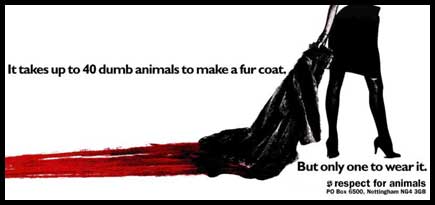
Around 7.7 million animals are currently kept and killed for fur production in the European Union. 20 Member States have already totally or partially banned fur farming, or implemented stricter measures on grounds of animal welfare, environment and public health.

While the fur industry has made an open invite to the European Commission to visit fur farms, Eurogroup for Animals stresses that any visits must be unannounced and randomly selected.

Regards Mark

Keep Fur Where It Belongs !!

USA: Iditarod Is Due To Start Very Soon – 39 Days To Be Exact – Take Action For Dogs NOW. – World Animals Voice

USA: Breaking News – County Officials Announce Intent To Shut Down Hellish Miami Seaquarium. – World Animals Voice

India: Rooster Sacrifice Leads To Formal Complaint Being Lodged.

Ritualistic sacrifice of roosters prevented in Kerala following animal rights organisation complaint People for the Ethical Treatment of Animals (PETA) India had lodged a complaint with Kozhikode Rural police and the Revenue Divisional Office, Vadaka…

Read more at: https://www.deccanherald.com/india/kerala/ritualistic-sacrifice-of-roosters-prevented-in-kerala-following-animal-rights-organisation-complaint-2858146

Regards Mark