At least 17 people were injured at a religious procession in Kotte, Sri Lanka when two elephants ran amok, according to local reports.
Footage captured by a local news outlet showed one of the elephants running down a street. More than a dozen festival-goers were injured after an elephant taking part in a Buddhist pageant in Sri Lanka went on a rampage.
The procession in Kotte, near the country’s capital, began with a government minister placing a sacred relic on a decorated casket atop an elephant adorned with shiny red clothing. But it quickly turned disastrous when the elephant surged forward, sending some of the terrified worshipers straight into another one which then ran amok.
Shocking footage showed a man riding on the elephant’s back narrowly avoid being trampled after he was shaken off as the huge animal heads straight into a crowd.
Officials from two hospitals said 18 injured people were brought in following the stampede, including women and at least two children, and 16 have been discharged.
It remains unknown what actually triggered the elephant (!!!)
It is another elephant-related controversy for Sri Lanka after photos emerged last month showing a starving 70-year-old female forced to don a colourful costume hiding her emaciated body. According to the Save Elephant Foundation, Tikiri was one of 60 elephants forced to work for 10 nights in a row at the Esala Perahera Buddhist festival in Kandy.
The organisation’s founder, Lek Chailert, said in a heartfelt post on World Elephant Day: ‘No one sees her bony body or her weakened condition, because of her costume. ‘No one sees the tears in her eyes, injured by the bright lights that decorate her mask, no one sees her difficulty to step as her legs are short shackled while she walks.’
WAV Comment – we have argued for years that a complete lack of decent biosecurity controls are one of the main reasons behind Bovine TB rather than the government / farmer attitude of simply blaming the Badgers..
What is biosecurity?
Biosecurity is the measures taken to protect against or prevent the transmission of infectious disease, defined by Defra as “designed to reduce the risk of transmission of infectious disease” in its Guidance to Natural England4. Biosecurity can include measures that prevent infected cattle from entering a herd; measures that protect against the risk from neighbouring herds by the use of double-fencing, cleaning and disinfecting shared equipment or vehicles, wearing protective clothing, using disinfectant foot dips and taking precautions when spreading slurry and manure; and measures that minimise the risk of infection between cattle and wildlife (badgers, deer, wild boar, etc), such as preventing badger access to feed stores, fencing off setts and latrines, using mains water for cattle, and raising troughs and regularly cleaning and disinfecting them.
Cattle are bought and sold to new farms all over the country. As a result, they have to be transported to new ‘homes’. If they are carrying BTB, is it then not possible that these cattle can take the disease to their new location; and infect herds which up until this time, may be BTB free ?
We know from all or work with live animals transport over the years, that transporters are not always cleaned out and disinfected to the standards expected of them. If you don’t clean and disinfect trucks fully, is there not a chance that disease which may be in waste from the animals and lying in the transporter; may not remain, and the disease be passed on to new animals carried in the same transporter ?
Up to 9,000 of badgers are likely to have suffered “immense pain” in culls to control cattle TB, according to a former government adviser.
Prof Ranald Munro is the ex-Chair of an independent expert group appointed by the government to assess its trials.
He has written to Natural England to say that the policy is causing “huge suffering”.
He adds that the culls are not reducing TB in cattle and in one area the incidence of the disease has gone up.
The culls began in 2012 following appeals from cattle farmers whose livelihoods are continuing to be damaged by the spread of TB.
Prof Munro’s independent expert group found that up 23% of badgers took more than five minutes to die after they were shot. These figures prompted the group to conclude that the culls were inhumane in its assessment report to government. This document’s publication was delayed but its contents were revealed by BBC News in 2014.
The expert group was disbanded by the Department for Food and Rural Affairs (Defra) ministers, who said that its work had been completed – though this was against the wishes of many of the experts involved, with one claiming that ministers were “wilfully” ignoring scientific advice.
Speaking ahead of the expected announcement of new culling areas for 2019 later this week, Prof Munro estimates that 40,000 badgers have been culled so far which according to the expert group’s figures equates to thousands of them dying slowly.
“The numbers are huge, they really are. If you look at the likelihood of not dying within five minutes of being shot, you are looking at 3,000 badgers having suffered immense pain at a minimum. It could be as high as 9,000. There is a huge issue of suffering in these badgers.”
Prof Munro’s remarks come as he and 19 other vets, scientists and animal welfare campaigners wrote to Natural England, the body that oversees the culls.
A freedom of information request by the group has shown that as the number of cull areas has increased over the years, the environment watchdog’s monitoring staff have been spread ever thinner.
In 2014, 20% of culls were supervised by Natural England staff. In 2018, it was able to monitor only 0.4%.
“The terms of the roll-out of the culling have not been adhered to,” Prof Munro said.
“They are saying ‘oh yes, we are observing’; but they are observing at a level which is of no value whatsoever in determining the humanness of culling and whether badgers are being injured or how long they are taking to die.”
Weight of science
The FOI request also revealed that in the very first cull area, in Gloucestershire, which could be among the first to see benefits if there are any from the policy, the number of new herds confirmed to have TB increased from 10 in 2017 to 23 in 2018.
This single increase in one year in one area is not sufficient to show that the culls are not working. More data and expert analysis will be needed to determine their effectiveness one way or another.
But the experts and campaigners write in their letter: “We are unconvinced that the culling of large numbers continues to be justified in the view of recent data showing zero disease control benefits after six years of culling of badgers in Gloucestershire.”
A Natural England spokesperson said: “We help to implement the badger culling policy under the direction of Defra and in line with decisions taken by ministers. We are in the process of reviewing the badger cull applications for 2019 made under that policy and will communicate decisions in due course.
“One of our roles is to independently consider licence applications to cull or vaccinate badgers, and we take policy advice from Defra when deciding if the activity will deliver effective disease control. Licensing is not done lightly and those involved in the cull – farmers, contractors and Natural England staff – take the welfare of badgers very seriously.”
Debate Guide: Guide to Justifications for Harming and Exploiting Animals
65 ridiculous justifications people use to harm and exploit animals followed by responses.
1 It doesn’t harm animals to kill them
2 It doesn’t harm animals to take their eggs
3 It doesn’t harm animals to take their milk
4 But cows need to be milked right?
5 It doesn’t harm animals to take their wool
6 It doesn’t harm animals to take their silk
7 It doesn’t harm animals to take their honey
8 I just like the taste
9 It’s my personal choice
10 Morality is subjective, you can’t prove it’s wrong for me
11 It’s just a matter of opinion like religion
12 It’s just a matter of culture
13 Our ancestors did it
14 We’ve got canine teeth
15 Lions do it
16 Circle of life
16b It’s natural
17 God put animals here for us to kill, bible says so
18 It’s been happening for hundreds of years
19 We have to eat animal products to survive
20 They’re bred to be killed so it’s fine
21 They wouldn’t have been born without farmers, we did them a favour
22 What about tribes who have to hunt to survive
23 What if you were on a deserted island
24 If you get bitten by a snake you’d take antivenom
25 Animals aren’t as intelligent as us
26 You’re humanizing animals, they’re not the same as us
27 Some animals are to be killed some aren’t
28 Humane slaughter
29 Grass-fed, organic, free-range etc
30 Killing animals for no reason is wrong, but if you have a reason it’s fine
31 The whole world will never be 100% vegan
32 One person can’t make a difference
33 You can’t be 100% vegan in modern society so why bother
34 If everyone went vegan, livestock would overpopulate
35 If everyone went vegan, livestock would go extinct
36 Those animals would just be killed in the wild anyway
37 You’re putting people out of jobs because of the effect on the industry
38 Vegans have no effect on anything
39 It’s unsustainable
40 It’s unhealthy
41 Protein
42 Iron
43 Calcium
44 B12
45 It’s expensive
46 Vegan food is all disgusting
47 Animals are killed in crop harvesting so vegans kill more animals
48 In Australia, grass-fed beef is more ethical than eating wheat
49 Plants have feelings
50 Don’t force your opinions on others
51 Stop judging me
52 A vegan was rude to me once
53 Vegans are closed-minded
54 I read about this couple who were vegan and they killed their baby
55 Hitler was vegetarian
56 You get your companion animals euthanized, that’s the same
57 We have to test on animals to make sure cosmetics are safe
58 We have to test on animals to make medical advances
59 But would you use medicine to save your life?
60 I’m a nihilist. I don’t care about anything apart from myself
61 Yeah but what do you feed your pets? I win
62 There are wars going on / people starving in the world
63 Yeah but sweat shops and slave labour
64 Vegan Sidekick’s comics are inaccurate / offensive
65 Yeah but there are other ways to promote veganism, this is ineffective
RESPONSES
Click on the following link to see sensible and informational responses to all the ‘justifications’ above. Some, if not all of them, may help you as an activist with a response when you are questioned on something.
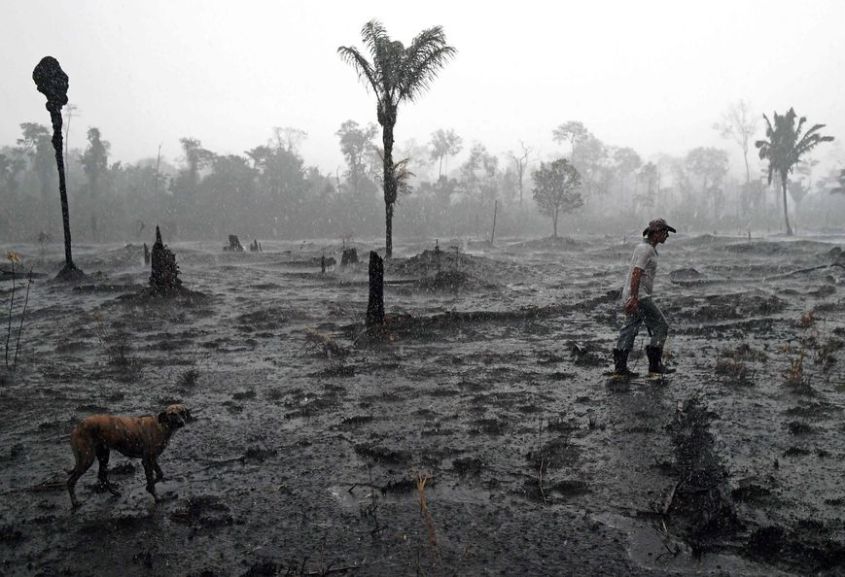
The treaty with Mercosur does not provide for sanctions when a country like Brazil illegally destroys forest. That’s what the European Commission acknowledged.
The EU Free Trade Agreement with Brazil and the other members of the Mercosur Groupdoes not provide for sanctions for breaches of environmental protection obligations.
The dispute settlement mechanism of the treaty “does not ultimately lead to economic sanctions,” said Sabine Weyand, Director – General for Trade Policy of the European Commission, in Berlin on Wednesday. Instead, after unsuccessful consultations, a panel of experts would be set up to investigate the allegations(!!!)
“And the reports from this panel are public,” said Weyand. However, according to the sustainability chapter of the agreement, the recommendations of these experts are non-binding (!!!)
Image: osgemeos
The agreement reached at the end of June with the Mercosur Group from Argentina, Brazil, Paraguay and Uruguay is intended to give the EU access to a hitherto highly isolated market with 260 million citizens.
Most tariffs on EU imports such as cars should be abolished, which would save the economy € 4 billion a year. In return, the EU wants to lower its import taxes on industrial products from the Mercosur states and further open its market for agricultural products.
In the agreement, both sides also undertake to implement the Paris Agreement on Climate Change, to fight illegal clearing and to protect workers’ rights.
In view of the current illegal forest fires in Brazil, there are increasing calls to ratify the Mercosur Treaty. President Jair Bolsonaro even advocates grubbing up, critics say. Because of the agreement, more meat from Brazil will come to the EU, so that more forests in the South American country would be cleared for agriculture.
However, the German government does not want to stop the treaty because it has “an ambitious sustainability chapter with binding regulations on climate protection” (!!!).
On Wednesday, government spokesman Steffen Seibert formulated that not so clear, but also did not announce that the agreement to burst. Obviously, Germany and the EU now want to use “pinpricks” to get Bolsonaro to tackle the current forest fires more rigorously.
In the text are only nice appeals, the contract has already given the “tropical Trump”Bolsonaro, who designates climate change as an invention, a great reputation gain.
The free trade agreement is a driver of the fires in the South American country. Brazil creates space for grazing land and soy plantations – because Europe is to be supplied with the meat of 600,000 cattle and countless chickens. In addition, there are 300,000 tonnes of agrofuels, which should flow into the EU and are harmful to the climate. The agreement stipulates that the Mercosur states in the future to pay 99,000 tonnes of beef per year only 7.5 percent duty instead of the previous 40-45 percent. 180,000 tonnes of poultry meat can be imported duty-free.
The EU Commission’s admission that the sustainability chapter does not provide for sanctions will strengthen the opponents of the Mercosur Treaty. In the end, however, the European Parliament as well as the parliaments and governments of the member states will decide.
My comment: Clearing, burning, fattening, growing! this is the business model of the meat mafia.
Usually it runs in the Amazon, but not only there, from time to time following the same pattern: First, valuable tree trunks are taken from the natural forests, then the rest burned down.
This is followed by pastures for the cattle and after a few years the pastures are broken, mostly to grow soybeans. The rainforest ecosystem regenerates itself, but the pastures are no more productive.
After deforestation, a stable balance is destroyed. The soils do not produce more – neither for grasses nor for crops. The proportion of beef imported from Brazil into the EU is growing steadily – by nine percent in last year alone.
In addition, genocide happens simultaneously!
Not “only” animals and plants, but also a whole range of human peoples lose their habitat through the illegal fires in Amazon.
These are mass murderers who commit their crimes to everything that is alive and useful to this planet, and for these criminals, the Inter-American Court of Human Rights in the Kostarican San José is responsible.
So we should ask ourselves: what do we import with our meat consumption? First, this biblical destruction of the rainforest, the destruction of thousand animal species; At the same time, we are importing a gross violation of human rights because the indigenous peoples are brutally expelled, removed from their habitat by force and murder.
We feed the cattle barons of Brazil, and Amazon is also burning because of us.
Hunt for woman who stubbed cigarette out in puppy’s eye
This bitch needs to be identified and reported to the authorities. Can you help ?
Sickening footage shows a woman stubbing out a cigarette in the eye of a defenceless puppy.
The dog’s mouth appears to be taped shut, stiffing its yelps as the culprit repeatedly burns the dog’s face. She calmly smokes with one hand while holding the puppy by the neck and snaps its paws after she is finished.
The Society for the Prevention of Cruelty to Animals in Singapore was alerted last month to the sadistic video. The animal welfare group is now appealing for help to identify the woman after initial claims she was filmed in Singapore or another country in the region.
Members believe the video was made by ‘syndicates that profit from animal torture films, including some that are produced for sexual fetish.’
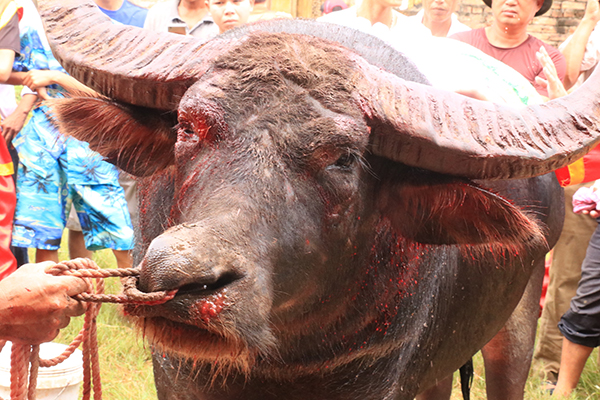
Do Son Buffalo Fighting Festival set to take place today
07 September 2019
The “traditional” festival is a horribly violent and cruel spectacle of animal suffering.
The annual Do Son Buffalo Fighting Festival will take place today, Sept 7. The event occurs annually in Vietnam’s Hai Phong province.
Prior to the contests, owners do everything possible to agitate their buffalo into an aggressive state, banging gongs close to their heads, causing disorientation and profound stress which they then unleash on their equally distressed opponent.
After the fight, no animals ever survive. The buffaloes are taken out of the area, maimed and bleeding, and are violently killed and butchered so their meat can be sold for exorbitant sums.
Despite Animals Asia’s annual protests of the festival and attempts to have it cancelled, this year the only change will be that organizers have requested the number of buffaloes used in the festival events (the Do Son and Hai Luu) to be reduced by half. While that is an improvement, the suffering of even one buffalo is one too many.
Animals Asia Animal Welfare Officer, Nguyen Tam Thanh said:
“As a spectacle of violence and animal cruelty, the Do Son buffalo fights stand alone in Vietnamese culture. As Vietnam enters a new era of evolution and modernity, we call upon officials to end this cruel event. We should be setting an example for future generations with our benevolence toward animals. We should be teaching the children of Vietnam to respect animals, not abuse them.”
The event was almost shut down in 2017 after a trainer was gored to death by his own buffalo. That tragedy, along with a demand by the Ministry of Culture, Sport and Tourism that all “uncivilised” festivals be abolished, should have seen Vietnam move away from this 30-year-old “tradition”. But instead it has been permitted to not only continue, last year the event was allowed to return to national television airwaves in the country. Viewers could see trainers deliberately sharpening the horns of their buffaloes to raise the level of violence further.
Animals Asia Animal Welfare Director Dave Neale said:
“Despite demands by officials, sadly Vietnam still does not have a specific law to stop people from deliberately harming animals for entertainment. As long as these bloody fighting contests featuring animals such as dogs, cocks, goats and buffaloes continue, they will continue to be a stain on Vietnam’s image.
“The government and the vast majority of people want nothing to do with animal cruelty, but nobody has stepped up to stop it.”
Vietnam passed its first animal welfare legislation in 2016 in the form of the Animal Health law, but there is presently no provision to punish those who carry out cruelty to animals.
While amending a law is a long legal process which can take years, Animals Asia is petitioning the government to introduce and implement a Circular that would change the existing Animal Health law – a move which can happen far more quickly to outlaw deliberate cruelty to animals such as the Do Son Buffalo Fighting festival.
This year, Animals Asia has invited representatives from the Ministry of Culture, Sport and Tourism to judge and witness the event firsthand in the hope of persuading them to end it once and for all. We have also asked children and young adults to submit drawings of buffalo suffering at the festival along with drawings of buffalo being treated well under the umbrella theme, “Respect the Lives of our Buffalo”. These drawings will be sent to the Ministry after the festival.
It’s time to end the Do Son Buffalo Fighting Festival — a cruel spectacle masquerading as entertainment. Please sign our petition calling for the establishment of proper animal welfare laws in Vietnam.
Nilgai buried alive. Forest department of Bihar ordered to kill 300 Nilgai as farmers complained that they are damaging crops. Hence the government ordered to shoot them & kill by recruiting hunters, one of the Nilgai didn't die after the gunshot…They decided to bury him alive pic.twitter.com/uFKdy3I2QS
Bihar: Nilgai buried alive during culling drive in Vaishali district, one person booked
In a video circulating locally since August 30, an earth mover is seen pushing the injured animal into a pit and burying it with mud.
The police in Bihar’s Vaishali district have filed a first information report against the driver of an earth mover used to bury an injured nilgai, The Indian Express reported. However, no arrests have been made yet.
The video has been circulating locally since August 30. It drew widespread outrage on Thursday. The earth mover is seen pushing the injured animal into a pit and burying it with mud.
The video was shot in a village under the jusrisdiction of the Bhagwanpur police station. The officer in charge of the station, Chandrabhushan Shukla, said: “We have booked a JCB driver on complaint of Lalganj ranger.”
The animal was shot by a Hyderabad-based shooter hired by the state environment, forests and climate change department, unidentified police officials told The Times of India.
“A drive was being carried out in the district to kill nilgais, but they were to be buried after proper culling,” Shukla told the newspaper. “This animal was, however, buried alive. The farmers were facing crop loss due to increasing population of nilgais in the district. Accordingly, a committee under the chairmanship of district magistrate had ordered culling of nilgais by hiring a shooter.”
Vaishali Divisional Forests Officer Bharat Bushan Pal told The Times of India that 495 nilgais were culled by the department between August 27 and August 31. “A forest guard has been suspended in the matter,” he added.
District Superintendent of Police Manavjit Dhillon ordered an inquiry on August 30. Several reports had suggested that Lalganj MLA Rajkumar Shah witnessed the incident. However, Shah told The Indian Express that it was a rumour. “I am not the Vaishali MLA,” he added. “I represent Lalganj and had no business to go there. Let the district police look into the matter.”
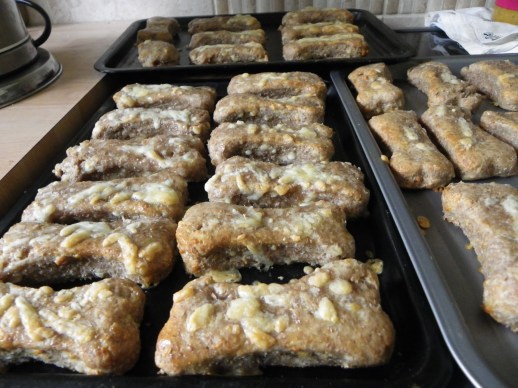
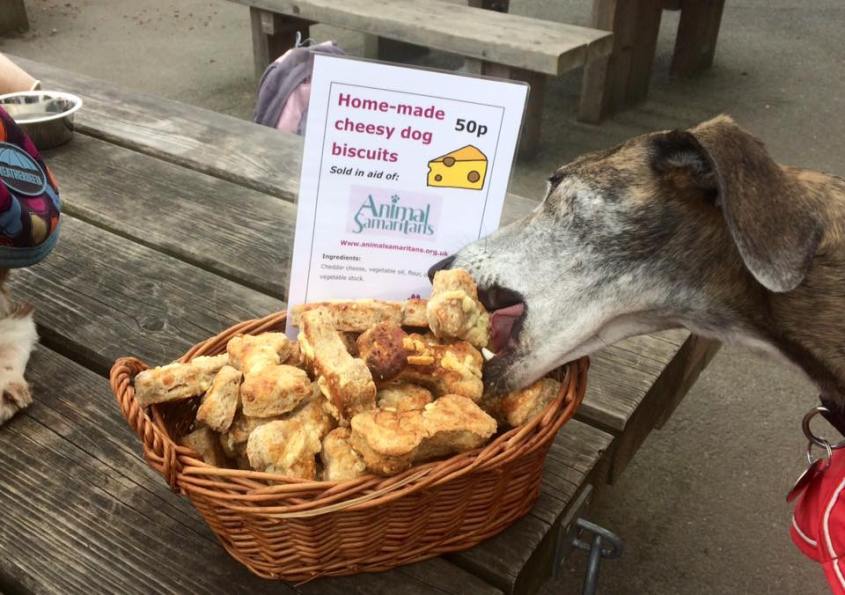
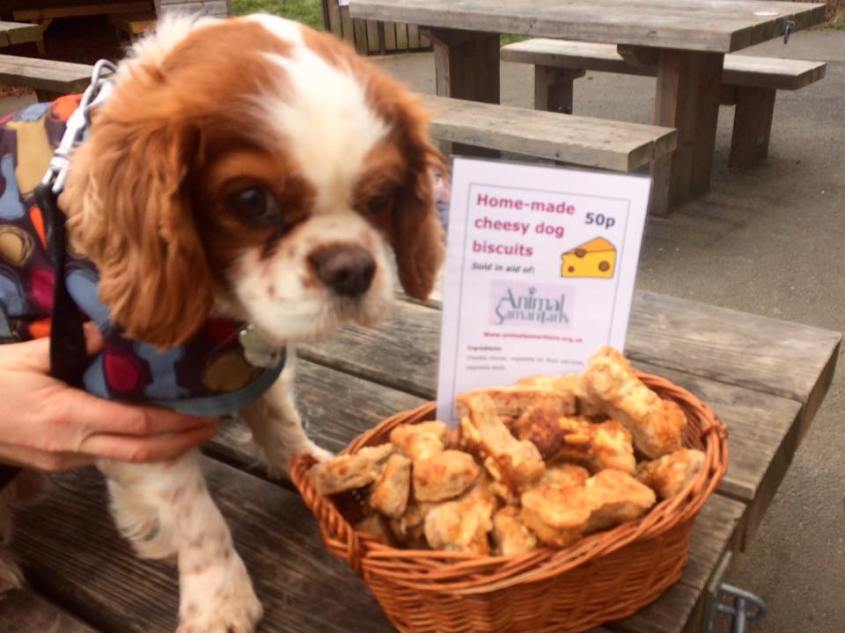
The ingredients are as follows (makes about 20 biscuits)
2 cups of strong grated Vegan cheese;
3 cups of whole-wheat flour
6 tablespoons of vegetable oil
Approximately 250ml of vegetable stock – or 1 stock cube dissolved in 250 – 260ml of boiling water. Make sure the cube fully dissolves in the water.
We use a bone shaped pastry cutter about 10-12 cm long.
Rolling pin.
How to make (about 20 biscuits):
Mix all the ingredients together very well (cheese, veg. stock, flour and vegetable oil) in a large bowl using enough of the vegetable stock to make a good but not over wet, pliable dough which binds everything together. Add a little more flour if ‘wet’ and sticky.
Roll out and cut into approx. 20 biscuits using the cutter.
Use a cutter if required for special shapes (ie we use a bones shaped one).
Place on an oiled / non stick baking tray.
The biscuit ‘egg wash’.
Once the biscuit mix has been cut into shape and placed on the oiled baking tray, use light/regular olive oil, vegan margarine, or light corn syrup thinned with a bit of water (to prevent over browning) as a type off egg wash. Use any left over cheese to put on top of the prepared biscuits. This can be put on top of the prepared biscuits before they are put into the oven as the cheese will melt to give even more crunch and appeal to the dogs who eat them.
Put the biscuit tray(s) into the oven set to 200°C for around 25 minutes – until crispy and crunchy.
– we do 25 minutes but watch them all the time !
Job done ! – lots of doggie biscuits. You will be an even bigger friend of your dog when it gets these !
Total time – approximately 1 hour to make and cook and do washing up !
SPANA are brilliant, and I am delighted to be a SPANA monthly financial contributor / supporter for many years; they do such great work for working animals.
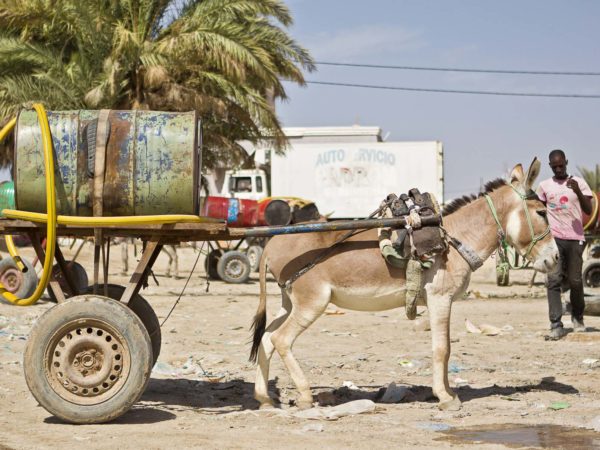
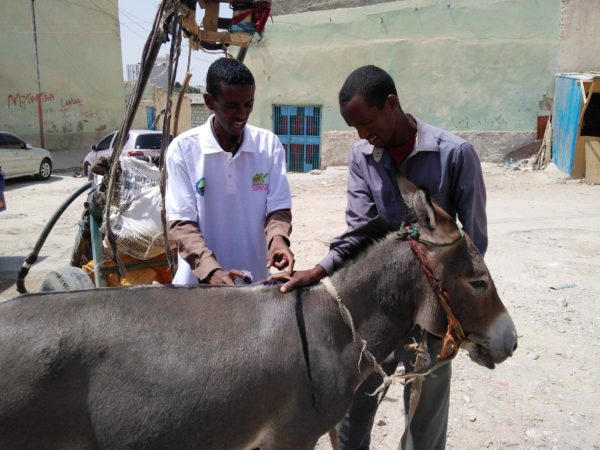
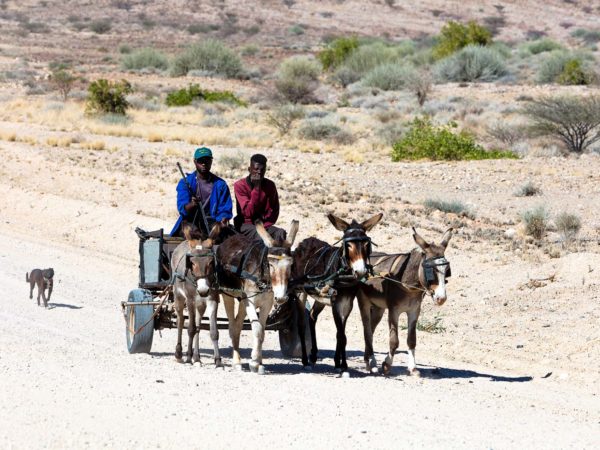
Millions of working animals around the world suffer every day. This forgotten workforce are the trucks, tractors and taxis of the developing world. But when they’re sick or injured, few have access to veterinary care. That’s why we were created.
We are SPANA, the charity for the world’s working animals. Since 1923, we’ve been working to treat animals in need, train owners and vets, and teach children the values of kindness and compassion. This three-step approach provides practical, professional and sustainable solutions and makes sure we’re there to protect working animals well into the future.
Check out their website and see for yourself the great work they do:
We (SPANA) are very excited to announce that our brand new online shop is now open! Inside you will find the biggest range of animal themed gifts and sweet treats we have ever offered.
Not only is there plenty to choose from, our new gift collection includes biodegradable and 100 per cent recyclable packaging, as well as handmade, locally produced and Fairtrade gifts. All paper and palm oil used in our products is responsibly-sourced, and we have more palm-free and vegan options than ever before.
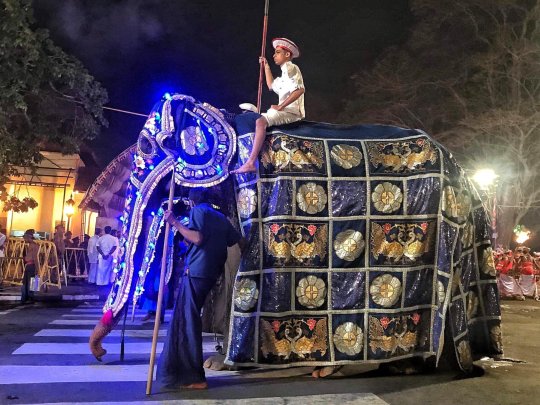
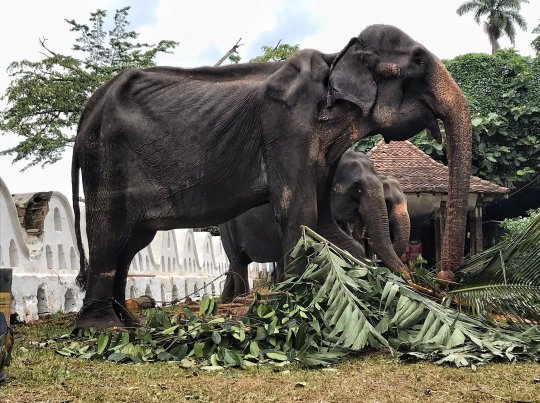
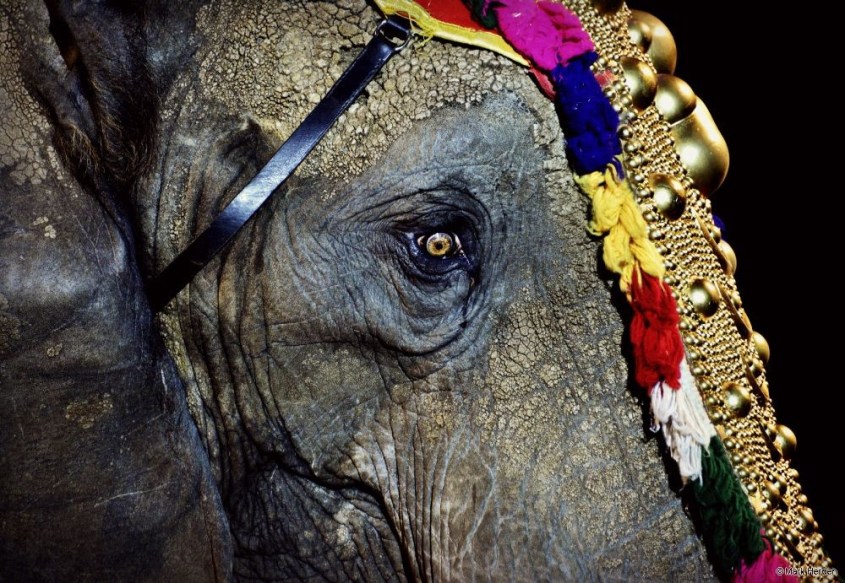

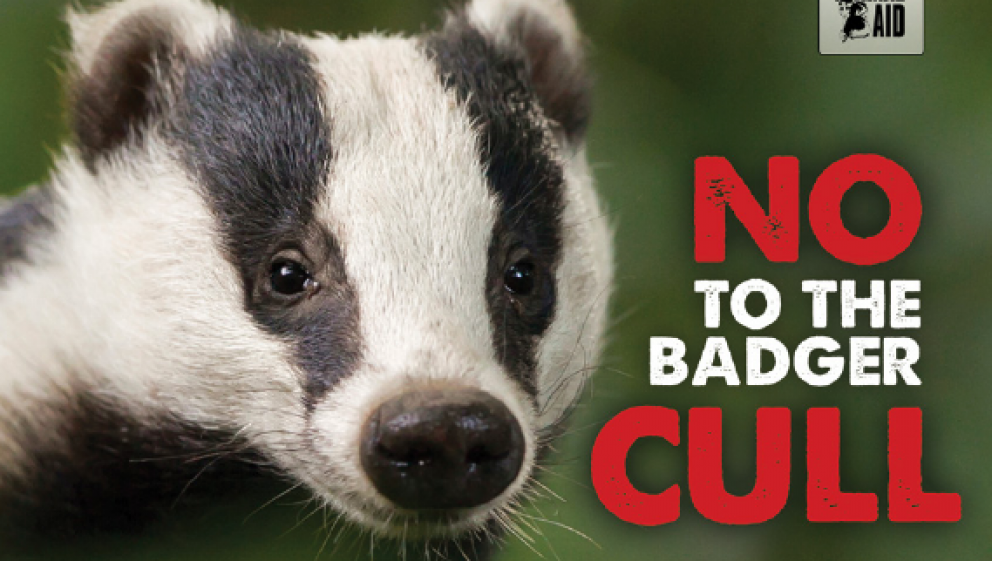

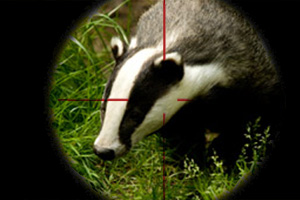
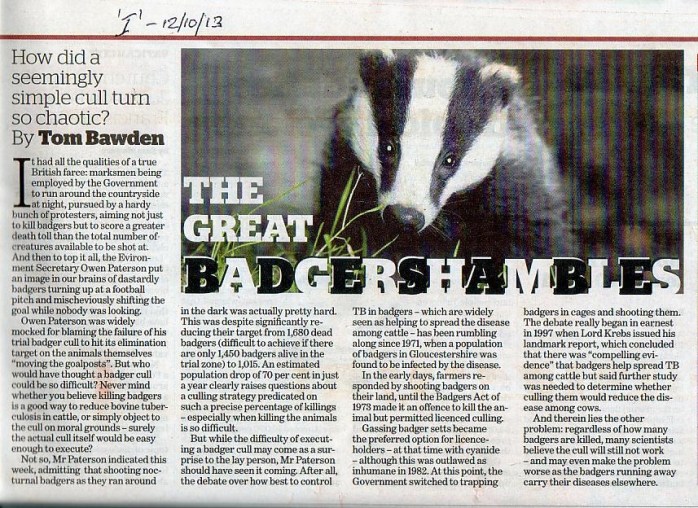
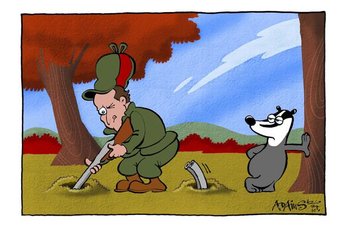
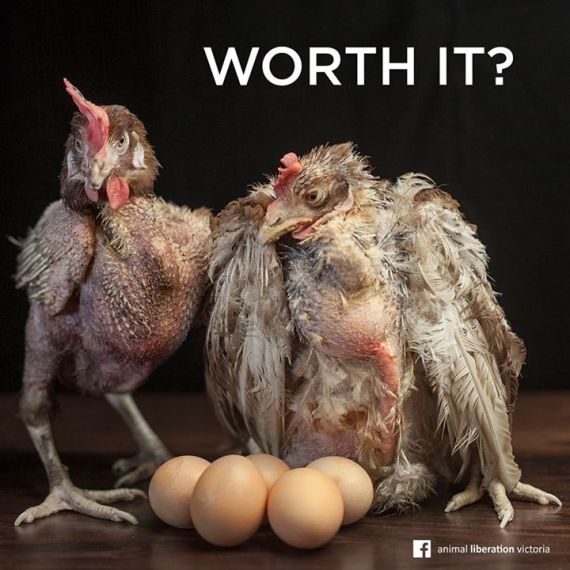
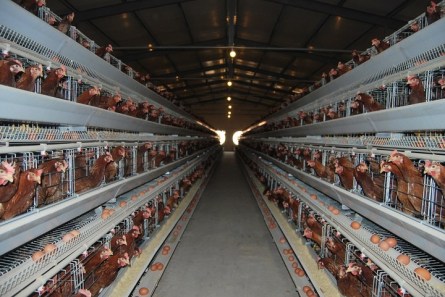
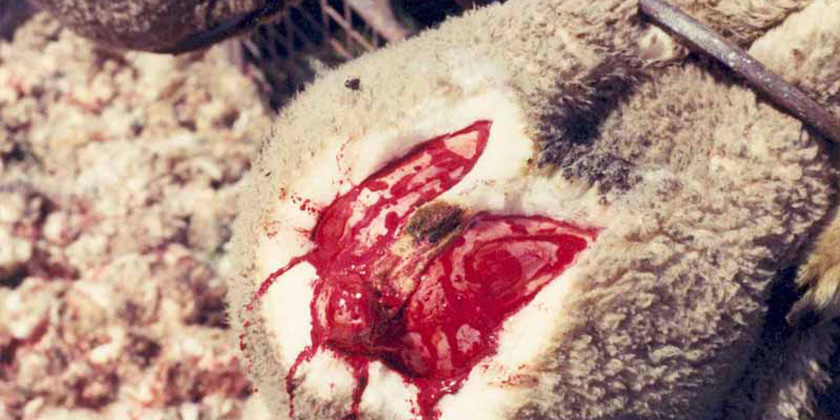



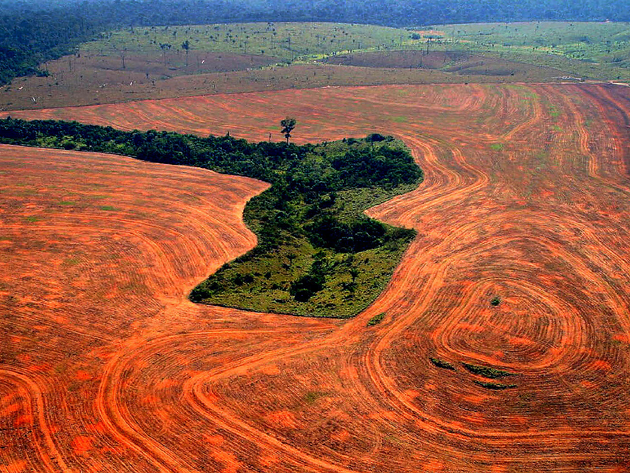
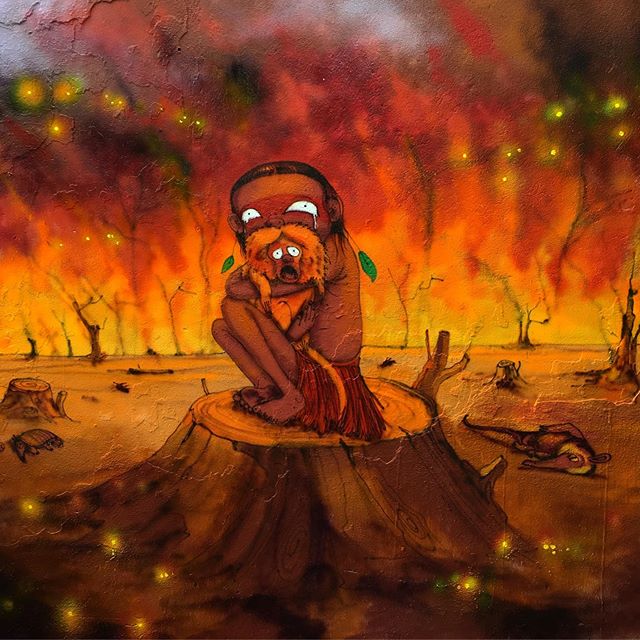 Image: osgemeos