
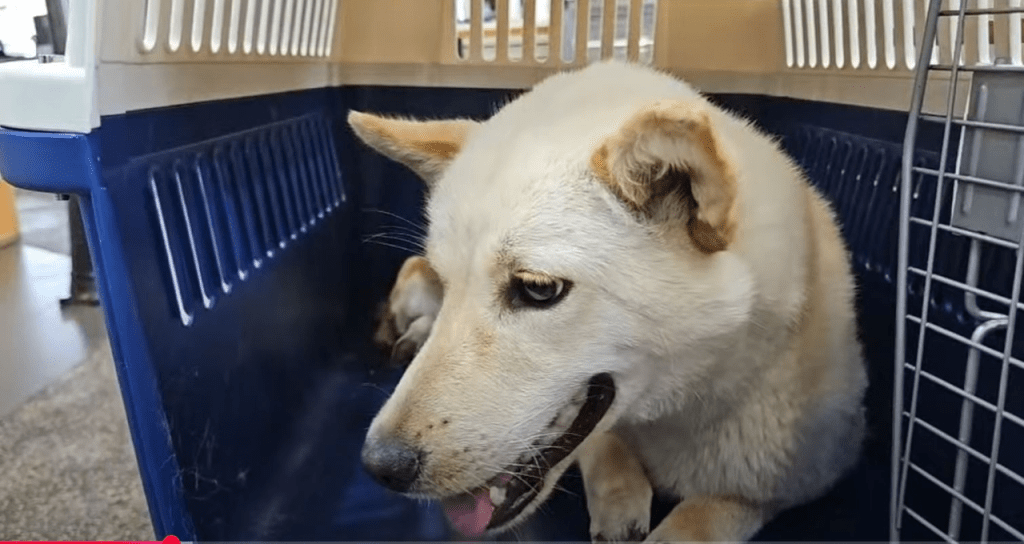
Above – This picture from a YouTube video by Coexistence of Animal Rights on Earth (CARE) shows a dog which has had ALL 4 OF ITS FEET CUT OFF.
Above – This picture from a YouTube video by Coexistence of Animal Rights on Earth (CARE) shows a dog which has had ALL 4 OF ITS FEET CUT OFF.

Dozens of animals, including pet cats, dogs, alpacas, horses and donkeys were chased and attacked during the most recent hunting season, anti hunt campaigners say.
In addition, they also harassed sheep, pheasants and reindeer according to a new analysis of reports by anti hunt organisation ‘Protect The Wild’.
In all, 89 animals were said to have been caused distress by hunt hounds over a 10 month period.
Read the full story with pictures by clicking here: https://www.msn.com/en-gb/news/uknews/hunt-hounds-chased-and-attacked-pet-cats-dogs-horses-donkeys-and-alpacas-report-says/ar-AA1Hf3xW?ocid=msedgdhp&pc=DCTS&cvid=520a186feded43e8bb3b17433dc4aea2&ei=12

Hunts chased or killed at least 239 deer reposts suggest – Wildlife Crime Action.


19th June 2025 – In a landmark vote today, the European Parliament approved significant enhancements to the proposed regulation on the welfare and traceability of cats and dogs.
Four Paws and the Intergroup applaud MEPs for supporting the three key pillars of the proposal: Minimum standards for all breeders; improved traceability of cats and dogs; and the introduction of a Positive List.
Minimum standards for all breeders – a real breakthrough for animal protection. Basic standards such as proper feeding, veterinary care and protection from abuse will now apply to all breeders; hopefully closing the door on unregulated breeding in the abusive puppy and kitten mills.
A bold step against the illegal pet trade – supporting full registration and identification of all dogs and cats; not just those placed on the market. This long overdue measure will make it significantly harder for illegal breeders to operate under the radar; as every animal must now be traceable. This action now finally closes the loophole for illegal breeders.
Online sales – still work in progress.
MEPs voted against integrating the online registration systems that the European Commission was planning to develop. This would have ensured that only animals that have been verifiably identified and registered can be advertised online.
But in a fantastic move; the Euro parliament voted in favour of banning the sale of dogs and cats in pet shops – YES !
This closes off a major channel for impulsive buying and irresponsible breeding often linked to bad welfare conditions. By removing animals from shop windows; the regulation prioritises more transparent and ethical avenues for adoption.

More than TEN MILLION DOGS are killed in China each year for their meat.
The YULIN ‘ dog eating festival’ is anything but traditional. It was ‘invented’ around 2010 by dog traders who simply wanted to increase their profits; nothing more. Before the festival started, Yulin had no history of mass dog slaughter and consumption.
Like all animal welfare legislation in China; THERE IS NONE; animal protection laws DO NOT EXIST; so issues like this simply continue, unchecked by national authorities.
For all of us in welfare, the annual nightmare of Yulin commences in a few days.
Here is a link to posts we have covered for this event over past years – https://worldanimalsvoice.com/?s=yulin
‘Yulin’, as it is simply known to many of us, takes place in Yulin, Guangxi, China; during the Summer solstice period which commences on 21st June. During the event, observers of the ‘festival’ consume huge amounts of DOG MEAT. accompanied by lychees and other plants.
Many of the animals consumed at Yulin are STOLEN COMPANION ANIMALS; or strays grabbed from the streets; many of the owned pet animals still wearing their collars when they reach the disgusting, makeshift slaughterhouses. Typically, THEY ARE BEATEN TO DEATH as there are no other means of killing them.
The festival began in 2009 and lasts for 10 – yes ten days. During this time; many THOUSANDS of dogs are slaughtered in the most barbaric way. The festival has drawn criticism both domestically and internationally for the amount of suffering it causes; especially as the origins of many of the dogs slaughtered are unknown. There is a lot of talk that peoples pets are caught and shipped on to be slaughtered for the event. Crammed into shipment boxes; some may travel for days; without food or water; and their handling during transportation can cause many to suffer broken bones.


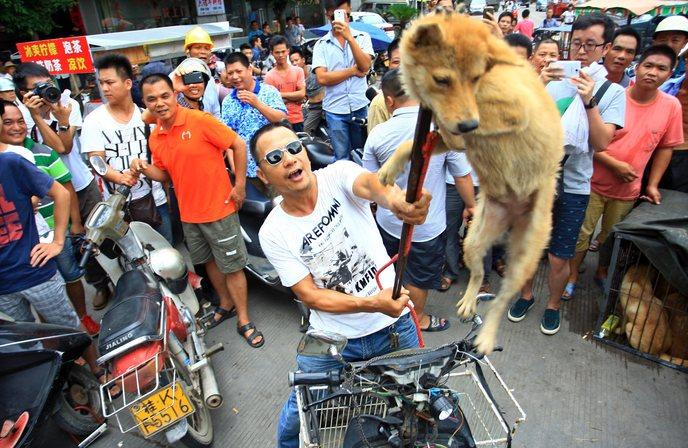
Have a look here to see what we are talking about; dogs on the road being transported to their deaths https://worldanimalsvoice.com/2024/06/24/cn-yulin-dog-meat-festival-2024-2/
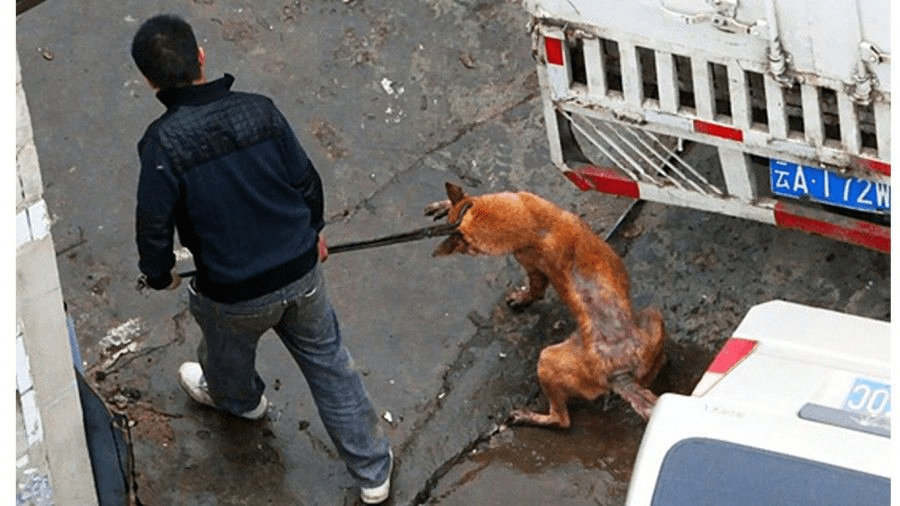
Here is a photo of an owned, but illegally captured, pet dog, being dragged off to slaughter. Once a dog that gave a person love and devotion.

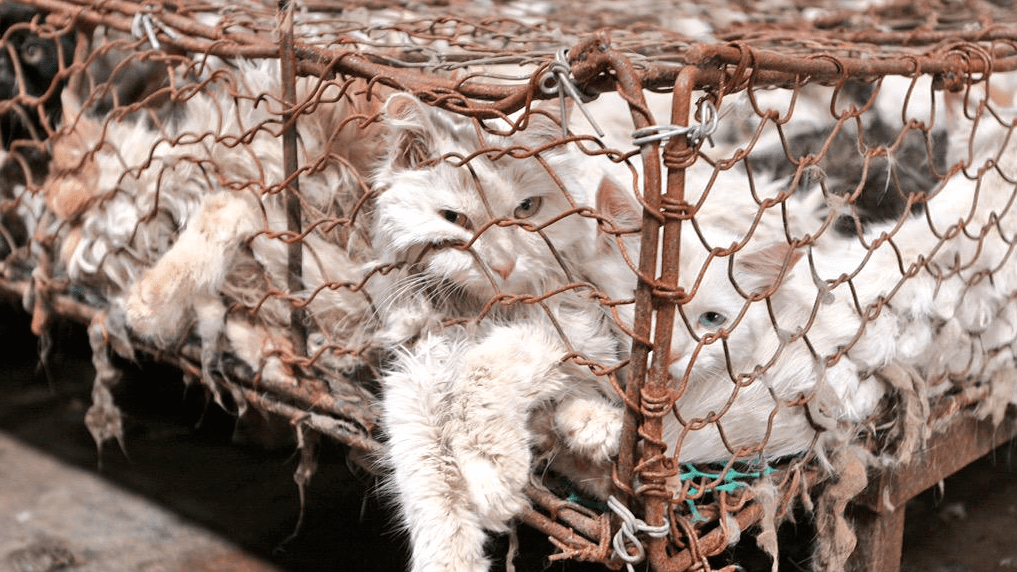
Although known as the Dog Meat Festival; copious amounts of cats are also slaughtered and consumed.
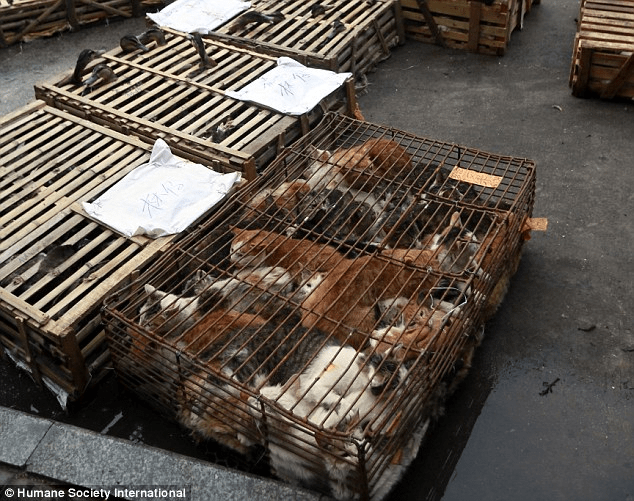

So what do we know about Yulin 2025 ?
https://www.humaneworld.org/en/news/china-yulin-dog-meat-festival-new-survey
WAV is monitoring the news and coverage of Yulin 2025. As it has not yet started, things and news will change – we hope to be able to provide you with some updates over the next few weeks.

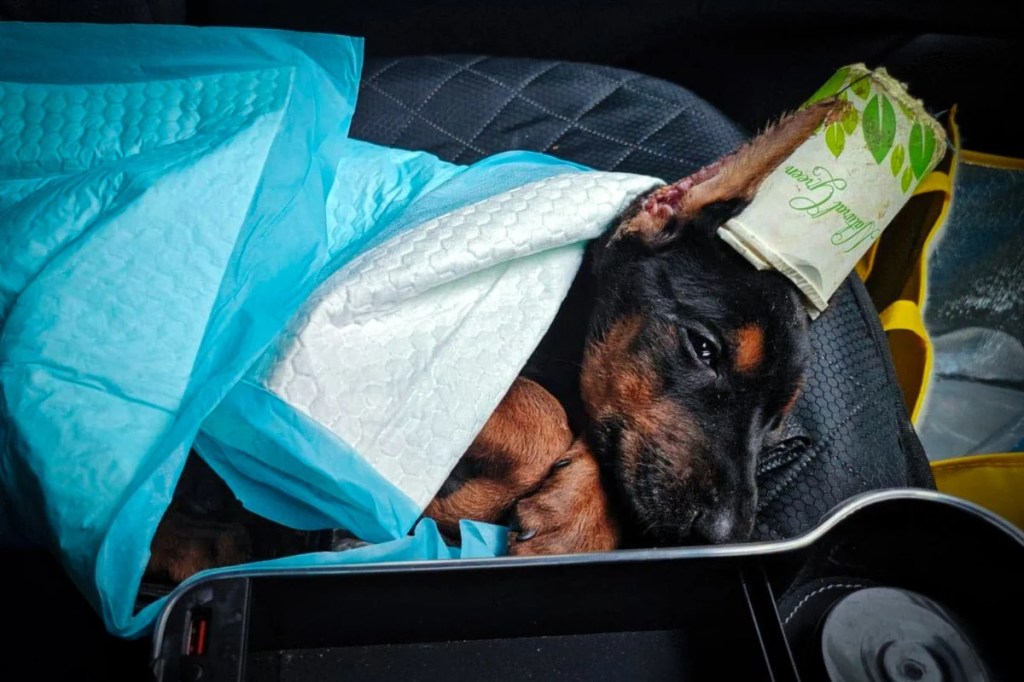
Two-month-old Doberman puppy was found abandoned in a park with infections caused by ear cropping
Updated: 11:51am, 17 Jun 2025

16 Jun 2025
MP proposes new legislation to licence rescue centres in a move supported by a major animal charity.

New legislation has been proposed which could lead to the introduction of a formal licensing regime for animal rescue centres in England and Wales.
The move has also been backed by a leading welfare group while tens of thousands of people have separately signed an online petition calling for licensing and regulation.
The Animal Shelters (Licensing) Bill was introduced to Parliament by the Conservative MP Richard Holden last week.
He said recent cases, including one in his own Essex constituency where dozens of dogs were found dead, had shocked the public and “exposed a dangerous gap in the law”.
He added: “The Bill will bring rescue and rehoming centres under the same statutory framework that already applies to kennels and breeders, closing the loophole that leaves animals unprotected.
“Mandatory licensing will drive up welfare standards, weed out rogue operators and give the public confidence that every organisation caring for dogs is properly equipped and held to account.”
A 25-year-old man is currently in custody on animal welfare and fraud charges following the discovery of 37 dead dogs at premises in Billericay in May.
A second man remains on bail, while a 25-year-old woman was arrested earlier this month. The remains of four more animals were found following a new search of the site.
Mr Holden said he had worked with both Dogs Trust and the RSPCA in developing his Private Members’ Bill.
Dogs Trust chief executive Owen Sharp said: “Good intentions aren’t enough. We need laws in place to make sure all rescue dogs are safe, cared for, and treated with the respect they deserve.
“Without proper oversight, these organisations cannot guarantee that they are operating in the best interests of the animals in their care.”
More than 50,000 people have also signed an online petition, launched prior to the Essex case, which demands licensing and regulation of rescue centres.
In its response, Defra said it would outline more details of its “overarching approach” to animal welfare in due course, but stressed that rescue groups must meet existing legal requirements.
https://news.nokilladvocacycenter.org/p/court-prohibits-shelter-from-dumping
A judge has once again determined that public ‘shelters’ will violate laws that protect animals if left unchallenged.


In a victory for animals and those who care about them, a California Court issued a permanent injunction prohibiting the San Diego Humane Society from refusing to provide shelter and care to kittens and lost cats and instead abandoning them on the street.
While the ruling supports the legality of community cat programs, including for feral cats, it requires shelters to comply with state laws regarding abandonment and animal care.
In a bid to recast the Court’s ruling against it, the San Diego Humane Society claimed victory in the case — a claim echoed by apologists for “shelter” malfeasance — even though the Court ruled gainst SDHS and prohibited them from making any changes to the program that would reduce protections for kittens and for adult cats who are social with people.
CBS originally wrote an article regurgitating SDHS’s false claim of winning:
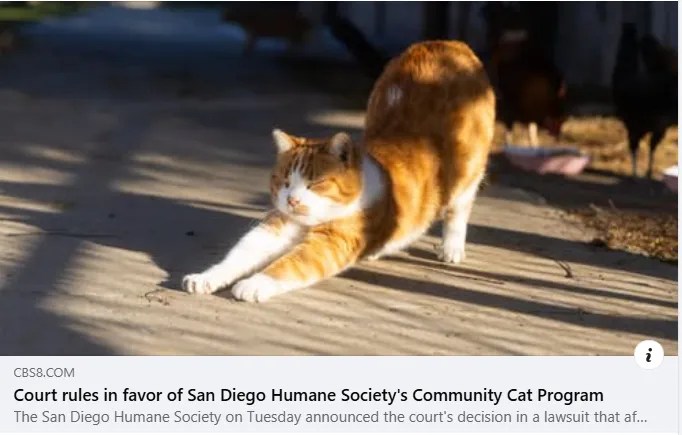
They quickly removed the article when presented with the truth:

CBS subsequently reported that “A judge found the Humane Society’s Community Cat Program violated state law…” In fact, it wasn’t a community program; it was a program that turned its back on kittens and lost or abandoned friendly cats.
What the ruling means:
California “shelters,” like SDHS, are guilty of abandonment if they release, rather than admit, friendly cats with indications of ownership.
These include:
The Court also ruled that kittens under 12 weeks old and social kittens aged 12 weeks to six months must be admitted into the shelter. It imposed a permanent injunction prohibiting SDHS from instituting changes that would reduce protections for cats and kittens.
The ruling prohibiting release does not apply to feral cats, sterilized cats found with ear tips, or friendly adult cats who do not exhibit any of the above criteria.
It wasn’t a complete victory. For example, “shelters” still have some discretion to determine which kittens must be admitted. They can also continue to kill them after admission, something that many California “shelters” do.
We need to continue insisting on — and passing laws that mandate — No-Kill policies.
The case is Pet Assistance Foundation, et al. v. San Diego Humane Society, Case No. 37-2021-00007375-CU-MC-CTL. The ruling can be found here.
Together, we will create a future where every animal is respected and cherished, and every individual life is protected and revered.
Set to open in 2026, the shelter will provide safe refuge for up to 150 animals during disasters, including goats, cows, pigs and dogs

Date: March 14, 2025
WAYANAD, Kerala—A pioneering emergency evacuation shelter designed to evacuate animals prior to disasters like floods and landslides, is set to be established in Kottathara panchayat in Wayanad district, Kerala. Situated in a region prone to multiple hazards including annual floods, cyclones and landslides, this commitment marks a significant step forward in disaster preparedness for animals in India. The collaborative project will bring together the Kerala State Disaster Management Authority, the Wayanad District Disaster Management Authority, Kottathara Grama Panchayat and Humane World for Animals India (formerly called Humane Society International India) to make India’s first such shelter for animals.
The shelter, set to begin operating in 2026, will have the capacity to accommodate up to 150 animals such as goats, cows, pigs, dogs and cats. The single-story structure is expected to include dedicated space for a veterinary clinic and a quarantine area, along with storage and equipment rooms. The shelter is intended to serve as a model for similar facilities across the country.
Praveen Suresh, disaster preparedness and response team manager at Humane World for Animals India, said: “This is an historic moment for Kerala and India from both an animal welfare and disaster preparedness point of view. It is especially significant for Wayanad district with its growing need for a dedicated facility to evacuate and care for animals during disasters like floods and landslides. While the shelter will provide immediate medical care and relief, it will also serve as a long-term resource to support animal welfare in the community. We are grateful to the Government of Kerala and the State Disaster Management Department for approving this important initiative. This animal shelter highlights the power of collaboration between multiple agencies to safeguard animals and their communities and to strengthen disaster management efforts in India.”
Over the last seven years, Humane World for Animals India has gained a notable presence in Kerala through its disaster preparedness, response and relief efforts. During the 2024 Wayanad landslides, the organization’s rescue team aided over 180 animals. Along with partner organizations, Humane World for Animals India is working to make Wayanad a disaster-resilient district for both humans and animals. Among other activities, the organization is conducting capacity building programs for the community through outreach to schools and self-help groups like Kudumbashree. Once constructed, the shelter will serve as a hub for efforts to safeguard animals and the families who depend on them during disasters and a catalyst for continued commitment to build community resilience in the face of future emergencies that put humans and animals at risk.
Please also refer to ..

 World Animals Voice