

He really has lost all sense of being normal now.
https://www.animalalliance.ca/poisons-sodium-cyanide-m-44/
https://www.predatordefense.org/m44s.htm

https://www.biologicaldiversity.org/campaigns/cyanide-bombs/
Thanks to Diana
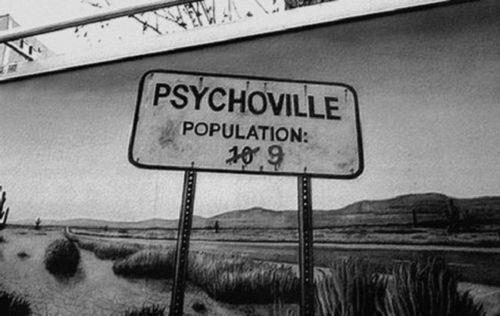
He really has lost all sense of being normal now.
https://www.animalalliance.ca/poisons-sodium-cyanide-m-44/
https://www.predatordefense.org/m44s.htm
https://www.biologicaldiversity.org/campaigns/cyanide-bombs/
Thanks to Diana

THIS IS A VOLUNTEER RUN SITE, As the name suggests, our aim is to inform the world regarding any animal cruelty, abuse and suffering. ALL OF THE WORK undertaken is self financed – WE DO NOT GAIN ANYTHING FINANCIALLY, in fact we self fund in respect of our support for the animals. We do not ask for you to become members and support us financially; all we want is for you to visit us, maybe learn something new on an issue; and then leave us to take your own independent campaign work further. By undertaking this volunteer work, we hope we are a ‘World Animals Voice’, speaking for animals of the planet who suffer in silence; unable to represent themselves vocally or legally. What you get from us is the hard core reality of animal suffering; the reality, we do not dress it up with flowers to make it more pleasant. We have one aim, and that is to be the animals voice – nothing more, BUT NOTHING LESS – Thank You. WAV is based in Kent; England.

This is an issue that has been in the ‘animal rights’ camp for years; but we consider it is worth putting out info again.
https://www.peta.org/wp-content/uploads/2024/11/peta-correspondence-with-cairo-university-2012.pdf
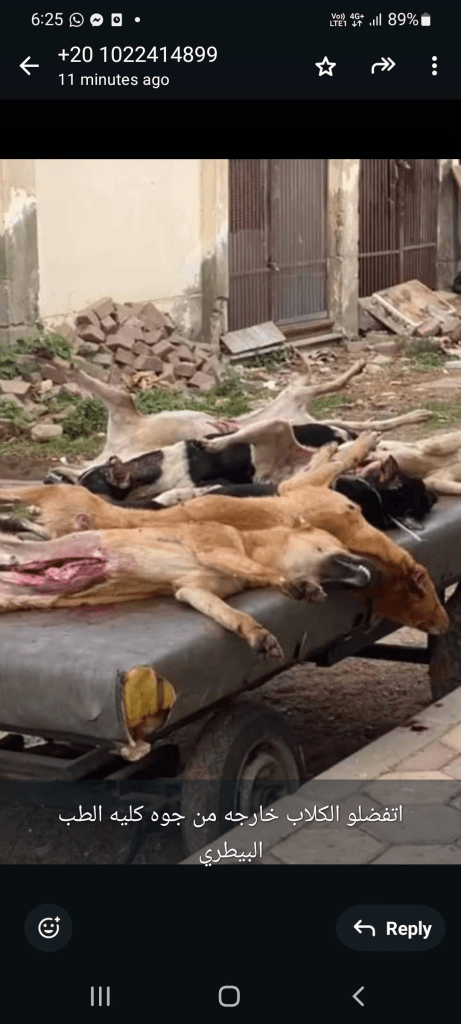
A flood of whistleblower and student reports connected to a veterinary program at Cairo University and other universities across Egypt paints a picture of abuses to animals so grotesque and severe it appears to violate the nations constitution and law.
IT IS UNDERTOOD THAT THESE TYPE OF ABUSES MAY STILL BE CONTINUING
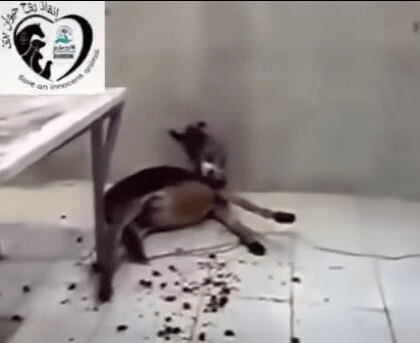
https://www.facebook.com/reel/1059624115455793

https://en.wikipedia.org/wiki/Moldova
Naturewatch https://naturewatch.org/campaigns/animal-welfare-in-eastern-europe/animal-welfare-in-moldova/
Legislation Database https://www.globalanimallaw.org/database/national/moldova/
AnimalCare Moldova https://animalcare-moldova.com/
Four Paws https://www.four-paws.org/our-stories/blog-news/year-2023/hope-for-moldovas-stray-dogs
EU4 Civil Society https://www.eu4civilsociety.md/en/news/help-to-our-little-friends-a-project-that-will-introduce-a-new-law-in-the-field-of-animal-protection
Animas of Moldova https://animalia.bio/moldova-animals
https://a-z-animals.com/animals/location/europe/moldova/
Hope for Moldova’s Stray Dogs https://www.four-paws.org/our-stories/blog-news/year-2023/hope-for-moldovas-stray-dogs
https://naturewatch.org/animal-welfare-organisations-in-moldova/
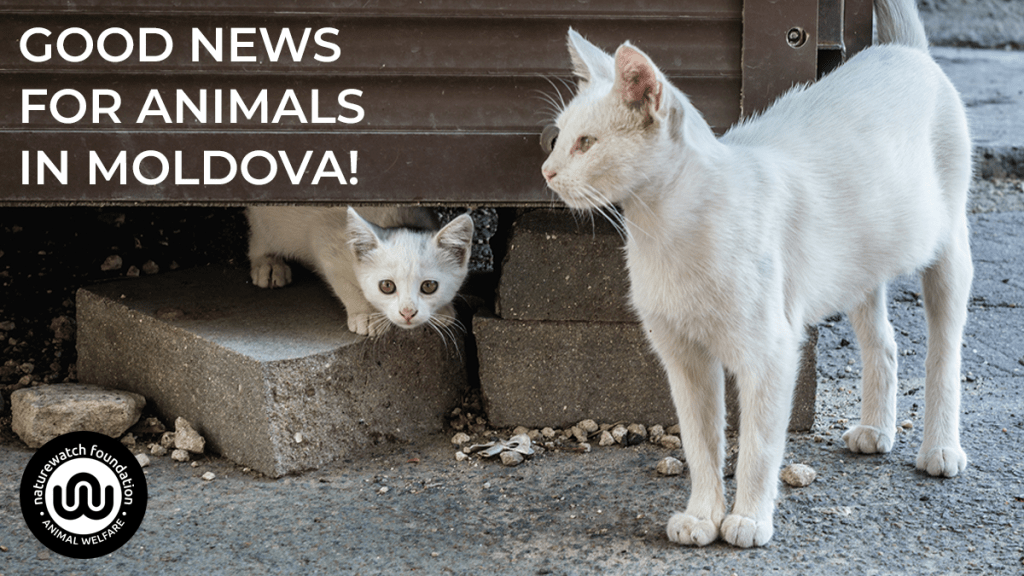
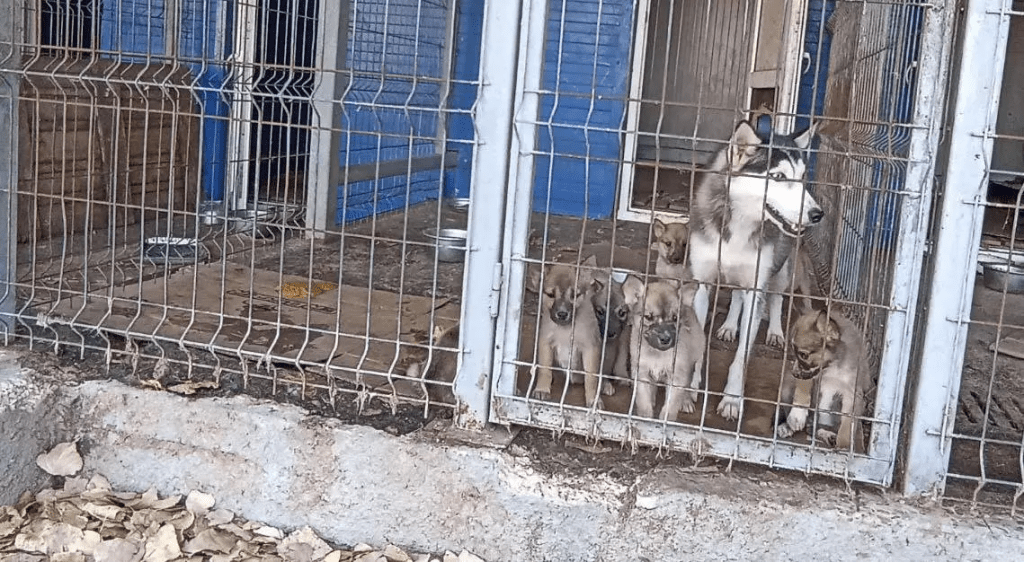
https://naturewatch.org/animal-welfare-organisations-in-moldova/

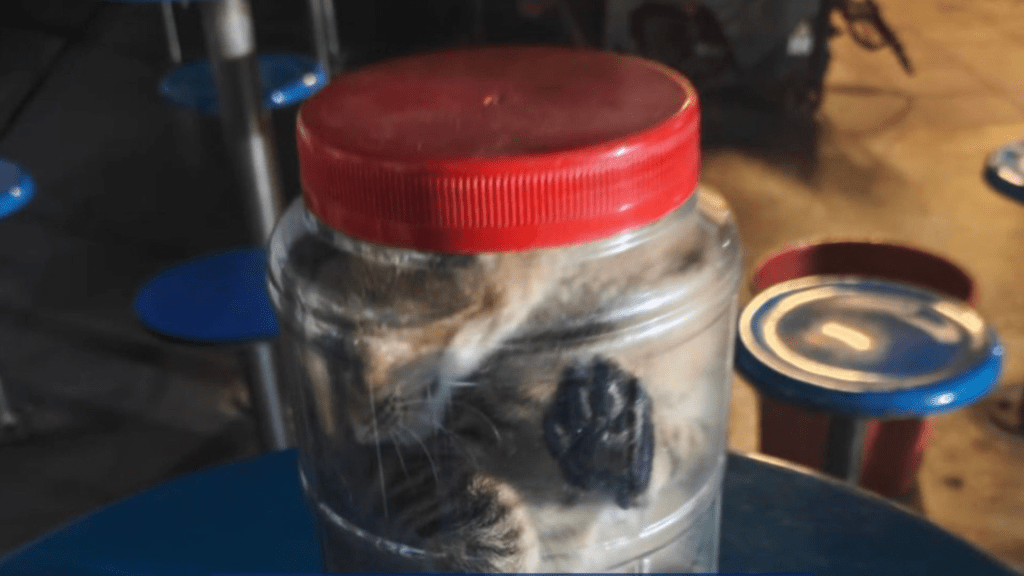
A disturbing case of a kitten stuffed into a container at a workers canteen in Tech Park Crescent has triggered renewed public outrage and intensified calls for stronger animal cruelty legislation in Singapore.
CCTV allegedly captured the incident; but a Manager refused to hand it over to the Society for the Prevention of Cruelty to Animals – the SPCA. The site supervisor was allegedly aware of what happened; but by refusing to hand over the CCTV footage; the SPCA then took further action by taking the case to the Animal and Veterinary Service AVS for further investigation.
Fortunately, the suffering, abused kitten was released after about one and a half hours; during its time confined in the container it was allegedly rolled around the floor. This is where obtaining the CCTV footage is essential.
Read what is known AT PRESENT here https://theindependent.sg/kitten-stuffed-into-a-container-at-tech-park-spurs-outcry-amid-calls-for-harsher-animal-cruelty-laws/ but this emphasises why tougher anti cruelty legislation is desperately required in Singapore.
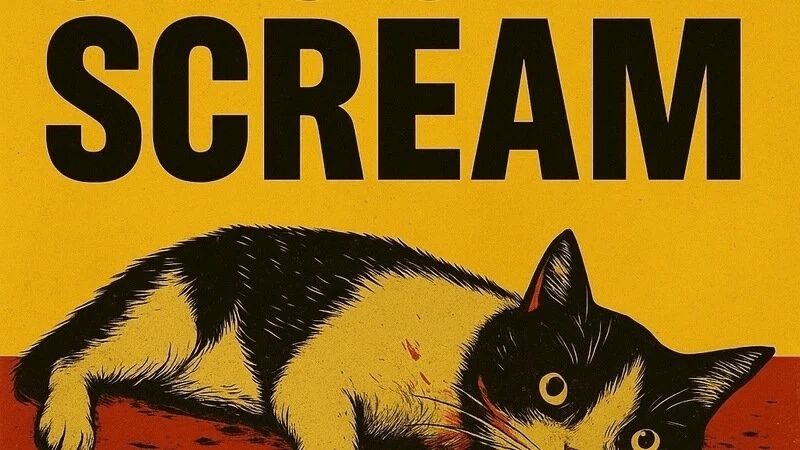
Take action by signing the petition at https://www.change.org/p/cats-can-t-scream-but-we-can-strengthen-animal-cruelty-laws-and-enforcement-i?signed=true

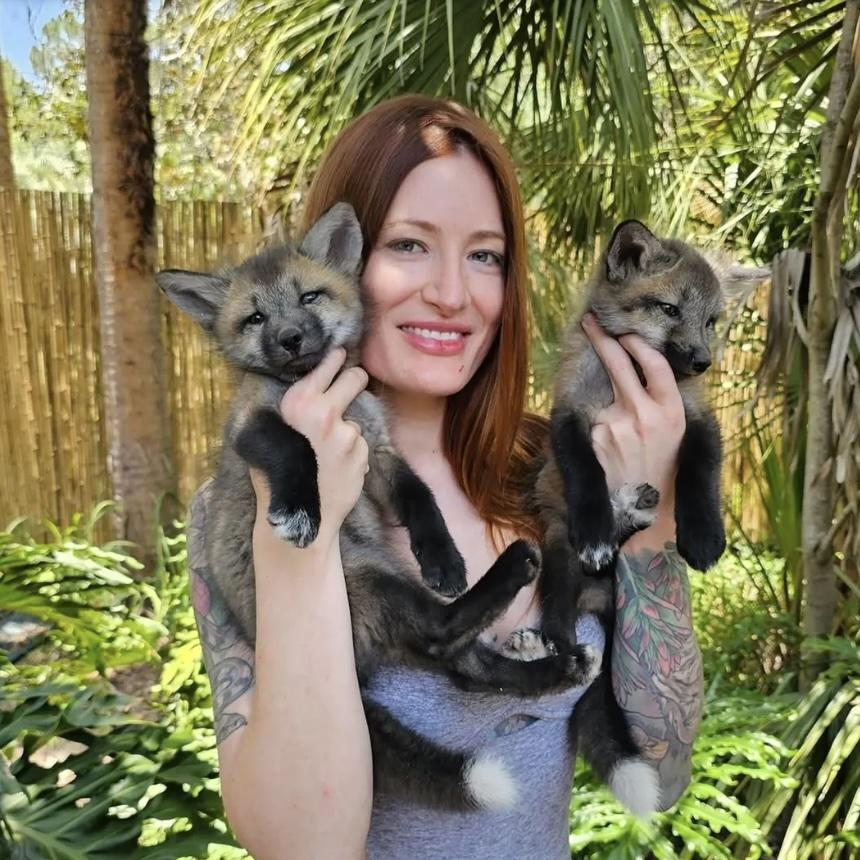
A wonderful compassionate lady taking animal welfare forward – so why the hatred from the ‘Dregs’ of this planet ?

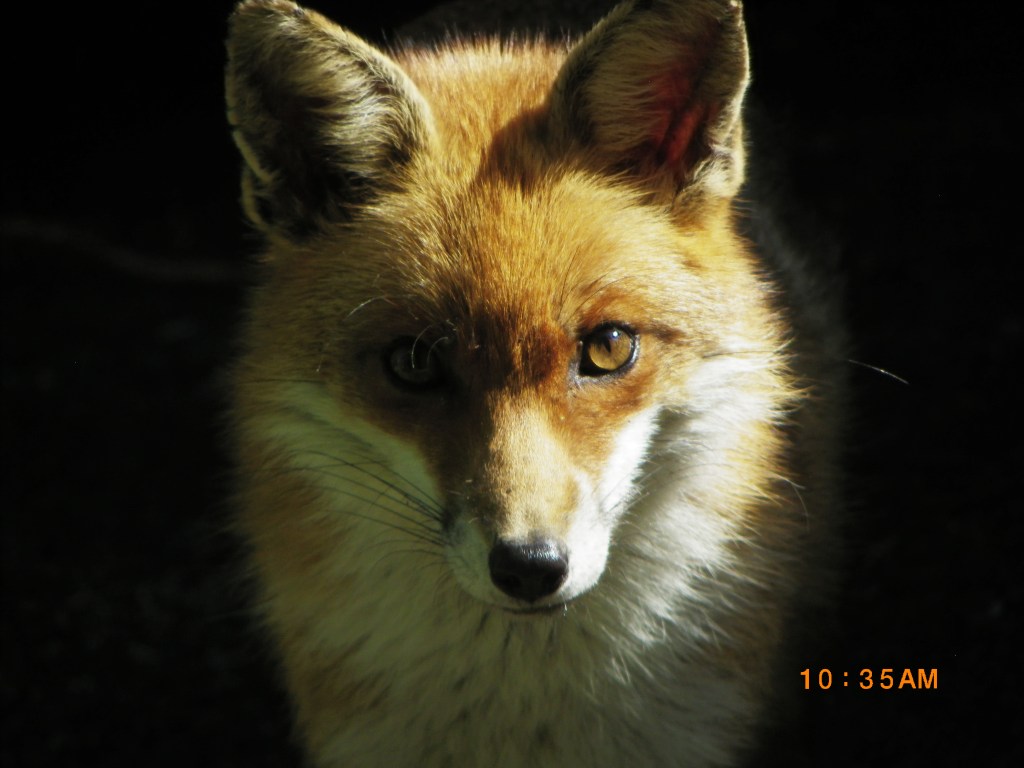
UTTER RESPECT FROM ALL YOUR FOXY FRIENDS.

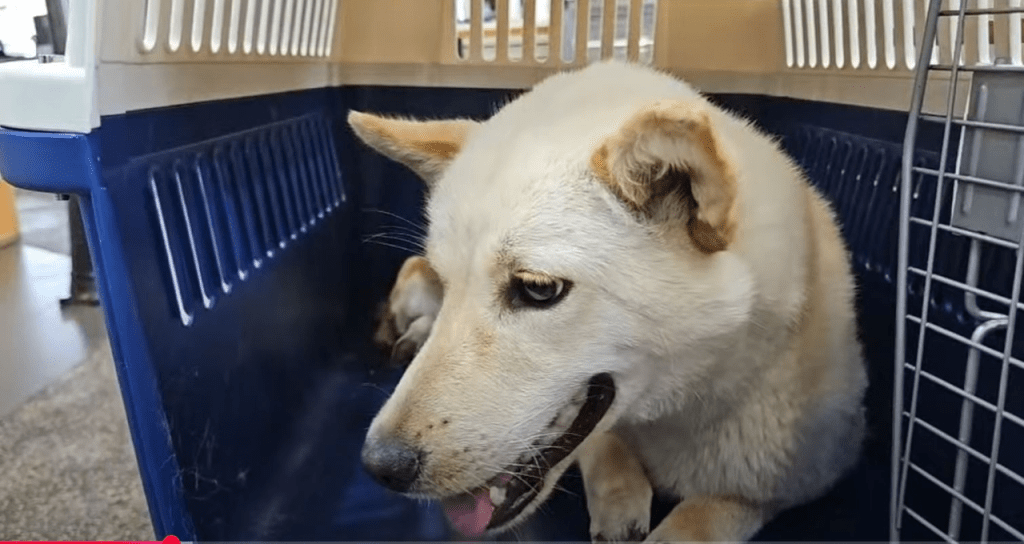
Above – This picture from a YouTube video by Coexistence of Animal Rights on Earth (CARE) shows a dog which has had ALL 4 OF ITS FEET CUT OFF.

PETA used the Club World Cup in Philadelphia to call out the killing of homeless animals in Marocco.
2 pitch invaders held up signs saying ‘Morocco – Stop Shooting Dogs And Cats’.
PETA has been critical regarding Morocco’s government treatment of stray animals; with dogs being gunned down. set on fire, and killed in other terrible ways, just for the sake of a soccer match said a PETA executive, Tracy Reiman.
Morocco’s King Mohammed VI issued a royal order in 2019 to end the country’s policy of killing homeless animals; but PETA claim that authorities have not followed through with that pledge.
Morocco has over 3 MILLION stray dogs; and as we always say, but appear to be forever ignored by by authorities; you do not solve the issue by simply killing. A nationwide, government funded Trap, Neuter and then Release program is the only wat to reduce stray numbers over time. We argued this in the past with the Serbian Government when we were working to help strays out there; again, an authority which thinks it knows better and thus ignores friendly advice.


More than TEN MILLION DOGS are killed in China each year for their meat.
The YULIN ‘ dog eating festival’ is anything but traditional. It was ‘invented’ around 2010 by dog traders who simply wanted to increase their profits; nothing more. Before the festival started, Yulin had no history of mass dog slaughter and consumption.
Like all animal welfare legislation in China; THERE IS NONE; animal protection laws DO NOT EXIST; so issues like this simply continue, unchecked by national authorities.
For all of us in welfare, the annual nightmare of Yulin commences in a few days.
Here is a link to posts we have covered for this event over past years – https://worldanimalsvoice.com/?s=yulin
‘Yulin’, as it is simply known to many of us, takes place in Yulin, Guangxi, China; during the Summer solstice period which commences on 21st June. During the event, observers of the ‘festival’ consume huge amounts of DOG MEAT. accompanied by lychees and other plants.
Many of the animals consumed at Yulin are STOLEN COMPANION ANIMALS; or strays grabbed from the streets; many of the owned pet animals still wearing their collars when they reach the disgusting, makeshift slaughterhouses. Typically, THEY ARE BEATEN TO DEATH as there are no other means of killing them.
The festival began in 2009 and lasts for 10 – yes ten days. During this time; many THOUSANDS of dogs are slaughtered in the most barbaric way. The festival has drawn criticism both domestically and internationally for the amount of suffering it causes; especially as the origins of many of the dogs slaughtered are unknown. There is a lot of talk that peoples pets are caught and shipped on to be slaughtered for the event. Crammed into shipment boxes; some may travel for days; without food or water; and their handling during transportation can cause many to suffer broken bones.


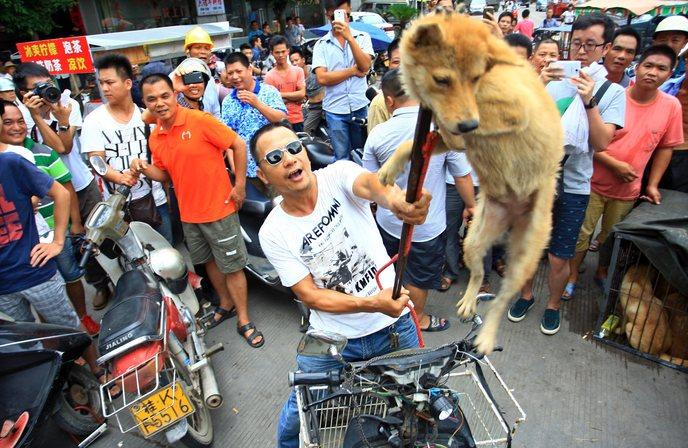
Have a look here to see what we are talking about; dogs on the road being transported to their deaths https://worldanimalsvoice.com/2024/06/24/cn-yulin-dog-meat-festival-2024-2/
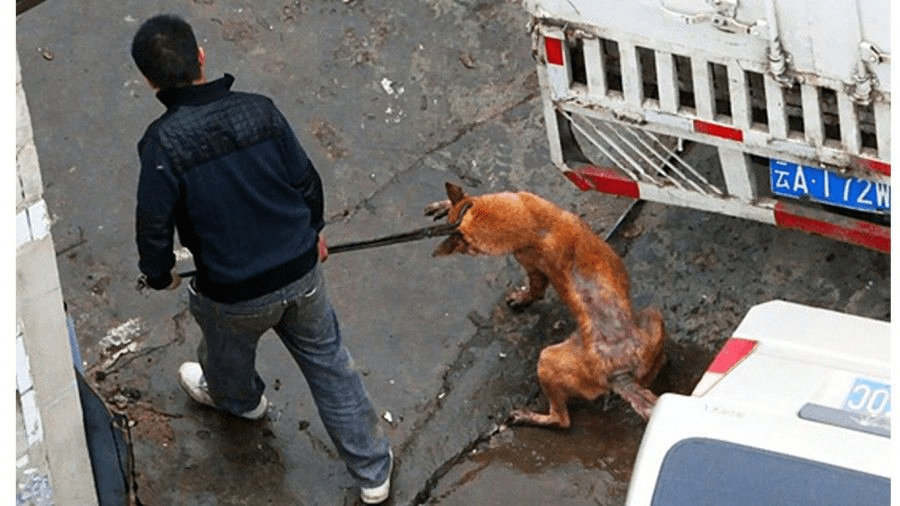
Here is a photo of an owned, but illegally captured, pet dog, being dragged off to slaughter. Once a dog that gave a person love and devotion.

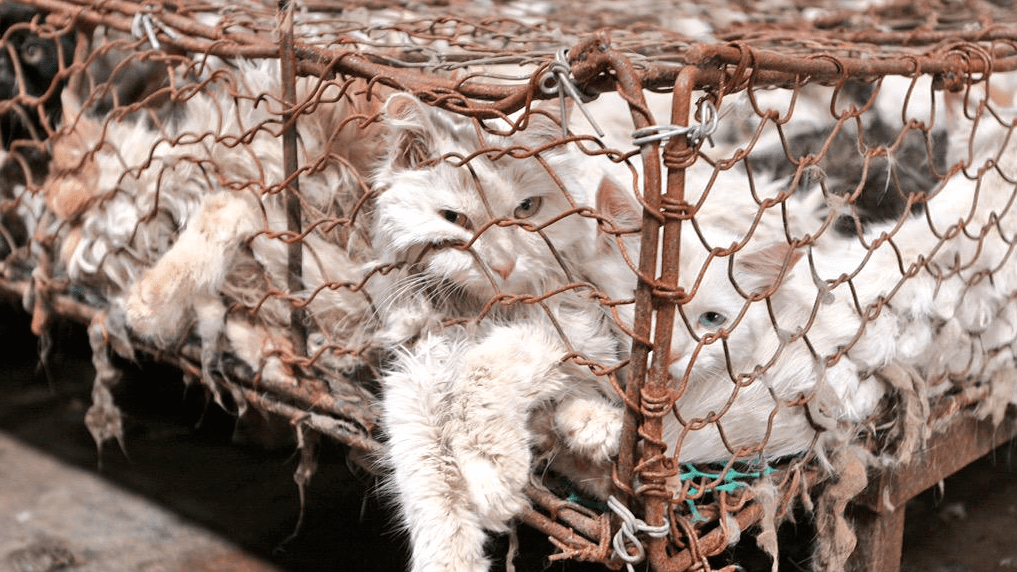
Although known as the Dog Meat Festival; copious amounts of cats are also slaughtered and consumed.
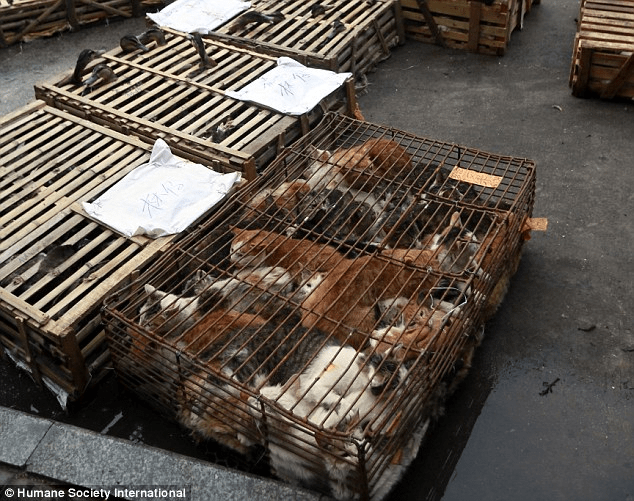

So what do we know about Yulin 2025 ?
https://www.humaneworld.org/en/news/china-yulin-dog-meat-festival-new-survey
WAV is monitoring the news and coverage of Yulin 2025. As it has not yet started, things and news will change – we hope to be able to provide you with some updates over the next few weeks.

 World Animals Voice