Category: Uncategorized

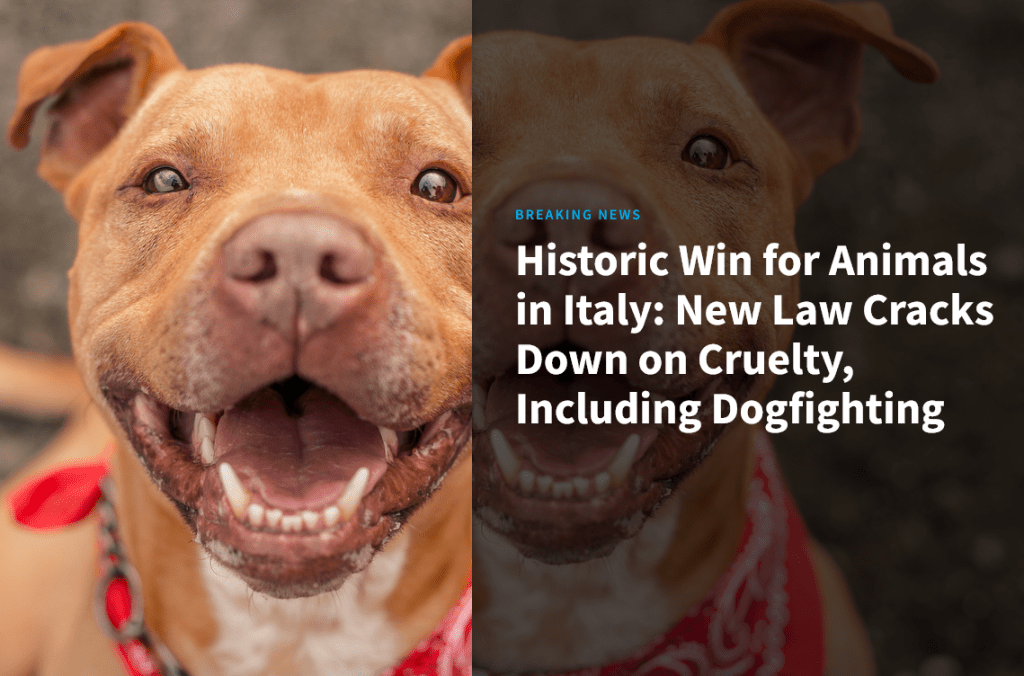
(IT) Historic Win for Animals …

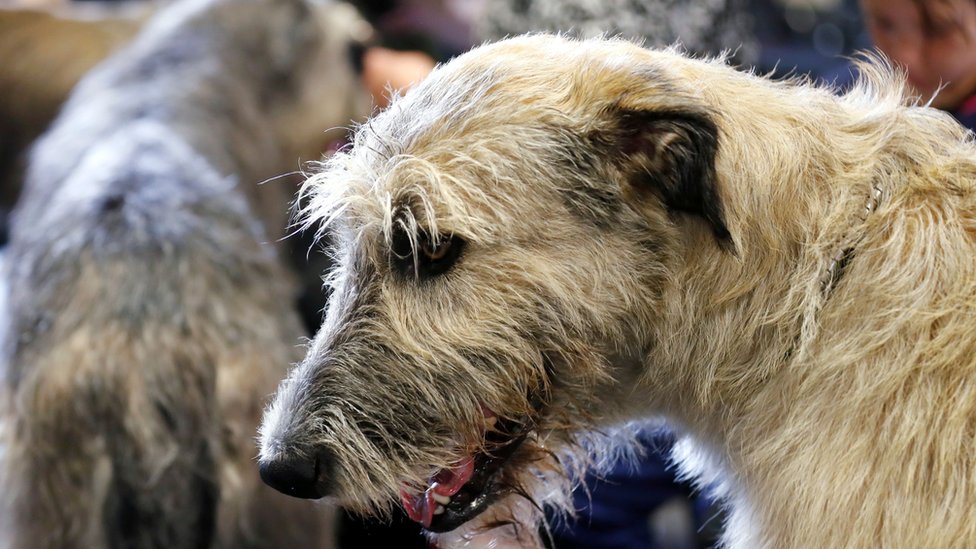
The Italian Senate has officially passed Bill AS 1308, a significant legislative advancement aimed at reinforcing animal protection across the country. The bill, previously approved by the Chamber under the name AC 30, introduces comprehensive amendments to the criminal code, criminal procedure code, and related provisions to address and deter crimes against animals, including the brutal practice of dogfighting.

One of the key aspects of the new law is the redefinition of the criminal code’s Title IX bis, replacing the outdated concept of “Crimes against the human sentiment toward animals” with the clearer and more progressive “Crimes against animals.” This change reinforces the idea that animals are deserving of legal protection in their own right, as sentient beings, not merely as subjects whose suffering might offend human sensitivity.

The bill also significantly increases penalties for acts of cruelty, including the killing of animals without necessity, mistreatment, and violations of the ban on unauthorized animal fighting or competitions. In particular, sentences for organizing or participating in animal fights have been increased, aiming to better deter those involved in these violent and illegal activities.

Additionally, the law introduces harsher penalties for crimes committed in aggravating circumstances, such as in the presence of minors or against multiple animals, as well as for the dissemination of videos or images of such acts via digital platforms. This is a critical step in tackling the spread of animal cruelty content online.

“The final approval of AS 1308 represents another important step in the protection of animals in Italy. We’ve made further progress towards the full recognition of non-human animals as sentient beings and victims of crimes, finally overcoming the outdated concept of exclusively protecting the ‘human sentiment’ towards them. We are pleased with the increase in penalties for dogfighting, a criminal activity that we have been combating for years through the ‘Io non combatto project,’ and the expansion of penalties to anyone participating in dogfighting in any capacity,” said Alessandro Fazzi, institutional relations consultant for Humane World for Animals Italy.

“We hope that it will soon be possible to intervene to offer even greater protection for minors, and also to introduce specific social rehabilitation programs for all those who commit crimes against animals, starting with those who participate in dog fights,” continued Fazzi. “By combining these requests with what has been approved today, our country will be able to take truly significant steps toward a more advanced legal civilization.”

A notable provision also addresses the management and recovery of animals seized in criminal proceedings. Under the new legislation, these animals can now be permanently assigned to certified organizations that can provide care and rehabilitation, helping to ensure they are not left in limbo during often-lengthy legal processes. The bill further includes a nationwide ban on keeping dogs chained, a practice often linked to dogfighting, except in strictly defined health or safety circumstances.

“The recently approved bill marks a significant step forward for all those who dedicate themselves every day to the protection of animals. It is a strong signal that strengthens the recognition of animals as sentient beings, deserving of direct protection. It also represents a concrete evolution on an operational level, particularly for the management of animals who are victims of crimes, taken from criminal circuits, and placed under judicial seizure,” said Federica Faiella, president of Fondazione Cave Canem, “I’m especially thinking of the dogs involved in fighting: this law finally recognizes their right to be immediately placed on a path of psychological and physical recovery and, where possible, welcomed into a family setting. This avoids the paradox of animals saved from abuse who remain trapped in the judicial system for years, confined to detention facilities.”

Although some proposed amendments, such as dedicated funding for law enforcement training or the ban on the import and export of hunting trophies from endangered species, were not included in the final version, the bill nonetheless marks a decisive move forward. It modernizes Italy’s approach to animal welfare by aligning legal language and enforcement practices with contemporary views on animal rights and ethical treatment.

By recognizing animals as victims of crime and ensuring stronger legal and institutional tools to protect them, this bill lays the groundwork for more robust animal welfare policies in the future. It sends a clear message that cruelty against animals will be met with serious consequences and that animal protection is a core part of a civilized, humane society.

(US – Minnesota) Sign: Dozens of Goats Found Dead from Neglect — Man Faces 20 Charges

https://animalvictory.org/petition/sign-dozens-of-goats-found-dead-from-neglect-man-faces-20-charges/

Published: June 03, 2025

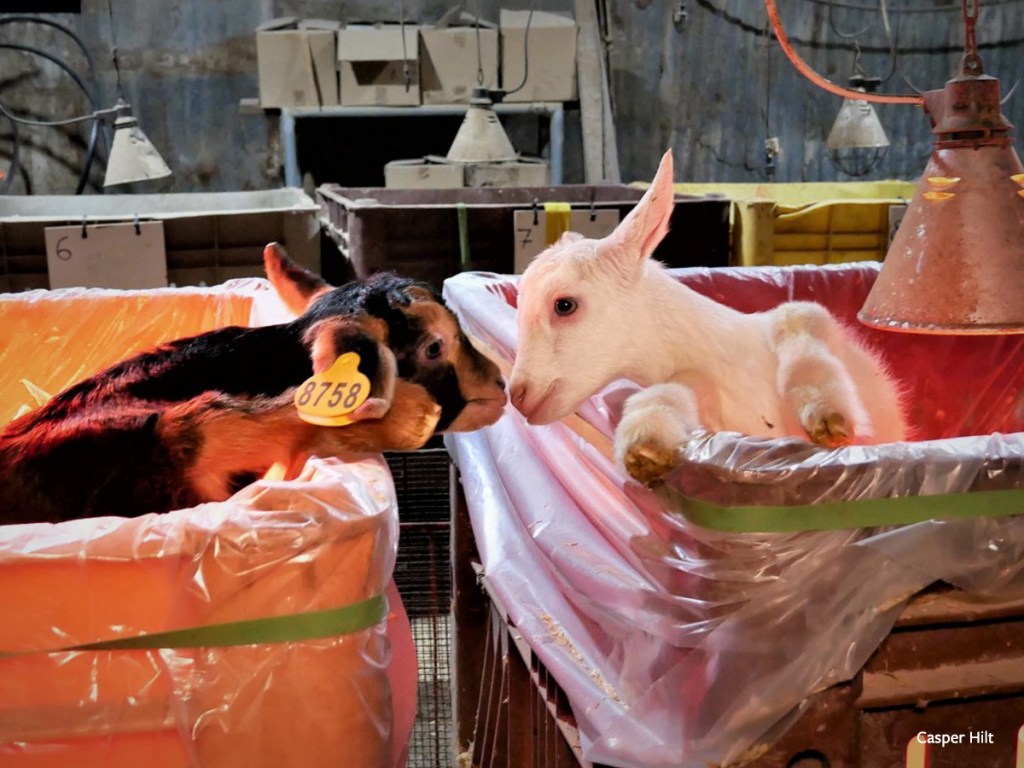
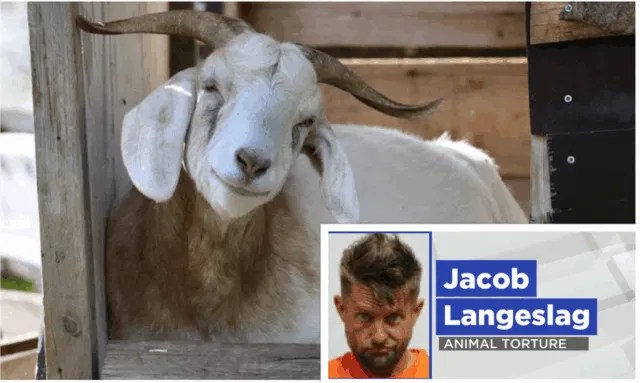
Grand Rapids, Minn. – An Itasca County man is facing a slew of charges because Itasca County deputies found “piles” of dead goats, apparently neglected to death, on property where he was living.

Itasca County deputies made the grim discovery on property in Bovey where 42-year-old Jacob Langeslag was staying with his goats – documents state there were three “piles” of dead goats in addition to additional goat carcasses that were “cleaned down to the bone” south of the property.

“They reportedly saw multiple goat legs hanging off the roof of the trailer that they say appeared to be ripped off the dead goats.”

An estimated 92 dead goats were found on the property where Langeslag lived; Valley News Live outlines the neglect the goats suffered:

“It was also observed during the search that there were several buckets within the fenced area with the surviving goats, all were empty but one. The other bucket was reportedly half-full of dirty water. There was no available source of water for the goats. It was later learned that Langeslag would drill holes in the nearby swamp and would bring the goats out every so many days for a drink. He also reportedly cut down trees for the goats to eat off of, leading to a serious state of malnutrition. Fecal samples from the surviving goats determined that they were infested with whipworms, strongyles, and coccidia.”

Jacob Langeslag claims he was “sick” during the time that the goats were starved to death. Still, investigators found a Snapchat video showing him at a bar and restaurant hangout called Zorbaz in Grand Rapids during the time he was supposed to be too unwell to care for the goats.

This is not Langeslag’s first time neglecting animals – he has a separate pending case of Misdemeanor Animal Cruelty Charges in Rice County for neglecting a horse.

Starvation is a prolonged, torturous death—each day brings more pain as the body consumes itself, muscles waste away, and the animal grows too weak to cry out. For these 92 goats, it meant dying slowly in fear and confusion, their suffering stretching endlessly while help never came.

Enough is enough. This man must be held accountable for killing these 92 goats! Please add your name to the petition to ensure that Langeslag serves the maximum amount of time behind bars for the 14 counts of Felony Animal Torture, three counts of Overwork/Mistreatment of an Animal- Deprive of food/shelter, and three counts of Disposal of Animal Carcasses.

Find the complete list of charges in this charging document. Note: Omnibus Hearing is scheduled on 07/16/2025 at 1:30 PM 

Target: Lead Attorney, Cassidy Louise Villeneuve

WHY THIS PETITION MATTERS: 

We, the undersigned, demand that Jacob Langeslag be held accountable for neglecting 92 goats to death. This man’s cruel neglect must be met with the harshest consequences to ensure that he can never inflict such horror on an animal again. The goats in Langeslag’s care suffered greatly before dying – we do not want to see a paltry slap-on-the-wrist for this man; we want significant prison time and a lifetime ban on owning or residing with animals.

Research has consistently shown a strong link between animal cruelty and human violence. Individuals who commit such heinous acts against animals often pose a threat to society as a whole, as animal abuse is frequently a precursor to other violent crimes. Failing to hold this man accountable not only denies justice for the innocent goats whose lives were cruelly stolen but also endangers the community at large. We must send a clear message that such cruelty will not be tolerated.

Individuals are presumed innocent until found guilty in a court of law. Animal Victory relies upon the authorities and the court system to determine guilt or innocence.

PLEASE SIGN ON PAGE

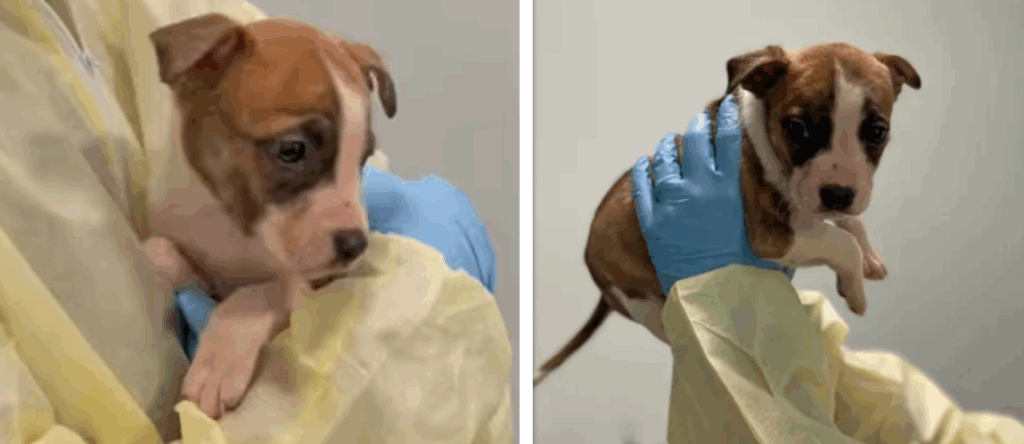
(US) Autopsy Reveals 6-Wk-Old Puppy Didn’t Kill Infant

https://nationalanimalnews.com/autopsy-reveals-6-wk-old-puppy-didnt-kill-infant/

Updated: May 30, 2025

Queens, NY – An autopsy of a month-old Queens infant who died Tuesday morning has confirmed that a six-week-old puppy in the apartment is not responsible for her death. According to sources, officials originally believed that the mixed breed puppy killed Kiyanna Winfield at the Queensbridge Houses public housing complex.

Baby Kiyanna was reportedly asleep between her parents on Tuesday morning; her mother woke to find the baby with bites on her body and called 911 for help, reports the New York Post.

The police seized the young puppy, believing it was responsible for the baby’s death. But the medical examiner has confirmed that the bites on the infant’s body were made after the baby’s death. The infant’s cause of death is currently unknown, and the case remains under investigation.

The wrongly blamed puppy was taken to Animal Care Centers of NYC – it is unclear what the pup’s fate is.

*************

Explosive-Loaded Animal Carcasses Used by Russians in Drone Attacks

https://militarnyi.com/en/news/explosive-loaded-animal-carcasses-used-by-russians-in-drone-attacks/

June 4, 2025

Russian troops have begun using wild animal carcasses as containers for explosives — they are dropped from drones.

The Para Pax Telegram channel published video and photos of this process.

According to the footage, a pre-assembled explosive charge is inserted into the carcass of a wild animal, then carefully concealed with fabric and the animal’s internal organs before being deployed via drone.

According to the post’s author, these “loaded” carcasses are later dropped from drones, both to mine areas and to carry out targeted strikes on specific positions.

The carcass of a hare with explosives. Photo credits: Para Pax

The use of animal carcasses as explosive devices significantly complicates their detection, posing an increased threat to personnel and potentially leading to unintended casualties.

An image of a drone already equipped with a prepared carcass, ready for transport and deployment, was also published.

It is worth noting that similar cases of booby-trapping objects and animal carcasses have been taking place since the beginning of Russia’s full-scale invasion of Ukraine.

In addition to using animal carcasses, the enemy has also booby-trapped the bodies of its own soldiers and abandoned equipment, aiming to inflict further losses on the Ukrainian Defense Forces.

The carcass of a hare with explosives. Photo credits: Para Pax

In addition to using animals as containers for explosives, Russian forces have also employed animals for logistics and the transportation of military equipment.

Militarnyi previously reported that certain Russian military units have begun receiving donkeys to be used as pack animals for transport purposes.

This may indicate that the donkeys have been assigned to frontline units to support logistics, both directly on the front line and in nearby areas.

Such a drastic measure is likely driven by a shortage of vehicles and unmanned ground platforms capable of performing logistical tasks.

Not all is well in .. GREECE

Some of you are perhaps planning their holiday …

https://www.ekathimerini.com/news/1247849/jackals-shot-and-hung/

Jackals shot and hung

06.09.2024 • 08:57

Police have launched an inquiry after the public outcry sparked by a video posted on social media showing three dead jackals hanging in two different places in the region of Messinia in southern Greece. 

According to a report on Skai TV, the jackals were shot and killed earlier in the week in the village of Xirochori in Mani by an unknown assailant or assailants.

One of the jackals was hung in the village square and two on signposts.

Another atrocity followed when a fox was also hanged in the area.

The incidents were the latest in a long string of reports of animal cruelty in different parts of the country.

In 2023 alone, there were more than 10,000 animal abuse complaints. 

************

https://www.ekathimerini.com/news/1250455/police-launch-manhunt-for-suspect-behind-gruesome-cat-killings-in-athens/

Authorities intensify hunt for suspect in Kypseli cat killings

08.10.2024 • 22:25

Authorities in the central Athens district of Kypseli are stepping up efforts to catch a suspect responsible for the gruesome decapitation of stray cats.

Reports suggest the perpetrator is targeting stray felines and leaving their bodies in various locations, sometimes accompanied by ominous notes.

Residents are growing increasingly alarmed, fearing more attacks. Despite reviewing surveillance footage from the crime scenes, police have yet to uncover any significant leads, but they continue to actively investigate the case.

Since December 14, 2023, five similar incidents have been reported, indicating a possible pattern that points to a single individual behind these heinous acts.

************

https://www.ekathimerini.com/news/1271570/man-arrested-for-killing-kitten/

Man arrested for torturing and killing kitten

03.06.2025 • 19:38

Police in Thessaloniki have arrested a 34-year-old man on suspicion of torturing and killing a kitten.

The incident came to light after a video surfaced online showing the man kicking a kitten – believed to have already been injured by traffic – onto the road before deliberately running it over with his car.

The Municipality of Kalamaria, where the alleged incident happened, issued a statement expressing its “anger and disgust,” saying the act “offends the culture of our city.”

************

https://www.ekathimerini.com/news/1263161/thessaloniki-police-investigate-stray-cat-poisonings/

Thessaloniki police investigate stray cat poisonings

04.03.2025 • 10:39

Police in Thessaloniki are investigating the mass poisoning of 16 stray cats in the Agia Marina district.

A local woman had been taking care of the cats and had given them food, but an unknown individual then added poison to the food, Vasilis Diamantakis, deputy mayor for the environment, told AMNA news agency.

The remains of the poisoned cats have been sent for an autopsy while a sample of the poisoned food has also been kept for examination.

“The police are conducting the necessary checks to identify the perpetrator and are investigating the case through the cameras in the surrounding area. We want the person responsible to be identified and punished so that people understand that there are consequences for such heinous acts,” Diamantakis said.

Legal systems increasingly utilised to protect animals

https://www.ibanet.org/Legal-systems-increasingly-utilised-to-protect-animals

Joanne Harris – Monday 2 June 2025

In April, Michoacán became the sixth Mexican state to ban bullfighting, while the previous month, legislators in Mexico City approved legislation to reform the sport. These reforms will ban ‘traditional’ bullfighting, limiting the length of contests and preventing matadors from killing their animal opponents – making the sport ‘bloodless’. Meanwhile in 2024, the Colombian President signed a bill that calls on the country’s government to completely ban bullfights by 2027.

These developments are part of a number of recent legislative and legal efforts around the world aimed at enhancing animal welfare. In New Zealand, the government plans to outlaw greyhound racing – a result, it says, of the significant number of injuries and deaths suffered by the dogs. It intends to introduce legislation later this year. Meanwhile, a growing number of non-profit organisations are seeking to protect animal rights through the courts. 

‘It’s unmistakeable that there’s a growing trend in favour of protecting animals through the legal system,’ says Christopher Berry, Executive Director of US-based organisation the Nonhuman Rights Project (NhRP). His organisation is now 30 years old, but Berry believes the use of the law to enhance animal welfare has taken strides forward in recent years.

‘We’re currently in the midst of a global change in society’s relationship with animals,’ Berry says, highlighting how science is delving deeper into their intelligence, emotions and communication. There’s reportedly a boom in such research, with an ever-increasing range of species observed using tools or playing for fun.

Helen Mitcheson, a director at non-profit legal organisation Cet Law – which focuses on advocating for the protection of whales, porpoises and dolphins – agrees science has been one of the factors in the growing regulation of facilities that house captive cetaceans in recent years. However, ‘there’s not one driver or one-size-fits-all movement to stop captivity or change practices in captivity and in a lot of cases it’s not even a legal driver. It’s driven by legislative, political and social actions,’ Mitcheson says. 

Looking back at the history of the anti-bullfighting movement in Mexico, Cecilia Stahlhut, Secretary of the IBA Healthcare and Life Sciences Committee, explains that the sport was suspended in Mexico City in 2022, but the ban was later overturned by the country’s Supreme Court in 2023. Since then, groups advocating both for and against bullfighting have been vocal on the subject.

The details of Mexico City’s reforms are still awaited. The city’s government has seven months to publish secondary regulations, detailing exactly how the changes will be brought about. ‘Most of the groups that support bullfights will wait until that moment to submit any claim against this amendment. That’s when the real legal fight will begin,’ says Stahlhut, who’s also a partner at Hogan Lovells in Mexico City.

While other states have already introduced regulations to prohibit bullfights – and also contests involving dogs – some are waiting to see how the situation in Mexico City develops, says Stahlhut. However, she adds that Mexico has strong regulations around animal protection. At the end of 2024, the Mexican Constitution was amended to explicitly protect animals from cruelty and to allow Congress to legislate in matters of their protection and welfare. 

At a federal level, these amendments to the Constitution enhanced the protection of animals in the country, and Stahlhut says the Mexico City proposals on bullfighting would bring its state legislation in line with federal laws. ‘It’s just to be consistent with what the government at a state and federal level has been working on. You can’t criminalise certain acts against animals and not other ones,’ she says. 

However, legislation protecting animals can lead to complex knock-on effects. In 2021, France banned whale and dolphin displays at aquariums – a move that has, according to park managers, directly led to the closure of facilities such as Marineland in Antibes, which shut its doors in January. Mitcheson says the park is still responsible for the care of the dolphins it had in captivity, and questions remain about where they should be sent. 

Similar questions arise in the case of Happy the elephant, who has been in captivity in the Bronx Zoo since 1977. NhRP brought a case to the New York courts arguing that Happy was entitled to the right of habeas corpus – which would allow a challenge to the elephant’s detention. The New York Court of Appeals rejected the case in 2022, but two judges wrote dissenting opinions saying Happy did have a right to freedom – even if that involved merely moving to a more spacious sanctuary. Bronx Zoo operator the Wildlife Conservation Society maintains its elephants are well cared for. 

Efforts to give animals legal rights are growing worldwide. In 2024, Polynesian Indigenous leaders signed the He Whakaputanga Moana – or Declaration for the Ocean – granting whales legal personhood. That move was followed by a pro bono initiative involving the UK’s Simmons & Simmons, marine law firm Ocean Vision Legal and the Pacific Whale Fund, to draft proposed legislation called ‘Te Mana o Te Tohorā’ (‘the enduring power of whales’), which would offer nations a pathway to adopt similar laws. ‘Legal personhood for environmental bodies is a real topic,’ says Mitcheson. ‘It’s very academic at the moment because the difficulty of it is implementation.’

Cultural barriers will probably also remain a challenge when it comes to implementing legislation protecting animals, and there are significant differences in the ways jurisdictions look at these issues – what may be permitted in one country could be banned in another. 

But recent trends certainly show a move towards enhanced animal welfare protection through legislation, regulation and the courts. ‘There’s a lot of energy and there is a lot of progress being made,’ says Berry. ‘It’s incremental and it’s frustrating and there’s a lot of obstacles in our way, but I’m very positive about the way this is headed in the long term. How fast it spreads and how quickly remains to be seen, but the trend line is for more protection and higher legal status for animals.’

How your pets alter your immune system

https://www.bbc.com/future/article/20250602-how-your-pets-alter-your-immune-system

Getty Images

Living with animals is thought to have profound effects on our immunity – potentially reducing the risk of allergies, eczema and even autoimmune conditions.

Since they first emigrated from Central Europe to North America in the 18th Century, the Amish have become known for their unique lifestyle. Today they are reliant on the same practices of dairy cattle farming and horse-borne transportation that were followed by their ancestors for centuries. 

The Amish have gripped the imaginations of Hollywood scriptwriters, documentary makers and sociologists for decades. But in the past 10 years, their way of life has become of increasing interest to the medical world too, as they seem to defy one particularly concerning modern trend. While rates of immune-related conditions which begin in childhood, such as asthma, eczema and allergies, have soared since the 1960s, this has not been the case for the Amish.

The reason for this is revealing insights into how our immune systems operate – and the profound ways that the animals in our lives are affecting them.

A diverse community

To try and understand why the Amish have lower rates of certain immune conditions, a group of scientists spent time back in 2012 with an Amish community in the state of Indiana, and with another farming community known as the Hutterites, in South Dakota. In both cases, they took blood samples from 30 children and studied their immune systems in detail.

There are many similarities between the two groups. Like the Amish, the Hutterites also live off the land, have European ancestry, have minimal exposure to air pollution and follow a diet which is low in processed foods. However, their rates of asthma and childhood allergies are between four and six times higher than among the Amish.

One difference between the two communities is that while the Hutterites have fully embraced industrialised farming technologies, the Amish have not, meaning that from a young age, they live in close contact with animals and the plethora of microbes that they carry.  

“If you look at an aerial drone photographs of Amish settlements, and compare them with Hutterite communities, the Amish are living on the farm with the animals, whereas the Hutterites live in little hamlets, and the farm could be a few miles away,” says Fergus Shanahan, professor emeritus of medicine at University College Cork, Ireland.

In 2016, a team of scientists from the US and Germany published a now-landmark study concluding that Amish children have a lower risk of allergies because of the way their environments shape their immune systems. In particular, the researchers found that the Amish children in their study had more finely tuned so-called regulatory T cells than those from Hutterite backgrounds. These cells help to dampen down unusual immune responses.

When the researchers scanned dust samples collected from the homes of Amish and Hutterite children for signs of bacteria, they found clear evidence that Amish children were being exposed to more microbes, likely from the animals that they lived among. 

Around the world, other scientists have been making similar findings. A group of immunologists reported that children growing up on Alpine farms, where cows typically sleep in close proximity to their owners, seemed to be protected against asthma, hayfever and eczema. Other research has found that a child’s allergy risk at ages seven to nine seems to decrease proportionally with the number of pets which were present in the home in their early years of life, dubbed the “mini-farm effect”. 

“It’s not a universal cure-all, and every time I give a lecture on this, someone goes, ‘Well I grew up on a farm and I’ve got allergies’, but we know that if you grow up physically interacting with farm animals, you have about a 50% reduction in your likelihood of developing asthma or allergies,” says Jack Gilbert, a professor at the University of California San Diego who was involved in the Amish study, and also cofounded the American Gut Project – a citizen science project studying how our lifestyles affect our microbiomes. “Even if you just grow up with a dog in your home, you have a 13-14% reduction in risk,” he says.  

Protective pets 

Since the Amish study was first published, the potentially protective effect of interacting with animals during childhood has been the subject of much fascination, with the New York Times even publishing an article asking whether pets are the new “probiotic”

So what’s going on? Perhaps unsurprisingly, given the tactile nature of humans and our fondness for stroking and fondling our pets, when we live with animals, microbes from their fur and paws have been shown to end up on our skin – at least temporarily.

This has led to suggestions that the “microbiome” could be colonised by bugs from our pets. This is the collection of vast colonies of microbes that live on our skin, in our mouths and most notably in the gut, which hosts a significant concentration of our body’s immune cells. According to Nasia Safdar, an infectious disease professor at the University of Wisconsin in the US, this concept has attracted interest from the pet food industry. The idea would be to develop products marketed as promoting the growth of beneficial bacteria in cats and dogs, which might then be transferred to their owners, she says. 

“That angle has been an attractive one for people to fund, because for most of us, it’s the human condition that we’re interested in,” says Safdar. “So what role can the animal play in that?” she asks. 

Safdar says she is considering running a study which would involve collecting faecal samples from both pets and their human owners when they come for repeated veterinary appointments to see if their guts become more microbially similar with time. She also wants to see if she can identify similar bacterial species which could confer health benefits.

However, others feel that the idea of dog or cat or any other kind of non-human animal microbes being incorporated into our microbiomes is dubious. “There’s zero evidence of that whatsoever,” says Gilbert. “We don’t really find long-term accumulation of dog bacteria on our skin, in our mouth, or in our guts. They don’t really stick around.”

In response to this, Safdar says that she still feels the study is very much worthwhile, stating she feels it is plausible that gut microbes can be transferred from pets to their owners and vice versa. “It’s worth studying and hasn’t been closely looked at yet,” she says. 

Gilbert believes that pets are playing a different, yet equally vital role. His theory is that because our distant ancestors domesticated various species, our immune systems have evolved to be stimulated by the microbes that they carry. These microbes do not reside with us permanently, but our immune cells recognise the familiar signals as they pass through, which then keeps the immune system developing in the right way.

“Over many millennia, the human immune system got used to seeing dog, horse and cow bacteria,” says Gilbert. “And so when it sees those things, it triggers beneficial immune development. It knows what to do,” he says. 

Studies have also shown that humans who live in the same household as a pet end up with gut microbiomes which are more like each other, and Gilbert suggests that the animal is likely acting as a vehicle to help transfer human microbes between its owners. At the same time, regular exposure to the pet’s own microbes will also be stimulating their immune systems to stay more active and better manage the bacterial populations in their own gut and skin microbiomes, keeping pathogens out and stimulating the growth of useful bacteria.

Ancient microbes

This is all good news for animal lovers, with research continuing to suggest that living with pets across our life course can be good for our immune system.

After reading the study on the Amish and the Hutterites, Shanahan was inspired to conduct his own research on Irish travellers, a marginalised population who typically live in confined spaces amongst multiple animals – from dogs and cats to ferrets and horses. 

Shanahan sequenced their gut microbiomes and compared them with Irish people living more modern lifestyles today, as well as microbiomes sequenced from indigenous populations in Fiji, Madagascar, Mongolia, Peru and Tanzania who still live a lifestyle akin to our hunter-gatherer ancestors. He discovered that the microbiome of Irish travellers was more similar to the indigenous groups. He said that their microbiome also bore similarities to that of humans from the pre-industrialised world, which other scientific groups have been able to study by collecting ancient faecal samples preserved in caves.

“The Irish travellers have retained an ancient microbiome,” says Shanahan. “It’s far more similar to what you see from tribes in Tanzania who still live like hunter-gatherers or the Mongolian horseman who live in yurts, close to their animals.”

Shanahan believes that this may explain the low rates of autoimmune diseases in Irish traveller populations: conditions like inflammatory bowel disease, Crohn’s disease, ulcerative colitis, multiple sclerosis and other diseases, which like asthma and allergies, have become increasingly common in recent decades.

“This isn’t to say that their health is good,” says Shanahan. “Irish travellers are dying much earlier than the settled community. But they’re dying from things like alcoholism, suicide and accidents, driven by poverty and marginalisation and their culture being eroded. But go to an Irish rheumatologist and ask if they’ve ever seen a traveller with systemic lupus [an autoimmune condition], they’ve never seen it.”

Now researchers are looking to see whether introducing animals back into our lives in various ways can be beneficial for our health across the life course. Researchers at the University of Arizona in the US have explored whether rehoming unwanted dogs with older adults could help to improve their physical and mental health by boosting their immune systems. And results from an Italian research group which created an educational farm where children from homes with no pets could regularly pet horses under supervision suggested that the children’s gut microbiomes started to produce more beneficial metabolites.

Gilbert says it’s plausible that this could be a means of improving childhood immunity. “If you’re exposed to more types of bacteria, you are going to stimulate your immune system in more variable ways, which may then improve its ability to manage the microbes on your skin and in your gut,” he says. “But you’re not being colonised by animal bacteria, that’s not happening.”

Researchers point out that having pets throughout your life can also facilitate more microbial interactions with your immune system in other ways. For example, having a dog makes you more likely to go for regular walks, notes Liam O’Mahoney, professor of immunology at APC Microbiome Ireland, a microbiome-dedicated research centre at University College Cork. 

“If you have a pet, you get out and about in the environment and go for walks in the park,” says O’Mahoney. “And by doing that, you’re also being exposed to microbes from the park, the soil, everywhere which can all be useful.”

‘Half the tree of life’: ecologists’ horror as nature reserves are emptied of insects

https://www.theguardian.com/environment/2025/jun/03/climate-species-collapse-ecology-insects-nature-reserves-aoe

3 Jun 2025 09.00 CEST

A new point in history has been reached, entomologists say, as climate-led species’ collapse moves up the food chain even in supposedly protected regions free of pesticides

Daniel Janzen only began watching the insects – truly watching them – when his ribcage was shattered. Nearly half a century ago, the young ecologist had been out documenting fruit crops in a dense stretch of Costa Rican forest when he fell in a ravine, landing on his back. The long lens of his camera punched up through three ribs, snapping the bones into his thorax.

…..