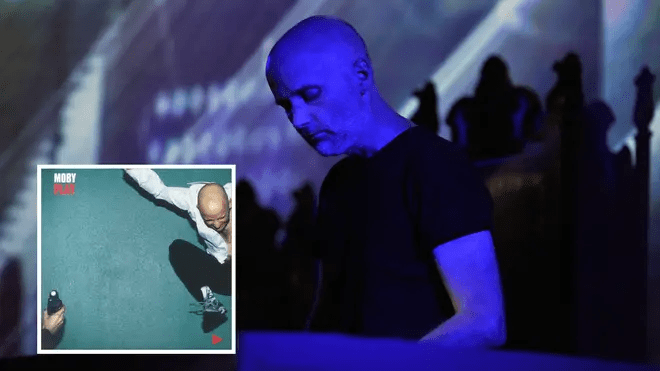
Moby is set to celebrate 25 years of Play with European dates for 2024. Picture: Press, Michael Tullberg/Getty Images
Moby has announced European dates to celebrate 25 years since the release of his Play album.
The electronic musician achieved critical and commercial acclaim with the record, which was released in 1999 and included the singles Porcelain, Natural Blues and Why Does My Heart Feel So Bad?
Now the artist – whose real name is Richard Melville Hall – has confirmed he’ll be celebrating the record-breaking record, in shows which include a date at The O2, London on Thursday 19th September.
Announcing the news, he said: “It’s been over 10 years since I’ve toured, but someone reminded me that 2024 is the 25th anniversary of the release of ‘Play’, so it seemed like it might not be the worst idea to do a short European tour to commemorate and celebrate”.
The violence against humans and animals in Gaza needs to stop. Eurogroup for Animals joins the numerous voices demanding an immediate and sustained ceasefire in Gaza, and that aid is let through to alleviate the hunger and the suffering. Both humans and animals are lacking food, water and medicines, as well as access to shelter, health and veterinary care.
The violence against humans and animals in Gaza needs to stop. Eurogroup for Animals joins the numerous voices demanding an immediate and sustained ceasefire in Gaza, and that aid is let through to alleviate the hunger and the suffering. Both humans and animals are lacking food, water and medicines, as well as access to shelter, health and veterinary care.
UN Women reports that more than 24,620 Palestinians were killed in Gaza between 7 October 2023 and January 2024, of which 70% are estimated to be women or children. Over 1.9 million people, or 85 percent of the population in Gaza, have been displaced from their homes. It is almost impossible for aid to reach the humans and animals of Gaza, as the security situation is severe and entries are blocked, allowing only a small number of aid transports to enter.
The war spares no one; animals are no exception. There is no information about how many animals have been killed or died from thirst, starvation, untreated injuries, lack of veterinary care or being trapped under the rubble after the bombings.
Sulala Animal Rescue is the only organisation we know of that is active on the ground in Gaza, helping cats, dogs and working animals in spite of the severe and dangerous situation.
Our member Animals International collects donations for animals in Gaza. Learn more about their emergency grants.
In plenary today, Members of the European Parliament urged the European Commission (EC) to come forward with the outstanding legislative proposals on animal welfare, the future of which remains uncertain. They stressed that the delay is putting the credibility of European institutions in question, as citizens’ demands remain unanswered.
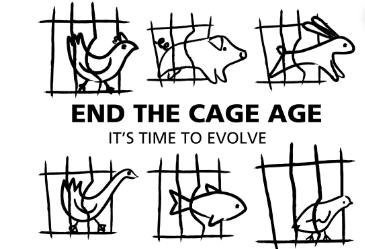
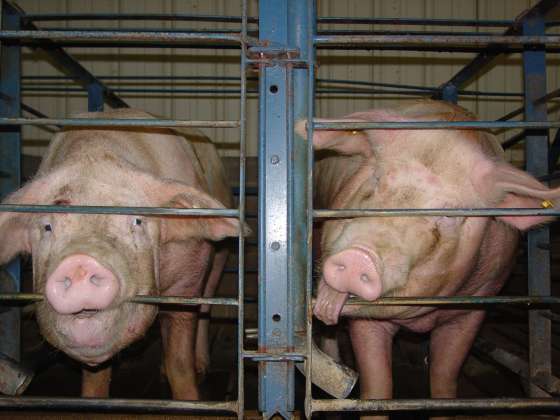
The EC had committed to publish four animal welfare proposals by the end of 2023, but backtracked from this promise by only publishing an unambitious Transport Regulation, and not putting forward the promised Kept Animals, Slaughter and Labelling regulations. The proposals were also set to include phasing out cages by 2027, in reply to the End the Cage Age ECI in which 1.4 million citizens asked for a transition to cage-free systems.
During the plenary today, a record number of MEPs (41) intervened in the oral question tabled by Neils Fuglsang (S&D, DK). 30 MEPs stressed that while the EC continues to delay action, millions of animals continue to suffer in horrible conditions across all stages of their lives; from farm to transport to slaughter. They criticised the EC for doing “very little”for animal welfare in the past legislative term, and questioned the democratic aspect of ECIs if policymakers do not react to the demands of the citizens. “You are letting down 3 million citizens,” many reiterated, making reference to the End the Cage Age and Fur Free Europe ECIs – both of which remain pending action by the EC.
They urged the EC to come forward with a concrete timeline and answer to the demands of millions of EU citizens.
Elisa Ferreira, Commissioner for Cohesion and Reforms, while admitting that more needs to be done for resilient food systems, said that work on these legislative files is “still ongoing”, and the EC “is analysing the best course of action”. She did not make any commitments on timeline.
In the run-up to the European Elections, Eurogroup for Animals has launched the Vote for Animals campaign which encourages candidate MEPs to take a pledge for animals, while informing citizens about the importance of these elections for progress on animal welfare.
The EC broke its promise on presenting the animal welfare legislation package. And while we wait for a clear timeline, millions of animals continue to live in cages, male chicks continue to be gassed at a day old, while chickens are bred to grow so fast their bodies cannot keep up. These animals deserve a legislative proposal, but there is none. We call on the EC to present a concrete timeline.
MEP Neils Fuglsang (S&D).
What has happened to the promised legislation?
What about the ban on cages?
We have been fighting for years.
How long will these animals have to wait? Not a day longer.
MEP Anja Hazekamp (The Left)
Not answering to the demands of ECIs would threaten the credibility of EU institutions – the animal welfare legislation should be a priority in the next mandate. We are disappointed – we need to see changes.
MEP Tilly Metz (Greens/efa)
The ECI is an excellent tool to improve democracy, but it only works if those who make the law react to what the citizens want. 1.4 million citizens asked for a ban on cages – more than four years have passed and 300 million animals continue to spend their lives in terrible conditions.
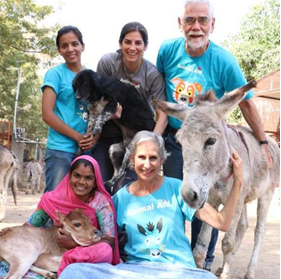
Welcome to this week’s beautiful cast of characters representing the hundreds of animals we treat every day. Among them is a new horse, Gusto, we’ve admitted with a serious chest wound. Scroll down for a brief overview of Rajasthan’s traditional use of wedding horses. We thank you for being the reason we’re able to treat such a magnificent being.
Scrumptious little Tofoo couldn’t even stand. But that was then!
Night had fallen and the chill had set in. There in the road was an abandoned baby who couldn’t stand. Blinding headlights swept past him as he lay in pain and terror. One after another, cars zoomed by, not slowing, not stopping. But then, someone’s wheels slowed and a kind motorist came to a full stop. “What is it, little one?” she must have asked. She realized that this recumbent little bundle could not stand.
There was no blood, but he was absolutely helpless. She immediately took action and called Animal Aid’s ambulance to the spot, and we hurried him back to our hospital. We snuggled him in blankets and gave him hydration and medicine.
We surrounded Tofoo with love from all sides– from other orphaned babies, grown-up cows, from our loving care-givers, and, we know, from you.
Turn “orphaned and abandoned” to loved and cherished – please donate.
Emergency surgery saved Bright-Eyes, and now those eyes shine with love!
Dear Bright-Eyes had a huge tear just below his chest area. But he wagged his tail as if to say “Please. Help me.” We hurried him back to our hospital where we treated him for pain, trauma and wrapped the wounded area.
He needed surgery to save his life. Bright-Eyes even wagged his tail during the surgery preparation. When Bright-Eyes regained consciousness he had a wonderful appetite–and not just for food. He gobbled up love, too! We felt so lucky to save him. After two weeks of healing, we neutered him, and as always, fully vaccinated him on admission. He’s one of the most charming, sweet and gentle boys we’ve ever met. Thank you for helping us give Bright-Eyes his life back.
For those who keep giving love, no matter what – please donate.
Above – Gusto
No more weddings for Gusto!
Already, Gusto is happier. He’s a beautiful boy recently admitted with a serious chest wound and severe malnutrition. Gusto is also very lame, and was apparently abandoned on the road, where a passer-by found him wandering. He is extremely gentle, and he’s making it easy for us to treat him with daily wound dressings, pain relief and plenty of nutritious food.
He is the Marwari breed used extensively in Indian weddings. It is tradition that the hired horse will be heavily draped in colorful cloth, blinkered and ridden by the groom from his home through the neighborhood so that friends and family can join the celebration.
Commercially used wedding horses like Gusto are usually never pastured. If there is no wedding to serve, they are made to stand in one place for days in a row, often with front and back legs tied together, watered and fed in place from a feed bag hanging from their face. This inactivity is perhaps more difficult psychologically than the wedding itself.
The wedding causes immense stress because of sprays of fire crackers, traffic and music at high volume from speakers powered by a loud portable generator wheeled behind the procession on a wagon. There are thousands of horses in this situation across the state.
Even just days after admitting him, Gusto’s eyes have brightened and we can see him relaxing, interacting gently with the animals around him, and that all-over-sore affect is already gone. Being able to wander at will, safe among the cows and the people in the large animal treatment area must seem to him like a luxury of freedom.
Mango’s feet are dancing to the rhythm of your beautiful compassion.
When we rescued Mango he had a large, painful neck abscess. But, thanks to your compassion and generosity, we were able to provide the care he so desperately needed, turning his pain to joy. This is the power of compassion in action, and we are endlessly grateful for each of you whose help means Mango’s little paws won’t stop dancing with the thrill of life itself.
Shimmer extra in the Spring Sunlightknowing your purchase saved a beautiful life!
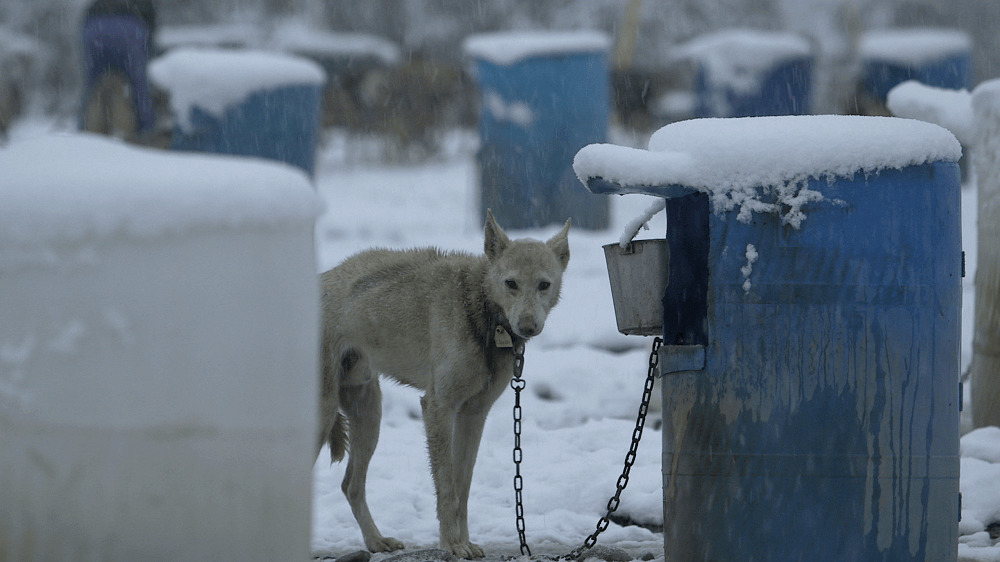
Two dogs died during Alaska’s Iditarod sled dog race, the first deaths in five years, renewing calls to end the 1,000-mile competition.
The Iditarod race involves mushers and their canine teams traversing mountain ranges, frozen rivers, and sea ice, often in treacherous weather conditions.
The deaths of the dogs have raised concerns about the safety and welfare of animals participating in extreme racing events.
Check out several media reports of this by clicking on:
I have some exciting news for you: thanks to the support of some generous donors, Lady Freethinker has just become a Meta shareholder to strengthen our call to end animal cruelty on their platforms. As a shareholder, Lady Freethinker will be able to submit a proposal to end animal abuse and torture on Facebook and we cannot be ignored.
Even as the Lady Freethinker team continues to track animal torture on Facebook and report it directly with Meta contacts, sickening videos and images of baby monkeys, puppies, kittens, and other helpless animals being brutally harmed continue to be posted daily on the platform.Enough is enough.
I want to extend my heartfelt gratitude to the generous supporters who have made this effort possible. Lady Freethinker will keep doing all we can to stop this horrific content until it is a thing of the past.
Thank you for joining us in the fight to stop animal cruelty on social media.
Mr Sunak did not indicate when the election would be called, but Downing Street sources told The Independent that the date has been pencilled in for the second Thursday in October.
The Beagle Freedom Project is transforming a 30-acre property in Oklahoma that used to be an animal testing facility into Freedom Fields.
The Beagle Freedom Project shut down an animal testing facility in Oklahoma in February and purchased the property surrounding the lab
The animal welfare organization is planning to turn the 30-acre property into a sanctuary and adoption center for pets rescued from animal testing
Over 200 pets used in testing at the Oklahoma facility are now in the Beagle Freedom Project’s care and are looking for forever homes
Over 200 cats and dogs are getting a fresh start in a familiar place.
In February, Beagle Freedom Project (BFP)— an animal welfare organization dedicated to saving lab animals and ending animal testing —shut down a private facility in Nowata, Oklahoma, performing tests on cats and dogs for the flea and tick medicine industry.
Beagle Freedom Project took over the former lab’s 30-acre property and the more than 200 animals remaining on the premises. The organization is now transforming the property into Freedom Fields, a sanctuary and adoption center for the former lab animals at the facility and future pets rescued from animal testing.
For Shannon Keith, who founded the Beagle Freedom Project in 2010, Freedom Fields is a success story that was hard to imagine 13 years ago.
When Keith started BFP, “the status quo was that facilities would typically kill animals at the end of testing,” she tells PEOPLE. Through Beagle Freedom Project’s work, hundreds of lab animals slated to die have been rescued and adopted out to loving families. The organization has also passed its “signature legislation,” the Beagle Freedom Bill, in 13 states and is working on passing federal legislation.
“What that does is mandate the release of animals after the testing is over. So instead of killing them, they release them to organizations like ours, so they have a second chance at life,” Keith explains.
Keith, an animal rights attorney, doesn’t rely on legislation alone to save animals used in product testing. Each year, she writes a letter to every operational animal testing facility in the United States, asking them to release their animals to the Beagle Freedom Project.
While Keith says it’s “very rare” she gets a response, one of these letters led the Beagle Freedom Project to the property that will eventually become Freedom Fields.
“This facility in Oklahoma, the owner of it finally called me, and he said, ‘Hey, I got your letter. I actually got it a couple of years ago.’ And he said, ‘I ignored your letter,'” Keith says.
What changed the facility owner’s mind were citations from the USDA. The agency encouraged the owner to contact Beagle Freedom Project to surrender the dogs and help clear up some of the citations.
“To his credit, he called us, and we started working with him in 2021. And so, we started going there, and whenever he was done with dogs and cats, we would get them and adopt them out,” Keith shares.
This relationship allowed Keith to pitch shutting down the testing facility and purchasing the property to the owner when she felt the time was right.
“I suggested he close his business and that we purchase the land from him, not the business, but the land. It’s a beautiful 30 acres. We would turn it into a sanctuary, and he’d be done with it. And I literally thought that he would laugh me off the phone,” Keith recalls of the conversation.
To her surprise, the owner was ready to retire and agreed to the Beagle Freedom Project’s proposition.
“Part of our negotiations was that he would relinquish his USDA license and never test on animals again. We had no part in paying for the business; the business is over. We purchased the property and took all the animals he would release to our custody. So we got 200 plus dogs and cats. He agreed, and we officially took custody of everybody and the land on February 1st,” Keith explains.
After the sale, the Beagle Freedom Project started working on making Freedom Fields a reality. Currently, a BFP employee lives on the property with the former lab animals who have yet to be adopted.
The animals came into Beagle Freedom Project’s care with burns on their bodies and health issues from being exposed to the toxic substances used in testing for flea and tick prevention medicines — and they also came ready to be loved. Over 30 animals from the Oklahoma testing facility have already found forever homes, and more are still searching for their families.
“Our goal is to get all of them adopted out. In the meantime, they’re living there, and we are in the process of renovating and making it a beautiful place for them to live until they’re adopted,” Keith says.
Plans for turning the former testing facility into Freedom Fields include adding a rehabilitation center for animals recovering from the abuse they endured during testing and a senior center for the numerous aging pets rescued from animal testing.
“The majority of dogs used in testing were born there, so they’ve been there their whole lives, and they’ve got arthritis, cataracts, and all kinds of ailments. They need their teeth pulled. They’re in pain. So we’re building a senior center so they can have orthopedic beds, ramps, and heat, all kinds of comforts they should have until they’re adopted,” Keith details.
Freedom Fields won’t just be for pets. Keith says that BFP plans to add an education center to the sanctuary “where people can meet animal testing survivors, learn about animal testing, and learn how to take care of animals properly and be kind to animals.”
“It’s one thing to hear me blabber on about animal testing, but when you meet a survivor in person, and you look in their eyes, it’s something that really melts your heart and makes you want to do something impactful,” she adds.
Keith hopes that news of Freedom Fields inspires animal lovers to learn more about the grim reality of animal testing.
“I would just love people to know and be aware of the products that they’re using, not only for themselves but also for their beloved animals, who are family members,” she says.
To help with this goal, BFP has developed the free Cruelty Cutter app, which allows users to scan a product’s barcode and learn if animal testing was used to create the product.













 World Animals Voice