Category: Uncategorized

USA: Iditarod – 30 Days To Go.

30 Days to go until start

The 2024 Iditarod dog death race is just around the corner. The winner of last year’s race dragged exhausted dogs along the trail.

What a loser.

Thanks to PETA supporters like you, the 2023 Iditarod sponsors and organizers were overwhelmed with compassionate pleas to help dogs! Let’s make sponsors think twice about supporting the 2024 race. Please visit our Iditarod Action Center to contact them:

Take Action

https://www.peta.org/action/the-iditarod-is-killing-dogs/?utm_source=peta::e-mail&utm_medium=alert&utm_campaign=0224::ent::peta::e-mail::289800::watch-last-years-iditarod-winner-drag-dogs-along-trail::::aa-em

The Iditarod Is Killing Dogs

Regards Mark

Photo – © CCI Entertainment

Our past Iditarod posts – https://worldanimalsvoice.com/?s=iditarod

USA: E Mail Rob Urbach At Iditarod Now – We Want This Abusive Race Stopped Immediately.

Our recent post re Iditarod:

NOW 33 DAYS UNTIL THE START

Dear Mark,

Let’s send Iditarod CEO Rob Urbach a demand: STOP exploiting dogs in the deadly Iditarod race!

Please urge Urbach to end the Iditarod’s dog abuse by replacing dogs with willing human athletes, such as cross-county skiers, or even snowmobilers:

Thank you for speaking up for dogs suffering in the Iditarod. Please help spread the word by forwarding this e-mail to everyone you know.

Take Action Now !

E mail Rob Urbach Now with this message below:

To – rob.urbach@iditarod.com

Being new to the Iditarod, you had a great opportunity to build something modern, exciting, and humane. Instead you’ve maintained the status quo for the dogs who suffer chained up in the freezing cold and then are forced to run to exhaustion, injury, or even death in this cruel race.

As long as the race continues in its present format, dogs will continue to suffer from stress fractures, bleeding ulcers, and illnesses like intestinal viruses. They’ll continue to die after being buried in snow and of heart attacks, excessive fluid in the lungs, and acute aspiration pneumonia—a lung infection caused by inhaling their own vomit—which, as you know, is the leading cause of death for dogs in the Iditarod.

These dogs are just like those we share our homes with. They don’t want to have a “career”—they’re just unlucky enough to have been bred by mushers who push them past their limits and then leave them out in the cold. Please replace dogs with willing human endurance athletes, cross-country skiers, or even snowmobilers. The Iditarod would attract a new and growing audience—and spare dogs a life of pain and misery.

————————————-

Regards Mark / PETA

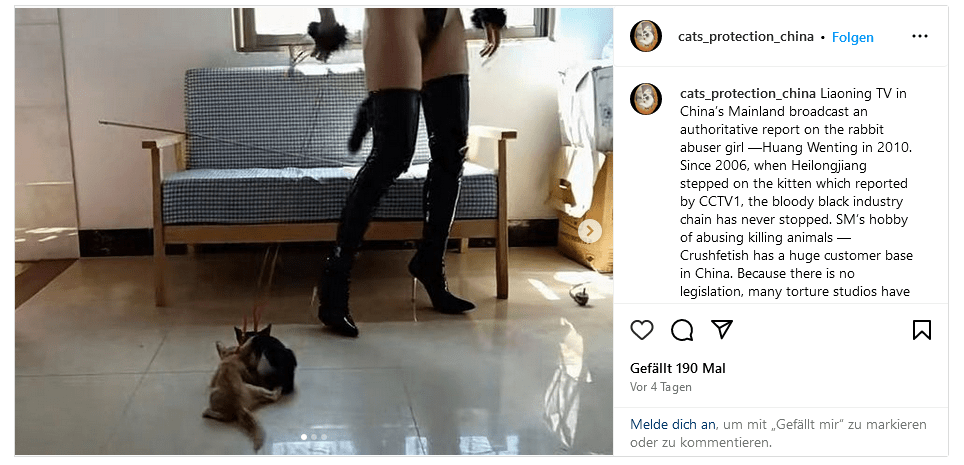
China: Abuse Links Info

Stuff from https://www.instagram.com/cats_protection_china

These posts/images are solely intended to show you what is happening, and we apologize for the graphic nature. However, to understand why this issue is so close to our hearts, and to all of those cooperating globally to end it, there must needs be an understanding of the “nature of the beast” we are facing. So bear with us. Thank you.

Together we’re strong.

For The Animals!

Regards Diana and Mark

USA: Iditarod Is Due To Start Very Soon – 39 Days To Be Exact – Take Action For Dogs NOW.

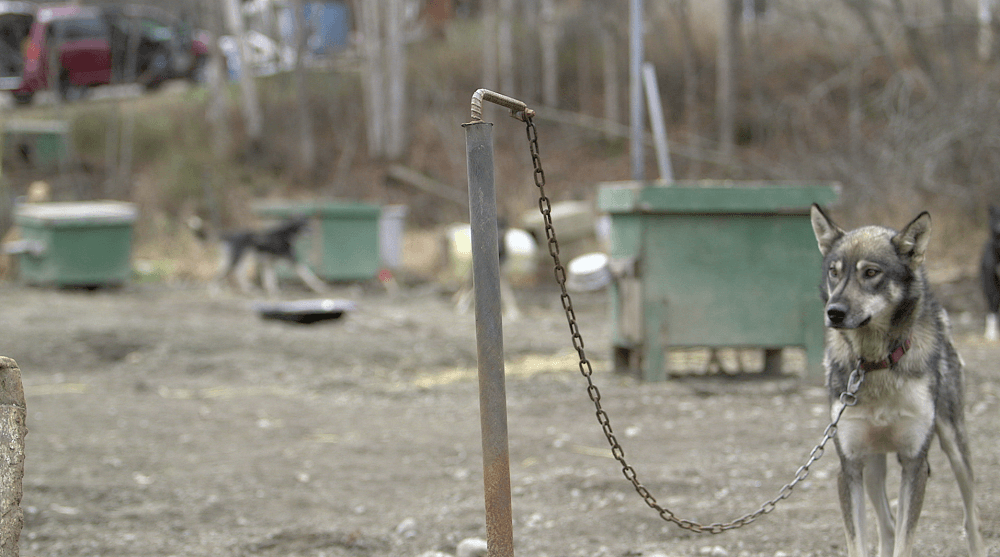
Above – Photo of a dog chained up at a facility run by Joe Redington Jr., the son of Iditarod’s founder Joe Redington.

Check out all of our past Iditarod posts:

Search Results for “iditarod” – World Animals Voice

Dear Mark,


In 39 days, the cruel Iditarod will begin again, forcing hundreds of dogs to run approximately 1,000 miles in less than two weeks. Last year, around 175 dogs were pulled off the trail due to exhaustion, illness, or injury. The “winner” of last year’s race caused nationwide controversy when he was caught on video dragging his visibly exhausted dogs in and out of a race checkpoint.

Consider the 2022 race: By the time it ended on March 19, nearly 250 dogs had been pulled off the trail because of exhaustion, illness, injury, and other causes, forcing the rest to work even harder. Two dogs went missing—one of whom has still not been found—a musher was apparently forced to drop out after dogs he was using were found in poor condition, and outrage ensued when the Iditarod fined mushers who had brought dogs inside to protect them during a dangerous storm. Before the race even began, multiple dogs were attacked and one was killed during training, and after it ended, Iditarod musher Jessie Holmes reportedly let several dogs loose in a hotel parking lot and they attacked and killed a woman’s companion dog.

Numerous companies have cut ties with the race after reviewing PETA’s documentation of cruelty and hearing from our supporters, and the Iditarod’s days are numbered. We’re fighting hard to help the dogs forced to run in this absurd race, and with your help, we can win more victories for them.

Please take 10 actions in under two minutes:

Take Action for dogs:

The Deadly Iditarod Race Should Be Terminated: Here’s Why (peta.org)

Photo of a dog at a kennel operated by former Iditarod champion Lance Mackey. In 2015, Mackey was given the Sportsmanship Award by his fellow mushers, despite two of his dogs dying from probable heart attacks during the race.

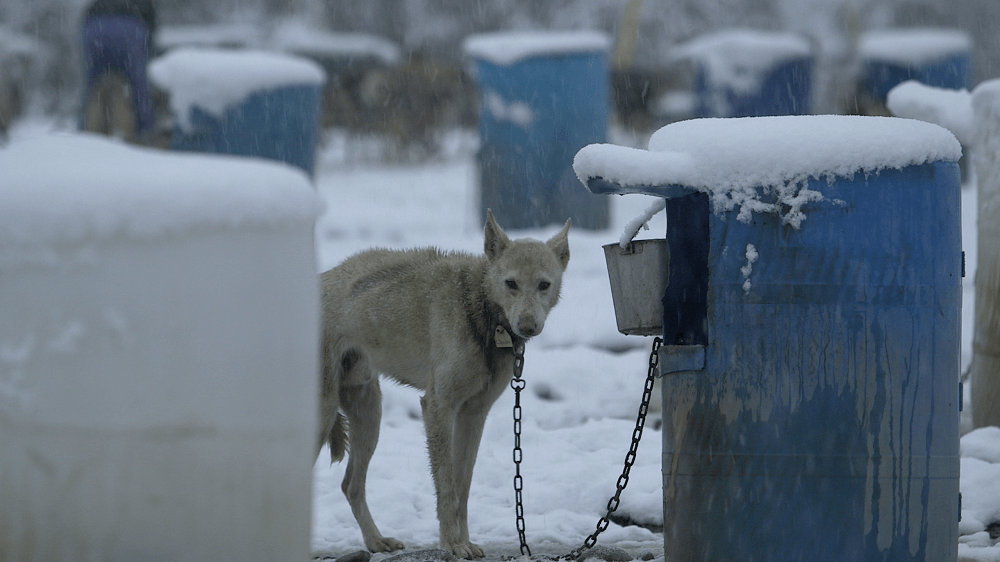
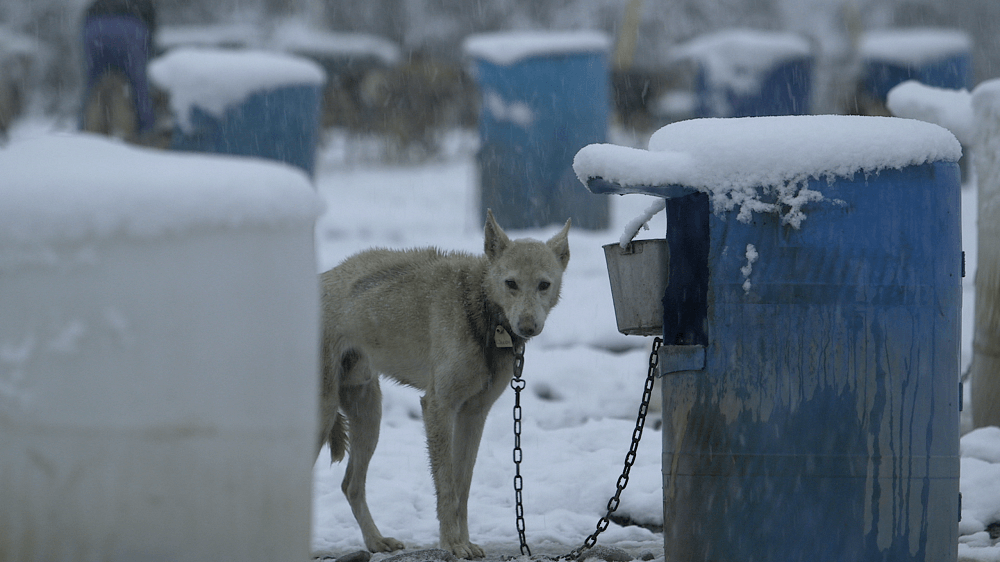
Above and Below Dogs residing at a kennel run by 2017 Iditarod champion Mitch Seavey. These dogs are chained up with only a plastic barrel for shelter.

Regards Mark


England: Dog with six legs has operation to remove extra limbs.

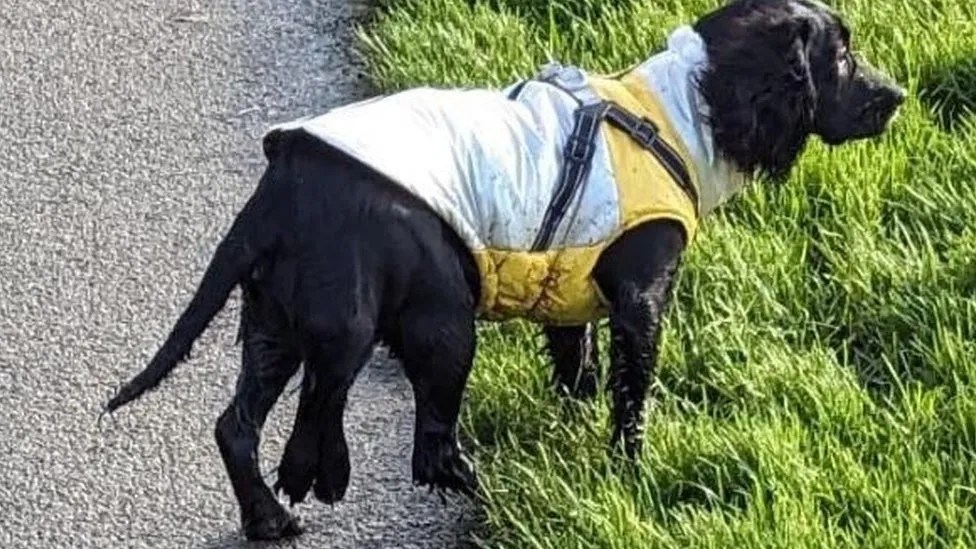
Ariel, the six-legged dog found dumped in a supermarket car park, has had surgery to remove her extra limbs.

The 11-week-old spaniel hit the headlines after being abandoned outside a Pembrokeshire branch of B&M in September.

About £15,000 was raised by well-wishers all over the world, enabling her to have a life-changing operation.

Surgeon Aaron Lutchman managed to save all four of her working limbs after fears one might have to be amputated.

Ariel was named after Disney’s Little Mermaid because her partially fused extra back legs resembled a mermaid’s tail

“She’s doing really well, she’s bounced back and she’s a happy little dog and we’re hoping she’s going to go on to lead a fabulous little life,” said Mr Lutchman.

“She’s got her own little character and even though she’s had a tough start in life she really has done well to come through this as she has… if we can do what we can to help then that’s just absolutely brilliant.”

Dog with six legs has operation to remove extra limbs – BBC News

Mikey Lawlor is the founder and manager of Greenacres Rescue near Haverfordwest, which took in Ariel after she was discovered alone, skinny and in a state of distress.

“The vet who initially assessed Ariel noted that, in addition to her two surplus back legs, she also had an additional vulva,” said the 42-year-old.

He added that a CT scan later revealing she only has one kidney upped the complexity of the medical treatment required.

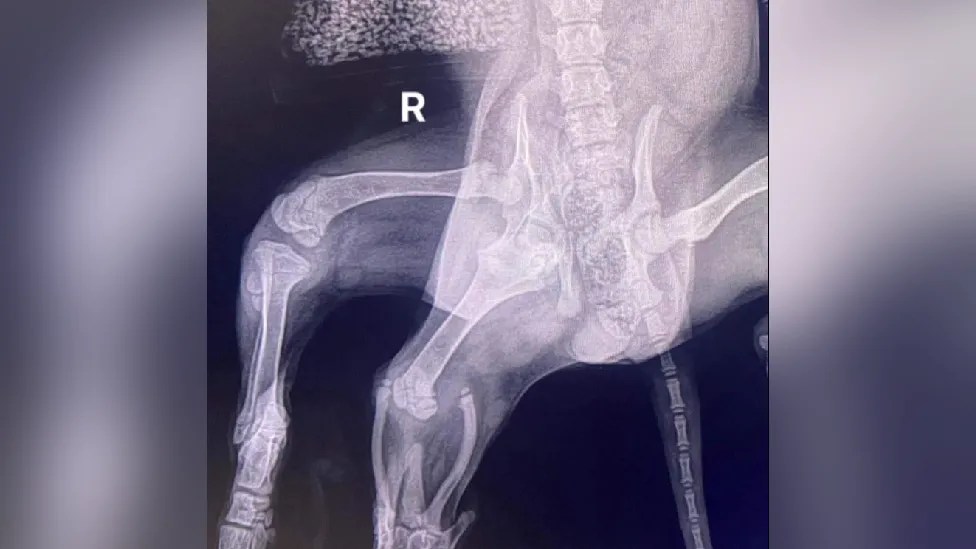
“And, due to having two hip joints on one side, Ariel’s pelvis never formed properly.

An early X-ray showed Ariel had two hip joints on her right side

“As a result her normal back right leg had virtually no muscle tone, so there was a possibility that might have had to come off too.

“Thankfully that wasn’t the case though as it’s shown signs of having strengthened a lot in recent months. ”Named after Disney’s Little Mermaid character, because her partially fused extra back legs resembled a mermaid’s tail, Ariel was operated on at Langford Vets Small Animal Referral Hospital in Somerset on Thursday.

“There were two procedures which lasted about two hours, but both went fine,” said Mr Lawlor.

“The next day she was up, walking around and eating and drinking.

“Now we just need to keep our fingers crossed she doesn’t get any infections, but she really is in the best hands.”

Mr Lawlor said he hoped Ariel would be discharged this weekend to return home to her foster family in west Wales.

“Then, after she’s had several weeks of physiotherapy and recovery, we’ll see about finding her a forever home,” he added

“The response we’ve had to Ariel’s story so far, including calls and emails from as far away as New York and Australia, has been incredible – so I’ve no doubt she’ll be snapped up.

“I just can’t say enough of a thank you to everyone who’s contributed to helping her.”

Langford Vets’ hospital director Vicki Black added: “Ariel was a complicated little dog whose care required close collaboration across a number of our specialist teams, including orthopaedics, soft tissue surgery, anaesthesia and radiology.

“As part of the University of Bristol we are a centre committed to career-long learning and are proud to innovate and treat pets like Ariel.

“We are delighted such a lovely animal has recovered well from her surgery.”

Great story – am sure thousands will want to adopt her.

Regards Mark

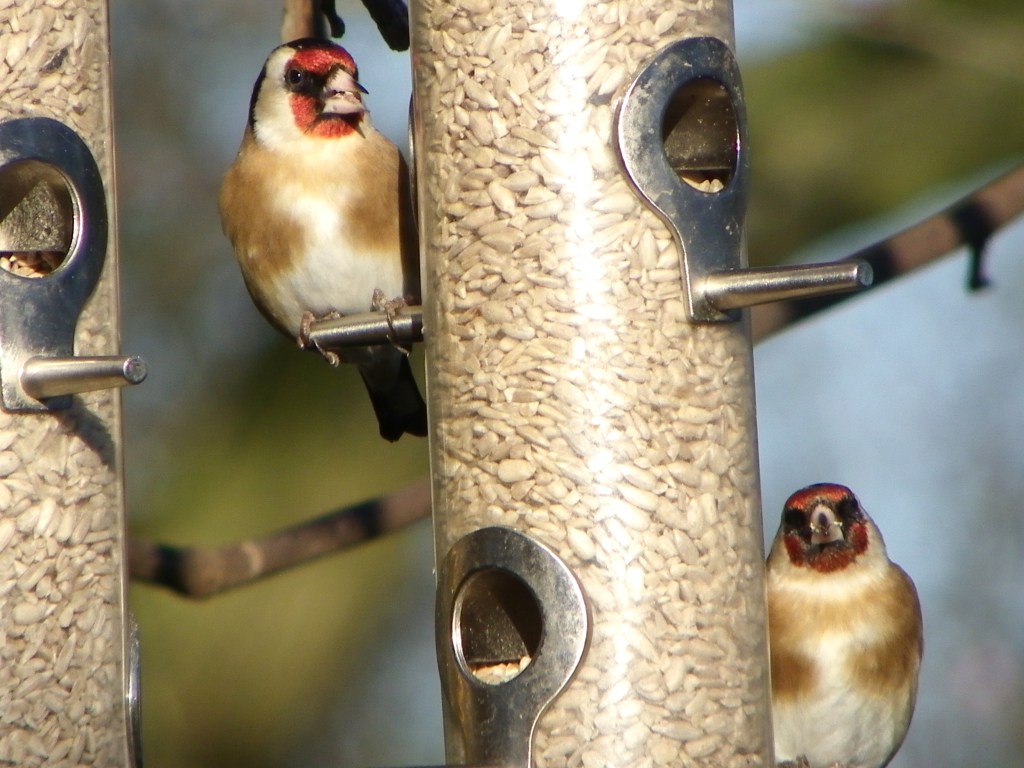
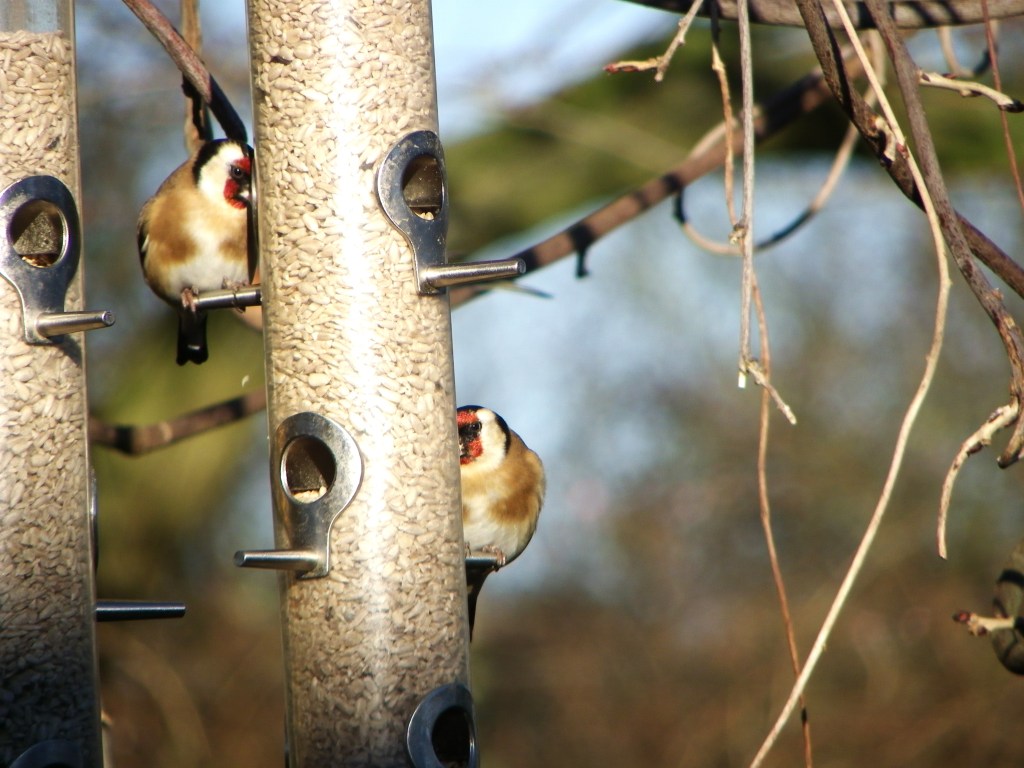
England: 18/1/2024 Goldfinches.

https://www.rspb.org.uk/birds-and-wildlife/goldfinch

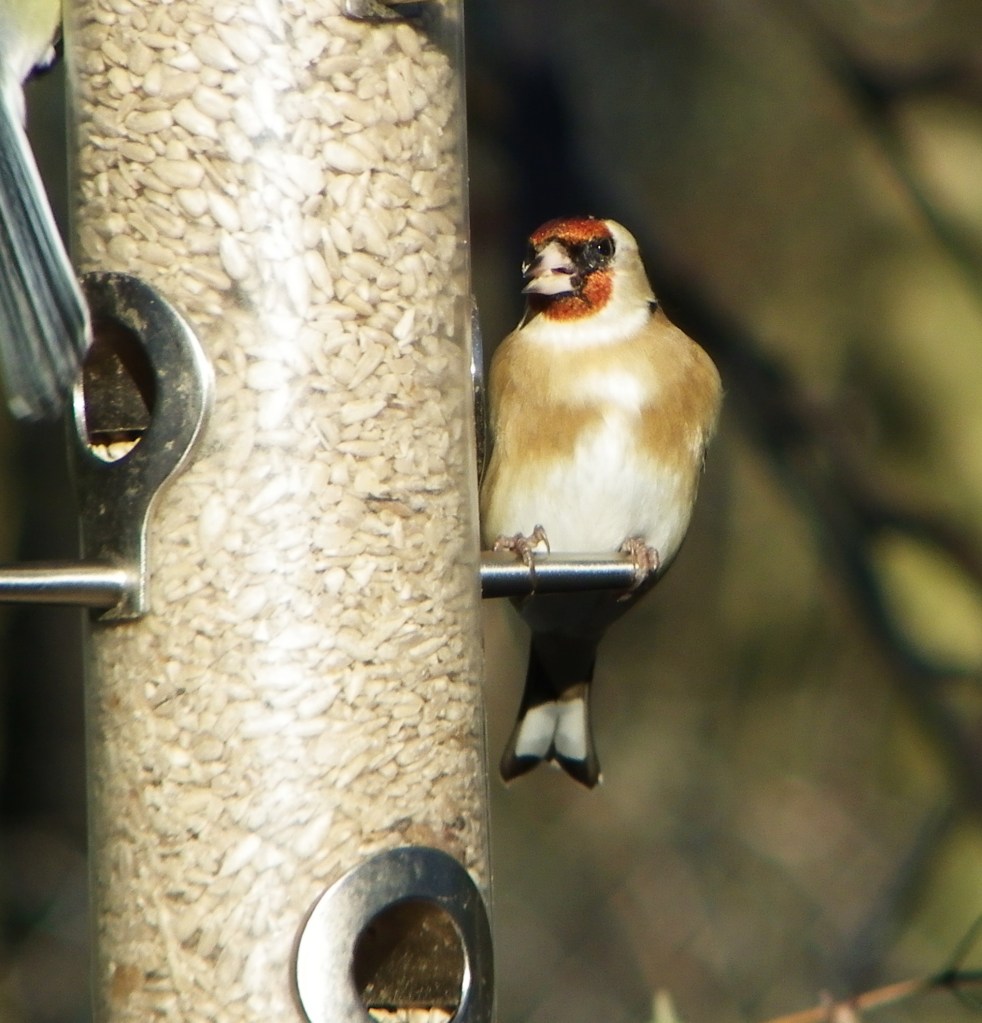
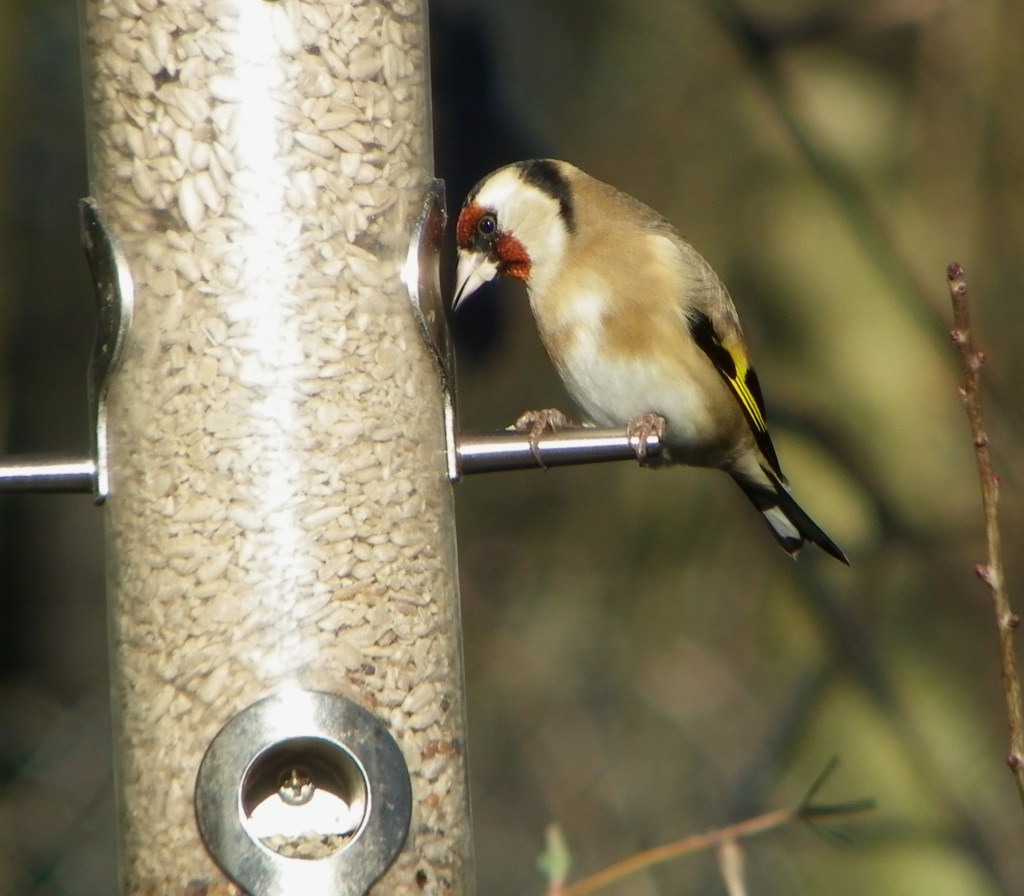
18/1/24. Went out into the garden this lunchtime with my camera whilst waiting for someone to arrive.

Beautiful Winters day – very cold, but clear with fantastic blue skies. I decided to take some photos of the Goldfinches that come into the garden each day to feast on the Sunflower hearts I put out for them in the feeders, and which you can see packed into the clear feeder tubes in the pictures. Got some ok photos which you can see below. Goldfinches are one of my favorite birds; colours are just amazingly beautiful.

Regards Mark

South Korea: Clamps Down on Controversial Animal Cafes.

Caged behind glass, a plump raccoon runs for a few seconds on an exercise wheel before flopping back down on the floor. In the next enclosure, a pair of prairie dogs perch on logs under the glaring artificial light of an overhead lamp.

A woman takes a selfie with a sheep at a cafe in Seoul, South Korea on February 17, 2015. – Ed Jones/AFP/Getty Images© Provided by CNN

On the other side of the partition, delighted customers sip lattes and snap selfies with the animals in a scene that is playing out across South Korea.

Animal cafes have exploded in popularity in the country over the past decade – first with cats and dogs, then to increasingly unusual wildlife species in the age of online virality.

In this cafe alone, in Seoul’s trendy university district Hongdae, there are more than 40 species – including porcupines, snakes, foxes and ferrets – according to a sign on the door advertising it as a unique date spot.

But the cafes have also stoked controversy, with animal welfare advocates long pushing for tighter restrictions or even an outright ban on such businesses.

The growing pushback prompted the South Korean government to clamp down with a set of new laws that went into effect in December, effectively prohibiting cafes from displaying live wild animals unless they are registered as zoos or aquariums.

Continue reading at:

Raccoons, foxes, meerkats: South Korea clamps down on controversial animal cafes (msn.com)

Regards Mark

EU: Illegal pet trade: findings of the EU enforcement action plan.

12 January 2024

The breeding and trade of cats and dogs within the EU is a profitable economic sector; valued at over 1.3 billion € annually, it’s riddled with fraudulent activities that jeopardise the health and welfare of animals, compromise public health, undermine consumer protection and distort the internal market.

These risks have been given the attention they deserve at EU level through a coordinated Action Plan involving relevant stakeholders, among which are Directorate Generals of the European Commission, EU non-governmental organisations and Europol.

The sale of dogs and cats is increasingly growing through online platforms and social media, with an estimate of around 60% of dog and cat owners purchasing their pet through the Internet, representing 4,8 million dogs and 1,2 million cats. We expect the new Proposal for a Regulation on the welfare of dogs and cats and their traceability to address fraudulent operations via mandatory identification and registration of dogs and cats circulating on the internal market.

Lack of enforcement is a major issue due to lack of prioritisation of the illegal pet trade, in spite of it bearing all the hallmarks of organised crime. There is a compelling need for a deeper collective and structured cooperation at EU level between law enforcement, custom tax authorities, magistrates, European institutions and agencies and, where relevant, third countries, international organisations and the private sector.

The Action Plan has also discovered ineffective, disproportionate and non dissuasive penalties for fraudulent practices that underestimate the large amounts of money moving through the illegal pet trade.

Companion animals moved for commercial purposes from non-EU countries to the EU must be declared to customs authorities to prevent tax evasion. Commercial movement has been found to be largely disguised as private travel, hence undeclared for custom purposes, making the origin of the animals unverifiable.

Other disturbing findings pointed towards illegal trafficking of dogs through shelters, for example in Romania, without the necessary permits and incorrect data in health certificates of passports. This highlights the need to include animal shelters in the scope of the new Regulation.

The primary suppliers of illegally traded animals within the EU were Romania and Hungary, and from outside the EU were Turkey, Serbia, Ukraine, Russia and Belarus with 45% of the Action Plan cases originating from non-EU countries. 

The insights from this EU Action Plan should be used to implement more targeted and effective controls, stronger penalties, effective law enforcement and the need for unified regulations in Member States. Special attention should be granted to the online side of the illegal pet trade, which would benefit from an enhanced collaboration between all relevant national authorities (veterinary, customs, police and judicial), as well as a larger focus on public awareness campaigns to empower consumers to make informed choices.

Regards Mark