Category: Vivisection

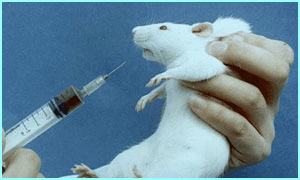
EU: New EU reports show continued difficulties in replacing the use of animals despite availability of alternative methods.

New EU reports show continued difficulties in replacing the use of animals despite availability of alternative methods

2 August 2022

The European Commission has released the latest annual statistical report on the use of animals for scientific purposes in European Union Member States and Norway in 2019.

The objective of the annual reports is to structure the data for an improved understanding of where and how animals are still used in science today. This way of reporting is expected to help identify areas where animals are used on which efforts for the development and validation of alternative approaches can be focused.

However, the many efforts of the European Commission and Member States to advance science without the use of animals are still not delivering concrete and sustainable reductions on the use of animals in science.

The newly released report found that 10.4 million animals were used in research, testing and education in 2019 – a decrease of 1.5% from 2018. However, the total number of uses of animals in EU-28 increased 2% in 2019. 

Additionally, 1.2 million animals were reported to be used for the creation and maintenance of groups of genetically altered (GA) animals. Although this represents a 20% decrease from the numbers reported in 2018, the continuous fluctuations of this number is attributed to a continuous inaccurate reporting from the users of animals.

Many students in the EU still get used to practising a myriad of procedures on animals, where alternative teaching and training methods are available, reinforcing a culture that accepts the use of animals as mere tools. Rodents, cats, dogs, horses, donkeys, pigs, sheep, cows, birds, reptiles, amphibians, fish and cephalopods were used for the main purpose of education and training in 2019. In total, 163,047 animals were used and 10% of these animals were genetically modified.

Increases in the use of certain species and purposes are also worrying. The use of cats increased by 40%.

The numbers reported under the category “Other rodents” increased by 70%.

The use of cephalopods increased by 398%, and the uses of animals for preservation of species and protection of the natural environment increased approximately 170%.

The use of dogs, however, decreased 26%.

In 2017 and 2018, for the first time, ten non-human primates were used for the creation of new genetically altered animal lines. In 2019, this increased to 43 non-human primates. These animals are being bred in Germany. Although they have not yet been used in research projects, the creation of this new genetically altered group is intended to be used for basic research, such as to explore biological processes, without having a clearly defined potential applied benefit for humans’ or other animals’ health, or for the environment.

In 2019, as in previous years and of particular concern, animals continued to be used in areas where alternative, non-animal methods are already available. Six Member States still report having used the mouse ascites method for the production of monoclonal antibodies, mainly in France

Overall, the report found that 9% of all uses of animals (1.054.535 uses) inflicted severe suffering.

Regards Mark

Comment from Jack – thanks Jack.

Humans are the worst species on the planet. A parasite.

Leave the nonhuman life alone!!!!!!!

EU: Improving the Reporting on the implementation of Directive 2010/63/EU – Legislation That ‘Protects’ Animals Used In Research.

WAV Comment: Lets hope that this EU legislation provides better protection for research animals than the farce named (EU) Regulation 1/2005 which is supposed to ‘protect’ live animals during transport. That certainly does not work and never has. Bets on this being any better please !

Regards Mark

Improving the Reporting on the implementation of Directive 2010/63/EU

Directive 2010/63/EU is the European Union legislation that protects animals being used in research. Directive 2010/63/EU is the European Union (EU) legislation “on the protection of animals used for scientific purposes” and is one of the most stringent ethical and welfare standards worldwide. The Directive repealed Directive 86/609/EEC.

https://www.legislation.gov.uk/eudr/2010/63

The present report provides recommendations that can improve Member States’ reporting on the implementation of Directive 2010/63/EU.

A better and more harmonised reporting by Member States will further increase transparency and openness, and will enable the assessment of the effectiveness of the implementation of Directive 2010/63/EU among all Member States.

Our recommendations are based on the new reporting requirements set out in the sections of Annex II of Commission Implementing Decision 2020/569/EU, and on best practices among the replies of the Member States to the EC 2018 survey on the implementation of Directive 2010/63/EU.

Check the individual EU member state reports here:

This report provides recommendations that can improve member states reporting on the implementation of Directive 2010/63/EU.

Czechia – Improving the Reporting on the implementation of Directive 2010/63/EU | Eurogroup for Animals

Denmark – Improving the Reporting on the implementation of Directive 2010/63/EU | Eurogroup for Animals

Finland – Improving the Reporting on the implementation of Directive 2010/63/EU | Eurogroup for Animals

France – Improving the Reporting on the implementation of Directive 2010/63/EU | Eurogroup for Animals

Germany – Improving the Reporting on the implementation of Directive 2010/63/EU | Eurogroup for Animals

Hungary – Improving the Reporting on the implementation of Directive 2010/63/EU | Eurogroup for Animals

Ireland – Improving the Reporting on the implementation of Directive 2010/63/EU | Eurogroup for Animals

Italy – Improving the Reporting on the implementation of Directive 2010/63/EU | Eurogroup for Animals

Poland- Improving the Reporting on the implementation of Directive 2010/63/EU | Eurogroup for Animals

Spain – Improving the Reporting on the implementation of Directive 2010/63/EU | Eurogroup for Animals

Sweden – Improving the Reporting on the implementation of Directive 2010/63/EU | Eurogroup for Animals

The Netherlands – Improving the Reporting on the implementation of Directive 2010/63/EU | Eurogroup for Animals

General – Improving the Reporting on the implementation of Directive 2010/63/EU | Eurogroup for Animals

Regards Mark

Netherlands: Proefdiervrij launched a campaign and petition calling for non-animal science solutions to the human organ shortage.

 Not normal – Animals shouldn’t have to suffer due to organ shortage

28 July 2022

Proefdiervrij


Proefdiervrij launched a campaign and petition calling for non-animal science solutions to the human organ shortage.

There is an ongoing chronic shortage of suitable human organs for life-saving transplantation. Animal to human transplantation, known as xenotransplantation, has been heralded as the solution to save patients’ lives. Earlier this year, a US man became the world’s first person to get a heart transplant from a genetically modified pig. Unfortunately, the patient died two months after the transplant.

Proefdiervrij are countering this movement to regard animals as spare parts for humans with their online campaign Niet. Gewoon. (Not. Normal.). The foundation that strives for a future without animal testing thinks it is not normal to make animals suffer for the sake of people and wants to make people think more about this controversial subject.

Proefdiervrij wants to move away from outdated methods that cause pain suffering and distress to animals and is focused on human-oriented methods to solve the donor shortage, including a growing investment in disease prevention, the improvement of the still ineffective system of organs donations, and on furthering the technologies that are already providing solutions for some transplantation needs.

For example, at the end of 2021, researchers at UMC Utrecht implanted a complete artificial heart for the first time in the Netherlands. The outside of the heart is made of plastic and the inside is lined with biological material. At the time of this transplant, this was still animal material, but in the future this could hopefully also be human tissue. 

Culturing human organoids is also a step towards cultivating organs. Researchers in America have already developed a 3D biological structure for organs that will hopefully one day allow us to grow fully functional human organs in the lab.

Organ regeneration is the body’s ability to repair damaged tissue itself. UMC Utrecht has a department that focuses entirely on regeneration. This department investigates, for example, the regeneration of cardiovascular tissue. 

Biomimicry uses synthetic materials and grows tissues from the patients’ own stem cells, which also carries less risk of organ rejection than using animal organs. 

In the Netherlands, animal organ transplantation is prohibited.

And it should stay that way. Using animals to solve human problems is a step back in time and we want to prevent donor animals from becoming the new generation of laboratory animals.

Debby Weijers, director of Stichting Proefdiervrij

Read more at source

Proefdiervrij

Regards Mark

EU: New study highlights need to shift towards the use of non-animal ingredients in in vitro methods,

New study highlights need to shift towards the use of non-animal ingredients in in vitro methods

25 July 2022

The European Commission, academia and animal protection organisations co-authored a study to identify challenges and put forward proposals to promote the use of non-animal ingredients in in vitro methods.

Non-animal methods are increasingly used in research and testing, but some of these methods still use animal-derived components. Cell- and tissue-based models routinely use, for example, coating materials, growth factors and antibodies that are derived from non-human animals. These animals can experience severe pain depending on the procedures they are subjected to. Besides the ethical concerns, the use and production of animal-derived components also raises many scientific issues, generally associated with the presence of undefined components and batch-to-batch variability, which may compromise the trustworthiness of the experimental results. However, non-animal components are becoming increasingly available, and their use is encouraged in EU legislation and in guidelines of the international Organization for Economic Cooperation and Development. Non-animal components include, for example, human cells, alternatives to animal sera or non-animal recombinant antibodies.

The European Commission’s Joint Research Centre, Oltre la Sperimentazione Animale, the Centre for Predictive Human Model Systems, Atal Incubation Centre-Centre for Cellular and Molecular Biology, the Animal Welfare Academy of the German Animal Welfare Federation, and Eurogroup for Animals carried out a study that maps the current state of use of animal-derived ingredients across different sectors and identifies challenges hampering the large implementation and use of non-animal derived alternatives. In particular, the new article provides ideas to: increase awareness about non-animal products/ingredients; improve accessibility of reagents and protocols; and increase funding for the replacement of animal-derived components.

Read more at source

A worldwide survey on the use of animal-derived materials and reagents in scien…

Regards Mark

UK: Animal Advocate Oldies, and Still Getting Stronger.

LEAGUE AGAINST CRUEL SPORTS (LACS).

The League Against Cruel Sports (LACS), formerly known as the League for the Prohibition of Cruel Sports, is a UK-based animal welfare charity which campaigns to stop blood sports such as fox hunting, hare and deer stalking; game bird shooting; and animal fighting. The charity helped bring about the Hunting Act 2004 and Protection of Wild Mammals (Scotland) Act 2002, which banned hunting with hounds in England, Wales and Scotland.

Thanks to our friends at Wikipedia:

  • 1924 – The League was founded by Henry B. Amos to oppose rabbit coursing[7] – he was successful in achieving a ban. This resulted in the organisation expanding its remit to include other blood sports – such as fox, hare and deer hunting.
  • In 1935, Amos was jailed briefly for throwing a copy of Henry Stephens Salt‘s Creed of Kinship through a stained glass window at Exeter Cathedral during evensong
  • He first became interested in vegetarianism in about 1886.
Henry Brown Amos (24 May 1869 – 22 October 1946) was a Scottish animal rights activist, humanitarian and vegetarian.
  • 1975 – A bill seeking to ban hare coursing, supported by the League, was passed through the House of Commons, but did not receive approval in the House of Lords.
  • 1978 – The League secured legal protection for otters, including a ban on hunting them. The aquatic mammal was up until that point hunted with packs of hounds, one of the reasons for their numbers declining.
  • 1992 – The League helped secure the Protection of Badgers Act, which expanded the protection of the mammals themselves to their setts. The homes of badgers are illegally targeted for several reasons, including being blocked by fox hunts to stop animals being pursued by hounds fleeing underground.
  • 2002 – Fox, hare and deer hunting and hare coursing was banned in Scotland under the Protection of Wild Mammals (Scotland) Act 2002, which was introduced by MSPs following campaigning by the League and other animal protection organisations.
  • 2004 – Fox, hare and deer hunting and hare coursing was banned in England and Wales under the Hunting Act 2004. The legislation was introduced by MPs following campaigning by the League and other animal protection organisations.
  • 2005 – The Hunting Act 2004 came into force – making fox, hare and deer hunting and coursing illegal across England and Wales.
  • 2005 – The Waterloo Cup hare coursing competition held its final meeting at Great Altcar in Lancashire, closing after 169 years following passage of the Hunting Act.
  • 2006 – A huntsman with the Exmoor Foxhounds was found guilty of illegally hunting foxes with dogs in a private prosecution brought by LACS, but the case was overturned on appeal.[8][9]
  • 2007 – Two members of the Quantock Staghounds were successfully prosecuted by the League following chasing a deer across Exmoor.[10]
  • 2008 – Two members of the Minehead Harriers pleaded guilty to chasing a fox with a pack of hounds in a private prosecution by LACS.[11]
  • 2009 – The League announced a new campaign against dog fighting, amidst news reports that there is an increase in dog fighting in London.
  • 2014 – The League celebrates 90 years of campaigning against cruelty to animals in the name of sport. Figures from the Ministry of Justice show that there have been 341 convictions under the Hunting Act 2004.
  • 2015 – Prime Minister David Cameron offered a free-vote on repealing the Hunting Act, backing down shortly afterwards following pressure form the League, MPs and other animal protection organisations.
  • 2015 – Cross-channel ferry companies stop shipping pheasants and partridges from French factory-farms to British shooting estates, following an investigation and lobbying by the League.
  • 2018 – Conservative Party drops its manifesto commitment to offer a free-vote on repealing the Hunting Act following pressure from the League, meaning no Westminster party any longer supports repealing the hunting ban.
  • 2018 – Scottish Government announces intention to strengthen the Protection of Wild Mammals (Scotland) Act 2002, which bans hunting with hounds in Scotland, following pressure from the League and other animal protection organisations.
  • 2018 – Welsh Government bans pheasant and partridge shooting on public land following campaigning and pressure from the League and Animal Aid.
  • 2018 – The Labour Party backs calls made by the League to strengthen the Hunting Act – including prison sentences for those who chase and kill wild mammals.
  • 2019 – University of Wales suspends pheasant shooting on its countryside campus at Gregynog Hall following campaigning by the League.
  • 2020 – In January 2020, an employment tribunal in Britain ruled that ethical veganism is a “philosophical belief” and therefore protected in law. This is the first time an employment tribunal in Britain ruled this. This case was in regards to vegan Jordi Casamitjana, who stated he was fired by the League due to his ethical veganism.[12

Web link: Home | League Against Cruel Sports

Photo – Mark (WAV) / East Kent Hunt Sabs.

ROYAL SOCIETY for the PROECTION of CRUELTY to ANIMALS (RSPCA)

The society was the first animal welfare charity to be founded in the world.

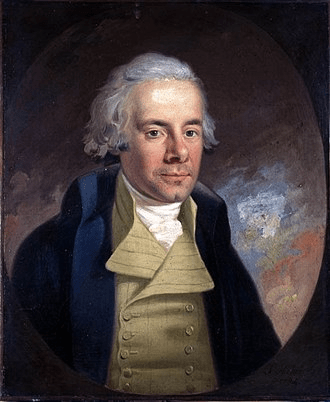
Founded on the 16th June 1824, by Richard Martin, William Wilberforce and the Reverend Arthur Broome, at the Old Slaughter’s Coffee House, near Trafalgar Square, London, who together agreed that the neglect, cruelty and abuse of animals was unacceptable.

William Wilberforce – One of the RSPCA founders and anti slavery staunch campaigner.

Now very close to its 200th anniversary; and going stronger than ever.

Wilberforce was an advocate and staunch campaigner for the abolition of the slave trade; which he achieved shortly before his death:

William Wilberforce – Wikipedia

This proves that animal welfare campaigners are also strong supporters of human welfare issues, as we show with our support for ‘Free Tibet’ who are based in London:


Search Results for “free tibet” – World Animals Voice

Read a lot more about the RSPCA history at:

Royal Society for the Prevention of Cruelty to Animals – Wikipedia

Web site link:  The Largest Animal Welfare Charity in the UK | RSPCA

Above are a few links to enable you to read and learn more about these wonderful animal advocate organisations;

Regards Mark.

Enjoy

Guns and Roses at London:

EU: European Commission criticised for biased survey on EU chemicals regulation REACH.

7 April 2022

H2020 scientific consortia have criticised the European Commission for conducting a “biased” survey on the REACH regulation (Registration, Evaluation, Authorisation and Restriction of Chemicals), where non animal methods are undermined.

The European Commission is currently holding a public consultation on the revision of the REACH Regulation, as part of ambitions to achieve a “toxic-free environment” by 2050.

The survey implies that reducing and replacing traditional animal testing with non-animal testing methods, or NAMs, will weaken protection from chemical hazards. 

In a statement, the consortia suggests that the questionnaire can potentially damage confidence needed to further support the development and uptake of NAMs by the private sector. This could impact Europe’s leading position worldwide in creating a safer chemical market for industry and citizens.

The language of the survey is misleading because it contradicts the tremendous scientific progress in a wide range of fields developing and using NAMs for precision medicine and safety sciences.

The ASPIS Cluster

There are a number of non-animal approaches that ensure the safety of chemical products, including computer-based modelling, stem cell technology and organ-on-a-chip. The use of animals as models in chemical testing is out of line with Europe’s aim to move towards humane, innovative and animal-free science. 

Stakeholders and citizens have until 15 April 2022 to

 provide their inputs 

on how to better protect human health and the environment from harmful substances while reducing and ultimately replacing animal testing.

Regards Mark

England: 71% of People Think Causing Pain and Suffering to Animals is Wrong, Animal Aid Poll Shows.

Posted on the 4th April 2022

A recent ‘One Poll’, commissioned by Animal Aid, has shown that the majority of people believe that it is always wrong to cause animals pain and suffering.

The poll asked the question, “Is it ever acceptable to cause pain and suffering to animals?”, to which 71% of people answered “no”. The results show, as Animal Aid suspected, that most people ‘want to be kind’ but are seemingly unaware that there are many things we do on a daily basis that cause animals pain and suffering – for the food we eat, for entertainment, in the wild, and in laboratories.

Most people wouldn’t dream of harming animals, but our daily actions can cause animals huge amounts of pain and suffering – from the food we eat, the entertainment we choose to attend, and from the products we buy and use.

What can you do ?

Animal Aid (e-activist.com)

In the second episode of our brand-new podcast, Conversations on Compassion, our hosts interview XCellR8 co-founder, Dr Carol Treasure about her journey into living with compassion. We learn everything from what inspired Carol on her journey, to the ethical implications of some scientific language – and if there’s such thing as an average day in the lab! Take a listen now

On Sunday 24th April it’s World Day for Animals in Laboratories and we’ll also be sharing some facts about some of the animals who currently suffer in laboratories – so keep an eye on our social media!

It has been hard to ignore the Cheltenham festival, which this year claimed the lives of four horses. Ahead of the Grand National, we’re asking people to support horses by not betting.

If you’re out and about in London, see if you can spot our adverts on London buses, a reminder that horse racing is a dead sport. We’d love to see your pictures, so do share these with us on social media – and be sure to tag us so we can see them!

This week, we’ll visit London, Bristol and Liverpool (Monday, Tuesday and Wednesday respectively) with our ‘ad-vans’. These will host mobile screenings of our brand-new film “71%”, narrated by the fantastic Benjamin Zephaniah – poet, author, musician and legend. You can watch the full film here!

Enjoy a compassionate Easter with animal-friendly treats for every bunny! 🐰

Find truffle-filled eggs, zesty chocolate bunnies, deliciously dark chocolate hens, white chocolate treats and much more! All proceeds go towards our work to help animals. 🙏

Hop on over the Animal Aid shop and fill your basket with vegan goodies galore

We want to say a big thank you to everyone who supported our campaign to #BanSnares! Together we have reached the target of 100,000 signatures – a month ahead of the deadline! We’ll update you with more details of this campaign in due course.

With kindness,

The Animal Aid team!

Website – Home – Animal Aid

Regards Mark

Enjoy ol Vic – a British icon:

Ecuador: Constitutional Court of Ecuador Recognizes Animal Rights in Landmark Ruling.

QUITO, Ecuador, March 23, 2022 /PRNewswire/ —

For the first time, the Constitutional Court of Ecuador has recognized the legal rights of nonhuman animals. The ruling not only elevates the legal status of nonhuman animals under Ecuador’s constitutional rights of nature but also requires that new legislation be drafted to protect the rights of animals.

Constitutional Court of Ecuador Recognizes Animal Rights in Landmark Ruling | Markets Insider (businessinsider.com)

“We hope and expect fundamental legal change for nonhuman animals in the United States isn’t far behind.”

The court’s ruling was the result of a habeas corpus action filed by Ana Beatriz Burbano Proaño on behalf of Estrellita, a woolly monkey who had lived in her home for 18 years. Environmental authorities had forcibly seized the monkey on the grounds that possessing a “wild animal” is prohibited by Ecuador law. Estrellita died within a month of being relocated to a zoo.

Ecuador was the first country to include a rights of nature provision in its national Constitution. When the case came before Ecuador’s Constitutional Court, the judges elected to consider several issues, including: the scope of the country’s rights of nature provision; whether animals qualify as the subject of rights; and whether Estrellita’s rights were violated. The Court found by a vote of seven to two that the scope of the rights of nature includes animals and thus animals are the subject of rights. The Court also indicated that habeas corpus could be an appropriate action for animals and that they may possess rights that derive from other sources in addition to the Constitution.

“This verdict raises animal rights to the level of the constitution, the highest law of Ecuador,” said leading Ecuadorian environmental lawyer Hugo Echeverría, who brought the case to the attention of NhRP. “While rights of nature were enshrined in the constitution, it was not clear prior to this decision whether individual animals could benefit from the rights of nature and be considered rights holders as a part of nature. The Court has stated that animals are subject of rights protected by rights of nature.”

Continue reading via the link given at the top.

Regards Mark

From George – A Guide Link To Cruelty Free Beauty Shopping.

WAV Comment – Supporter George has made contact with kind words about the Vegan info we are putting on the site.

In addition George has provided us with a link regarding cruelty free beauty shopping, and we repeat the link provided to us – please have a look and find out more.

Link:  A Guide to Cruelty-Free Beauty Shopping (jomashop.com)

As said, thanks George for your kind words and the supply of the link which we hope will be of great benefit to supporters.

We follow this with the news which has just arrived with us – a press release from our animal buddies at Gaia in Belgium.  Here below is a repeat of the press release:

Nine years after EU ban, animals will once again be dying in the name of beauty 

10 March 2022

GAIA

Press Release

On the ninth anniversary of the EU law preventing the sale of all cosmetics products tested on animals, animal protection NGOs Cruelty Free Europe, Eurogroup for Animals and GAIA will not be celebrating, as chemicals rules look set to render the bans meaningless. 

Yesterday, the organisations held a vigil for the cosmetics animal testing bans close to the headquarters of both the European Commission and Council in Brussels. They were joined by the French street artist Ckeja, who painted live throughout the vigil. 

Despite huge public support for the bans[1], cruel animal tests are now being required by European authorities, including on ingredients used solely in cosmetics. Proposals to extend the scope of chemical safety legislation under the Chemicals Strategy for Sustainability look set to massively increase the amount of regulatory animal testing taking place in Europe, including tests for cosmetics’ ingredients, namely make-up, shampoo, moisturiser, soap, perfume and toothpaste.  

A study carried out in 2021 by the European Centre for Alternatives to Animal Testing found that 63 chemical safety assessment dossiers in the EU’s chemicals database had used the results of new animal testing for cosmetics risk assessment, with this number looking set to increase as the European Chemicals Agency carries out more reviews. This is testing that has taken place since the bans[2] came into place. 

Europe’s leaders often trumpet how brilliant the EU’s cosmetics animal testing bans are – and how they were ground-breaking and a model for the world. However, we know that more and more animal testing is being required by regulators for ingredients in cosmetics, against the wishes of European consumers and cosmetics brands. But we can all stand up and say that we want our bans back and we want them strengthened by signing the Save Cruelty Free Cosmetics European Citizens’ Initiative at savecrueltyfree.eu. We have the power!

Kerry Postlewhite, Director of Public Affairs, Cruelty Free Europe

Non-animal approaches to ensure the safety of cosmetics and other consumer products have been routinely used in the EU for decades. There is no reason to test ingredients on animals when advanced non-animal assessment strategies are available and offer reliable alternatives to animal testing. With this ECI, we call on the European Commission to commit to actions that can ensure the protection of human health and the environment by managing chemicals without the use of animals, and to invest in human-based, non-animal approaches for regulatory decision-making.

Reineke Hameleers, CEO, Eurogroup for Animals

The 2013 EU trade ban on cosmetics tested on animals is in danger. It would be a real shame if the clock would be turned back.

Ann De Greef, CEO, GAIA

Notes to Editors  

[1] 74% of adults in EU Member States agree that animal testing for cosmetic products and their ingredients is unacceptable in all circumstances,  Savanta ComRes survey for Cruelty Free Europe, July 2020.

[2] As well as the 2013 ban on the sale of all cosmetics products tested on animals, the EU had previously banned the testing of cosmetics products on animals in 2004, and the testing of cosmetics ingredients on animals in 2009 – Ban on animals testing.

Video and photos of the Brussels event on Thursday 10 March are available here. Interviews are also available on request. 

ECI Cruelty Free Cosmetics 

Regards Mark

European Commission Disregards Wishes of the European Parliament by Failing to Take Concrete Steps to Phase Out Animal Experiments.

WAV Comment:  And who said that when big money and ‘favours’ are involved, some people ‘play it’ to ensure that they continue to get the perks; regardless of the rest ?

Whats more, the European Commission (EC) is made up of people who are UN ELECTED.

European Commission disregards wishes of the European Parliament by failing to take concrete steps to phase out animal experiments

2 March 2022

Press Release

In response to the European Commission follow-up to the European Parliament non-legislative resolution on plans and actions to accelerate a transition to innovation without the use of animals in research, regulatory testing and education, Eurogroup for Animals, Cruelty Free Europe and People for the Ethical Treatment of Animals Foundation issued a joint statement

Six months after the historic resolution of the European Parliament (EP) asking for an action plan to phase out the use of animals in science, the European Commission (EC) has failed to take note. The EP was resoundingly clear and nearly unanimous: an EU-wide Action Plan for the active phase-out of the use of animals in experiments with the inclusion of milestones and targets to incentivise progress towards the replacement of the use of animals is needed.

The EC provided, in a weak response, only a list of fragmented initiatives that could eventually lead to some reduction in the use of animals and it is not taking steps to implement the requested action plan to phase out animal experiments.

This leaves the EC with a status quo approach, leading to little impact and no sustainable reduction of the use of animals in areas where so much more can be achieved.

The efforts of the EC, even if slim at times, have helped to advance non-animal science and testing. However, we now need overarching scientific policies that can embrace the new science and technologies, making them the new normal in a stepwise approach.

To achieve sustainable changes towards a more effective and humane science, the current approach of the EC must set out broader coordination groups, as put forward by the EP, with clear objectives and processes for monitoring, assessing and ensuring progress and adapting strategies when appropriate.

Last September, the European Parliament took a strong stance for the phase out of the use of animals in Science, so the response from the Commission was eagerly awaited. A good element of this response is the intention of strengthening the private-public European Partnership for Alternative Approaches to Animal Testing. This partnership is essential to provide advice and build consensus in targeted areas of regulatory testing. But we need more: The action plan needs to involve Members States and the wider academic and industry community; it needs to establish concrete milestones and objectives for sustainable reductions of regulatory animal testing, but also of animal-based research and education, where the majority of animals are used.

Tilly Metz MEP (Greens/EFA, LU), President of the Intergroup on the Welfare and Conservation of Animals

The Commission foresees no change for the funding of projects that aim to use and/or further develop non-animal models under Horizon Europe, when compared to the previous framework Programme, H2020, which spent 0.5% of its total annual budget on the development of non-animal models. This is not the message we were expecting from a Commission that stresses its goal of phasing out the use of animals in scientific procedures. The EU will not accelerate the transition to non-animal science with such a low commitment.

Jytte Guteland MEP, (S&D, SE)

Notes

Resolution on plans and actions to accelerate the transition to innovation without the use of animals in research, regulatory testing and education

Eurogroup for Animals represents over eighty animal protection organisations in almost all EU Member States, the UK, Switzerland, Serbia, Norway, and Australia. Since its foundation in 1980, the organisation has succeeded in encouraging the EU to adopt higher legal standards for animal protection. Eurogroup for Animals reflects public opinion through its members and has both the scientific and technical expertise to provide authoritative advice on issues relating to animal protection. Eurogroup for Animals is a founding member of the World Federation for Animals which unites the animal protection movement at the global level.

People for the Ethical Treatment of Animals (PETA) Foundation along with the PETA international entities in France, Germany and the Netherlands, is dedicated to establishing and protecting the rights of animals. Working through education, research, legislative and policy change, outreach and international harmonisation, PETA seeks to accelerate the transition to animal-free science and advance the development and use of non-animal testing approaches to improve the protection of human health, the environment and animals.

Cruelty Free Europe is a Brussels-based network of animal protection groups working to bring animal testing to an end across Europe. With 19 associate members, we act as a force for animals in laboratories across the EU and the wider European neighbourhood. Working with elected Members of the European Parliament, governments, regulators, officials and supporters, our experts coordinate efforts to secure change for the animals currently suffering in experiments in Europe. We believe there is no rational moral justification for using animals in experiments. Instead, we champion progressive, humane scientific research and cruelty free living. 

Regards Mark