Predators were once virtually extinct in Europe, but thanks to conservation efforts their numbers have rebounded
Wolves face being hunted in greater numbers after the European Union voted to downgrade their protected status.
The European Commission’s proposal, backed by a qualified majority of EU ambassadors, would allow greater flexibility in organising hunts by downgrading the wolf from “strictly protected” to “protected”.
Ministers will meet to formally vote on the proposal on Thursday, with only Ireland and Spain expected to vote against it, diplomatic sources said. Other member states are expected to abstain.
Wolves were virtually extinct in Europe a century ago but, thanks in part to EU conservation efforts, numbers have rebounded, with more than 1,000 of the predators in some countries.
Amid a backlash against the burden of EU green rules triggered by the cost of living crisis, farmers have complained that rising numbers of the predators are endangering their livestock.
However, conservationists have criticised the “outrageous move” to ease the hunting restrictions.
Hunting of problem wolves is already allowed under exceptions to the EU protections. Limited legal wolf hunting is carried out in Finland, Norway, Lithuania, Latvia, Estonia, Bulgaria, Romania and Slovakia, but it could now become more widespread.
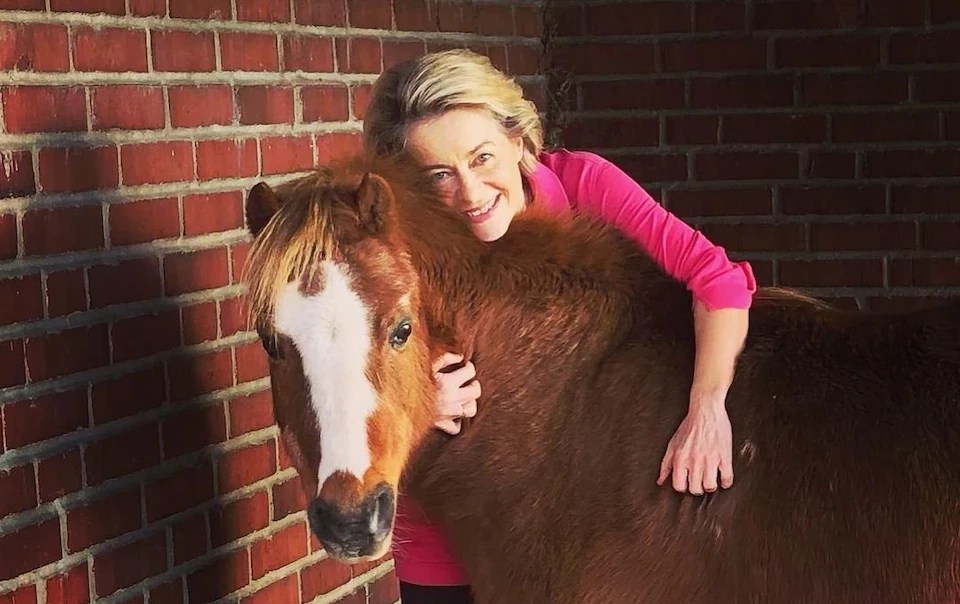
The vote comes after European Commission president Ursula von der Leyen’s favourite horse, Dolly, was killed by a wolf in September 2022 at her home in Germany.
Ursula Von Der Leyen with her pony ‘Dolly’ who was killed by a wolf Credit: Instagram
The keen equestrian and mother-of-seven said her family was “horribly distressed” by the loss of the 30-year-old horse at the lower Saxony compound.
The culprit was identified through DNA evidence as a wolf known as GW950m. But a permit to kill it expired before it could be hunted down, meaning it could still be at large.
The keen equestrian and mother-of-seven said her family was “horribly distressed” by the loss of the 30-year-old horse at the lower Saxony compound.
The culprit was identified through DNA evidence as a wolf known as GW950m. But a permit to kill it expired before it could be hunted down, meaning it could still be at large.
Brussels was forced to deny that Mrs von der Leyen had intervened in the permit process to take revenge for the death of Dolly. The permit was applied for before the horse was killed.
The Eurogroup for Animals said wolf populations had increased but had not reached “favourable” conservation status, as it decried a move that “seriously jeopardises the conservation efforts of the past decade and prioritises politics over science”.
‘Long-overdue’
“Wolves are our allies, not our enemies and it is crucial to protect them,” said Léa Badoz, of the Eurogroup for Animals. More than 300,000 EU citizens had signed a petition to stop wolf hunting.
“This is a very outrageous move and shows that member states are ignoring their citizens’ calls and science,” she said. “We urge the other parties to the Bern Convention to reject this proposal.”
Centre-Right MEPs from Mrs von der Leyen’s European People’s Party (EPP), which campaigned to loosen the protections before June’s EU-wide elections, said the decision was the start of a “long-overdue process” to bring wolf populations under control.
“As these populations grow, their conservation status must evolve too,” said Alexander Bernhuber, an EPP member of the European Parliament’s environment committee.
Italy was among the most vocal countries demanding protections be weakened. The wolf was pushed to the verge of extinction in Italy by the 1970s, when the population dipped to just 100 individuals. Numbers are now estimated to be about 3,300.
“It is a step forward that fills us with satisfaction,” Paolo Borchia, an Italian MEP from the Right-wing League party, said on Wednesday. “It is unacceptable that it took years to come to terms with a situation that is clear for everyone to see.”
(It was only a matter of time when the backlash would come …)
The Springwatch host saw no issue being likened to St Francis of Assisi, making his holier-than-thou attitude worse than ever this week
Vanity is a bewitching drug for some of the BBC’s biggest stars. Jostling for most luminous position in the media firmament this week, next to Gary Lineker (who completely by mistake, and in the knowledge that the media watches his every social media move, managed to post to Instagram the suggestion that Jews were rats) was Chris Packham. …..
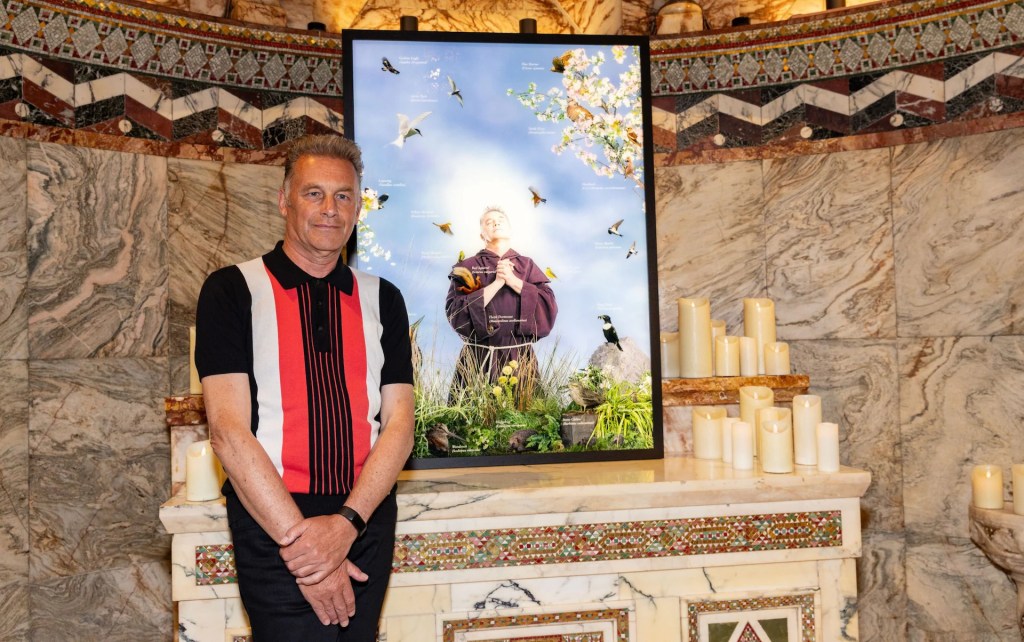
Chris Packham with his portrait, which it is said depicts him as “a living saint”, in the Fitzrovia Chapel Credit: Richard Ansett/Radio Times
Chris Packham has posed as St Francis of Assisi in a portrait celebrating him as a “living saint”.
The portrait of the presenter and environmental campaigner is now on show on the altar of the Fitzrovia Chapel, central London.
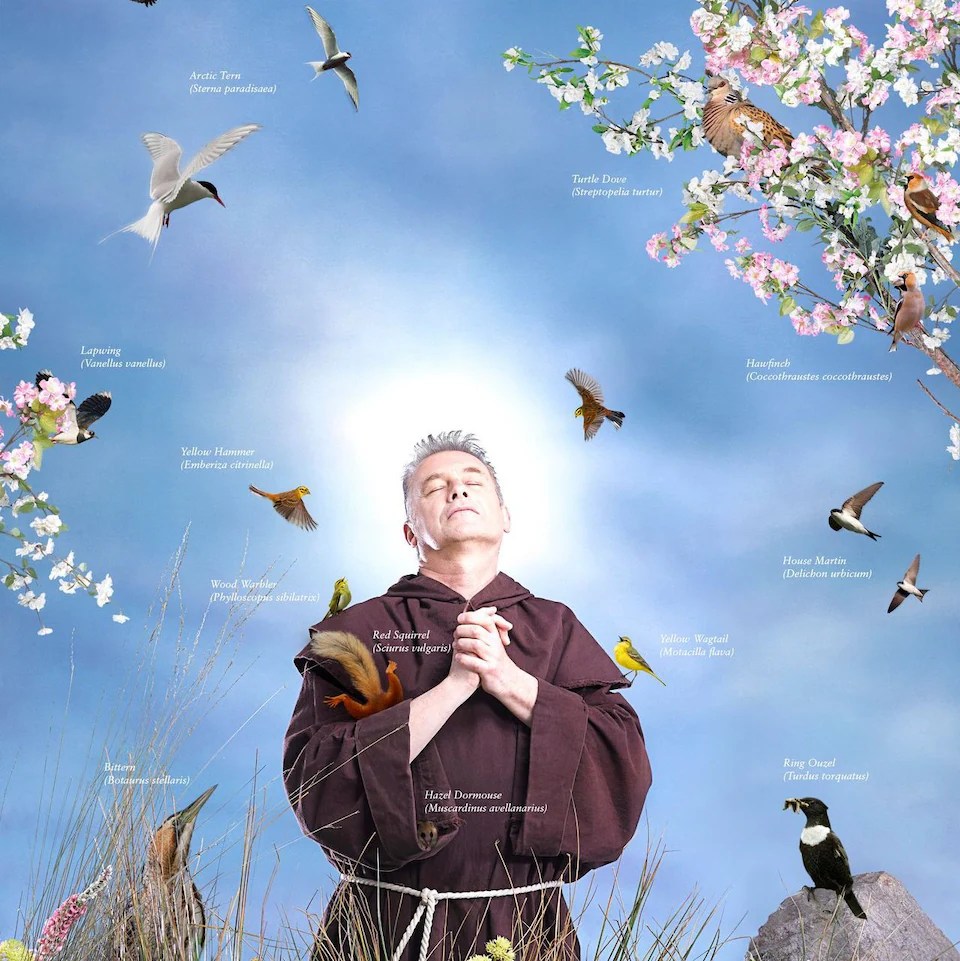
Originally commissioned by Radio Times magazine to mark Earth Day, it is the work of photographic artist Richard Ansett.
Packham is surrounded by images of some of the UK’s most endangered species. Mr Ansett said it also made reference to Packham’s neurodiversity – the presenter was diagnosed with autism in his 40s.
“I hope that every pixel of this portrait offers a safe space for anyone challenged by neurodiversity. Packham’s remarkable connection to the natural world drives him relentlessly to save us from ourselves,” Mr Ansett said.
The portrait of Packham is available to view until May 21 at the former chapel, where it is described as a work “elevating him to the status of living saint”.
Chris Packham is surrounded by some of the UK’s most endangered species in the artwork Credit: Richard Ansett/Radio Times
Packham said: “This photo is about a fundamental level of engagement, an engagement of equals. It conveys the importance of nature to heal us, provide us with a sanctuary in times of terrible trouble.
“But the species featured are also rare or declining so it serves to remind us that our one and only home, our Earth, is on a brink too many are refusing to see and act to protect and repair.
“This is a photograph about love, a love of life, all life.”
The featured species include the red squirrel, the house martin, the woodcock and the hedgehog.
Mr Ansett, an award-winning photographer whose previous works include Sir Grayson Perry in the style of the Madonna and Child, added that the Packham portrait “recognises the difficulties that he has prevailed over to become a success in his career and a positive light for so many people”.
It is “a personal tribute to Packham’s humanity in challenging the worst parts of ours, in our ambivalence to the destruction created in the wake of our own needs”, the photographer said.
Published: May 12, 2025 at 06:12 PM Author: PENNY EIMS
Charlotte, North Carolina – On April 24, somebody posted a horrific, heartbreaking video of a possum being burned alive to social media. The heart-wrenching video shows three men dousing the innocent possum in an accelerant and then setting her on fire. The video sparked justifiable outrage, with numerous tips being phoned to wildlife and police officials. And though the identity of the two sadistic individuals appears to be known, only one person has been arrested.
On May 8, police arrested 30-year-old Cameron Bernard Torrence from Mint Hill on multiple charges, including instigating animal cruelty, fleeing and eluding arrest, and violating probation. Torrence is accused of unlawfully instigating or promoting cruelty to animals by participating in the burning of a live opossum and posting a video of the incident on Facebook. According to an affidavit, the video was uploaded to Torrence’s Facebook page on April 24 and depicted the opossum being doused with lighter fluid and then set on fire.#
((Videolink))
Although the video has since been deleted from his page, it has been shared thousands of times by other accounts. The video features at least two individuals, with a third person recording the act. Torrence appeared in court virtually on Friday and was given a secured bond of $10,000. His next hearing regarding the animal cruelty charge is scheduled for August1.
The North Carolina Wildlife Resources Commission has found several people of interest related to the video. “We are looking into all leads,” said Senior Officer Kristofer Blankenship. There are multiple people of interest in the case.”
Animal Victory needs your signature now to hold them accountable when all suspects have been arrested! Please add your name and help us get justice for this innocent opossum who suffered in the worst way possible.
Target: Mecklenburg County District Attorney’s Office
WHY THIS PETITION MATTERS:
We, the undersigned, demand these individuals be held accountable for dousing an opossum in accelerant and setting her on fire. Investigators have stated that they have more persons of interest, and we insist that these people be arrested and charged for this evil and heartless crime!
Research has consistently shown a strong link between animal cruelty and human violence. Individuals who commit such heinous acts against animals often pose a threat to society as a whole, as animal abuse is frequently a precursor to other violent crimes. Failing to hold these individuals accountable not only denies justice for the innocent opossum burned alive but also endangers the community at large. It is imperative that we send a clear message that such cruelty will not be tolerated.
Individuals are presumed innocent until found guilty in a court of law. Animal Victory relies upon the authorities and the court system to determine guilt or innocence.
Note: Opossums are gentle, shy creatures who play a vital role in the environment by controlling pests like ticks and insects. With a naturally low body temperature that makes them highly resistant to rabies, these misunderstood animals deserve compassion, not cruelty.
Chris Packham; known to all of us in the UK for his environmental knowledge and especially as a television wildlife campaigner; narrates a video for ‘Animal Aid’, of which he is a Patron, called ‘Killing Our Countryside’.
The film reveals the damage done to the British countryside and wildlife by the shooting industry’s mass release of tens of millions of pheasants and partridges for shooting ever year.
The film, and accompanying campaign, make the argument for a ban on the production and release of birds for shooting.
The film also reveals what many people have not seen; the method of raising these birds which are bred to die – simple as that !
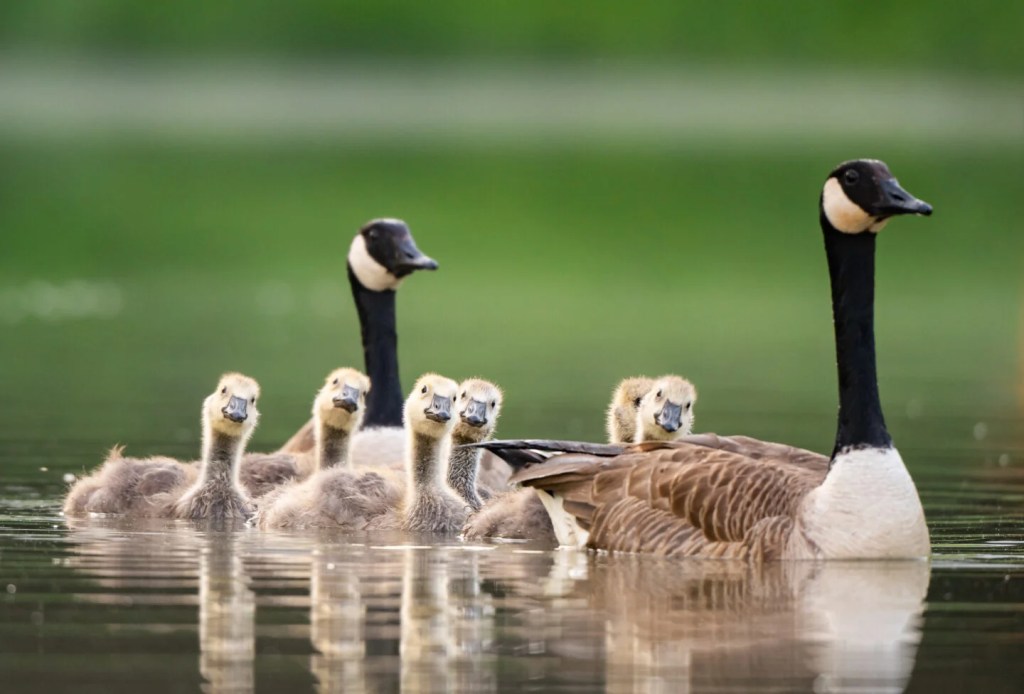
It’s getting closer to the time when the USDA comes into New Jersey to kill Canada geese. As we’ve mentioned in previous alerts, APLNJ has been reviewing USDA reports to see who contracts with them for geese management. This is the time of year when towns/businesses, etc. contract with the USDA, so writing NOW is critical.
We have reached out to all of them, sent information and visited the site with some. We’ve had success in steering some away from lethal towards nonlethal. But others are still hell-bent on allowing the killing (with a portable CO2 gas chamber).
The individuals you will be sending a letter to either allow the USDA, in partnership with Teterboro Airport in Bergen County, to come on their property, which lies in the flight path of airplanes, and round up and gas the geese OR have their own contract with USDA Wildlife Services to come in and kill.
Instead of allowing the USDA in year after year to kill, they all should be looking into habitat modification which is the clear winner when it comes to options for keeping geese out of a specific area. These methods are highly effective and provide better protection for air traffic areas. In fact, at best it’s irresponsible to not use the most effective methods, at worse, is can be dangerous, providing a false sense of security.
Please urge these entities to DENY THE USDA ACCESS to their property and schedule a site visit with Animal Protection League of New Jersey instead. Click here to send a letter.
And a second letter is going to those who have their own contract with USDA and we are asking them to CANCEL THE CONTRACT. Click here to send that letter.
Kruger Park rangers on the poisoning scene. (Photo: EWT)
08 May 2025
Eighty-four vultures have been rescued after a mass poisoning event in the Kruger National Park, one of the largest incidents of its kind recorded in southern Africa.
An elephant carcass, laced with poison and surrounded by more than 100 dead vultures, marked one of the most devastating wildlife poisoning events yet seen in the Kruger National Park. Remote sensing triggered a scramble to save birds that were still alive.
In a coordinated emergency operation spanning helicopters, ambulances and nearly 24 hours of intensive care, 84 poisoned vultures were pulled back from the brink.
The operation this week was undertaken by a combined team of South African National Parks rangers and Endangered Wildlife Trust (EWT) officials in the park’s Mahlangeni Section, where the elephant carcass was found.
According to Gareth Tate, head of EWT’s Birds of Prey Programme, the organisation’s wildlife poisoning detection system triggered an alarm, flagging suspicious activity.
“The following morning, SANParks rangers conducted surveillance and uncovered a mass poisoning event involving more than 120 dead birds,” Tate said. “It was a shocking, gruesome scene.”
By 8.20am the joint team had arrived on site. They discovered 122 dead vultures, including 102 white-backed vultures, 20 Cape vultures and one lappet-faced vulture – all species listed as endangered or critically endangered. Several vultures were found alive but severely affected.
Tate described the rescue as a “world-class operation” involving two ground teams, helicopters, 12 vehicles and the EWT’s specialised Vulture Ambulance. Emergency treatment was administered in the field, including atropine to reverse the effects of the poison on the birds’ nervous systems, activated charcoal to bind toxins, fluid therapy and a procedure to flush and milk the vultures’ crops to remove ingested poison.
“We’ve developed a strict protocol over the years and we’ve achieved about a 98% success rate for birds found alive,” Tate explained. “Those first 24 hours are critical. If we can get them through that, they have a good chance of survival.”
Vultures were being deliberately targeted both to conceal illegal activities and to harvest body parts for the illegal wildlife trade and traditional medicine markets.
A total of 84 vultures were rescued alive. Of these, 45 were transported in the EWT’s mobile vulture ambulance and 39 were taken by helicopter to care facilities. Five of the rescued birds died despite treatment, but 83 remained alive as of the following morning, representing a 96% survival rate.
SANParks Pilot Bradford Grafton with one of the rescued vultures. (Photo: SANParks)
Eighty-four vultures have been rescued by a joint team of SANParks rangers and Endangered Wildlife Trust (EWT) following a devastating poisoning incident in the Kruger National Park. (Photo: EWT)
Reinforcements were swiftly deployed. Support teams from the Moholoholo Wildlife Rehabilitation Centre, Briner Veterinary Services and Wildscapes Veterinary Services were mobilised within hours and worked through the night to stabilise each bird and keep them alive.
“This was one of the largest and most coordinated vulture rescues ever conducted in the region,” Tate said. “The collaboration between SANParks, vets, NGOs and rangers was remarkable.”
This is intentional genocide of vultures. It’s absolutely malicious and a silent killer.
The poisoning involved agricultural toxins placed on an elephant carcass, a method increasingly used by poachers to kill vultures that might otherwise alert rangers to poaching sites by circling overhead. Tate said vultures were being deliberately targeted both to conceal illegal activities and to harvest body parts for the illegal wildlife trade and traditional medicine markets.
“Vultures are being systematically removed from the landscape,” Tate warned. “This is intentional genocide of vultures. It’s absolutely malicious and a silent killer.”
“They’re targeting vultures for their brains, heads and feet,” Tate said. “There’s even evidence that poisoned vulture parts are ending up in muti markets, meaning that toxic substances are being sold to unsuspecting users.”
Broader crisis
This incident forms part of a broader crisis facing vultures across southern Africa. The birds play a key role in ecosystems by consuming carcasses and reducing the spread of disease. Their absence leads to carcasses lingering longer in the environment, increasing the risk of disease transmission to other wildlife and humans.
The decline of vultures has been linked to knock-on effects seen in other regions: in India, the collapse of vulture populations due to veterinary drug poisoning led to a boom in feral dog numbers and a corresponding rise in rabies cases.
Kruger hosts at least five regular vulture species: the white-backed vulture (Gyps africanus), the most common; the Cape vulture (Gyps coprotheres), mainly found in the park’s north; the lappet-faced vulture (Torgos tracheliotos); the hooded vulture (Necrosyrtes monachus) and the rarely seen white-headed vulture (Trigonoceps occipitalis). Each species occupies a niche at carcasses, forming an efficient clean-up system.
Each adult vulture killed is not just an immediate loss – it’s a loss of future generations.
However, their numbers are declining due to a number of pressures. Many species breed slowly, raising only one chick per year. Their nesting habitats are shrinking as large trees along rivers are lost, often from increased elephant activity. Without sufficient nesting sites, reproductive success drops. Poisoning events exacerbate these losses, wiping out breeding adults and chicks alike.
Poisoning incidents targeting vultures have increased. Poachers use pesticides like carbofuran, a highly toxic agricultural chemical, to lace carcasses. Vultures that feed on the poisoned remains are removed as natural sentinels from the ecosystem. Other scavengers, including jackals, lions, hyena and ground hornbills, also fall victim.
“Unlike targeted poaching of individual animals, poisoning takes out entire species indiscriminately,” Tate said. “Each adult vulture killed is not just an immediate loss – it’s a loss of future generations.”
Efforts to address the issue include increased patrols, training poison response teams and establishing artificial feeding sites to provide uncontaminated food. Conservationists stress that long-term solutions will require stronger regulation of agricultural poisons, improved enforcement against wildlife crime and engagement with communities living near protected areas.
Community outreach initiatives by the Kruger Park have begun, aiming to reduce demand for vulture parts in belief-based practices and build support for conservation. However, scaling these measures to meet the size of the problem remains a challenge.
Tate emphasised the need for stricter penalties for those responsible. “These individuals need to be caught and the penalties must reflect the seriousness of the crime – they’re killing critically endangered animals.”
Natural waste disposers
The rescued vultures continue to recover under veterinary care and will be released once they are fit to return to the wild. “Some of them are so strong that we’re planning to release them this Saturday,” Tate said.
Conservationists hope the surviving birds will resume their vital ecological role as natural waste disposers, limiting the spread of disease in the ecosystem. The poisoning incident highlights the vulnerability of vultures to deliberate targeting, the ecological consequences of their decline and the urgent need for interventions.
“Without vultures, carcasses take longer to decompose, leading to increased risks of disease,” Tate said. “Their loss disrupts a delicate balance. We need to act now to protect them.”
As the surviving vultures recover, conservationists warn that the battle to save these birds is ongoing. Preventing future poisonings, preserving nesting habitats and raising awareness about their ecological importance will be essential to ensure that vultures remain part of Kruger’s skies. Each circling silhouette is a sign that the clean-up crew is still at work, maintaining the health of the ecosystem for wildlife and humans alike.







 World Animals Voice