
Protest – available in EN / DE / ES – Please sign on page

Kruger Park rangers on the poisoning scene. (Photo: EWT)
Eighty-four vultures have been rescued after a mass poisoning event in the Kruger National Park, one of the largest incidents of its kind recorded in southern Africa.
An elephant carcass, laced with poison and surrounded by more than 100 dead vultures, marked one of the most devastating wildlife poisoning events yet seen in the Kruger National Park. Remote sensing triggered a scramble to save birds that were still alive.
In a coordinated emergency operation spanning helicopters, ambulances and nearly 24 hours of intensive care, 84 poisoned vultures were pulled back from the brink.
The operation this week was undertaken by a combined team of South African National Parks rangers and Endangered Wildlife Trust (EWT) officials in the park’s Mahlangeni Section, where the elephant carcass was found.
According to Gareth Tate, head of EWT’s Birds of Prey Programme, the organisation’s wildlife poisoning detection system triggered an alarm, flagging suspicious activity.
“The following morning, SANParks rangers conducted surveillance and uncovered a mass poisoning event involving more than 120 dead birds,” Tate said. “It was a shocking, gruesome scene.”
By 8.20am the joint team had arrived on site. They discovered 122 dead vultures, including 102 white-backed vultures, 20 Cape vultures and one lappet-faced vulture – all species listed as endangered or critically endangered. Several vultures were found alive but severely affected.
Tate described the rescue as a “world-class operation” involving two ground teams, helicopters, 12 vehicles and the EWT’s specialised Vulture Ambulance. Emergency treatment was administered in the field, including atropine to reverse the effects of the poison on the birds’ nervous systems, activated charcoal to bind toxins, fluid therapy and a procedure to flush and milk the vultures’ crops to remove ingested poison.
“We’ve developed a strict protocol over the years and we’ve achieved about a 98% success rate for birds found alive,” Tate explained. “Those first 24 hours are critical. If we can get them through that, they have a good chance of survival.”
Vultures were being deliberately targeted both to conceal illegal activities and to harvest body parts for the illegal wildlife trade and traditional medicine markets.
A total of 84 vultures were rescued alive. Of these, 45 were transported in the EWT’s mobile vulture ambulance and 39 were taken by helicopter to care facilities. Five of the rescued birds died despite treatment, but 83 remained alive as of the following morning, representing a 96% survival rate.

SANParks Pilot Bradford Grafton with one of the rescued vultures. (Photo: SANParks)

Eighty-four vultures have been rescued by a joint team of SANParks rangers and Endangered Wildlife Trust (EWT) following a devastating poisoning incident in the Kruger National Park. (Photo: EWT)
Reinforcements were swiftly deployed. Support teams from the Moholoholo Wildlife Rehabilitation Centre, Briner Veterinary Services and Wildscapes Veterinary Services were mobilised within hours and worked through the night to stabilise each bird and keep them alive.
“This was one of the largest and most coordinated vulture rescues ever conducted in the region,” Tate said. “The collaboration between SANParks, vets, NGOs and rangers was remarkable.”
This is intentional genocide of vultures. It’s absolutely malicious and a silent killer.
The poisoning involved agricultural toxins placed on an elephant carcass, a method increasingly used by poachers to kill vultures that might otherwise alert rangers to poaching sites by circling overhead. Tate said vultures were being deliberately targeted both to conceal illegal activities and to harvest body parts for the illegal wildlife trade and traditional medicine markets.
“Vultures are being systematically removed from the landscape,” Tate warned. “This is intentional genocide of vultures. It’s absolutely malicious and a silent killer.”
He noted that vultures are also being poisoned to supply the traditional medicine, or muti, trade.
“They’re targeting vultures for their brains, heads and feet,” Tate said. “There’s even evidence that poisoned vulture parts are ending up in muti markets, meaning that toxic substances are being sold to unsuspecting users.”
This incident forms part of a broader crisis facing vultures across southern Africa. The birds play a key role in ecosystems by consuming carcasses and reducing the spread of disease. Their absence leads to carcasses lingering longer in the environment, increasing the risk of disease transmission to other wildlife and humans.
The decline of vultures has been linked to knock-on effects seen in other regions: in India, the collapse of vulture populations due to veterinary drug poisoning led to a boom in feral dog numbers and a corresponding rise in rabies cases.
Kruger hosts at least five regular vulture species: the white-backed vulture (Gyps africanus), the most common; the Cape vulture (Gyps coprotheres), mainly found in the park’s north; the lappet-faced vulture (Torgos tracheliotos); the hooded vulture (Necrosyrtes monachus) and the rarely seen white-headed vulture (Trigonoceps occipitalis). Each species occupies a niche at carcasses, forming an efficient clean-up system.
Each adult vulture killed is not just an immediate loss – it’s a loss of future generations.
However, their numbers are declining due to a number of pressures. Many species breed slowly, raising only one chick per year. Their nesting habitats are shrinking as large trees along rivers are lost, often from increased elephant activity. Without sufficient nesting sites, reproductive success drops. Poisoning events exacerbate these losses, wiping out breeding adults and chicks alike.
Poisoning incidents targeting vultures have increased. Poachers use pesticides like carbofuran, a highly toxic agricultural chemical, to lace carcasses. Vultures that feed on the poisoned remains are removed as natural sentinels from the ecosystem. Other scavengers, including jackals, lions, hyena and ground hornbills, also fall victim.
“Unlike targeted poaching of individual animals, poisoning takes out entire species indiscriminately,” Tate said. “Each adult vulture killed is not just an immediate loss – it’s a loss of future generations.”
Efforts to address the issue include increased patrols, training poison response teams and establishing artificial feeding sites to provide uncontaminated food. Conservationists stress that long-term solutions will require stronger regulation of agricultural poisons, improved enforcement against wildlife crime and engagement with communities living near protected areas.
Community outreach initiatives by the Kruger Park have begun, aiming to reduce demand for vulture parts in belief-based practices and build support for conservation. However, scaling these measures to meet the size of the problem remains a challenge.
Tate emphasised the need for stricter penalties for those responsible. “These individuals need to be caught and the penalties must reflect the seriousness of the crime – they’re killing critically endangered animals.”
The rescued vultures continue to recover under veterinary care and will be released once they are fit to return to the wild. “Some of them are so strong that we’re planning to release them this Saturday,” Tate said.
Conservationists hope the surviving birds will resume their vital ecological role as natural waste disposers, limiting the spread of disease in the ecosystem. The poisoning incident highlights the vulnerability of vultures to deliberate targeting, the ecological consequences of their decline and the urgent need for interventions.
“Without vultures, carcasses take longer to decompose, leading to increased risks of disease,” Tate said. “Their loss disrupts a delicate balance. We need to act now to protect them.”
As the surviving vultures recover, conservationists warn that the battle to save these birds is ongoing. Preventing future poisonings, preserving nesting habitats and raising awareness about their ecological importance will be essential to ensure that vultures remain part of Kruger’s skies. Each circling silhouette is a sign that the clean-up crew is still at work, maintaining the health of the ecosystem for wildlife and humans alike.
DM
So – here we go. Found this truly wonderful publication serving the good people of Michigan, and their clearly totally derailed connection to nature and all that lives within her.
Calls itself the “Michigan Enjoyer” (?????). Your average nutcases’ daily publication.
Far be it from us to give this filth a forum here, we think we need to show what happens out there in remote uncivilised corners of the North-American continent – the better to understand why it is the US is such a great, internationally respected leader of the free world ….
https://enjoyer.com/category/man-v-nature/
Right – tell you what’s cool: seeing these guys hang head down from a tree with a small fire underneath .. if they’re so keen on the Wilds, and bygone times of “Adventure” and all that “strong men” shit, bring back the scalpers and skinners of the white invader! Clearly it’s been too long …
And as if that wasn’t enough from lovely Michigan, here’s more:
(Nuisance???)
https://wkfr.com/nuisance-canada-geese-michigan/

A new lethal and legal way to deal with nuisance geese will be implemented in Michigan this year. As annoying and bullish as these Canada geese may be, I still don’t feel very good about this new method to remove them. Here’s what we know so far:
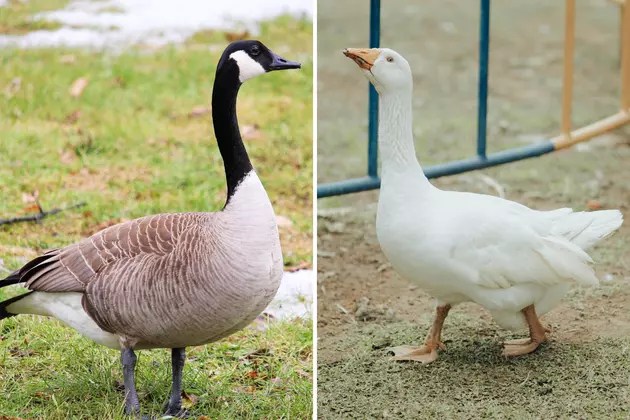
According to a report from MLive Michigan is moving forward with the new pilot goose removal program– despite pushback. While the state isn’t exactly encouraging the gassing of nuisance Canada geese it will be permitted in certain circumstances.
Canadian Geese v. Canada Geese
There is a difference. I, like many, have referred to the black and brown geese spotted all throughout Michigan as “Canadian geese” in the past however that’s not quite accurate. The term Canada goose refers to a particular species, Branta canadensis, while grammatically, the phrase Canadian goose could refer to any goose from Canada. Get it?
The Michigan DNR has long offered help and relocation services to private landowners and has even adapted hunting regulations when it comes to Canada geese in particular, but what are landowners, businesses, and golf courses supposed to do when they exhausted every option? DNR Wildlife Biologist and Acting Waterfowl Specialist Kaitlyn Barnes told MLive,
The Michigan DNR has long offered help and relocation services to private landowners and has even adapted hunting regulations when it comes to Canada geese in particular, but what are landowners, businesses, and golf courses supposed to do when they exhausted every option? DNR Wildlife Biologist and Acting Waterfowl Specialist Kaitlyn Barnes told MLive,
Not only is the highly contagious bird flu a factor but think about all the nuisance geese that pester children and families at parks, loiter outside nursing homes, and leave so many droppings that beaches are forced to close due to E.coli. I hadn’t even considered this, but MLive mentions goose feathers and feces can clog pipes at local wastewater treatment plants.
Again, I understand why this would all be necessary but I really don’t think it’s fair to the geese and their young. I’m not for the killing of innocent animals and that’s exactly what they are!
********************
The Michigan DNR has added the following animals to the state’s year-round hunting list. Land owners may kill these animals on their property with no special permits required.
Gallery Credit: Lauren Gordon

FOX SQUIRREL
According to the Michigan DNR nearly 70% of the state’s Fox Squirrel population can be found in southern Lower Peninsula of Michigan. You’ll see them everywhere from forest to farmlands to city parks– and everywhere in between.
GRAY SQUIRREL
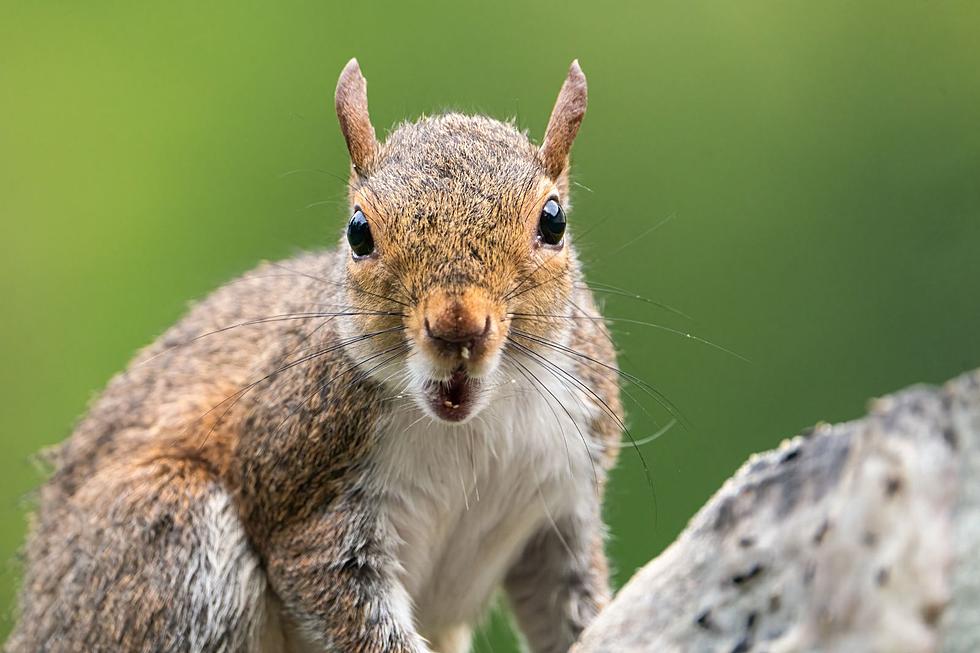
Also called the Eastern Gray Squirrel, these critters typically nest and live the majority of their life within a single nest tree and is the least social of Michigan’s six squirrel species.

BEAVER
The majestic beaver was added to Michigan’s year-round kill list as their dams can cause flooding and block culverts.
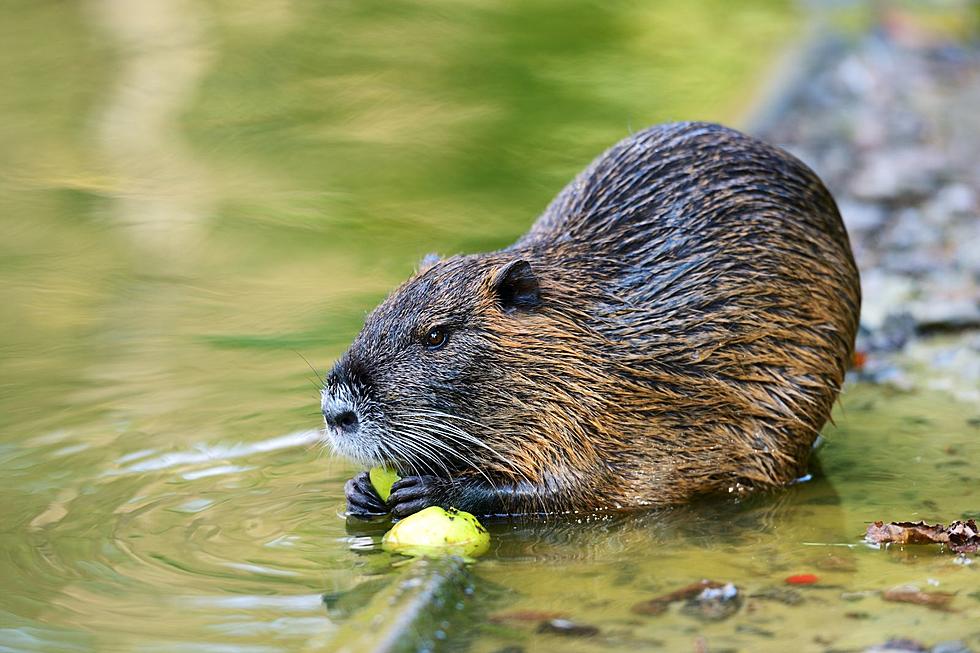
MUSKRAT
It’s hard to tell a beaver from a muskrat, but the difference is in the tail! The Michigan DNR warns that muskrat burrows can weaken shorelines, dikes, and riverbanks.

COTTONTAIL RABBIT
Poor, Peter Cottontail. Much like squirrels, these rabbits are known to chew through structure or equipment wires.
Gallery Credit: Maitlynn Mossolle
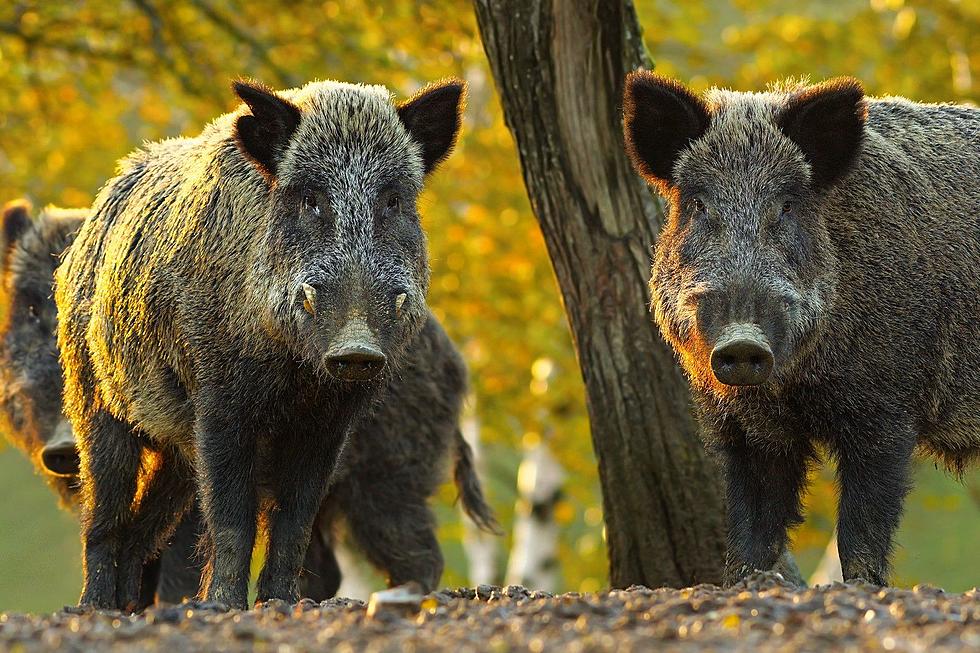
RUSSIAN BOAR
Uh…yeah…did you know these even exist here in Michigan because we sure didn’t until we saw the DNR say you can freely hunt these all year! According to Michigan.gov these are a highly invasive species that were only introduced either by “Intentional release” or “escape from captivity.” They are particularly dangerous which is why you are welcome to hunt them and encouraged to report when you do see them.
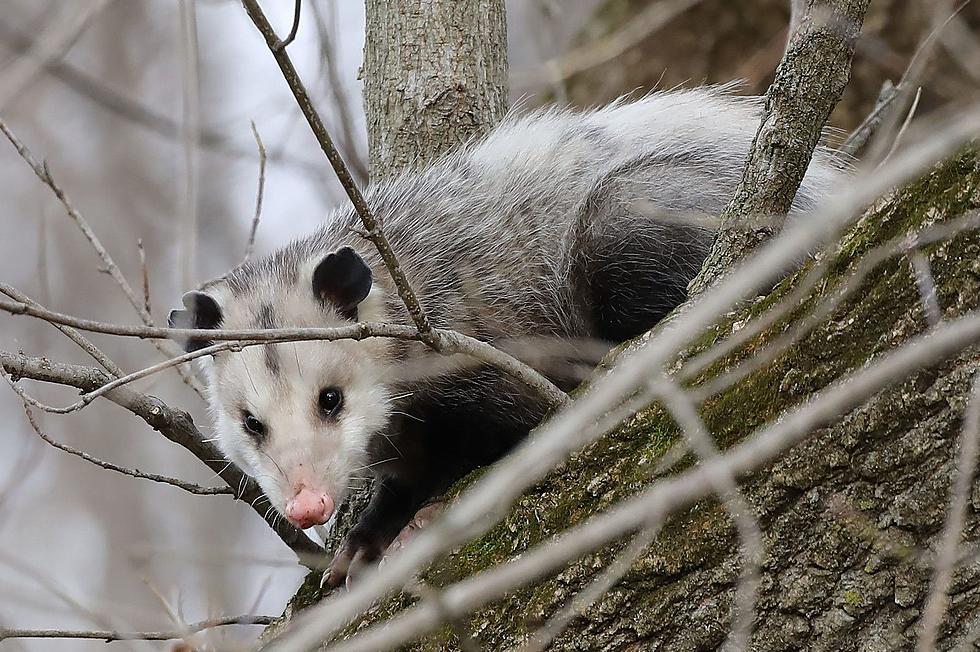
OPPOSSUM
While some may think these critters are pretty cute, they are also commonly known to be pests. That’s why, though people may not actively hunt these for their meat or for the “thrill of the hunt” but if you happen to kill one that’s been rummaging your trash, harassing your pets, etc. you are welcome to kill them as well.
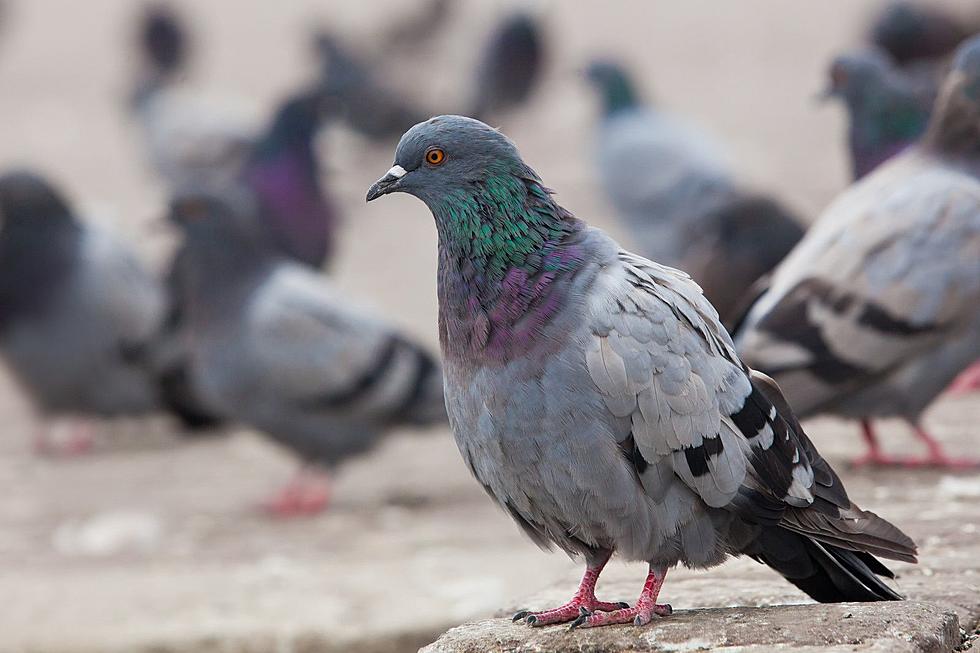
FERAL PIGEONS
Now we’re not entirely sure what the difference is between regular pigeons and “feral” ones but the Michigan DNR says you can hunt the feral ones as you please. We assume there are some people keep for pets for some reason?

RED SQUIRRELS
Now, regular squirrels are pretty cute and pretty harmless (for the most part) but RED SQUIRRELS…well, they were put on this Earth for one purpose: Chaos. They get into everything, chew on electrical wires and just really do not know their place other than to ruin everything. The Michigan DNR says you are welcome to kill them as much as the day is long.
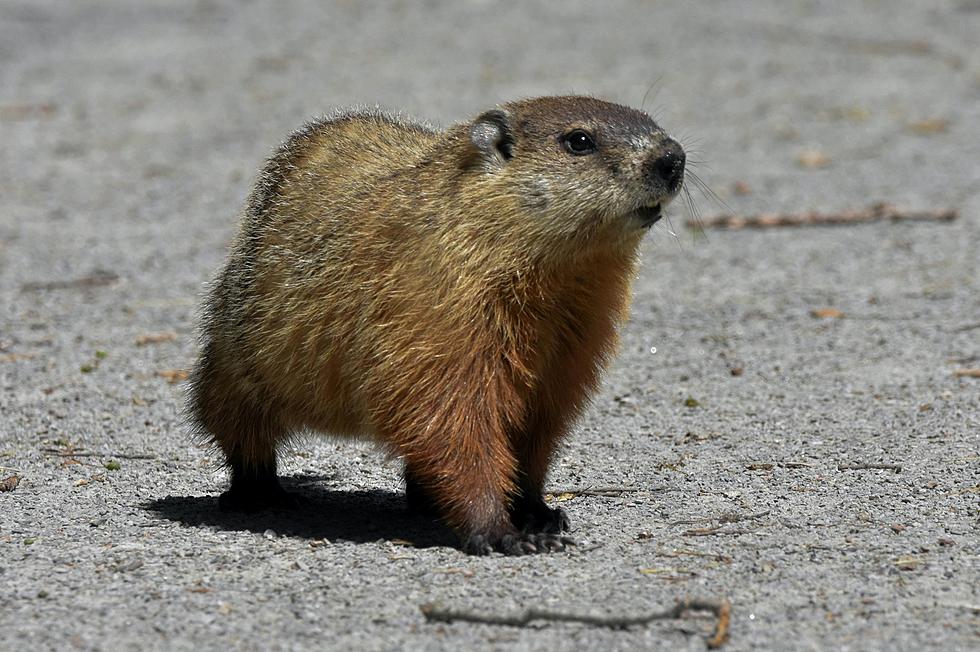
WOODCHUCK
“How much wood could a woodchuck chuck if a woodchuck, could chuck…” Yeah, these critters may have inspired a fun little rhyme but at the end of the day, MSU Extension’s Fisheries and Wildlife division says you can kill them if they are causing damage to private property. And boy, can it be extensive.

HOUSE SPARROW
Now these birds may look all teeny and cute, but MLive reports they are known for displaying behavior that can threaten the survival of other birds. You can CLICK HERE to read more but long story, short, these little guys are actually kind of a**holes. You are welcome to shoot them all year, though, it may be easier to find some way to trap them instead.
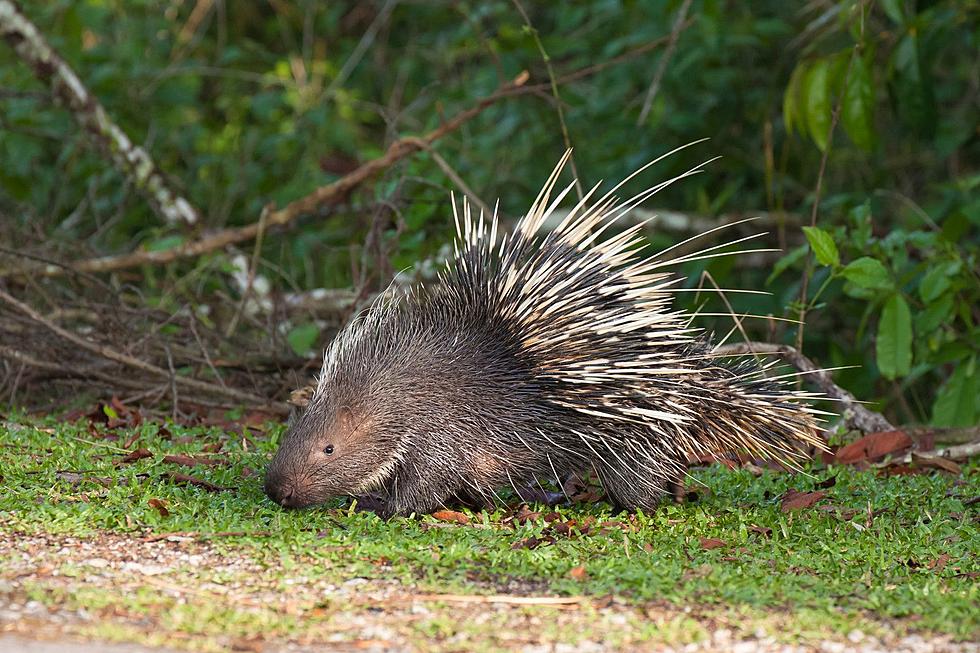
PORCUPINES
We probably don’t have to go into too much detail about what is wrong with these animals and why you are able to hunt them year-round…however, a point we would like to make is that people had pet hedgehogs forever and they’re basically just mini porcupines, no?
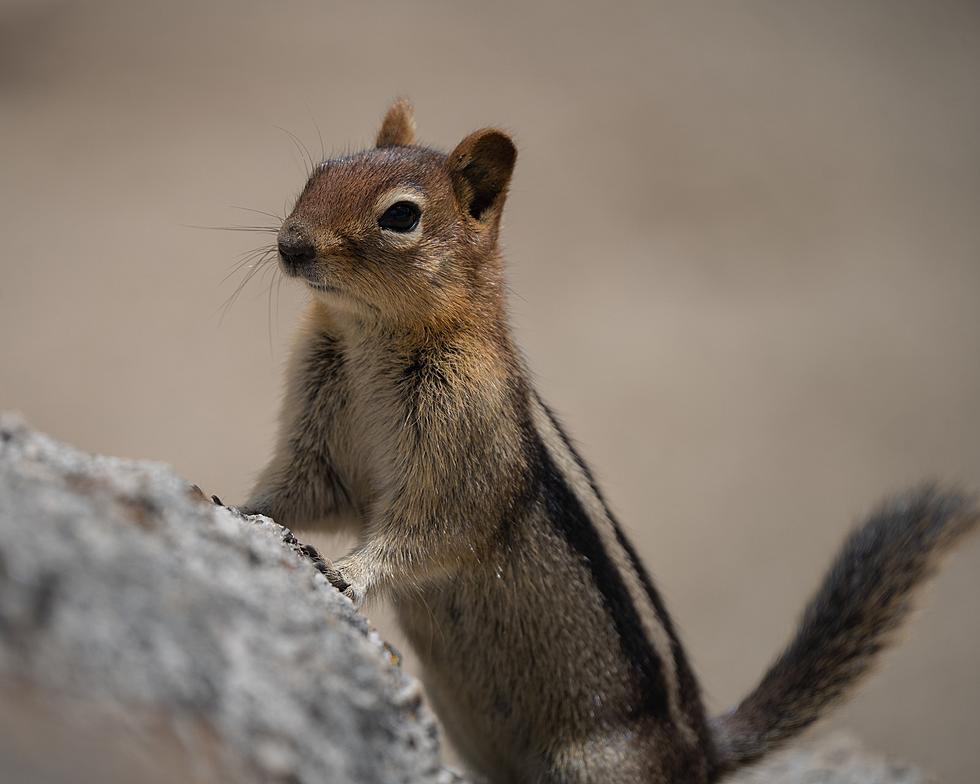
GROUND SQUIRRELS
Am I missing something here, these are what we commonly refer to as “chipmunks” right? Has our entire lives been a lie? Should it really be “Alvin and the Ground Squirrels”? Anyways, here is yet another animal that probably needs no explanation as to why you can kill it year round with no interference from the Michigan DNR…just don’t get ridiculous with it…that could mean you have some deeper issues.
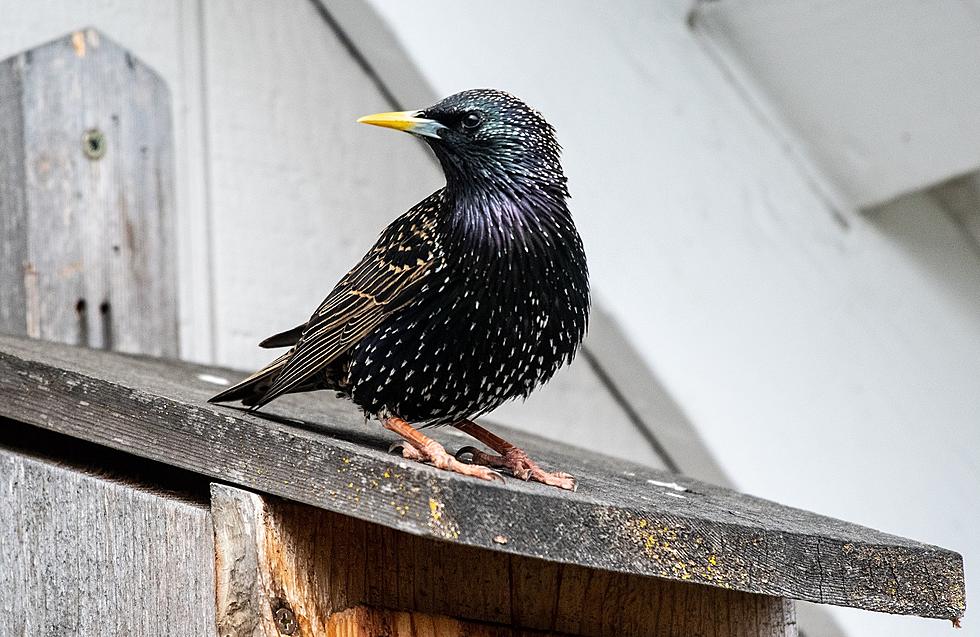
STARLING
Much like the house sparrows, Starlings also pose a threat to other native bird species. Michigan.gov says, “English sparrows, feral pigeons, and starlings may be taken by hunting statewide, year around except within state park and recreation areas from April 1 to September 14.”

WEASELS
While like other animals on this list, weasels are cute, but they are considered pests here in Michigan. Of course, with our state’s history in the fur trade it’s not all that surprising, yet it still somehow is. According to Michigan.gov, “Opossums, porcupines, weasels, red squirrels, skunks, ground squirrels, woodchucks, and feral swine may be harvested year-round, statewide with a valid Michigan hunting license. There is no bag limit for these species.”

SKUNKS
As mentioned with the previous critter, skunk is still part of Michigan’s fur trade which means you are open to kill them. However, I have to wonder, are they like stink bugs where if you kill them, it releases the stench? Someone please explain.
. and so forth …
It truly does make you wonder about the clearly highly disturbed mental health of the people of Michigan, or certainly a large portion. What, one cannot but wonder, do they do with themselves, if they do not go out and kill wildlife???
Published – April 30, 2025 09:00 am IST

A koala sits in a tree at a koala park in Sydney, Australia, May 2023. | Photo Credit: AP
Snipers in helicopters have shot more than 700 koalas in the Budj Bim National Park in western Victoria in recent weeks. It’s believed to be the first time koalas have been culled in this way.
The cull became public on Good Friday after local wildlife carers were reportedly tipped off.
A fire burned about 20% of the park in mid-March. The government said the cull was urgent because koalas had been left starving or burned.
ark in Sydney, Australia, May 2023. | Photo Credit: AP
Snipers in helicopters have shot more than 700 koalas in the Budj Bim National Park in western Victoria in recent weeks. It’s believed to be the first time koalas have been culled in this way.
The cull became public on Good Friday after local wildlife carers were reportedly tipped off.
A fire burned about 20% of the park in mid-March. The government said the cull was urgent because koalas had been left starving or burned.
Wildlife groups have expressed serious concern about how individual koalas had been chosen for culling, because the animals are assessed from a distance. It’s not clear how shooting from a helicopter complies with the state government’s own animal welfare and response plans for wildlife in disasters.
The Victorian government must explain why it is undertaking aerial culling and why it did so without announcing it publicly. The incident points to ongoing failures in managing these iconic marsupials, which are already threatened in other states.
Koalas live in eucalypt forests in Australia’s eastern and southern states. The species faces a double threat from habitat destruction and bushfire risk. They are considered endangered in New South Wales, Queensland and the Australian Capital Territory.
In Victoria, koala population levels are currently secure. But they are densely concentrated, often in fragments of bush known as “habitat islands” in the state’s southwest. Budj Bim National Park is one of these islands.
Over time, this concentration becomes a problem. When the koalas are too abundant, they can strip leaves from their favourite gums, killing the trees. The koalas must then move or risk starvation.
If fire or drought make these habitat islands impossible to live in, koalas in dense concentrations often have nowhere to go.
In Budj Bim, Victoria’s Department of Energy, Environment and Climate Action and Parks Victoria have tackled koala overpopulation alongside Traditional Owners by moving koalas to new locations or sterilising them.
But Budj Bim is also surrounded by commercial blue gum plantations. Koalas spread out through the plantations to graze on the leaves. Their populations grow. But when the plantations are logged, some koalas have to return to the national park, where food may be in short supply.
Animal welfare groups say logging is one reason Budj Bim had so many koalas.
It’s hard to say definitively whether this is the case, because the state environment department hasn’t shared much information. But researchers have found habitat islands lead to overabundance by preventing the natural dispersal of individuals.
So why was the culling done? Department officials have described the program as “primarily” motivated by animal welfare. After the bushfire last month, koalas have been left starving or injured.
Why shooters in helicopters? Here, the justification given is that the national park is difficult to access due to rocky terrain and fire damage, ruling out other methods.
Under Victoria’s plan for animal welfare during disasters, the environment department is responsible for examining and, where necessary, euthanising wildlife during an emergency.
For human intervention to be justified, euthanasia must be necessary on welfare grounds. Victoria’s response plan for fire-affected wildlife says culling is permitted when an animal’s health is “significantly” compromised, invasive treatment is required, or survival is unlikely.
For koalas, this could mean loss of digits or hands, burns to more than 15% of the body, pneumonia from smoke inhalation, or blindness or injuries requiring surgery. Euthanised females must also be promptly examined for young in their pouches.
The problem is that while aerial shooting can be accurate in some cases for larger animals, the method has questionable efficacy for smaller animals – especially in denser habitats.
It’s likely a number of koalas were seriously injured but not killed. But the shooters employed by the department were not able to thoroughly verify injuries or whether there were joeys in pouches, because they were in the air and reportedly 30 or more metres away from their targets.
While the department cited concerns about food resources as a reason for the cull, the state’s wildlife fire plan lays out another option: delivery of supplementary feed. Delivering fresh gum leaves could potentially have prevented starvation while the forest regenerates.
The state government should take steps to avoid tragic incidents like this from happening again.
Preserving remaining habitat across the state is a vital step, as is reconnecting isolated areas with habitat corridors. This would not only reduce the concentration of koalas in small pockets but increase viable refuges and give koalas safe paths to new food sources after a fire.
Future policies should be developed in consultation with Traditional Owners, who have detailed knowledge of species distributions and landscapes.
We need better ways to help wildlife in disasters. One step would be bringing wildlife rescue organisations into emergency management more broadly, as emphasised in the 2009 Victorian Bushfires Royal Commission and the more recent Royal Commission into National Natural Disaster Arrangements.
This latter report pointed to South Australia’s specialised emergency animal rescue and relief organisation – SAVEM – as an effective model. Under SA’s emergency management plan, the organisation is able to rapidly access burned areas after the fire has passed through.
Victoria’s dense communities of koalas would be well served by a similar organisation able to work alongside existing skilled firefighting services.
The goal would be to make it possible for rescuers to get to injured wildlife earlier and avoid any more mass aerial culls.
**************************
**************************
https://www.discoverwildlife.com/animal-facts/koala-cull-budj-bim-national-park-australia
**************************
**************************
**************************
**************************
https://www.thepetitionsite.com/293/450/038/

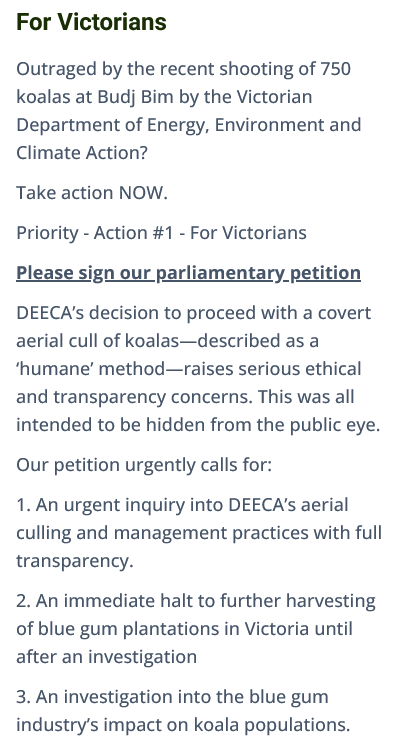
The tragic culling of over 700 koalas in Budj Bim National Park in Victoria is a horrifying reminder of how our wildlife is being failed by shortsighted policies. This decision to shoot these beloved creatures from helicopters, after a bushfire ravaged their habitat, was not only a shocking act of cruelty but also a devastating loss to the ecosystem.
Sign this petition to demand the Victorian government stop culling koalas and implement humane, science-based solutions to protect these populations!
Some of the koalas killed were mothers with joeys, leaving helpless young behind to face an uncertain future. The culling fails to address the underlying causes of koala population pressure – namely habitat destruction from logging, fires, and inadequate wildlife management.
Rather than resorting to mass extermination, there are more effective and compassionate ways to address these issues, including habitat restoration and wildlife corridors.
We cannot afford to continue taking such drastic measures when more humane solutions exist. We must push the Victorian government to adopt long-term, science-based approaches to koala conservation that focus on preserving their habitats, rescuing those in need, and ensuring a future where these iconic marsupials can thrive.
Sign now to demand that the Victorian government stop the culling and put in place real protections for koalas and their habitats.
**************************
https://koalaalliance.org.au/petitions
(PLEASE SIGN
>> SIGN HERE:

>> SIGN HERE:
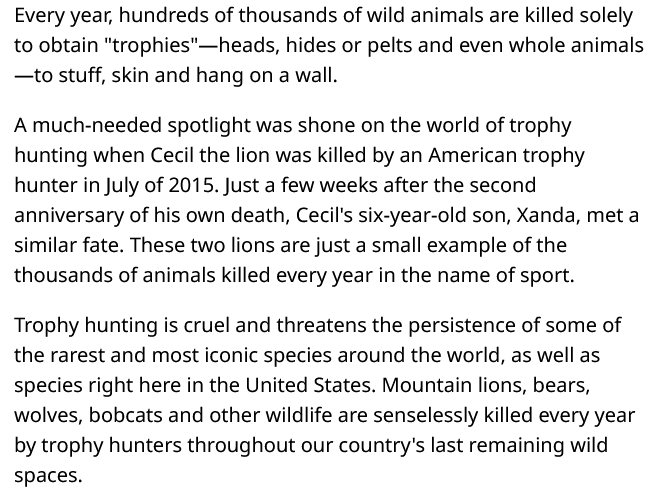
https://www.humaneworld.org/en/issue/trophy-hunting

Supporters claim trophy hunting helps communities and wildlife by putting money in local people’s hands and culling weak or old animals. But in reality, very little money — as little as 3%of trophy hunting revenue — reaches the areas where hunting happens, and trophy hunters often seek the biggest, strongest animals to kill.

Trophy hunters kill for bragging rights and animal parts. Banning or restricting the transport and trade of hunting trophies from species threatened by trade takes away these motivations. In the U.S., state and federal laws and regulations can reduce or stop the trophy hunting of native carnivores.


Dex Kotze
https://secure.humaneworld.org/page/165604/petition/1
Now, Germany is a Speed Maniacs’ paradise. This is commonly known. All the time terrible accidents happen, caused by people racing their fast cars on motorways without speed limits. Increasingly even in traffic-calmed areas inside cities, with speed limits of 50 km/h. The German automobile industry has no interest in any speed limits ever being established, and due to successful political lobby work things remain as they are. Being a driver myself in this country, I daily encounter reckless drivers, and their often aggressive behaviour.
Sadly a huge number of animals fall victim to their unthinking, uncaring, and often intentional conduct on the roads. And also, sadly, the German “ADAC” (“Allgemeiner Deutscher Automobil Club” – General German Automobile Club) advises its numerous members accordingly … against due consideration for the (smallest and) most vulnerable animal road users.
Two recent accidents reported in the news, with drivers trying to avoid hitting a pigeon and a squirrel, were commented accordingly by police/the ADAC.
SQUIRREL
“… The police point out that, even in road traffic, human life always comes before animal life. Braking for small animals such as rabbits or squirrels should only be performed if it does not endanger vehicle occupants or other road users, the police explain. “
PIGEON
Braking or swerving – what is allowed?
Smaller animals (e.g., pigeons, rabbits, cats): Do not brake or swerve abruptly! The protection of human life takes priority – risky maneuvers can lead to serious accidents
Larger animals (e.g. deer, wild boars, dogs): Controlled braking is permitted and required to avoid a collision as far as possible – provided that other road users are not endangered.
(Source: ADAC)
Now, accidents happen – we are all aware of that. And the least one should do is stop and see if help can be given. Or, should that fail, to remove the body from the road – the decent thing to do – lest it be run over time and again by other drivers (once read an interview with one, German, who enjoyed aiming for the heads of prone animals on the road, alive and dead).
Again, the ADAC’s view:
https://www.adac.de/verkehr/verkehrssicherheit/tiere/tier-ueberfahren/
Should I just keep driving or stop? As harsh as it may sound, stopping to check on a hedgehog or squirrel that’s been run over makes little sense. Small wild animals are usually killed instantly after a collision with a car or are so severely injured that they can no longer be helped. These include, for example, foxes, hares, wild rabbits, squirrels, hedgehogs, songbirds, and game birds like pheasants.
Well-intentioned rescue operations on the road, especially in poor visibility or darkness, are unlikely to be successful, according to ADAC traffic expert Christoph Hecht.
Well at least they advise, here, to look after a cat or a dog. But small wildlife clearly is screwed …
In the event of an accident involving a dog or cat, you should stop in a safe place, turn on your hazard lights, put on a high-visibility vest, and secure the accident scene with a warning triangle. Then you can go to the injured animal.
If the animal is dead, you should pull it off the road. If the injured pet is still alive and injured, it must receive medical attention.
https://www.adac.de/verkehr/verkehrssicherheit/tiere/vorsicht-igel/
As regrettable as every dead hedgehog is, risky evasive maneuvers endanger people and are disproportionate. Car insurance companies also consider emergency braking that leads to an accident (a rear-end collision) to be disproportionate. This can lead to the loss of benefits.
Hedgehogs that have been hit by a car are usually beyond rescue. Anyone who still wants to try should be especially careful, especially in the dark and in areas with poor visibility, as there is an increased risk of accidents with even more serious consequences.
No one wants an attempt to save an animal life on the road to end in serious harm to other parties, or their property. However, personally, I disagree with most of this. And as regards property – and here the all-important car (to most Germans anyway) – that can never have priority over an irreplaceable life.
In my personal experience not all small animals involved in road accidents are necessarily dead or beyond saving. Sadly the ADAC seems to think that to try is not worth it – so potentially leave them to suffer and die slowly of their injuries.
As concerns wildlife that is listed in the hunting law in Germany, which goes for most species, it is strictly forbidden to remove an injured animal from the site of the accident, even with the intent of having it receive medical attention or for transport to a wildlife station. It is considered poaching, and the rule is to wait for the local hunting tenant to dispatch the animal – even IF it would otherwise have survived. For vets it is illegal to give such an animal medical attention, even to euthanise it!!
I have personally witnessed such an incident a few years ago, with a young wild boar, having fled a drive hunt in November, and running across a busy road in its panic, being hit by a car. The poor animal lay in the middle of the road, trying to rise and could not, while the accident driver looked on. I pulled the creature from the road onto the verge. Police arrived, and it was decided to summon the local hunter to deal with it. What followed was the longest half hour of my life. Being left alone with the animal, I tried to stand it up on its legs, so it could flee. I knew what was to come.
However, the back injury was too severe, and I’ll never forget the panicked gasping, the rolling eyes seeking a way out …
The hunter arrived.
He shook everyone’s hand, pulled a pistol from his jacket, aimed and shot. Once, twice – in the chest. The poor animal screamed in agony, and with two bullets in its chest, was yet alive. Shamed with his inability to do the job right, the hunter grabbed the hind legs of the boar and pulled it out of sight, in the dark, to the verge of the field. No doubt, there, out came the knife …
We all stood there, no one reacted. The two police officers should have put a stop to this, but did not. After this, I swore to myself: never again will I watch such an “execution”. I’ll do whatever needs doing, fuck the law.
On many other occassions I also came upon animals injured on the road, or dead. Only yesterday, within a hundred yards of each other … a cat, and what, presumably, was a deer, judging by the amount of blood. The latter already removed by the hunting tenant. The cat, laid at the roadside by a lady who got out of her car in front of me. The accident driver had clearly kept going …


On another occasion, in the August of 2021, I travelled through a local village, and came past a hit squirrel in the middle of the road (speed limit!), with cars passing, but no one stopping. I parked, got out, and found the little guy still alive, twitching, with eyes open, and still having the hazelnuts it had carried in its bloody mouth. I took it and carried it to my car, with many passing in theirs, gloating ..
The local vet I saw could only euthanise it, so severe were the head injuries.


It’s a brutal world out there – and getting worse every day. The statement, “human life always comes before animal life.” and all that results of it, is, I think, THE main cause of most of what we see here on WAV being done to fellow animals.
.. they are not.

As many of you know of course, today was the day where the world said farewell to Pope Francis, of Rome. Francis, unlike so many before him, took this name upon ascension, in reference to the Patron Saint of Animals, St. Francis of Assisi.
The Hindustan Times explains …
St. Francis of Assisi, born Giovanni di Pietro di Bernardone around 1181 or 1182 in Assisi, Italy, is a prominent figure among Catholics. He was a renowned Italian mystic and poet who renounced his wealth to embrace radical poverty. Francis of Assisi founded the Franciscan Order, ..
“He was particularly concerned for God’s creation and for the poor and outcast. He loved, and was deeply loved for his joy, his generous self-giving, his openheartedness. He was a mystic and a pilgrim who lived in simplicity and in wonderful harmony with God, with others, with nature and with himself. He shows us just how inseparable the bond is between concern for nature, justice for the poor, commitment to society, and interior peace,” the former Catholic Church leader added.

https://www.ncronline.org/news/earthbeat/why-francis-assisi-patron-saint-ecology
While of course, as all men (and women naturally) are, by our very nature, fallible creatures – Pope Francis was not perfect in his pursuit of the high moral example set by the Saint St. Francis in the important – for us, area of ecology and animal welfare – he was nevertheless a man who followed his path with honesty, humility, and great dedication.

**************************
https://www.all-creatures.org/articles/an-tpr-pope-francis-mother-earth.html
Earth in Transition
June 2015
The full encyclical is available here. It’s less than 200 short pages, written in a simple, everyday style, and is the work of a thoughtful and caring person.
Francis’s encyclical, Laudato Si, is much more than a commentary on climate change; it’s a sweeping indictment of the entire global capitalist system that’s wrecking the planet.
Those who say that the Pope shouldn’t get involved in the issue of what’s happening to Planet Earth and all its inhabitants are either very stupid or very afraid. Or, in the case of the political establishment, both.
……………..
**************************
Even PETA sees fit to make a Pope the Person of the Year, 2015 …
https://www.peta.org/blog/pope-francis-is-petas-2015-person-of-the-year/


**************************
.. and another comment again, recently ..
https://www.peta.org.uk/blog/pope-francis/


**************************
We at WAV would like to join the many around the Globe who today say Farewell to Pope Francis. He was an inspiration, and a steward to God’s Creation.


