88% of the British Public SUPPORT the animal tourism ban. The public are not dragging their heels, but the UK Government ARE. Action Required to get Environment Secretary Steve Reed (NOT ANY MORE – ALL CHANGE !) to wake up and lay a Dreft Statutory Instrument – or SI. Until then, the law has no effect.
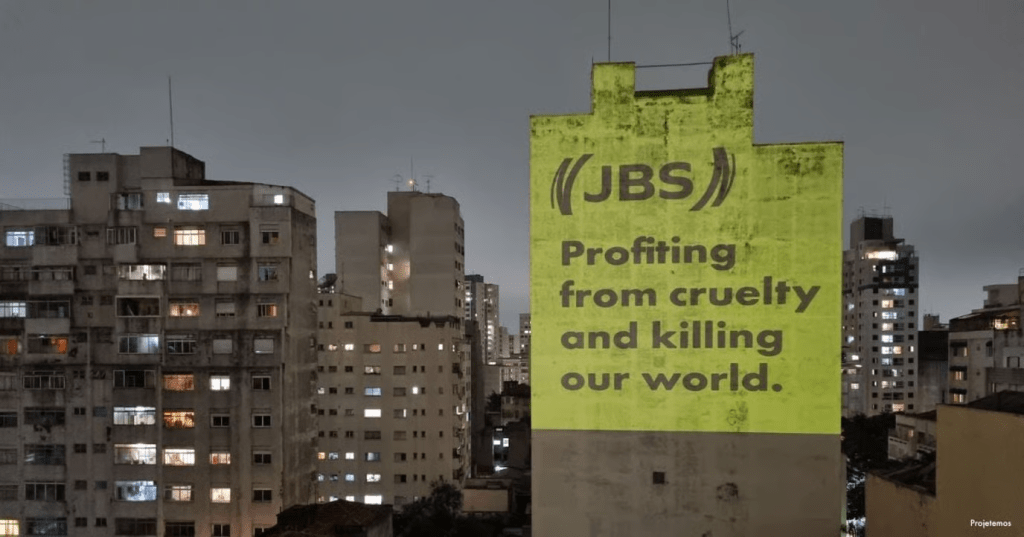
The ruling follows a lawsuit filed by JBS which exposed the company’s lack of commitment to the environment, climate and animal welfare.
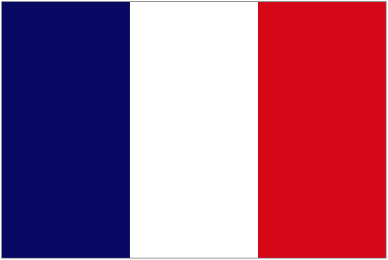
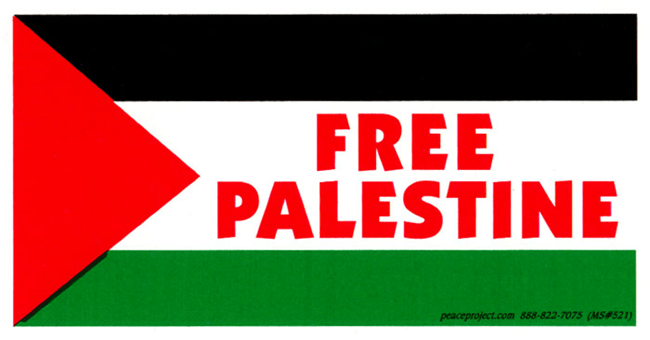
Possibly our flag should show:
The judge confirmed that the protests were legitimate, peaceful and based on widely known issues linked to JBS’s industrial livestock production chain. So often in the past, we have seen these rich super companies think they have the right to win over the smaller boys with their financial threats. Well now JBS has lost = and rightly !
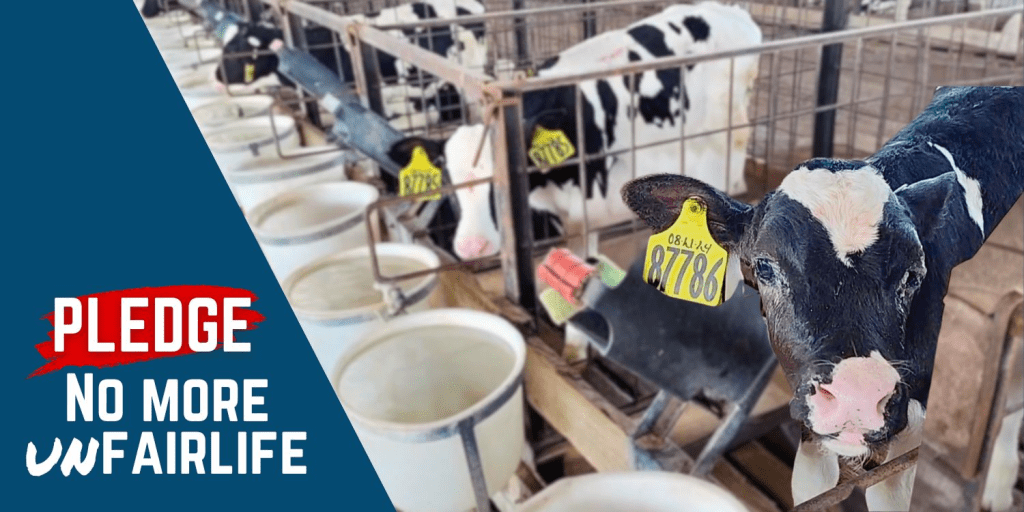
In 2024/2025 the Animal Recovery Mission – ARM – launched 2 new undercover investigations into Arizona’s main supplying dairy farms for COCA COLA OWNED ‘FairLife milk’.
Coke and FairLife promised reform after ARM exposed the cruelty in 2019 and 2023 investigations. THEY LIED as you can see in the video.
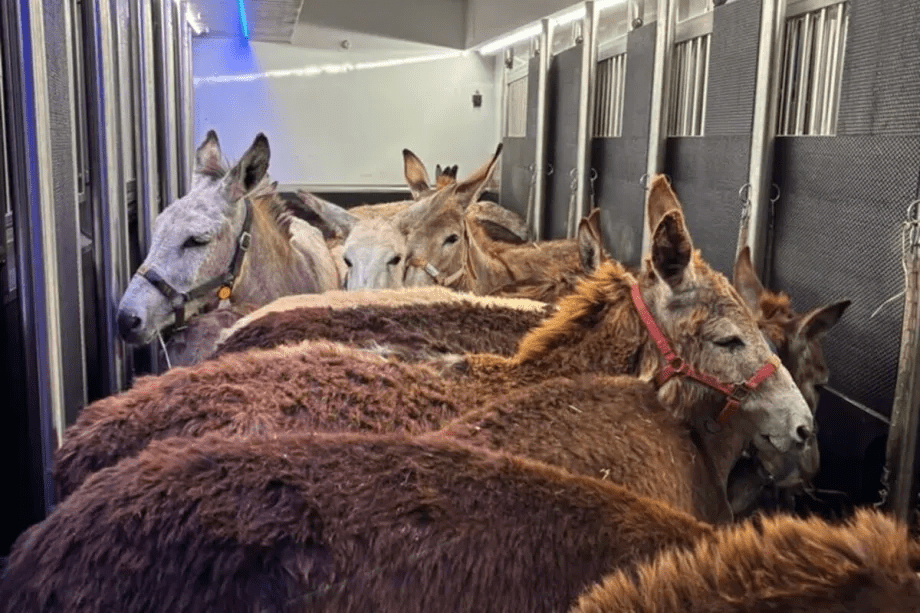
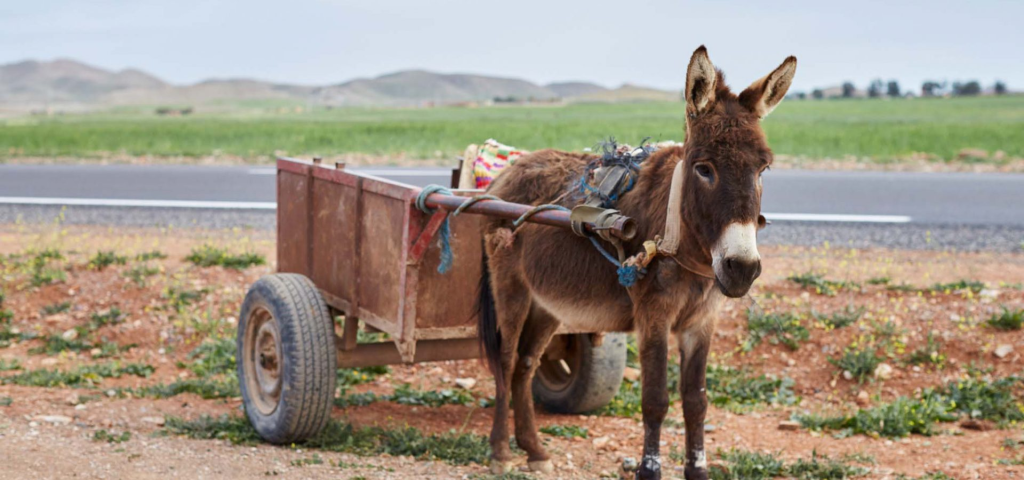
The Israeli Army has reportedly stolen hundreds of donkeys from the besieged Gaza Strip, smuggled them to Israel, and then re-exported them to France; to prevent their use in reconstruction.
According to the report, Israel soldiers have looted the donkeys from areas they have invaded within the Gaza Strip under the pretext of ‘rescuing them from sickness and neglect’.
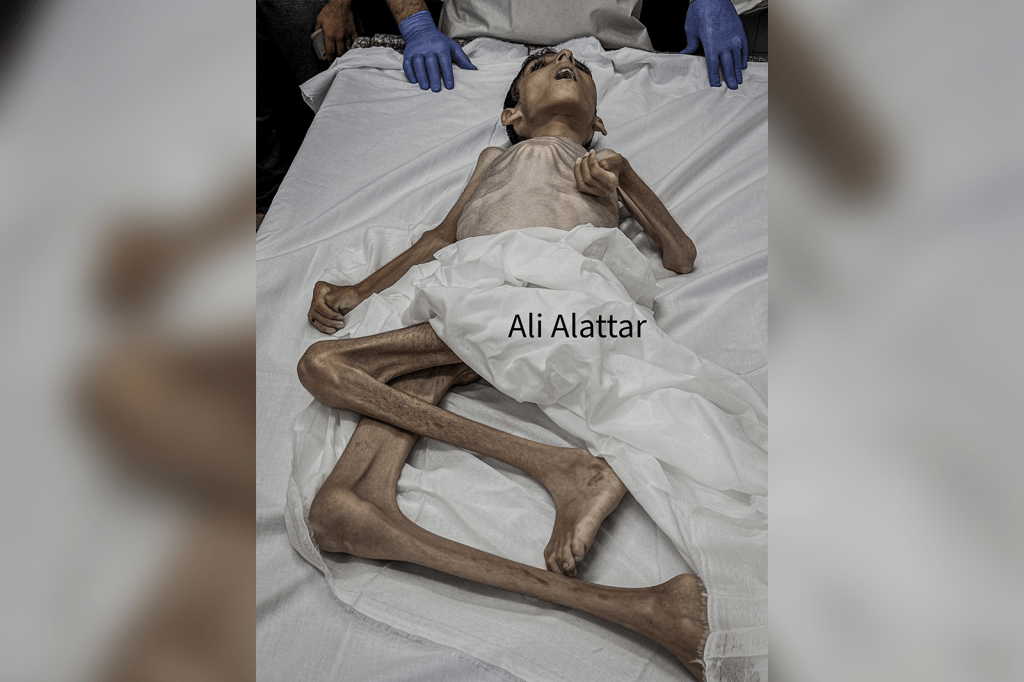
So, donkeys allegedly rescued by Israel from ‘sickness and neglect’ – what about the neglected children and citizens of Gaza ? – a Palestine child dies of famine in Gaza – is this not ‘sickness and neglect ?’
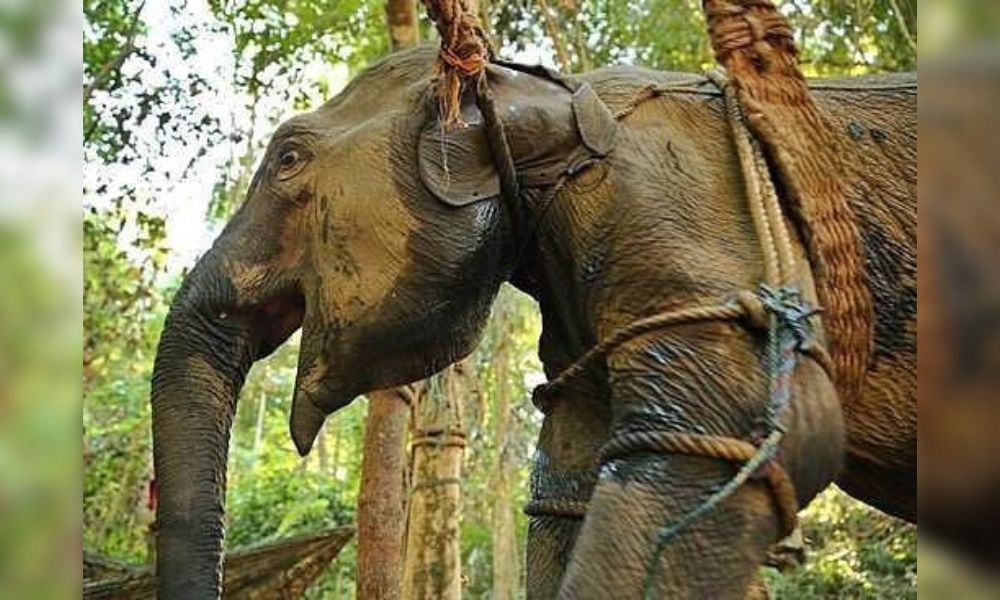
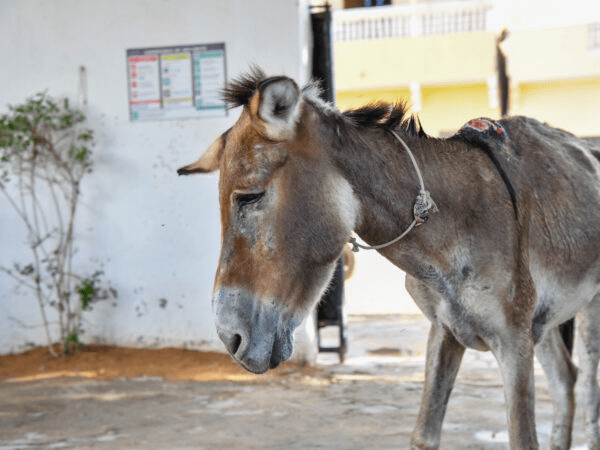
Every day, thousands of working animals carrying heavy loads through busy streets. Their owners, many of whom are living in poverty themselves, rely on the use of these animals as their only source of income. One major problem is, that despite doing their best to help their own animals; they often use makeshift harnesses, of rope, wire and rubber; unaware of the damage that these can cause.
For the animals it is a downward spiral of silent suffering.
But SPANA, a London based charity is there to help by using a team of travelling veterinarians who travel around different locations giving much needed AND FREE advice, veterinary TREATMENT and very much welcomed NEW AND SUITABLE FREE HARNESSES to the animals owners. All of this is supported financially by SPANA supporters and donators.
SPANA is the Society for the Protection of ANimals Abroad. It also has an office in Australia. https://spana.org/contact-us/
We have personally been familiar with the excellent work of Welfarm, under the leadership of Ghislain, since they were affiliated with CIWF back in the 90’s – see ‘History’ below for more:
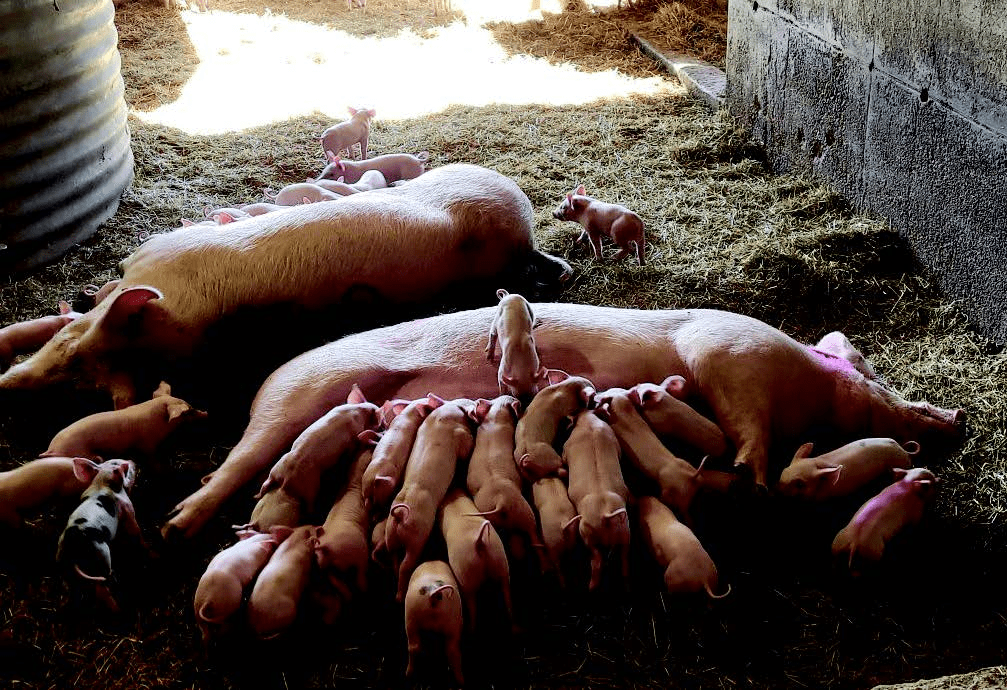
A year and a half after after turning away from the terrible intensive cage system; pig farmer Laurent Gugliemi has been amazed at the way his sows have now behaved after being given both their freedom and the ability to raise piglets in groups. Read the full article here:
Working donkeys and horses are the life blood of the local communities in Afghanistan and Kabul is by no means an exception.
Where old meets new in the city; many families will have access to motor transportation (so much so that Kabul was recently compared to Delhi as the most polluted city on earth) whilst many more, particularly those who inhabit the surrounding mountains, do not.
The working donkey or horse is vital to carry supplies (water, food and building materials) to the steep hillside communities; which make up most of Kabul’s surrounding urban areas nestled precariously on the side of the unforgiving mountain terrain.
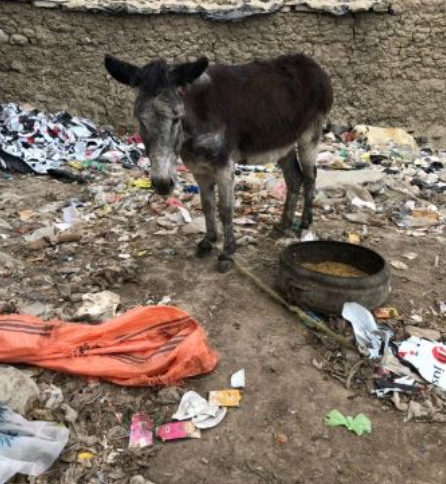
The brick kilns of Kabul are literally ‘hell-holes’ for working animals as they are more often than not, over-worked and completely neglected. The poor animals are worked to death.
With little to no education, their owners have limited knowledge on the fundamental needs of their working animals which would lead to improving working conditions and improve their overall welfare.
Nowzad promotes healthy Afghan donkey ownership through an effective campaign targeting donkey and horse owners and muleteers (especially at the brick kilns of Kabul) explaining and teaching the importance of basic health checks for their animals along with feeding requirements and required vaccinations.
We employ a farrier to relieve animals of painful and uncomfortable hooves, a small gesture that makes a big difference to the working animals quality of life and where required hospitalise any donkey or horse as needed to allow them to recover from injury and illness. Importantly too, we employ a harness maker so that we can replace ill-fitting and injury causing harnesses.
We just cannot post some of the injuries we are sadly seeing. They are just too graphic. It breaks our heart but also makes us more determined with you by our side to be the difference for these working animals who have no choice but to be there.
All donkeys that we treat are recorded so that we can follow their progress. Our veterinarians are experienced in tending to any donkey or horse that is sick or injured and we often offer ‘roadside assistance’ or outpatient treatment to animals in distress.
In November 2023, Nowzad was thrilled to join the global Working Animal Alliance working group, working with other NGOs such as World Horse Welfare, academics, the private sector and international bodies across the sector to create a stronger voice for working animals, and recognise the role donkeys and horses have in achieving the global sustainable development goals.
In 2017 Nowzad opened the FIRST EVER donkey/horse sanctuary in Afghanistan, a refuge for former working donkeys and horses who have been discarded like rubbish onto the streets when they are no longer able to carry the heavy loads demanded of them by their owners.
Be the difference today!
Please help us to continue making a difference for the working animals of Afghanistan by clicking here. You can watch Pen take on the ‘Walk a mile in a donkey’s shoes’ challenge here where he explains our work direct from the streets of Kabul.
We cannot carry the loads for them but we are going to do what we can to make their lives somewhat easier. Be the difference today please!









 World Animals Voice