Every day, thousands of working animals carrying heavy loads through busy streets. Their owners, many of whom are living in poverty themselves, rely on the use of these animals as their only source of income. One major problem is, that despite doing their best to help their own animals; they often use makeshift harnesses, of rope, wire and rubber; unaware of the damage that these can cause.
For the animals it is a downward spiral of silent suffering.
But SPANA, a London based charity is there to help by using a team of travelling veterinarians who travel around different locations giving much needed AND FREE advice, veterinary TREATMENT and very much welcomed NEW AND SUITABLE FREE HARNESSES to the animals owners. All of this is supported financially by SPANA supporters and donators.
SPANA is the Society for the Protection of ANimals Abroad. It also has an office in Australia. https://spana.org/contact-us/
We have personally been familiar with the excellent work of Welfarm, under the leadership of Ghislain, since they were affiliated with CIWF back in the 90’s – see ‘History’ below for more:
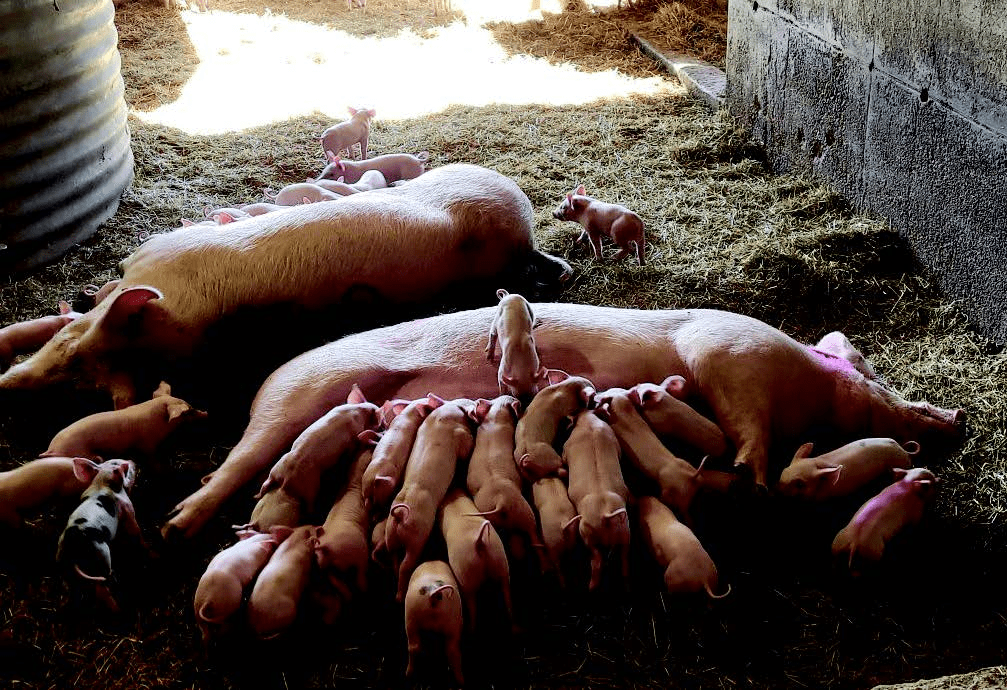
A year and a half after after turning away from the terrible intensive cage system; pig farmer Laurent Gugliemi has been amazed at the way his sows have now behaved after being given both their freedom and the ability to raise piglets in groups. Read the full article here:
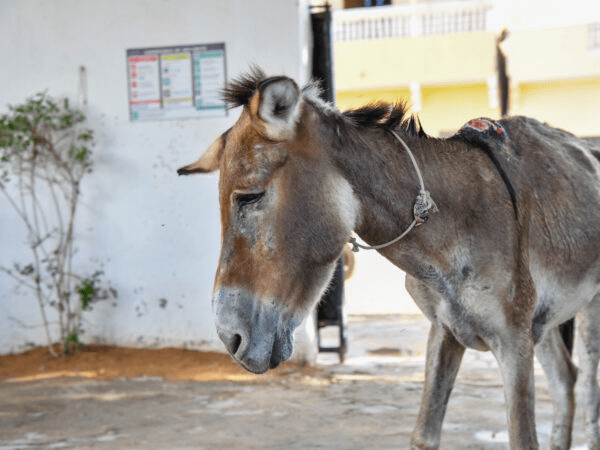
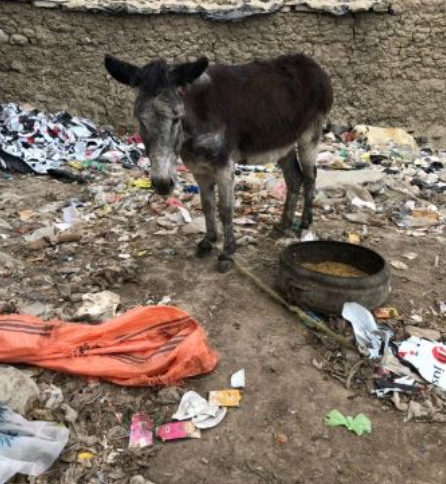
Working donkeys and horses are the life blood of the local communities in Afghanistan and Kabul is by no means an exception.
Where old meets new in the city; many families will have access to motor transportation (so much so that Kabul was recently compared to Delhi as the most polluted city on earth) whilst many more, particularly those who inhabit the surrounding mountains, do not.
The working donkey or horse is vital to carry supplies (water, food and building materials) to the steep hillside communities; which make up most of Kabul’s surrounding urban areas nestled precariously on the side of the unforgiving mountain terrain.
The brick kilns of Kabul are literally ‘hell-holes’ for working animals as they are more often than not, over-worked and completely neglected. The poor animals are worked to death.
With little to no education, their owners have limited knowledge on the fundamental needs of their working animals which would lead to improving working conditions and improve their overall welfare.
Nowzad promotes healthy Afghan donkey ownership through an effective campaign targeting donkey and horse owners and muleteers (especially at the brick kilns of Kabul) explaining and teaching the importance of basic health checks for their animals along with feeding requirements and required vaccinations.
We employ a farrier to relieve animals of painful and uncomfortable hooves, a small gesture that makes a big difference to the working animals quality of life and where required hospitalise any donkey or horse as needed to allow them to recover from injury and illness. Importantly too, we employ a harness maker so that we can replace ill-fitting and injury causing harnesses.
We just cannot post some of the injuries we are sadly seeing. They are just too graphic. It breaks our heart but also makes us more determined with you by our side to be the difference for these working animals who have no choice but to be there.
All donkeys that we treat are recorded so that we can follow their progress. Our veterinarians are experienced in tending to any donkey or horse that is sick or injured and we often offer ‘roadside assistance’ or outpatient treatment to animals in distress.
In November 2023, Nowzad was thrilled to join the global Working Animal Alliance working group, working with other NGOs such as World Horse Welfare, academics, the private sector and international bodies across the sector to create a stronger voice for working animals, and recognise the role donkeys and horses have in achieving the global sustainable development goals.
In 2017 Nowzad opened the FIRST EVER donkey/horse sanctuary in Afghanistan, a refuge for former working donkeys and horses who have been discarded like rubbish onto the streets when they are no longer able to carry the heavy loads demanded of them by their owners.
Be the difference today!
Please help us to continue making a difference for the working animals of Afghanistan by clicking here. You can watch Pen take on the ‘Walk a mile in a donkey’s shoes’ challenge here where he explains our work direct from the streets of Kabul.
We cannot carry the loads for them but we are going to do what we can to make their lives somewhat easier. Be the difference today please!
Despite these hardworking animals being so essential to survival, they’re often the last to receive the little water that’s available, writes actor Jim Broadbent
In the 1960s, my father, who was a sculptor, joined the group Free Painters and Sculptors where he met a brilliant woman, Nina Hosali, who co-founded animal charity Society for the Protection of Animals Abroad (SPANA) with her mother Kate in 1923.
Together, Nina and Kate would travel across North Africa to understand the difficulties facing local communities and their working animals. My father was very impressed by Nina and they became great friends, leading to my own support of the charity since the early nineties.
At that time, it was very unusual for two women to travel independently across North Africa and to be actively working with communities. It’s hard to imagine now how difficult it must have been and how brave they were. I can’t imagine the struggles they must have gone through venturing out into the desert to help working animals.
My wife Anastasia and I took a trip in 2006 to see the extraordinary work being done in Morocco by SPANA, and I felt privileged, in some small way, to follow in their footsteps some 80 years later. I remember visiting one of the centres the charity continues to run, where I saw donkeys being treated and animal owners receiving advice on animal welfare. We also travelled to more remote areas, where hardworking animals were helped by mobile vet clinics. We learned how working animals are vital to families and communities, particularly in low-income countries and the importance of their welfare.
Growing up in rural Lincolnshire, I was surrounded by friends with farms. They were mostly dairy farms, with fairly large herds of milking cattle. These animals were all appreciated and well looked after in a part of the world where we’re lucky enough to have largely clement weather and where animals benefit from access to clean water, nutritious diets and proper medical care. This standard of care was for me the norm.
The circumstances facing the people and animals we met in Morocco were very different. Working animals like donkeys, mules, horses and oxen are used much more widely, for tasks such as ploughing fields, transporting goods to market and collecting water – they are a real lifeline for their communities.
Obviously, it’s much hotter in Morocco, particularly in the summer months. We saw animals pulling heavy loads in extreme heat with little rest, which can lead to health issues such as dehydration, heatstroke and fatigue. At that time, animal owners had limited access to proper harnesses and, as a result, we saw animals suffering from wounds caused by ill-fitting and makeshift equipment.
Globally, the climate crisis is now making life harder for working animals and their owners. Many countries at the sharp end of the climate crisis are already experiencing more frequent droughts and water scarcity. The situation is worse for the most vulnerable, who are less likely to have access to clean running water because of inadequate water infrastructure.
The climate crisis is affecting every corner of the globe, with Morocco among the most hard-hit regions. There, they’ve experienced six consecutive years of drought due to record temperatures caused by climate change. This has led to increased evaporation and threats to water supplies.
And it’s working animals who many communities around the world desperately rely on at times of water crisis. They play a vital yet often overlooked role helping people carry huge amounts of clean water over long distances, often in the most challenging conditions.
It’s animals that help communities endure these desperate circumstances. But, despite being so essential to survival, they’re often the last to receive the little water that’s available.
That’s why, this International Working Animal Day, SPANA is urging governments around the world to prioritise inclusive water services that meet the needs of working animals and the people who depend on them, to ensure fair and reliable access for all. Having witnessed how central these animals are to the communities they support, and the suffering they endure, I’m proud to wholeheartedly add my voice to this call.
An IDF soldier and dog on patrol in Hebron. Photograph: Hazem Bader/AFP/Getty Images
Military dogs involved in attacks on Palestinian civilians – including children – are likely to have been exported from European countries, investigation finds
Warning: readers may find some of the details in this piece distressing
It was only seconds after soldiers entered the Hashash family’s home in the Balata refugee camp in the West Bank that the dog attack began. As military raids rolled out across her neighbourhood one morning in February 2023, Amani Hashash says she took her four children into a bedroom. When she heard Israeli military coming into their home she called out that they were inside and posed no threat.
Moments later the bedroom door was opened and a large, unmuzzled dog launched itself into the room, plunging its teeth into her three-year-old son, Ibrahim, who was asleep in her lap.
Continue reading …
Israeli soldiers from the Oketz canine unit at a training base in southern Israel. Photograph: Jack Guez/AFP/Getty Images
**************
Comment of our own:
So typical of Humans to turn “man’s best friend” into a killing machine. The dogs, as it says here, have no understanding of what they are made to do – and are as much victims as those they are set upon. Disgusting …
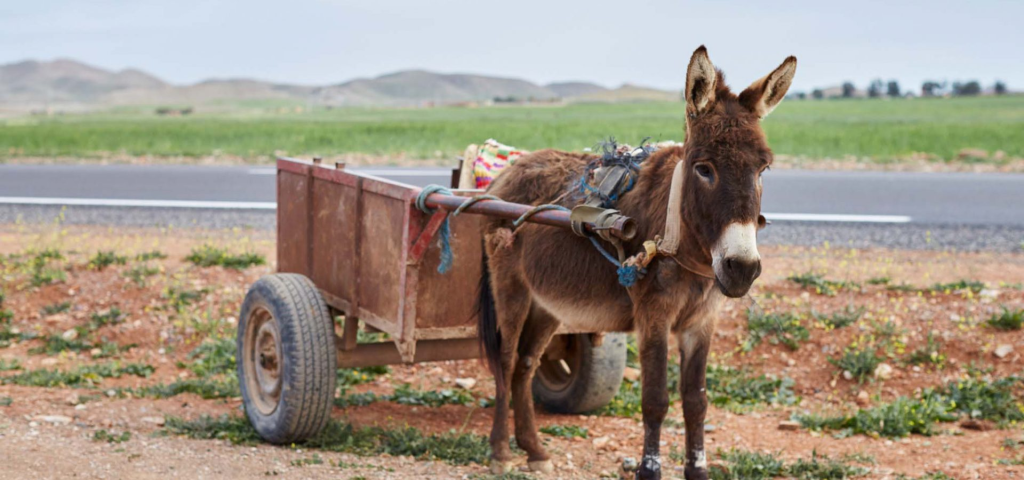
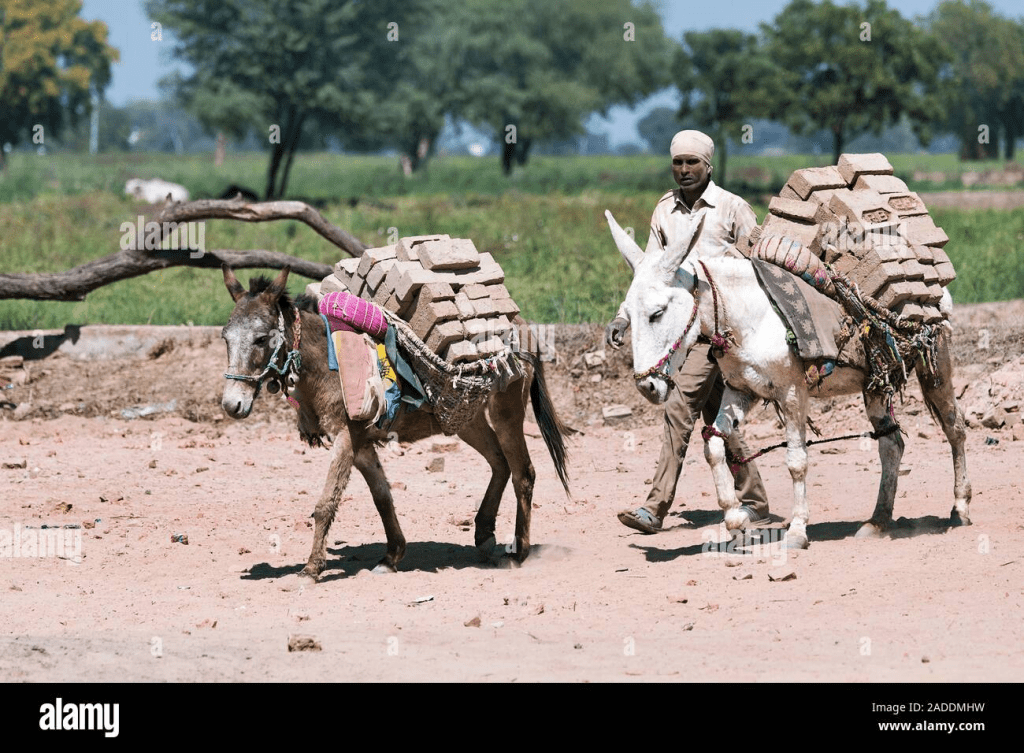
For many, the little humble donkey is quite simply a neglected, but essential, work tool for its owner. The brick carrier; the tourist transporter, the list is endless. For some, after a life of neglect and suffering, their days unfortunately end with them being sold, barbarically slaughtered, and becoming a ‘suppler of skins’ for use in the traditional Chinese ‘Egiao’ medicine market.
In this post we are simply giving pictures of the different working situations that donkeys find themselves in at different locations around the world. We also reference SPANA, – a British charity which is helping animal owners by providing free veterinary care and veterinary advice.
One of 500 abandoned dogs at AID – SHIN in Mijas, ready for adoption. Credit: EWN
being of pets across the country but has ended up, in the eyes of many, worsening an already bad situation. Since its introduction, animal abandonment has only increased, and animal rights are worse than ever.
Local management challenges, lack of consultation with professionals, and a perceived ideological bent: with more than 30 million pets in Spain, it was inevitable that a one-size-fits-all approach wasn’t going to work for everyone. One in three households owns at least one companion animal, and not everyone can afford the changes. In Spain, an estimated 6 million pets remain unregistered, posing potential public health risks. In 2023, 285,000 dogs and cats were abandoned, highlighting the need for stricter regulations. But at what financial cost?
The new law sets standards for pet ownership and treatment, including a ban on leaving pets alone for more than 72 hours (24 hours for dogs) and prohibiting their habitual confinement in spaces like terraces, balconies, storage rooms, or vehicles. Sales of dogs, cats, and ferrets are now restricted to authorised, licensed breeders, excluding some intermediaries and private individuals.
Breeds classified as potentially dangerous, such as Rottweilers, remain subject to strict handling rules, including licences, short leashes, and muzzles. Notably, exemptions exist for working animals, like the Spanish Legion’s goat, which can still parade on October 12, or mules and oxen in living nativity scenes, unless their owners register them as pets in the new mandatory pet registry.
Despite its intentions, the law faces hurdles that hurt. Councils are tasked with collecting stray and abandoned animals and providing 24-hour veterinary services, but many lack the funds and resources to comply. As well, local governments must manage feral cat colonies, requiring trained volunteers or staff to capture, vaccinate, deworm, sterilise, and return the cats – a costly mandate that many areas struggle to meet.
If a pet owner now wants help, they have to go to a vet. For many who already owned a pet from before the introduction of the law, vet prices are not an option. According to Fabienne Paques of AID – SHIN, an animal rescue in the Malaga Region with 500 abandoned dogs and 150 cats, ‘A dog needs a chip, and it needs a rabies shot. Before you could go to a hardware shop for that. Now, it costs a lot to go to a vet. Before it was €20, and now it’s €80. To get some dogs castrated or sterilised (as per the new law), it can cost up to €500. The new law considered pets things, items, not animals.’ The shelter has recently had an inordinate amount of pets abandoned at their gates. ‘People don’t know what to do with them. The new law brought a lot of negativity. They say it’s not true, but it’s an absolute disaster.’
Dilemma under new animal rights law of what to do with existing pets?
A few kilometres away in the Miralmonte urbanisation, neighbours are up in arms about one of their neighbours who has several macaws and dogs which appear to be breeding amongst themselves. According to the neighbours, the animals make a terrible noise, and their droppings are attracting rats. The owner at the centre of the situation used to have a pet shop in nearby Coín but has been stopped from selling animals from the store she inherited from her parents. So, now, unable to afford to put them down, she keeps the animals at home. She cannot sell the animals by law, and the local police are reluctant to do anything as they can see both sides of the argument.
Critics of the law, including Professor Christian Gortázar, argue the law lacks scientific grounding and was driven by ideological motives, potentially threatening livestock industries by overly humanising pets. They also claim that there in no provision for pet owners with less resources to cope with the new rules.
José Luis López-Schümmer, president of the Artemisan Foundation, notes the law’s inconsistency with European legislation, which excludes wildlife from welfare regulations. The law also exempts animals raised for food, scientific experiments, bullfighting, or hunting, countering claims that it severely impacts the economy.
A year and a half after its enactment, the law’s limited consensus, even among its proposing parties, and incomplete framework have hindered its full application. Its true long-term impact – positive or negative – remains to be seen, as further data and regulatory clarity are needed to assess this polarising legislation. What is certain, in 2025, is that the situation with the welfare of animals is nowhere near being improved.
Now, unable to buy a dog from a pet shop, ACE – SHIN have a broad selection just looking for a home. Check out their website as they can arrange adoptions in may countries around Europe.




















 World Animals Voice