The Royal Horticultural Society, arguably the UK’s foremost gardening charity, has had a change of heart when it comes to our garden gastropods and whether we should be poisoning them. But what about other animals deemed pests, or those who simply don’t have a convenient role or value in our human lives? Claire Hamlett discusses.
Whenever it rains and snails dot the wet pavements, I watch my step, often pausing on walks to move snails to a place of greater safety. But not everyone takes such care over the slow-moving molluscs. Indeed, snails and their bare-backed cousins, slugs, have long been considered the bain of a gardener’s life. If you search for them on the internet, many of the results are about how to kill them or get rid of them. Garden centres are full of poison with which to dispatch them (and any other creature that mistakenly ingests it). But the Royal Horticultural Society (RHS) is now trying to redeem its image by no longer classing them as pests.
The RHS wants gardeners to see the ecological role that slugs and snails play, including eating decomposing matter and being a source of food for animals including birds and hedgehogs. This change of heart is part of the RHS’s broader campaign for ‘Planet-Friendly Gardening’, which it launched last year. While it’s good that an influential organisation like RHS is moving towards a more compassionate outlook, it also feels rather like it is having to do damage control for the prejudice that it has helped to create against these creatures. The current RHS page on snails, which will hopefully get an update soon, leads with an accusation that they “can cause a lot of damage in the garden” and has a whole section on controlling their numbers, including with pesticides.
I do wonder why it took the RHS so long to start thinking about how it demonises species given that the serious trouble the UK’s wildlife is in has been known for many years. Now it has seen the light on slugs and snails, hopefully, it will soon also update its thinking or many other species it currently classes as pests, and work instead to educate people about their role in the ecosystem and how to keep a balance of species in gardens without resorting to chemicals.
Unfortunately, the murderous mindset that categorises some species as ‘pests’ does not end in people’s back gardens or with molluscs.
Foxes are not only hunted illegally across the countryside but are persecuted for living their lives in and around the grounds of schools and businesses, as well as in the parks and on the streets of our cities. Fox cubs orphaned after their mother was killed were also shot at a school in North London last year for pooping in the playground and supposedly posing a risk to pupils’ health. There have been fox culls in London, where urban foxes are a common sight, especially after the Christmas period when there is more rubbish left out on the streets for longer. One ‘pest-controller’ interviewed by the Evening Standard said he had shot and killed thousands of foxes over his 30-year career.
But with public pushback, sometimes foxes’ lives are spared. A cull of foxes on a London golf course was halted in 2020 after campaigners including Animal Aid urged the golf club to choose an alternative humane solution. In 2021, hunt saboteurs raised the alarm about a planned fox cull on the grounds of Coca-Cola’s factory in Sidcup. The soft drink giant apologised for the upset and promised to use a humane alternative.
Rats and mice are among the prime ‘villains’ of the animal world in the minds of many people. While it’s understandable to not want rodents living in your house (though I did cohabit with a mouse for many months without any problems), these creatures are subjected to some particularly gruesome methods of ‘control’. Traps set with bait snap their spines. Poison can cause internal bleeding or death by dehydration. Some kill the animals slowly over days. There are humane, no-kill alternatives, but poison and traps sadly seem to be the most popular methods.
Sometimes an animal comes to be considered a pest simply because it disturbs the neat and tidy aesthetic that people prefer. One recent story I found particularly disturbing was a Guardian feature on a man called Jason Bullard in North Carolina, US, who kills armadillos for money. Driven north by climate change from their native habitat in South America, people in North Carolina were so “perturbed at their lawns being torn up by the newly arrived mammals” that they started paying Bullard to hunt and shoot them.
All too often animals are demonised for simply existing and trying to live their lives. Animal behaviour expert Marc Bekoff argues that calling these animals ‘pests’ “devalue[s] them as if they’re non-sentient objects.” Animals often find themselves in urban contexts because humans have taken over so much of what was once their habitat. Sometimes they benefit from living near us, such as by being more easily able to access food and shelter. As Bekoff writes, what we need is a “culture of coexistence”, in which killing is no longer the go-to option for resolving our conflicts with other species. With advocacy from organisations like the RHS, perhaps hearts and minds can finally start to change.
Predators were once virtually extinct in Europe, but thanks to conservation efforts their numbers have rebounded
Wolves face being hunted in greater numbers after the European Union voted to downgrade their protected status.
The European Commission’s proposal, backed by a qualified majority of EU ambassadors, would allow greater flexibility in organising hunts by downgrading the wolf from “strictly protected” to “protected”.
Ministers will meet to formally vote on the proposal on Thursday, with only Ireland and Spain expected to vote against it, diplomatic sources said. Other member states are expected to abstain.
Wolves were virtually extinct in Europe a century ago but, thanks in part to EU conservation efforts, numbers have rebounded, with more than 1,000 of the predators in some countries.
Amid a backlash against the burden of EU green rules triggered by the cost of living crisis, farmers have complained that rising numbers of the predators are endangering their livestock.
However, conservationists have criticised the “outrageous move” to ease the hunting restrictions.
Hunting of problem wolves is already allowed under exceptions to the EU protections. Limited legal wolf hunting is carried out in Finland, Norway, Lithuania, Latvia, Estonia, Bulgaria, Romania and Slovakia, but it could now become more widespread.
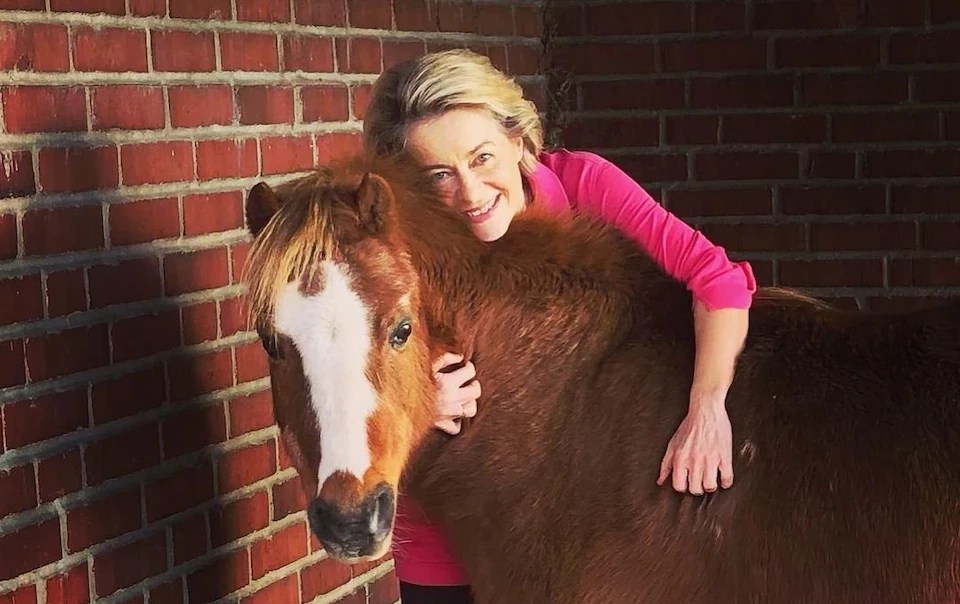
The vote comes after European Commission president Ursula von der Leyen’s favourite horse, Dolly, was killed by a wolf in September 2022 at her home in Germany.
Ursula Von Der Leyen with her pony ‘Dolly’ who was killed by a wolf Credit: Instagram
The keen equestrian and mother-of-seven said her family was “horribly distressed” by the loss of the 30-year-old horse at the lower Saxony compound.
The culprit was identified through DNA evidence as a wolf known as GW950m. But a permit to kill it expired before it could be hunted down, meaning it could still be at large.
The keen equestrian and mother-of-seven said her family was “horribly distressed” by the loss of the 30-year-old horse at the lower Saxony compound.
The culprit was identified through DNA evidence as a wolf known as GW950m. But a permit to kill it expired before it could be hunted down, meaning it could still be at large.
Brussels was forced to deny that Mrs von der Leyen had intervened in the permit process to take revenge for the death of Dolly. The permit was applied for before the horse was killed.
The Eurogroup for Animals said wolf populations had increased but had not reached “favourable” conservation status, as it decried a move that “seriously jeopardises the conservation efforts of the past decade and prioritises politics over science”.
‘Long-overdue’
“Wolves are our allies, not our enemies and it is crucial to protect them,” said Léa Badoz, of the Eurogroup for Animals. More than 300,000 EU citizens had signed a petition to stop wolf hunting.
“This is a very outrageous move and shows that member states are ignoring their citizens’ calls and science,” she said. “We urge the other parties to the Bern Convention to reject this proposal.”
Centre-Right MEPs from Mrs von der Leyen’s European People’s Party (EPP), which campaigned to loosen the protections before June’s EU-wide elections, said the decision was the start of a “long-overdue process” to bring wolf populations under control.
“As these populations grow, their conservation status must evolve too,” said Alexander Bernhuber, an EPP member of the European Parliament’s environment committee.
Italy was among the most vocal countries demanding protections be weakened. The wolf was pushed to the verge of extinction in Italy by the 1970s, when the population dipped to just 100 individuals. Numbers are now estimated to be about 3,300.
“It is a step forward that fills us with satisfaction,” Paolo Borchia, an Italian MEP from the Right-wing League party, said on Wednesday. “It is unacceptable that it took years to come to terms with a situation that is clear for everyone to see.”
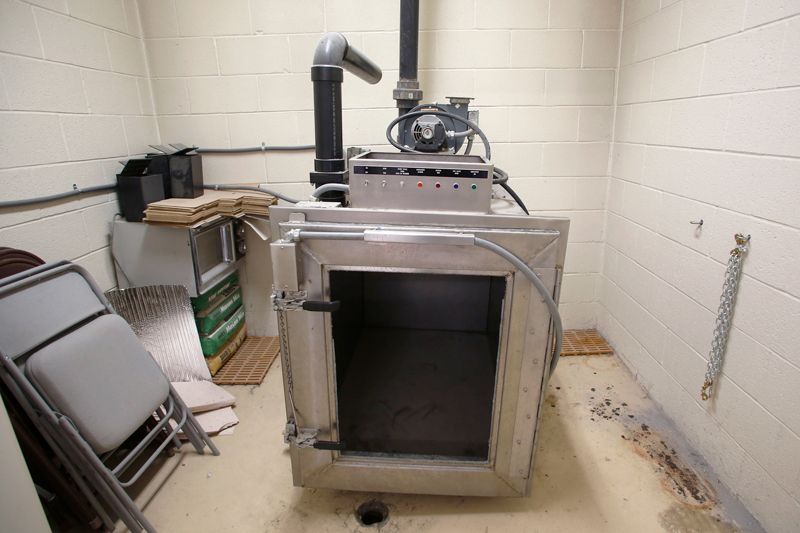
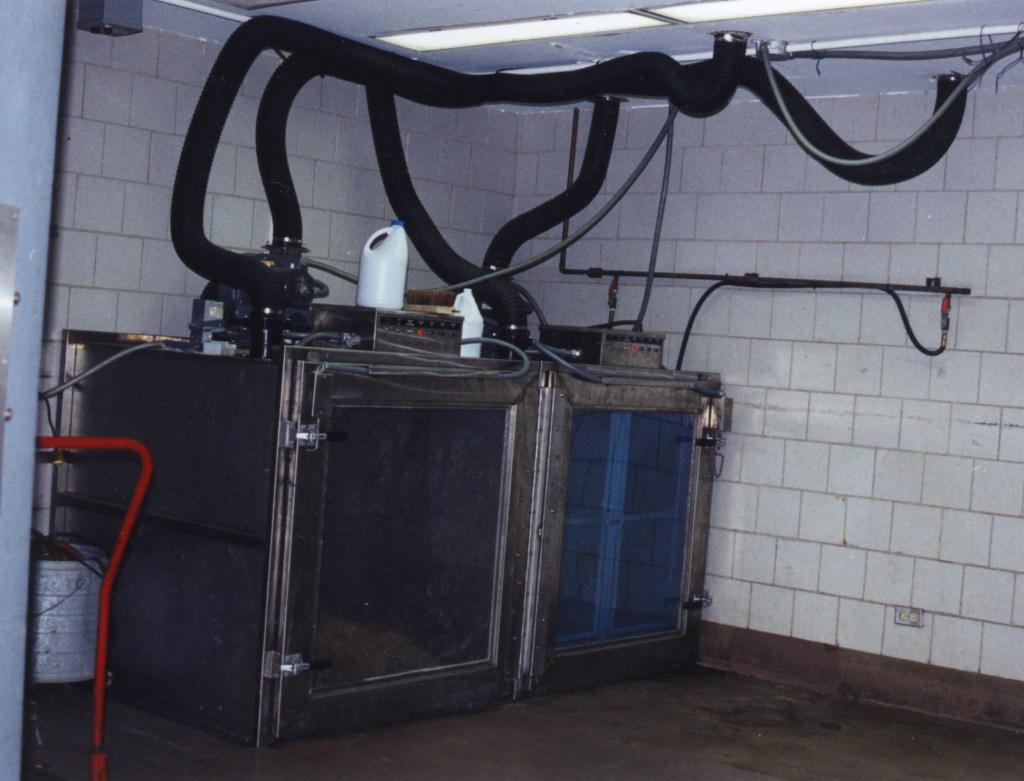
This gross video is not recent, granted – but this is still the situation in many US States. And many also still use gas. As here.
The Comments below say it all really …
Author, Unknown:
Yes, I Gas Dogs and Cats for a Living. I’m an Animal Control officer in a very small town in central North Carolina. I’m in my mid thirties, and have been working for the town in different positions since high school. There is not much work here, and working for the county provides good pay and benefits for a person like me without a higher education. I’m the person you all write about how horrible I am.
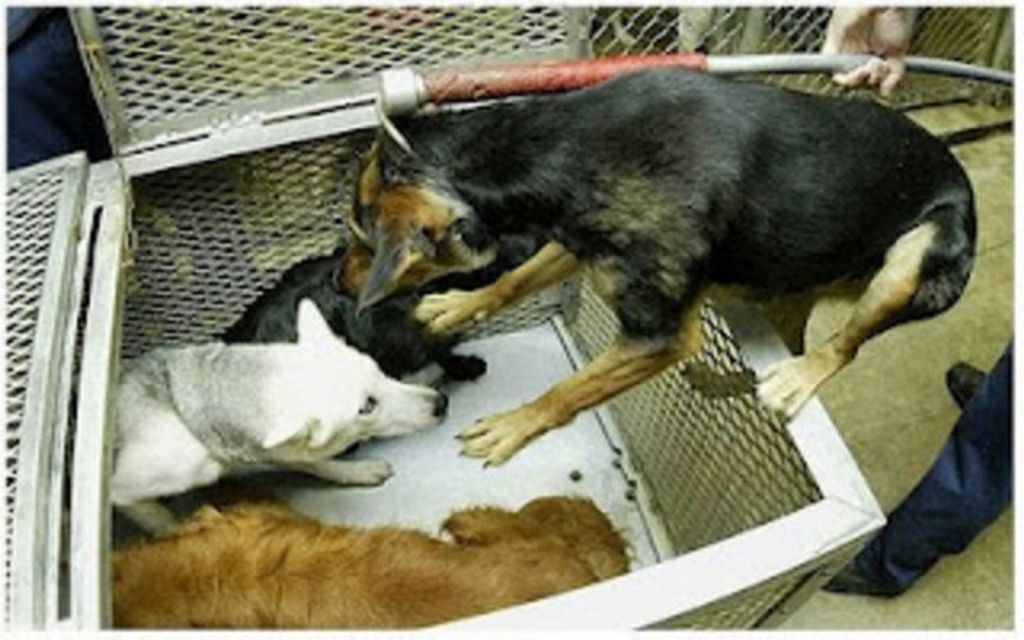
I’m the one that gasses the dogs and cats and makes them suffer. I’m the one that pulls their dead corpses out smelling of Carbon Monoxide and throws them into green plastic bags. But I’m also the one that hates my job and hates what I have to do.
First off, all you people out there that judge me, don’t. God is judging me, and I know I’m going to Hell. Yes, I’m going to hell. I wont lie, it’s despicable, cold, cruel and I feel like a serial killer. I’m not all to blame, if the law would mandate spay and neuter, lots of these dogs and cats wouldn’t be here for me to gas. I’m the devil, I know it, but I want you people to see that there is another side to me, the devil Gas Chamber man. The shelter usually gasses on Friday morning.
Friday’s are the day that most people look forward to, this is the day that I hate, and wish that time will stand still on Thursday night. Thursday night, late, after nobody’s around, my friend and I go through a fast food line, and buy 50 dollars worth of cheeseburgers and fries, and chicken. I’m not allowed to feed the dogs on Thursday, for I’m told that they will make a mess in the gas chamber, and why waste the food.
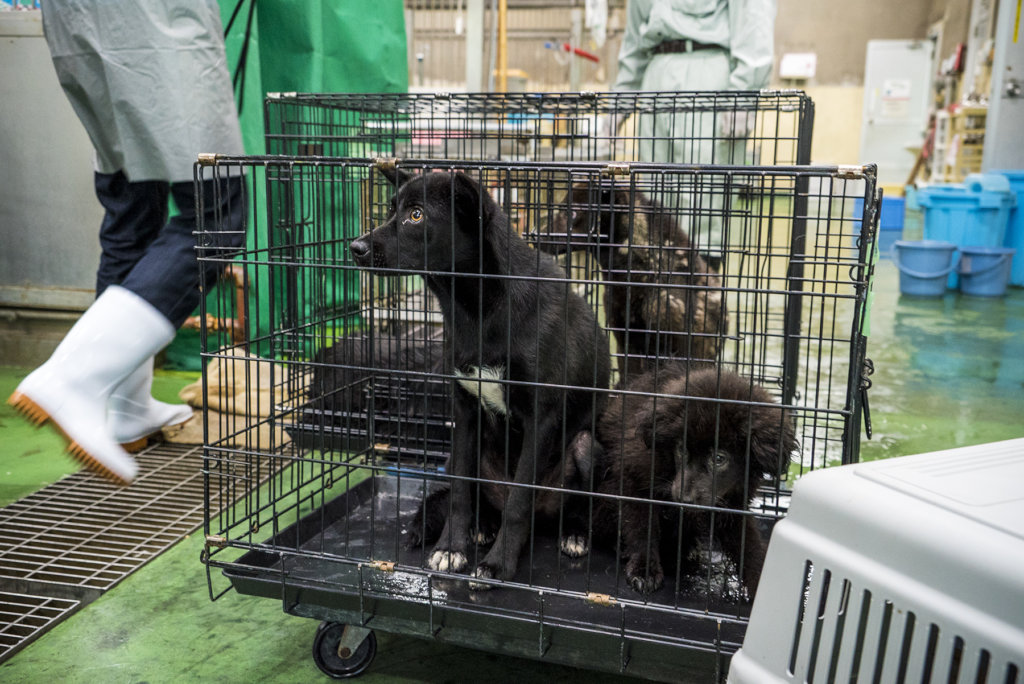
So, Thursday night, with the lights still closed, I go into the saddest room that anyone can every imagine, and let all the doomed dogs out out their cages.
I have never been bit, and in all my years doing this, the dogs have never fought over the food. My buddy and I, open each wrapper of cheeseburger and chicken sandwich, and feed them to the skinny, starving dogs.
They swallow the food so fast, that I don’t believe they even taste it. There tails are wagging, and some don’t even go for the food, they roll on their backs wanting a scratch on their bellies. They start running, jumping and kissing me and my buddy.
They go back to their food, and come back to us. All their eyes are on us with such trust and hope, and their tails wag so fast, that I have come out with black and blues on my thighs.. They devour the food, then it’s time for them to devour some love and peace. My buddy and I sit down on the dirty, pee stained concrete floor, and we let the dogs jump on us. They lick us, they put their butts in the air to play, and they play with each other. Some lick each other, but most are glued on me and my buddy.
I look into the eyes of each dog. I give each dog a name. They will not die without a name. I give each dog 5 minutes of unconditional love and touch. I talk to them, and tell them that I’m so sorry that tomorrow they will die a gruesome, long, torturous death at the hands of me in the gas chamber. Some tilt their heads to try to understand. I tell them, that they will be in a better place, and I beg them not to hate me. I tell them that I know I’m going to hell, but they will all be playing with all the dogs and cats in heaven.
After about 30 minutes, I take each dog individually, into their feces filled concrete jail cell, and pet them and scratch them under their chins. Some give me their paw, and I just want to die. I just want to die. I close the jail cell on each dog, and ask them to forgive me. As my buddy and I are walking out, we watch as every dog is smiling at us and them don’t even move their heads. They will sleep, with a full belly, and a false sense of security.
As we walk out of the doomed dog room, my buddy and I go to the cat room. We take our box, and put the very friendly kittens and pregnant cats in our box. The shelter does not keep tabs on the cats, like they do the dogs. As I hand pick which cats are going to make it out, I feel like I’m playing God, deciding whose going to live and die.
We take the cats into my truck, and put them on blankets in the back. ‘ Usually, as soon as we start to drive away, there are purring cats sitting on our necks or rubbing against us. My buddy and I take our one way two hour trip to a county that is very wealthy and they use injection to kill animals.
We go to exclusive neighborhoods, and let one or two cats out at a time.
They don’t want to run, they want to stay with us. We shoo them away, which makes me feel sad.
I tell them that these rich people will adopt them, and if worse comes to worse and they do get put down, they will be put down with a painless needle being cradled by a loving veterinarian. After the last cat is free, we drive back to our town.
It’s about 5 in the morning now, about two hours until I have to gas my best friends.
I go home, take a shower, take my 4 anti-anxiety pills and drive to work.. I don’t eat, I can’t eat. It’s now time, to put these animals in the gas chamber. I put my ear plugs in, and when I go to the collect the dogs, the dogs are so excited to see me, that they jump up to kiss me and think they are going to play.
I put them in the rolling cage and take them to the gas chamber. They know. They just know.
They can smell the death. They can smell the fear. They start whimpering, the second I put them in the box. The boss tells me to squeeze in as many as I can to save on gas. He watches. He knows I hate him, he knows I hate my job. I do as I’m told. He watches until all the dogs, and cats (thrown in together) are fighting and screaming. The sounds is very muffled to me because of my ear plugs. He walks out, I turn the gas on, and walk out.
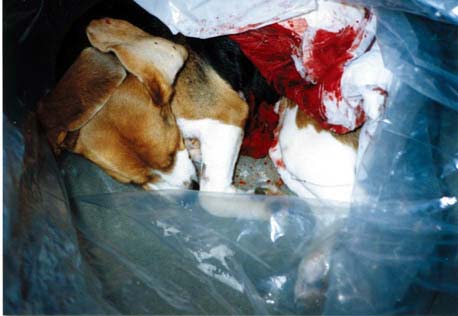
I walk out as fast as I can. I walk into the bathroom, and I take a pin and draw blood from my hand. Why? The pain and blood takes my brain off of what I just did. In 40 minutes, I have to go back and unload the dead animals. I pray that none survived, which happens when I overstuff the chamber. I pull them out with thick gloves, and the smell of carbon monoxide makes me sick. So does the vomit and blood, and all the bowel movements. I pull them out, put them in plastic bags.
They are in heaven now, I tell myself. I then start cleaning up the mess, the mess, that YOU PEOPLE are creating by not spay or neutering your animals. The mess that YOU PEOPLE are creating by not demanding that a vet come in and do this humanely. You ARE THE TAXPAYERS, DEMAND that this practice STOP!
So, don’t call me the monster, the devil, the gasser, call the politicians, the shelter directors, and the county people the devil. Heck, call the governor, tell him to make it stop.
As usual, I will take sleeping pills tonight to drown out the screams I heard in the past, before I discovered the ear plugs. I will jump and twitch in my sleep, and I believe I’m starting to hallucinate.
This is my life. Don’t judge me. Believe me, I judge myself enough.
******************
This is the current situation:
U.S. States With Highest And Lowest Shelter Kill Rates
Shelters across the country are full and many over capacity with adoptable dogs and cats. While each shelter does their best to find a loving home for each animal, hundreds of thousands (355,000) are euthanized each year due to lack of space and resources.
There are more homeless pets than adopters and it forces numerous shelters to make tough choices. Veterinarians.org published a study that analyzed the intake and outcome data from U.S. animal shelters and ranked the highest and lowest shelter kill rates.
They examined 3,261 shelters which covers roughly 93.5% of the total sheltered animals in the country. They found some heartbreaking results but also some states who are completely no-kill and inspiring others to do the same.
The bad news…
Mississippi has the highest kill rate of 18.3%, which is 3 times the nation-wide average. North Carolina and Alabama come next with high kill rates (over 14%). Less than half of the shelters in these states are no-kill.
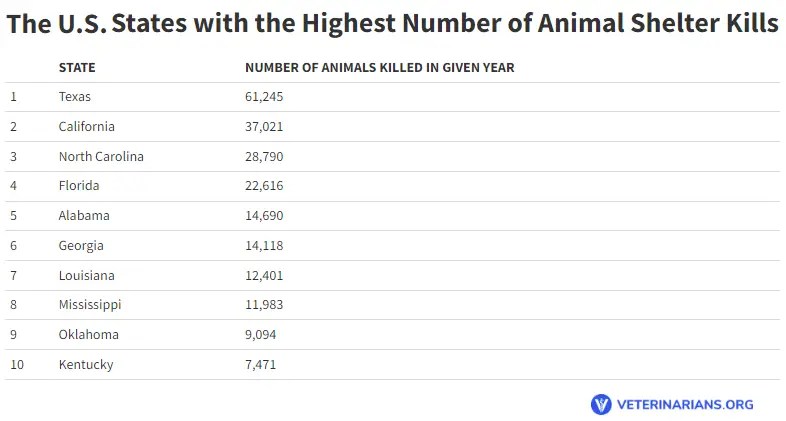
However, when it comes to actual numbers Texas comes in with highest number of animals killed in a year – over 61,000. California comes next followed by North Carolina, Florida and Alabama.
The study found, “Five states account for half of all cats and dogs killed in U.S. animal shelters: California, Texas, Florida, North Carolina, and Alabama.”
The solution to this heartbreaking problem is to encourage more people to adopt and give shelters the support and assistance they need to transform into a no-kill shelter.
The good news…
52% of U.S. animal shelters are no-kill, which has doubled since 2016. Best Friends Animal Society has a goal of making all shelters no-kill by 2025. They want to ensure that all dogs and cats get the chance to find a loving home – no matter how long it takes.
But shelters cannot do it alone. Best Friends shared, “For far too long, the burden has been placed on shelters themselves to save the lives of the animals in their care. It is imperative that the community and local government provide their shelters with the support they need to succeed.”
They help guide shelters toward no-kill status by giving them the tools they need to succeed.
According to Best Friends, “The most effective path to no-kill includes a combination of (1) collaborative partnerships and coalitions among animal shelters, animal rescue groups and community members working toward a collective goal; (2) proven programs and best practices designed to save the most lives possible; and (3) data-driven decision-making for each individual community.”
The only two no-kill states are Delaware and New Hampshire. Rhode Island, North Dakota, and Maine round out the top five with under 1% kill rate.
You can check and see if your local shelter is a no-kill shelter through the pet lifesaving dashboard. If not, see how you can help.
Best Friends reminds people, “Saving the lives of dogs and cats in animal shelters is the responsibility of each community. Animal shelters and the staff who work there can only create and sustain lifesaving programs if they have community support and participation. Working together thoughtfully, honestly and collaboratively is what makes true no-kill possible.”
*******************
(Google)
**************
30 Jul 2019
Shelter killing is the leading cause of death for homeless dogs and cats in the United States. It doesn’t have to be. This is the story of animal sheltering, which was born of compassion and then lost its way. It is the story of the No Kill movement, which says we can and must stop the killing. It is about heroes and villains, betrayal and redemption. And it is about a social movement as noble and just as those that have come before. But most of all, it is a story about believing in the community and trusting in the power of compassion.
Kruger Park rangers on the poisoning scene. (Photo: EWT)
08 May 2025
Eighty-four vultures have been rescued after a mass poisoning event in the Kruger National Park, one of the largest incidents of its kind recorded in southern Africa.
An elephant carcass, laced with poison and surrounded by more than 100 dead vultures, marked one of the most devastating wildlife poisoning events yet seen in the Kruger National Park. Remote sensing triggered a scramble to save birds that were still alive.
In a coordinated emergency operation spanning helicopters, ambulances and nearly 24 hours of intensive care, 84 poisoned vultures were pulled back from the brink.
The operation this week was undertaken by a combined team of South African National Parks rangers and Endangered Wildlife Trust (EWT) officials in the park’s Mahlangeni Section, where the elephant carcass was found.
According to Gareth Tate, head of EWT’s Birds of Prey Programme, the organisation’s wildlife poisoning detection system triggered an alarm, flagging suspicious activity.
“The following morning, SANParks rangers conducted surveillance and uncovered a mass poisoning event involving more than 120 dead birds,” Tate said. “It was a shocking, gruesome scene.”
By 8.20am the joint team had arrived on site. They discovered 122 dead vultures, including 102 white-backed vultures, 20 Cape vultures and one lappet-faced vulture – all species listed as endangered or critically endangered. Several vultures were found alive but severely affected.
Tate described the rescue as a “world-class operation” involving two ground teams, helicopters, 12 vehicles and the EWT’s specialised Vulture Ambulance. Emergency treatment was administered in the field, including atropine to reverse the effects of the poison on the birds’ nervous systems, activated charcoal to bind toxins, fluid therapy and a procedure to flush and milk the vultures’ crops to remove ingested poison.
“We’ve developed a strict protocol over the years and we’ve achieved about a 98% success rate for birds found alive,” Tate explained. “Those first 24 hours are critical. If we can get them through that, they have a good chance of survival.”
Vultures were being deliberately targeted both to conceal illegal activities and to harvest body parts for the illegal wildlife trade and traditional medicine markets.
A total of 84 vultures were rescued alive. Of these, 45 were transported in the EWT’s mobile vulture ambulance and 39 were taken by helicopter to care facilities. Five of the rescued birds died despite treatment, but 83 remained alive as of the following morning, representing a 96% survival rate.
SANParks Pilot Bradford Grafton with one of the rescued vultures. (Photo: SANParks)
Eighty-four vultures have been rescued by a joint team of SANParks rangers and Endangered Wildlife Trust (EWT) following a devastating poisoning incident in the Kruger National Park. (Photo: EWT)
Reinforcements were swiftly deployed. Support teams from the Moholoholo Wildlife Rehabilitation Centre, Briner Veterinary Services and Wildscapes Veterinary Services were mobilised within hours and worked through the night to stabilise each bird and keep them alive.
“This was one of the largest and most coordinated vulture rescues ever conducted in the region,” Tate said. “The collaboration between SANParks, vets, NGOs and rangers was remarkable.”
This is intentional genocide of vultures. It’s absolutely malicious and a silent killer.
The poisoning involved agricultural toxins placed on an elephant carcass, a method increasingly used by poachers to kill vultures that might otherwise alert rangers to poaching sites by circling overhead. Tate said vultures were being deliberately targeted both to conceal illegal activities and to harvest body parts for the illegal wildlife trade and traditional medicine markets.
“Vultures are being systematically removed from the landscape,” Tate warned. “This is intentional genocide of vultures. It’s absolutely malicious and a silent killer.”
“They’re targeting vultures for their brains, heads and feet,” Tate said. “There’s even evidence that poisoned vulture parts are ending up in muti markets, meaning that toxic substances are being sold to unsuspecting users.”
Broader crisis
This incident forms part of a broader crisis facing vultures across southern Africa. The birds play a key role in ecosystems by consuming carcasses and reducing the spread of disease. Their absence leads to carcasses lingering longer in the environment, increasing the risk of disease transmission to other wildlife and humans.
The decline of vultures has been linked to knock-on effects seen in other regions: in India, the collapse of vulture populations due to veterinary drug poisoning led to a boom in feral dog numbers and a corresponding rise in rabies cases.
Kruger hosts at least five regular vulture species: the white-backed vulture (Gyps africanus), the most common; the Cape vulture (Gyps coprotheres), mainly found in the park’s north; the lappet-faced vulture (Torgos tracheliotos); the hooded vulture (Necrosyrtes monachus) and the rarely seen white-headed vulture (Trigonoceps occipitalis). Each species occupies a niche at carcasses, forming an efficient clean-up system.
Each adult vulture killed is not just an immediate loss – it’s a loss of future generations.
However, their numbers are declining due to a number of pressures. Many species breed slowly, raising only one chick per year. Their nesting habitats are shrinking as large trees along rivers are lost, often from increased elephant activity. Without sufficient nesting sites, reproductive success drops. Poisoning events exacerbate these losses, wiping out breeding adults and chicks alike.
Poisoning incidents targeting vultures have increased. Poachers use pesticides like carbofuran, a highly toxic agricultural chemical, to lace carcasses. Vultures that feed on the poisoned remains are removed as natural sentinels from the ecosystem. Other scavengers, including jackals, lions, hyena and ground hornbills, also fall victim.
“Unlike targeted poaching of individual animals, poisoning takes out entire species indiscriminately,” Tate said. “Each adult vulture killed is not just an immediate loss – it’s a loss of future generations.”
Efforts to address the issue include increased patrols, training poison response teams and establishing artificial feeding sites to provide uncontaminated food. Conservationists stress that long-term solutions will require stronger regulation of agricultural poisons, improved enforcement against wildlife crime and engagement with communities living near protected areas.
Community outreach initiatives by the Kruger Park have begun, aiming to reduce demand for vulture parts in belief-based practices and build support for conservation. However, scaling these measures to meet the size of the problem remains a challenge.
Tate emphasised the need for stricter penalties for those responsible. “These individuals need to be caught and the penalties must reflect the seriousness of the crime – they’re killing critically endangered animals.”
Natural waste disposers
The rescued vultures continue to recover under veterinary care and will be released once they are fit to return to the wild. “Some of them are so strong that we’re planning to release them this Saturday,” Tate said.
Conservationists hope the surviving birds will resume their vital ecological role as natural waste disposers, limiting the spread of disease in the ecosystem. The poisoning incident highlights the vulnerability of vultures to deliberate targeting, the ecological consequences of their decline and the urgent need for interventions.
“Without vultures, carcasses take longer to decompose, leading to increased risks of disease,” Tate said. “Their loss disrupts a delicate balance. We need to act now to protect them.”
As the surviving vultures recover, conservationists warn that the battle to save these birds is ongoing. Preventing future poisonings, preserving nesting habitats and raising awareness about their ecological importance will be essential to ensure that vultures remain part of Kruger’s skies. Each circling silhouette is a sign that the clean-up crew is still at work, maintaining the health of the ecosystem for wildlife and humans alike.
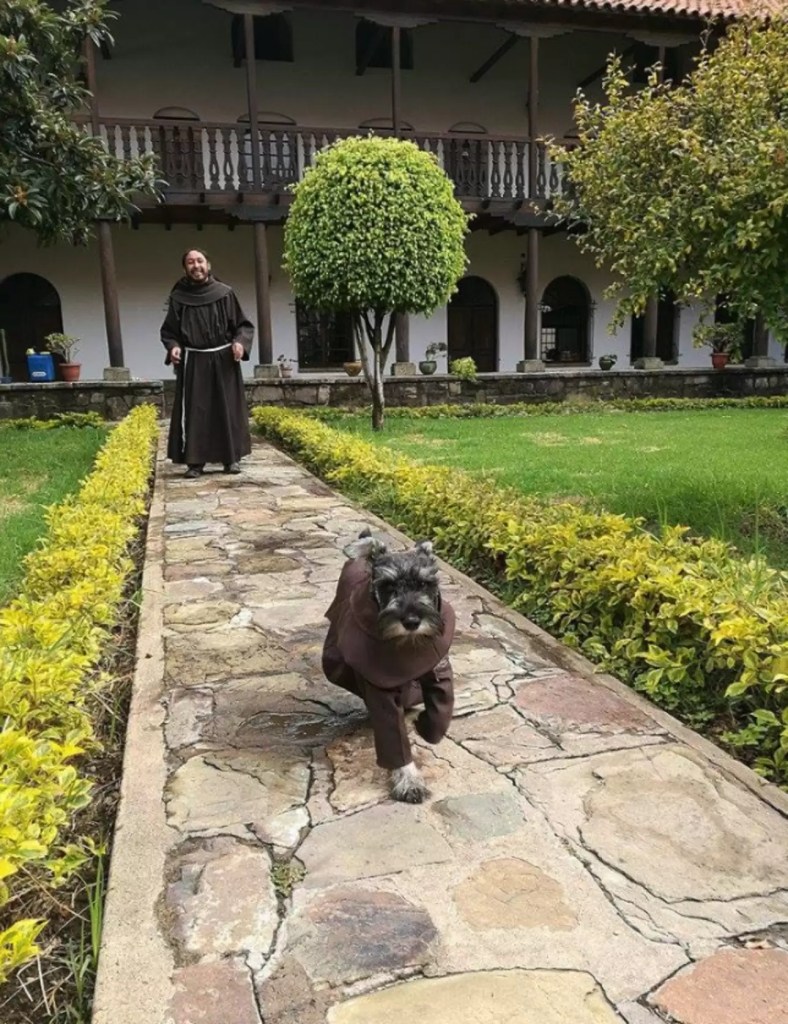
Little Dog Is Welcomed As Monastery’s Cutest New Friar
“All of the brothers love him very much.”
In Catholic tradition, St. Francis of Assisi is the patron saint of animals — so perhaps it’s only fitting that one of the newest followers to join his order is quite literally a dog.
The Franciscan monastery of Cochabamba, Bolivia, recently announced that a furry pup, named Carmelo, had joined its sacred fold, where he quickly distinguished himself as its cutest member.
In honor of his new position, the dog even earned a more formal title: Friar Bigotón (that’s Spanish for “mustache”).
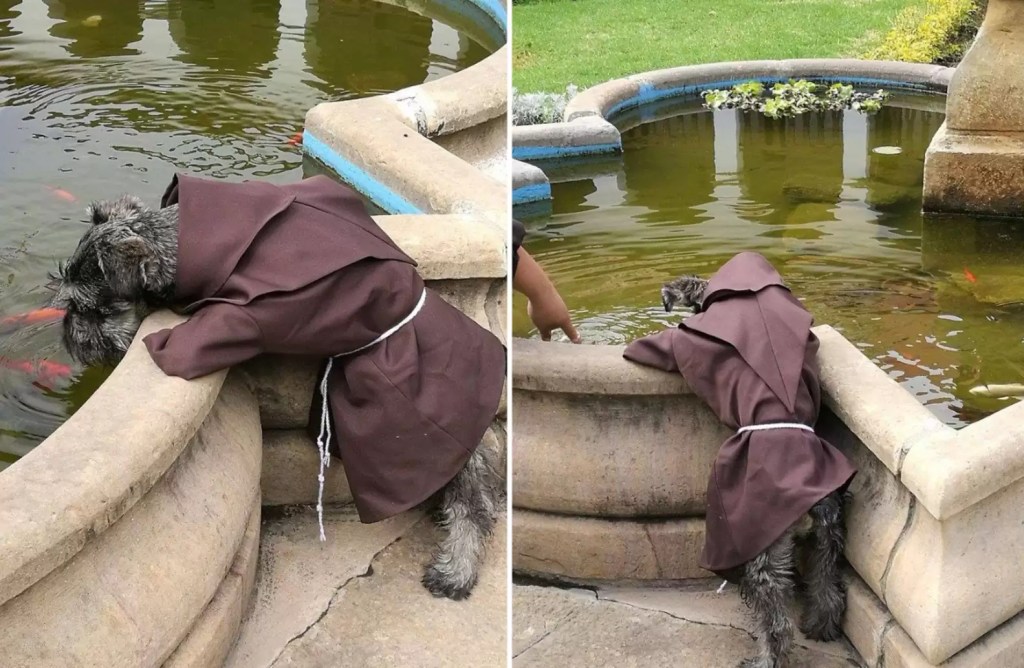
He also got a tiny Franciscan habit to wear around his new home.
Prior to being adopted, Friar Bigotón lived as a stray. But now, as the monastery’s resident pet, things couldn’t be better.
“His life is all about playing and running,” Jorge Fernandez, a fellow friar, told The Dodo. “Here, all of the brothers love him very much. He is a creature of God.”
Apparently, running and playing aren’t the dog’s only duties.
Most importantly, though, Friar Bigotón’s biggest role is in helping other pups like him.
Carmelo’s adoption was made possible by a local animal rescue group, Proyecto Narices Frías (Cold Nose Project), which hopes his story will serve as an inspiration for more monasteries to open their doors to needy pets.
Image credits: Kasper Mariusz Kaproń Ofm
“If only all the churches of our country adopt a dog and care for him like Friar Bigotón,” the group wrote in a post on Facebook, “we are sure that the parishioners would follow his example.”
(The Franciscan Order, founded by S. Francis of Assisi, to this day, takes a keen interest in environmental issues – attends the COP Climate Change Conferences – and animal welfare, in accordance with the teachings of their founder)
The link has been established many times, with serial killers especially, who started with animals in their youth, and later migrated to people. We, and others working on the “Cat Torture” issue have warned against the perpetrators in China and elsewhere (as this material is spread globally via Social Media) eventually performing that same migration. Obviously, that does not mean the animal abuse is negligible so long as it stays there. Far from it. On the contrary – as, it has been said many times before, that the more helpless a creature, and so a victim, is, the more deserving it is of compassion. There can be no more helpless party, in a human society, that largely denies them any rights and/or equal consideration in respect to freedom from pain and suffering, than an animal.
One such example, which I remember well – as I have seen the material (meaning: videos) at the time – concerning a now 42-year old native of Canada, is one “Luca Rocco Magnotta”.
He came to fame, if that’s the phrase for what he did, when he murdered and dismembered his boyfriend in 2012. He was eventually apprehended in Berlin, and is currently imprisoned, for life. What I remember him best for, though, is …
.. which, in 2019, was the subject of a “True Crime Miniseries”, called, “Don’t F**k with Cats: Hunting an Internet Killer“
It cannot be stressed often enough that the nice guy next door carrying the little old ladies’ shopping upstairs might be a raving pervert, spending his time torturing animals, and hatching plans to do same to people. Not all of them are as obvious as this one last year ..
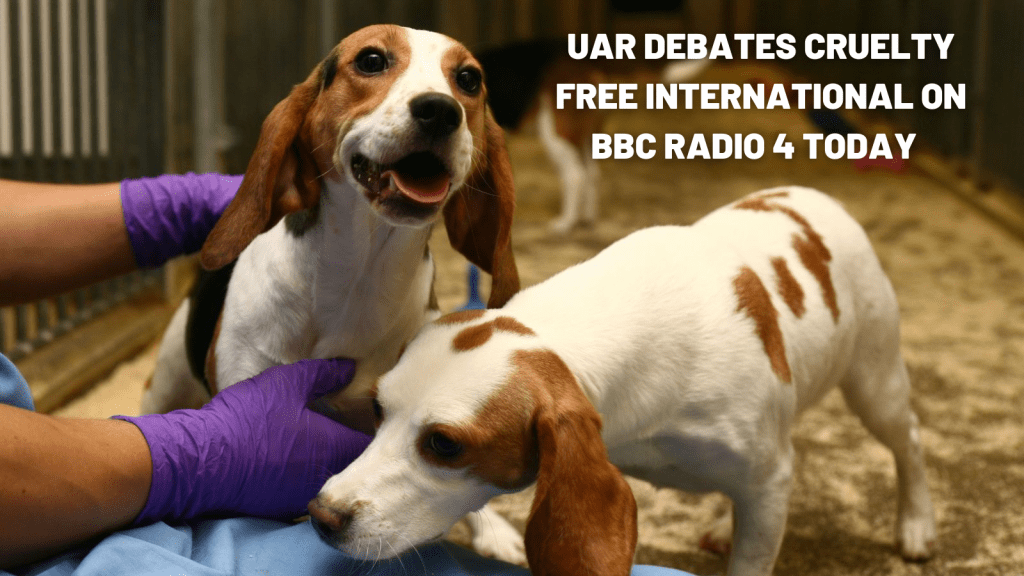
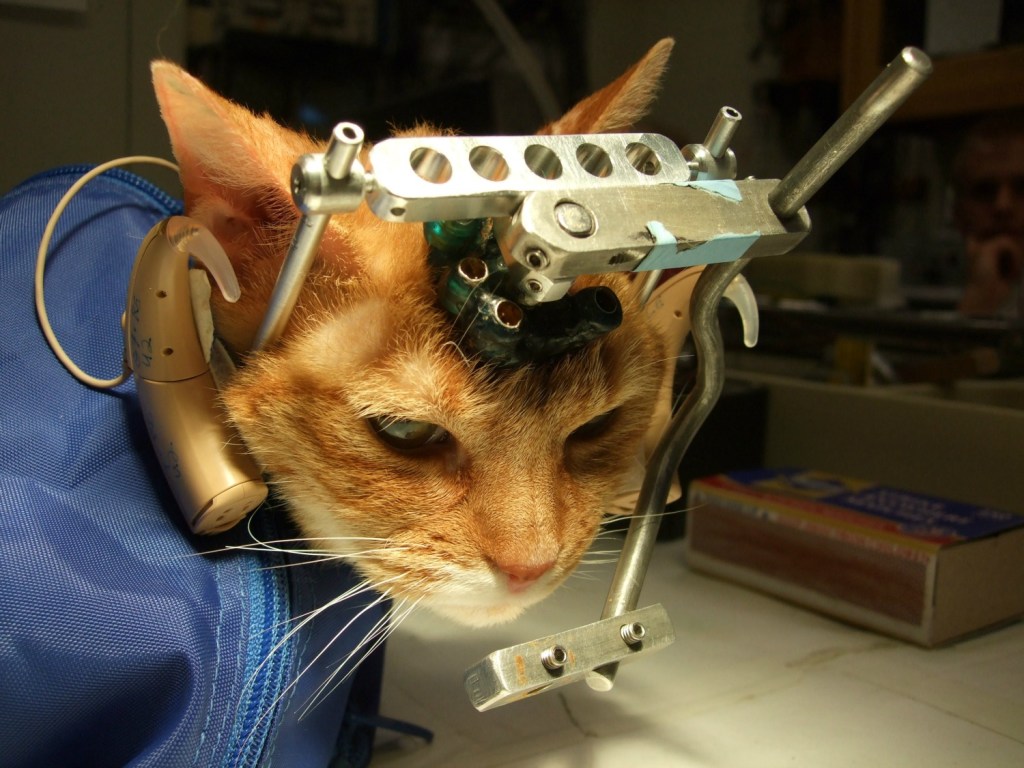
There is a war being waged between the scientific establishment with its backers in politics and industry, and “us” – that is people who reject vivisection, or the use of non-human sentient beings for research – when it is forbidden to “use” humans for like experiments. The main reason why animals are used, of course, is their inability to prevent people doing it, and a legal framework – pretty much worldwide – that allows this.
We have covered this issue on the site many times.
https://www.understandinganimalresearch.org.uk is a UK organisation that lobbies the cause of the vivisectionists, big pharma, and who else profits from this, by pretending to further public understanding as to why this practice is necessary and continues to be so.
Lies lies lies. Naturally. Further evidenced by the picture library, where you see NOTHING of the horrors we know for a fact happen daily in labs – only think of HLS, in the UK.
The battered goose was left “almost lifeless in pain.” Rescuers rushed him to a veterinarian in an attempt to save his life, but he went into cardiac arrest and died while being sedated for surgery.
Now the slain goose’s mate is left alone. Canada geese mate for life, making this horrific crime even more heart wrenching.
The slain goose’s mate is now alone (via Tidewater Wildlife Rescue)
The man who bludgeoned this goose not only committed a shocking act of animal cruelty—he also broke the law, as Canada geese are protected under the Migratory Bird Treaty Act, making this a federal crime.
Please sign the petition today to help Animal Victory hold this individual accountable for his abhorrent behavior when he is found and arrested! Animal Victory is offering a $500 reward for information leading to the identification, arrest, and conviction of the person responsible!
Bludgeoned to death in front of his mate
Target: Department of Wildlife Resources, Wildlife Crime Division
WHY THIS PETITION MATTERS:
We, the undersigned, want the man responsible for this crime to be found and charged. We demand this individual be prosecuted for each and every law he violated!
Research has consistently shown a strong link between animal cruelty and human violence. Individuals who commit such heinous acts against animals often pose a threat to society as a whole, as animal abuse is frequently a precursor to other violent crimes. Failing to hold this man accountable not only denies justice for the innocent goose he brutalized but also endangers the community at large. It is imperative that we send a clear message that such cruelty will not be tolerated.
Individuals are presumed innocent until found guilty in a court of law. Animal Victory relies upon the authorities and the court system to determine guilt or innocence.
Note: Efforts are underway to find this man. The goose was attacked in the area of 144 Business Park Dr, Virginia Beach, VA Anyone with information is asked to call Tidewater Wildlife Rescue by calling 757-255-8710.
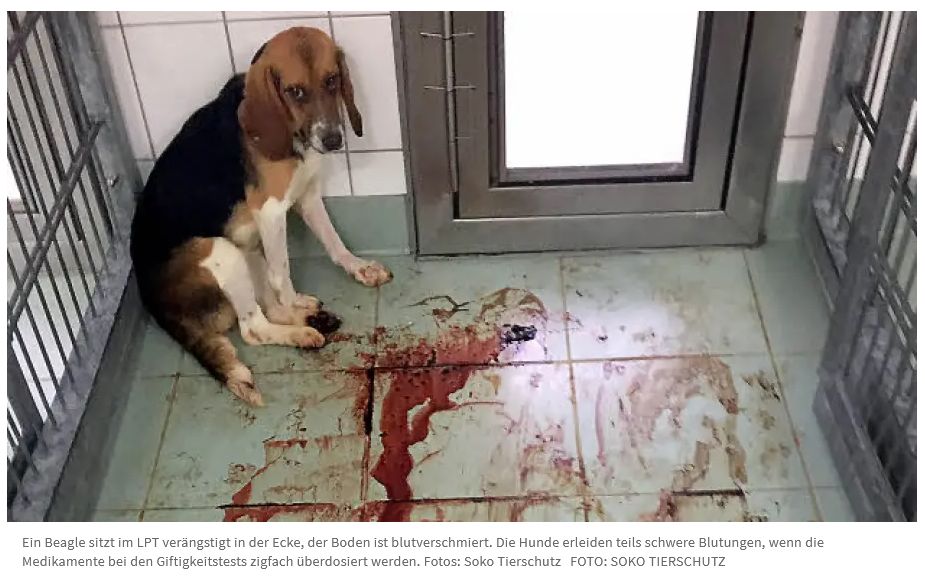
A difficult subject, one keeps hearing, that requires objective discussion. Does it? Like here, the German “Volkswagen Stiftung“, of all people, feeling the “topic deserved more visibility” (how very nicely put) .. whatever that means.
… An open and honest discussion about the use of animals in research and, for example, a comparison with animal use in food production is only possible if everyone involved knows what an animal experiment entails, how much or how little the animals suffer in the process, and how the decision to undertake an animal experiment is reached. ..
Now, we have seen, here on this site, and elsewhere, what “animal USE” looks like – in all areas of such USE. And have come, collectively, to the conclusion that using animals, who are not able to lobby their own cause and interests in Human society, is wrong.
Time and again people think they must argue that objective discourse is necessary to decide how far one may go “using” beings for Human interests, who would never willingly submit to such use in the first place, if asked (o.k., with the advances in AI, man may in not too far a future be able to do exactly that: ask).
Personally, I am sick and tired of the rampant ABuse we see each day, seen by far too many as a “necesssary evil” visited upon the utterly helpless. There can NEVER be a justification of that – ever.
There can be no “objective discussion” of something that, by its very nature, is a “subjective issue”. An animal is not an object, but a subject – like a Human. How can personal feelings, and emotions not matter relating to the suffering of sentient beings?
No one would demand to discuss child abuse as an objective issue ..
(and again from the above publication)
And what does this debate currently look like? The discourse is strongly characterised by emotions,’ says Roman Stilling, speaker at the platform ‘Understanding animal experiments‘. The emotions raised around the debate arise primarily because people believe animal testing always means potentially inflicting pain, suffering and harm on an animal. ‘That’s the legal definition – otherwise it wouldn’t formally be animal testing.’ We shouldn’t forget, he adds, why experiments are carried out on animals: ‘It’s because we can’t do it on humans.’
Quite, “because we can’t do it on Humans“. So off we go and find some poor non-Human sod who cannot stop us subjecting him/her to invasive, painful and ultimately fatal procedures.
I own a book on the subject, titled “Slaughter of the Innocent”, by the Author Hans Ruesch. With 1978, not a recent publication, and hard to get these days, but as important and relevant today as it was then ..
(from GOOGLE books)
“SLAUGHTER” is the first book ever written which directly discusses the scientific arguments regarding the needless use of animals, as a part of medical progress. Mr. Ruesch spent countless years compiling this gut wrenching masterpiece. He successfully lifts the veil of secrecy which has always been an important part of research establishments & the medical community as well, giving the reader a peek at what REALLY goes on, after the laboratory doors are closed. His words reveal some of the worst atrocities anyone could possibly imagine. Without ignoring the ethical questions – “it’s just one of life’s necessary evils, isn’t it?” – The author gets right to the point advising the reader, “Somebody up there is lying to you.” With his creative style & excellent documentation, Mr. Ruesch washes away the excuses of doctor apologists for animal experimentation, with facts showing not only that animals aren’t needed for Medicine/Health to move forward, but the use of which often leads to detrimental & misleading findings, & catastrophic results. This wonderful yet disturbing volume is a must read for any person entering the field of medicine or the people already there.
There CAN NEVER BE a justification for Vivisection, in whatever form, for whatever reason, wherever.
Mahatma Gandhi quotes: “Vivisection is the blackest of all the black crimes”. “I hold that the more helpless a creature, the more entitled it is to protection by man from the cruelty of man,’ and I abhor vivisection with my whole soul. All the scientific discoveries stained with innocent blood I count as of no consequence.”
A new set of figures showing the scale of suspected illegal fox hunting and the havoc being inflicted on rural communities by fox hunts has been released today by national animal welfare charity the League Against Cruel Sports.
Nearly 1,600 incidents – consisting of 474 reports relating to suspected illegal hunting, which include 397 reports of foxes being chased, and 1,117 reports of hunt havoc – were recorded in the League’s end of season fox hunting report.
Emma Judd, head of campaigns at the League Against Cruel Sports, said: “These shocking figures underline why the government has announced it will launch a consultation to ban trail hunting later this year, something we are urging them to publish without delay.
“But, more than that, the Hunting Act also needs to be strengthened by removing its loopholes, which are exploited by hunts to avoid prosecution for illegal hunting, and for custodial sentences to be introduced for those who persist in breaking the law.”
The League’s figures reveal that the west of England was a particular fox hunting hot spot, with Gloucestershire, Dorset and Somerset recording the highest figures of all the counties in England and Wales.
Dorset and Somerset’s Blackmore and Sparkford Vale Hunt, four members of which were convicted of illegal hunting this week, was the worst offending hunt in the country – with 61 reports relating to suspected illegal hunting, including 48 reports of foxes being chased and 83 reports of hunt havoc.
The Warwickshire Hunt, a member of which was convicted of illegal hunting last month after the court dismissed his claim that the hunt was following a trail, was also one of the worst offending hunts, with reports of the hunt chasing 20 foxes.
The figures cover the cub hunting season, which began in August, and then the main fox hunting season, from November 2024 to the end of March 2025.
The havoc caused by hunts includes anti-social behaviour and activities inconsistent with trail hunting, the discredited excuse used by hunts since the fox hunting ban in which they claim to claim to follow pre-laid trails.
These activities included hounds being struck on a busy road or railway line where no trail would have been laid, digging up badger setts to get to foxes that have fled underground, trespass – including in people’s private gardens – and causing harm or distress to other animals, such as family pets.
Trail hunting has been described by Temporary Assistant Chief Constable Matt Longman, the national lead on fox hunting crime, as a “smokescreen for illegal fox hunting”. He has also described illegal hunting as “prolific”.
The figures are compiled from the charity’s confidential Animal Crimewatch service and hunt monitors’ reports by the League’s intelligence team, which is staffed by former police officers and civilian analysts.
Emma added: “These figures show the fox hunts have an appalling disregard for the law and are chasing and killing foxes as they did before the ban and inflicting misery on rural communities.
“The time for change is now. New stronger fox hunting laws are needed to consign this barbaric activity to the history books.”
Members of the public can contact the League’s Animal Crimewatch service on 0300 444 1234, email crimewatch@league.org.uk or WhatsApp at 0755 278 8247.
New statistics show the scale of suspected illegal fox hunting which took place over the latest fox hunting season – including hundreds of foxes seen being chased – and how urgent it is for the ban on hunting with dogs to be strengthened.
The government has announced that it will launch a consultation on banning trail hunting later this year. This is welcome and must happen soon.
But if we are to stop illegal hunting for good, the plans must go further and include removing exemptions in the law and introducing prison sentences for those who would break the law.
Please contact your MP and tell them it’s time for change. Ask them to write to the Environment Secretary to urge him to act quickly to close all the loopholes in the hunting ban.


















 World Animals Voice