Tag: farming

(AU) Live sheep export ban secured in Australia’s 2025 Federal Election

https://animalsaustralia.org/our-work/live-export/live-sheep-export-ban-secured-with-labor-government-win/

The Federal election campaign is over – and for sheep, the outcome could not be more significant.

With the re-election of the Albanese government in the 2025 Federal Election, one of the most important animal welfare reforms in our nation’s history is now secure: the legislated phase-out of live sheep export by sea.

Thanks to the incredible efforts of supporters who helped amplify this issue – through donations, by fuelling our ad blitz in battleground seats, and via direct engagement with candidates – a candidate who backs the phase-out was elected in nearly every seat we campaigned in.
This is a powerful reminder that while animals cannot vote, caring Australians will do so on their behalf.

We are so grateful to everyone who donated to our billboards declaring Australian sheep have suffered enough, and to the hundreds of our supporters who helped lobby candidates in battleground seats.

The Coalition ran on a platform of keeping this unpopular trade alive. The landslide outcome – especially in Western Australia where the live export lobby campaigned fiercely against the ban – can only be seen as a definitive rejection of policies that promote animal cruelty. This moment solidifies the turning of the tide.

There are other policies that the Albanese government committed to, which will ensure animals are a key priority for the new parliament, including:

  • Full implementation of the national Animal Welfare Strategy to improve standards and review outdated systems that entrench suffering for pigs, chickens and other farmed animals.
  • Inclusion of animal welfare protections in international trade agreements.
  • Expansion of the trophy hunting import ban to cover more protected species.

We are eager to work with the re-elected government – and the overwhelmingly animal-friendly crossbench – to ensure these and other much-needed reforms for animals are realised.

We are so grateful to our friends at the Australian Alliance for Animals and Stop Live Exports for uniting with us to ensure as many people as possible understood what was at stake for animals this election. While in many ways, the ‘real’ work starts now, we could not have a stronger foundation upon which to build the reforms that animals need and deserve.

the day no animal is forced onto a live export ship. But today, we celebrate one of the most significant animal welfare reforms ever achieved globally.

Today, we celebrate a victory for compassion thanks to our supporters and everyone who kept animals front of mind at the ballot box.

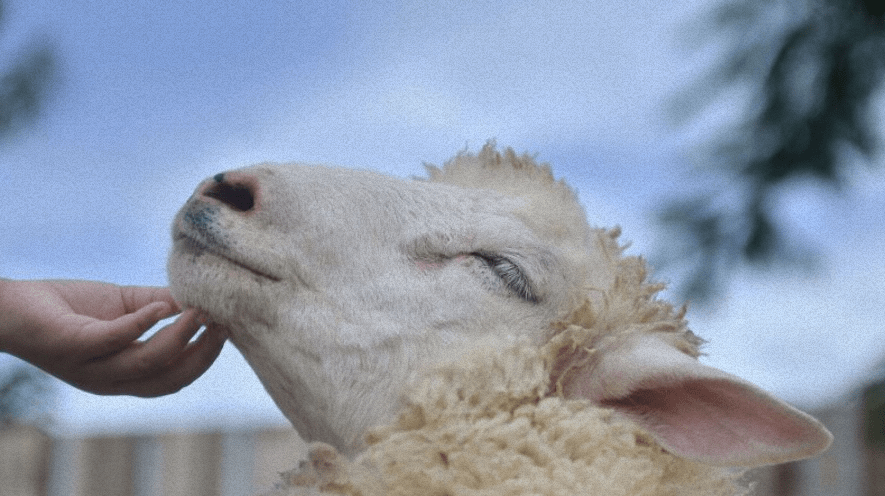
We can now count down to 1 May 2028 with certainty – knowing from that day onwards not a single Australian sheep will set foot on a live export ship. While of course we wish this end date was much sooner, we also recognise the need to consider all who may be affected by this historic decision.

As the trade winds down, fewer Australian sheep will suffer at its hands. Since our very first investigation, the number of sheep exported live by sea each year has dropped by the millions – from 6 million annually, to less than 500,000.

Now, we can safely say that within three years, this number will be zero.
(DE – TR) Turkey: Heifers in advanced stages of pregnancy held at Turkish border for four weeks during transport

https://www.animals-angels.de/en/news/news-detail/turkey-heifers-in-advanced-stages-of-pregnancy-held-at-turkish-border-for-four-weeks-during-transport.html

17-10-2024 News Animal Transports

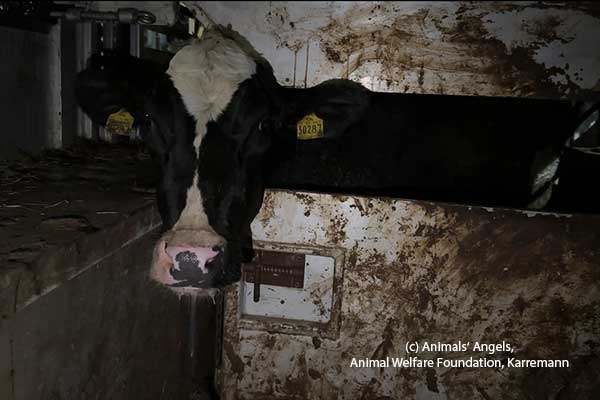
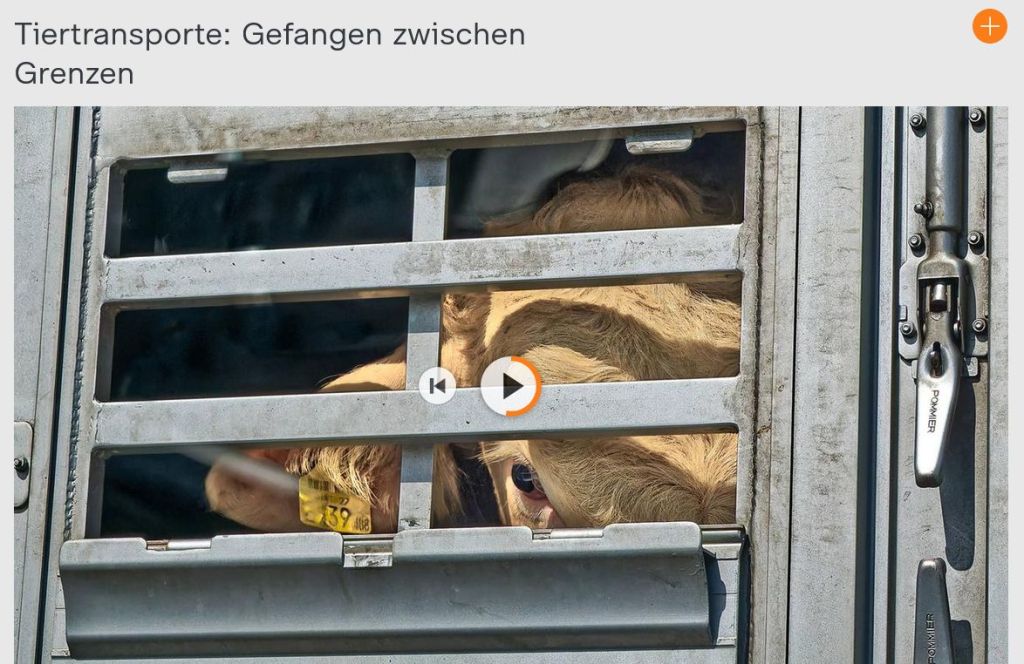
Two transport vehicles carrying heavily pregnant heifers left Germany on September 12 and reached the Turkish border at Kapikule four days later, on September 16, where they were held for a month. The German authorities were aware of the acute emergency situation since September 23 but did not intervene. Between September 23 and October 2, the animals were briefly unloaded, provided with water and feed, and housed in a makeshift shelter. On October 2, they were loaded back onto the transport vehicles. The exact reasons for this decision remain unclear. However, there are rumors that unsanitary conditions, intense odors, and a fly infestation prompted this action. The German authorities took action when the animals were reloaded onto the trucks, but the measures taken were completely inadequate.

The conditions for the animals on the transports deteriorated with each passing day. Although they were fed and watered, the care provided was insufficient due to their advanced stages of pregnancy. Moreover, the transport vehicles were not cleaned, causing the cows to stand ankle-deep in their own excrement. During this time, and under these appalling conditions, several calves were born, none of which had a chance of survival. The first report of a dead animal was received on October 6.

On October 11, the state of Brandenburg, from which the animals originally came, issued a euthanasia order that mandated the slaughter of the cows by October 13. On the evening of October 14, the animals were transported to a slaughterhouse near the border in Edirne. Many heifers and newborn calves had already died on the transport vehicles. On October 15, the animals were slaughtered without anesthesia. The calves suffocated painfully inside their dying mothers. There is a much more humane method of euthanasia called placentally accessible euthanasia, which allows the unborn calves to be euthanized alongside their mothers.

The bodies of those animals that had already died before arriving at the slaughterhouse were left on the trucks to be dumped in a landfill later. As the teams from Animals’ Angels and Animal Welfare Foundation left the slaughterhouse, they were alerted by the loud mooing of an animal that had been left alive on the truck, which was now to be unloaded alongside the dead animals. We were able to arrange for an emergency slaughter of the animal on-site.

Urgent Call for a Transport Ban

Since 2010, Animals’ Angels and the Animal Welfare Foundation have called for an immediate end to animal transports to Turkey. The conditions at the Turkish border of Kapikule and the cruel death of the animals once again demonstrate that these transports are incompatible with animal welfare requirements, as stated in Article 3 of Regulation (EC) No. 1/2005: “No one shall carry out or arrange for the transport of animals if it is likely to cause them injury or unnecessary suffering.”

This case starkly highlights the urgent need for an immediate halt to such exports.

We will continue to remain on-site and work with a Turkish lawyer to initiate legal action. We demand clear and enforceable measures from the German government and the European Union to end the suffering of these animals.

VIDEO in German (from German TV Programme, “37 Grad”)

https://www.zdf.de/dokumentation/37-grad/37-schutzlos-ausgeliefert-100.html

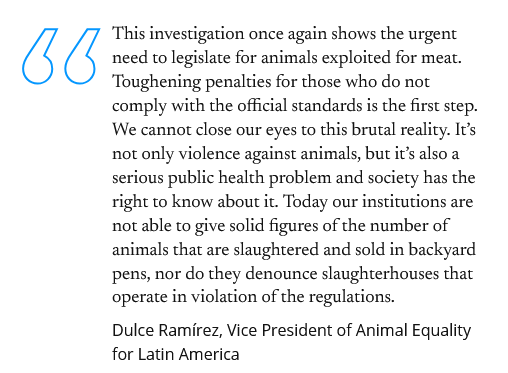
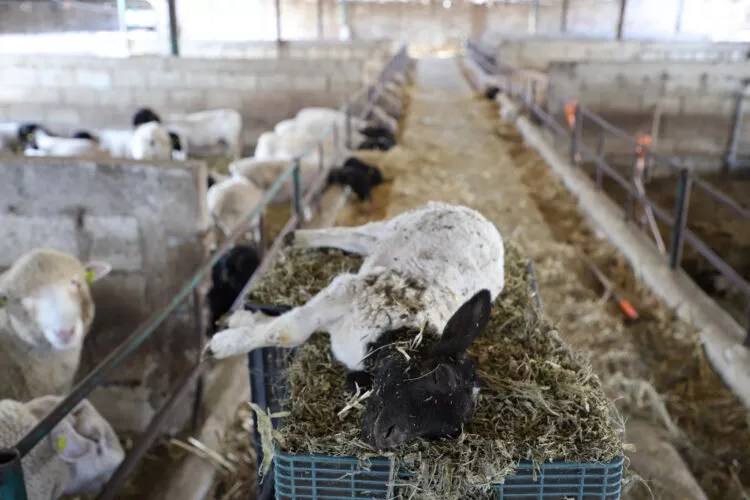
Animal Equality investigates Mexican backyard lamb slaughterhouses

Animal Equality Mexico’s investigation revealed the cruel treatment and slaughter of lambs and sheep in illegal slaughterhouses in states with high populations of these animals.

November 5, 2019 Updated: February 22, 2024

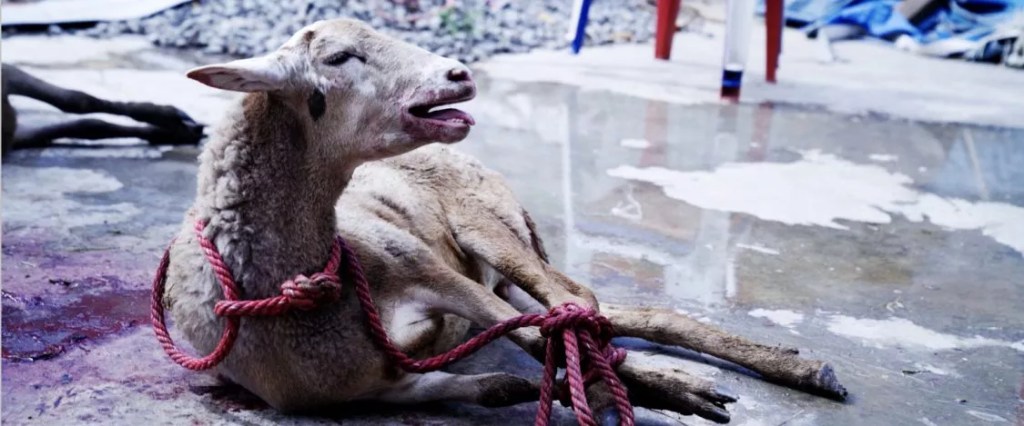
Animal Equality in Mexico has released its second investigation of 2019, focusing on the country’s illegal slaughterhouses and bringing to light the cruel treatment and slaughter of lambs and sheep within states that have the largest number of these animals in the country.

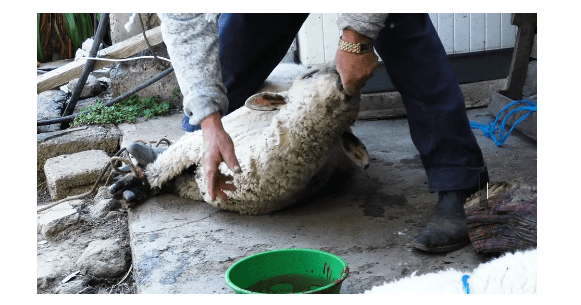
Released through the renowned news outlet Aristegui Noticias, Animal Equality investigators documented the horrible killings of lambs and sheep in backyard pens and underground slaughterhouses in the States of Hidalgo and Mexico, where the animals were destined to be used for the popular barbecue dish Barbacoa de Borrego. Our footage shows the brutality with which these sensitive animals are killed, and documented:

  • Animals dragged by their limbs and violently slaughtered 
  • Lambs are fully conscious as they are tied up and decapitated
  • Workers violently transporting lambs
  • Workers killing more than three lambs at the same time, one next to the other
  • Minors witnessing the killings and, in some cases, carrying out the slaughter of the animals
  • The animals were mortally injured and left to bleed to death.
  • No veterinarian present

Through the evidence our team gathered, the investigation documents numerous violations of Mexican Official Standards and reveals systematic violence in the handling of animals killed for Barbacoa de Borrego. The footage also shows the failure to abide by the methods of animal slaughter set forth by the government, as well as the guidelines for humane treatment during the animals’ transport. 

In response, we have launched a petition to demand that Mexican officials act on our complaints, while also asking lawmakers to strengthen penalties and consider the non‑compliance of welfare standards in the country an animal cruelty crime. We have also filed a complaint with Mexican authorities. We will continue to encourage legislation in Mexico so that these acts are considered punishable crimes of animal cruelty, as we have previously done with Jalisco State Reform.

To ensure this cruelty becomes a thing of the past, please join us in leaving animals off your plate. Plant‑based options replacing animal products are readily available, taste great, and ensure living beings are not suffering for your meal. Sharing this post can help us spread the word about these terrible abuses. 

https://animalequality.org/news/animal-equality-investigates-mexican-backyard-lamb-slaughterhouses/