

I, Mark, totally agree with the welfare groups working on the streets that the Indian Supreme Court, or SC, directive is utterly ‘pie in the sky’ as we say here in England – I campaigned a lot over a ten year period to oppose very negative and threatening / intimidating Government actions to both us human campaigners and the cruelty against the stray dogs in Serbia, https://serbiananimalsvoice.com/about-serbian-animals/ and this article above (about Indian strays) is TOTALLY CORRECT when it says that ‘Removing community dogs creates territorial vacuums, leading to the re-entry of unvaccinated dogs, increasing human – dog conflict’.
One of the worst actions that can be taken is to remove stray dogs from ‘their patch’. As said above, it then creates a vacuum for new animals to enter that same void. New animals can bring with them new disease and illnesses not previously carried by the now removed old patch dogs.
This is where the new human – dog conflict surfaces. Rabies free in the past, maybe not be now or in the future, now the void has been filled by the new entries !!. The sterilise-vaccivate-return model is the only sustainable and compassionate method of controlling a stray dog populations on their ‘home’ patch. The sterilisation part further prevents new litters being born to a life of hardship and suffering. Vaccinating every animal thus reduces disease spread amongst the animals or transmission to humans. The return back to the local patch of local dogs prevents the ingress of migrants into the newly formed territorial vacuum. This was our proposal method for Serbia also – the Government ignored us and opted for a ‘catch and kill’ routine.
The issue here is that by killing, you do initially see a reduction in dog numbers, (Governments think), but within a relatively short time you may be back to even higher numbers than before because the absolutely critical ‘sterilisation’ has not been undertaken ! Stray dogs enjoy a good ‘bonk’ to produce new litters – simple as that !!! Can anyone blame them ??
I thus close my case in defence of all stray animals. The sterilise, vaccinate and then return method is the only way to reduce stray populations gradually over time; killing does not reduce numbers and it never solves the stray issue.
Like all the other groups, I know I will also be ignored with my proposal. I experienced it big time with the threatening Serbian politicians and authorities in the past. Lets see what stray numbers are in a years time.
Regards Mark. For the dogs.
Additional Just added 0300hrs GMT from The Times of India – https://www.msn.com/en-in/news/world/going-to-be-a-nightmare-in-country-animal-rights-activist-fumes-over-sc-directive-to-remove-stray-dogs-from-institutions/ar-AA1PZ0sA?ocid=BingNewsVerp

Above – Stray dogs on their ‘own patch’ yesterday 8/11/25.
Photos from the Serbian work:
- farm animal waste left on a city dump. A sure stray dog food attraction.
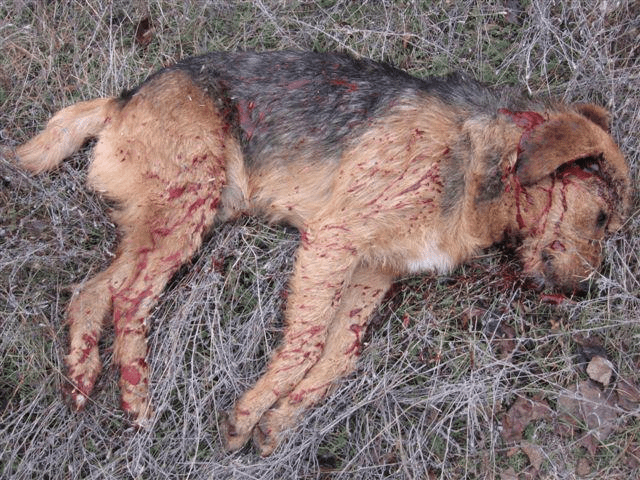
- A dead stray street dog.
- Photos 3 and 4 – ‘Shinters’, or dog catchers capture a stray dog – these will be killed.



Past WAV inks associated with this issue – click any to read – M. https://worldanimalsvoice.com/?s=India+stray+dogs

 World Animals Voice