TORONTO, June 16, 2025 (GLOBE NEWSWIRE) — National animal protection organization Animal Alliance of Canada is calling on the government of Manitoba to order an immediate suspension of the current black bear hunt in light of continuing active wildfires.
At least 21 fires, including eight deemed to be out of control and scattered throughout the three hunting zones, are currently burning in the province. A province-wide state of emergency was declared on May 28.
While 21,000 residents have been evacuated and travelers asked to reconsider non-essential travel to free up hotel rooms for these evacuees, the province continues to allow foreign hunters in. The fire hazard presented by these hunters’ guns and all-terrain vehicles present unnecessary additional risks for new fires.
Black bears are the only large mammal species allowed to be hunted in the spring while cubs are reliant on their mothers for food and protection. As bears hide their cubs in trees before foraging and because their fur is too thick to be able to see if they are lactating, even bear biologists cannot reliably identify the sex of a bear. As a result, every spring, female bears are killed, leaving orphaned cubs, most of whom perish by starvation, dehydration or predation.
A newly released report (see below) commissioned by the Animal Alliance of Canada Fund, which draws upon published studies as well as the Manitoba government’s own data from seasonal bear hunts, indicates that in 2023 (the most recent year for which data is available) as many as 224 cubs were left orphanedby the spring bear hunt.
In addition, black bears are the only mammal species allowed to be baited for hunting. During the spring hunt, hungry black bears newly awakened from hibernation and restricted by limited food sources are drawn into established bait stations loaded with meat and sugary foods, where hunters wait for them. These stations, which are permitted just beyond 200 metres of a dwelling or 500 metres from a cottage subdivision or campground, may cause bears to become acclimated to finding human foods in close proximity to people. The allowance of such bait stations contradicts government instruction and legislation discouraging members of the public from feeding bears.
This year, these issues are compounded by the devastating forest fires and resulting habitat loss, altered food availability, and increased potential encounters with humans as the bears are forced to move into new territories.
“We are urging the government to order an immediate suspension of the hunt,” said Lia Laskaris, Chief Executive Officer of the Animal Alliance of Canada. “We are further calling for a moratorium on the spring bear hunt until a full survey and assessment of the damage can be conducted,” added Laskaris.
Sea Shepherd is cracking down on illegal fish-trapping devices off the coast of Sicily (Credit: Sea Shepherd)
Off the coast of Sicily, Sea Shepherd and its volunteers are hunting down illegal fish traps and working with Italian authorities to crack down on this environmental crime.
The flat water melts into the teal-coloured sky as a former pilot vessel, the Sea Eagle, sails through the calm Tyrrhenian Sea surrounding the Aeolian Archipelago of Sicily.
The ship is operated by Sea Shepherd, an international marine conservation non-profit. Today, the team is searching for fish aggregating devices (FADs), man-made plastic structures used to attract fish. They float in the water, anchored to the seafloor, with hanging nets to catch fish. FADs made from plastic, without GPS tracking devices attached, are illegal in Italy.
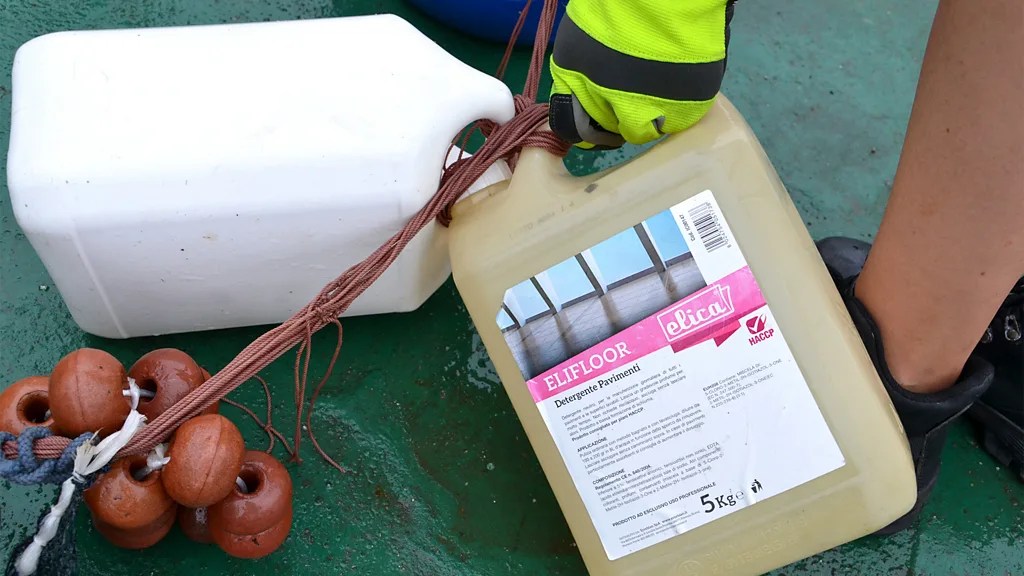
While listening to techno music, a group of volunteers uses a winch to detach one of the FADs from the seafloor. A large plastic container labelled “corrosive” emerges from the sea.
“The [techno] rhythm gives us the right energy,” says James* (the crew do not wish to use their full names for safety reasons), a young Canadian volunteer who is running the operation and whose arms are covered in ocean-inspired tattoos. The volunteers work tirelessly to extract the plastic FADs from the sea and pile the tangled trash heaps into big bags. The retrieved plastic will be turned into plastic crates for sea turtle rescue operations.
FADs are used worldwide by fishermen to attract pelagic fishes into surrounding nets. These fish-trapping devices are typically composed of used fuel, pharmaceutical and other chemical containers among other types of plastic waste, dark plastic nets and rocks, all of which is held together by a few miles of nylon thread. Marine wildlife is attracted to the shade provided by FADs.
FADs are typically composed of old plastic containers held together by nylon thread (Credit: Sea Shepherd)
The material the FADs are made of matters too. FADs are required by Italian law to be biodegradable. All the FADs removed by the Sea Shepherds from the South Tyrrhenian Sea are illegal and made of plastic, says Nicola Silvestri, frigate captain and head of the Fishing Control Centre area in Western Sicily. They also lack markings which allow them to be traced back to the fishing boat that used them, he says.
“Illegal FADs are very cheap to produce, but at the same time highly dangerous for ecosystems,” says Andrea Morello, president of Sea Shepherd Italy. “These devices are installed by fishers in the month of August, then they catch fish around them in summer. Eventually, winter storms remove the devices, creating tonnes of hazardous and plastic waste floating in the sea.”
In this stretch of sea around Sicily’s Aeolian Archipelago, the target fishing species in the summer are juvenile ricciola, bluefin tuna, juvenile swordfish and pilot fish. FADs can damage the entire population, by preventing juveniles from maturing and reproducing.
The Sea Shepherd mission is part of the organisation’s ongoing Siso operation in Sicily to combat these illegal fishing devices.
“We are witnessing the biggest marine environmental disaster ever,” says Morello. “The sea is like a minefield full of FAD lines in every direction, placed by fishers who split the sea surface among them, threatening biodiversity.”
The Sea Shepherd volunteers remove the long nylon threads attached to the FADs which can harm fish, turtles, humpback whales and dolphins by trapping and suffocating them. According to Sea Shepherd, there are more than 36,000 FADs, each one composed of almost 1.2 km (0.7 miles) of nylon lines in the South Tyrrhenian Sea, part of the Mediterranean Sea.
It takes the volunteers one hour to extract almost 2km (1.2 miles) of a FAD line, it’s the first out of seven removed that day. Not far away, a police coast guard boat is monitoring the work: later it will seize the illegal plastic materials. The use of FADs made from plastic waste, without GPS trackers, is an environmental crime in Italy.
Sarah, a young German volunteer, rings the bell installed on the deck of the vessel, to celebrate and notify the crew that another FAD has successfully been extracted from the seabed. In total, the volunteers haul seven FADs onto the deck that day – their combined mass is the same size as a small car.
The Sea Shepherd volunteers are collaborating with Italian maritime authorities to crack down on FADs (Credit: Sea Shepherd)
organisation maps the FADs using deep-sea radar technology and binoculars and removes them in collaboration with national maritime authorities.
Between 2017 and 2024, the organisation removed 676 FADs from the Mediterranean Sea, says Morello. “We define ourselves as FAD hunters: here to protect the sea. We are also carrying out the first census of FADs ever realised in the Mediterranean Sea,” he says.
The data collected during this mission will be analysed as part of a research project that Sea Shepherd runs with the National Biodiversity Future Centre of the University of Palermo in Sicily and the Cima Research Foundation, based in Liguria, Italy. Using statistical analysis, Sea Shepherd has been producing maps since 2017 to identify for the first time the extent of this ghost labyrinth created by FADs anchored to the seabed.
“With the information provided by Sea Shepherd, we were able to have a precise mapping of the location and composition of these devices,” says Alberto Sechi, a marine biologist at Cima Foundation. “Since 2017, the plastic lines (mostly polypropylene) used to anchor the FADs exceeds 2,500km (1,553 miles): that corresponds to the distance between Paris and Moscow.”
In a single night, Morello says the Sea Shepherds discovered around 912 FADs in the waters surrounding the Sicilian island of Alicudi, each one composed of more than 1km (0.6 miles) of nylon threads. “Multiplying the number of FADs we found by the medium length of each thread, the total length of lines used in this area is a staggering 43,200 km (26.284 miles) of nylon: this is more than the circumference of the entire planet Earth,” says Morello.
Sea Shepherd’s work involves removing as many FADs as possible, but then, the disposal problem arises. In 2022, the non-profit started collaborating with iMilani, an Italian company that specialises in building plastic crates from recycled materials. Together, they have created the Sea Turtle Crates project, which aims to transform the FADs into plastic crates for sea turtle rescue operations. After the entangled turtles have been freed from the FADs, they are put into the crates which Sea Shepherd uses to transport them to veterinarians. Six loggerhead turtles have been rescued to date and 100 turtle recovery boxes have been created from FADs, says Roberto Milani, founder of iMilani and a freediver.
The company is hoping to design other items with FADs waste in future, including pens and other gadgets, which can be sold to finance Sea Shepherd’s activities, says Milani.
Sea Shepherd is creating the first-ever census of FADs in the Mediterranean Sea (Credit: Sea Shepherd)
big bags full of plastic lines extracted from the FADs. In one day at sea, the crew removed seven FADs composed of 6.5km (4 miles) of nylon lines and plastic containers. Their labels reveal their previous lives: from hospital waste and corrosive liquids, to oil, gas and detergent jerrycans. Using radar, the Sea Shepherds map more than 100 FADs throughout the day.
The crew’s work begins early in the morning, and continues until sunset, with brief breaks for meals. Tuti, 23, an Israeli volunteer, prepares a vegan buffet each day. Today’s menu is inspired by Latin American foods, such as empanadas, chimichurri, black beans mole and corn tortillas, which Tuti learned to cook during a Sea Shepherd mission in the Gulf of California, where she worked to protect the last vaquita dolphins.
Onboard are 20 volunteers, from four continents with different ages and backgrounds: from Willie, a 20-year-old German student, to retired engineer and sea captain Gigi, 63, who joins Sea Shepherd’s missions several times a year.
“We are here because we want to be part of the solution. We are sort of part of it, by removing all those plastics from the seas,” says Zafar from Pakistan, who is in charge of measuring and cataloguing each FAD for the database. “I don’t understand people’s insensitivity towards the sea and its inhabitants,” he says.
Many FADs are anchored to the seafloor with stones or buckets full of cement, says Teresa Romeo, director of the Sicily Marine Centre at the Anton Dohrn Zoological Station in Naples, Italy. She has been studying FADs since the 1990s. “They modify the seabed environment and affect all the species living there,” she says.
Romeo says a mandatory recovery of all FADs should be implemented. “We need to establish a spatial management plan to define a specific area [for FADs] and replace floating materials with biodegradable ones, in order to have a more sustainable fishing practice in the Mediterranean Sea,” says Romeo.
Sea Shepherd makes “a great contribution to the mapping actions of FADs and their efforts are useful for monitoring impacts, but in my opinion the aim cannot be drastic removal, but to regulate their use,” she says.
The retrieved plastic FADs are turned into crates for sea turtle rescue operations (Credit: Sea Shepherd)
But creating biodegradable devices from materials such as hemp is difficult due to the high cost, according to Sechi. “Creating a completely biodegradable FAD is a significant challenge, and so far, no one has come up with a solution,” he says. “One alternative could be hemp, but kilometres of hemp thread are very expensive, and no angler would spend that much.”
Experts such as Romeo say that the transition to biodegradable and non-toxic materials would be an important part of the solution to reduce marine pollution from fisheries based on FADs. As well as breaking down in the ocean, biodegradable materials may contain fewer toxins and heavy metals, compared to plastic, says Romeo, though she agrees that cost is a major barrier for materials such as hemp.
In the meantime, the Sea Shepherds continue to sail the seas to map and remove illegal fish-trapping devices, collaborating closely with the local coastguard, researchers and private enterprises to crack down on this environmental crime.
“This alliance is a solution to protect the deep sea,” says Morello.
This course provides an introduction to the problem of wild animal suffering. It covers the situation of animals in the wild as individuals, including the many harms they suffer, and ways of improving their situation, including some of the ways this is already being done.
This is the opening video for the course. It gives an overview of the topics that will be addressed in the videos of the course.
Wild animal suffering: an overview of the course
Concern about the suffering of wild animals and the ways we can help them has increased a lot in the past decade. A growing number of people are now aware that the lives of animals in the wild are not idyllic, and that they face threats that dramatically impair their wellbeing. There is more awareness now that this affects not just a few animals, but large numbers of them. While in the past, concern for wild animals was mostly focused on their ecological roles or their conservation status, many people now are concerned about what happens to them as individuals, as sentient beings.
Some people may think that it is unfortunate that wild animal suffering occurs, but be unsure about how widespread or how serious it is. Others may think this is an important issue, but not know how tractable it is, or what we can do to address it.
This course sheds some light on these questions and helps give a more clear understanding of the reality of wild animal suffering and, what is more important, of what can be done about it. It is intended to provide an introduction to this question for anyone interested in it, and to be especially useful to those involved in animal advocacy who want to know what can be done to help wild animals. The course will also benefit people working in natural sciences with an interest in learning how their work can help animals.
The course will include three parts.
Part I has been completely published already. It explains the ways that wild animals suffer and how we can help them. Part II details the arguments about the moral consideration of animals, and Part III explores the scientific study of the situation of animals from the point of view of their wellbeing. This new field of study has been called welfare biology.
Each part will consist of a set of videos, around 10 minutes each, focused on some specific problems. The entire course contains 28 videos including this one, which you’ll see listed in the course table of contents.
The first part begins with a general presentation summarizing the question of wild animal suffering. Following this, we will clarify in more detail what the concept of “wild animal suffering” entails. The following videos will then explain the different ways in which animals suffer in the wild. We will see the impacts of harmful weather conditions, natural disasters, diseases, parasitism, hunger, psychological stress, conflicts between animals, and accidents. We will also see how the prevalent reproductive strategies significantly increase the proportion of suffering among wild animals. Then, we will see some of the ways to provide help to these animals, including rescues and vaccination programs. Finally, we will see the kinds of things that each of us can do to make a difference for wild animals.
Some people think that we shouldn’t worry about wild animals because we shouldn’t be concerned about what happens to animals at all. We will believe this if we think, for instance, that only humans matter. In order to asess this concern, and to understand better how we can argue for the moral consideration of animals, the second part of the course presents an overview of contemporary debates about ethics and animals. The part will begin by explaining the concepts of speciesism, as well as related concepts like moral consideration. We will next examine the main defenses of the idea that human interests matter more than equally strong interests of other animals. We will then see the main arguments against this view. After that, we’ll cover how the moral consideration of animals relates to different ethical theories. We will then examine the differences between the views defending the moral consideration of animals and those defending other criteria, such as the ones held by some positions in environmental ethics. In the last part of this part, we will see what sentience is, and consider some indicators of its presence in different animals, especially invertebrates.
Finally, the third part of the course will examine the ways to promote research in academia about how to best help wild animals. In the videos of this part, we will examine the concepts of wellbeing, animal welfare, and wild animal welfare. We will also discuss welfare biology, the study of the situation of animals with regard to their wellbeing. We will see how it is different from other fields that currently exist. We will then see reasons to promote academic research in welfare biology, and what some promising lines of research for this field are. We will see how welfare biology can benefit from work in other cross-disciplinary fields. In light of the work welfare biology could carry out, we will see responses to objections to helping wild animals.. Finally, we will share some ideas concerning the advance of this new field of research, and its importance, especially in the long term.
We hope this course will be interesting to you. Our intention is to help you become familiar with the issues discussed in it, and to share some tools that enable you to do further research on them. We provide information about how to take action in defense of wild animals and to help you make informed decisions about which efforts to support or promote.
If you want to learn more, you can visit our website, where you’ll find much more detailed information about many of the issues addressed in the course.
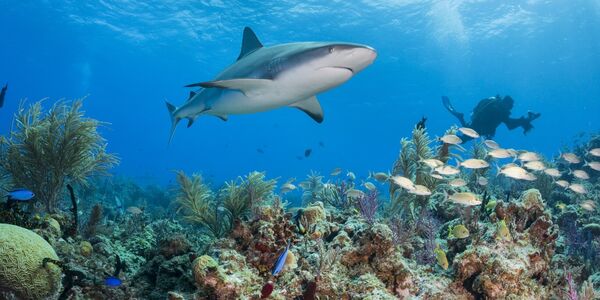
The smash-hit movie Jaws was filmed 50 years ago off the coast of New England, on the island of Martha’s Vineyard. It stirred up human fear of sharks, contributing to a popular misconception that sharks were supposedly villains and reckless human-eating monsters.
But of course, that is not true about sharks. In fact, humans are the real threat here. Every single day, we kill an average of 274,000 sharks. That amounts to approximately 100 million sharks each year. Today, many species – like the great white, sand tiger, great hammerhead, and others – are endangered or vulnerable to extinction.
That’s why famed athlete, 55-year-old swimmer Lewis Pugh, just completed a grueling 12-day swim around the island to help raise awareness about the importance of sharks.
Sign the petition to urge the U.S. government to protect sharks by expanding and creating more marine sanctuary areas!
The United Nations named Pugh a “patron of the oceans” due to his use of swimming as a way to raise awareness about marine wildlife and ocean conservation. He’s swum near volcanoes, near glaciers, and alongside polar bears, hippos, and crocodiles. He’s the first person ever recorded to have finished a long-distance swim in each one of the world’s 5 oceans, and to swim across the north pole itself.
And he’s worried about the future of sharks – just like we all should be.
Sharks help maintain a precious balance in marine ecosystems. Without them, the entire natural structure begins to deteriorate. They promote biodiversity and keep other species in check before they spiral out of control, and even keep the oceans healthy by scavenging injured, sick, or dead animals.
But today, humans target them for overfishing. They’re suffering from habitat loss and climate change. And, of course, being maligned by humans has only made their survival more difficult.
We must respect sharks – and we must demand more protections to keep sharks safe, alive, and healthy! One way to do that would be for the U.S. Congress to create and expand more shark sanctuaries. These are special areas or zones that would sharply curtail overfishing and destruction of habitats. Sign the petition to demand the U.S. protect sharks!
***********
‘A horror movie’: sharks and octopuses among 200 species killed by toxic algae off South Australia
Karenia mikimotoi algae can suffocate fish, cause haemorrhaging and act as a neurotoxin, one expert says
More than 200 marine species, including deepwater sharks, leafy sea dragons and octopuses, have been killed by a toxic algal bloom that has been affecting South Australia’s coastline since March.
Nearly half (47%) of the dead species were ray-finned fish and a quarter (26%) were sharks and rays, according to OzFish analysis of 1,400 citizen scientist reports.
Cephalopods – such as squid, cuttlefish and octopuses – accounted for 7%, while decapods – crabs, lobsters and prawns – made up 6% of species reported dead or washed up on beaches.
28 environmental charities have served a spoof planning notice to MPs, warning that the Planning & Infrastructure Bill is an application to demolish wildlife
The coalition is calling on Government to urgently fix the Bill with amendments to uphold wildlife protections and help nature recover at the same time as supporting sustainable development—to make the planning system ‘Wilder By Design’.
Writing to charities a year ago, the Deputy Prime Minister said the Government “will not legislate” to amend key nature laws if it would weaken them. In the opinion of the Government’s own nature watchdog, the current bill breaks that promise.
Nature loss in the constituencies of Ministers proposing the reforms is also highlighted today.
MPs have today been served spoof planning notices warning that the Government’s proposed Planning and Infrastructure Bill will ‘bulldoze environmental protections and demolish nature and local greenspaces’ unless crucial changes are made. Conservationists are also highlighting examples of nature loss in the constituencies of key ministers, drawing attention to the wildlife losses that could be worsened by the Bill.
Charities met the Secretary of State, Steve Reed, last week (Thurs 15 May) where they warned that the Bill as it stands would break Government nature commitments. Following this, 28 charities, including the RSPB, the National Trust, The Wildlife Trusts, the Mammal Society, People’s Trust for Endangered Species, and Wildlife and Countryside Link have mailed the spoof notices to all English MPs and Ministers, including the Prime Minister and Secretaries of State, Steve Reed, and Angela Rayner. Environmentalists are calling for MPs to support amendments that will deliver a planning system which works for nature, communities and sustainable development for generations to come.
In July 2024, the Deputy Prime Minister wrote to nature charities to say that the Government would not legislate to amend nature protections in a way that would weaken environmental law. According to the Office for Environmental Protection, environmental lawyers, and nature experts, the Government is now breaking that promise with the current version of the Bill and it must be amended.
England is currently facing a nature crisis, with 1 in 6 British species at risk of extinction, a 32% decrease in wildlife populations since 1970 and the UK among the worst 10% globally for nature loss, alongside 40% less greenspace in new developments compared to older housing. That crisis is being played out across the country. From Steve Reed’s Streatham and Croydon constituency seeing notable losses of butterflies and common birds like the blue tit, to Angela Rayner’s constituency in Greater Manchester seeing a 90% decline in recorded insect species, charities warn that the Bill risks speeding up the loss of nature and disappearance of community greenspaces.
In Chancellor Rachel Reeves’ Leeds West and Pudsey constituency just 1 out of 7 SSSIs in the area is in favourable condition. 1 in 5 species across Yorkshire have declined by more than 25% in the last 30 years: including swifts declining by 50% and red squirrels by 69%.
In Secretary of State Steve Reed’s constituency of Streatham and Croydon North, has seen records of Small Tortoiseshell Butterflies (Aglais urticae) drop to just 10 a year, compared to over 200 a year during the 1990s, and common bird species like Blue Tits (Cyanistes caeruleus) are down more than 10% in the last 20 years. Water voles have largely disappeared from this area and other London constituencies, with just a handful of river sites where they can be found.
In the Ashton-under-Lyne constituency of Angela Rayner, Secretary of State for Housing, Communities and Local Government: records of Great Spotted Woodpeckers (Dendrocopos major) have decreased by 68% since 2007 and Song Thrush (Turdus philomelos) by 68% since 2008. The last inspection of the Hollinwood Branch Canal SSSI protected nature sites found they were in a declining condition. The Huddersfield Narrow Canal SSSI was also found to be in an unfavourable condition.
Richard Benwell, CEO of Wildlife & Countryside Link, said: “As it stands, the Planning Bill is set to demolish legal protection for nature and pave the way for destruction of wildlife. So far, the proposals are a mile away from the Government’s aim for a win-win for nature and development. Even the Government’s nature watchdog agrees that it would damage environmental protection.
“It’s disappointing that Government rejected constructive amendments that could put the Bill back on firm foundations for nature protection and greener development. But we heard Ministers acknowledge the case for change and now we urge them to follow up with quick and decisive fixes for the Bill’s serious flaws. Without major improvements, Parliament should reject these damaging proposals.”
Beccy Speight, RSPB chief executive, said: “This should have been a once in a generation opportunity to create a planning system that helps restore nature at scale while delivering for communities and the economy. Instead, promises from the UK Government have been kicked into the long grass and we’ve been left with a Bill that as currently drafted risks species extinction, irreversible habitat loss and threatens legally binding Environment Act targets. Handing developers a license to destroy precious habitats and species for a fee is not what was promised, and certainly not what our natural world and the people of this country need and deserve. If the UK Government is to maintain a shred of credibility on the environment we must see substantial amends to part three of this Bill without delay.”
Hilary McGrady, Director-General of the National Trust, said: “With the right planning laws in place, we can restore our dwindling wildlife, increase the green spaces near where people live and build much-needed new homes surrounded by great nature. But as it currently stands, the Bill risks doing the very reverse, as the Government’s own nature watchdog has pointed out.
“The question for the Chancellor and the Prime Minister is do they want to be remembered as the Government that brought nature back into millions of people’s lives? Or do they want to further deprive current and future generations of this essential, universal need?”
James Cooper, Head of External Affairs at Woodland Trust, said: “The Government’s Planning and Infrastructure Bill risks taking an axe to our natural environment. In its current form, it could fatally undermine decades-old protections, including those of ancient trees and woods, which are already in need of better protection.
“Public outrage over the felling of treasured trees like the Sycamore Gap and Whitewebbs Oak shows just how important green spaces are to people. Nature is a necessity – not a blocker to be dealt with. The Government urgently needs to rethink its bill and put woods, trees and wildlife at the heart of its reforms, delivering the win-win it promised. This means embedding nature in planning so that everyone can benefit from it – regardless of where they live.”
Craig Macadam, Buglife Director of Conservation, said, “The current Planning Bill could be disastrous for invertebrates and accelerate their already precipitous decline. For years we have seen important invertebrate sites lost to ill-thought-out developments and these proposals would only exacerbate the situation. It is more important than ever that we take crucial steps to help nature recover and deliver our existing commitments to protect and restore vital habitats. A Bill that sacrifices hard fought for environmental protections simply won’t deliver for wildlife or people.”
The warning comes as the Planning Bill moves to Report Stage, a final opportunity for MPs to amend the bill before it progresses to the House of Lords. The coalition fears that the Bill in its current form would severely weaken existing environmental protections and lead to the decline or destruction of UK wildlife, wild places and green spaces in communities, with no guarantee of local environmental improvements in return for new development.
In their notice, the coalition reiterated their warning that the Government’s proposals would leave essential protection for wildlife and local neighbourhoods without the scientific safeguards, the delivery guarantees, or the positive plans for nature recovery that could justify such serious risks. Essential safeguards like the Habitats Regulations could be critically weakened. The Government’s own advisors, the Office for Environmental Protection recently concluded that the Bill constitutes regression on environmental legal protections.
In April, the coalition wrote to Secretary of State Steve Reed and Minister Mathew Pennycook warning of the urgent changes needed to the Government’s Planning and Infrastructure Bill to avoid complete extinction of species and destruction of the natural spaces that millions of people depend on for their health and wellbeing.
The organisations want to see the government commit to supporting amendments which will ensure that the Bill does not leave nature. This includes a commitment to:
Guarantee results: The current law demands a high level of legal and scientific certainty for environmental outcomes. However the Bill only requires outcomes to be “likely”. Government must ensure benefits are delivered and clearly outweigh harm.
Avoid harm: Existing rules require developers to avoid damage to protected wildlife. The Bill drops this in favour of a “pay to pollute” model. Future planning rules must ensure that harm must be avoided wherever possible.
Follow the science: Environmental Delivery Plans should only apply to new protected features where there’s solid scientific evidence they work.
Make planning Wilder By Design: We need a legal duty for Councils to help meet climate and nature targets, strong national and marine plans, and low-cost, nature-friendly design like bee and bird bricks in new developments.
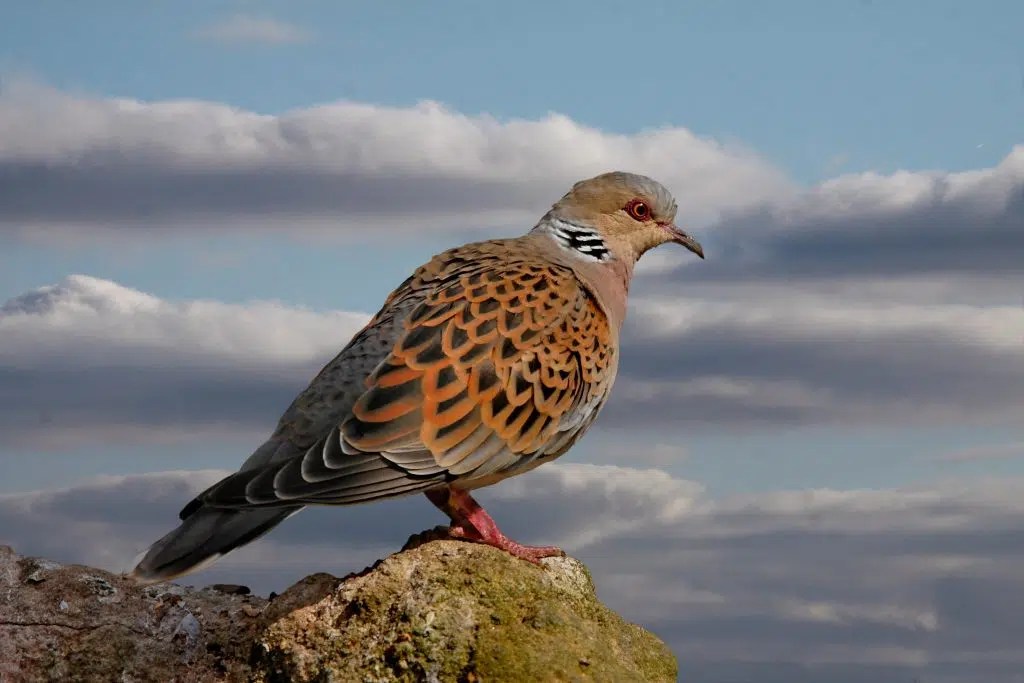
European Turtle-dove by: Tony Brindley/Shutterstock
The European Commission has announced EU countries may re-open the hunting season for the European Turtle-dove (Streptopelia turtur) in parts of Western Europe if they choose to do so. The reopening follows a three-year hunting pause despite the species’ ongoing decline and weak enforcement of hunting laws.
Hunting of iconic species paused since autumn 2021 will continue pushing species to brink.
European Turtle-dove (Streptopelia turtur) in parts of Western Europe if they choose to do so [1]. The reopening follows a three-year hunting pausedespite the species’ ongoing decline and weak enforcement of hunting laws. The moratorium, introduced in 2021, had halted hunting in Spain, France, Portugal, and northwest Italy (Western Flyway) and in 2022 for Austria, Bulgaria, Greece, Italy, Malta, Romania, and Cyprus (Central-Eastern Flyway). Hunting is a major driver of the species’ decline, yet instead of strengthening protections, the Commission is opening the door to more killing.
The hunting pause worked. Data shows that after years of decline, the Turtle-dove population in the Western Flyway has started to recover [2]. But in the Central-Eastern Flyway, where hunting bans have not been properly enforced, no recovery has been observed. The species continues to be classed as ‘Vulnerable’ on the IUCN Red List due to habitat loss and food shortages from intensive farming and pesticide use, and unsustainable hunting.
Despite these fragile gains, the European Commission has recommended resuming hunting in the Western Flyway for the 2025/2026 season, allowing hunters to kill up to 1.5% of the population. The Commission’s recommendation to end the moratorium was based on three conditions:
A population increase for at least two consecutive years
A rise in survival rates
Effective monitoring, control, and enforcement systems
But one of these conditions has still not been met. While population numbers have improved, the enforcement systems remain weak and unreliable [3]. The Commission is relying on a 1.5% hunting quota, assuming it will be sustainable, but there is no way to ensure that hunters will stick to this limit. The risk is clear. Without proper controls, overhunting will resume, and the species will start declining again.
Barbara Herrero, Senior Nature Conservation Policy Officer at BirdLife Europe, said: “The Turtle-dove did its part. Left alone, it started to recover. But governments failed to uphold their end of the deal. Instead of fixing weak enforcement and protecting habitats, they’re rushing to lift the ban. This is reckless and shortsighted. We know where this path leads – straight back to the brink. The European Commission should have stood firm and kept the moratorium.”
Meanwhile, in the Central-Eastern Flyway, illegal and unsustainable hunting continues unchecked. The Ionian Islands in Greece remain a hotspot for illegal killing during migration. Malta also continues its unlawful spring hunting of Turtle Doves. BirdLife Europe urges these countries to enforce the hunting ban before it’s too late.
The Turtle-dove is not safe. Without strong protections, we risk another devastating population crash. The European Commission must act responsibly and put nature before politics.
The Royal Horticultural Society, arguably the UK’s foremost gardening charity, has had a change of heart when it comes to our garden gastropods and whether we should be poisoning them. But what about other animals deemed pests, or those who simply don’t have a convenient role or value in our human lives? Claire Hamlett discusses.
Whenever it rains and snails dot the wet pavements, I watch my step, often pausing on walks to move snails to a place of greater safety. But not everyone takes such care over the slow-moving molluscs. Indeed, snails and their bare-backed cousins, slugs, have long been considered the bain of a gardener’s life. If you search for them on the internet, many of the results are about how to kill them or get rid of them. Garden centres are full of poison with which to dispatch them (and any other creature that mistakenly ingests it). But the Royal Horticultural Society (RHS) is now trying to redeem its image by no longer classing them as pests.
The RHS wants gardeners to see the ecological role that slugs and snails play, including eating decomposing matter and being a source of food for animals including birds and hedgehogs. This change of heart is part of the RHS’s broader campaign for ‘Planet-Friendly Gardening’, which it launched last year. While it’s good that an influential organisation like RHS is moving towards a more compassionate outlook, it also feels rather like it is having to do damage control for the prejudice that it has helped to create against these creatures. The current RHS page on snails, which will hopefully get an update soon, leads with an accusation that they “can cause a lot of damage in the garden” and has a whole section on controlling their numbers, including with pesticides.
I do wonder why it took the RHS so long to start thinking about how it demonises species given that the serious trouble the UK’s wildlife is in has been known for many years. Now it has seen the light on slugs and snails, hopefully, it will soon also update its thinking or many other species it currently classes as pests, and work instead to educate people about their role in the ecosystem and how to keep a balance of species in gardens without resorting to chemicals.
Unfortunately, the murderous mindset that categorises some species as ‘pests’ does not end in people’s back gardens or with molluscs.
Foxes are not only hunted illegally across the countryside but are persecuted for living their lives in and around the grounds of schools and businesses, as well as in the parks and on the streets of our cities. Fox cubs orphaned after their mother was killed were also shot at a school in North London last year for pooping in the playground and supposedly posing a risk to pupils’ health. There have been fox culls in London, where urban foxes are a common sight, especially after the Christmas period when there is more rubbish left out on the streets for longer. One ‘pest-controller’ interviewed by the Evening Standard said he had shot and killed thousands of foxes over his 30-year career.
But with public pushback, sometimes foxes’ lives are spared. A cull of foxes on a London golf course was halted in 2020 after campaigners including Animal Aid urged the golf club to choose an alternative humane solution. In 2021, hunt saboteurs raised the alarm about a planned fox cull on the grounds of Coca-Cola’s factory in Sidcup. The soft drink giant apologised for the upset and promised to use a humane alternative.
Rats and mice are among the prime ‘villains’ of the animal world in the minds of many people. While it’s understandable to not want rodents living in your house (though I did cohabit with a mouse for many months without any problems), these creatures are subjected to some particularly gruesome methods of ‘control’. Traps set with bait snap their spines. Poison can cause internal bleeding or death by dehydration. Some kill the animals slowly over days. There are humane, no-kill alternatives, but poison and traps sadly seem to be the most popular methods.
Sometimes an animal comes to be considered a pest simply because it disturbs the neat and tidy aesthetic that people prefer. One recent story I found particularly disturbing was a Guardian feature on a man called Jason Bullard in North Carolina, US, who kills armadillos for money. Driven north by climate change from their native habitat in South America, people in North Carolina were so “perturbed at their lawns being torn up by the newly arrived mammals” that they started paying Bullard to hunt and shoot them.
All too often animals are demonised for simply existing and trying to live their lives. Animal behaviour expert Marc Bekoff argues that calling these animals ‘pests’ “devalue[s] them as if they’re non-sentient objects.” Animals often find themselves in urban contexts because humans have taken over so much of what was once their habitat. Sometimes they benefit from living near us, such as by being more easily able to access food and shelter. As Bekoff writes, what we need is a “culture of coexistence”, in which killing is no longer the go-to option for resolving our conflicts with other species. With advocacy from organisations like the RHS, perhaps hearts and minds can finally start to change.
Shrinking tiger habitat has led to man-animal conflict in Assam state
A Royal Bengal tiger was killed and dismembered by a mob in India’s north eastern state of Assam, a forest official has said.
Angry residents from a village in the Golaghat district reportedly took the step because the tiger had killed livestock in the area and posed a threat to their lives.
The state’s forest department has registered a case.
Instances of man-animal conflict are not new to Assam. This is the third tiger killing that has been reported this year.
Top forest official Gunadeep Das told Times of India newspaper that the tiger had died from sharp wounds and not gunshots.
The carcass was later recovered in the presence of a magistrate, reports say.
Mr Das told a local newspaper that “around a thousand people had gathered to kill the tiger” and that some of them attacked the tiger with machetes. He added that the tiger’s carcass had been sent for an autopsy.
Mrinal Saikia, a lawmaker from Assam state condemned the killing on X. He shared a video that showed the purported dead body of the tiger with parts of its skin, face and legs missing.
The BBC has not independently verified the video.
“This is a very painful act. The Earth is not only for humans, it is for animals as well,” he said in the post, adding that strict action will be taken against those involved in the killing.
Another forest official, Sonali Ghosh told local media that the origins of the tiger were unclear. According to reports, the animal was killed about 20km (12 miles) away from the Kaziranga National Park.
Latest data by Assam’s forest department shows the population of tigers in the state has steadily increased from just 70 in 2006 to 190 in 2019 due to various conservation efforts.
However, instances of tigers being killed due to conflict with villagers have been often reported in the media, which could be because of shrinking habitat and lack of protection of tiger corridors between different national parks in the state.
Tigers are a protected species under India’s Wildlife Protection Act (1972), which prohibits poaching, hunting and trade of tiger parts.
Hobby hunter has cat torn to pieces by hunting dog
In Triebes in the Free State of Thuringia, a hobby hunter was filmed committing a serious offense.
Disgusting scenes in a video from the everyday life of hobby hunters were leaked to IG Wild beim Wild by a whistleblower.
This hobby hunter, too, is completely numb and internally crippled. Typical symptoms of years of hunting. A hunting license always gives you two things: a license to kill and a license to become stupid. The faces, eyes, and activities of these older hobby hunters speak volumes.
Video on Page
As is so often the case, the hobby hunter has absolutely no control over his dog. Time and again, we receive videos of hobby hunters setting their dogs on defenseless animals. It’s hard to imagine what happens in the forests, where wild animals are defenselessly at the mercy of these sadists. These are not isolated cases, so hobby hunting must finally be banned, and the children of hobby hunters must be protected.
The person who recorded the video is an old man who can only move with pain using a walker and therefore could not intervene.
Little Luna was unfortunately the victim of this cruel act. She was a very special and trusting kitten. However, because of this act, she never even lived to be two years old.
The cat’s owner is shocked. The community is wondering how sick the alleged former managing director of the German Hunting Terrier Club (name withheld from the editors) is to give his hunting dog such commands, or even to watch.
The cat presumably suffered for a few more minutes before succumbing to her injuries. Her body has not yet been returned to her owner. This suggests that the hobby hunter later disposed of little Luna after her death.
Legal action has been initiated and the local animal welfare association is providing support.
The hobby hunter—the police have no doubt about this—is a 64-year-old local man. Officials are now investigating him on suspicion of violating the Animal Welfare Act.
Dogs are abused for hunting
The abuse of dogs for recreational hunting is systematic. For their “training,” they are forced into obedience with electric shock devices, spiked collars, kicks on the paws, pinches in the ears, and sometimes even beatings.
The wild animals that hobby hunters set their four-legged friends on also pose a great danger: When dogs are forced to chase foxes or badgers out of their dens, bloody life-and-death fights often ensue. It’s not uncommon for the four-legged friends to be bitten by the terrified wild animals. Because the animals are sent headfirst into the den, they often suffer injuries to their eyes, lips, jaws, and necks. However, most dogs are injured by wild boar. Training dogs on live foxes in dens or on ducks is common practice.
Predators were once virtually extinct in Europe, but thanks to conservation efforts their numbers have rebounded
Wolves face being hunted in greater numbers after the European Union voted to downgrade their protected status.
The European Commission’s proposal, backed by a qualified majority of EU ambassadors, would allow greater flexibility in organising hunts by downgrading the wolf from “strictly protected” to “protected”.
Ministers will meet to formally vote on the proposal on Thursday, with only Ireland and Spain expected to vote against it, diplomatic sources said. Other member states are expected to abstain.
Wolves were virtually extinct in Europe a century ago but, thanks in part to EU conservation efforts, numbers have rebounded, with more than 1,000 of the predators in some countries.
Amid a backlash against the burden of EU green rules triggered by the cost of living crisis, farmers have complained that rising numbers of the predators are endangering their livestock.
However, conservationists have criticised the “outrageous move” to ease the hunting restrictions.
Hunting of problem wolves is already allowed under exceptions to the EU protections. Limited legal wolf hunting is carried out in Finland, Norway, Lithuania, Latvia, Estonia, Bulgaria, Romania and Slovakia, but it could now become more widespread.
The vote comes after European Commission president Ursula von der Leyen’s favourite horse, Dolly, was killed by a wolf in September 2022 at her home in Germany.
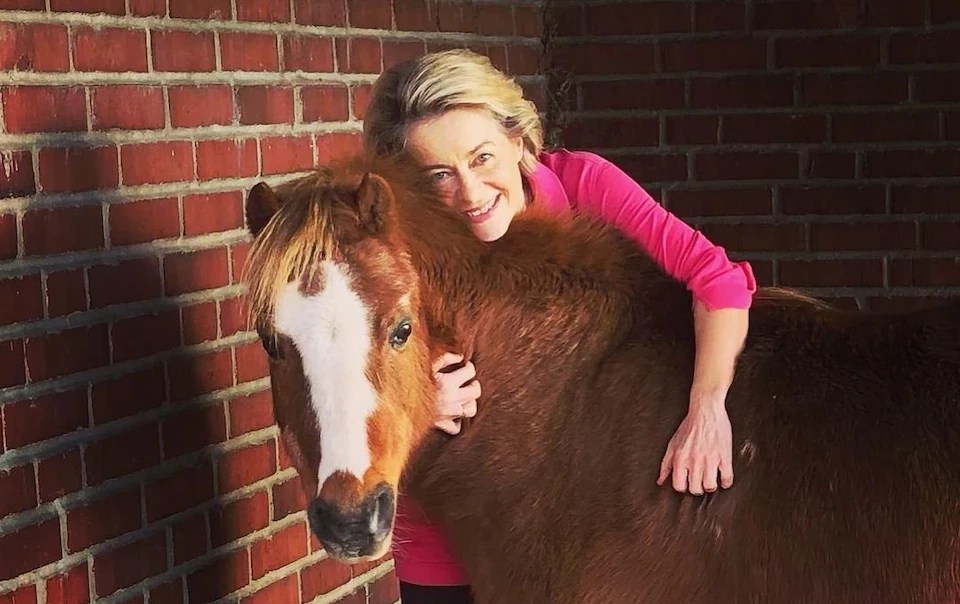
Ursula Von Der Leyen with her pony ‘Dolly’ who was killed by a wolf Credit: Instagram
The keen equestrian and mother-of-seven said her family was “horribly distressed” by the loss of the 30-year-old horse at the lower Saxony compound.
The culprit was identified through DNA evidence as a wolf known as GW950m. But a permit to kill it expired before it could be hunted down, meaning it could still be at large.
The keen equestrian and mother-of-seven said her family was “horribly distressed” by the loss of the 30-year-old horse at the lower Saxony compound.
The culprit was identified through DNA evidence as a wolf known as GW950m. But a permit to kill it expired before it could be hunted down, meaning it could still be at large.
Brussels was forced to deny that Mrs von der Leyen had intervened in the permit process to take revenge for the death of Dolly. The permit was applied for before the horse was killed.
The Eurogroup for Animals said wolf populations had increased but had not reached “favourable” conservation status, as it decried a move that “seriously jeopardises the conservation efforts of the past decade and prioritises politics over science”.
‘Long-overdue’
“Wolves are our allies, not our enemies and it is crucial to protect them,” said Léa Badoz, of the Eurogroup for Animals. More than 300,000 EU citizens had signed a petition to stop wolf hunting.
“This is a very outrageous move and shows that member states are ignoring their citizens’ calls and science,” she said. “We urge the other parties to the Bern Convention to reject this proposal.”
Centre-Right MEPs from Mrs von der Leyen’s European People’s Party (EPP), which campaigned to loosen the protections before June’s EU-wide elections, said the decision was the start of a “long-overdue process” to bring wolf populations under control.
“As these populations grow, their conservation status must evolve too,” said Alexander Bernhuber, an EPP member of the European Parliament’s environment committee.
Italy was among the most vocal countries demanding protections be weakened. The wolf was pushed to the verge of extinction in Italy by the 1970s, when the population dipped to just 100 individuals. Numbers are now estimated to be about 3,300.
“It is a step forward that fills us with satisfaction,” Paolo Borchia, an Italian MEP from the Right-wing League party, said on Wednesday. “It is unacceptable that it took years to come to terms with a situation that is clear for everyone to see.”











 World Animals Voice