WAYANAD, Kerala—A pioneering emergency evacuation shelter designed to evacuate animals prior to disasters like floods and landslides, is set to be established in Kottathara panchayat in Wayanad district, Kerala. Situated in a region prone to multiple hazards including annual floods, cyclones and landslides, this commitment marks a significant step forward in disaster preparedness for animals in India. The collaborative project will bring together the Kerala State Disaster Management Authority, the Wayanad District Disaster Management Authority, Kottathara Grama Panchayat and Humane World for Animals India (formerly called Humane Society International India) to make India’s first such shelter for animals.
The shelter, set to begin operating in 2026, will have the capacity to accommodate up to 150 animals such as goats, cows, pigs, dogs and cats. The single-story structure is expected to include dedicated space for a veterinary clinic and a quarantine area, along with storage and equipment rooms. The shelter is intended to serve as a model for similar facilities across the country.
Praveen Suresh, disaster preparedness and response team manager at Humane World for Animals India, said: “This is an historic moment for Kerala and India from both an animal welfare and disaster preparedness point of view. It is especially significant for Wayanad district with its growing need for a dedicated facility to evacuate and care for animals during disasters like floods and landslides. While the shelter will provide immediate medical care and relief, it will also serve as a long-term resource to support animal welfare in the community. We are grateful to the Government of Kerala and the State Disaster Management Department for approving this important initiative. This animal shelter highlights the power of collaboration between multiple agencies to safeguard animals and their communities and to strengthen disaster management efforts in India.”
Over the last seven years, Humane World for Animals India has gained a notable presence in Kerala through its disaster preparedness, response and relief efforts. During the 2024 Wayanad landslides, the organization’s rescue team aided over 180 animals. Along with partner organizations, Humane World for Animals India is working to make Wayanad a disaster-resilient district for both humans and animals. Among other activities, the organization is conducting capacity building programs for the community through outreach to schools and self-help groups like Kudumbashree. Once constructed, the shelter will serve as a hub for efforts to safeguard animals and the families who depend on them during disasters and a catalyst for continued commitment to build community resilience in the face of future emergencies that put humans and animals at risk.
Environmentalist Zac Goldsmith has raised concerns about a “troubling commitment” in the Prime Minister’s deal with the EU.
Zac Goldsmith has slammed Keir Starmer (Image: Getty)
ac Goldsmith has slammed Keir Starmer’s UK-EU reset for risking the Tories hard-fought Brexit wins on animal welfare. The environmentalist warned that a “troubling commitment” in the agreement means any UK deviation from EU food standards must not “negatively affect European Union animals and goods being placed on the market” in the UK.
The former MP said: “This seemingly technical clause has profound implications for animal welfare and our ability to raise our own standards, something that we fought so hard to achieve with Brexit. “Among other things it likely means the UK cannot restrict imports of animal products that fail to meet our welfare standards – even when we’ve banned those same practices domestically.
He said around 50% of UK pork imports come from EU countries still using sow stalls – narrow metal cages Britain banned in the 90s because they were considered to be cruel.
A new sanitary and phytosanitary (SPS) deal was agreed last month to reduce red tape currently needed to import and export food and drink between the UK and the EU.
ut campaigners want the Government to clarify whether animal welfare measures fall outside the SPS agreement’s scope, or to negotiate explicit exceptions for welfare-based restrictions.
here were concerns before the deal was struck that Britain could weaken its post-Brexit animal protection laws to get a reset deal with Brussels.
But following the concerns, the Prime Minister said: “We are not involved in, nor will we be involved in, a sort of race to the bottom on standards.
“I think that British people are proud of the high standards that we have, and we want to maintain those standards.”
Sir Keir has pledged to strengthen ties with the EU since coming into office on July 4 last year.
As part of the agreement he signed, there will be more targeted checks on the movement of animals, animal products, plants and other products.
This will stop animals being held for excessive periods at the borders and lower any detrimental impact on animal health and welfare, and reduce the burden on the veterinary workforce.
There was also a commitment made on shared disease surveillance and data sharing, which will secure UK biosecurity and risk of imported diseases.
Animal welfare groups also welcomed the introduction of pet passports to replace Animal Health Certificates (AHCs), which increased burden on the veterinary workforce and hiked costs for animal owners since they came into force.
A Government spokesman said: “This government will always act in the national interest to protect Britain’s farmers and secure our food security. We have said we will uphold the highest agricultural standards and that is exactly what this deal does.”
By Lord Zac Goldsmith
Brexit undoubtedly delivered meaningful wins for animals, enabling policy changes that were previously impossible. We were able for example to ban the cruel live export of animals for slaughter and even more far reaching, we could change the way we subsidised farming to incentivise higher animal welfare and environmental stewardship. Neither of these changes could have happened without Brexit, which is one of the reasons I supported our EU exit in 2016.
And although of course I wish we had done more, the last Conservative Government did deliver a wide range of animal welfare measures, from an expanded ivory ban and banning glue traps, to much bigger sentences for animal cruelty and recognising sentience in law. Now in Opposition the Party is calling for among other things raising zoo standards.
Last month’s UK-EU Summit produced a ‘Common Understanding’ agreement which has been hailed by the Prime Minister as a significant step towards mending post-Brexit relations, generating economic benefits and streamlining trade. However, buried in the details lies a troubling commitment: any UK deviation from EU food standards must not “negatively affect European Union animals and goods being placed on the market in the United Kingdom”.
This seemingly technical clause has profound implications for animal welfare and our ability to raise our own standards, something that we fought so hard to achieve with Brexit. Among other things it likely means the UK cannot restrict imports of animal products that fail to meet our welfare standards – even when we’ve banned those same practices domestically.
Consider the immediate threats. Around 50% of UK pork imports come from EU countries still using sow stalls – narrow metal cages we banned in the 90s because they were considered to be cruel. The last Labour government prohibited fur farming in the UK, yet we continue importing it from the EU. Under the new agreement, banning such imports may be impossible, despite the stated wishes of the Government to deliver the biggest boost to animal welfare in a generation.
The agreement links UK standards to EU animal welfare rules with opt outs limited to public health and biosecurity – assessed case by case basis. So while we might still be able to ban puppy imports, as these present a public health risk, the agreement could block us from banning EU fur or even foie gras on welfare grounds alone.
This not only undermines domestic animal welfare standards but also places British farmers, who adhere to stricter regulations, at a competitive disadvantage. The problem is more acute with EU imports, our largest trading partner for food imports, not just the usual suspects like the USA or Australia.
Brexit gave us the chance to lead the world on animal welfare – to show that an independent Britain could set gold standards that others would follow. This is also about democratic sovereignty; British voters consistently support higher animal welfare standards, with 84% backing restrictions on low-welfare imports.
There’s still time to put this right, but it will require government to clarify that animal welfare measures fall outside the SPS Agreement’s scope, or to negotiate explicit exceptions for welfare-based restrictions.
While its proponents say the UK-EU reset agreement offers economic and diplomatic benefits, it’s imperative that animal welfare remains a priority. By addressing these concerns proactively, the UK can position itself as a global leader in animal welfare and ensure that progress is not achieved at the expense of the most vulnerable and the voiceless.
28 environmental charities have served a spoof planning notice to MPs, warning that the Planning & Infrastructure Bill is an application to demolish wildlife
The coalition is calling on Government to urgently fix the Bill with amendments to uphold wildlife protections and help nature recover at the same time as supporting sustainable development—to make the planning system ‘Wilder By Design’.
Writing to charities a year ago, the Deputy Prime Minister said the Government “will not legislate” to amend key nature laws if it would weaken them. In the opinion of the Government’s own nature watchdog, the current bill breaks that promise.
Nature loss in the constituencies of Ministers proposing the reforms is also highlighted today.
MPs have today been served spoof planning notices warning that the Government’s proposed Planning and Infrastructure Bill will ‘bulldoze environmental protections and demolish nature and local greenspaces’ unless crucial changes are made. Conservationists are also highlighting examples of nature loss in the constituencies of key ministers, drawing attention to the wildlife losses that could be worsened by the Bill.
Charities met the Secretary of State, Steve Reed, last week (Thurs 15 May) where they warned that the Bill as it stands would break Government nature commitments. Following this, 28 charities, including the RSPB, the National Trust, The Wildlife Trusts, the Mammal Society, People’s Trust for Endangered Species, and Wildlife and Countryside Link have mailed the spoof notices to all English MPs and Ministers, including the Prime Minister and Secretaries of State, Steve Reed, and Angela Rayner. Environmentalists are calling for MPs to support amendments that will deliver a planning system which works for nature, communities and sustainable development for generations to come.
In July 2024, the Deputy Prime Minister wrote to nature charities to say that the Government would not legislate to amend nature protections in a way that would weaken environmental law. According to the Office for Environmental Protection, environmental lawyers, and nature experts, the Government is now breaking that promise with the current version of the Bill and it must be amended.
England is currently facing a nature crisis, with 1 in 6 British species at risk of extinction, a 32% decrease in wildlife populations since 1970 and the UK among the worst 10% globally for nature loss, alongside 40% less greenspace in new developments compared to older housing. That crisis is being played out across the country. From Steve Reed’s Streatham and Croydon constituency seeing notable losses of butterflies and common birds like the blue tit, to Angela Rayner’s constituency in Greater Manchester seeing a 90% decline in recorded insect species, charities warn that the Bill risks speeding up the loss of nature and disappearance of community greenspaces.
In Chancellor Rachel Reeves’ Leeds West and Pudsey constituency just 1 out of 7 SSSIs in the area is in favourable condition. 1 in 5 species across Yorkshire have declined by more than 25% in the last 30 years: including swifts declining by 50% and red squirrels by 69%.
In Secretary of State Steve Reed’s constituency of Streatham and Croydon North, has seen records of Small Tortoiseshell Butterflies (Aglais urticae) drop to just 10 a year, compared to over 200 a year during the 1990s, and common bird species like Blue Tits (Cyanistes caeruleus) are down more than 10% in the last 20 years. Water voles have largely disappeared from this area and other London constituencies, with just a handful of river sites where they can be found.
In the Ashton-under-Lyne constituency of Angela Rayner, Secretary of State for Housing, Communities and Local Government: records of Great Spotted Woodpeckers (Dendrocopos major) have decreased by 68% since 2007 and Song Thrush (Turdus philomelos) by 68% since 2008. The last inspection of the Hollinwood Branch Canal SSSI protected nature sites found they were in a declining condition. The Huddersfield Narrow Canal SSSI was also found to be in an unfavourable condition.
Richard Benwell, CEO of Wildlife & Countryside Link, said: “As it stands, the Planning Bill is set to demolish legal protection for nature and pave the way for destruction of wildlife. So far, the proposals are a mile away from the Government’s aim for a win-win for nature and development. Even the Government’s nature watchdog agrees that it would damage environmental protection.
“It’s disappointing that Government rejected constructive amendments that could put the Bill back on firm foundations for nature protection and greener development. But we heard Ministers acknowledge the case for change and now we urge them to follow up with quick and decisive fixes for the Bill’s serious flaws. Without major improvements, Parliament should reject these damaging proposals.”
Beccy Speight, RSPB chief executive, said: “This should have been a once in a generation opportunity to create a planning system that helps restore nature at scale while delivering for communities and the economy. Instead, promises from the UK Government have been kicked into the long grass and we’ve been left with a Bill that as currently drafted risks species extinction, irreversible habitat loss and threatens legally binding Environment Act targets. Handing developers a license to destroy precious habitats and species for a fee is not what was promised, and certainly not what our natural world and the people of this country need and deserve. If the UK Government is to maintain a shred of credibility on the environment we must see substantial amends to part three of this Bill without delay.”
Hilary McGrady, Director-General of the National Trust, said: “With the right planning laws in place, we can restore our dwindling wildlife, increase the green spaces near where people live and build much-needed new homes surrounded by great nature. But as it currently stands, the Bill risks doing the very reverse, as the Government’s own nature watchdog has pointed out.
“The question for the Chancellor and the Prime Minister is do they want to be remembered as the Government that brought nature back into millions of people’s lives? Or do they want to further deprive current and future generations of this essential, universal need?”
James Cooper, Head of External Affairs at Woodland Trust, said: “The Government’s Planning and Infrastructure Bill risks taking an axe to our natural environment. In its current form, it could fatally undermine decades-old protections, including those of ancient trees and woods, which are already in need of better protection.
“Public outrage over the felling of treasured trees like the Sycamore Gap and Whitewebbs Oak shows just how important green spaces are to people. Nature is a necessity – not a blocker to be dealt with. The Government urgently needs to rethink its bill and put woods, trees and wildlife at the heart of its reforms, delivering the win-win it promised. This means embedding nature in planning so that everyone can benefit from it – regardless of where they live.”
Craig Macadam, Buglife Director of Conservation, said, “The current Planning Bill could be disastrous for invertebrates and accelerate their already precipitous decline. For years we have seen important invertebrate sites lost to ill-thought-out developments and these proposals would only exacerbate the situation. It is more important than ever that we take crucial steps to help nature recover and deliver our existing commitments to protect and restore vital habitats. A Bill that sacrifices hard fought for environmental protections simply won’t deliver for wildlife or people.”
The warning comes as the Planning Bill moves to Report Stage, a final opportunity for MPs to amend the bill before it progresses to the House of Lords. The coalition fears that the Bill in its current form would severely weaken existing environmental protections and lead to the decline or destruction of UK wildlife, wild places and green spaces in communities, with no guarantee of local environmental improvements in return for new development.
In their notice, the coalition reiterated their warning that the Government’s proposals would leave essential protection for wildlife and local neighbourhoods without the scientific safeguards, the delivery guarantees, or the positive plans for nature recovery that could justify such serious risks. Essential safeguards like the Habitats Regulations could be critically weakened. The Government’s own advisors, the Office for Environmental Protection recently concluded that the Bill constitutes regression on environmental legal protections.
In April, the coalition wrote to Secretary of State Steve Reed and Minister Mathew Pennycook warning of the urgent changes needed to the Government’s Planning and Infrastructure Bill to avoid complete extinction of species and destruction of the natural spaces that millions of people depend on for their health and wellbeing.
The organisations want to see the government commit to supporting amendments which will ensure that the Bill does not leave nature. This includes a commitment to:
Guarantee results: The current law demands a high level of legal and scientific certainty for environmental outcomes. However the Bill only requires outcomes to be “likely”. Government must ensure benefits are delivered and clearly outweigh harm.
Avoid harm: Existing rules require developers to avoid damage to protected wildlife. The Bill drops this in favour of a “pay to pollute” model. Future planning rules must ensure that harm must be avoided wherever possible.
Follow the science: Environmental Delivery Plans should only apply to new protected features where there’s solid scientific evidence they work.
Make planning Wilder By Design: We need a legal duty for Councils to help meet climate and nature targets, strong national and marine plans, and low-cost, nature-friendly design like bee and bird bricks in new developments.
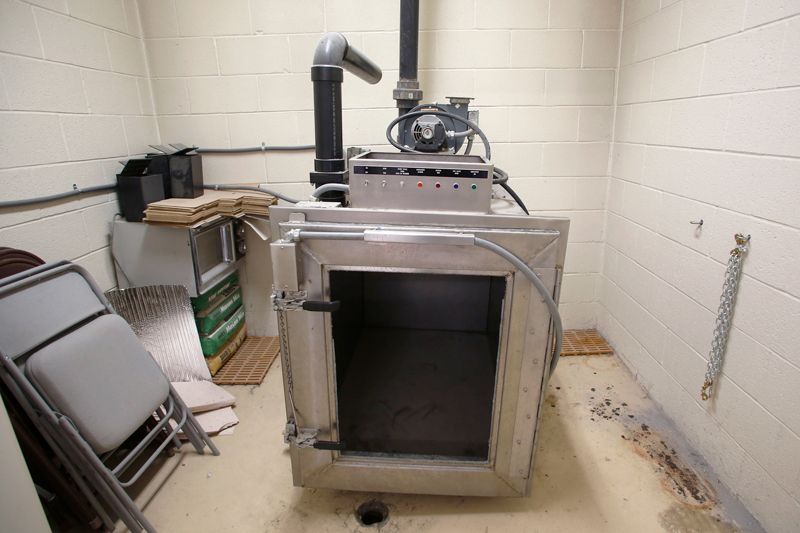
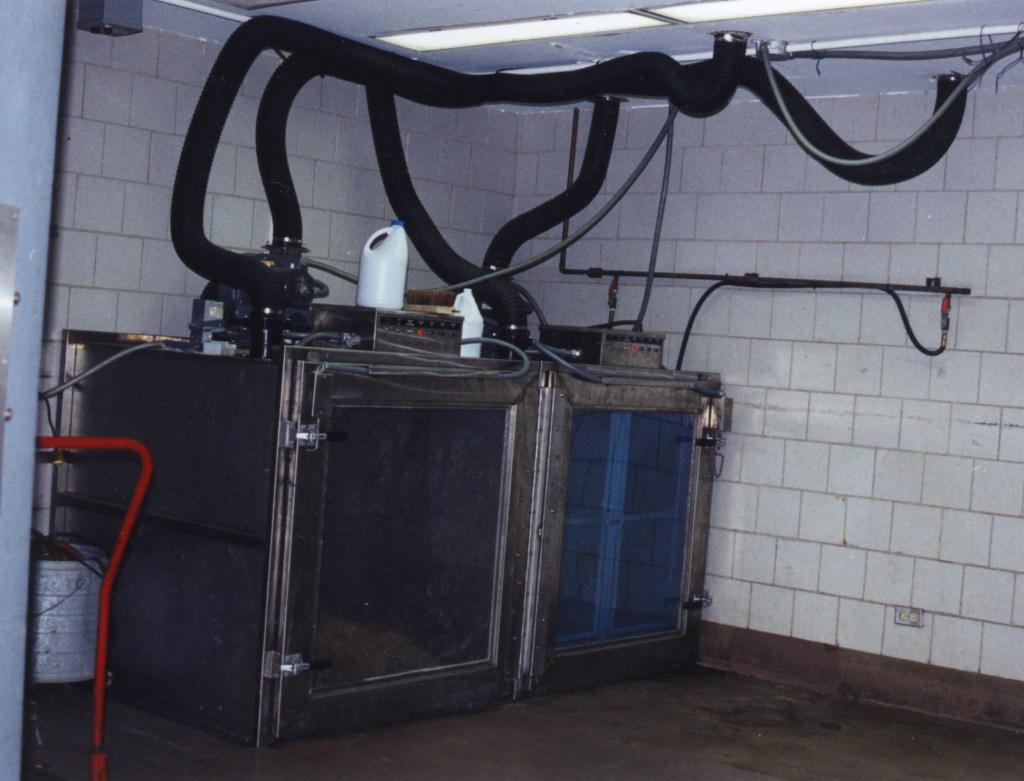
This gross video is not recent, granted – but this is still the situation in many US States. And many also still use gas. As here.
The Comments below say it all really …
Author, Unknown:
Yes, I Gas Dogs and Cats for a Living. I’m an Animal Control officer in a very small town in central North Carolina. I’m in my mid thirties, and have been working for the town in different positions since high school. There is not much work here, and working for the county provides good pay and benefits for a person like me without a higher education. I’m the person you all write about how horrible I am.
I’m the one that gasses the dogs and cats and makes them suffer. I’m the one that pulls their dead corpses out smelling of Carbon Monoxide and throws them into green plastic bags. But I’m also the one that hates my job and hates what I have to do.
First off, all you people out there that judge me, don’t. God is judging me, and I know I’m going to Hell. Yes, I’m going to hell. I wont lie, it’s despicable, cold, cruel and I feel like a serial killer. I’m not all to blame, if the law would mandate spay and neuter, lots of these dogs and cats wouldn’t be here for me to gas. I’m the devil, I know it, but I want you people to see that there is another side to me, the devil Gas Chamber man. The shelter usually gasses on Friday morning.
Friday’s are the day that most people look forward to, this is the day that I hate, and wish that time will stand still on Thursday night. Thursday night, late, after nobody’s around, my friend and I go through a fast food line, and buy 50 dollars worth of cheeseburgers and fries, and chicken. I’m not allowed to feed the dogs on Thursday, for I’m told that they will make a mess in the gas chamber, and why waste the food.
So, Thursday night, with the lights still closed, I go into the saddest room that anyone can every imagine, and let all the doomed dogs out out their cages.
I have never been bit, and in all my years doing this, the dogs have never fought over the food. My buddy and I, open each wrapper of cheeseburger and chicken sandwich, and feed them to the skinny, starving dogs.
They swallow the food so fast, that I don’t believe they even taste it. There tails are wagging, and some don’t even go for the food, they roll on their backs wanting a scratch on their bellies. They start running, jumping and kissing me and my buddy.
They go back to their food, and come back to us. All their eyes are on us with such trust and hope, and their tails wag so fast, that I have come out with black and blues on my thighs.. They devour the food, then it’s time for them to devour some love and peace. My buddy and I sit down on the dirty, pee stained concrete floor, and we let the dogs jump on us. They lick us, they put their butts in the air to play, and they play with each other. Some lick each other, but most are glued on me and my buddy.
I look into the eyes of each dog. I give each dog a name. They will not die without a name. I give each dog 5 minutes of unconditional love and touch. I talk to them, and tell them that I’m so sorry that tomorrow they will die a gruesome, long, torturous death at the hands of me in the gas chamber. Some tilt their heads to try to understand. I tell them, that they will be in a better place, and I beg them not to hate me. I tell them that I know I’m going to hell, but they will all be playing with all the dogs and cats in heaven.
After about 30 minutes, I take each dog individually, into their feces filled concrete jail cell, and pet them and scratch them under their chins. Some give me their paw, and I just want to die. I just want to die. I close the jail cell on each dog, and ask them to forgive me. As my buddy and I are walking out, we watch as every dog is smiling at us and them don’t even move their heads. They will sleep, with a full belly, and a false sense of security.
As we walk out of the doomed dog room, my buddy and I go to the cat room. We take our box, and put the very friendly kittens and pregnant cats in our box. The shelter does not keep tabs on the cats, like they do the dogs. As I hand pick which cats are going to make it out, I feel like I’m playing God, deciding whose going to live and die.
We take the cats into my truck, and put them on blankets in the back. ‘ Usually, as soon as we start to drive away, there are purring cats sitting on our necks or rubbing against us. My buddy and I take our one way two hour trip to a county that is very wealthy and they use injection to kill animals.
We go to exclusive neighborhoods, and let one or two cats out at a time.
They don’t want to run, they want to stay with us. We shoo them away, which makes me feel sad.
I tell them that these rich people will adopt them, and if worse comes to worse and they do get put down, they will be put down with a painless needle being cradled by a loving veterinarian. After the last cat is free, we drive back to our town.
It’s about 5 in the morning now, about two hours until I have to gas my best friends.
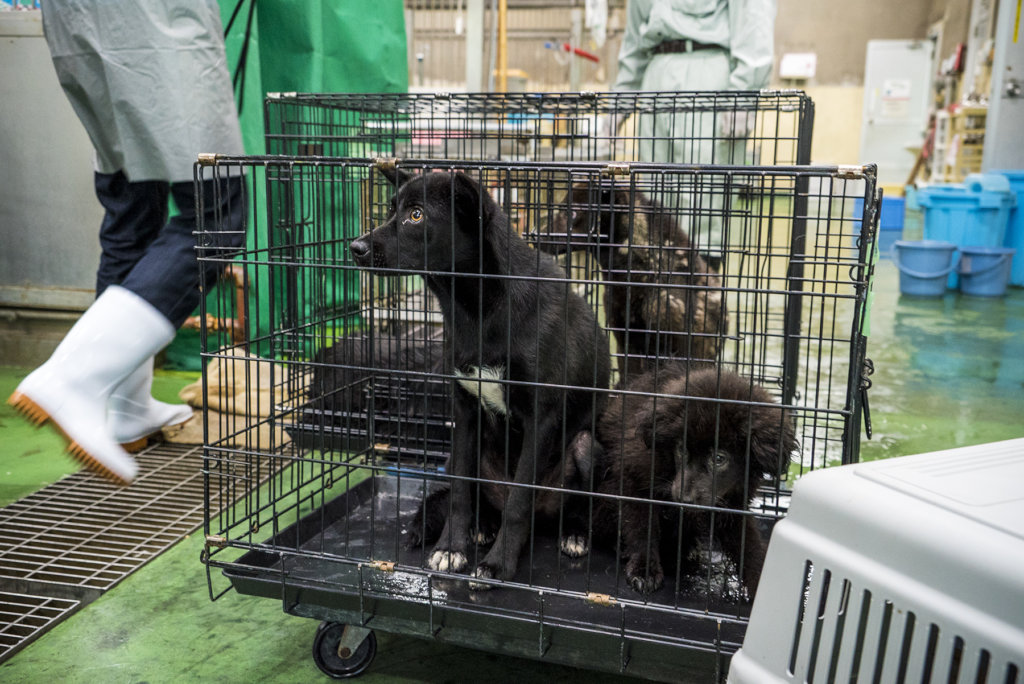
I go home, take a shower, take my 4 anti-anxiety pills and drive to work.. I don’t eat, I can’t eat. It’s now time, to put these animals in the gas chamber. I put my ear plugs in, and when I go to the collect the dogs, the dogs are so excited to see me, that they jump up to kiss me and think they are going to play.
I put them in the rolling cage and take them to the gas chamber. They know. They just know.
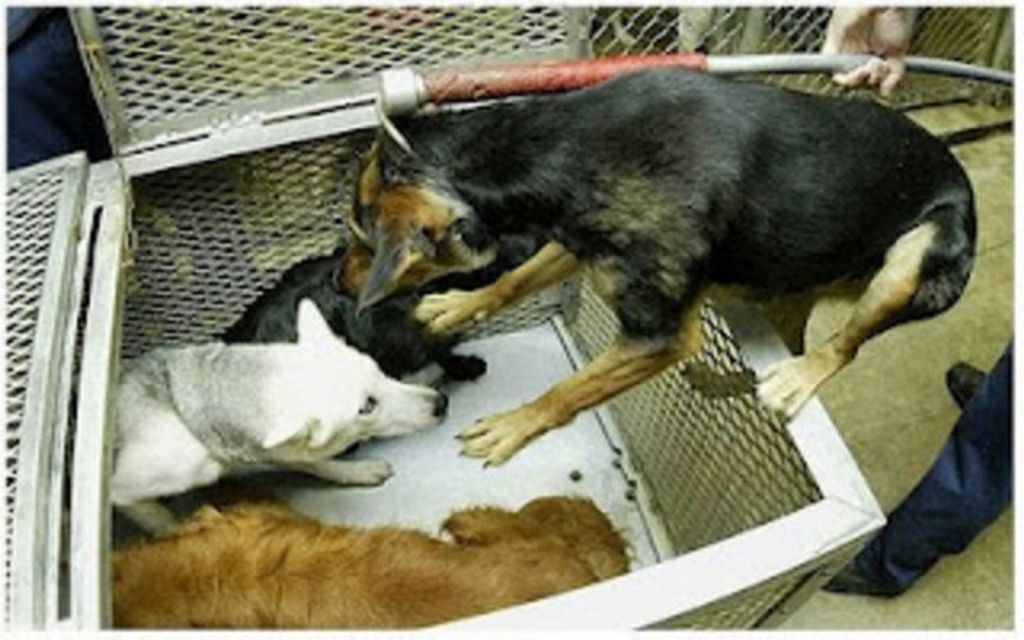
They can smell the death. They can smell the fear. They start whimpering, the second I put them in the box. The boss tells me to squeeze in as many as I can to save on gas. He watches. He knows I hate him, he knows I hate my job. I do as I’m told. He watches until all the dogs, and cats (thrown in together) are fighting and screaming. The sounds is very muffled to me because of my ear plugs. He walks out, I turn the gas on, and walk out.
I walk out as fast as I can. I walk into the bathroom, and I take a pin and draw blood from my hand. Why? The pain and blood takes my brain off of what I just did. In 40 minutes, I have to go back and unload the dead animals. I pray that none survived, which happens when I overstuff the chamber. I pull them out with thick gloves, and the smell of carbon monoxide makes me sick. So does the vomit and blood, and all the bowel movements. I pull them out, put them in plastic bags.
They are in heaven now, I tell myself. I then start cleaning up the mess, the mess, that YOU PEOPLE are creating by not spay or neutering your animals. The mess that YOU PEOPLE are creating by not demanding that a vet come in and do this humanely. You ARE THE TAXPAYERS, DEMAND that this practice STOP!
So, don’t call me the monster, the devil, the gasser, call the politicians, the shelter directors, and the county people the devil. Heck, call the governor, tell him to make it stop.
As usual, I will take sleeping pills tonight to drown out the screams I heard in the past, before I discovered the ear plugs. I will jump and twitch in my sleep, and I believe I’m starting to hallucinate.
This is my life. Don’t judge me. Believe me, I judge myself enough.
******************
This is the current situation:
U.S. States With Highest And Lowest Shelter Kill Rates
Shelters across the country are full and many over capacity with adoptable dogs and cats. While each shelter does their best to find a loving home for each animal, hundreds of thousands (355,000) are euthanized each year due to lack of space and resources.
There are more homeless pets than adopters and it forces numerous shelters to make tough choices. Veterinarians.org published a study that analyzed the intake and outcome data from U.S. animal shelters and ranked the highest and lowest shelter kill rates.
They examined 3,261 shelters which covers roughly 93.5% of the total sheltered animals in the country. They found some heartbreaking results but also some states who are completely no-kill and inspiring others to do the same.
The bad news…
Mississippi has the highest kill rate of 18.3%, which is 3 times the nation-wide average. North Carolina and Alabama come next with high kill rates (over 14%). Less than half of the shelters in these states are no-kill.
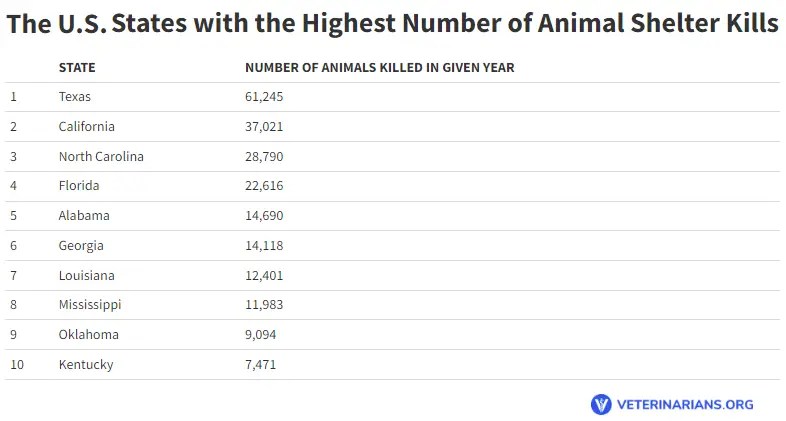
However, when it comes to actual numbers Texas comes in with highest number of animals killed in a year – over 61,000. California comes next followed by North Carolina, Florida and Alabama.
The study found, “Five states account for half of all cats and dogs killed in U.S. animal shelters: California, Texas, Florida, North Carolina, and Alabama.”
The solution to this heartbreaking problem is to encourage more people to adopt and give shelters the support and assistance they need to transform into a no-kill shelter.
The good news…
52% of U.S. animal shelters are no-kill, which has doubled since 2016. Best Friends Animal Society has a goal of making all shelters no-kill by 2025. They want to ensure that all dogs and cats get the chance to find a loving home – no matter how long it takes.
But shelters cannot do it alone. Best Friends shared, “For far too long, the burden has been placed on shelters themselves to save the lives of the animals in their care. It is imperative that the community and local government provide their shelters with the support they need to succeed.”
They help guide shelters toward no-kill status by giving them the tools they need to succeed.
According to Best Friends, “The most effective path to no-kill includes a combination of (1) collaborative partnerships and coalitions among animal shelters, animal rescue groups and community members working toward a collective goal; (2) proven programs and best practices designed to save the most lives possible; and (3) data-driven decision-making for each individual community.”
The only two no-kill states are Delaware and New Hampshire. Rhode Island, North Dakota, and Maine round out the top five with under 1% kill rate.
You can check and see if your local shelter is a no-kill shelter through the pet lifesaving dashboard. If not, see how you can help.
Best Friends reminds people, “Saving the lives of dogs and cats in animal shelters is the responsibility of each community. Animal shelters and the staff who work there can only create and sustain lifesaving programs if they have community support and participation. Working together thoughtfully, honestly and collaboratively is what makes true no-kill possible.”
*******************
(Google)
**************
30 Jul 2019
Shelter killing is the leading cause of death for homeless dogs and cats in the United States. It doesn’t have to be. This is the story of animal sheltering, which was born of compassion and then lost its way. It is the story of the No Kill movement, which says we can and must stop the killing. It is about heroes and villains, betrayal and redemption. And it is about a social movement as noble and just as those that have come before. But most of all, it is a story about believing in the community and trusting in the power of compassion.
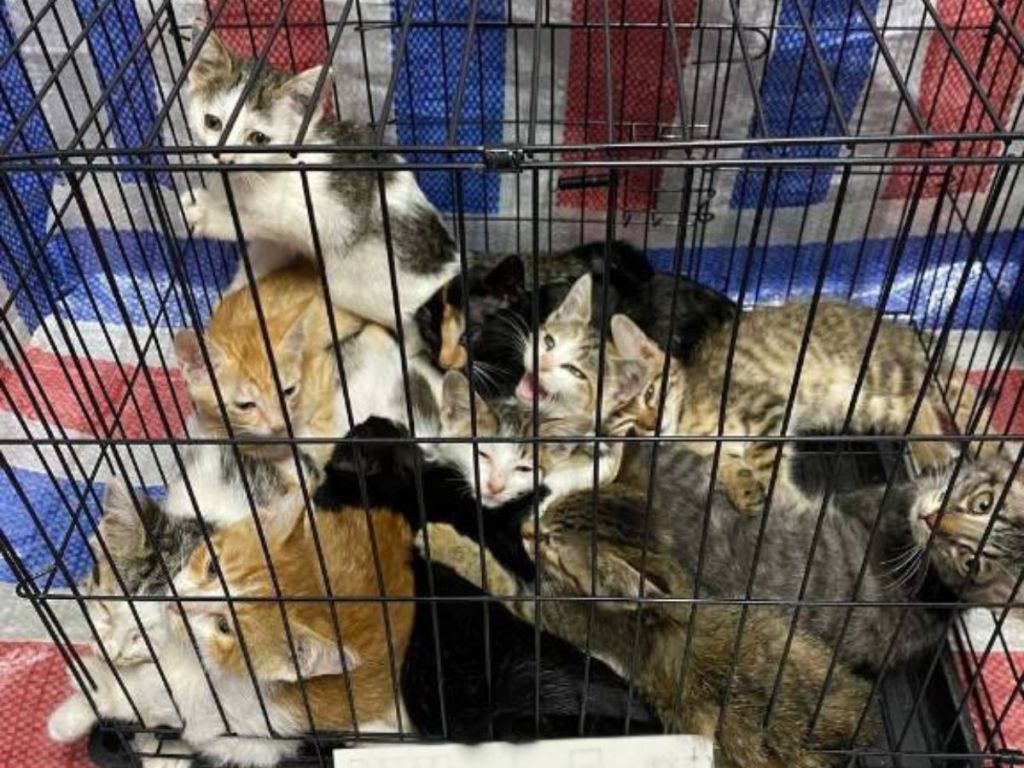
Many people scrolling through various social media sites are completely unaware of sinister channels and private groups that promote and distribute graphic and heartbreaking content of cats and other animals being sadistically maimed, tortured, and killed for views and money. Tell social media platforms to shut these accounts down!
Between July 2020 and August 2021, the Social Media Animal Cruelty Coalition documented 5,480 instances of animal cruelty content found on YouTube, Facebook, or TikTok, which didn’t even include private groups or conversations specifically set up to exchange cruelty content. However, just those few thousand videos were viewed a staggering 5,347,809,262 times.
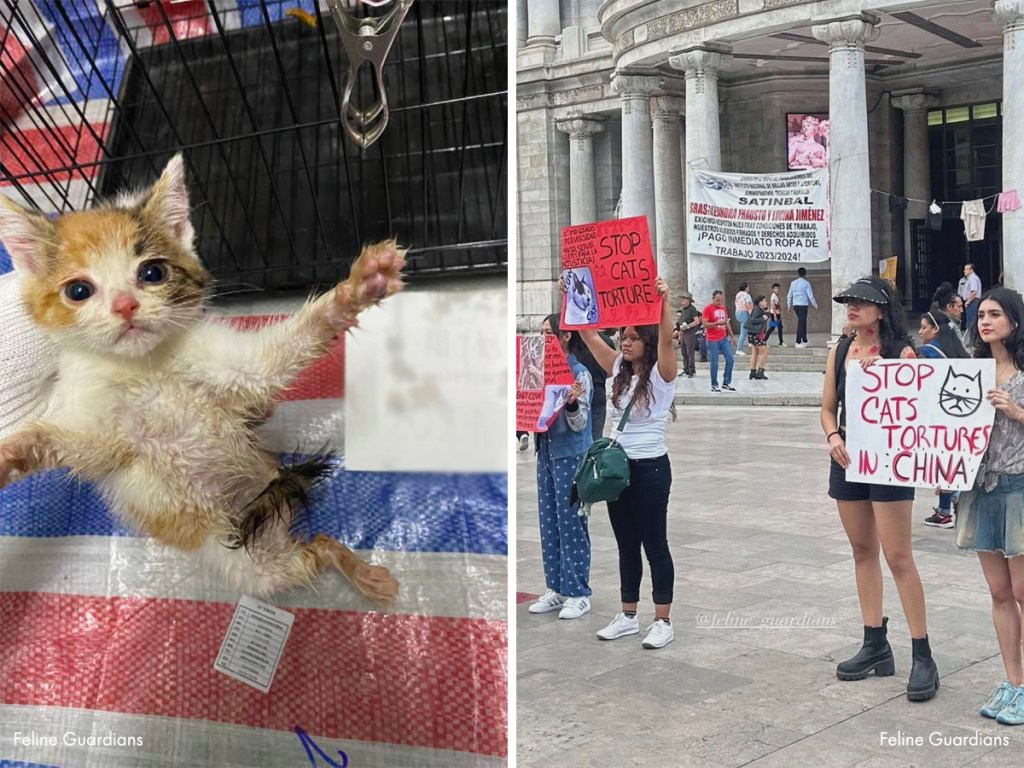
In 2023, multiple horrifying videos of cats being tortured appeared online, causing global outrage. Investigative work by Feline Guardians found that the virality of this content led to subsequent cat torture rings producing and distributing hundreds of new torture videos that circulated across Telegram and other social media platforms.
Between May 2023 and June 2024, an estimated 500 cats became victims of unspeakable cruelty at the hands of members of this cat torture network, with 31 cats killed by a single person.
Further data collected shows an alarming 300% increase in cat torture cases between December 2024 and early 2025, particularly originating from China.
This organized group of criminals was found to be mass producing videos, largely in China, to take advantage of a lack of animal cruelty laws, sharing them on social media, creating websites on the dark net to distribute videos, and using Chinese social media sites to promote these websites and recruit members. To the frustration of Chinese activists and others working to shut this down, less than 1% of abusers have been investigated by authorities.
Dozens of groups on Telegram with thousands of participants are exchanging as much as 100+ of videos daily of horrifying content. More troubling still are the attempts to encourage children and young adults to watch and commit animal torture themselves.
Tragically, this has been found to be an international issue with cruelty content originating from many countries with multiple platforms involved, and it’s been linked to other criminal activity, such as child sex abuse material, terrorism, animal theft, and extortion.
Platforms that allow users to engage in the production and distribution of this content must take action to stop it.
… please refer to the page for contacts/suggestions …
Trump’s FDA and EPA are phasing out animal testing
Published April 13, 2025 11:47am EDT
The Trump administration is receiving an outpouring of support from animal advocacy groups, lawmakers and others for recent announcements to end animal testing within programs at the FDA and EPA.
“PETA applauds the FDA’s decision to stop harming animals and adopt human-relevant testing strategies for evaluating antibody therapies,” Kathy Guillermo, PETA senior vice president, said in a statement.
“It’s a significant step towards meeting the agency’s commitment to replace the use of animals – which PETA has worked hard to promote. All animal use, including failed vaccine and other testing on monkeys at the federally-funded primate centers, must end, and we are calling on the FDA to further embrace 21st-century science,” the PETA statement continued.
PETA’s statement followed the Food and Drug Administration announcement on Thursday that it is phasing out an animal testing requirement for antibody therapies and other drugs in favor of testing on materials that mimic human organs, Fox Digital first reported.
“For too long, drug manufacturers have performed additional animal testing of drugs that have data in broad human use internationally. This initiative marks a paradigm shift in drug evaluation and holds promise to accelerate cures and meaningful treatments for Americans while reducing animal use,” FDA Commissioner Martin A. Makary, said in comments provided to Fox News Digital.
“By leveraging AI-based computational modeling, human organ model-based lab testing, and real-world human data, we can get safer treatments to patients faster and more reliably, while also reducing R&D costs and drug prices. It is a win-win for public health and ethics.”
Dogs, rats and fish were the primary animals to face testing ahead of Thursday’s announcement, Fox Digital learned.
The phase-out focuses on ending animal testing in regard to researching monoclonal antibody therapies, which are lab-made proteins meant to stimulate the immune system to fight diseases such as cancer, as well as other drugs, according to the press release.
Instead, the FDA will encourage testing on “organoids,” which are artificially grown masses of cells, according to the FDA’s press release.
Environmental Protection Agency chief Lee Zeldin announced on the same day that the agency would reinstate a 2019 policy from the first Trump administration to phase out animal testing at that federal agency. The EPA said in comment that the Biden administration moved away from phasing out animal testing, but that Zeldin is “wholly committed to getting the agency back on track to eliminating animal testing.”
“Under President Trump’s first term, EPA signed a directive to prioritize efforts to reduce animal testing and committed to reducing testing on mammals by 30% by 2025 and to eliminate it completely by 2035. The Biden administration halted progress on these efforts by delaying compliance deadlines. Administrator Zeldin is wholly committed to getting the agency back on track to eliminating animal testing,” EPA spokesperson Molly Vaseliou told the Washington Times.
The EPA’s and FDA’s recent announcements also received praise from animal rights groups, including the White Coat Waste Project, which reported in 2021 that the National Institute of Allergy and Infectious Diseases spent hundreds of thousands of dollars under Dr. Anthony Fauci’s leadership to test beagle dogs with parasites via biting flies.
“Thank you @DrMakaryFDA for your years of advocacy & outstanding leadership to eliminate FDA red tape that forces companies & tax-funded federal agencies to conduct wasteful & cruel tests on dogs & other animals!” the group posted to X last week.
“White Coat Waste made historic progress under Trump 45 to cut wasteful and cruel animal testing at the EPA and FDA, some of which was undone by the Biden Administration,” Justin Goodman, senior vice president at White Coat, told Fox News Digital on Sunday.
“We applaud Administrator Zeldin and Commissioner Makary for picking up where Trump left off and prioritizing efforts to cut widely-opposed and wasteful animal tests. This is great news for taxpayers and pet owners as it sends a message to big spending animal abusers across the federal government: Stop the money. Stop the madness!”
Other animal rights groups and lawmakers praised the Trump administration for its recent moves to end animal testing.
“We’re encouraged to see the EPA recommit to phasing out animal testing – a goal we’ve long championed on behalf of the animals trapped in these outdated and painful experiments,” Kitty Block, president and CEO of Humane World for Animals, said in a press release. “But promises alone don’t spare lives. For too long, animals like dogs, rabbits and mice have endured tests that inflict suffering without delivering better science. It’s time to replace these cruel methods with modern, humane alternatives that the public overwhelmingly supports.”
Other groups have come out and warned that there is not yet a high-tech replacement for animals within the realm of biomedical research and drug testing, and that humane animal testing is still crucial to test prospective drugs for humans.
“We all want better and faster ways to bring lifesaving treatments to patients,” National Association for Biomedical Research President Matthew R. Bailey said in a press release provided to Fox Digital. “But no AI model or simulation has yet demonstrated the ability to fully replicate all the unknowns about many full biological systems. That’s why humane animal research remains indispensable.”
Under his first administration, Trump took other steps to protect animals, including signing the Preventing Animal Cruelty and Torture Act into law in 2019, which made intentional acts of cruelty a federal crime.
***************************
NIH Just Declared a Scientific Revolution! Here’s How PETA’s Been Leading the Charge
Published April 29, 2025 by Keith Brown. Last Updated April 30, 2025.
The National Institutes of Health (NIH) just lit a fire under scientific research, declaring a fundamental change in its funding away from cruel and outdated experiments on animals and shifting both money and focus toward non-animal research methods. In short, what PETA has been working for and advocating for years.
This move cannot be understated. It is a fork in the road, a 180-degree turn, a tectonic shift with far-ranging implications for humans and other animals that will ripple through science and biomedical research for generations. Finally recognizing that humans will never kill enough animals to treat the panoply of human maladies will free time and billions of wasted taxpayer dollars to pursue human-based solutions to human problems.
Animals benefit. Patients benefit. Taxpayers benefit. But make no mistake, PETA has been offering NIH the matches and kerosene for this well-deserved bonfire for years.
PETA has called on NIH to abandon the cruel, invasive, and deadly use of animals in experiments—practices that are not only ethically indefensible but scientifically backward. Animal experiments have repeatedly failed to produce effective cures or treatments for humans, wasting billions in taxpayer dollars and delaying progress in medical research. This has been a boondoggle of the highest order.
But a boondoggle that appears to be close to an end.
“By integrating advances in data science and technology with our growing understanding of human biology, we can fundamentally reimagine the way research is conducted—from clinical development to real-world application,” said NIH Director Dr. Jay Bhattacharya. “This human-based approach will accelerate innovation, improve healthcare outcomes, and deliver life-changing treatments. It marks a critical leap forward for science, public trust, and patient care.”
We could scarcely have said it better ourselves. In fact, we have. Repeatedly, daily, loudly, and to anyone who would listen and many who would not. PETA scientists have been touting our Research Modernization NOW—a roadmap to phase out pointless and deadly animal experiments.
NIH has adopted several recommendations from Research Modernization NOW in the announcement, including expanding funding, training, and infrastructure for non-animal methods and mitigating bias towards experiments on animals in NIH grant review panels, a problem that PETA scientists recently exposed in a first-of-its-kind study.
NIH’s announcement ushers in a new era of science—one rooted in relevance, compassion, and innovation. It’s major progress for every person who cares about animals, values human health, and demands the U.S. lead the world in scientific excellence. PETA looks forward to supporting this transformative shift and ensuring it results in real, lasting change for both humans and other animals.
PETA understands that taking this bold stance will inevitably invite criticism from entrenched interests who have long profited from the misery and the failure of animal experimentation. PETA thanks Dr. Bhattacharya for his—our—conviction that the path forward is compassionate, scientific, and animal-free. It is.
There is still more work to do. One key step is to close the seven failed National Primate Research Centers have harmed and killed hundreds of thousands of monkeys and are an anchor on taxpayer dollars and science, failing to deliver promised vaccines or cures for 60 years.
A new set of figures showing the scale of suspected illegal fox hunting and the havoc being inflicted on rural communities by fox hunts has been released today by national animal welfare charity the League Against Cruel Sports.
Nearly 1,600 incidents – consisting of 474 reports relating to suspected illegal hunting, which include 397 reports of foxes being chased, and 1,117 reports of hunt havoc – were recorded in the League’s end of season fox hunting report.
Emma Judd, head of campaigns at the League Against Cruel Sports, said: “These shocking figures underline why the government has announced it will launch a consultation to ban trail hunting later this year, something we are urging them to publish without delay.
“But, more than that, the Hunting Act also needs to be strengthened by removing its loopholes, which are exploited by hunts to avoid prosecution for illegal hunting, and for custodial sentences to be introduced for those who persist in breaking the law.”
The League’s figures reveal that the west of England was a particular fox hunting hot spot, with Gloucestershire, Dorset and Somerset recording the highest figures of all the counties in England and Wales.
Dorset and Somerset’s Blackmore and Sparkford Vale Hunt, four members of which were convicted of illegal hunting this week, was the worst offending hunt in the country – with 61 reports relating to suspected illegal hunting, including 48 reports of foxes being chased and 83 reports of hunt havoc.
The Warwickshire Hunt, a member of which was convicted of illegal hunting last month after the court dismissed his claim that the hunt was following a trail, was also one of the worst offending hunts, with reports of the hunt chasing 20 foxes.
The figures cover the cub hunting season, which began in August, and then the main fox hunting season, from November 2024 to the end of March 2025.
The havoc caused by hunts includes anti-social behaviour and activities inconsistent with trail hunting, the discredited excuse used by hunts since the fox hunting ban in which they claim to claim to follow pre-laid trails.
These activities included hounds being struck on a busy road or railway line where no trail would have been laid, digging up badger setts to get to foxes that have fled underground, trespass – including in people’s private gardens – and causing harm or distress to other animals, such as family pets.
Trail hunting has been described by Temporary Assistant Chief Constable Matt Longman, the national lead on fox hunting crime, as a “smokescreen for illegal fox hunting”. He has also described illegal hunting as “prolific”.
The figures are compiled from the charity’s confidential Animal Crimewatch service and hunt monitors’ reports by the League’s intelligence team, which is staffed by former police officers and civilian analysts.
Emma added: “These figures show the fox hunts have an appalling disregard for the law and are chasing and killing foxes as they did before the ban and inflicting misery on rural communities.
“The time for change is now. New stronger fox hunting laws are needed to consign this barbaric activity to the history books.”
Members of the public can contact the League’s Animal Crimewatch service on 0300 444 1234, email crimewatch@league.org.uk or WhatsApp at 0755 278 8247.
New statistics show the scale of suspected illegal fox hunting which took place over the latest fox hunting season – including hundreds of foxes seen being chased – and how urgent it is for the ban on hunting with dogs to be strengthened.
The government has announced that it will launch a consultation on banning trail hunting later this year. This is welcome and must happen soon.
But if we are to stop illegal hunting for good, the plans must go further and include removing exemptions in the law and introducing prison sentences for those who would break the law.
Please contact your MP and tell them it’s time for change. Ask them to write to the Environment Secretary to urge him to act quickly to close all the loopholes in the hunting ban.
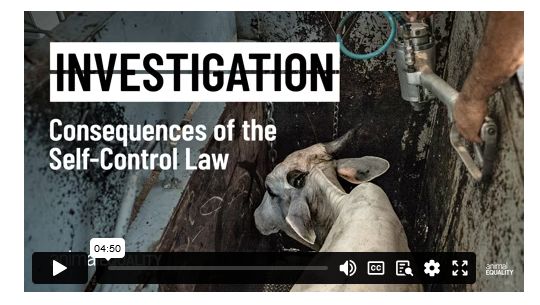
In 2024, Animal Equality found major violations in São Paulo slaughterhouses, where cows and chickens were mistreated under Brazil’s Self-Control Law.
In 2022, an earlier investigation revealed cruelty at pig and cow slaughterhouses in Minas Gerais and Pará, warning about the dangers of the Self-Control Bill.
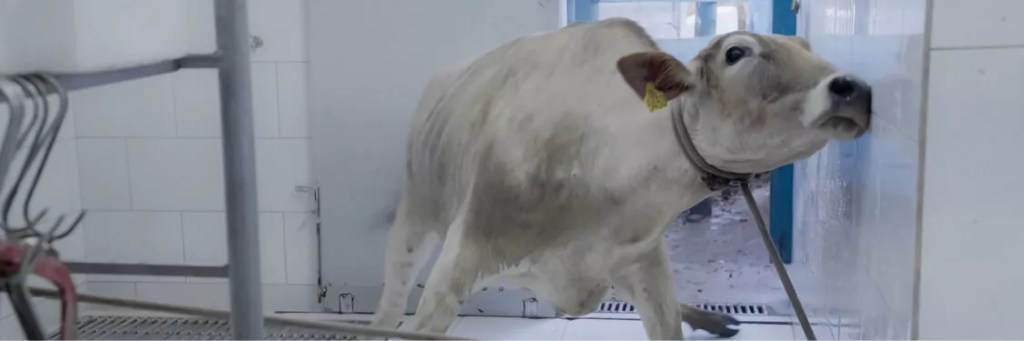
Workers were seen twisting animals’ tails, kicking them, and using electric shocks on sensitive areas like the head and genitals.
Some animals were skinned and dismembered while still alive.
These findings point to a global problem as U.S. slaughterhouses speed up production lines, increasing risks for animal cruelty.
Animal Equality’s investigation reveals the impact of Brazil’s 2022 Self-Control Law, which reduced government oversight of slaughterhouses. The findings uncover rampant cruelty and violations, with profits prioritized over animals, public health, and transparency.
The latest investigation, featuring never-before-seen footage, uncovers significant failures in cow and chicken slaughterhouses in rural São Paulo.
These facilities were already following a state-level version of the Self-Control Law before it was implemented across the country. Investigators found widespread violations of handling and slaughter rules set by Brazil’s Ministry of Agriculture and Livestock.
2022 investigation: Early warnings ignored
In 2022, Animal Equality issued an urgent warning about the risks of the Self-Control Bill. Investigating pig and cow slaughterhouses in the states of Minas Gerais and Pará, the team uncovered a critical shortage of government inspectors.
Without proper oversight, workers were left to enforce safety and animal protection rules on their own, resulting in widespread violations. Despite these findings, the bill became law.
Between the 2022 and 2024 investigations, Animal Equality documented:
Intentional cruelty:
Tail twisting and kicking animals in the face.
Use of high-frequency electric shocks on prohibited areas, including the head, tail, genitals, and anus.
Stunning failures:
Animals were tied with ropes instead of being secured in proper stunning boxes, making effective stunning nearly impossible.
Captive bolt pistols were used incorrectly, leading to failed attempts to stun animals.
Broken stunning tools were not fixed, forcing some animals to endure up to seven failed stunning attempts.
No staff were assigned to ensure stunning was effective. When animals showed signs of consciousness–such as eye movement or lifting their heads–workers often did not repeat the stunning unless the animal became too agitated to manage.
Delayed slaughter:
Stunned animals were left for over two minutes before slaughter, exceeding legal limits meant to prevent them from regaining consciousness:
Non-penetrating captive bolt pistols deliver a blunt impact to the head, causing a concussion without breaking the skull. Animals must be slaughtered within 30 seconds, as this method loses effectiveness quickly.
Penetrating captive bolt pistols use a bolt to penetrate the skull, causing deeper and longer-lasting unconsciousness. This method allows up to 60 seconds before slaughter must take place.
Delays beyond these limits caused animals to regain consciousness, leading to extreme suffering.
Mutilations while conscious:
Workers did not wait the required three minutes after slaughter to ensure animals were dead before mutilating them. This resulted in animals being skinned and dismembered while alive.
Poor facility conditions:
Overcrowded pens with more animals than recommended.
Animals left in extreme heat without shade or water.
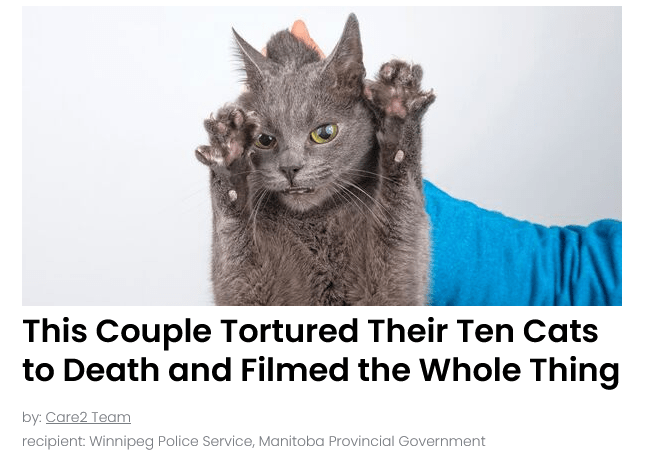
2 people arrested after 10 cats tortured, killed in ‘horrible’ animal cruelty case: Winnipeg police
Police believe some of the cats were bought through social media for torture videos posted to dark web
CBC News · Posted: Oct 11, 2024 12:43 PM EDT | Last Updated: October 12
WARNING: This story contains disturbing details.
A 40-year-old man and a 55-year-old woman have been arrested and charged with torturing and killing 10 cats, Winnipeg police say.
They allege the two posted videos and photos of animal torture content on the dark web, after some of the cats were bought through social media.
The content was viewed by a citizen and turned in to the provincial veterinarian, who sent the content to police in August 2024, police said at a news conference Friday. The animal torture content was posted online between May and August.
That led to an investigation during which a search warrant was executed in the Lord Roberts area of south Winnipeg. The two people were arrested and evidence was seized, police said at a Friday news conference.
Police said they found evidence of animal cruelty in the home, and located 10 cats and a rabbit during their investigation, but no animals found were alive.
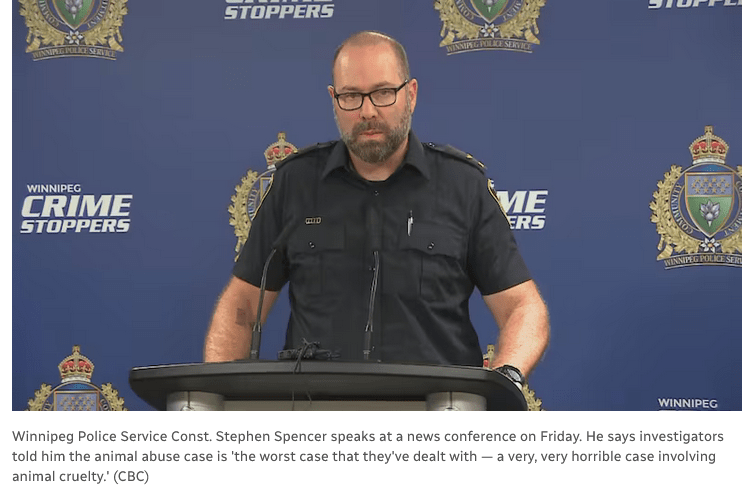
“Investigators told me that this is the worst case that they’ve dealt with — a very, very horrible case involving animal cruelty,” Winnipeg Police Service spokesperson Const. Stephen Spencer said.
He said that when people are involved in crimes against animals, that violent behaviour can escalate and involve humans, but there is currently no evidence to suggest intent to harm people in this case.
Spencer also said while police have received reports of cats being found dead in the Point Douglas area, it’s not believed at this point the two cases are related. The police service’s major crimes unit is still investigating the Point Douglas reports, as well as the Lord Roberts case, he said.
The two Winnipeggers who were arrested were known to police. They are in police custody and charged with:
Killing or injuring animals.
Causing unnecessary suffering to an animal.
Failing to provide adequate medical attention for an animal when it is wounded or ill.
Inflicting acute suffering, serious injury or harm upon an animal, or extreme anxiety or distress that significantly impairs its health or well-being.
Don’t support social media sellers: Humane Society
Andrew Clarke, director of investigation and emergency response for the Winnipeg Humane Society and a former police officer, says about two-thirds of the thousands of calls his department gets are related to some form of animal mistreatment or abuse, but that a case like this is very rare.
“It is disturbing,” Clarke said during an interview on CBC Radio’s Up to Speed. “These are serious charges that [police have] laid, and they obviously feel confident they got, unfortunately, the evidence to back them up.”
Clarke said that while the number of calls has remained consistent over the last couple years, animal removals in the city have gone up in 2024, adding that it might be in part due to people no longer being able to take care of their pets because of economic headwinds.
This case highlights why people should not support sellers advertising pets on social media, he said, urging prospective pet owners to instead visit reputable rescues in the city.
Winnipeg police said anyone with concerns about the welfare of animals can contact the provincial animal care line at 204-945-8000.
People can also contact the Winnipeg Police Service regarding criminal incidents involving animals, or make a report anonymously to Crime Stoppers at 204-786-8477 (TIPS) or winnipegcrimestoppers.org.
Unfortunately what we see here is all too familiar – we’ve seen it before in China, and the “Cat Torture Ring” here discussed also (please search for “Cat Torture Ring” on this site). And it is as we feared – “inspiration” has clearly been taken from that example, and is spreading globally.
With the only difference in this case, that people have been arrested on charges, and will be taken to court and sentenced. With China, we are a long way away from that.










 World Animals Voice