

18 February 2022
Four Paws
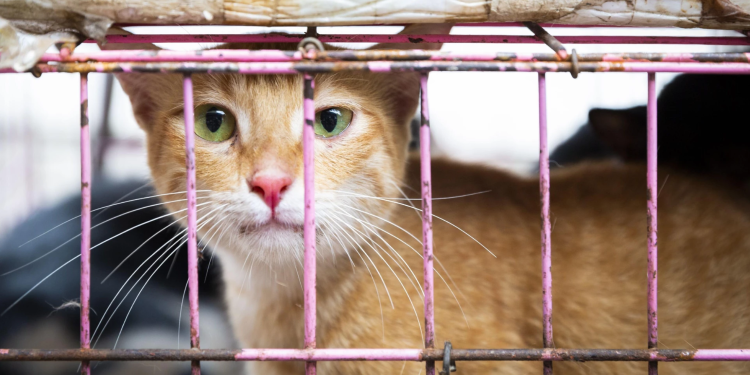
As investigated by Eurogroup for Animals’ member, Four Paws, every year over 10 million dogs and cats are killed for their meat in Southeast Asia, with Indonesia, Cambodia, Vietnam hosting the most robust dog meat trade in the region.
Animals of unknown health status are sourced to supply the trade from multiple locations. Traumatised, diseased, with depleted immune systems and without food and water they are transported in poor hygiene conditions, in many cases, for thousands of kilometres and cross-border, often mix with other species at marketplaces, slaughterhouses and restaurants. Why should it matter to the EU to bring this trade to an end?
MEP Petras Auštrevičius, is Chair of Companion Animals Working Group of the European Parliament Intergroup on Animal Welfare and Conservation.
Many people do not realise that while in the EU most cats and dogs are treated as companion animals, there are other parts of the world where cats and dogs would be qualified as farm animals. Would you be able to elaborate on that? Why is such meat imported and what are the countries that import it?
It is estimated that annually 10 million dogs and cats are killed for human consumption in Vietnam, Cambodia and Indonesia. The trade involves extreme animal cruelty during capture, transport, holding and slaughter with dogs and cats often stolen or forcefully taken from their owners. In Vietnam the trade kills approximately 5 million dogs and 1 million cats, in Cambodia 3 million dogs and an unknown number of cats, and in Indonesia 1 million dogs and hundreds of thousands of cats. The trade is also existent in Africa, although poor data on the topic are available. The meat is largely found as a delicacy, however, there is quite poor social support for continuation of this trade. A great majority of Vietnamese, Cambodian and Indonesian citizens do not see the future for the cat and dog meat trade. The speakers and participants agreed that now is the time for ASEAN countries to ban the cat and dog meat trade and enforce their legislation on animal movement and rabies eradication to protect the consumers and prevent future pandemics.
Looking at the immediate impact on animals, why is it a particularly cruel trade for the animals?
Animals of unknown health status are sourced to supply the trade from multiple locations. Traumatised, diseased, with depleted immune systems and without food and water they are transported in poor hygiene conditions, in many cases, for thousands of kilometres and cross-border, often mix with other species at marketplaces, slaughterhouses and restaurants.
Why does the dog and cat meat trade matter to Europe? What risks does this trade bring?
The cat and dog meat trade and consumption pose a significant human health risk and severe diseases like rabies, cholera and trichinellosis are associated with it. Moreover, the meat contains high levels of antibiotic residues leading to antimicrobial resistance. Finally, mutated canine influenza or canine coronavirus carry a potential of infecting and spreading to humans giving sufficient ground to future pandemics. While human health risks are largest in the source countries, EU citizens can be affected as well. Disease outbreaks and zoonoses can jeopardise European travellers in Southeast Asia. Mutated viruses can be imported through pets rescued from the meat trade. Therefore, the EU has a direct interest to stop the cat and dog meat trade. Nobody expected the outcomes of COVID-19, that is why we must not be complacent.
Are there regulations in place at EU level to address this situation? Have these been sufficient?
ASEAN Delegation outlined the need for the European Parliament to address this issue, as well as for the ASEAN Delegation to commit relevant ambassadors to change. There are certainly things the European Parliament has and will be calling for, however the initiative for any concrete action lies with the European Commission. As there is currently no exchange of data on the movement of cats and dogs, as well as no tracking of animals, even across the EU, it is quite easy to imagine the worst case scenario. In particular, with the increase of demand for cats and dogs, and trends across the foreign rescue animals which is concerning when the health status of the animals is not properly screened.
Is there a way that we can encourage the EU and Member States to improve their response and finally put an end to this trade?
Certainly, the EU and the Member States must raise awareness among their citizens. A ban on the trade and consumption of dog and cat meat and introduction of legislation, as regulation would not resolve the cruelty involved therein and alleviate all health risks are the way forward. Such bans exist in China, the Philippines, Taiwan, Singapore, Hong Kong, and Thailand.
Want to learn more about the dog and cat meat trade?
Regards Mark
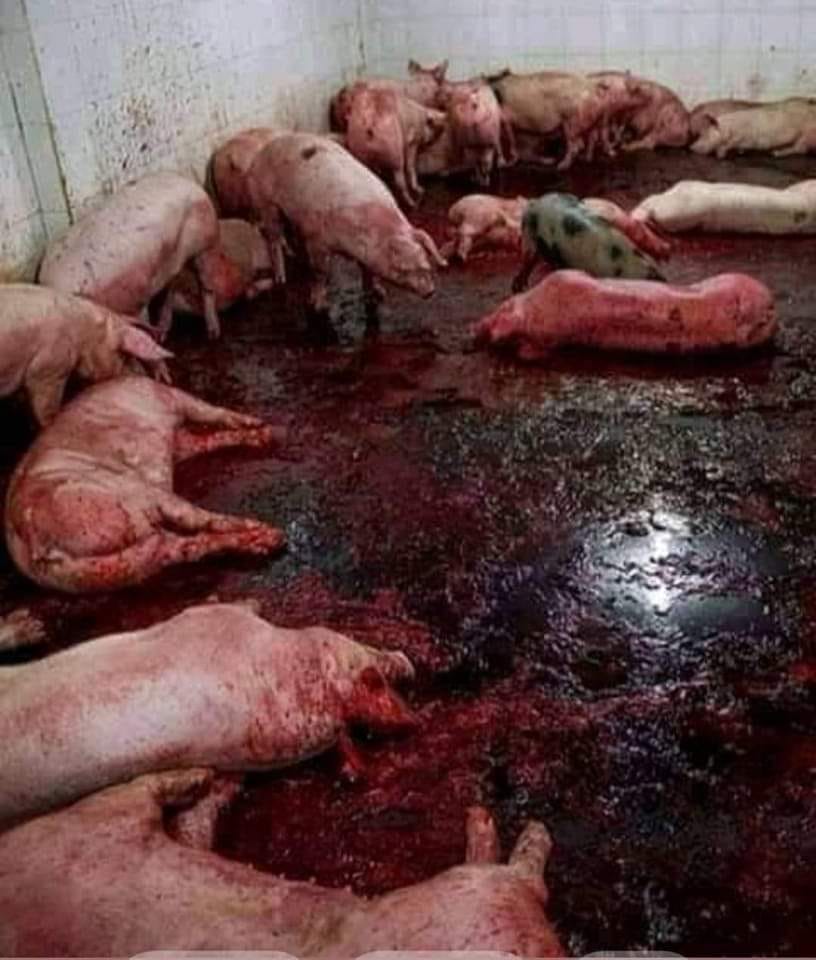
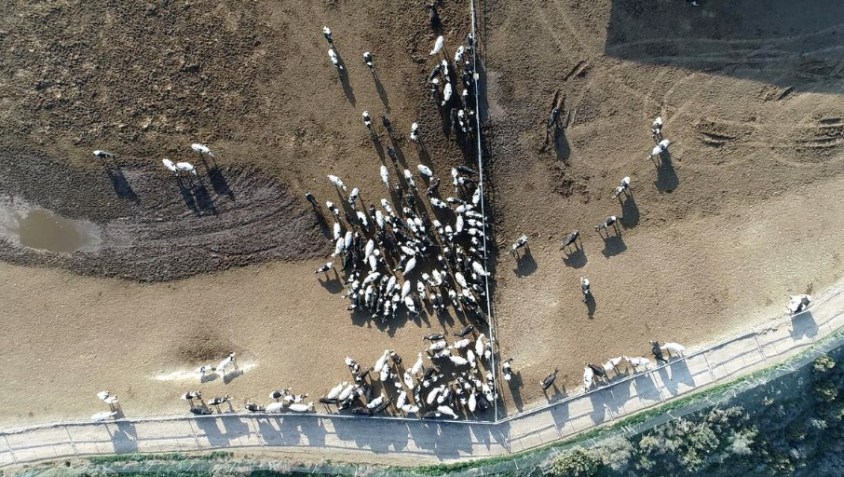
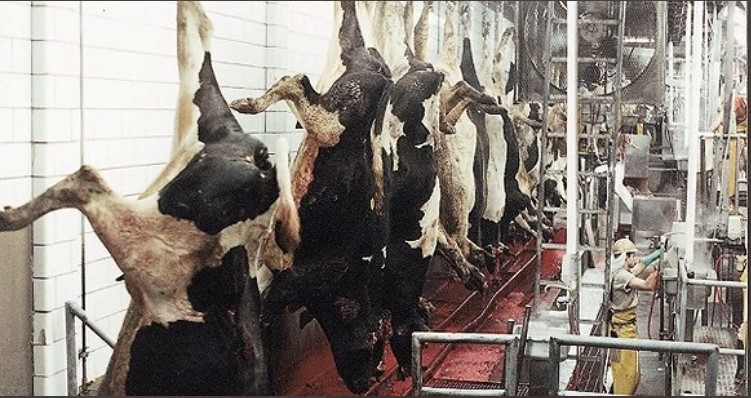
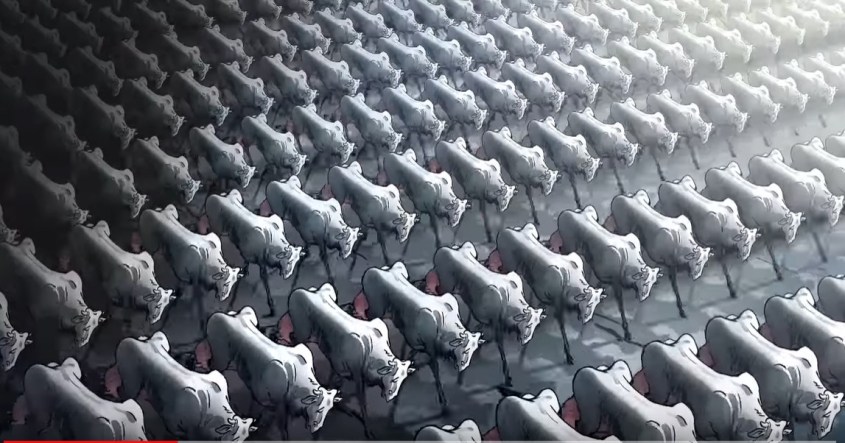 This farm has nothing to do with the European model of livestock farming.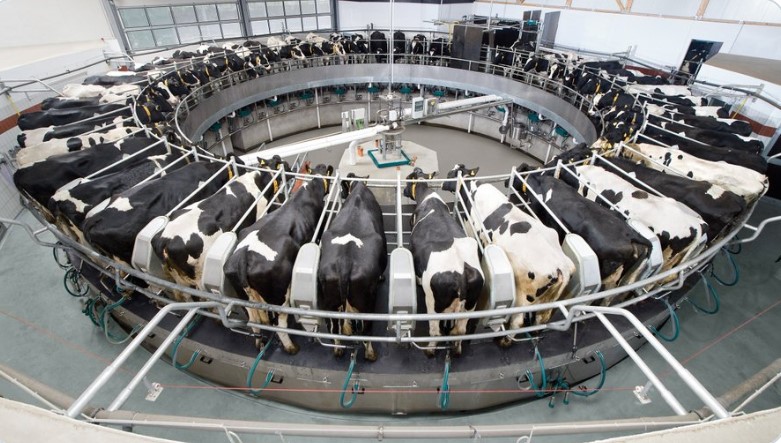
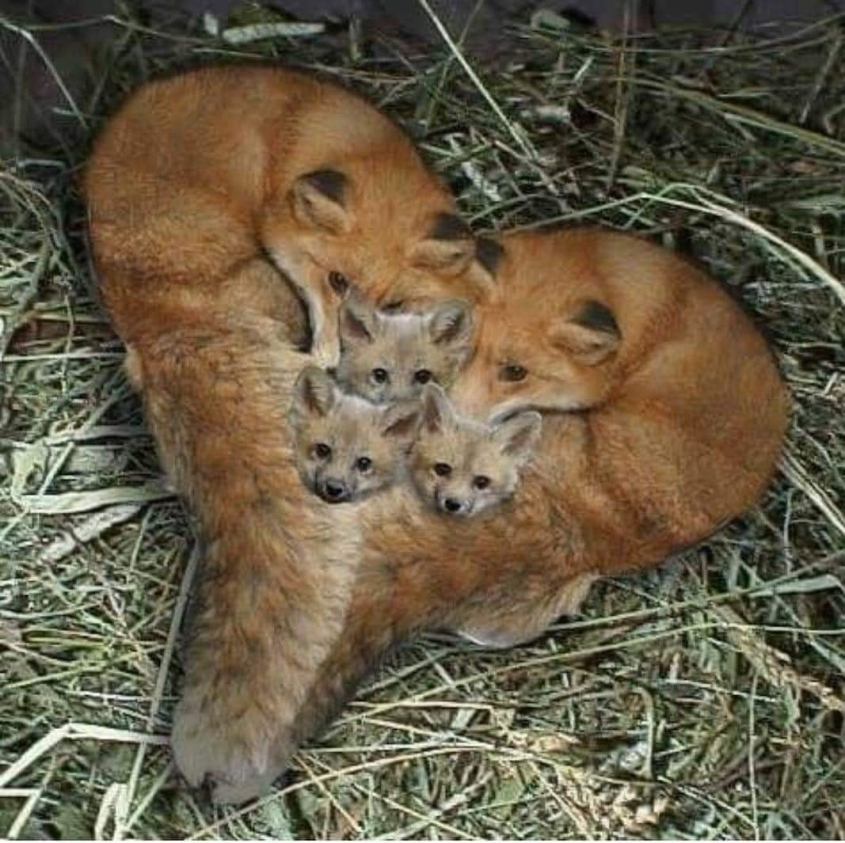
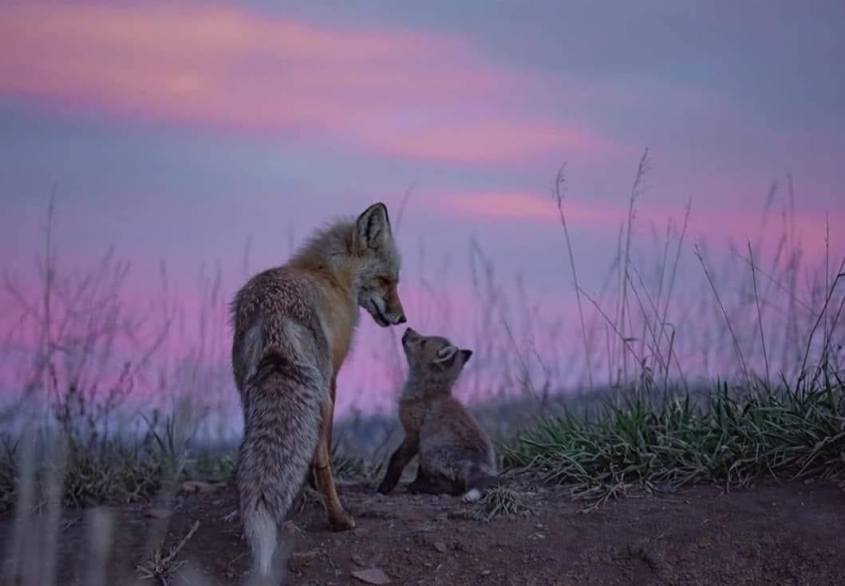
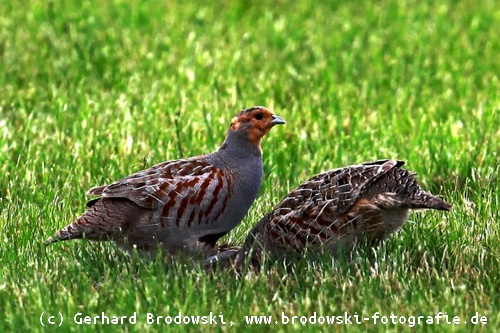 According to the Minister for the Environment, the loss of biodiversity, particularly among ground breeders, is due to the destruction of the habitat and the associated loss of insects as a source of food.
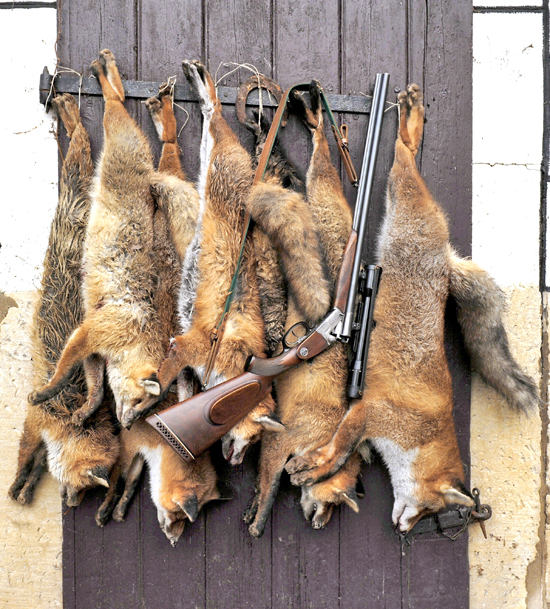 Every year well over 400,000 red foxes die in Germany from hunting!
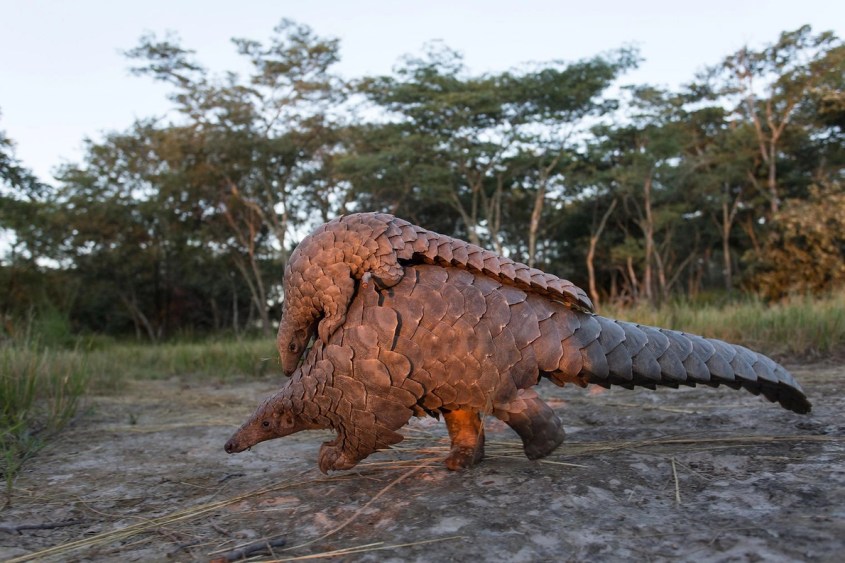
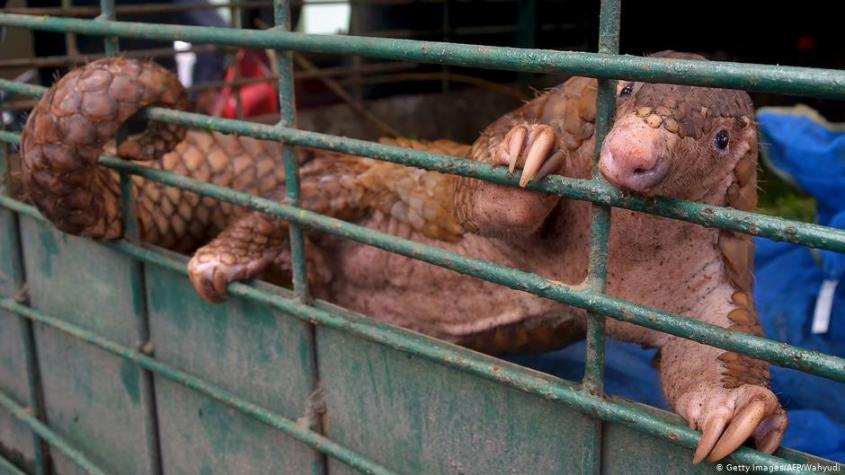
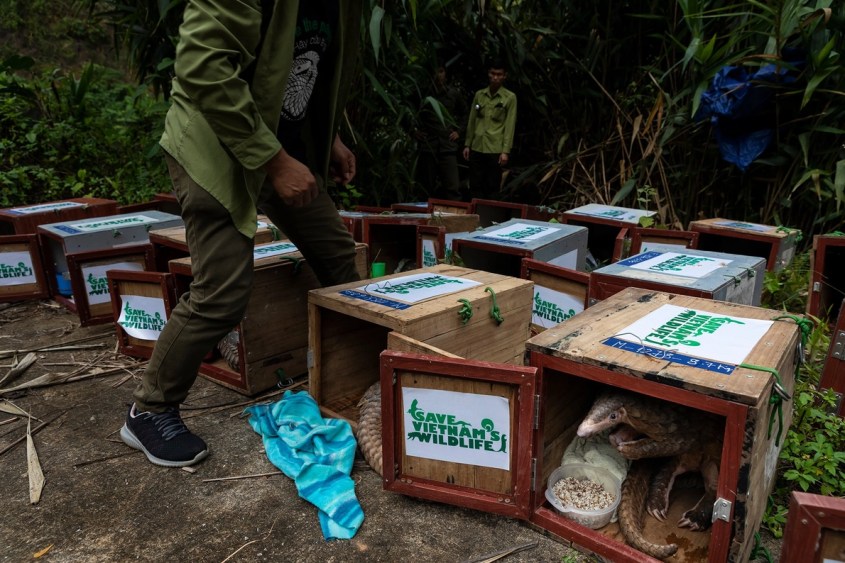
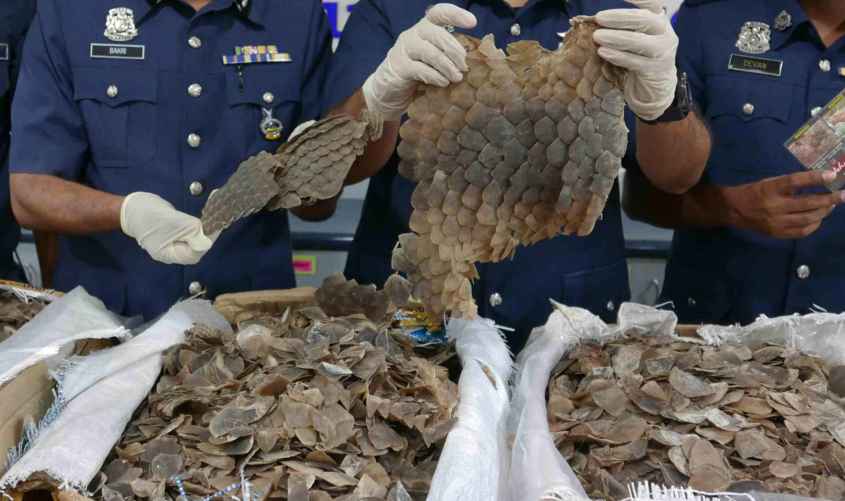 The ills they supposedly cure include “excessive nervousness and hysterical crying in children, women possessed by devils and ogres, malarial fever and deafness” (Nature 141, 72-72, 08 January 1938).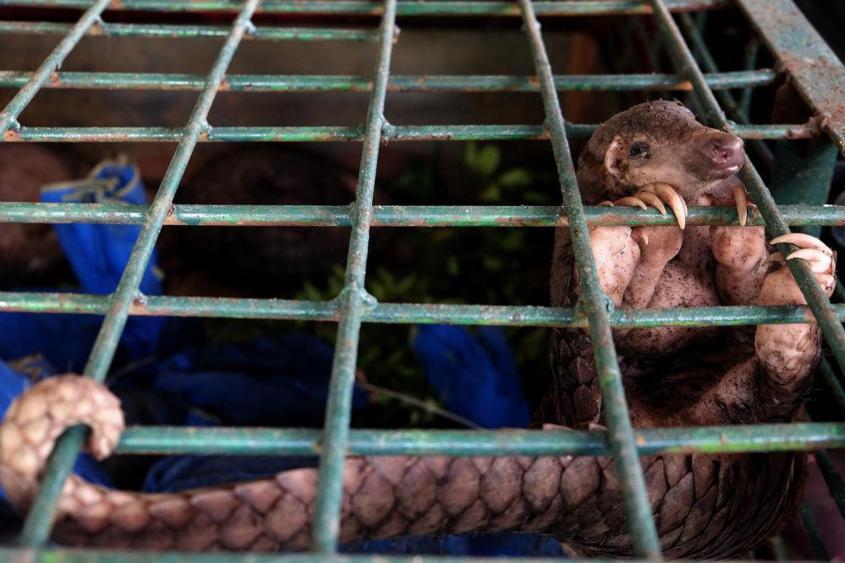
 “Attention animal owners at demonstration If you are unable to care for your animal as a result of enforcement actions, your animal will placed into protective care for 8 days, at your cost. After 8 days, if arrangements are not made, your animal will be considered relinquished. pic.twitter.com/OkbXc8RE3c”





 The Swedish authority writes: “Using the whip in horse racing is just not going to be a thing in 2022.”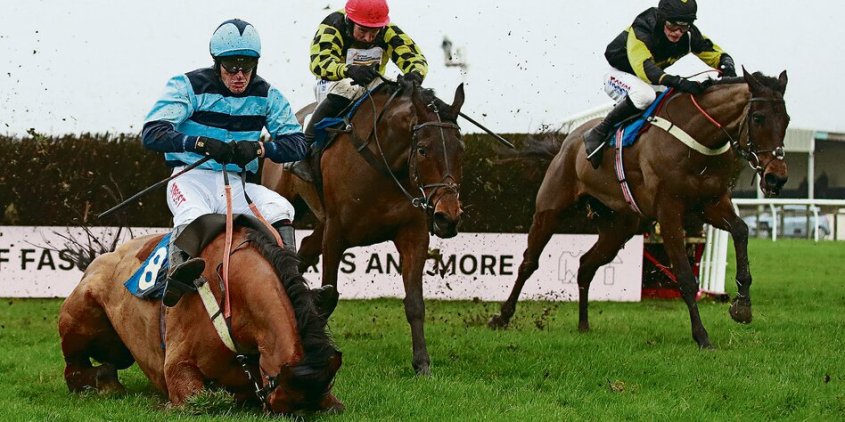


 In the industry, bleeding from the lungs, ruptured aorta and gastric ulcers are accepted for profit reasons: the psychological stress promotes gastric ulcers, and bloody nostrils can be observed in many animals after the race as a sign of bleeding in the lungs.
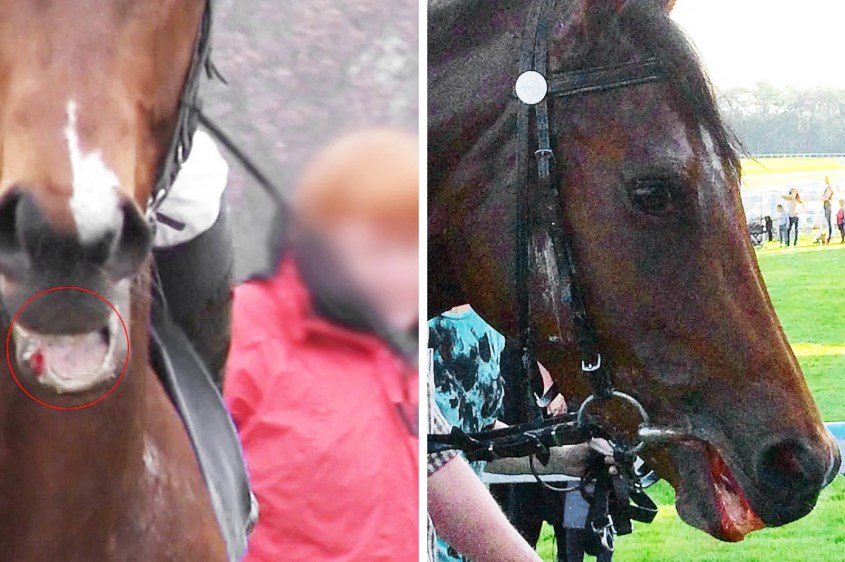 As soon as the animals no longer perform as expected, they are “sorted out”.

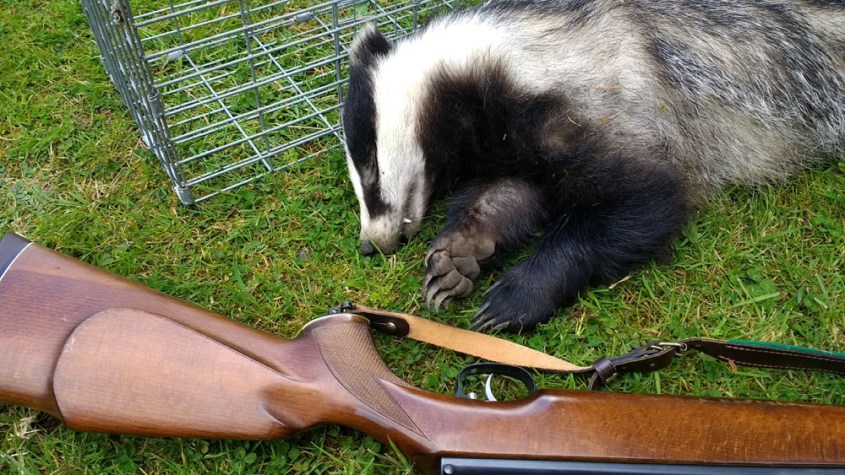
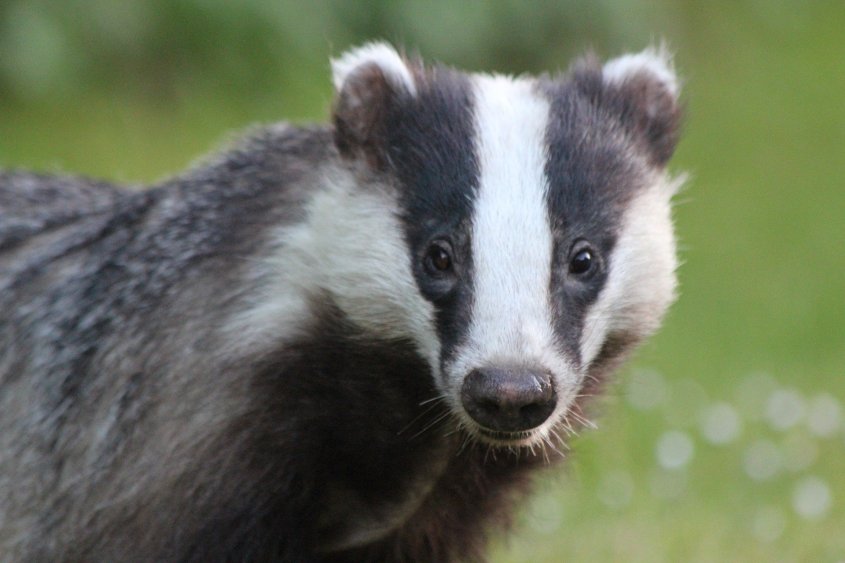
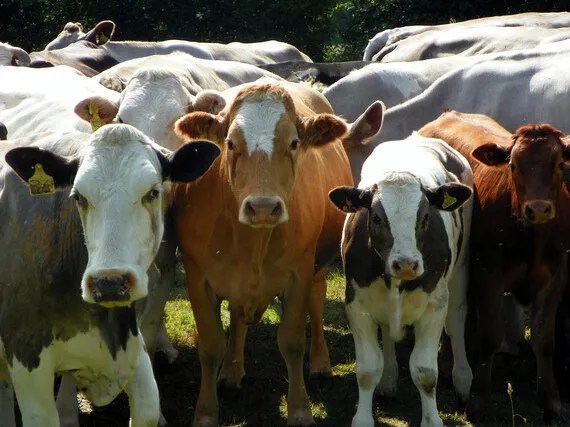
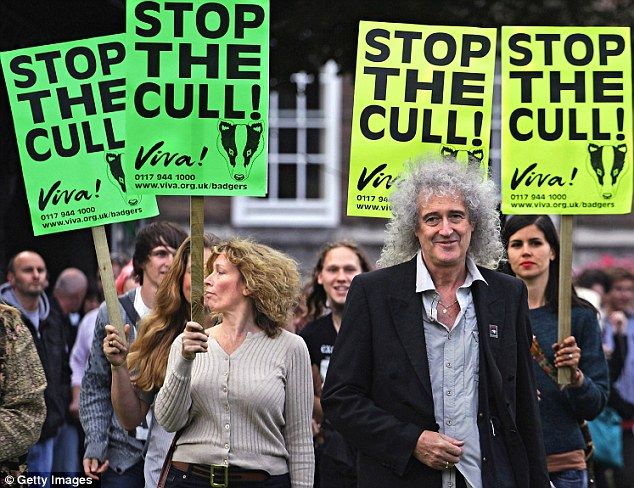
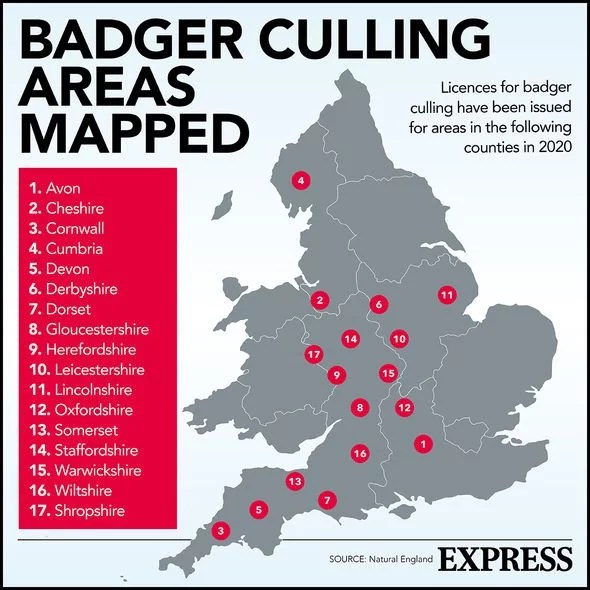 New licences have been issued in areas in Lincolnshire, Wiltshire, Warwickshire, Somerset, Shropshire, Oxfordshire, Leicestershire, Herefordshire, Gloucestershire, Derbyshire and Avon.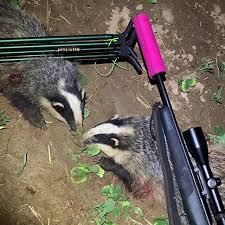
 World Animals Voice