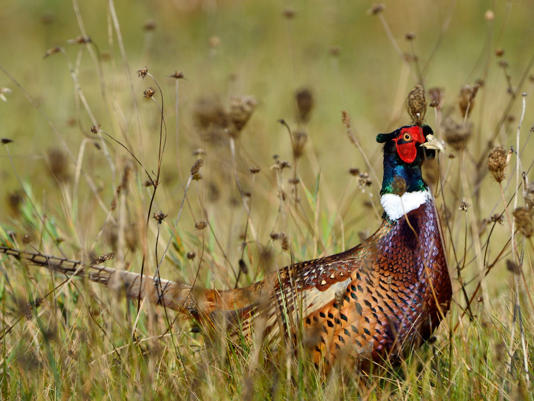
‘Immediate ban’ needed on annual release of 50 million pheasants amid bird flu outbreak, says RSPB
An immediate moratorium on the release of tens of millions of birds for shooting is needed to limit the “catastrophic spread” of bird flu, the RSPB has said.
Highly pathogenic avian influenza (HPAI) has devastated seabird populations around the UK’s coast this year, leaving hundreds of thousands of birds dead since it arrived last winter in the Solway Firth in the north west.
The RSPB has now said the annual release of around 55 million pheasants and red-legged partridges, and 2.6 million mallard ducks, all of which are reared in captivity to be shot for sport, represents a serious risk to wildlife.
The organisation said large numbers of these gamebirds are imported from across Europe, then held in pens to mature prior to release.
The volume of birds released into the UK each year now represents more than the total biomass of all UK native birds.
Pheasants in the UK have previously tested positive for HPAI – first in Lincolnshire in 2018 and a further 13 times since, on three premises with commercial breeding game for release.
In a statement the RSPB said it believed “that to limit the catastrophic impacts of this outbreak on our wild birds, the deliberate release of captive birds into the countryside must be stopped for this year”.
Jeff Knott, the RSPB’s director of policy, said: “In recent months we have witnessed an unfolding catastrophe taking place on our wild birds.
“It has been emotionally tough to witness, but we are not helpless and there are many positive actions that we can take to help them weather this storm and reduce the risk of exacerbating this crisis.
“This disease originated in poultry in Asia before passing into wild birds. It is another human pressure on beleaguered wildlife across the world and in the UK specifically. We must all now take responsibility and do everything we can to limit the impact in the immediate term, and to implement and fund species conservation programmes to build resilience in our wildlife for the future.”
The RSPB said that although spread from pheasants to wild birds has not yet been confirmed scientifically, this route of transmission has not yet been fully investigated.
“Given the current scale of the outbreak in wild birds, ongoing losses of wildlife from other human pressures and the context of the wider nature and climate emergency, it is necessary to employ a precautionary approach to all possible vectors of this deadly new virus to our wildlife populations,” the organisation said.
The disease has already taken a heavy toll on great skuas, gannets and terns, but numerous other species are also affected, including puffins, white-tailed eagles, red kites, guillemots and black-headed gulls.
The RSPB said last week it was calling on Defra to put together a task force of experts including vets, virologists, ecologists and policy makers, just as occurred in 2005 when the first spike in bird flu occurred.
This would allow appropriate testing to understand what is happening and inform how to deal with it.
The RSPB’s Martin Fowlie told The Independent: “Over the last five months we’ve just seen an escalation in terms of the numbers and in terms of the geographic spread. Initially it was all concentrated up in north east Scotland and then we’ve seen cases spread south.”
The disease has now reached south west Wales, home to globally important populations of seabirds such as gannets and puffins.
Many of you know that live animal transport (exports) are one of our main issues.
Here are some stories and links, and videos, from ‘Animal Equality’. There is a lot to take on, and so at the end I have given a link for you to complete the reading.
The top right ‘wire globe’ (in the link) allows you to convert translation into several languages if you desire.
Regards Mark
.
What are we doing to stop the transport of live animals?
The transport of live animals is one of the topics on which our team of researchers has focused the most in the last 10 years of research.
After a miserable life on a farm, every animal destined for human consumption ends up in the slaughterhouse.
But first, he is forced to endure another intolerable injustice: the transport phase.
A suffering that can last for days, weeks, months: an absurd journey towards death.
How many times have you traveled next to a truck from which you could glimpse, through small slits, animals crowded inside?
If you’ve ever encountered their eyes, you know what it means to see a living being suffer and not be able to do anything to ease their pain.
Because that is our job, what we have been doing tirelessly for more than 15 years around the world: we fight to end the suffering of animals raised for food.
To combat the transport of live animals, we are moving on several fronts: research is not enough, we need a precise strategy and that the institutions perceive us as authorised partners.
Here’s what we’re doing to counter the transport of live animals:
We have filed a complaint with the Directorate-General for Health of Agricultural Production;
We have filed a complaint that “is valid for an entire country”;
We have denounced and sanctioned non-compliant carriers whenever possible;
We have conducted 10 investigations in 10 years;
Thanks to our research work and political pressure, the Committee of Inquiry into the Transport of Live Animals (ANIT) was set up in the European Parliament;
We are working with ENPA and the Ministry of Health to increase roadside inspections.
THE LAWSUIT FOR IRREGULARITIES IN THE TRANSPORT OF LAMBS TO SAUDI ARABIA
Thanks to the images obtained during the shipment of lambs in the Port of Cartagena bound for Saudi Arabia that revealed acts of mistreatment, we were able to file a lawsuit with the General Directorate of Health of Agricultural Production.
The workers resorted to violence to force the lambs to move.
These practices are in breach of the European Union Regulation on the protection of animals during transport.
In addition to this demand, we also initiated a petition addressed to the European Commission and the Ministry of Agriculture, Food and Fisheries demanding the end of long-distance transport that has already been signed by more than 46,000 people.
THE COMPLAINT AGAINST SPAIN
THE CASE OF DRIFTING BOATS
The case that has led us tothe decision to file a complaint with the European Commission against Spain is the one that affects the ships Elbeik and Karim Allah, which left the Spanish ports of Tarragona and Cartagena, respectively, in the spring of 2021.
On board these ships were hundreds of thousands of animals, specifically 895 cattle in the Karim Allah and 1789 calves in the Elbeik. The animals were to be sold in Tripoli (Libya), but once they were denied disembarkation due to an alleged animal disease, the boats were leftadrift and remained so for more than two months.
During these very long weeks, the animals traveled locked in pens in chilling hygienic conditions, going back and forth from one country to another, without the possibility of being unloaded in a port or even being able to rest or feed.
TheSpanish authorities – which would be responsible for enforcing EC Regulation 1/2005 regulating the protection of live animals during transport – did not take any measures to put an immediate end to the extreme suffering of animals on board.
All this despite the fact that the authorities were aware of the situation.
Already on February 18, 2021, when the karim Allah ship was near the port of Cagliari, Animal Equality – in collaboration with ENPA and the Foundation for Animal Welfare – sent a petition to the Italian Ministry of Health requesting an immediate inspection of the ship and livestock on board.
Following our request, the Ministry had scheduled an official inspection, but the ship left Italian territorial waters before it could be done.
In addition to this report, Animal Equality, again in collaboration with ENPA, sent two petitions to the Spanish Ministry of Agriculture requesting urgent action to safeguard the health of animals still alive in karim Allah.
However, the Spanish Ministry did not react with the speed required by the case and did not immediately force the animals to be docked and unloaded, despite the fact that EC Regulation 1/2005 considers that it is a perfectly legitimate measure in case of infringement.
This decision came much later: the Karim Allah was forced to dock in the port of Cartagena after weeks of travel and the Elbeik, also in the same port, after three months of its departure.
In both cases, all the surviving animals were sacrificed, while others, in both the Karim Allah and the Elbeik, died on board. Some animals were also torn to pieces and thrown into the sea, according to the sources.
The condition of the animals was terrible: the cattle were injured, hungry, in obvious pain and dehydrated; some were in a state of stupor, unable to open their eyes or respond to stimuli.
Equally shocking were the conditions of the boats: the pens were overcrowded, in sanitary conditions so extremely inadequate that the animals could not even lie down; the pens were built with iron pipes with rusty and broken areas; the drinking troughs were closed and fodder and straw were totally absent, with numerous rodents present on the decks.
THE COMPLAINT
Animal Equality, in collaboration with ENPA, filed a complaint with the European Commission against Spain, pointing out the incorrect procedures and omissions carried out by the authorities of the ports of Tarragona and Cartagena, which should have controlled compliance with the minimum standards of protection of animals on board the ships Elbeik and Karim Allah.
We have asked the European Commission for an audit on the correct application of the Regulation on the protection of animal welfare during transport by the Spanish authorities and the possible opening of a procedure for infringement of European legislation.
In addition to bringing these testimonies to light, we have done much more:
We protest against the Spanish and port authorities, even filing a complaint with the European authorities against Spain for incorrect procedures and omissions on the part of the port authorities, which should have monitored compliance with the minimum animal protection standards. These practices are widely in breach of the EU regulation on the protection of animals during transport, which explicitly prohibits excessively long journeys without adequate veterinary care, food and water;
We have also submitted a petition to the European Parliament, asking MEPs to take the measures they deem appropriate to ensure compliance with EU legislation on the protection of animals during transport, with particular reference to their export by sea from Spain, and other affected Member States, to third countries.
UPDATE: THE COMMISSION HAS RESPONDED TO US!
A year has passed since our complaint against Spain to the European Commission and the sending of the petition to the European Parliament, which followed the case of the ships Elbeik and Karim Allah, left adrift for months by the omissions and incorrect procedures applied by the competent authorities.
A news that has confirmed, for the umpteenth time, the serious violations that the Spanish authorities continue to commit of European legislation on the welfare of live animals transported.
The Commission has finally responded to the comments we included in the petition to the European Parliament, specifying some measures it has taken or intends to take.
The European Commission has informed us that:
It will carry out 4 new audits, i.e. in-depth assessments, during 2022, including one in Spain;
The Commission has carried out audits in the Member States responsible for the authorisations granted to the Elbeik and Karim Allah vessels, namely Romania and Croatia, in order to clarify possible shortcomings related to the approval of the two vessels. What is clear from these findings is that these two vessels are not currently authorised to transport live animals;
The Commission is developing rules to step up official controls on cattle ships and at exit points from EU ports.
The Commission also gave us important news about Spain’s intentions:
“Spain has submitted to the Commission a series of corrective measures, including its protocol on the protection of animals during the export of livestock by ship, its new national legislation on the welfare of animals during transport and its working agreement with the General Directorate of the Merchant Marine of the Ministry of Transport to help the competent authority to carry out official controls for the granting of authorisations to ships.”
We are sincerely pleased that our request has been accepted and that Parliament has asked the Commission for explanations: although on this occasion the demands of animals have been taken into account, our work does not end there.
In fact, we have requested a copy of this document to know the deadlines and to be able to verify that these actions are really executed by Spain.
PENALTIES FOR NON-COMPLIANT CARRIERS
The work of denouncing that we have carried out over the years has been crucial not only in paving the way for inspections by the authorities and obtaining sanctions, but also in supporting political and media pressure, in denouncing those responsible for animal offences and – very importantly – also in calling on the European Parliament to shed light on infringements of transport legislation.
With our latest investigation at the Slovenian border to document animals destined for Italian slaughterhouses, we managed to denounce and fine two transporters.
After constant surveillance to intercept suspicious vehicles, our investigation team discovered a truck from Hungary, chased it and quickly reported it to the traffic police.
And the following irregularities were found:
The drinking fountain system did not work and lost water, but not only that, the system was prepared for pigs and not for sheep;
The temperature control system inside the vehicle was damaged;
The space for the lambs was insufficient: the animals could not even stand;
The carrier was sanctioned for the first two points with a total fine of more than 3000 euros.
In addition to those “officially” recognized by veterinarians called by the police, there were many other problems:
There were animals of different species and ages in the same transport;
The vehicle had metal parts and internal obstacles, a possible risk to the animals transported;
The lambs were in an obvious state of stress.
We have a duty to show and document everything, even what escapes inspection and what is not taken into account by the authorities, because every detail represents real suffering for these animals.
More than half of all antibiotics sold and used in the United States do not go to treating people. Instead, they go to animal agriculture — where overuse of these drugs is now contributing to a huge upsurge in antibiotic-resistant superbugs.
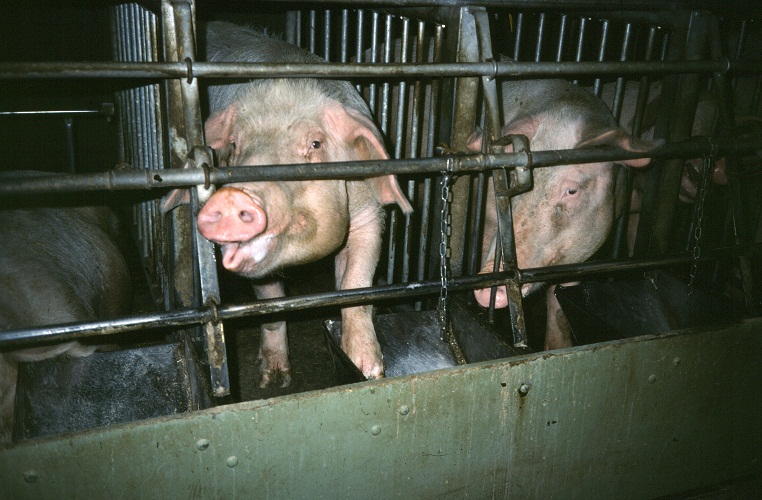
Factory farmers regularly dole out antibiotics in livestock’s water and food supplies, as part of a general mission to prevent infections and death among their pig, foul, cow, and other animal populations. Preventing infections is a huge concern, because factory farmers lock these animals in filthy, feces-covered, overcrowded conditions where diseases can easily run rampant. While corporate farmers could solve this problem by improving facility conditions, they’d rather continue to pack animals as tight as possible to keep profits high. So instead they pump the animals full of antibiotics. This has already had disastrous consequences for human health.
The more our bodies and bacteria get used to the presence of antibiotics, the more those bacteria evolve and mutate to fight off our antibiotic medical treatments. And that means we have fewer and fewer ways to protect ourselves when we get sick. As a result, the number and intensity of superbugs in humans is exploding. MRSA, CRE, candida auris, strep, and others are plaguing more and more people — even young, healthy patients. During the COVID-19 pandemic, this superbug explosion has become even more dire. And these patients aren’t just becoming incredibly sick. Many of them are dying as these overused medicines become less and less effective.
The U.S. Food and Drug Administration (FDA) has tried to help reduce antibiotic use in agriculture, but with limited success. That’s partially because it hasn’t set many hard, enforceable rules. Recently, it began requiring farmers to work with veterinarians to administer certain antibiotics that it deems “medically important” for human use. But as long as a vet is willing to sign off on the treatment, there’s not much enforcement in place to stop misuse.
With the EU ban on cosmetics tests on animals came the promise of a Europe in which animals no longer suffer and die for the sake of cosmetics. That promise has been broken. Authorities still demand animal tests on ingredients used in cosmetics, which goes against the expectations and wishes of the public and the intention of legislators.
Yet, never have we had such powerful non-animal tools for assuring safety or such a golden opportunity to revolutionise human and environmental protection. The European Commission must uphold and strengthen the ban and transition to animal-free safety assessment.
We call on the European Commission to do the following:
1. Protect and strengthen the cosmetics animal testing ban. Initiate legislative change to achieve consumer, worker, and environmental protection for all cosmetics ingredients without testing on animals for any purpose at any time.
2. Transform EU chemicals regulation. Ensure human health and the environment are protected by managing chemicals without the addition of new animal testing requirements.
3. Modernise science in the EU. Commit to a legislative proposal plotting a roadmap to phase-out all animal testing in the EU before the end of the current legislative term.
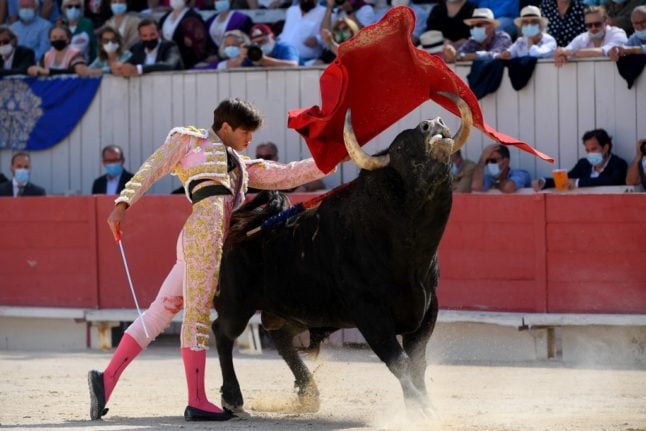
French matador El Rafi performs a muleta pass on a fighting bull in the arena of Arles, southern France, on June 6, 2021 (Photo by Nicolas TUCAT / AFP)
‘Immoral and archaic’: Animal rights activists eye bill to ban bullfighting in France
As thousands of bullfighting aficionados gather across southern France for traditional summer ferias, opponents of the practice are reviving their fight for an outright ban, confident that public opinion is finally on their side.
“I think the majority of French people share the view that bullfights are immoral, a spectacle that no longer has its place in the 21st century,” said Aymeric Caron, a popular former TV journalist and animal rights activist who was recently elected to parliament as part of the hard-left France Unbowed party.
For years, critics have sought a final legal blow against what they call a cruel and archaic ritual, but none of the draft bills presented have ever been approved for debate by National Assembly lawmakers.
French courts have also routinely rejected lawsuits lodged by animal rights activists, most recently in July 2021 in Nimes, home to one of France’s most famous bullfighting events.
But Caron, based in Paris, told AFP that the time was ripe for a new proposal given growing concerns about animal welfare, with a draft bill to be submitted this week.
“I do indeed hope this bill will be debated in parliament in November… it would be a first,” he said.
The prospect seems all the more likely after France Unbowed won dozens of new seats in recent elections, helping to strip President Emmanuel Macron of his centrist majority in parliament.
The goal is to modify an animal welfare law that allows exceptions for bullfights — as well as cock fighting — when it can be shown that they are “uninterrupted local traditions.”
Such exceptions are granted to cities including Bayonne and the mediaeval jewel of Mont-de-Marsan in southwest France near Spain, where the practice has its origins, and along the Mediterranean coast including Arles, Beziers and Nimes.
‘Respecting the animal’
For Caron, “it’s not a French tradition, it’s a Spanish custom that was imported to France in the 19th century to please the wife of Napoleon III, who was from Andalusia,” the countess Eugenie de Montijo.
That argument is unlikely to convince the jostling crowds who packed the streets of Bayonne for the bullfighting feria that ended Sunday, a sea of fans clad all in white except for bright red bandanas or sashes.
“The people who want to ban it don’t understand it. Bullfighting is a drama that brings you closer to death… You’re afraid, but that’s a part of life,” said Jean-Luc Ambert, who came with friends from the central Auvergne region.
Like many other fans, his friend Francoise insisted that bullfighting is an art as much as a sport, where “a man puts his life on the line, while respecting the animal.”
“We’re not trying to convert anyone — I just want the people against it to leave us alone,” she told AFP.
The guest star of the Bayonne feria, Spanish matador Alejandro Talavante, did indeed find an appreciative audience, with the crowd demanding the award of the bull’s ear for his performance.
It’s a conflict that echoes the widening rift in France between rural dwellers steeped in deep agriculture traditions, and Parisians and other urban residents accused of trampling on the country’s cultural heritage — often derided as “the Taliban of Paristan.”
Widespread support?
Andre Viard, president of the national bullfighting association, shrugged off the threat of a ban.
“This comes up in every parliamentary session,” Viard told AFP of Caron’s efforts to find allies for the France Unbowed initiative.
“We tell the other parties: Why do you want to be associated with a bill that attacks a cultural freedom protected by the Constitution, and territorial identity?”
The debate echoes similar opposition in other countries with bullfighting histories, including Spain and Portugal as well as Mexico, Colombia and Venezuela.
In June, a judge in Mexico City ordered an indefinite suspension of bullfighting in the capital’s historic bullring, the largest in the world.
Caron is banking on support from across the political spectrum, including top members of Macron’s party such as the head of his parliamentary group Aurore Berge, who was among 36 lawmakers who called for a bullfighting ban last year.
An Ifop poll earlier this year found that 77 percent of respondents approved of a ban, up from 50 percent in 2007.
“More and more people are concerned about animal suffering, including in bullfights,” Claire Starozinski of the Anti-Bullfighting Alliance told AFP, adding that many people don’t realise that the bulls are actually killed.
“I know there are MPs from other parties who will support me, and have said so,” Caron said — though he admitted that more mainstream lawmakers such as Berge might be reluctant to join his leftish campaign.
“Is she going to remain true to her convictions, or make a political calculation that prevents her from supporting me? That’s what will be at stake in the talks over the coming weeks and months.”
A New York animal sanctuary boss was arrested after she allegedly refused to return some missing cows to their owner.
Tracy Murphy of Asha’s Farm Sanctuary could face up to seven years in prison if convicted after a missing steer and heifer escaped from a nearby farm and ended up on her property.
New York State Police say that troopers visited the sanctuary in Niagara County, New York, on July 25 to retrieve the animals and return them to the farm.
But when they arrived at the sanctuary, Ms Murphy allegedly would not return them to the farmer.
So troopers with a search warrant seized the animals and returned them to the owner of McKee Farms,Scott Gregson, and took Ms Murphy into custody.
The 59-year-old appeared in court shackled and pleaded not guilty to third-degree grand larceny charge. She was then freed from Niagara County Jail.
“I don’t know how they got over there,” said Mr Gregson.
“My fence was secure, the electric was on, and the gates were all closed and there were no hoof prints or droppings so I don’t know how they got over there.”
He says that he initially called Ms Murphy and made arrangements to visit her and collect the animals. But he says when she refused to comply he called the State Police.
“All I wanted was for me to get my cattle back. Obviously, I made a complaint with the state police and they are pressing charges against her. I guess it’s up to the courts at this point,” he added.
Before her arrest, Ms Murphy had offered to pay for the animals and keep them at the sanctuary.
“Where do you think a Sanctuary would release the animals back to slaughter when they found their way here,” Murphy told WKBW. “We’re willing to waive any bordering, and we’re willing to give them top dollar for these animals.”
The incident has attracted the attention of Hollywood star Joaquin Phoenix, a vocal animal rights activist, who told The Independent that he hoped Ms Murphy would be treated fairly and praised her “kindness.”
“There was an opportunity here to show compassion and mercy. To allow these peaceful creatures to remain without fear or anticipation of harm for the rest of their lives,” he said in a statement.
“What this merciful opportunity was met with was such a shame. I applaud Tracy for standing her ground in the name of animal liberation.
“To so harshly punish a woman who was simply showing kindness to two individuals who had wandered onto her property is astounding.”
ISLAMABAD: People for the Ethical Treatment of Animals (PETA), a US-based animal rights non-profit organisation, has offered to help Pakistan implement humane practices in veterinary and medical schools and end animal testing in Pakistan through a series of reforms.
The offer was made during a zoom meeting between the prime minister’s strategic reforms adviser, Salman Sufi, and PETA President Ingrid Newkirk, Chief of the Science Advancement and Outreach Division Dr Katherine Roe and Vice President of International Laboratory Methods Shalin Gala on July 22, 2022.
PETA had approached Mr Sufi, after a viral video footage revealed veterinary students in at least three institutions in Pakistan were involved in inhumane practices on animals, such as operating on animals without anaesthetics and denying them post-operative care despite excruciating pain.
On June 30, Salman Sufi announced an initial set of historic strategic reforms that included barring animals from being used for live testing in any veterinary college or industrial complex in Islamabad Capital Territory (ICT).
“This is a great start and we fully support this measure, and we agreed that more can and should be done since many of the veterinary schools are geographically outside of ICT and are not obligated to follow this new reform policy,” said PETA in a response.
It underscored Pakistan should issue a circular or a regulatory reform that explicitly embraced humane simulation training models for veterinary education and ban training methods that were not medically necessary and did not directly benefit animals involved at the federal level or through the Pakistan Veterinary Medical Council.
PETA cited numerous simulation models for both basic and advanced veterinary and zoology training, such as SynDaver Surgical Canine model, the Critical Care Jerry and Critical Care Fluffy models, the Virtual Animal Anatomy, and Biosphera softwares, to avoid harming animals during the training.
“As such, we are proposing a new collaboration with Prime Minister Shehbaz Sharif and Salman Sufi to help provide advanced simulation models so that universities in Pakistan can transition to harm-free and humane veterinary education. We are currently working with Salman Sufi to gather information and do an assessment of the universities’ needs with respect to acquiring simulation models so we can best plan how to assist them,” Ms Gala said.
In response to questions on areas of collaboration with Pakistan, PETA shared more topics that it was addressing with Mr Sufi, such as modernising medical training.
Shalin Gala said before the current Pakistan Medical Commission (PMC) came into being, PETA was in communication with the Pakistan Medical and Dental Council (PMDC) to advise them on various reforms for their undergraduate medical (or MBBS) curriculum to replace the use of animals nationwide with non-animal methods.
According to Ms Gala, PETA had advised them to adopt its proposed curriculum reform language stating, “no animals or animal parts shall be used for any aspect of the MBBS curriculum including but not limited to practical labs, learning objectives, contents, teaching/learning strategy, teaching aids and assessments. Only non-animal teaching, learning, demonstration and assessment methods shall be used such as didactic methods, interactive computer-aided learning (CAL), human patient simulators (HPS), human cadavers, supervised clinical practice or other non-animal models”.
This reform, if enacted, would mirror similar reforms adopted internationally as well, she added.
“We would like for Pakistan’s MBBS curriculum to have the same non-animal training standard and use modern simulation technology. We hope to work with Salman Sufi to move this strategic reform forward, which will put Pakistan’s medical education system in sync with the US, Canada, India and others that no longer use animals for undergraduate medical training,” Ms Gala said.
In 2014, following discussions with PETA India, the University Grants Commission in India issued a notification ending dissection and experimentation, for training purposes, in university and college zoology and life sciences undergraduate and postgraduate courses, sparing 19 million animals in that country alone from being killed and cut apart for dissection every year.
PETA asserted its scientists were eager to work with Mr Sufi on setting up a national database in Pakistan for approved non-animal biomedical research and training methods, and drafting regulatory language that the use of animals for such purposes must be replaced by approved non-animal methods that appear in the database.
It also intended to assist conduct scientific reviews of the efficacy of animal use to identify additional areas in which such use had failed to advance human health, or in which non-animal methods were now available, and could be ended quickly.
While technical skills were important, it was also of the utmost importance to instill a culture of care in veterinary training. Creating a dichotomy between the animals used for training and the animal companions seen in an examination room did not benefit the veterinary profession, according to PETA.
“We are currently exploring ways to create materials relevant to Pakistani society and potentially incorporating this compassion-building programme into current school curricula,” the animal rights organisation said.
In response to a question on trafficking of animals, PETA said Mr Sufi mentioned his proposed reform to seize wildlife held in unsuitable living conditions and repatriate them to relevant countries for rehabilitation.
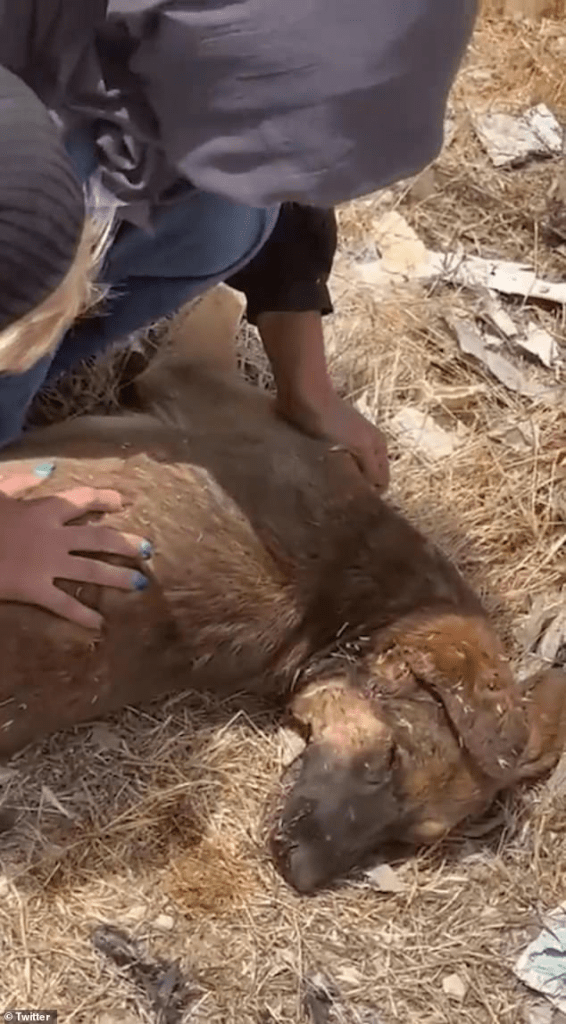
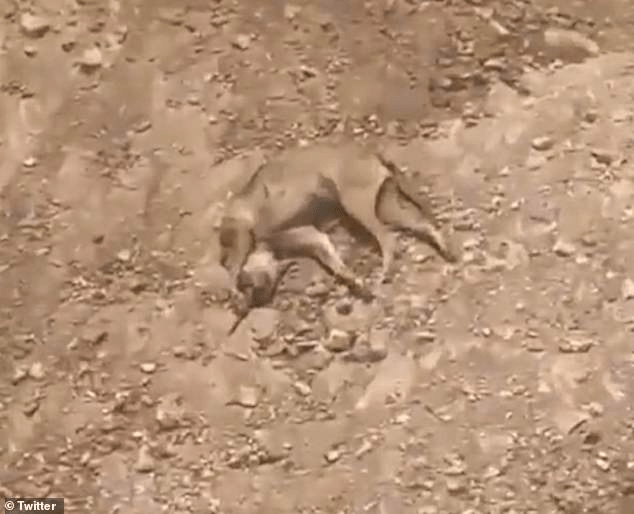
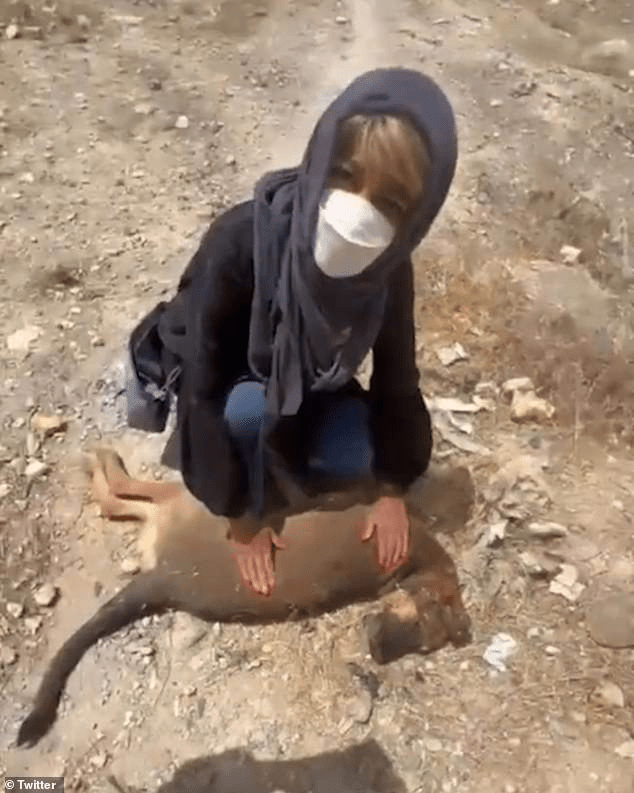
‘This was the most vulnerable & obedient one,’ the inconsolable volunteer cried, before the camera panned to show several canine corpses strewn across the roadside and a nearby valley.
Dog shelter worker cries over dead animal after Iranian regime ‘raids property and slaughters 1,700 canines taken in as strays’
Authorities allegedly massacred up to 1,700 dogs at a shelter this weekend
Heart-wrenching footage showed a volunteer crying as she held the dogs
Ebrahim Raisi’s regime is looking at a law which would ban pet ownership
The bill initially proposed in December would also see fines dished out for the ‘import, purchase and sale, transportation and keeping’ of many common pets
Bill authors see the practice of keeping pets as a ‘destructive social problem’
Dog shelter workers are protesting President Ebrahim Raisi’s regime in Iran after authorities allegedly stormed their compound and slaughtered up to 1,700 dogs.
Heart-wrenching footage shared on social media showed one volunteer in floods of tears as she clasped one of the dead hounds in her arms.
‘This was the most vulnerable and obedient one,’ she cried, before the camera panned to show several canine corpses strewn across the roadside and a nearby valley.
Masih Alinejad, an Iranian journalist who shared the footage, said of the slaughter: ‘The ruthless rulers of the Islamic Republic of Iran spare no-one’
Masih Alinejad, an Iranian journalist who shared the footage, said of the slaughter: ‘The ruthless rulers of the Islamic Republic of Iran spare no-one.
‘In addition to repressing women, ethnic and religious minorities, LGBTQs, they also annually kill countless stray dogs. Animal rights activists in Iran need your attention.’
The massacre comes with Iranian lawmakers set to pass a bill which would restrict pet ownership without possession of a special permit.
It would also see considerable fines dished out for the ‘import, purchase and sale, transportation and keeping’ of many common pets, which some parliamentarians believe is a symbol of decadence which could ‘replace’ healthy family relationships.
The bill, initially proposed in December, pits growing numbers of people with pets against those who consider the practice a symbol of decadence and hold that, under Islamic law, dogs and other animals are unclean.
Authors of the bill condemn the practice of humans living under one roof with domesticated animals as a ‘destructive social problem’.
Heart-wrenching footage circulating on social media showed one volunteer in floods of tears as she clasped one of the dead hounds in her arms.
Dogs are a common animal in Iran and have been kept in rural areas for centuries, but more urban dwellers began to develop an affinity for raising pets in the 20th century.
The middle eastern nation was once one of the most tolerant with respect to pets, passing animal welfare laws as early as 1948 and pushing for the development of animal rights.
But the 1979 Islamic Revolution drastically altered daily life for millions of Iranians, and dogs are now held in contempt by ultraconservative lawmakers.
The bill proposed late last year aims to rid Iranian society of the practice of keeping pets.
Anti-pet lawmakers say the practice could ‘gradually change the Iranian and Islamic way of life’ by ‘replacing human and family relationships with feelings and emotional relationships towards animals’.
Their proposed law would prohibit ‘importing, raising, assisting in the breeding of, breeding, buying or selling, transporting, driving or walking, and keeping in the home wild, exotic, harmful and dangerous animals’.
It lists the animals to be banned as ‘crocodiles, turtles, snakes, lizards, cats, mice, rabbits, dogs and other unclean animals as well as monkeys’.
Offenders would risk a fine equivalent to 10 to 30 times the ‘minimum monthly working wage’ of about £80 and the ‘confiscation’ of the animal – though it is highly likely the animal would simply be killed.
However, there have already been reports in Iran of police officers making arrests on those walking their dogs or carrying pets in public.
Tehran’s police chief General Hossein Rahimi announced on July 8 that entering the parks with dogs will be forbidden and police will consider and deal with it as illegal action.
I liberated a wasp this morning. It was in the bird bath and would not have survived had it not been fished out of the water.
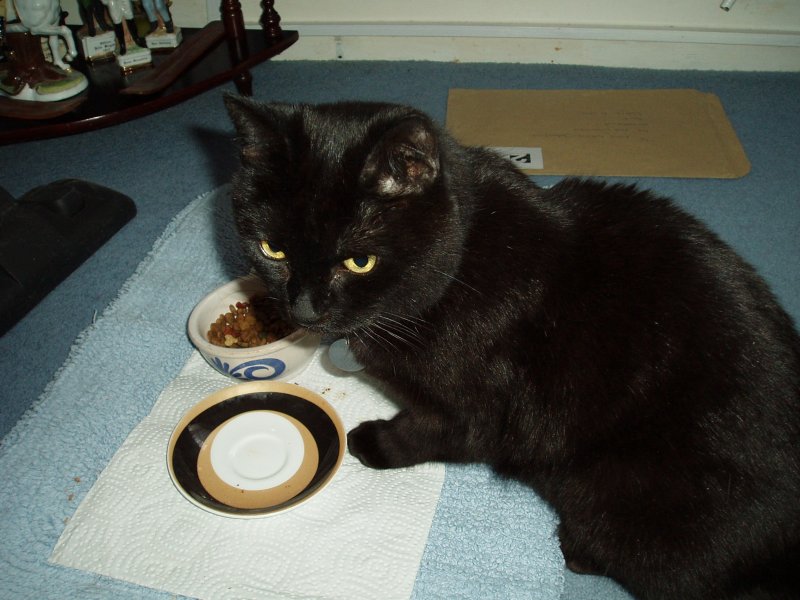
This afternoon (4/8/22), and it has kind of broken me at the moment; I have had to have my prettiest star, Sally the cat, put to sleep. She was 22 years old, which makes her around 110+ in human years (if we have to do a comparison). She was my one shining light on many depressing days and dark corners, and believe me, there are many now days. She wanted nothing but affection, love and (plenty of) food, which she enjoyed a great deal; simply giving back love and enjoyment, entertainment, in return. She had love and affection, and comforting voices right up to the very end, the moment she passed. Most animals in the current ‘systems’ do not experience this.
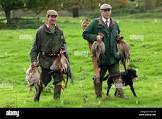
What about all the millions of animals that are reared to be blasted by shooting parties ‘enjoying’ a day out ?.
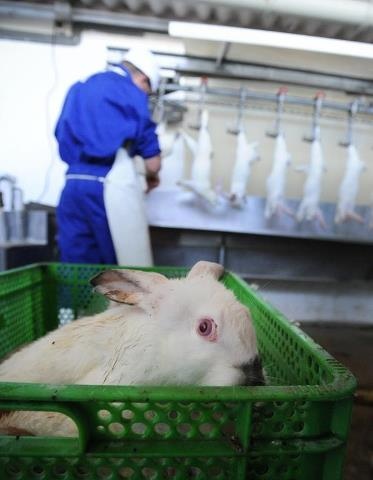
What about all the animals who are live crammed into transport trucks or death ships as they are hauled all over the globe for a few pennies more ? – Live Transport – World Animals Voice.
What about all the animals in the labs that are abused and injected with god knows what; having their skulls sliced off in the name of something which has gone on for decades and yet, never really brings anything in the way of medical advancement or progress ?.
What about the badgers who are being culled by the tens of thousands in the UK to simply win votes from the farming community ? – Search Results for “badger culling” – World Animals Voice. What about the Krebbs report which said that culling badgers was unnecessary ?.
What about the dogs and horses that are bred to be raced against each other so that humas can win a tenner on a bet ?.
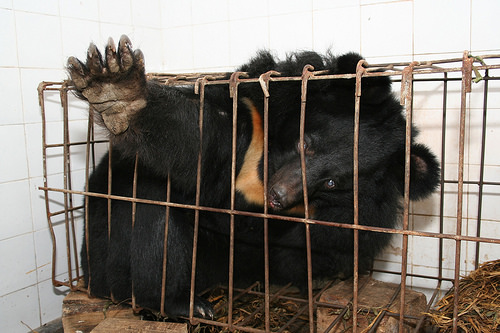
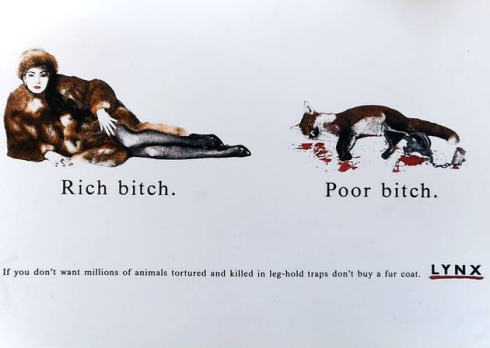
What about the dogs held in Korean cages for their meat; what about the animals who are farmed (the poor bitches)and skinned alive for their fur to adorn the body of some fur hag who is sometimes known as a rich bitch ? – Search Results for “fur” – World Animals Voice
Lots of ‘what abouts’; and by no doubt I have missed many other subjects who deserve just as much.
Yup; all issues constantly and thankfully getting a lot of campaign attention by the mob that goes under the umbrella of animal rights. If that pigeonholes you as part of the mob, then am glad, no very glad, to have been part of the mob for 45+ years.
Sally was fortunate; she had a loving environment. Many animals as shown above suffer nothing but abuse from the moment of birth through to the moment of death. They never experience a kind hand, only abusive ones.
For Sally:
Remember when you were young? You shone like the sun Shine on, you crazy diamond
Nobody knows where you are How near or how far Shine on, you crazy diamond
Pile on many more layers And I’ll be joining you there Shine on, you crazy diamond
Then we’ll bask in the shadow Of yesterday’s triumph
Shine On You Crazy Diamond
Pink Floyd
You will be my rest and peace child I moved up to take a place, near you The prettiest star One day though it might as well be someday You and I will rise up all the way All because of what you are The prettiest star One day though it might as well be someday You and I will rise up all the way All because of what you are The prettiest star















 World Animals Voice