Month: May 2025

When it gets too much …

Work in animal activism is not easy – if you mean it and really do not spare yourself. It gets even more difficult if you have health issues (and I do not mean mental h. i.), because your strength is limited, and you forever hear from family, friends, doctors — do NOT overdo it. You know what’s at stake.

It’s called “compassion fatigue” or “secondary traumatic stress“.

But – and let me say this, Mark and I have met many, over the years, whose commitment, especially when handicapped, disabled, chronically ill, was, and to use a much abused term in US Politics at the moment, “ironclad”. In the best sense – so throwing caution, and their own welfare, to the wind, for the cause, for the animals they care so much about. Quite of few of those have since passed away …

Both, Mark and I, are struggling with health issues of our own – Mark with MS, me with advanced cancer. But, personally, and I think I can speak for Mark also, who has been “in it” longer than I have (live export being his special area of expertise) , I’ll be damned if I give up now.

Especially the issue at the kill shelters of the US, San Antonio (articles on this site), and others, is draining me currently. I happened upon it working on another issue two weeks ago, and was .. shocked. And believe me, it takes a bit to shock me, after the “Cat Torture” and various other, extreme, issues over the years. I do not spare myself – both of us don’t – and being blessed (!) with a photographic memory I never forget any of it …

Today I am waiting to see what dogs have been murdered (I say murdered, because that is what it is) at San Antonio, on Instagram. As every day clearly, it is too many, healthy and mostly young – going against every law of nature there is. Like hunting and shooting the individuals among wild animals that nature meant to reproduce – before they can do so – being turned into sick trophies.

This entire family – mother and pups died today …

It is beyond unbearable. And I fear the 4 little ones I have developed a special love for, Squirtle, Mudkip, Chicorita and Totodile may be among today’s killed and incinerated on site. How sick is that …
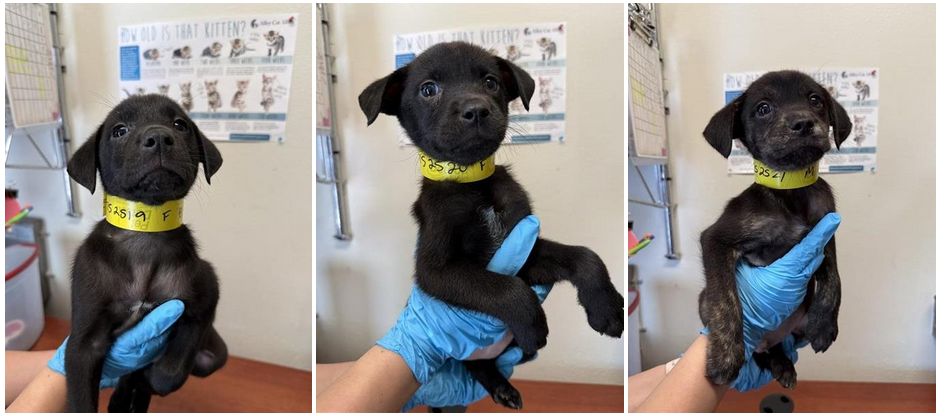
I wrote to the authorities two days ago, it was past midnight, to show mercy – for these, and so many others. I’ve heard nothing, mails came back as undeliverable.

It is that, more than anything, that drains us all – the ignorance, the denial, the refusal to listen, the helplessness – and the reckless, brutal and stubborn continuation of cruelty and mass murder, on and on and on.

We do not intend to give up – and personally, if it’s the last thing I do, I will stand up until my last breath. And so will Mark. But sadly too many colleagues and friends who have devoted their lives to animals, their welfare and rights, have decided to depart this world voluntarily, and prematurely – their compassionate souls too hurt to be able to cope with any more of it. They will, no doubt, join the animals they care so much about ..

And I find a quote very fitting, from someone who also, at his time, was a voice for the helpless innocent creatures we continue to fight for …

“All that is best in me I have given to animals and I mean to stand by them to the last and share their fate whatever it may be. If it is true that there is to be no haven of rest for them when their sufferings here are at an end, I, for one, am not going to bargain for any heaven for myself. I shall go without fear where they go, and by the side of my brothers and sisters from the forests and the fields, from skies to seas, lie down to merciful extinction in their mysterious underworld, safe from any further torments.”

Preface to The Story of San Michele by Axel Munthe

Diana, and Mark

**************************

To name but a few … Rest in Peace, dear Friends.

https://vegnews.com/respected-animal-activist-mary-max-has-died-by-suicide

Respected Animal Activist Mary Max Has Died By Suicide

Wife of legendary artist Peter Max, Mary Max dedicated her life to helping animals in need. 

*************

https://edition.cnn.com/2013/11/10/us/ohio-animal-rescuer-suicide-dogs

Ohio animal rights activist kills herself, 31 rescue dogs, police say

The founder of an animal rescue organization in Ohio committed suicide, taking dozens of pets with her, the Moreland Hills Police Department told CNN. …

*************

https://www.animals24-7.org/2021/02/08/vegan-animal-advocate-thomas-tommy-bloom-raskin-25/

Vegan animal advocate Thomas “Tommy” Bloom Raskin,  25

Second young activist suicide in six months raises profile of “compassion fatigue” …

*************

https://theirturn.net/2020/08/04/in-memory-of-animal-rights-activist-shimon-shuchat-tribute/

In Memory of Animal Rights Activist Shimon Shuchat

Shimon Shuchat, a 22-year-old animal rights activist from Brooklyn, died on Tuesday, July 28th. In spite of being so young, Shimon was one of the most wise, humble, ethical, empathetic and hard-working activists in New York City. ….

*************

https://www.bbc.com/news/world-asia-36573395

The vet who ‘euthanised’ herself in Taiwan

… On 5 May last year, Ms Chien took her own life, using the same drug she used to put down animals. She said she wanted to help people understand what happens to strays in Taiwan. …

*************

https://en.wikipedia.org/wiki/Death_of_Regan_Russell

On June 19, 2020, 65-year-old Canadian animal rights activist and protester Regan Russell was run over and killed by a livestock transport truck after a demonstration outside Sofina Foods Inc. subsidiary Fearman’s Pork Inc., a pig slaughterhouse in Burlington, Ontario.

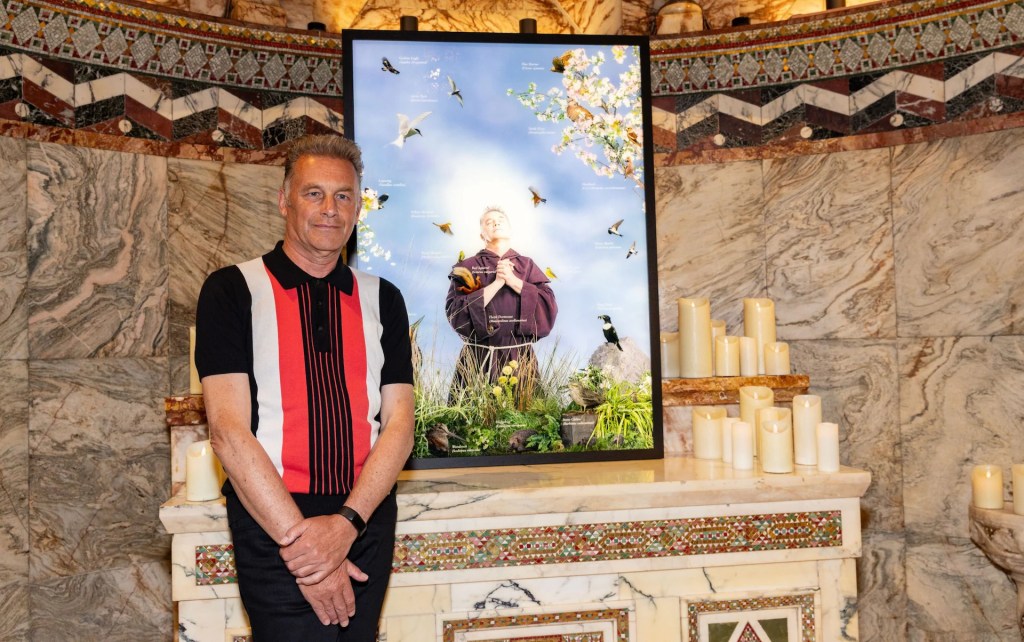
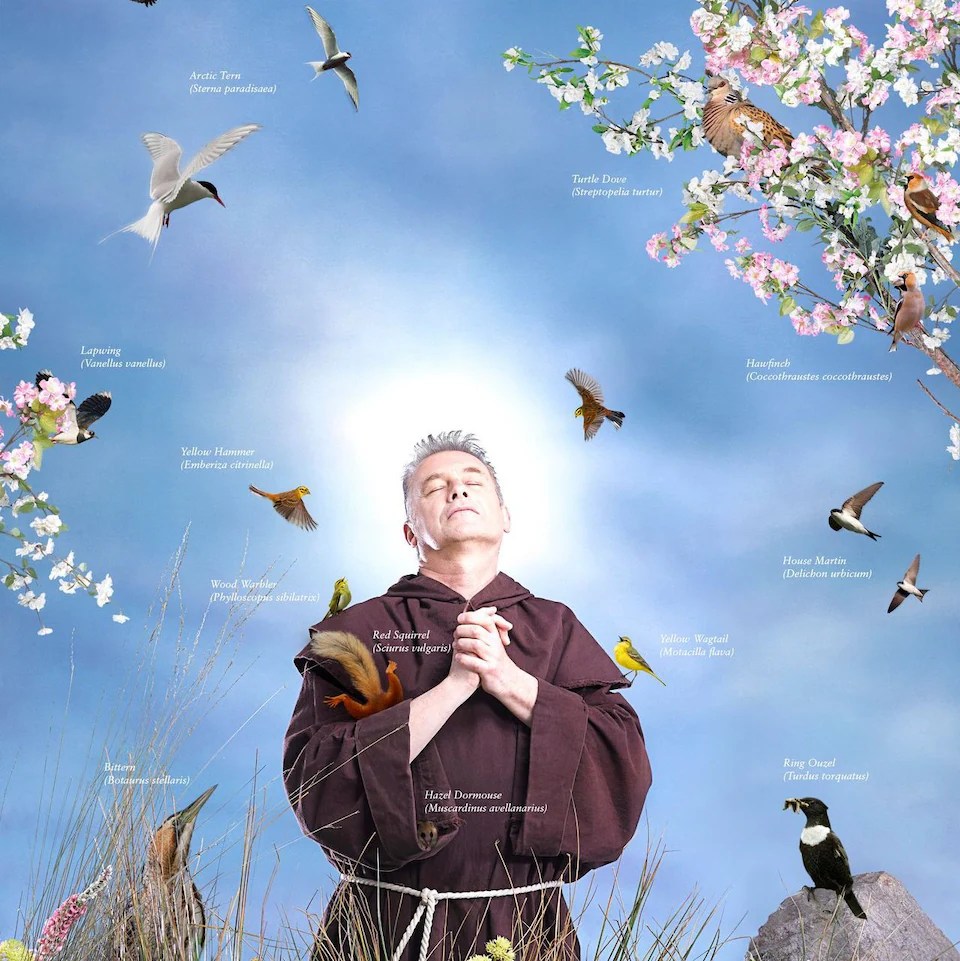
(UK) Chris Packham poses as St Francis of Assisi in new portrait

Well, novel certainly … not sure we may hope for Chris, CBE, being sainted by the Vatican any time soon … even with the link to S. Francis.

https://www.telegraph.co.uk/news/2025/05/14/chris-packham-poses-saint-francis-of-assisi-new-portrait/

14 May 2025 7:39pm BST

Chris Packham with his portrait, which it is said depicts him as “a living saint”, in the Fitzrovia Chapel Credit: Richard Ansett/Radio Times

Chris Packham has posed as St Francis of Assisi in a portrait celebrating him as a “living saint”.

The portrait of the presenter and environmental campaigner is now on show on the altar of the Fitzrovia Chapel, central London.

Originally commissioned by Radio Times magazine to mark Earth Day, it is the work of photographic artist Richard Ansett.

Packham is surrounded by images of some of the UK’s most endangered species. Mr Ansett said it also made reference to Packham’s neurodiversity – the presenter was diagnosed with autism in his 40s.

“I hope that every pixel of this portrait offers a safe space for anyone challenged by neurodiversity. Packham’s remarkable connection to the natural world drives him relentlessly to save us from ourselves,” Mr Ansett said.

The portrait of Packham is available to view until May 21 at the former chapel, where it is described as a work “elevating him to the status of living saint”.

Chris Packham is surrounded by some of the UK’s most endangered species in the artwork Credit: Richard Ansett/Radio Times

Packham said: “This photo is about a fundamental level of engagement, an engagement of equals. It conveys the importance of nature to heal us, provide us with a sanctuary in times of terrible trouble.

“But the species featured are also rare or declining so it serves to remind us that our one and only home, our Earth, is on a brink too many are refusing to see and act to protect and repair.

“This is a photograph about love, a love of life, all life.”

The featured species include the red squirrel, the house martin, the woodcock and the hedgehog.

Mr Ansett, an award-winning photographer whose previous works include Sir Grayson Perry in the style of the Madonna and Child, added that the Packham portrait “recognises the difficulties that he has prevailed over to become a success in his career and a positive light for so many people”.

It is “a personal tribute to Packham’s humanity in challenging the worst parts of ours, in our ambivalence to the destruction created in the wake of our own needs”, the photographer said.

EU – Regulations Risk Face Leaving Millions Of Cats and Dogs UNPROTECTED.

Firstly, we wish to welcome all our international visitors to the site https://clustrmaps.com/site/1a9kn – we hope that you find our posts interesting and informative; and trust you can use the data to act as a supplement to your personal campaigning. Regards, Diana and Mark.

As MEP’s, or Members of the European Parliament, prepare to vote on the landmark regulations for the welfare of both dogs and cats, animal protection organisations are sounding the alarm – proposed amendments and exemptions could undermine the regulation, thus leaving millions of cats and dogs unprotected.

In December 2023 the European Commission (EC) unveiled the first ever regulation on the welfare of dogs and cats – a move which was greatly applauded by welfare organisations and EU citizens alike.

It is now concerning however that a solid proposal from the commission; strengthened by the EU Council, is now at risk of being significantly weakener by some political groups with the European Parliament. MEPs now have a chance to step up their reputation and their game by upholding a regulation that delivers for all companion animals.

Welfare organisations are particularly concerned about:

The possibility for cats to be exempted from identification and registration (I and R) and breeding requirements. Without mandatory I and R authorities cannot trace ownership, fight illegal breeding or manage disease outbreaks. In addition to protecting cat welfare, mandatory I and R could reduce costs to public authorities by up to 25 billion Euros EU wide.

A proposed amendment to exempt small and household breeders from registration and other responsibilities. One unregulated household breeder can be responsible for up to 100 pups or kittens in an animals lifetime. Without controls, this could lead to breeding in areas which are both unsanitary and unethical (puppy mills), an exponential increase in the number of strays, which in turn leads to an increase in pressure on the numbers of excellent shelters which ARE ALREADY OPERATING AT MAXIMUM CAPACITY around the EU.

Leaving out Hunting and Military dogs, despite them having the same behavioral and health needs of any other dog. Allowing mutilations and other painful practices under the guise of ‘preserving health’ is known to cause significant suffering and trauma to these types of dogs.

Watering down of breeding practices, with a possibility of lowering the breeding age of female dogs to 12 months, and allowing for artificial insemination in most cases. Breeding from animals which are unable to mate naturally often perpetulates hereditary problema and poor welfare outcomes.

Other companion animals left unprotected. Animal welfare organisations call for the proposal to offer a legislative opening to the future for other companion animals to be protected, through the production of an EU wide positive list which would be a tool stipulating which animals would be allowed as pets. This will address the current inconsistent Member State rules, enforcement gaps and loopholes which are currently undermining international welfare.

Crazy ? – NO – ASK EU POLITICIANS FOR THEIR VIEWS.

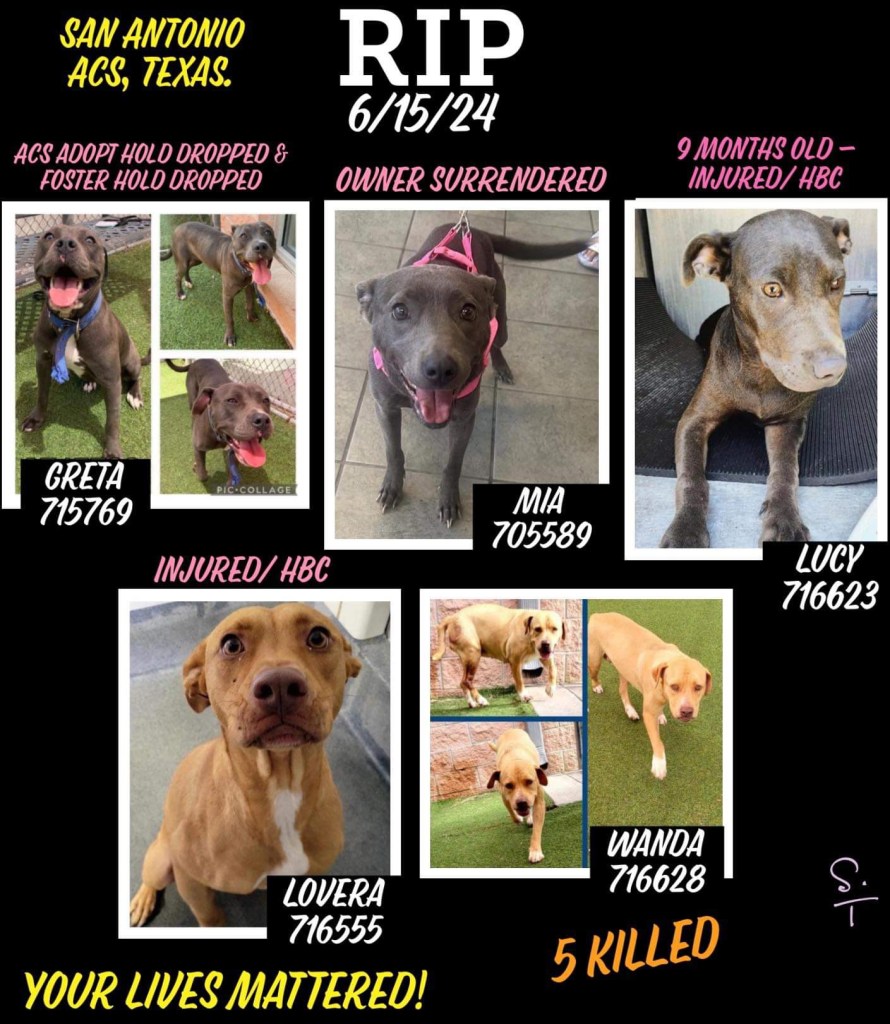
(US) Stop the killing San Antonio Animal Services: for Mia. No more shockingly high kill rate!

We have several posts on the issue here on the site – the kill shelter at San Antonio has exceptionally high numbers – today, Tuesday, 48 dogs are listed for “euthanasia”

**************************

https://www.change.org/p/stop-the-killing-san-antonio-animal-services-for-mia-no-more-shockingly-high-kill-rate

Please stop the killing of loving healthy and loveable dogs! And they kill owner surrenders first. Mia in the photo here was 4–her owners said very sweet. She was wagging her tail happily in her pink harness as she entered the shelter. Then, terrified, despite the best efforts of volunteers, she was killed three days later. Her life was short—and precious. She deserved better.

In 2024 , six days a week, animal rescue nonprofit and kind individuals have less than two hours to rescue dogs that are released to be euthanized. They were on target to kill more than 4000 dogs and cats in 2023–and it’s as bad this year.

It would be worse without the army of volunteers and kind rescues who step up to save these sweet adoptable pets. In March 13 2023 they even killed a service dog despite efforts to save him including an adoption bid.

ACS euthanizes healthy adoptable dogs three days after intake—a Director stated in an interview he wished he could do this quicker. There are usually 20 plus dogs killed at a time, including sweet friendly and highly adoptable puppies. Over 20% of dogs are killed—the figure for cats is worse. 

They euthanize puppies, nursing mothers, young dogs, dogs that are confiscated because of cruelty and seniors. They euthanize gentle loving dogs.

Let’s stop this killing together. Let the mayor Ron Nirenberg, city manager Eric Walsh and governor Greg Abbott and the director of Animal Services in San Antonio feel your outrage at these unnecessary deaths by signing. Let them know they need to pay attention to the dogs and you—and stop this! Networking and more funding—with a change of policy and perhaps personnel at administration level—would be a good start. Other cities manage this. 

The policy of high kill isn’t helping San Antonio’s problem with strays and the dumping of dogs. They need an aggressive spay and neuter  campaign.

Up to 508 puppies can be born from one unspayed female dog and her offspring in seven years.

Up to 4,948 kittens can be born from one unspayed female cat and her offspring in seven years.

The more they kill the more are produced, and spaying and neutering—and limiting breeding in the city—would be a cheaper solution than slaughter.

And without your help thousands more dogs will be quietly killed. Please sign—and share and promote if you can. Their lives are sacred—it’s the only one they get.

Targets:

England – Supermarkets Suspend Ties With Pig Farm Over Animal Abuses.

Meat producer Cranswick’s shares have plummeted after UK supermarkets suspended supplies after alleged supplies against pigs.

Covert footage appeared this last weekend from the Animal Justice Project – AJP – showed workers at Northmoor Farm in Lincolnshire, abusing piglets by holding them by their back legs as they were smashed into the floor.

Other videos showed the botched killing of a sow, leaving the animal screaming and writhing in pain. A sow was also shown being beaten with metal bars.

PHOTO – AJP

A worker who failed to kill a sow using a bolt gun reportedly said to an undercover investigator ‘Don’t let nobody see you doing like what we did’.

Supermarket chains Asda, Morrisons, Sainsbury and Tesco have now suspended Northmoor Farm as a supplier of meat; shares at the London Sock Exchange fell around 7.5% 0n Monday. It made £2.6 Billion in revenue in 2024, with around 24% coming from its fresh pork sector.

Cranswick owns Northmoor Farm; with around 6,000 pigs being processed there. Cranswick as a whole SLAUGHTERS AND PROCESSES IN EXCESS OF 34,000 PER WEEK; yes you read it right, 34,000 deaths PER WEEK. On their website they claim that animal welfare is at the heart of their business.

Images on their website show pigs and piglets in green fields with wide open spaces. The AJP has now filed a complaint to national agency TRADING STANDARDS as a result of its excellent investigation.

A spokesperson for Cranswick said that the animals they rear is of the utmost importance and that they were extremely disappointed to see the unacceptable lapse in welfare standards shown at Northmoor Farm. Evidently, as soon as they saw the footage from the farm, the working team were suspended and an ‘urgent and thorough investigation’ commenced. They have also suspended the farm from supplying any pig meat until the investigation is completed.

AJP founder Claire Palmer said they were demanding immediate enforcement of the ban on blunt force trauma; in addition to the prosecution of Cranswick. She continued that there must be a public enquiry into pig farming practices and regulatory failures.

AJP is calling for a legislative phase out of pig farming in favour of a food system that no longer depends on animal suffering.

We at WAV fully support what Claire says, and the work undertaken by AJP to expose this abuse.

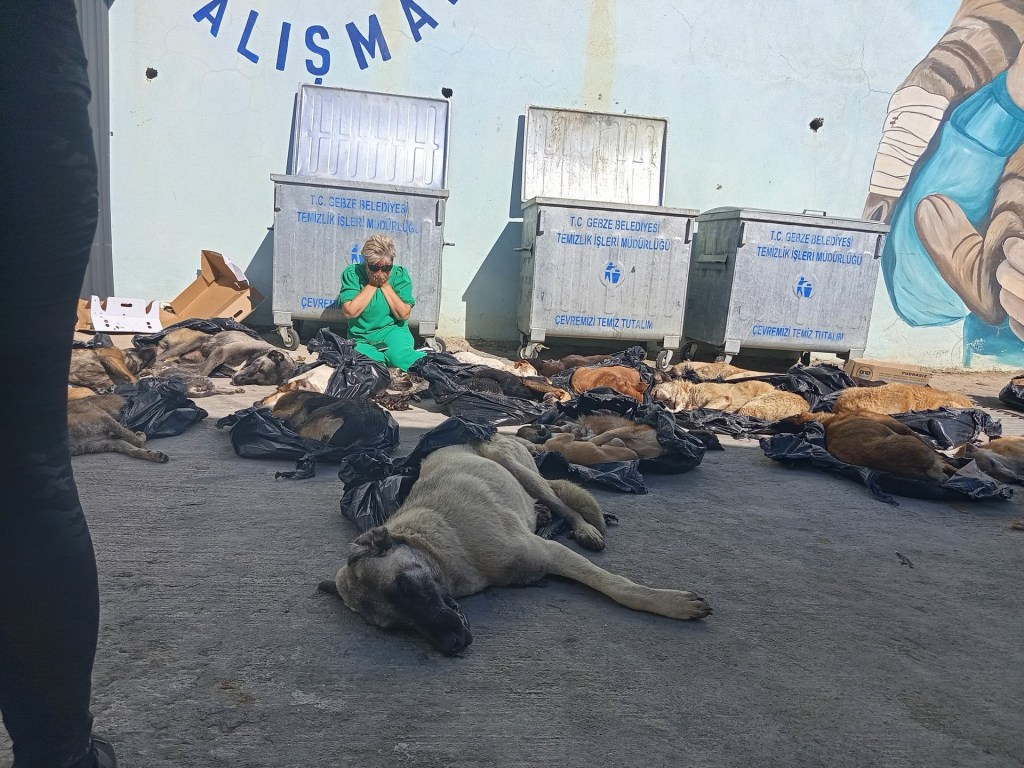
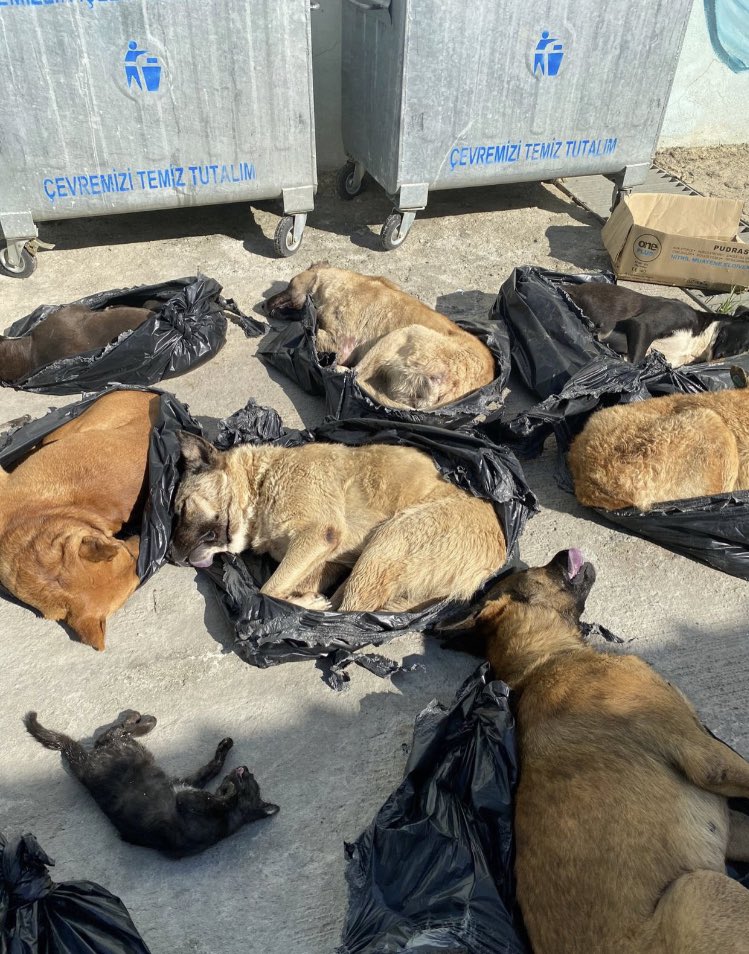
(Turkey) 51 killed stray cats and dogs found outside animal shelter in Türkiye

So this is what we may look forward to when Turkey gets going with its plan to “deal” with strays. Previous article here:

https://www.turkiyetoday.com/turkiye/51-killed-stray-cats-and-dogs-found-outside-animal-shelter-in-turkiye-64195/

Dead stray animals, cats and dogs in Gebze animal shelter of Türkiye on October 11, 2024. (Photo via X)

By Newsroom

October 11, 2024 07:53 PM GMT+03:00

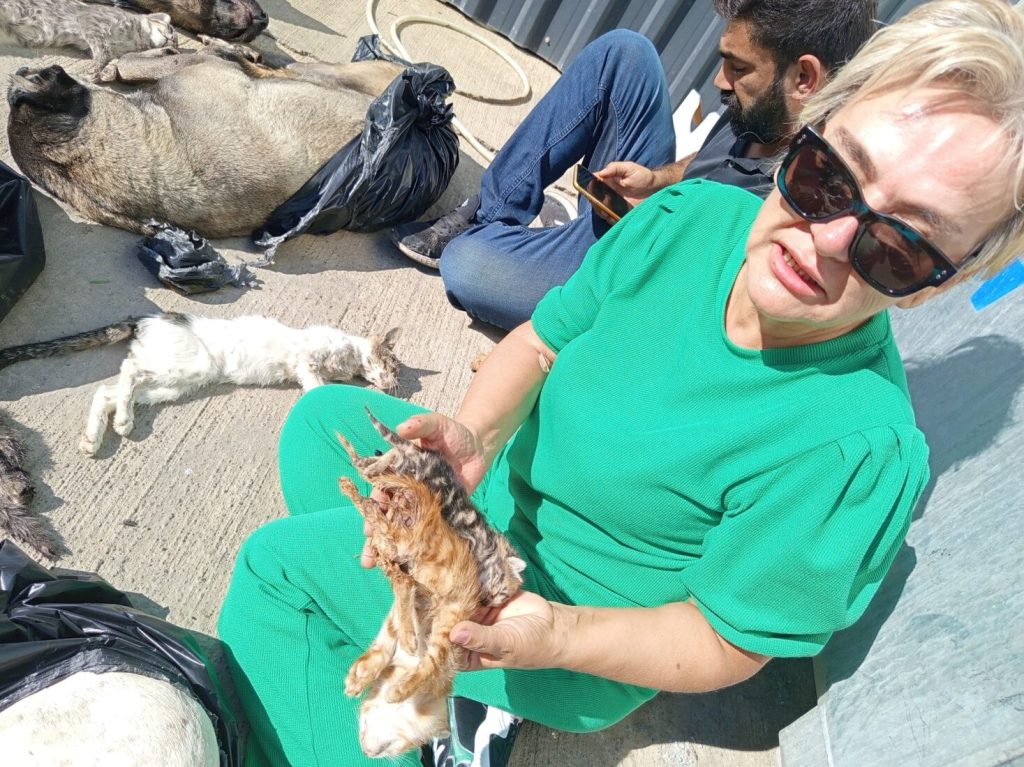
51 stray animals were found dead in garbage bins outside the Street Animal Rehabilitation and Training Center owned by Gebze Municipality. Animal rights advocates and witnesses have accused municipal workers of killing the animals and discarding their bodies in garbage bags.

Footage shared online shows numerous dead cats and dogs, placed in black garbage bags, lying next to the rehabilitation center’s trash containers. Videos circulating on social media depict animal corpses being removed from torn bags that were pulled out of the containers.

Following the discovery, animal rights advocates rushed to the shelter to investigate the situation.

“We found four of them alive, barely breathing,” said Nimet Ozdemir, main opposition party CHP deputy from Istanbul, who spoke with BBC Turkish. Ozdemir stated that witnesses captured footage of workers sedating two dogs with an injection before placing them in the garbage. She confirmed that 36 dogs and 15 cats were retrieved from the bins.

Ozdemir reported that the dead animals were dumped along with medical waste, including syringes and drugs used to euthanize them. “We pulled four of them out alive, but they were in agony,” she said. According to Ozdemir, the dead animals were found together with their offspring, and the situation posed not only an animal rights issue but also a public health risk.

“Gebze Municipality has failed to follow the necessary procedures for disposing of deceased animals,” she continued. “Dead animals must first be stored in cold storage, then transported in special vehicles and buried properly. Otherwise, this endangers both the public and children.”

In a statement, Gebze Municipality, governed by the ruling AK Party condemned the incident and labeled the footage as “unacceptable.” The statement mentioned that 16 of the dead dogs were collected from the streets, while 3 died in traffic accidents and 10 succumbed to health issues. Regarding the dead cats, 9 were reportedly found dead due to “various reasons,” and 2 died after failing to respond to treatment.

The municipality confirmed that an investigation had been launched and that those involved were suspended pending the outcome. It also stated that the Kocaeli Public Prosecutor’s Office had been informed, and a legal process was underway.

Deputy Ozdemir emphasized that the incident reflects broader concerns about animal rights in Türkiye, especially following recent changes to animal protection laws. The amended law permits the euthanasia of dogs under certain conditions, but cats were not included in this provision, reflecting their deep cultural significance, especially in cities like Istanbul. For centuries, Istanbul’s street cats have been considered part of the city’s unique identity, with locals often providing food and shelter for them.

Main opposition party CHP deputy from Istanbul, Nimet Ozdemir holding dead cats in Gebze animal shelter of Türkiye on October 11, 2024. (Photo via X)

Animal rights groups have also raised alarms over similar incidents in Nigde and Ankara earlier this year, where municipalities were accused of killing stray animals. Both municipalities denied the allegations.

The incident in Gebze has reignited the debate over Türkiye’s treatment of stray animals, a contentious issue that has seen growing tensions between local authorities and animal rights advocates.

Local officials, including main opposition party CHP’s Kocaeli Deputy Nail Ciler, condemned the situation, calling on Gebze Municipality to provide a clear explanation. “This is a disgrace to Gebze. The authorities need to address this immediately,” Ciler said.

Meanwhile, Kocaeli’s governorate confirmed that both judicial and administrative investigations had been launched into the deaths of the animals

(US – North Carolina) Sign: Three People Set Live Possum on Fire, Laughing As They Record Gruesome Death

https://animalvictory.org/petition/sign-three-people-set-live-possum-on-fire-laughing-as-they-record-gruesome-death/

Published: May 12, 2025 at 06:12 PM Author: PENNY EIMS

Charlotte, North Carolina – On April 24, somebody posted a horrific, heartbreaking video of a possum being burned alive to social media. The heart-wrenching video shows three men dousing the innocent possum in an accelerant and then setting her on fire. The video sparked justifiable outrage, with numerous tips being phoned to wildlife and police officials. And though the identity of the two sadistic individuals appears to be known, only one person has been arrested.

On May 8, police arrested 30-year-old Cameron Bernard Torrence from Mint Hill on multiple charges, including instigating animal cruelty, fleeing and eluding arrest, and violating probation. Torrence is accused of unlawfully instigating or promoting cruelty to animals by participating in the burning of a live opossum and posting a video of the incident on Facebook. According to an affidavit, the video was uploaded to Torrence’s Facebook page on April 24 and depicted the opossum being doused with lighter fluid and then set on fire.#

((Videolink))

Although the video has since been deleted from his page, it has been shared thousands of times by other accounts. The video features at least two individuals, with a third person recording the act. Torrence appeared in court virtually on Friday and was given a secured bond of $10,000. His next hearing regarding the animal cruelty charge is scheduled for August1.

The North Carolina Wildlife Resources Commission has found several people of interest related to the video. “We are looking into all leads,” said Senior Officer Kristofer Blankenship. There are multiple people of interest in the case.”

Animal Victory needs your signature now to hold them accountable when all suspects have been arrested! Please add your name and help us get justice for this innocent opossum who suffered in the worst way possible.

Target: Mecklenburg County District Attorney’s Office

WHY THIS PETITION MATTERS: 

We, the undersigned, demand these individuals be held accountable for dousing an opossum in accelerant and setting her on fire. Investigators have stated that they have more persons of interest, and we insist that these people be arrested and charged for this evil and heartless crime!

Research has consistently shown a strong link between animal cruelty and human violence. Individuals who commit such heinous acts against animals often pose a threat to society as a whole, as animal abuse is frequently a precursor to other violent crimes. Failing to hold these individuals accountable not only denies justice for the innocent opossum burned alive but also endangers the community at large. It is imperative that we send a clear message that such cruelty will not be tolerated.

Individuals are presumed innocent until found guilty in a court of law. Animal Victory relies upon the authorities and the court system to determine guilt or innocence.

Note: Opossums are gentle, shy creatures who play a vital role in the environment by controlling pests like ticks and insects. With a naturally low body temperature that makes them highly resistant to rabies, these misunderstood animals deserve compassion, not cruelty.

PLEASE SIGN ON PAGE

(CA – JP) Flying Above the Law: Inside Canadian Horses’ Long Journey to Japan

***************

https://canadianhorsedefencecoalition.org/horse-dies-on-korean-air-flight-from-winnipeg-to-japan/

***************

https://www.theguardian.com/environment/2021/mar/27/protests-at-inhumane-export-of-live-horses-to-japan-for-food

*******************************

https://www.cbc.ca/news/canada/manitoba/horses-japan-aircraft-1.7321374

*******************

https://humanecanada.ca/en/your-humane-canada/news-and-reports/news/ottawa-eyeing-new-ways-to-ban-export-of-horses-for-slaughter-in-japan

Ottawa eyeing new ways to ban export of horses for slaughter in Japan

Published Feb 13, 2025 at 11:00am

Ottawa is eyeing fresh ways to ban the export of live horses to Japan for slaughter to produce an expensive sashimi delicacy, after the proroguing of Parliament last month halted a bill sponsored by a Liberal MP that would have outlawed the practice.

The Liberal government is considering introducing regulations blocking the exports so it can keep a 2021 election promise before Canadians return to the polls this year.

An estimated 50,000 horses, many of which are large draft horses, have been exported since 2013, with some journeys exceeding the permitted limit of 28 hours.

In 2022 and 2023, 2,500 live horses a year were flown from Edmonton, Calgary and Winnipeg to Japan for slaughter for their meat, including to produce basashi, an expensive sashimi delicacy.

Animal-welfare groups and several Canadian celebrities, including singer-songwriters Bryan Adams and Jann Arden and classical guitarist Liona Boyd, have been applying pressure on Canada to follow the lead of other countries, including the United States, and ban the export of live horses.

“It breaks my heart that thousands of horses endure extreme suffering in terrifying transports every year, only to die in a senseless slaughter. Horses are not commodities; they are loyal companions,” Ms. Boyd said in a statement.

“As a lifelong horse lover, I can’t stand by while they endure such cruelty. I’m urging the government to honor its promise – Canadians have spoken, and we beseech an end to this suffering now.”

In December, 2021, Prime Minister Justin Trudeau issued a mandate to the then-agriculture minister to ban the export of live horses, to honour the Liberals’election pledge.

But a private member’s bill banning the export of live horses, supported by the government, was held up in the Senate for months last year, and had not passed the stages required to become law when Parliament was prorogued.

Bill C-355, sponsored by Liberal MP Tim Louis, was sharply criticized by Don Plett, leader of the Conservatives in the Senate, and the Tories are unlikely to support it when Parliament returns, destroying its chances of becoming law before the election this year.

Agriculture Minister Lawrence MacAulay is now looking at other ways to enforce a ban, including by issuing regulations that would not require a vote or debates by the Commons and Senate.

In 2023, Ottawa introduced regulations to ban the import of elephant ivory and rhino horn, including by trophy hunters.

“The Government remains committed to ending the export of live horses by air for slaughter,” Mr. MacAulay’s spokesperson, Annie Cullinan, said in a statement, noting the commitment set out in the minister’s mandate letter and the government’s support of Mr. Louis’s initiative.

“We believe that a legislative change would be the most efficient and concrete way to end this practice, however, given that Parliament is currently prorogued, we are exploring other options.”

Animal-welfare groups have been urging the government to implement a ban before the next election, warning that the Liberals could face accusations of failing to keep their promises.

Kaitlyn Mitchell, director of legal advocacy at Animal Justice, said that “the vast majority of Canadians –across political lines – want a ban, and the government explicitly promised to deliver it.”

“Minister MacAulay has the power to act, whether by introducing regulations now or through a bill when Parliament returns,” she said. “This is a chance to follow through on a commitment that matters to many voters and for the Liberals to show before the next election that they can be trusted to keep their promises.”

But Mr. Plett warned against a ban, and shutting down the export trade in horses for meat.

“When our entire nation is on edge due to the U.S. President’s attack on our export markets, it would be outrageous for this government to pile on by shutting down a premium agricultural export market. This is a time to stand behind our farmers, not be caving in to animal rights extremists,” he said.

A Japanese animal-welfare organization, Life Investigation Agency, last year obtained official government reports of shipments of horses from Canada, including pregnant mares, in crates.

The records, acquired through Japan’s freedom of information laws, showed that some horses had difficulty standing and fell during flight. Some suffered injuries such as a fractured leg, or died on board or in quarantine after arriving in Japan. Several experienced heat stroke, dehydration and physical compression on the journey, with one horse subjected to accidental suffocation.

On one flight from Edmonton in January last year, 85 horses were flown in crates to Kagoshima, and four horses fell within their crates during the flight. A mare was severely injured from the fall and died. Upon arrival in Japan, the three other horses were found collapsed in their crates, and were suffering shortness of breath. Two had injuries so severe they died shortly after arrival.

The Canadian Food Inspection Agency, which monitors the transports and inspects the animals in Canada to ensure welfare standards are adhered to, called the reports troubling when they came to light last year and said it was looking into them.

Emerging Animal Rights and Their Anthropo-, Zoo- and Ecocentric Justifications

April 23, 2025

https://www.ejiltalk.org/emerging-animal-rights-and-their-anthropo-zoo-and-ecocentric-justifications/

Written by Saskia Stucki

Editor’s note: This post is part of the EJIL:Talk! Symposium on ‘Expanding Human Rights Protection to Non-Human Subjects? African, Inter-American and European Perspectives.’

The idea of expanding the normative framework of human rights to nonhuman entities is not quite new, but ever-so topical in the age of AI, corporate human rights, and the rise of the global Rights of Nature movement. Although animals may be paradigmatic (non)human rights aspirants, animal rights proper have not yet been adjudicated, let alone recognized, by the ‘sister regional human rights courts’ or international human rights bodies.

In recent years, however, animal rights have increasingly become an issue before domestic courts, even highest courts, such as the Supreme Court of India, the Constitutional Court of Ecuador, the Islamabad High Court, or a lower court in Mendoza (Argentina). It is interesting to note that the judicial recognition of animal rights is so far more or less exclusively driven not by European or North American courts, but by courts from the Global South, which seems to refute the charge of “cultural imperialism” or Eurocentrism that is sometimes attached to the idea of universal animal rights. Given these contemporary developments in domestic animal rights law, and following a “bottom-up” approach to the future formation of a global animal rights law, the question seems not if, but when animal rights will advance to the world stage and eventually enter the halls of international (non)human rights courts.

Emerging animal rights and their pluralistic drivers

Since its inception, the idea of animal rights has had a mostly theoretical existence. In the absence of any legally institutionalized rights, the concept of animal rights typically relates to potential fundamental rights that (nonhuman) animals should have and that ought to be recognized and respected by human laws. Only recently, but with accelerating pace, have courts around the world started to deliberate and recognize actual legal rights of animals (see here for an overview of global animal rights jurisprudence).

One noteworthy difference between the ideal animal rights conceived by theorists and the real animal rights recognized in legal practice is the justificatory pluralism driving the emergence of the latter (as opposed to the justificatory monism – mostly of the naturalistic variant – that tends to ground the former). That is, while animal rights in theory are typically justified with reference to some morally relevant rights-generative natural quality of animals, animal rights in practice seem to be grounded in a broader and more heterogenous mix of divergent yet mutually complementing rationales.

Elsewhere, I have argued that there are both principled and prudential reasons that warrant institutional recognition of animal rights. In short, the principled argument for animal rights is of an ethical nature (a matter of justice or morality) and operates with intrinsic criteria, such as animals’ sentience, dignity, vulnerability, exploitability, or experiences of injustice. By contrast, the prudential argument for animal rights is of an instrumental nature (animal rights as a means of promoting other ends, e.g. the protection of humans or the environment) and relies on extrinsic considerations, such as social and environmental benefits that may result from cultivating animal rights-respecting practices.

Here, I will chart a slightly adapted, tripartite typology, based on the anthropocentric, zoocentric, and ecocentric justifications underpinning the recognition of animal rights in practice.

Anthropocentric underpinnings of animal rights

From an anthropocentric point of view, animal rights are justified instrumentally with their utility or benefits for human individuals or societies. Here, the recognition of animal rights is primarily motivated by and derivative of human interests, and functions as an indirect way of protecting or promoting certain human goods, such as human rights or health. Commonly invoked anthropocentric reasons for recognizing animal rights relate to:

  • The linkages between human and animal (in)justice: a growing body of research (see here for an overview) suggests a correlation between discriminatory (e.g. sexist, racist, speciesist) and rights-affirming social attitudes as well as empathy towards human outgroups and animals. Similarly, important links seem to exist between violence against humans and animals, both on the level of interpersonal (e.g. domestic or sadistic) and collective violence (e.g. animalistic dehumanization). Recognizing – and respecting – animal rights may thus concomitantly contribute to the protection of (vulnerable and marginalized) humans.
  • Animal exploitation as a major driver of environmental human rights and public health threats: the need to establish animal rights as a bulwark against extractive exploitation is also increasingly debated in the context of protecting humans against existential environmental risks. This is because animal exploitation (notably industrial animal farming and wildlife trade) is a major driver of global health threats (such as the emergence of zoonotic diseases and antimicrobial resistance) and of ecological human rights threats (such as climate change and biodiversity loss).
  • Cultural and religious reasons: certain (beloved or revered) animals are more equal than others, and are afforded special legal protections for cultural or religious reasons. For example, some courts, notably in Latin America, have recognized rights of companion animals (such as a dog in Colombia) as part of the protection of multispecies families and the affective bonds that humans have with their nonhuman family members. Another relevant example is the 2024 He Whakaputanga Moana Treaty (Declaration for the Ocean) – an Indigenous treaty that recognizes whales as legal persons, inter alia, because whales are considered ancestral beings and an integral part of a healthy ecosystem.

Zoocentric constructions of animal rights

Within a zoocentric frame of reference, animal rights are justified with intrinsic qualities of animals, such as their dignity or inherent value, sentience, personhood or subjecthood, or vulnerability. Here, the recognition of animal rights is primarily motivated by and centred on a legal concern for animals and their interests per se, irrespective of any instrumental or utilitarian considerations. In the words of the Constitutional Court of Ecuador, “animals should not be protected only from an ecosystemic perspective or with a view to the needs of human beings, but mainly from a perspective that focuses on their individuality and intrinsic value”. Courts typically arrive at zoocentric animal rights through two different legal avenues:

  • Subjectification of animal welfare laws: some courts have derived animal rights from existing animal welfare laws, by extracting therefrom subjective animal rights as implicit correlatives of explicit human duties. For example, in a landmark judgment from 2014 (which has since been somewhat relativized and reversed), the Supreme Court of India recognized a range of animal rights, such as the right to life and security, protection against pain, suffering, and torture, to food and shelter, based on the Prevention of Cruelty to Animals Act. It further elevated these statutory rights to the status of fundamental rights by reading them alongside the constitutional provision on animal protection and compassion (the “magna carta of animal rights”).
  • Animalization of fundamental (human) rights: other courts, notably in the Americas, have probed the possibility of extending certain human rights to animals, such as the prohibition of slavery, or the procedural right of habeas corpus and the underlying substantive right to freedom. In the USA, courts have thus far declined to enlarge the protective scope of fundamental rights to animals other than humans (of course, corporations are a different story). By contrast, courts in Latin America (e.g. in Argentina and Colombia) have recognized animal rights based on a dynamic and extensive reading of constitutional rights (notably the right to habeas corpus).

Ecocentric foundations of animal rights

From an ecocentric perspective, animal rights are recognized in an eco-constitutional legal context (e.g. a “sociobiocentric” constitution) and as part of a holistic approach to environmental protection and rights. Against the backdrop of exacerbating ecological pressures in the Anthropocene, the environmental dimension of animal rights (as well as, conversely, the animal dimension of environmental rights) has become increasingly important in recent years. Courts, too, have been responsive to the human-animal-environment nexus, by converging or integrating the rights of humans, animals, and nature.

  • (Wild) animal rights as part of rights of nature: one form of ecocentric animal rights is the recognition of (wild) animal rights as an integral (individual) dimension of the rights of nature. The integration of animal rights into the rights of nature framework has been elaborated at length by the Constitutional Court of Ecuador. In this context, some commentators observe a convergence between (animalized) rights of nature and (naturalized) animal rights, drawing on the obvious overlap and synergies between the two species of rights.
  • Ecological interdependence of human and animal rights: lastly – and this might be the clearest example of the confluence of anthropocentric, zoocentric, and ecocentric motives that are conjoined in the configuration of emerging animal rights – animal rights can be justified on the grounds of their ecologically mediated interrelation with human rights. For example, the Islamabad High Court has noted the “interdependence of living beings” and recognized animal rights alongside, and as an integral part of, the human right to life and environmental protection.

A win-win-win for humans, animals, and the environment

As this overview has shown, the recognition of animal rights in practice is only partially motivated by (intrinsic, ethical) concern for animals, and concurrently catalysed by instrumental concern for a variety of human interests and environmental considerations. It is this interplay of anthropocentric, zoocentric, and ecocentric rationales that is driving the emergence of animal rights alongside human rights and environmental rights. Some commentators contend that the anthropocentric and ecocentric reasonings that co-constitute real animal rights provide for a merely “weak grounding for animal rights”. Others dispute that these ulterior motives work to constitute “genuine animal rights” altogether. I would however argue, on the contrary, that this justificatory pluralism makes for a more diverse and democratic, resilient, rhetorically powerful, and thus ultimately stronger legal footing for animal rights in the real world. The pluralistic foundations of emerging animal rights indicate that they can be plausibly and palatably framed as a win-win-win situation. Simply put, animal rights are good for humans, animals, and the precious – and precarious – planet we all share.

(EU) EURCAW-Aqua launches its new portal as the EU’s reference for animal welfare in aquaculture

https://www.mispeces.com/en/news/EURCAW-Aqua-launches-its-new-portal-as-the-EUs-reference-for-animal-welfare-in-aquaculture/

Crete, Greece, 13 January 2025 | The EURCAW-Aqua portal provides information, technical guidance, and educational resources on animal welfare in aquaculture

The European Union Reference Centre for Animal Welfare in Aquaculture (EURCAW-Aqua) has unveiled its newly launched website, set to become a cornerstone for advancing animal welfare practices in aquaculture across Europe. The platform, available at www.eurcaw-aqua.eu, is tailored for policymakers, researchers, national authorities, and the general public who are keen to drive improvements in aquaculture production methods.

The website offers an extensive range of resources, including research articles, technical guides, and best practices recommendations aimed at ensuring ethical and sustainable treatment of fish, crustaceans, and molluscs. Additionally, it features interactive educational materials, online seminars, and straightforward explanations of EU animal welfare regulations.

Dr Michael Pavlidis, a Professor at the University of Crete and Director of EURCAW-Aqua, commented: “The portal is designed to foster knowledge-sharing, build communities, and empower stakeholders to make well-informed, compassionate decisions that priories the health and welfare of aquatic animals, contributing to a more sustainable future.”

This EU-funded initiative also boasts an up-to-date new section, as well as details of key events such as conferences and training programs, ensuring that professionals and decision-makers stay informed about the latest developments and research in the field.

EURCAW-Aqua reaffirms its dedication to promoting ethical and sustainable aquaculture practices, collaborating with EU Members States to exceed current animal welfare standards. This initiative represents a significant step forward in fostering a more humane approach to aquaculture production.

For further information, visit

https://www.eurcaw-aqua.eu/