Endangered wildlife knows no borders. The Center works to protect global biodiversity by using U.S. and international law to conserve imperiled species wherever they’re found.
From iconic species like elephants and giraffes to weird but wonderful pangolins and sea cucumbers, we need your help to fight the wildlife trade that’s fueling the extinction crisis.
The presentation will feature our International Director Sarah Uhlemann and International Legal Director Tanya Sanerib.
The hour-long webinar starts at 4 p.m. PT / 7 p.m. ET.
Listen ! – Dutch animal NGOs call on Parliament for better fish protection
The Netherlands must pay much more attention to the welfare of fish when caught and when killed say Dutch animal advocates.
In a joint letter, Eurogroup for Animals’ members Dierenbescherming, Compassion in World Farming (CIWF) and Vissenbescherming, together with many other animal welfare organisations, call on Members of the Dutch House of Representatives to place fish welfare at the heart of fisheries policy.
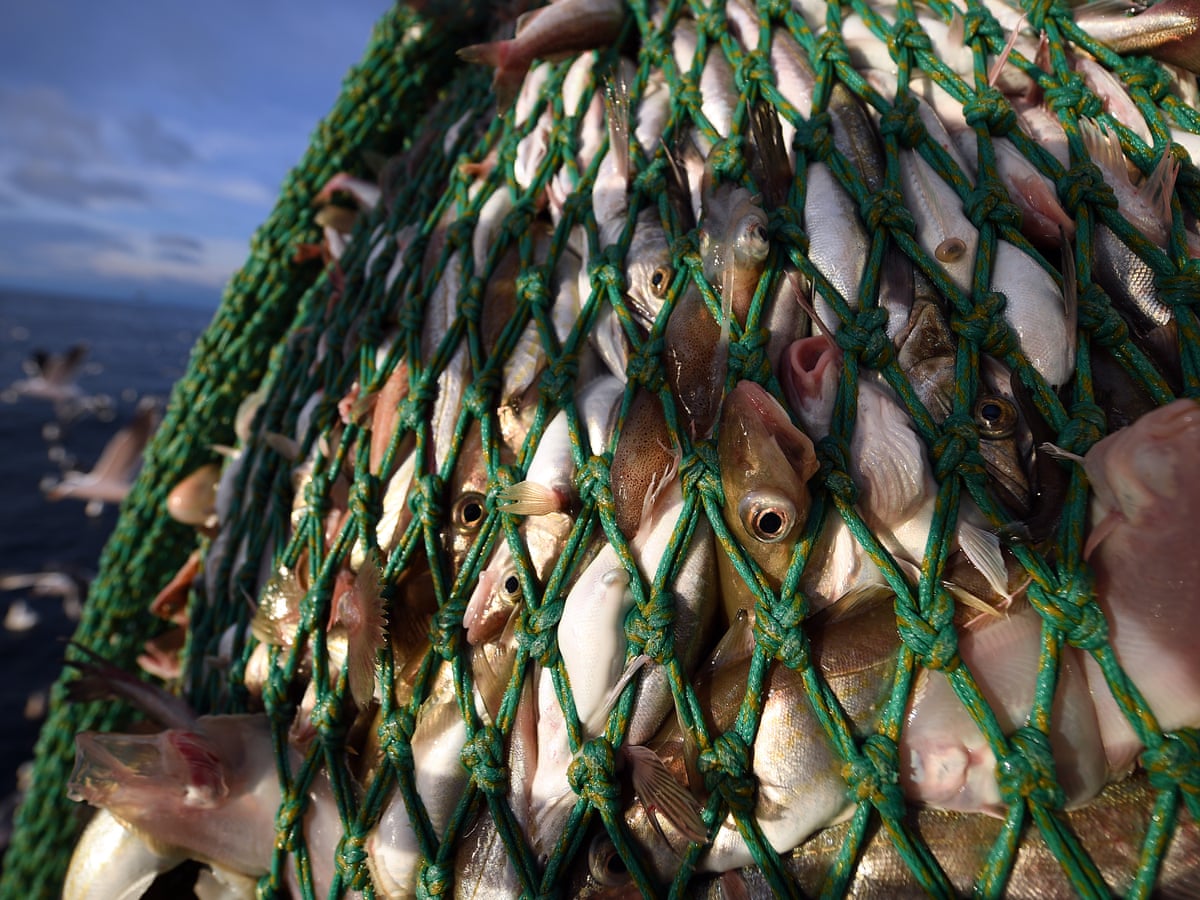
Fish suffer en masse in capture and killing.
Animals are oppressed in the nets, injured and often endure long, painful agony. While the House of Representatives will meet on fisheries this week, fish welfare is not on the agenda.
Currently there is only one ship in service that stuns plaice before they are killed.
The majority of Dutch citizens believe that the welfare of fish should be better protected and they deserve the same protection as other animals. However, it is currently impossible to buy fish in the supermarket, where the fish welfare is sufficiently guaranteed.
Dierenbescherming recently showed in a new study that some supermarkets do want improvement for the fish, but that the options are limited.
Also with fish with a quality mark, such as MSC and ASC, welfare is hardly taken into account and the animals suffer on a large scale which prompted CIWF to start an international campaign where they call on the biggest fish labels to put an end to fishing suffering.
The government must now also take responsibility and commit to better treatment of fish. Among other things, by giving fish welfare an important place in the fisheries policy and investing in improvements for the animals.
Yesterday, 14/10; we did a quick post about thee 2 Belugas Little Grey and Little White.
You can see all our posts on this wonderful rescue from performing prison and a journey to freedom below in the ‘Archive’.
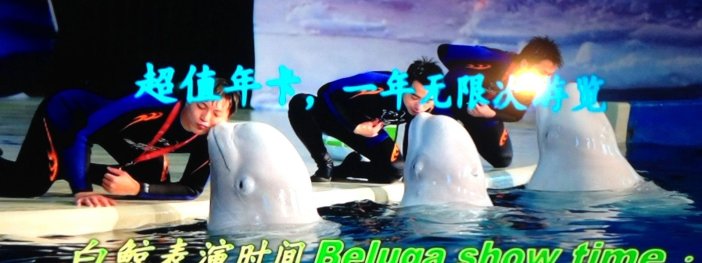
For over a decade LG and LW had been ‘performing’ for humans in a very small indoor tank in Shanghai. It was time to get them out of their prison, and the daily routine of performing stupid tricks for even more stupid people who were prepared to pay and watch them act.
Now meet the whales with much more to smile about !
Two belugas (LG and LW) are transported from captivity in China to a new ocean refuge over 6,000 miles away in Iceland thanks to British charity – Sea Life (Lies) – https://sea-lies.org.uk/
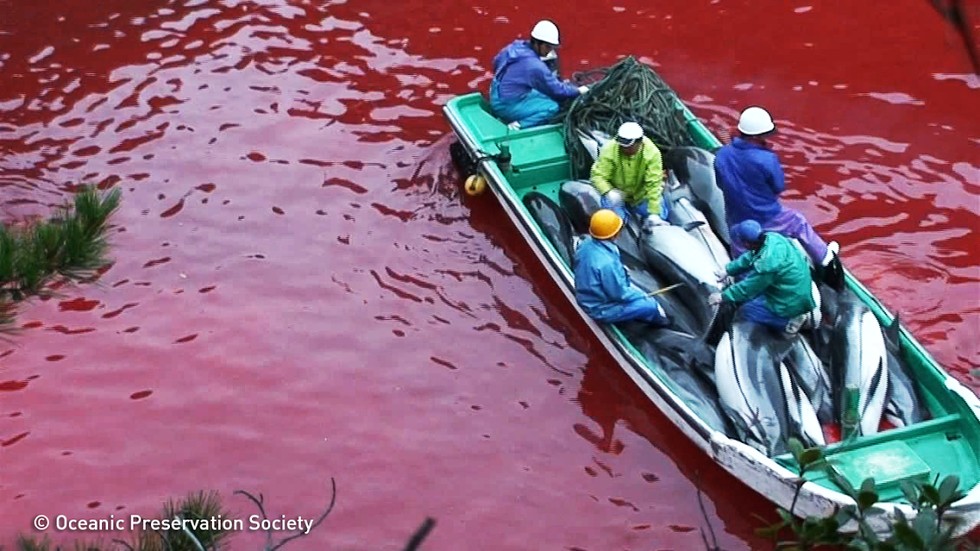
Very sadly, Iceland is still a whale killing nation along with Norway and Japan.
Japan has been engaged in ‘scientific whaling’ (supposedly for research but it means nothing) since 1987, a year after the IWC moratorium on commercial whaling began. Iceland began “scientific whaling” in 2003 before resuming their commerical hunt in 2006.
But; many Icelandic people have welcomed LG and LW to their new sanctuary home; and as we have always said with every campaign issue; it is the people that vote to make changes for the future. Hopefully, with LG and LW now residing in Icelandic waters; people will realise that creatures such as these are not human property and should not be held in captivity performing stupid tricks. We really hope that by having these new arrivals in their country; Icelandic people will see the whale hunt and killing for what it is – murder – and will instead put their resources into protecting whales rather than slaughtering them.
John Bishop is an English comedian who has been involved with this rescue for years since its conception. Here below you can see some footage of John’s involvement with the LG / LW recue project:
Enjoy;
Thanks, but NO TANKS;
Regards Mark
The Sea Life Trust team move Beluga Whale Little Gray from a tugboat during transfer to the bayside care pool where they will be acclimatised to the natural environment of their new home at the open water sanctuary in Klettsvik Bay in Iceland. The two Beluga whales, named Little Grey and Little White, are being moved to the world’s first open-water whale sanctuary after travelling from an aquarium in China 6,000 miles away in June 2019.
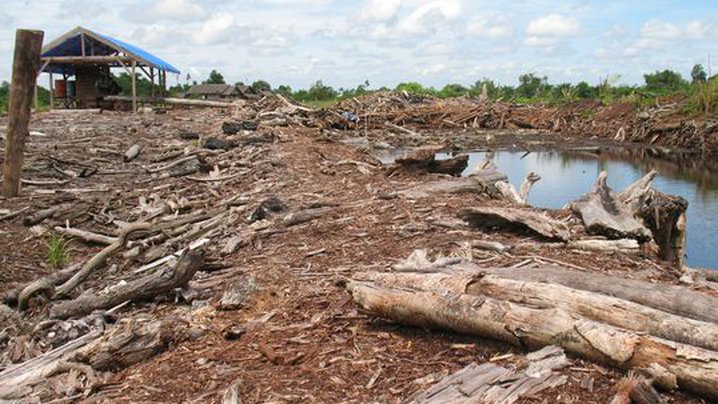
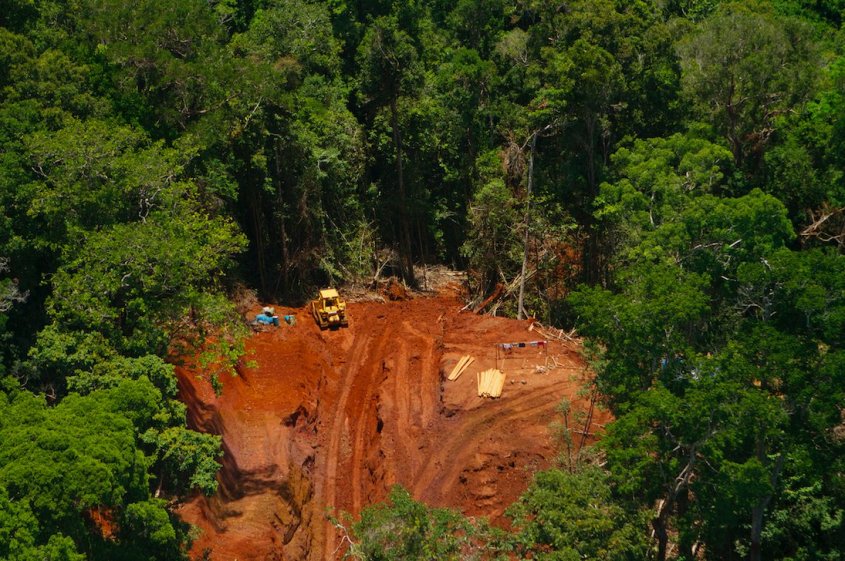
Palm oil production in Nigeria is a destructive and violent business. Companies like Okomu Oil Palm Plantation Plc (OOPC) are clearing forests with breathtaking speed and leaving destroyed livelihoods and human rights violations in their wake.
Please support the struggle of local communities for their rights and for nature.
On May 20, 2020, the village Ijaw-Gbene in southern Nigeria was burnt to the ground.
Witnesses identified the Okomu Oil Palm Plantation Plc (OOPC) security force and members of the Nigerian army as the attackers.
Previously, three other villages had been torched under similar circumstances.
The attack in May 2020 left local farmers and fisherfolk homeless and their properties destroyed.
More than 80 villagers had no choice but to seek shelter in neighboring communities and in churches, rendering social distancing impossible and increasing their risk of COVID infection.
OOPC denies the allegations.
OOPC is a subsidiary of SOCFIN, a group controlled by French corporate titan Vincent Bolloré and the Belgian businessman Hubert Fabri.
SOCFIN operates rubber and palm oil plantations in ten countries in Africa and Asia.
Europeans have a bad reputation: whether in Cameroon, Liberia, Sierra Leone, Ivory Coast, or Cambodia, wherever Socfin works, the local population complains about brutal methods.
In Nigeria’s Okomu Kingdom, SOCFIN’s 33,000-hectare plantation is encroaching on communities that never agreed to give their ancestral land away.
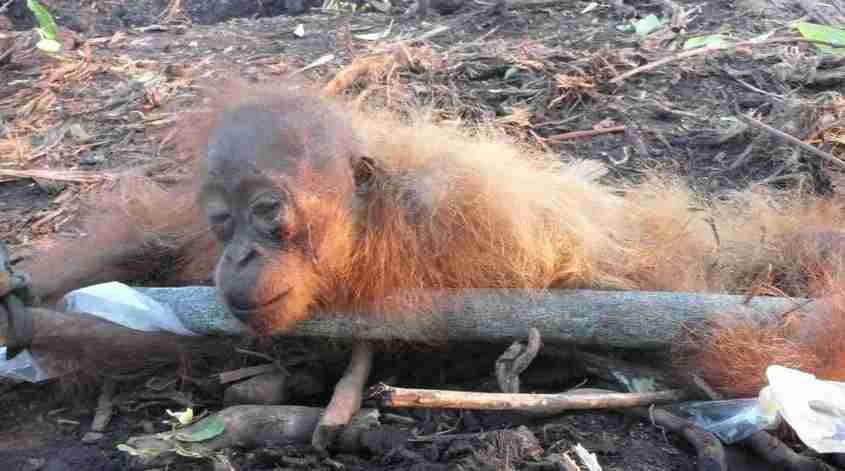
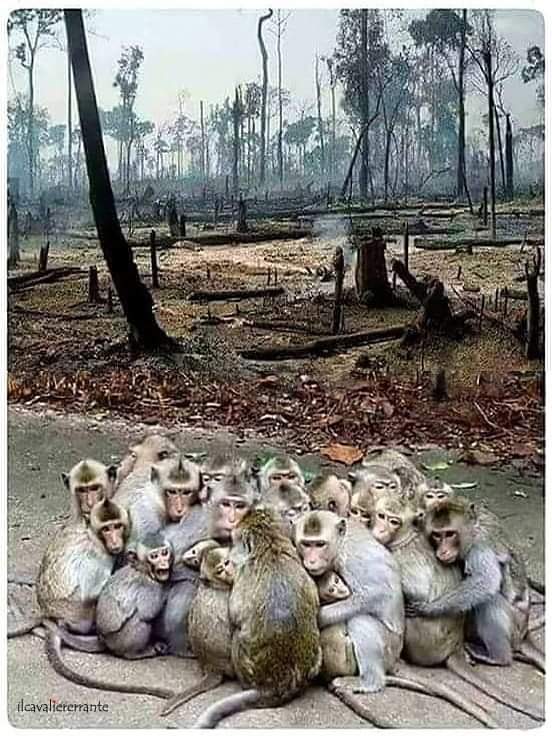
It stretches into forest reserves, home to endangered species such as chimpanzees, forest elephants, and red-bellied monkeys.
Logging and industrial agriculture are the major drivers of deforestation in Nigeria, a country that has already lost 96 percent of its forest cover.
In a joint letter dated September 4, local communities asked the Nigerian president to take steps against OOPC. The struggle against the company is not an isolated case – it’s symptomatic for the palm oil business around the world.
Please support the affected communities in fighting for their rights and for the forests with your signature.
And I mean…To clarify once again: First, there is practically no sustainable palm oil. The oil palm cultivation and processing is a highly polluting and dirty industry because it involves a lot of money.
But with the help of the Europeans, people are brutally driven from their countries, even with the help of the military.
The thousands of hectares of monoculture plantations in Asia and Africa are mostly the result of deforestation in the rainforest or the displacement of small farmers.
They leach out the soil, are very water-intensive, and require large amounts of chemical fertilizers and pesticides. They also prevent smallholder agriculture, are known for the miserable working conditions and wages of palm oil workers, and thus contribute to increased land conflicts, impoverishment, and hunger.
After all, German chemical companies are also among the main buyers of this increasingly important raw material.
Palm oil has been linked to human rights abuses and violence.
Palm oil is forest destruction, human and animal life destruction.
Never buy products that contain palm oil.
With our purchase, we can also resist the big multinational oligarchs and save people and animals.
My best regards to all, Venus
Note: Not all pictures are from Africa.
Most are from Asia, where the dirty palm oil business best blooms
Today 4/10 has been a really crazy mental day. I have not done any posts for the site – so everything you get today will be from Venus.
Tonight I am starting to prepare something for tomorrow. You may remember in the past we have covered the rescue of Beluga whales Little Grey and Little White as they have started their journey from performing in a indoor show arena in the Far East to their new home in a massive natural sea sanctuary in Iceland.
It has been a massive undertaking for all involved – but the best news ever is that Grey and White have finally been released into the new forever sanctuary home over the last few weeks.
Tomorrow there will be much more, but I leave you now with a video of when John Bishop; a UK comedian, first met the pair in the far east. As John says, the pair should never be performing as they were; and we fully endorse that.
The sanctuary can take up to about 8-10 Belugas, and we hope this trial will be the first of many to get captive marine animals out of the showground and back into the wild where they belong.
Here is the first video when John meets Little Grey and Little White for the first time.
WAV Comment – as a reminder for the giving day for apes; we have just donated to one of our favourite rescue centres; the Borneo Orangutan Survival (BOS) Foundation. Please support them with a donation today if you are able.
Today is one of the biggest days of the year to show how much you care about the orangutans in our centres.
In honour of #GivingDayforApes, I want to share some important numbers with you:
Our orangutans require a lot of care, while our 38 surrogate mothers work tirelessly in the tropical heat to teach our forest school students how to survive in the wild.
The orphans drink a total of about 15,000 litres of milk and use 10,000 diapers per year. And eat more food than you can imagine Mark, such as yams, melons, eggplants, rambutans, watermelons, and a mountain’s worth of bananas.
All in all, that’s 1,000 tonnes of food per year.
If just 1 in 10 of those reading this email – people like YOU, Mark – gave $25 we could reach our goal to raise $20,000 by midnight tonight to provide milk and nutritious food for all of our orangutans.
So will you help us reach our goal?
Click the donation button below to donate $25 or more right now and help us meet our goal before the midnight deadline.
‘Real and imminent’ extinction risk to whales | Eurogroup for Animals
Steve Halama
‘Real and imminent’ extinction risk to whales
12 October 2020
More than 350 scientists and conservationists from 40 countries have signed a letter calling for global action to protect whales, dolphins and porpoises from extinction.
They say more than half of all species are of conservation concern, with two on the “knife-edge” of extinction.
Lack of action over polluted and over-exploited seas means that many will be declared extinct within our lifetimes, the letter says.
Even large iconic whales are not safe.
“Let this be a historic moment when realising that whales are in danger sparks a powerful wave of action from everyone: regulators, scientists, politicians and the public to save our oceans,” said Mark Simmonds.
The visiting research fellow at the University of Bristol, UK, and senior marine scientist with Humane Society International, has coordinated the letter, which has been signed by experts across the world.
How are climate and health crises driven by factory farms?
12 October 2020
The European Commission’s Farm to Fork strategy pledges to reduce the environmental and climate impact of animal production.
However, no concrete actions are suggested to tackle the root causes of the problem.
Factory-farmed meat production in the EU is on the rise, and is putting the climate and human health at risk according to a new report released today from Food & Water Action Europe and Friends of the Earth Europe.
A rise in industrial meat production in the European Union has been accompanied by a rapid decline in the number of small farms. This has led to a dangerous rise of “factory farms”, characterised by large numbers of animals confined in crowded spaces.
The COVID-19 crisis has proved the fragility and inhumanity of the system which makes cheap meat possible, and how much it depends on unethical and unfair conditions for workers.
We need urgent action from EU and national policy makers to change this.
Stanka Becheva, food and farming campaigner at Friends of the Earth Europe
The report reveals that:
Unsafe working conditions on factory farms and slaughterhouses put workers in danger and increase the spread of diseases including COVID-19;
Global production of soybeans for animal feed, and the resulting deforestation, are exacerbating the climate crisis, constituting around 7% of all greenhouse gas emissions originating from human activity;
The European meat sector is dominated by a few large corporations who are increasing in size through mergers and acquisitions. Vertical integration threatens the existence of small-scale farmers, drops the prices for producers and leaves all the profits with agribusiness;
The routine dosing of antibiotics to factory farmed animals is increasing the risk of antibiotic resistant bacteria ending up in meat;
Manure from livestock farming severely contributes to air pollution (namely via ammonia emissions) and water pollution (via nitrate outputs) – a serious health risk for people living near factory farms.
New Documents Reveal How the Animal Agriculture Industry Surveils and Punishes Critics
A respected Bay Area veterinarian endures widespread attacks following an industry “alert” about her criticisms of factory farms.
This week’s SYSTEM UPDATE on this topic — with Dr. Crystal Heath, one of the veterinarians targeted by these industry campaigns for retaliation — can be viewed on The Intercept’s YouTube channel, or on the player below.
ANIMAL AGRICULTURE INDUSTRY GROUPS defending factory farms engage in campaigns of surveillance, reputation destruction, and other forms of retaliation against industry critics and animal rights activists, documents obtained through a FOIA request from the U.S. Department of Agriculture reveal. That the USDA possesses these emails and other documents demonstrates the federal government’s knowledge of, if not participation in, these industry campaigns.
These documents detail ongoing monitoring of the social media of news outlets, including The Intercept, which report critically on factory farms. They reveal private surveillance activities aimed at animal rights groups and their members. They include discussions of how to create a climate of intimidation for activists who work against industry abuses, including by photographing the activists and publishing the photos online. And they describe a coordinated ostracization campaign that specifically targets veterinarians who criticize industry practices, out of concern that veterinarians are uniquely well-positioned to persuasively and powerfully denounce industry abuses.
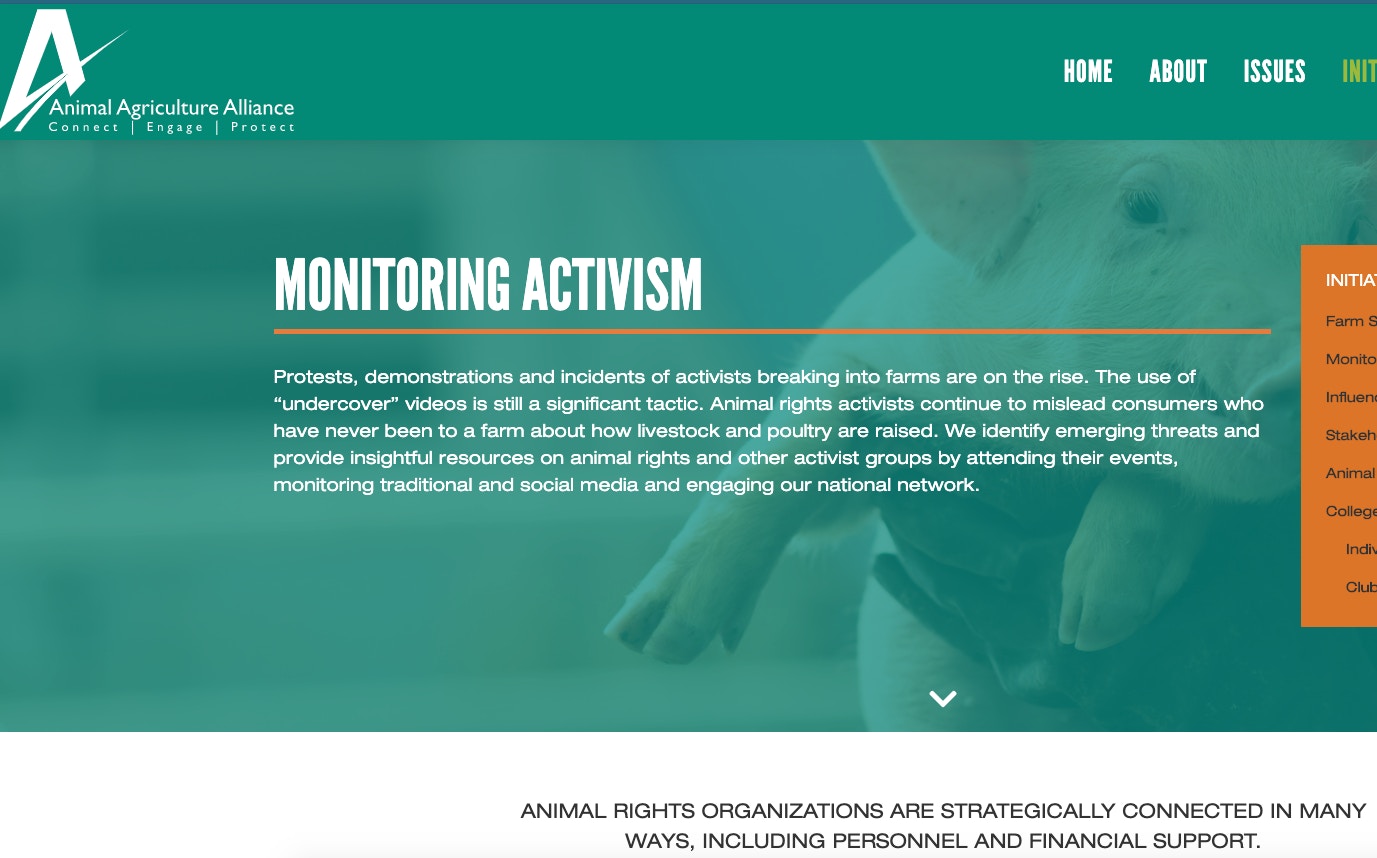
One of the industry groups central to these activities is the Animal Agriculture Alliance, which represents factory farms and other animal agriculture companies — or, as they playfully put it, they work for corporations “involved in getting food from the farm to our forks!” The group boasts that one of its prime functions is “Monitoring Activism,” by which they mean: “We identify emerging threats and provide insightful resources on animal rights and other activist groups by attending their events, monitoring traditional and social media and engaging our national network.”
Indeed, the Alliance frequently monitors and infiltrates conferences of industry critics and activists, then provides reports to their corporate members on what was discussed. As The Intercept previously noted when reporting on felony charges brought against animal rights activists with Direct Action Everywhere, or DxE, for peaceful filming and symbolic animal rescues inside one Utah farm that supplies Whole Foods and another owned by Smithfield — an action that showed how wildly at odds with reality is the bucolic branding of those farms — the Animal Agriculture Alliance issued a statement denouncing the activists for (ironically) harming their animals and urging law enforcement and “policymakers” to intervene on behalf of the industry against the activists.
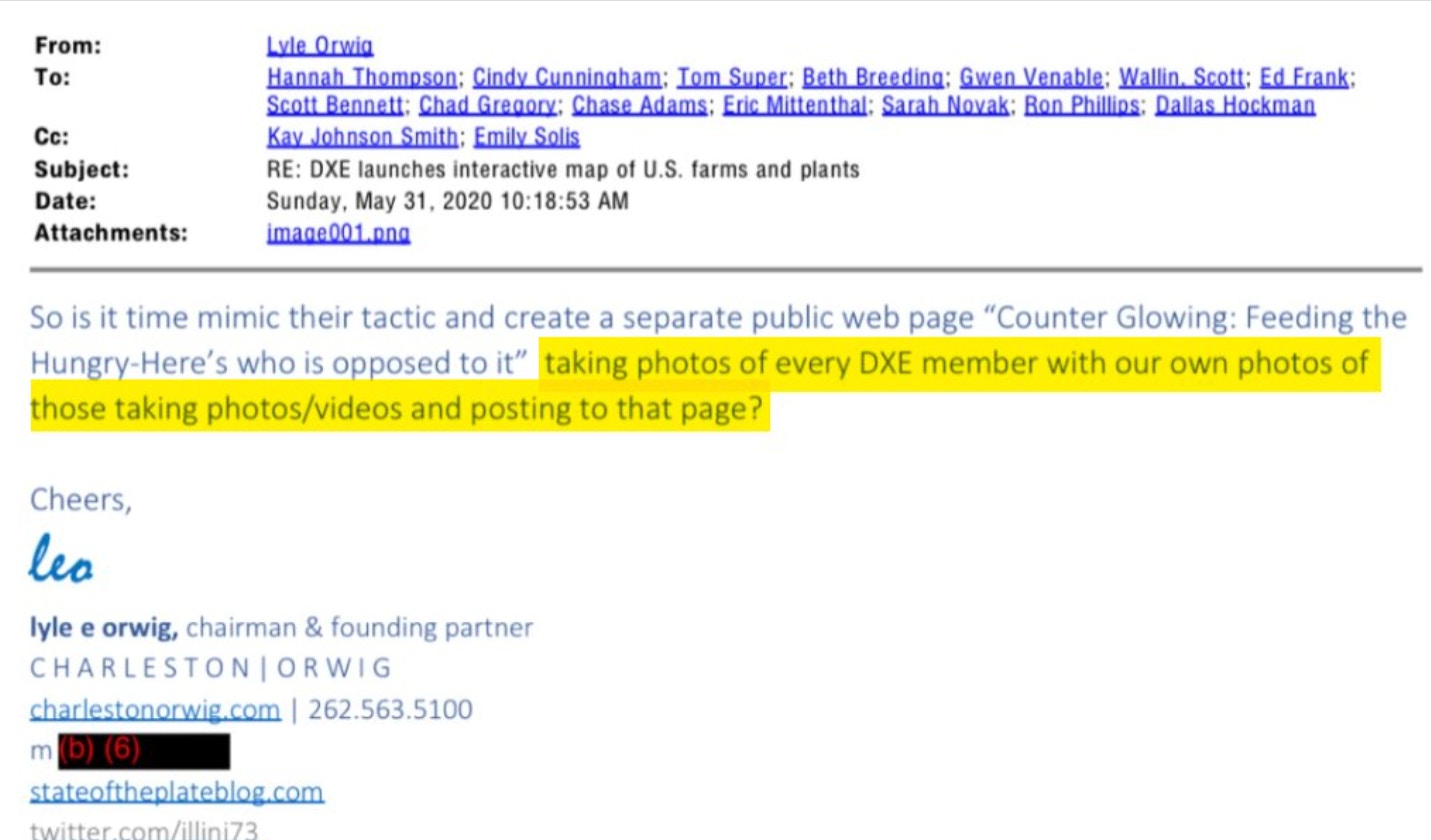
In the emails obtained by the FOIA request, the Alliance and its allies frequently encourage their members to alert the FBI and Department of Homeland Security regarding actions by activists. In response to a project by DxE to create a map tracking factory farms, Lyle Orwig — chair of the agricultural company Charleston/Orwig, Inc. and a member of the Alliance board — proposed the retaliatory step of “taking photos of every DXE [sic] member” and posting them to the internet while accusing them of being “opposed to feeding the hungry.”
ONE PERSON SINGLED OUT for retaliation in these discussions was a popular, respected Bay Area veterinarian, Dr. Crystal Heath. As a local CBS affiliate television profile of her explained, Dr. Heath is the kind of veterinarian who we all as children are taught to admire.
Rather than working for corporations or state agencies engaged in cruel animal experimentation, or for factory farms making a large salary to provide the veneer of medical justification for their barbaric, torturous practices, Dr. Heath has devoted herself to shelter medicine, working for years with the Berkeley Humane Society and other nonprofit animal rescue groups, where she “has spayed and neutered more than 20,000 animals.” The CBS broadcast report provides a full picture of the humanitarian and self-sacrificing nature of her work.
But to the Animal Agriculture Alliance and its industry allies, Dr. Heath somehow became a grave danger, an “extremist” whose name needed to be circulated within her profession as someone to be aggressively shunned. And that is exactly what they did. What prompted this targeted campaign against her was nothing more than her use of her veterinarian expertise to express criticisms of industry abuses and excesses.
In May, The Intercept reported on a gruesome mass-extermination technique being used by Iowa’s largest pork producer, Iowa Select Farms, to kill large numbers of pigs which were deemed unnecessary and in need of “depopulation” due to the pandemic. The technique, called “ventilation shutdown,” or VSD, involves cutting off the air supply in barns and turning up the heat to intense levels so that “most pigs — though not all — die after hours of suffering from a combination of being suffocated and roasted to death.” The pigs who survive this excruciating ordeal are then shot in the head in the morning by farm employees. A video report produced by The Intercept and the video documentarian Leighton Woodhouse — based on footage obtained inside an Iowa Select barn by DxE as the pigs were slowly dying — was viewed by more than 150,000 people.
Numerous veterinarians were shocked by the use of this unspeakably cruel and gratuitous mass-extermination tactic, which imposes extreme, protracted suffering on highly intelligent, socially complex, sentient animals. And it created serious problems for the industry, with McDonald’s demanding an explanation it could use publicly, and even discussions — from the National Pork Producers Council — to invent a new, more pleasant and euphemistic name for the extermination technique:
One of the veterinarians indignant about ventilation shutdown extermination programs was Dr. Heath. She was part of a group of hundreds of her veterinarian colleagues to launch a campaign urging the American Veterinarian Medical Association to withdraw its approval of the use of this technique in limited, proscribed circumstances. Though the AVMA says it was not involved in the specific use of the extermination technique by Iowa Select, its guidelines approving of VSD were, as The Intercept documented, cited as justification by the company and its allies.
Dr. Heath was quoted in one news report on the controversy as saying: “I believe the majority of AVMA members do not approve of VSD except as a ‘last resort’ depopulation method and AVMA intended VSD to be used only in extreme conditions of infectious or zoonotic disease outbreaks or natural disasters. AVMA approval has allowed pig and poultry producers to use VSD as a cost-savings procedure to cheaply destroy unprofitable or excess animals.”
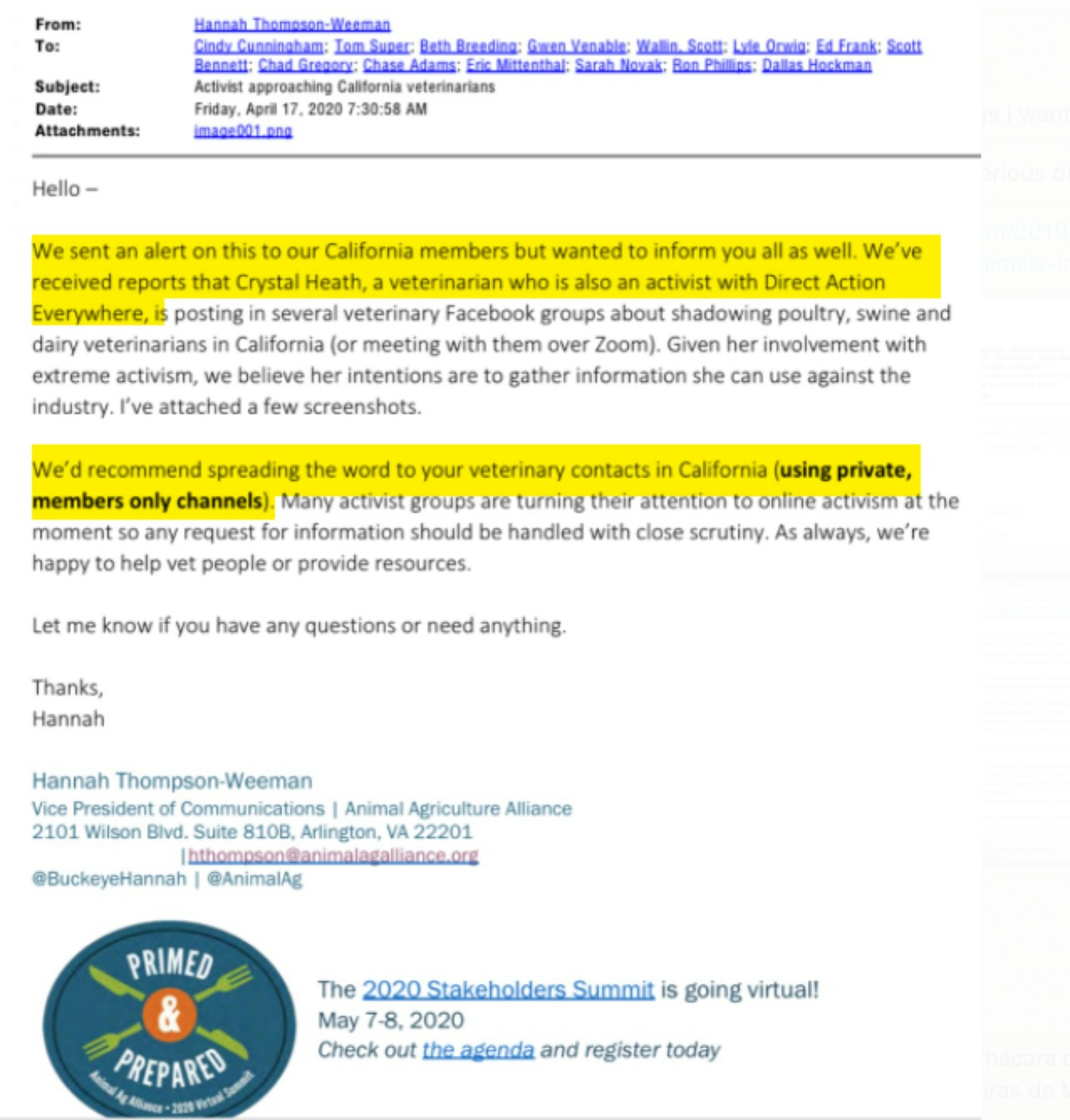
Due to her criticisms of these factory farm practices and her work with DxE in advocating industry reform, industry groups focused on her. In one email from April, a vice president of the Animal Agriculture Alliance, Hannah Thompson-Weeman, revealed that an “alert” had been sent about Dr. Heath to California members, accusing her of engaging in “extreme activism” and encouraging groups to “spread the word to your veterinarian contacts in California” — where Dr. Heath practices — “using private, members only channels.”
Following that “alert,” Dr. Heath began experiencing targeted campaigns against her online and within her profession. Though it cannot be proven that this was the result of the Alliance’s “alert,” what began happening to her for the first time in the wake of that alert tracked the language used against her by these industry groups. (The Alliance and Thompson-Weeman did not respond to The Intercept’s request for comments. Thompson-Weeman locked her Twitter account yesterday after we previewed this article and the SYSTEM UPDATE episode. The AVMA has denied that it was involved in Iowa Select’s use of VSD.)
What perhaps alerted the Alliance was one veterinarian group that accused her of being “part of an active campaign to cause as much harm as possible to our clients and ourselves,” announcing that they had alerted the Alliance about her. Veterinarian groups on Facebook posted their own warnings about her, and she was banned from some groups. Comments began appearing on her own Facebook page, purportedly from other veterinarians, accusing her of “deranged activism,” being “a liar who makes up stories,” “bastardizing our profession through every available method,” and claiming that she is “literally, by name, a topic of conversation in board rooms from Ag business to organized veterinarian medicine across the nation. Your name is literally toxic.”
What alarmed Dr. Heath most was the emergence online of anonymous flyers which contained a “BEWARE” warning at the top, along with her photo and a string of accusations, some of which were false, that claimed she harbors “an agenda that doesn’t include anything positive for our profession” and “expresses fondness” for “domestic terrorist organizations.” It warned that even allowing her access to the social media pages of veterinarians could be dangerous, and thus urged that she be blocked from all online forums, personal profiles, and social media groups.
It goes without saying that this sort of a campaign could be devastating to the career opportunities or ability to earn a livelihood of any veterinarian. Fortunately for Dr. Heath, she believes her hard-earned reputation with area clinics developed over many years will enable her to continue to work, but she believes, for very good reason, that “alerts” and campaigns of this sort would make it extremely difficult if not impossible for her to find work anywhere else. For a younger or less-established veterinarian seeing what was done to her, they would obviously think twice about speaking out or working against the factory farm industry, the obvious goal of such campaigns.
That the U.S. Department of Agriculture was in possession of the emails and other documents circulated by industry groups, and thus produced them as part of the FOIA request, indicates that, at the very least, government officials are being included in these discussions (the flyer about Dr. Heath and other social media postings regarding her were obtained by The Intercept from Dr. Heath, not by the FOIA request). What is clear is that the animal agricultural industry essentially operates their own private surveillance and “warning” networks, and uses their extensive influence within the halls of government power to aid their efforts to punish and retaliate against its critics and activists.
Dr. Heath is my guest on this week’s SYSTEM UPDATE. The episode, which can be viewed on The Intercept’s YouTube channel or on the player below, first reviews these new documents in detail obtained by the FOIA request, and I then speak to Dr. Heath about what she has endured as a result of her speaking out against this very powerful industry.











 World Animals Voice