I just fail to understand what these sick; warped in the head perverts get out of taking the lives of such majestic animals – see the magnificent stag for example; gunned down for what ?
All hunters are warped; and dangerous to us all.
Mark.
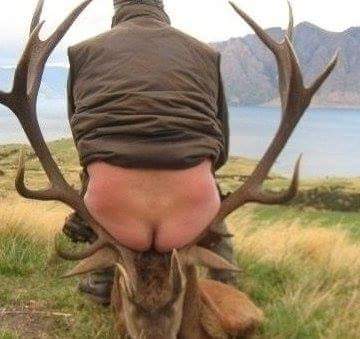
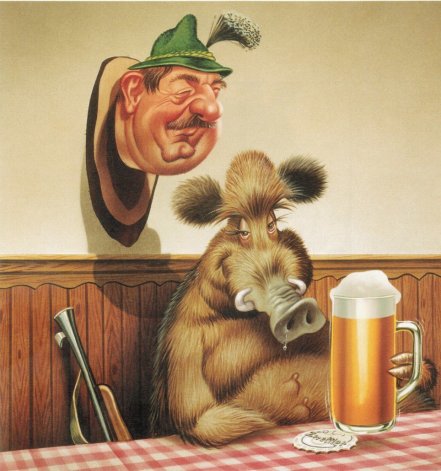

I just fail to understand what these sick; warped in the head perverts get out of taking the lives of such majestic animals – see the magnificent stag for example; gunned down for what ?
All hunters are warped; and dangerous to us all.
Mark.

On the subject of sick perverts; …………….
Posted by Carly Day | February 16, 2019
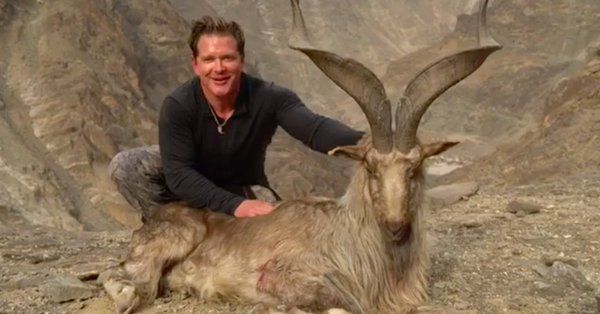
Image Credit: Mayo Hunter
An American trophy hunter paid $110,000 to shoot an endangered Astore markhor goat in Gilgit, Pakistan this month.
The Texan, identified as entrepreneur Bryan Kinsel Harlan, is seen making the kill in a video released by his hunting guide on Facebook.
Harlan shoots the adult markhor in cold blood as it grazes in a mountainous area right next to an infant. He then high-fives his hunting buddies before posing with this magnificent slaughtered animal.
“It was an easy and close shot and I am pleased to make this trophy,” Harlan told a Pakistani newspaper.
The markhor is the national animal of Pakistan, and there are less than 6,000 left in the wild. They are currently classified as near threatened after the IUCN downgraded their status from endangered in 2015.
Also known as the screw horn goat, hunters prize their spectacular spiraled horns.
Although it is illegal for most people to hunt this protected species, the government of Pakistan makes an exception for trophy hunters; this year, they auctioned off permits allowing four markhor to be shot dead.
Harlan is the third American to travel to Pakistan this year to kill one of these goats. Less than a month ago, another American “sports hunter,” John Amistoso, paid $100,000 to travel to Pakistan and murder a stunning individual.
Tarbarak Ullah was the lead guide on Harlan’s hunting trip and defends the practice as essential for the conservation of the species.
“This is not just about hunting,” said Ullah. “The number of animals is increasing, and these foreign hunters are millionaires who go back and tell the world that Pakistan is safe. Now, more and more tourists are coming.”
The Pakistani government claim that 80% of the permit fees go directly to the local communities in the community conservation areas where the hunts take place, with 20% going to the wildlife department.
But Iris Ho, senior specialist for wildlife programs and policy at the Human Society International (HSI), disagrees with the “conservation” scheme.
“The hefty price tag — $100,000 — for this hunt says it all,” says Ho. “Trophy hunting is not conservation, it is pay-to-slay killing for fun. It is an expensive hobby for the elite one percenters to kill rare and iconic animals for bragging rights.
The United States is the world’s largest importer of hunting trophies, with American trophy hunters leaving a trail of carcasses wherever they go. The grotesque enterprise of trophy hunting at the expense of magnificent wild animals has no place in a modern society.”
The slaughter of even one protected animal in the name of conservation is unacceptable, and we urge the government of Pakistan to support and promote their unique wildlife ethically and sustainably instead of auctioning off their precious lives.


The original Cadbury was founded in England in 1824.
The British public have always been very proud of the brand; and all efforts were made until very recently to keep it in British hands. Recently the brand was purchased by Kraft in a huge buy out which very rapidly saw this very old British firm close down and move production of its chocolate bars to other nations.
Read the full story at:
https://en.wikipedia.org/wiki/History_of_Cadbury
There is a new petition to now ask the current Cadbury to stop their involvement with the trade in Palm Oil.
Cadbury: Stop Destroying Endangered Species and Their Habitats

Target: Dirk Van de Put, CEO, Cadbury
Goal: Cut ties with palm oil plantations that are killing endangered species.
A major chocolate company has direct ties with destructive palm oil plantations. Cadbury sources its ingredients from palm oil plantations. Demand that the chocolate giant cut ties with this destructive industry.
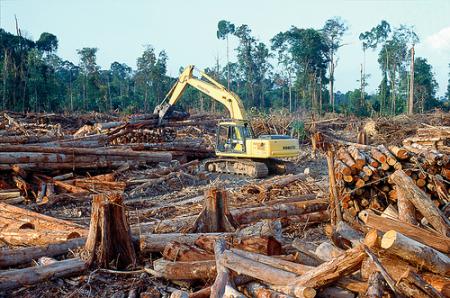
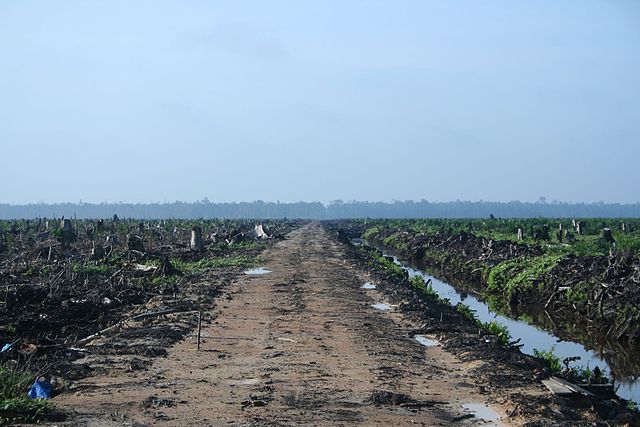
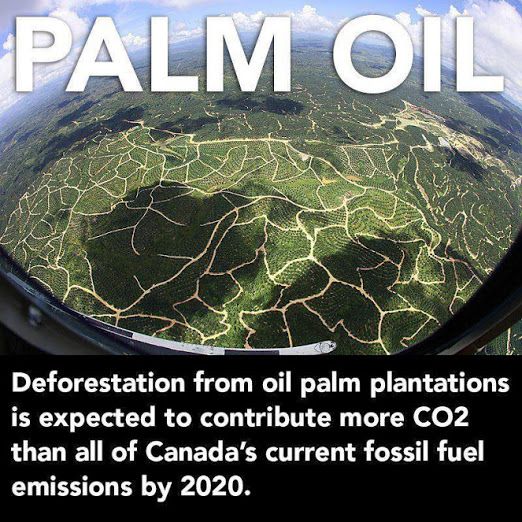
Palm oil is one of the leading causes of rainforest deforestation. Millions of acres of land are being destroyed and thousands of endangered species are losing their homes forever. Species like the orangutan are dying at rapid numbers, without a mate, without a home, and without food. If nothing is done to put a stop to the farming of palm oil, our rainforests may cease to exist.
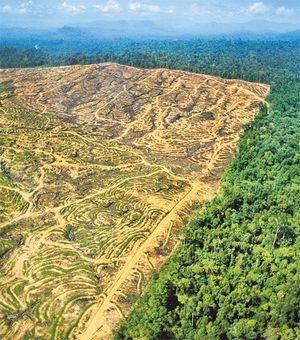
As a major producer of chocolate, Cadbury has the opportunity and the financial means to direct change. Sign the petition to demand that Cadbury cut ties with destructive and deadly palm oil plantations.

Dear Mr. Van de Put,
Cadbury is a major producer of chocolate. However, that chocolate is being produced at the expense of our rainforests and the endangered species that call them home. Palm oil is a source of the chocolates’ ingredients. One of the leading causes of deforestation, the palm oil industry has led to the deaths of thousands of innocent animals.
Cadbury has the means and the voice to direct immediate change. If you source from more sustainable and ethical industries, other chocolate producers may follow. I demand that you cut ties with palm oil plantations.
Sincerely,
[Your Name Here]



From Mark in England:
My dad died in November last year (2018). Instead of flowers at the funeral; we asked people to give a donation to Animals Asia https://www.animalsasia.org/ or to London based Environmental Investigation Agency (EIA) – https://eia-international.org/ who do so much work relating to environmental issues.
I made contact with both organisations; and they kindly sent us leaflets on their work. Leaflets were put into each and every copy of the funeral service at the crematorium, so that everyone who came was able to see, and take away with them, information of these excellent organisations.
As an animal campaigner himself; I know that dad would much have preferred donations going to help animals and the environment rather than on flowers which would have ended up in the waste within a few days or weeks.
Despite losing dad, it gives us heart to know that we have helped in several ways towards making a better life for little Aurora. We know that he would not have had any problems with this in the least – it would have been something he would have been very happy with.

So here is the latest in Aurora’s new life at the sanctuary:
We have followed and shown you the rescue of Aurora on this site from the very start.
You can read about this and see a lot of other issues relating to global farm issues by visiting the farm animals section of our WAV site: https://worldanimalsvoice.com/category/farm-animals/
Rescued sun bear steps on grass for first time after 15 years of cruel captivity
14 February 2019
Sun bear Aurora worked up the courage to explore the unknown – finding cool grass beneath her paws, coconuts and even potential new friends.
Having been poached from the wild as a tiny cub, sun bear Aurora hadn’t felt grass under her paws for 15 years. Little wonder then that when the door to her new sanctuary home first opened onto an outdoor enclosure, Aurora wasn’t quite sure what to do.
As with so many rescued bears, Aurora’s first instinct was to be wary of the unknown. She timidly poked her head out of the den and let her eyes adjust to the sunlight. Then, taking small, slow steps, she stepped out onto the concrete patio and sniffed the strange new environment.
In front of her lay a grassy playground full of trees and climbing structures. Scattered throughout the enormous enclosure were irresistible treats including coconuts, jam smears and tropical fruits.
Soon enough temptation overcame trepidation and Aurora courageously stepped onto the grass and followed her nose around her new home.
Animals Asia Bear Manager Sarah van Herpt said:
“Aurora is the smallest bear in the whole sanctuary, but she has a big heart. She quickly overcame her fears and bravely explored her new home, searching out treats.
“Most encouragingly of all, while given free-reign outside, Aurora encountered other sun bears in their dens and played with them through the bars. Some of the bears were interacting very positively which gives us hope they could go on to become firm friends in the future.”
While bears are believed to be mostly solitary in the wild, Animals Asia has found the companionship of other bears to be an important factor in improved welfare for bears living in rescue centres and sanctuaries.
Sarah said:
“The entire sanctuary works tirelessly to give the bears new experiences every day and opportunities to live as naturally as possible, but nothing is as stimulating as playing with other bears. They can wrestle, learn from each other’s example, cuddle up on cold days and generally enrich each other’s lives.”
In the near future, attempts will be made to integrate Aurora with some of the other 11 sun bears currently at Animals Asia’s sanctuary.
Aurora spent 15 years in a tiny cage having been poached from the wild and sold as an exotic pet. She was rescued by Animals Asia in December 2018 and travelled 1,500 kilometres by road to the charity’s sanctuary in the north of Vietnam.
Since her rescue, Aurora has also received a thorough examination by vets who believe she has a small gallstone and suffers from arthritis. Thankfully, neither condition requires surgery or medication currently and will be monitored closely as future treatment will likely be required.
Animals Asia is a pioneer in combating the bear bile farming industry. In 1998, it was the first to expose the harsh realities of this once-hidden trade and has since rescued more than 600 bears from the industry in both Vietnam and China.
The organization’s Founder and CEO, Jill Robinson, is considered the world’s leading authority on bear bile farming, having dedicated her life to exposing and eradicating this brutal industry for more than 20 years. Today, nearly 200 bears live in peace and tranquility at Animals Asia’s Vietnam Bear Rescue Centre, while 190 more are looked after by the organization in China.
In 2017, the Vietnamese government signed a landmark partnership agreement with Animals Asia to shut down every bear bile farm and send all captive bears to sanctuaries by 2022.


WAV Comment – Actions of schoolkids certainly Trumps that of certain ‘politicians’. Well done them all for making a point today.

Demonstrations will be held in areas including London, Bristol, Cornwall and the Scottish Highlands, organised by youth climate change groups.
The campaign has been inspired by 15-year-old Swedish student Greta Thunberg, who has been skipping school every Friday to protest outside the Swedish parliament

Since then, tens of thousands of children across Belgium, Germany, Sweden, Switzerland and Australia have been inspired to hold their own demonstrations.
The walkouts are being seen as a chance to build towards a global day of school strikes on 15 March.
The UK strikes have been organised by a coalition of YouthStrike4Climate, the UK Student Climate Network and the UK Youth Climate Coalition, to demand action from the British Government.
The coalition says its students are “driven by an alarming lack of Government leadership on climate action over previous decades”.
The coalition is calling on the Government to declare “a state of climate emergency” and educate the British public in the seriousness of global warming.
They are also demanding a change to the school curriculum which will include climate change.


The coalition wants young people to be included in decision-making and is also calling for the voting age to be lowered to 16.
The government says it is for individual schools to decide what to do about pupils walking out on Friday but stresses that term-time leave should be given in exceptional circumstances only.

Anna Taylor of the UK Student Climate Network said: “We’re running out of time for meaningful change, and that’s why we’re seeing young people around the world rising up to hold their governments to account on their dismal climate records.”
Jake Woodier of the UK Youth Climate Coalition added: “Youth voices are too often left out of the discussion when it comes to climate change.
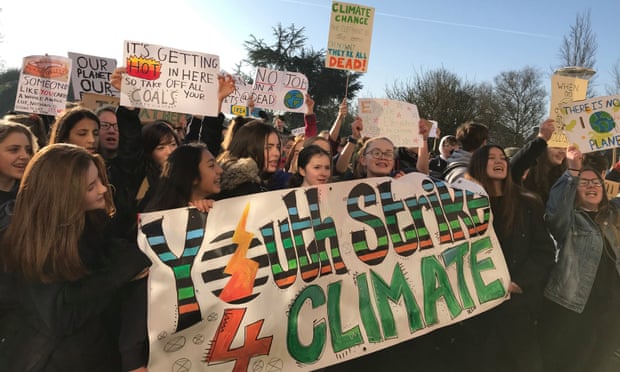
Photo – Sam Russell
“Our current trajectory is completely incompatible with a clean, safe environment not only for ourselves but future generations as well.”
Jake Woodier of the UK Youth Climate Coalition confirmed another day of strike action will be organised for Friday, March 15.
Read more on this here:
https://www.bbc.co.uk/news/science-environment-47242477


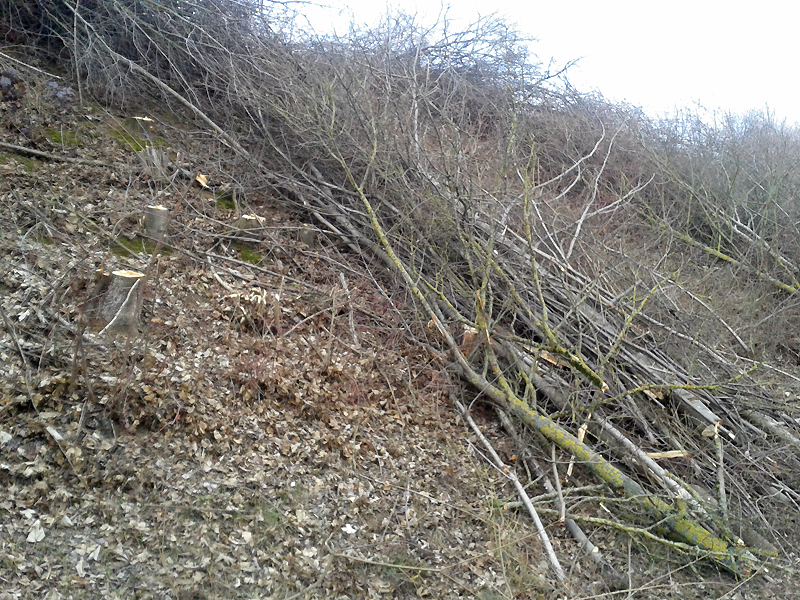
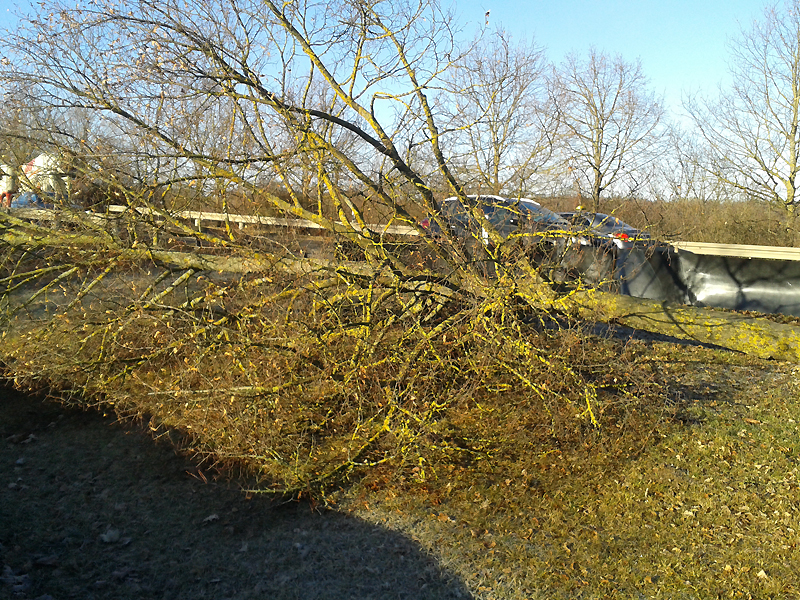
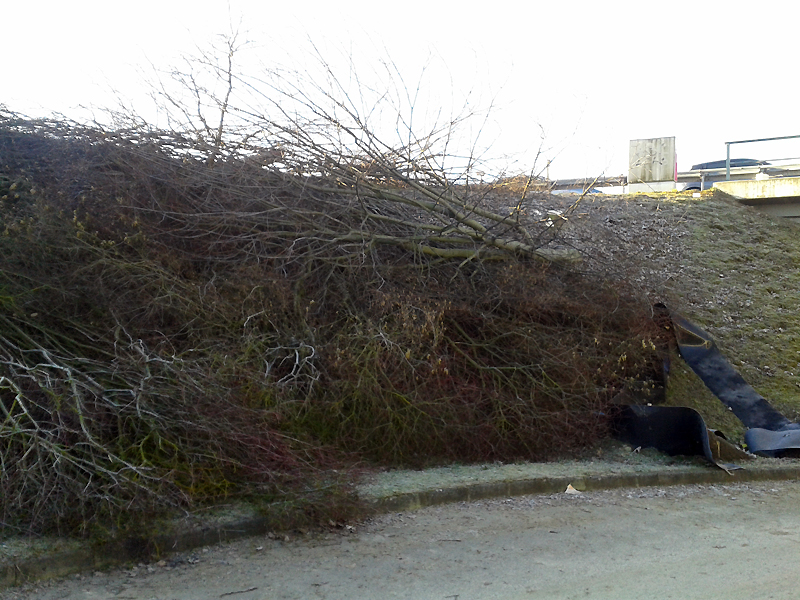
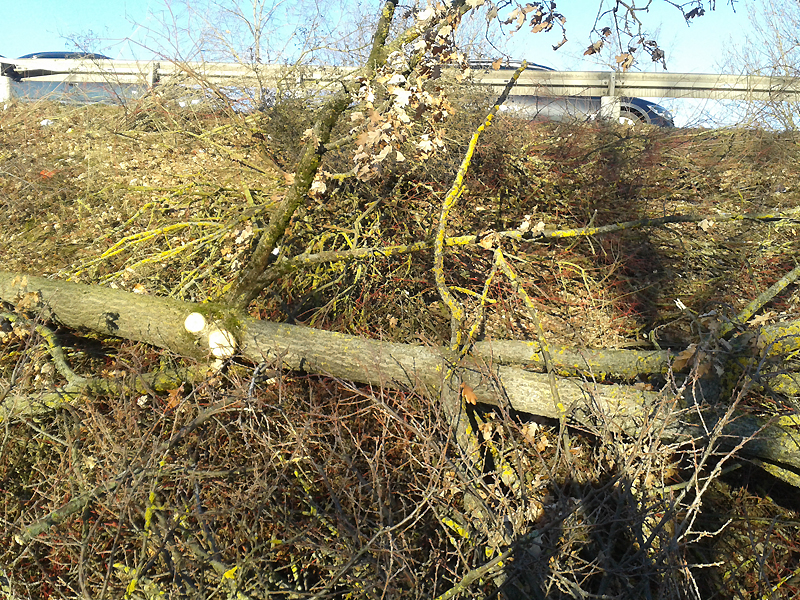
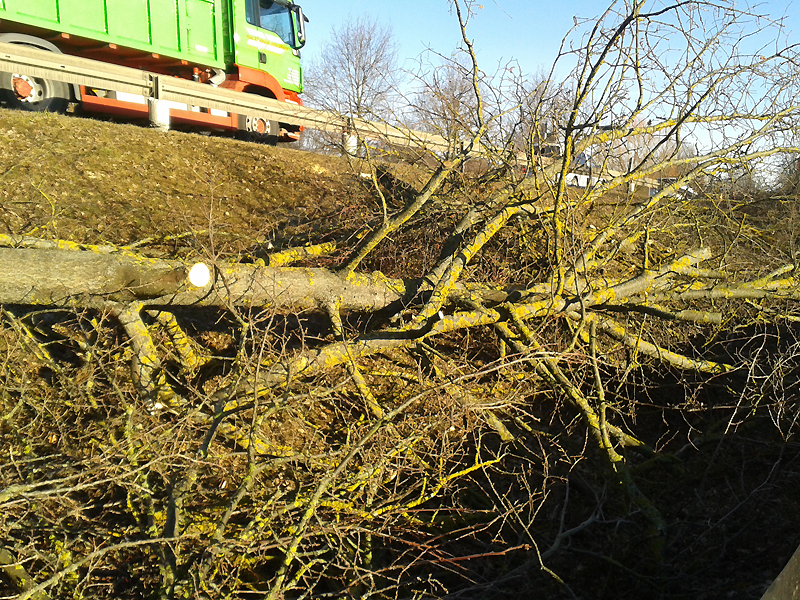
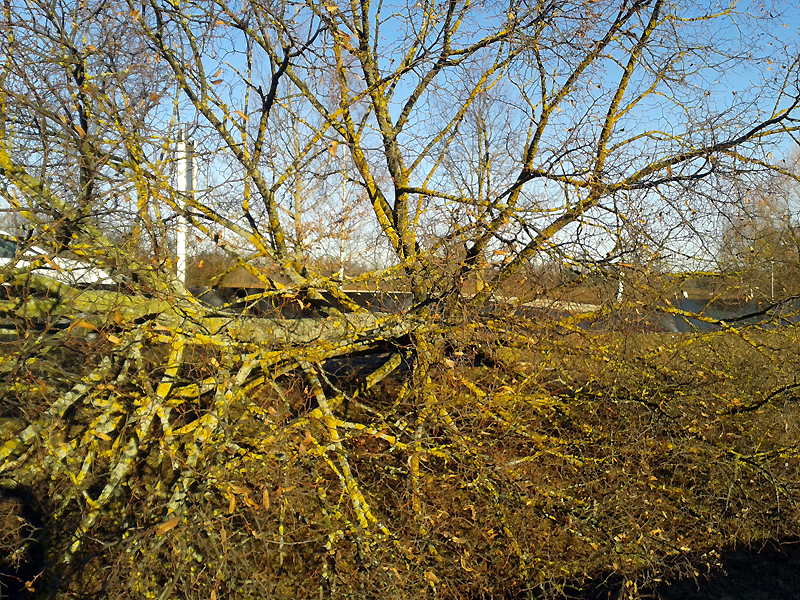
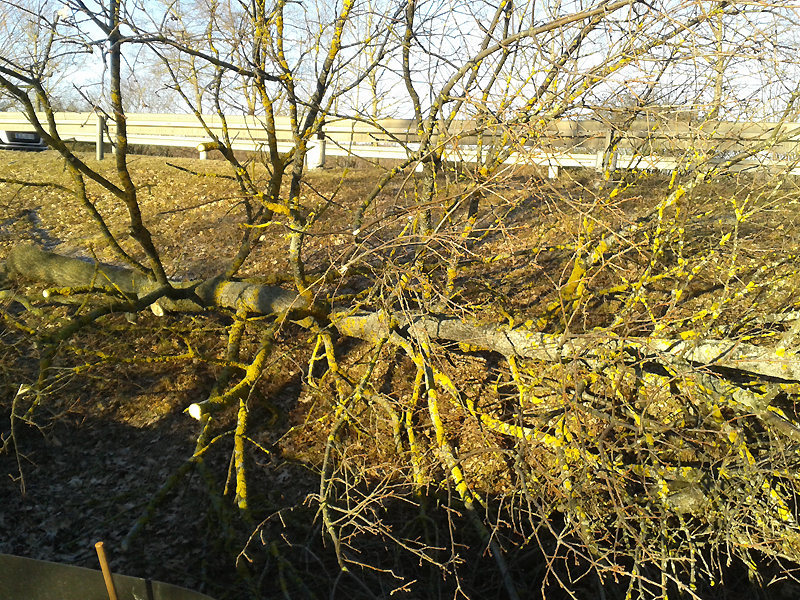
We have been provided with some disturbing images of tree destruction; or as we are told the ‘tree care’ efforts made around the area of Stuttgart, Germany; by a contact who travels in the area each day. Some pictures are also from areas in the same region, places named ‘Ofeld’ and ‘Ilsfeld’.
It appears that the trees are cut and shredded within just a day or so; maybe even less.
It seems the authorities are only allowed to do the tree destruction until the end of February; and not between March and October; for reasons that the / any birds still in the area breed after February. With all the trees being destroyed; trees which would normally supply a good food source for the young birds, and not many trees left anyway for parent birds to construct nests in; what are they supposed to do ? – build nests in the motorway lampposts !!
Word is that the tree destroyers are ‘really going for it’.
Why; what is the real reason – we just do not know. But we do know that breeding birds are now being forced by good ol’ man to up and venture to other areas where they can build nests and forage for food for their young.
Sad world isn’t in ?
If you know why this is being done; or the reasons for it, then we would love to hear from you. Send us a message through the usual ‘contact’ route – thanks.




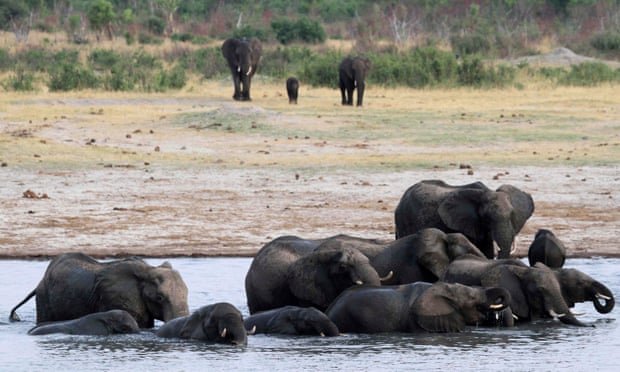
Wildlife advocates said the animals, which were being readied for shipment on Friday night, were unsuitable for live export
More than 30 wild elephants were being readied on Friday evening for an airlift from Zimbabwe to captivity in China, according to wildlife advocates.
The founder of Zimbabwe Conservation Task Force, Johnny Rodrigues, said on Friday that their plane was still at Victoria Falls airport because officials could not find scales big enough to weigh the animals, which were confined inside heavy crates.
But once that was accomplished, he added, “they’re gone”. Some of the elephants are reportedly as young as three years of age.
Continue reading:
An investigator has called on the international body that polices trade in wildlife to crack down on the illegal trafficking of young elephants across borders in south-east Asia.
Secretive agents in Laos are sending dozens of animals each year across the country’s land border with China and fly others to the Middle East, earning up to £230,000 each, according to film-maker Karl Ammann.
The grisly racket – filmed for the first time by the investigative documentary maker – involves elephants being sold into slavery in circuses, zoos and “safari parks”, earning owners huge sums from paying spectators.
Continue reading – https://www.independent.co.uk/news/world/asia/elephants-laos-china-dubai-trafficking-illegal-cites-tourist-trip-cites-stae-a8517431.html
As another shipment of wild-caught baby elephants from Hwange National Park in Zimbabwe jets out of Victoria Falls airport on Ethiopian Airlines to zoos and private collections in China, it’s surely time to call this for what it is: Just plain evil.
This is not a conservation or ‘sustainable utilisation’ issue – the removal of this quantity of elephants will certainly not impact significantly on wild elephant populations, or alleviate the claimed pressure from ‘too many’ elephants on vegetation in Hwange. This is also not about what is permissible under CITES regulations.
Continue reading – https://africageographic.com/blog/mr-president-selling-wild-caught-baby-elephants-china-just-evil/

Because of an “invasion of aggressive polar bears” the authorities have declared a state of emergency on the Russian twin island Novaya Zemlya in the Arctic Ocean.
Dozens of bears had penetrated into residential buildings and public buildings, it was said on Saturday as a reason. Regional authorities issued an appeal for help. A delegation of experts wanted to make their way to the island with its approximately 3000 inhabitants, on which there are Russian Air Force and air defense troops.
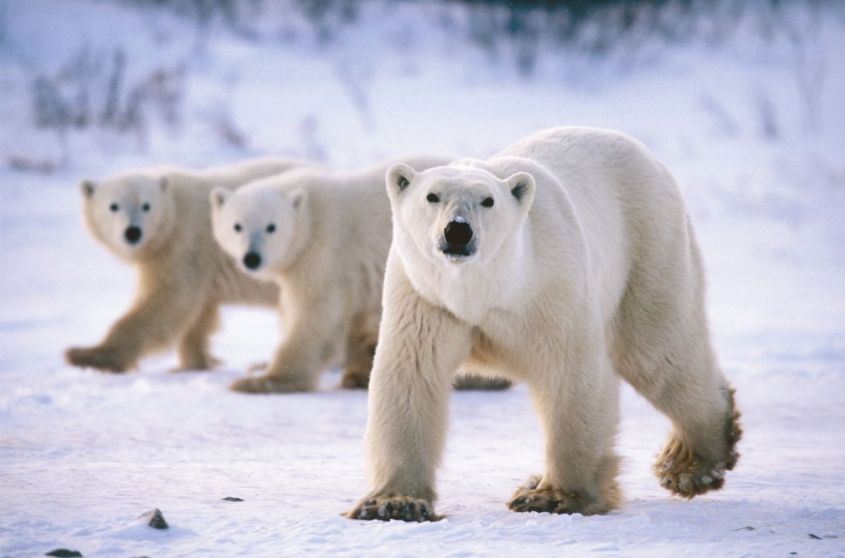
A permit to shoot the bears was initially not granted. Polar bears belong to the endangered species and may not be killed in Russia. However, the regional authorities responsible for Novaya Zemlya in Arkhangelsk said that if all other means fail, the shooting of animals can no longer be ruled out.

A local report to the regional authorities said that since last December, 52 polar bears have regularly turned up in Beluschja Guba, the island’s main settlement.
Some of them attacked people (!!) Parents are afraid to let their children go to kindergarten or to school. Some bears would “chase people down,” (!!!) said local authority chief, Shiganscha Musin. He has lived on the island since 1983, but he has never experienced an invasion of so many bears.
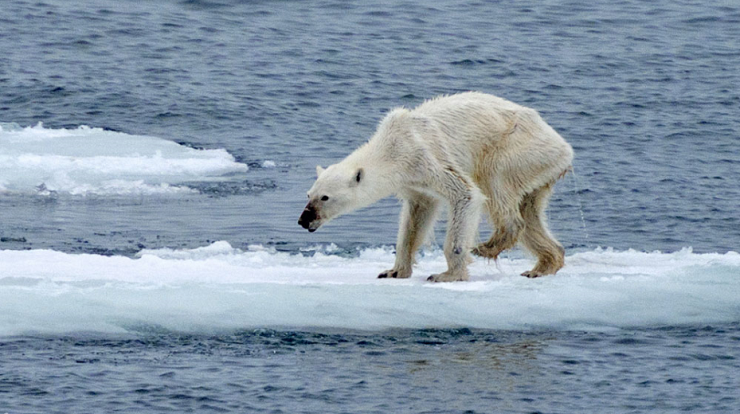
The accelerated melting of ice in the Arctic as a result of climate change causes polar bears to spend more time on land. According to an expert from the Sewertsow Institute for Ecology and Evolution in Moscow, animals are increasingly moving south to seek food on land. The reason for the invasion was that they found food in the settlements. “As there are containers of edible waste, they stop wandering.” (AFP, dpa)
https://www.rt.com/russia/451074-russia-polar-bear-invasion/
My comment: When people hunt bears and kill them for fun this we call trophy hunting and it is allowed.
When bears lose their natural ram by human hand and try to survive, then we call them aggressive beasts and they have to be shot dead.
Such is the fascist belief of the human species!
My best regards to all, Venus


Hi Mark,
They poison us – with the meat that we eat. Because big business swamps the market with cheap meat, we consume more and more of it, produced by abusing antibiotics, and cramming animals in horrible conditions. Hundreds of thousands of people sick from antimicrobial-resistant diseases is just one of the consequences.
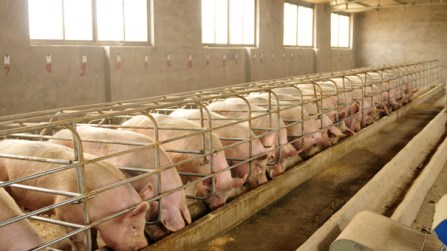
And we are paying for this!
As Europeans, we pay 51 billion pounds each year to promote harmful industrial farming: no other sector gets more money from the EU budget! [1]
On Thursday a series of votes in the European Parliament will kick off.
A handful of MEPs will state whether industrial farming should be funded with our taxpayers’ money. The first of this row of votes and negotiations, this very Thursday, is critical – because it’ll scope and give direction: it’ll be the basis for following negotiations…
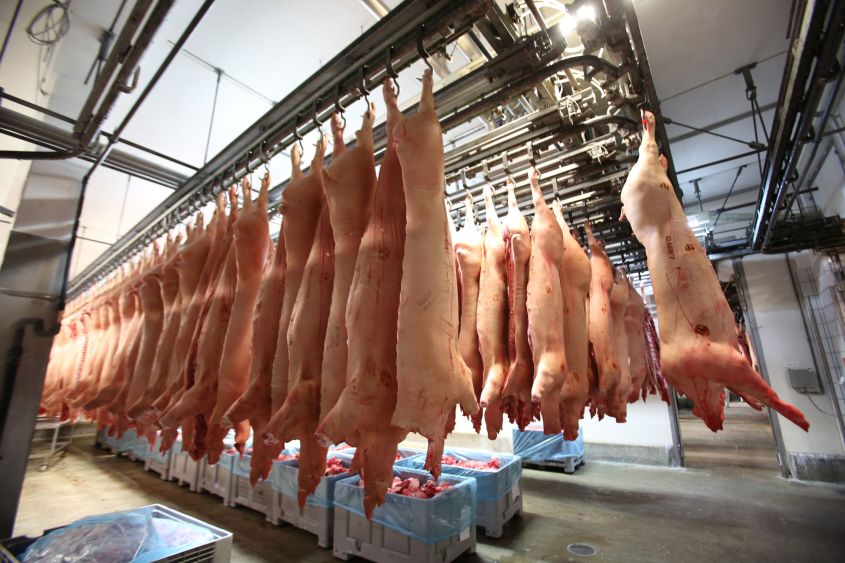
Our partners offered insider information that there are 41 MEPs we could convince to vote for a farming model that doesn’t create meat that poisons us – but only if they feel the pressure from their electorate right before the vote! With their vote, we could swing the result in our favour! Sign the petition and, if you have a Twitter account, send them a message that will burden their conscience while voting!

The meat we consume today is not always what our body needs. As the use of antibiotics in meat production is projected to grow by almost 70%, antibiotic resistance is a major threat to global health. In fact, 700,000 people die from antimicrobial-resistant diseases each year. [2]
Why do we continue to use 40% of the European budget to subsidise these practices? [3] Because big businesses that sell the poison this farming model feeds on (think pesticides, animal fodder, etc) are at work. They don’t want to go out of business – even if that means persuading us to eat more and more meat, of lesser and lesser quality.
As the new EU budget cycle starts soon, politicians are having discussions to shape the next one. Each EU budget lasts 7 years, which is why it’s important to ensure it spends our money wisely! We cannot leave a bunch of MEPs to decide alone, without hearing our opinion, to spend our money, yet again, on a farming model that makes us sick.
Now, thanks to insider information offered by partners, we’ve identified a bunch of MEPs who could possibly listen to our demand, let’s make their conscience shake! Use your power as their future electorate in the May EU elections! We only have 48 hours before the vote!
Together for a healthy farming model,
Mika (Bordeaux), Alex (Marseille), Virginia (Madrid) and the rest of the WeMove.EU team
PS: You are not alone. Thousands of small farmers are on your side – and mobilised! Many small farmers don’t agree with this farming model either, and they’ve come together to say so. Last November they demonstrated in the streets of Brussels, and they are asking for citizens to support their cause. Here’s your chance – sign to support small farmers calling for healthy farming!
References:
[1] https://ec.europa.eu/agriculture/sites/agriculture/files/cap-post-2013/graphs/graph1_en.pdf
[2] https://openletteranimalfarming.com
[3] https://epthinktank.eu/2016/07/20/how-the-eu-budget-is-spent-common-agricultural-policy/

Exclusive: Insects could vanish within a century at current rate of decline, says global review
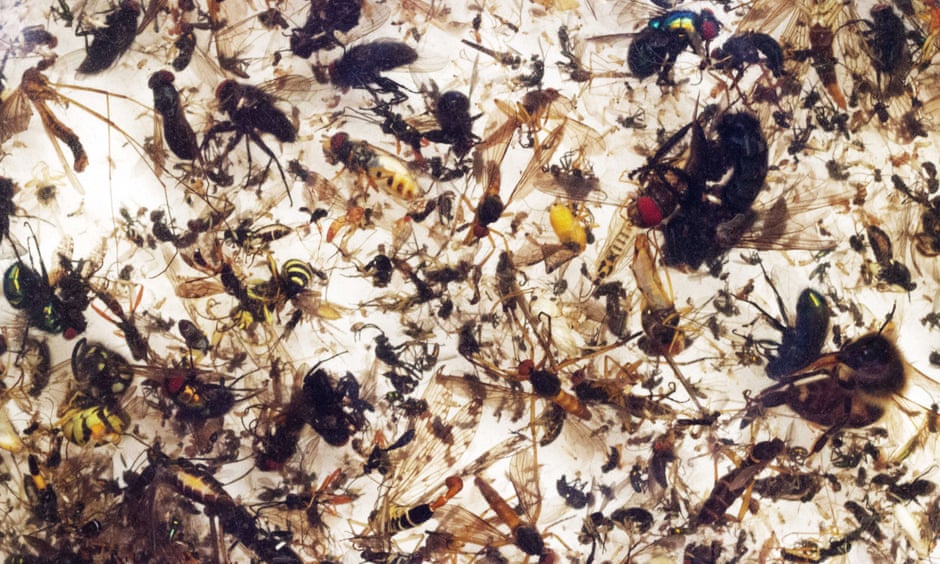
The rate of insect extinction is eight times faster than that of mammals, birds and reptiles. Photograph: Courtesy of Entomologisher Verein Krefeld
The world’s insects are hurtling down the path to extinction, threatening a “catastrophic collapse of nature’s ecosystems”, according to the first global scientific review.
More than 40% of insect species are declining and a third are endangered, the analysis found. The rate of extinction is eight times faster than that of mammals, birds and reptiles. The total mass of insects is falling by a precipitous 2.5% a year, according to the best data available, suggesting they could vanish within a century.
The planet is at the start of a sixth mass extinction in its history, with huge losses already reported in larger animals that are easier to study. But insects are by far the most varied and abundant animals, outweighing humanity by 17 times. They are “essential” for the proper functioning of all ecosystems, the researchers say, as food for other creatures, pollinators and recyclers of nutrients.

