
Category: Environmental

USA: Court sides with NRDC on Keystone XL.

USA


NRDC

Dear Mark,

BREAKING: Siding with NRDC, a federal judge just ruled that President Trump’s State Department unlawfully cut corners when approving the cross-border permit for the Keystone XL pipeline.

The State Department attempted to fast-track its environmental review of the pipeline’s new route in Nebraska — but the court stopped this backdoor deal in its tracks, ordering the agency to go back and conduct a more robust assessment before pipeline construction begins.

This court ruling is a huge win for NRDC and activists like you who have been fighting tirelessly to stop this dangerous pipeline — and for the landowners and Tribal Nation members whose water and environment would be forever threatened by this reckless tar sands oil project.

But we must stay vigilant to ensure that this climate-wrecking pipeline never moves forward.

Last year, tens of thousands of activists like you barraged Trump’s former Secretary of State Rex Tillerson with letters of opposition — and now we must do the same with Secretary of State Mike Pompeo.

Send Secretary Pompeo a message now and tell him to stop the Keystone XL tar sands pipeline once and for all!

You might remember that President Obama’s administration actually stopped the Keystone XL pipeline from moving forward. Under President Obama, the State Department concluded that the pipeline was just too dangerous — to our environment and climate, to local communities and tribes, and to wildlife. But under President Trump, the State Department — no surprise — reversed course and has been attempting to revive this project from day one of the administration.

The Keystone XL pipeline would carry up to 830,000 barrels of dirty tar sands oil each day from Canada’s boreal forest through America’s heartland, threatening land, climate, and drinking water supplies for farmers, ranchers, Indigenous people, and other communities along its route.

And this pipeline would keep us rooted in the dirty fossil fuels of the past instead of moving us toward a clean energy future.

Enough is enough — Keystone XL is all risk and absolutely no reward.

Tell Secretary Pompeo to slam the door on this monstrous fossil fuel project for good!

This is just part of the Trump administration’s full-court press to destroy protections for our environment and our climate. We’re fighting back against efforts to dismantle the groundbreaking Clean Power Plan, roll back lifesaving clean car standards, bail out dirty coal and nuclear power plants, weaken endangered species protections and clean drinking water standards, and the list goes on.

Today, I’m asking for your help to send Trump and his allies a message loud and clear: we will not allow them to get away with this. We will not watch them destroy everything we hold dear. And we will continue fighting back with everything we have.

Please make your voice heard now.

I hope I can count on you to stand with us in the weeks and months ahead — and thank you, as always, for everything you do.

Sincerely,

Rhea Suh
President, NRDC  NRDC

England: You Must Be Nuts ! – Know Your Vitamins To Keep Your Body Healthy.

England

vit1

Know your vitamins.

We found this very useful – especially if you adhere to a specific type of diet such as veggie or Veganism.

All the following is reproduced from ‘Medical News Today’ but we have tailored it for veggie and vegan diets only-  if you are a meat eater then please go to the following link for an aid.  https://www.medicalnewstoday.com/articles/195878.php?sr

We hope that you find it of assistance so that you can top up your animal friendly diet with additional foods that will help your body.


Vitamins are either fat-soluble or water-soluble.

Fat-soluble vitamins

Fat-soluble vitamins are stored in the fatty tissues of the body and the liver. Vitamins A, D, E, and K are fat-soluble. These are easier to store than water-soluble vitamins, and they can stay in the body as reserves for days, and sometimes months.

Fat-soluble vitamins are absorbed through the intestinal tract with the help of fats, or lipids.

Water-soluble vitamins

Water-soluble vitamins do not stay in the body for long. The body cannot store them, and they are soon excreted in urine. Because of this, water-soluble vitamins need to be replaced more often than fat-soluble ones.

Vitamin C and all the B vitamins are water soluble.


vit2

Vitamin A

Chemical names: Retinol, retinal, and four carotenoids, including beta carotene.

·         It is fat soluble.

·         Deficiency may cause night-blindness and keratomalacia, an eye disorder that results in a dry cornea.

·         Good sources include:  broccoli, sweet potato, butter, kale, spinach, pumpkin, collard greens, some cheeses, egg, apricot, cantaloupe melon..


Vitamin B

Chemical name: thiamine.

·         It is water soluble.

·         Deficiency may cause beriberi and Wernicke-Korsakoff syndrome.

·         Good sources include: yeast, cereal grains, sunflower seeds, brown rice, whole-grain rye, asparagus, kale, cauliflower, potatoes, oranges..


Vitamin B2

Chemical name: Riboflavin

·         It is water soluble

·         Deficiency may cause ariboflavinosis

·         Good sources include: asparagus, bananas, persimmons, okra, chard, cottage cheese, and green beans


Vitamin B3

Chemical names: Niacin, niacinamide

·         It is water soluble.

·         Deficiency may cause pellagra, with symptoms of diarrhea, dermatitis, and mental disturbance.

·         Good sources include: avocados, dates, tomatoes, leafy vegetables, broccoli, carrots, sweet potatoes, asparagus, nuts, whole-grains, legumes, mushrooms, and brewer’s yeast.


vit3

Vitamin B5

Chemical name: Pantothenic acid

·         It is water soluble.

·         Deficiency may cause paresthesia, or “pins and needles.”

·         Good sources include: whole-grains (milling may remove it), broccoli, avocados.


Vitamin B6

Chemical names: Pyridoxine, pyridoxamine, pyridoxal

·         It is water soluble.

·         Deficiency may cause anemia, peripheral neuropathy, or damage to parts of the nervous system other than the brain and spinal cord.

·         Good sources include: bananas, whole-grains, vegetables, and nuts.


Vitamin B7

Chemical name: Biotin

·         it is water soluble.

·         Deficiency may cause dermatitis or enteritis, or inflammation of the intestine.

·         Good sources include: some vegetables.


Vitamin B9

Chemical names: Folic acid, folinic acid

·         It is water soluble.

·         Deficiency during pregnancy is linked to birth defects. Pregnant women are encouraged to supplement folic acid for the entire year before becoming pregnant.

·         Good sources include: leafy vegetables, legumes, baker’s yeast, some fortified grain products, and sunflower seeds. Several fruits have moderate amounts, as does beer.


vit4

Vitamin B12

Chemical names: Cyanocobalamin, hydroxocobalamin, methylcobalamin

·         It is water soluble.

·         Deficiency may cause megaloblastic anemia, a condition where bone marrow produces unusually large, abnormal, immature red blood cells.

·         Good sources include: fortified cereals and soy products, as well as fortified nutritional yeast.

Vegans are advised to take B12 supplements.


Vitamin C

Chemical name: Ascorbic acid

·         It is water soluble.

·         Deficiency may cause megaloblastic anemia.

·         Good sources include: fruit and vegetables. The Kakadu plum and the camu camu fruit have the highest vitamin C contents of all foods.

Vitamin D

Chemical names: Ergocalciferol, cholecalciferol.

·         It is fat soluble.

·         Deficiency may cause rickets and osteomalacia, or softening of the bones.

·         Good sources: Exposure to ultraviolet B (UVB) through sunlight or other sources causes vitamin D to be produced in the skin. Also found in mushrooms.


Vitamin E

Chemical names: Tocopherols, tocotrienols

·         It is fat soluble.

·         Deficiency is uncommon, but it may cause hemolytic anemia in newborns. This is a condition where blood cells are destroyed and removed from the blood too early.

·         Good sources include: Kiwi fruit, almonds, avocado, nuts, leafy green vegetables, unheated vegetable oils, wheat germ, and whole-grains.


Vitamin K

Chemical names: Phylloquinone, menaquinones

·         It is fat soluble.

·         Deficiency may cause bleeding diathesis, an unusual susceptibility to bleeding.

·         Good sources include: leafy green vegetables, avocado, kiwi fruit. Parsley contains a lot of vitamin K.


vit5

USA (Alaska): Guns and Wolves: How Hunting Culture Has Plundered America’s Last Wild Frontier.

USA


Guns and Wolves: How Hunting Culture Has Plundered America’s Last Wild Frontier.


guns and wolves

By Denise Boehler

Grey wolves. Grizzly bears, black bears, brown bears. All are living in ecosystems on more than 95 million acres of Alaska’s National Wildlife Refuges (funded by American taxpayers) and Denali National Park, wandering, romping and bearing young on the last wild frontier.

It’s a magical place: the mere mention of Alaska evokes imagery of wild wolves and majestic bears. At one time, people visited and relocated there just to be in their midst. That’s been changing, however, since the early 1990s, when the Alaska Board of Game (Board) began implementing aggressive predator policies that blame predators for only doing what nature intended. By taking as many predators out of the ecosystem as is arguably sustainable through increasingly efficient and often unfair hunting practices, the Board aims to boost moose and caribou populations for indigenous and out-of-state trophy hunters, bringing millions of dollars into the state. These policies are much debated; conservationists see other explanations than over-predation for reduced prey populations. In the meantime, Alaska’s National Wildlife Refuges are becoming game farms, in the words of Alaskan biologist Francis Mauer.

Alaska received statehood in 1958. At the time, the federal government created a mandate for conservation of wildlife as its highest priority through the passage of the Alaska National Interests Land Conservation Act (ANILCA). Alaskan governors, the Board and out-of-state trophy hunters have had a different priority: Economics. Disregard for the federal mandate and moves toward state control have given rise to not only the question of states’ rights versus federal authority, but a mentality of treating some of the last of this country’s apex predators as an inexhaustible resource. The adoption of these policies is an ongoing controversy, replete with politics and indigenous rights issues, legal arguments and conservation challenges. In the meantime, apex predators are in the literal crosshairs each time a governor appoints a Board member, a Board resolution is signed or a policy enacted.

It can be disheartening to realize that the Board itself is comprised of hunters and those with vested hunting interests. At least one of the members, Vice-Chair Nate Turner, is an owner of an outfitting company directly profiting each time a decision is made to increase bag limits, allow aerial hunting or look the other way when wolf pups are lethally removed from dens. While these specific practices may not bring in direct revenue for Mr. Turner’s company, they are part and parcel of the domination of economics over conservation.

Turner is joined by Chairman Ted Spraker, lifetime NRA member and member of Safari Club International, a proud sponsor of HJRes 69 (a measure stripping Alaska’s right to manage fish and wildlife on federal refuges). Many Alaskans feel that the consumptive makeup of the Board is directly responsible for the increasingly aggressive predator control policies. With none of its members coming from the ecotourism industry that reveres animals as sentient beings, this constitution treats Alaska’s apex predators as animals to be consumed, not conserved. All of its seven members appointed by the governor adhere to this philosophy.

Must Alaska resort to consuming its wildlife to survive? One need only point to the $2 billion annual income in the ecotourism industry, nearly twice the revenue generated from the trophy hunting industry, to answer in the negative. Why, then, do they not support the viewing of wolves and bears from tour buses and the revenue derived from tourism and honor the federal mandate of conservation?

Again, the answer for some Alaskans is simple: The Board consists of hunters. Their philosophies (and conflicts of interest) supersede the conservation priority. Grizzly bears, black bears, brown bears, grey wolves, are resources. Wealthy trophy hunters pay outfitters handsome sums to take the life of a grizzly (wolves are free, if they are trotting through a hunter’s crosshairs).

Vice-Chairman Turner’s company, Turners Alaskan Adventures, enjoys receiving $6,000 to $14,500 for the life of a grizzly bear, depending upon if it is alone or in the company of a moose. For the lives of three black bears, one can expect to pay $14,500. For the life of a brown bear, checks are written from $23,500 – $29,000, depending upon the days out in the bush.

All of the Board members’ terms remain active, which means that for now, Alaska’s apex predators will continue to be held in the crosshairs and in peril. While these aggressive predator control policies persist, it is not unsurprising to see individuals acting out this philosophy for all to witness. This past winter, in a malicious act of violence, a disturbing image made public of a clearly triumphant masked man with an AR-15 semi-automatic rifle held high over his head, posing behind the carcasses of ten grey wolves gunned down just outside Denali National Park. It begs the question, was this man acting on his own volition, or was he supported by Alaska’s aggressive anti-predator culture at large?


England: Introducing the Brilliant SPANA – Helping the Working Animals of the World.

England

SPANA Logo

https://spana.org/about-us/history


SPANA 2

Countless families across the world depend on horses, mules, donkeys, camels and oxen for their livelihoods – and sometimes even their lives. These hardworking animals are the backbone of many societies, yet their lives can be short and involve great suffering. Working day after day in extreme temperatures, often with poor harnessing, little food and no veterinary care when they are sick or injured, many working animals endure constant pain.

We believe the fortunes of working animals and people go hand in hand.

That’s why we deliver practical support that improves the lives of working animals alongside the communities that depend on them.


Our Mission

To improve the welfare of working animals in the world’s poorest communities.

We do this through treatment, training and teaching. We TREAT by providing free veterinary care when animals suffer or when emergencies strike.

We TRAIN by building expertise among vets and promoting humane care by animal owners. We TEACH children to develop positive beliefs, respect and compassion towards animals.


Visit the SPANA website – https://spana.org/

Contact – https://spana.org/contact-us

Head Office – London; England.


19/8 – Is World Orangutan Day. Take Action For These Amazing Primates.

International Orangutan Day
August 19th- Every Year!

To recognize the most iconic victim of the palm oil industry, International Orangutan Day has been set for August 19th, EVERY YEAR! This event is to help encourage the public to take action in preserving this amazing species.

http://www.worldorangutanevents.org/international-orangutan-day.php


 hang with us


USA: After 17 Days Holding Her Dead Calf Above Water, Orca Tahlequah Returns To Her Pod. Take Action Against Trump For Failing To Provide Her With Protection.

USA

ORCA Aug

Hi Mark,

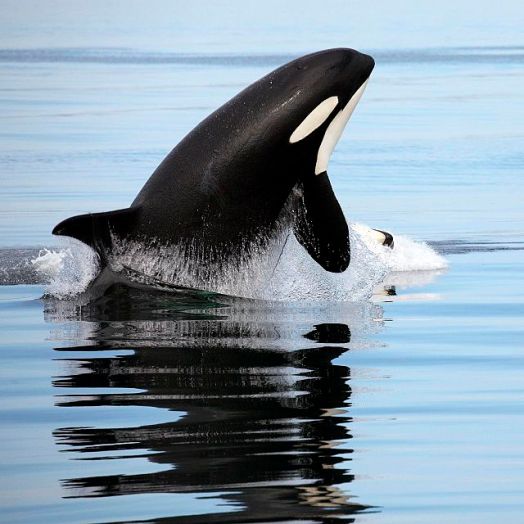
After 17 painful days, a Southern Resident orca named Tahlequah has rejoined her pod. It’s a sign of hope for her survival after she spent more than two weeks using her diminishing strength to hold her dead calf above water.

It’s for Tahlequah and the other 74 West Coast orcas that we just sued the Trump administration.

Please give to the Trump Resistance Fund so we have the funds needed to see this fight through. All gifts till the end of August will be matched.

It’s impossible to imagine the cool waters of the Pacific Northwest without these beautiful, social whales. But that reality could be just years away if we don’t act swiftly — they’re among the most gravely imperiled animals on the planet. Because of a lack of food, no new calves from Tahlequah’s pod have survived since 2015.

That’s why the Center’s new lawsuit targets the Trump administration for dragging its feet on protecting the critical habitat West Coast orcas need to survive.

And it’s why we launched another legal action earlier this month to give these imperiled whales safe harbor from underwater noise that muffles the sonar they use to communicate and find food.

Support these lifesaving actions and secure a future for West Coast orcas. Please give an urgent matched gift to the Center’s Trump Resistance Fund.

Just as the news broke about Tahlequah’s devastating loss late last month, Trump and congressional Republicans launched an unprecedented attack on the Endangered Species Act.

Trump and other far-right politicians are determined to make it harder to designate critical habitat for endangered creatures like these magnificent orcas. Without protected habitat, without enough food to eat, these whales could be extinct in a matter of years.

We can’t let that happen.

For these intelligent, family-oriented mammals, there isn’t a moment to lose.

Please give now to double your gift to our Trump Resistance Fund.

For the wild,


Kierán Suckling
Executive Director
Center for Biological Diversity

P.S. We’re fighting for endangered species day in, day out. The best way to support that fight is by joining Wild Uprising and starting an automatic monthly donation.

orca wild

Canada: Acts To Ban 2 Major Bee Killing Neonicotinoid Pesticides.

Kanada flagge

bee

Mark,

On Wednesday, Canada announced that it will ban two major bee-killing neonicotinoid pesticides.

This means that the most commonly used bee-killing neonics will be off Canada’s fields!

This victory was all because of members like you and the bee-loving organizations that have been working tirelessly to stamp out bee-killing pesticides on our fields.

Since the start of the campaign to save the bees in Canada four years ago, hundreds of thousands of you have signed petitions and chipped in to support in-person actions all around the world.

SumOfUs members living in Canada were responsible for a record-breaking number of public comments calling for a ban on neonic imidacloprid. And just a few months ago 20,000 of you signed the petition calling for a ban on the major bee-killing neonics in Canada.

Your hard work paid off! This week’s victory could not have happened if not for your continued support throughout the campaign.

Help spread the good news about your people-powered win by sharing this news!

But the fight to save the bees isn’t over.

Canada’s ban won’t come into effect for another three to five years. You can be sure big pesticide corporations Bayer and Syngenta will be working hard to overturn the ban by any means necessary — and they have a track record of using dirty tactics, like their lawsuits in Europe, to do this.

Bayer and Syngenta will also be busy in their labs testing new pesticides to replace their bee-killing products before the ban is in place.

Together, we need to put pressure on Health Canada to enforce this ban more quickly. Both France and the EU have neonic bans coming into effect this year — and we shouldn’t have to wait a whopping three to five years for Canada’s restrictions to be enforced.

That’s why we’re going to continue to fight to call for a complete ban on all bee-killing pesticides. And the sooner we can get the ban, the more bees can be saved. But we need your continued support.

Can you chip in £24 to make sure we beat the pesticides industry as soon as possible?

Donating just takes a moment – use Paypal or your card.

Yes, I will chip in £24 to help secure a complete victory to save the bees in Canada!

Thanks for all that you do,
Angus, Rebecca, Wiebke, Amelia and the team at SumOfUs


More Information:

Canada to phase out most uses of pesticides linked to bee deaths, Globe and Mail, 15 August 2018

bees win monsanto

USA: California Burns; Yet Nestle Continue To Draw Millions of Gallons of Water Illegally – All For Profit.

USA


Mark,

One of California’s wildfires has just been declared the ‘largest in state’s history’, with thousands of firefighters struggling to bring an area bigger than New York state under control.

The drought-stricken state has had the worst start to the fire season in a decade. Yet Nestlé continues to draws millions of gallons of water illegally from the San Bernardino National Forest — and sells it for millions in profits

The California Water Board has directed Nestlé to limit its water-taking to what it is legally permitted to draw. Instead, Nestlé is taking almost 10 times that amount — often over 60 million gallons a year.

The Water Board has the power to enforce its directive and stop Nestlé’s illegal water grab. And it opposes Nestlé just as much as we do. A huge wave of support for the Water Board right now could be what it needs to finally stop Nestlé from stealing California’s precious water.

Tell the California Water Board to stop Nestlé’s illegal water grab in California.

For all the water Nestlé takes from the San Bernardino National Forest it pays a laughable $624 a year. Then it sells the water for millions in profit — while sucking the state dry.

This water is critical for Strawberry Creek — home to 71 species of threatened wildlife — which is running ever drier as Nestlé steals the water for its own greedy profiteering.

California’s wildfires are getting worse every year and are compounded by the dry conditions killing off large amounts of vegetation. California’s water is a precious resource that helps to mitigate the effects of drought and wildfire and must be protected not stolen by multi-billion dollar corporation.

Tell the Water Board to stop letting Nestlé suck California dry.

SumOfUs has been fighting Nestlé – and winning. Earlier this year, when Nestlé sued a small township in Michigan, thousands of SumOfUs members like you chipped in and raised $50,000 USD so the township could fight for its water. Together we have the power to take on greedy corporations like Nestlé and protect our water for future generations.

 Sign the Petition 

Thanks for all that you do,
Amelia, Angus and the team at SumOfUs

Indonesia: Take Action Against The Worst of the Worst When It Comes To Palm Oil Rainforest Destruction.


Indonesia

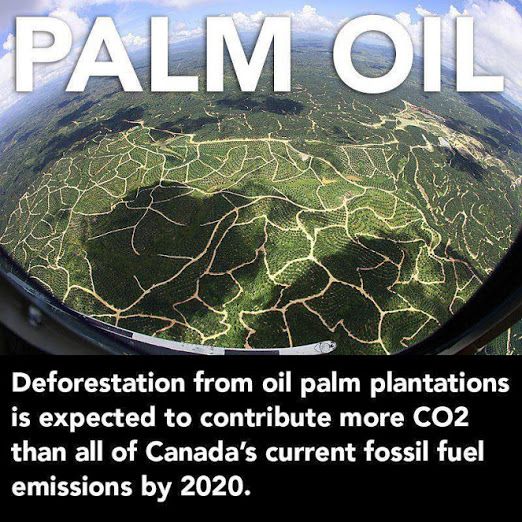
Nestlé’s palm oil business partner Indofood is the worst of the worst when it comes to producing palm oil. The Indonesian giant has gotten away with rainforest destruction and worker abuse for too long.

This impunity could end soon!

palm oil cost

The palm oil industry’s main certification body, the Roundtable on Sustainable Palm Oil (RSPO) could finally kick the rogue company off its certification scheme. The RSPO complaints panel meets next week, so we need to act fast.

This decision will be a crucial step in getting Nestlé to finally cut deforestation and abuse out of its supply chain.

palm oil 4

Together, we can expose the RSPO’s greenwashing and put its reputation at risk so it doesn’t stick to business as usual and overlook Indofood’s gross violations.

Sign the petition to demand the RSPO suspends Nestlé’s business partner Indofood.

Owned by Indonesia’s richest man, Indofood has been exposed in multiple investigations for exploiting workers, paying poverty wages (and female workers even less), dangerous working conditions, and intimidating communities off their land for illegal deforestation.

palm oil greenpeace uk

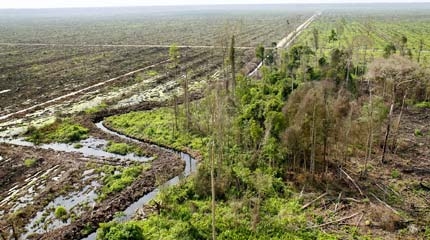
It also ignores the RSPO’s guidelines on protecting precious orangutan habitat and is guilty of logging on carbon-rich peat land, intensifying climate chaos.

Nestlé is in on this game. The snack food giant co-brands products in the South Asian market, and profits from a lucrative Joint Venture Partnership with Indofood — cheating on its palm oil commitments.

Getting the industry’s main certification scheme to suspend Indofood could force Nestlé to take strong action against Indofood, or risk public backlash. A suspension would give us even more evidence to call for Nestlé to permanently cut ties with Indofood.

There’s very little time before Nestlé’s business partner gets its verdict.

Sign the petition to pressure the RSPO into suspending Indofood — NOW.

Together, we’ve forced some of the palm oil industry’s biggest players to change their destructive ways before. Last year a huge SumOfUs petition shone light on another one of Nestlé’s dodgy palm oil partners — REPSA in Guatemala. The exposure and media fall-out forced Nestlé to cut ties with the Guatemalan palm oil offender!

The RSPO often fails to enforce its own standards, but if we pile on the pressure it could be forced to sanction Indofood. Recently, the RSPO froze Nestlé’s membership for several weeks when it failed to comply with its rules.

The suspension was a blow to Nestlé’s public image, and zoos and retailers around the world refused to stock its products for the period. That’s why we want to send a strong message to the industry by getting Indofood suspended for good.

Sign the petition to demand the RSPO suspends Nestlé’s business partner Indofood.

petition keyboard

 Sign the Petition 

Thanks for all that you do,
Rebecca, Fatah and the team at SumOfUs

https://actions.sumofus.org/pages/tell-rspo-to-sanction-nestle-and-pepsi-business-partner-indofood/?akid=45946.7697051.P5qKy4&rd=1&source=fwd&t=12


Additional Information.


palm1

In 2012, the annual revenue received by Indonesia and Malaysia together, the top two producers of palm oil, was $40 billion.[36] Between 1962 and 1982 global exports of palm oil increased from around half a million to 2.4 million tonnes annually and in 2008 world production of palm oil and palm kernel oil amounted to 48 million tonnes. According to FAO forecasts by 2020 the global demand for palm oil will double, and triple by 2050.[37

Indonesia

Main article: Palm oil production in Indonesia

Indonesia is the world’s largest producer of palm oil, surpassing Malaysia in 2006, producing more than 20.9 million tonnes.[36][38] Indonesia expects to double production by the end of 2030.[11] At the end of 2010, 60 percent of the output was exported in the form of crude palm oil.[39] FAO data show production increased by over 400 percent between 1994 and 2004, to over 8.66 million metric tonnes.

Palm2

Malaysia

Main article: Palm oil production in Malaysia

In 2012, Malaysia, the world’s second largest producer of palm oil,[40] produced 18.79 million tonnes of crude palm oil on roughly 5,000,000 hectares (19,000 sq mi) of land.[41][42] Though Indonesia produces more palm oil, Malaysia is the world’s largest exporter of palm oil having exported 18 million tonnes of palm oil products in 2011. China, Pakistan, the European Union, India and the United States are the primary importers of Malaysian palm oil products.[43]

Nigeria

As of 2011, Nigeria was the third-largest producer, with approximately 2.3 million hectares (5.7×10^6 acres) under cultivation. Until 1934, Nigeria had been the world’s largest producer. Both small- and large-scale producers participated in the industry.[44][45]

palm3

Thailand

Thailand is the world’s third largest producer of crude palm oil, producing approximately two million tonnes per year, or 1.2 percent of global output. Ninety-five percent of Thai production is consumed locally. Almost 85 percent of palm plantations and extraction mills are in south Thailand. At year-end 2016, 4.7 to 5.8 million rai were planted in oil palms, employing 300,000 farmers, mostly on small landholdings of 20 rai. ASEAN as a region accounts for 52.5 million tonnes of palm oil production, about 85 percent of the world total and more than 90 percent of global exports. Indonesia accounts for 52.2 percent of world exports. Malaysian exports total 37.9 percent. The biggest consumers of palm oil are India, the European Union, and China, with the three consuming nearly 50 percent of world exports. Thailand’s Department of Internal Trade (DIT) usually sets the price of crude palm oil and refined palm oil. Thai farmers have a relatively low yield compared to those in Malaysia and Indonesia. Thai palm oil crops yield 4–17 percent oil compared to around 20 percent in competing countries. In addition, Indonesian and Malaysian oil palm plantations are 10 times the size of Thai plantations.[46]

Colombia

In the 1960s, about 18,000 hectares (69 sq mi) were planted with palm. Colombia has now become the largest palm oil producer in the Americas, and 35 percent of its product is exported as biofuel. In 2006, the Colombian plantation owners’ association, Fedepalma, reported that oil palm cultivation was expanding to 1,000,000 hectares (3,900 sq mi). This expansion is being funded, in part, by the United States Agency for International Development to resettle disarmed paramilitary members on arable land, and by the Colombian government, which proposes to expand land use for exportable cash crops to 7,000,000 hectares (27,000 sq mi) by 2020, including oil palms. Fedepalma states that its members are following sustainable guidelines.[47]

Some Afro-Colombians claim that some of these new plantations have been expropriated from them after they had been driven away through poverty and civil war, while armed guards intimidate the remaining people to further depopulate the land, with coca production and trafficking following in their wake.


palm oil 2