Category: Environmental

EU: EU Elections: 1000 candidates take the pledge for animals.

7 June 2024

Press Release

Over 1000 candidate MEPs have committed to work towards better animal welfare in the EU, should they be elected in the current European Elections.

The Vote for Animals campaign, run by Eurogroup for Animals and its members, asks candidates to take a pledge committing to do more for better protection of all animals at EU level.

Candidates spanning the entire political spectrum across 27 Member States have made the commitment. Spain, Italy, Finland and France have the largest number of candidates supporting the pledge.

The Vote for Animals pledge calls for:

  • New species-specific legislation for all farmed species, and a transition to non-cage systems within five years, as promised in response to the End the Cage Age ECI.
  • An end to the suffering of animals during live transport, moving away from live animals towards transporting meat products.
  • Higher standards for aquatic species, both farmed and wild, in farming, transport and slaughter; and a ban on the introduction of octopus farming.
  • A Common Agricultural Policy that supports a sustainable food system, and a transition to higher animal welfare, and a shift towards plant-based diets.
  • Trade requirements that respect the same standards as those established by revised EU legislation.
  • Raised efforts and resources to accelerate the transition to non-animal methods in research, and support the scientific community to shift towards animal-free testing. 
  • Better legislation for wild animals, including a positive list of animal species allowed to be kept as pets, strengthened EU legislation for zoos, action against wildlife trafficking, and humane methods in wildlife management.
  • A ban, without delay, of fur farms and fur products on the EU market, as per the demands of the Fur Free Europe ECI.
  • Full traceability, improved breeding practices, stricter controls on sales and transportation, and better treatment of companion animals.
  • An EU commissioner responsible for animal welfare, to ensure consistent attention and action in this area.

The feedback to our Vote for Animals campaign is reflective of the demands of EU citizens for better protection for animals. It is now time to go and vote, to help shape an EU that will place animal welfare at the forefront, and ensure revised and better legislation that is fit for a progressive Europe

Reineke Hameleers, CEO, Eurogroup for Animals.

Regards Mark

EU: Public consultation: tell the EU you want seals to stay protected.

6 June 2024

Responding to a major outcry against cruel hunting of seals, the EU adopted a groundbreaking legislation restricting imports of seal products in 2009. This legislation is one of the key factors in the recovery of seal populations in Canada. After a decade, the European Commission is assessing whether the legislation remains fit for purpose.

Tell the EU that seals should remain protected by taking part in the public consultation.

To help you with your feedback, we’ve put together some of the top arguments why we need to uphold this landmark legislation:

The EU seal regime meets its objective of protecting animal welfare

The aim of the EU seal regime is to prevent animal welfare harm to address concerns of EU citizens. EU citizens’ desire for better animal welfare has continued to increase (as demonstrated by the latest Eurobarometer). Citizens remain strongly against cruel and unnecessary culling of seals, which is evident in typical killing methods that involve firearms, netting, trapping and the use of hakapik.

Seals provide important socio-economic and ecosystem services

We must coexist with seals. As apex predators, they play a crucial role in the trophic cascade helping maintain healthy fish populations. For instance, seals act as pest control for invasive species which have a negative impact on commercial fish stocks and ecosystems. They also bring in significant revenue for the tourism industry through wildlife observation. 

Potential impact of seals on the fishing industry can be tackled with non-lethal methods

The EU seal regime does not prevent the management of seals where necessary, but non-lethal methods are available and should be used to keep seals away from aquaculture basins or fishing nets and grounds, such as acoustic deterrents. Non-lethal management methods, such as fertility control, could be further explored. The availability of alternative methods to protect fish stocks and fishing equipment makes the commercial hunt of seal irrelevant and disproportionate. It is also essential to recall that the Regulation is not intended to protect fisheries and aquaculture. 

Trade in seal products is not sustainable and threatens fragile populations

Seal populations have significantly increased since the implementation of the EU seal regime, demonstrating the devastating impact of commercial hunting on the species. Deregulating trade in seal products would dangerously jeopardise current successful conservation efforts and undermine the protection of animal welfare. 

It is important to consider the multiple threats they are facing. Climate change and overfishing are having a major impact on seals and other marine mammals, reducing prey availability and increasing food competition. Water pollution and zoonotic diseases are other factors affecting the viability of these populations. Commercial hunting would exert additional pressure on their survival. The trade of seal products is therefore not in line with sustainability requirements, contrary to the claims of the industry.

The EU seal regime is not a ban, allowing sufficient flexibility

Regulation 1007/2009 is often referred to as the seal ban. However, the EU Regulation is not a ban on the imports of all seal products, it simply restricts it to products derived from traditional hunts, contributing to the livelihood of indigenous communities and with due consideration to animal welfare. In this context, the EU market remains open to indigenous communities who depend on seals for their subsistence. It is also important to note that the import of seal products for processing, and re-export of the processed goods, is not prohibited by the Regulation, allowing further flexibility. 

The EU must uphold its leadership on animal welfare at the World Trade Organisation 

The EU Seal Regime brought groundbreaking discussions at the World Trade Organization (WTO). For the first time ever, the WTO found that a legislation restricting trade based on  animal welfare grounds falls within the exceptions allowed under the WTO rules, as it was deemed necessary to protect ethical concerns of citizens. 

The EU seal regime had a significant impact on the welfare of seals. Following its announcement, international demand for seal products declined sharply. Reversing the regime would undermine its objectives and impact the EU’s credibility at the WTO, at a time when the EU is introducing a proposal to restrict imports of cats and dogs based on breeding conditions and contemplating more import requirements on farm animal welfare, all of which would also be justified based on ethical concerns of EU citizens.  

Tell the EU that seals should remain protected by responding to the public consultation by 7 August 2024.

Regards Mark

EU: Unique mobile exhibition for better animal protection to tour Europe.

5 June 2024

Project 1882

The conditions of animals in factory farms will be put under the spotlight in a mobile exhibition set to tour in 15 European cities in the coming months. The mobile truck, which will make its way across Europe, transforms into an interactive exhibition place, offering a unique experience to visitors.

The initiative For the Animals, by Project 1882, will allow citizens to witness first-hand the mistreatment endured by animals in factory farms around Europe and emphasise the urgent need for stronger EU legislation to protect them.

The mobile exhibition will offer visitors informative, knowledge-building and engaging activities that will help to inform them about current animal welfare issues, as well as opportunities for change. It also seeks to urge policymakers to prioritise animal welfare at the EU level, particularly by pushing for the long-awaited animal welfare legislation, which is yet to be published. 

The unique mobile event acts as a meeting place in large European cities, where both the public and elected officials have the opportunity to meet and share information.

How we treat animals is one of the great existential questions of our time. With our tour across Europe, Project 1882 will shed light on the systematic suffering endured by animals in factory farms every day. The European Commission has failed to deliver on its promises. Proposals for new animal welfare legislation exist, but they are not being presented, which is a betrayal of both citizens and animals.

Benny Anderson, CEO, Project 1882

Since its establishment in 1882, Project 1882 has been working to improve the lives of animals who are widely exploited and suffer most. The For the Animals tour marks the organisation’s latest effort to elevate animal rights issues on the Commission’s agenda.

The tour will start in Helsinki on 6 June, followed by visits to cities such as Berlin, Madrid, and Lisbon, before finally reaching the EU headquarters in Brussels in the fall.  

The list of tour stops will be regularly updated here.

Mark

England: This English Village Might Soon Be Overrun With a Megafarm.

Petition link  petition: This English Village Might Soon Be Overrun With a Megafarm (thepetitionsite.com)

Please support this petition thank you.

This English Village Might Soon Be Overrun With a Megafarm

In a troubling move, the food producer Cranswick is proposing an aggressive expansion of its operations in Norfolk, England, aiming to build one of the UK’s largest industrial farmsThe plan includes adding millions of chickens and tens of thousands of pigs on a site formerly known for its serene landscapes and vibrant wildlife. Local residents are understandably deeply concerned about the increased traffic, pollution, and the inhumane treatment of animals that such a massive scale of operations would entail. It’s simple: We cannot let this project continue.

Sign the petition to urge West Norfolk Council to reject this mega-farm proposal and protect our community and natural environment!

This massive farm expansion threatens to disrupt the local ecosystem, diminish residents’ quality of life, and could potentially create a hotspot for diseases due to the high concentration of animals. Industrial-scale farming practices like this one not only undermine animal welfare but also pose significant risks to public health and our environment.

Also, the impact on local infrastructure and the natural beauty that attracts tourists to Norfolk could be devastating. With increased traffic and foul odors emanating from animal waste, the character of this beloved village is at risk. 

Sign this petition to demand that West Norfolk Council prioritize the welfare of our communities, the protection of wildlife, and the integrity of our environment over the interests of big business.

UK: General Election Actions From The Badger Trust – Demo Dates And Template To Write To Your MP.

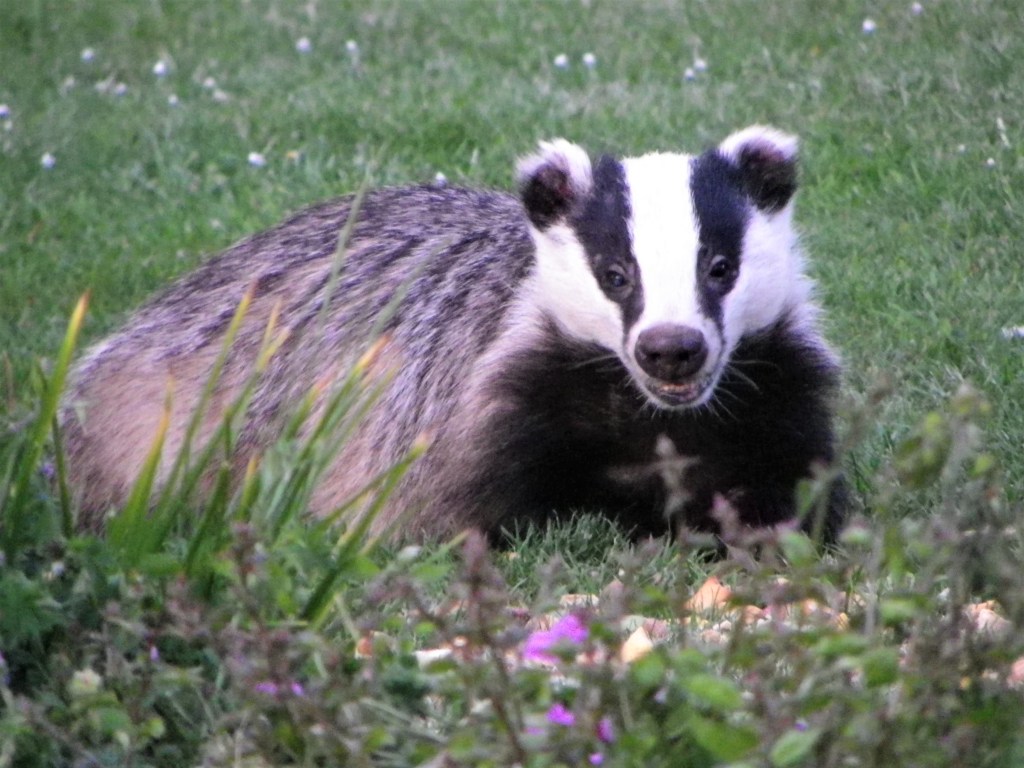
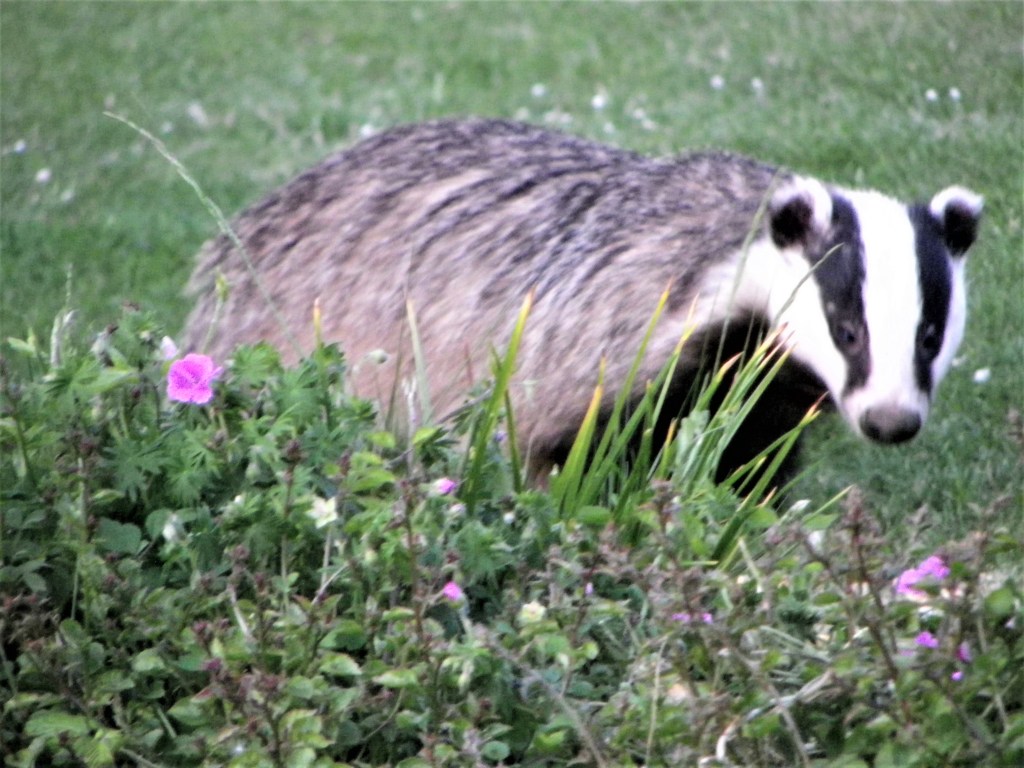
I am passionate about helping Badgers. Half an hour ago I had the pleasure of watching a badger feeding out on my own back garden – – with tasty food I had specifically put out for him to enjoy.

Following photos – Mark (WAV).

The following is copied directly from The Badger Trust; who are asking supporters to be a voice for badgers at the UK General Election which is only about 5 weeks away now. If you want to write directly to your own MP; then a template letter is provided at the end for you to use.

Regards Mark

Copied from, and helping badgers with the Badger Trust:

General Election 2024: Our Manifesto for Badgers (badgertrust.org.uk)

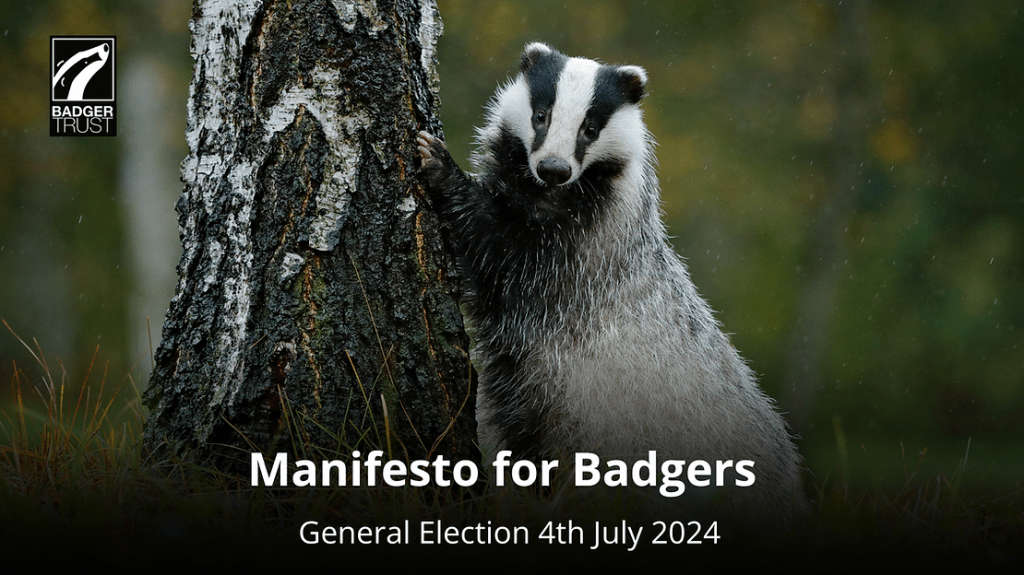
General Election 2024: Our Manifesto for Badgers

We outline our asks as we seek clarity from the main political parties on their visions for badgers and their natural habitats. 

The General Election has been called for 4 July 2024, and we look forward to clarity from the main political parties on their visions for badgers and their natural habitats.

In particular, we want to know their plans for the future of the badger cull.  It’s an ineffective, costly and unethical policy of mass killing badgers to control bovine TB.

It’s not a cull, it’s a slaughter. 

What we’re asking

  • End the badger cull now and protect the remaining wild badger population before it’s too late.
  • Deliver the rapid development and roll-out of a compulsory cattle vaccine and an improved cattle test to stamp out bTB infection in the cattle herd and protect both farmed cows and wildlife. 
  • Be honest about the true levels of bTB hidden in the English cattle herd, with compulsory nationwide use of more sensitive (reliable) testing and giving enhanced compensation to farmers.
  • Commit to a ‘One Health and One Welfare’ approach to UK ecosystems by supporting farmers to integrate effective cattle-based bTB control measures into their animal welfare and environmental sustainability practices. 
  • Make badger persecution notifiable and extend the maximum sentence for convictions under the Protection of Badgers Act (1992) from six months to five years, in line with the Animal Welfare (Sentencing) Act 2021.
  • Make space for badgers and other wildlife and prevent further habitat loss by ensuring new development protects and enhances our natural environment.
  • Restore Nature Now and address the UK’s nature crisis by protecting badgers and their habitats.

Save badgers. Save nature. Protection not extinction.

The UK is one of the most nature-depleted countries in the world. Badger Trust proudly supports Restore Nature Now, a campaign to address this nature crisis.  

Killing 230,000 native badgers—half the estimated population—is at the very heart of this unnecessary attack on nature. Badgers also face threats from high rates of wildlife crime and the rapid rise of property and road development. As ecosystem engineers, badgers provide many benefits to other species. Threats to badgers and their spaces are threats to the balance of our natural environment.

That’s why, on Saturday, 22 June, we will be marching peacefully with thousands of fellow nature and wildlife supporters to make all politicians sit up and take notice ahead of the election that we want them to act to Restore Nature Now—please join us

What we’re doing

We’re voting badger!

As a registered charity, Badger Trust is politically neutral and does not endorse any party—we only support badgers! 

We will continue to do all that we can to promote and enhance the welfare, conservation and protection of badgers, their setts and their habitats. We will work with all people who share those aims and want to see nature protected, not driven to extinction levels.  


What you can do

Five ways for you to get involved and show your support for badgers.

  1. Sign our petition to end the cull and show policymakers you want protection, not extinction.
  2. Send a letter to your parliamentary candidates asking for their views—our template will help you get started**
  3. Order your free End The Cull Action Pack,  containing an information leaflet and postcards to share and raise awareness locally  
  4. Donate to our campaigns to protect badgers, their setts and their habitats. 
  5. Get involved with your local badger group. Volunteers at badger groups across the country campaign locally to End the Cull, and they will be pleased if you join them.

Further Information:

*Download and read our letter to all the leaders of political parties represented at Westminster. 

Badger Trust 2024 General Election Letter to all political parties.pdf

And letter template to your own MP:

Badger Trust 2024 Parliamentary Candidate Letter template.pdf

Regards Mark

The following photos – WAV Archive.

THANK YOU

EU: End the Cage Age: Case To Be Heard In Court, Ombudsman Complaint Closed.

31 May 2024

The legal action brought against the European Commission (EC) before the General Court on its failure to uphold the commitment to the European Citizens’ Initiative End-the-Cage-Age will now supersede the complaint made to the European Ombudsman on the same matter.

The complaint

In November 2023, 57 animal protection NGOs submitted an official complaint to the European Ombudsman on the EC’s failure to uphold governing rules. Despite having generated legitimate expectations on acting on the ECI, the EC failed to come forward with a legislative proposal, putting into question the purpose of this democratic tool. This was the first time in which a large number of NGOs submitted a complaint to this inter-institutional European body.

Subsequently, an inquiry was open, in which the EC was asked to send an official reply to the complainants. The delayed response of the EC was however unsatisfactory to the complaints, providing no clear timeline or action plan on when the proposal will be published.

The court case

In March 2024,  the Citizens Committee of the ECI launched a landmark legal action against the EC at the European Court of Justice of the EU over its failure to act on its commitment, ignoring the demands of 1.4 million EU citizens.

What happens now?

The complaint at the European Ombudsman has now been closed, and animal protection NGOs will focus their efforts on the official court case. The court case has been officially logged on the 6th of May, and further details on next steps are expected in due course.

What’s at stake?

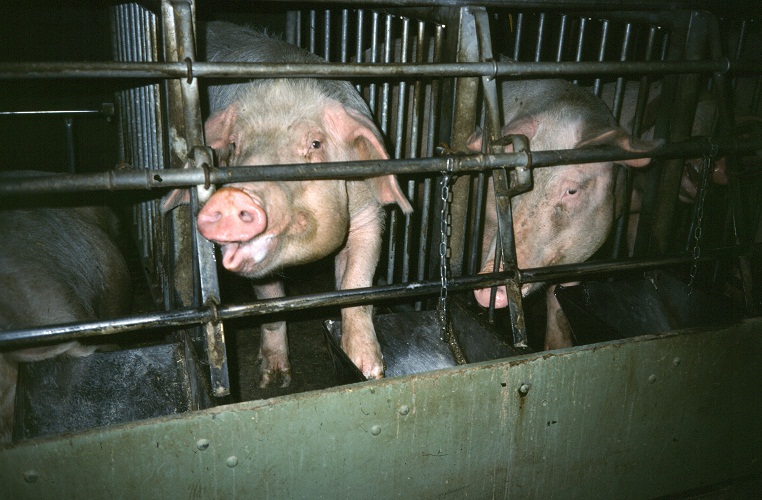
Over 300 million farm animals, including hens, quails, rabbits, sows and ducks, are confined in cages on farms in the European Union each year, with many kept like this for all or most of their life. Animals are severely restricted in their movements, prevented from exhibiting natural behaviours, with detrimental effects on their health and welfare.

Without the promised legislative proposal, the phasing out of animals in cages in the EU remains on hold, and animals continue to suffer in millions.

Mark

Further reading https://www.euractiv.com/section/agriculture-food/news/improve-pig-welfare-standards-demand-animal-rights-advocates/

EU: What ARE Member States Doing To Help Broiler Chickens Across The EU?

29 May 2024

Billions of broiler chickens across the EU are bred to be fast-growing, which puts their bodies under enormous strain. In our new white paper, we call on policy-makers to phase out these breeds and, instead, prioritise slower-growing breeds in EU legislation. Several Member States are already showing support for this kind of shift.

It is impossible for fast-growing broiler chickens to live a good life, in which they are comfortable, healthy, and exposed to a variety of positive experiences. To improve the welfare of the birds in this sector, it is critical that EU policy-makers legislate on a significant, EU-wide transition: in which fast-growing broiler chickens are phased out, and only slower-growing, higher welfare breeds are permitted to be farmed. 

In our new white paper, Paving the way for higher welfare broiler breeds in the EU: From market initiatives to legislation, we lay out three legislative routes policy-makers could take to foster such a change. We also lay out the European Chicken Commitment as the basis for this legislation, and explore what individual Member States have been doing to improve broiler welfare, both nationally and in supporting the phase-out of fast-growing breeds at EU level. 

The Netherlands

The Netherlands has already made a lot of notable progress towards producing only higher welfare breeds. The “Chicken of Tomorrow” was introduced between 2014 – 2015, an initiative that ensured slower-growing broilers were prioritised in its food systems. Now, the market for fresh chicken meat in the Netherlands consists of 100% higher welfare, slower-growing broilers. 

This sector shake-up was largely catalysed by interest from Dutch consumers in animal welfare, as well as related issues such as public health and sustainability. Various studies showed Dutch consumers are willing to pay more for improved animal welfare standards, incentivising retailers to rethink their production practices. 

Further pressure was added by NGOs that shone a light on the awful experiences of fast-growing broilers, for instance the Plofkip campaign by our member Wakker Dier. This caused a public outcry, which persuaded the two biggest retailers in the Netherlands, Jumbo and Albert Heijn, to launch their own higher welfare standards for broilers. They were soon followed by all the other supermarket chains.

Denmark

The Danish government and key Danish political parties have agreed to phase out the state procurement of fast-growing chickens, as well as promised to back a ban on the farming of fast-growing broilers at EU level. 

Sweden

New criteria developed by the Swedish National Agency for Public Procurement include standards for higher welfare chicken breeds, in line with European Chicken Commitment. There are also two propositions in the Swedish Parliament to ban fast-growing breeds nationwide (proposition number 18 and proposition number 29).

Norway

The Animal Ethics Council has recommended fast-growing breeds are banned in Norway. As of May 2024, the Norwegian government has been working on recommendations to give to Parliament, and the Norwegian animal protection law will likely be revised in the near future.

The organic movement and labelling schemes across Europe are also having an impact on broiler chicken welfare

Alongside these progressive steps by governments and retailers across Member States, several labelling schemes and initiatives are also playing a role in changing the fates of Europe’s broilers. 

Chiefly, the European Chicken Commitment, also known as the Better Chicken Commitment, is incentivising corporations to commit to higher welfare standards for broiler chickens. Hundreds of companies have signed up to these commitments, demonstrating that higher welfare standards and market competitiveness are compatible. Further, as a science-based welfare policy, approved and supported by animal welfare organisations all over the world, the standards laid out in the commitment make an excellent foundation for future legislation on broilers at EU level.  

Organic legislators and organisations have also been showing support for slower-growing broilers across Europe. Organic bodies in Finland, Poland, Spain, and Austria  have all recommended specific broiler breeds that can be used in organic farming, pointing to the clear connection between slower growth and higher welfare.

Specific labels at national level have contributed to this growing emphasis on slower-growing broilers, too. In Germany, Deutscher Tierschutzbund has laid out a mandatory requirement within both the basic and premium levels of its animal welfare certification label Für Mehr Tierschutz, for extensive to medium-extensive breeding lines with slower growth.

Similarly Krav, an organic labelling scheme in Sweden, has set a growth rate limit for slower-growing breeds with an ambition to make this limit even stricter by 2032.

Shaping a new future for broiler chickens in the EU

As the EU gears up to revise the full animal welfare legislation, several Member States are already setting an example for the kind of major changes needed to truly put welfare at the heart of the broiler chicken sector. The wellbeing of the birds in this industry will be defined largely by the action policy-makers now take to legislate on slower-growing breeds. Without such policies in place, these sentient beings will only continue to suffer.
USA: Animal Rights Group PETA Asks Idaho To Investigate ‘Deceptive’ Yellowstone Bear World.

Animal rights group PETA asks Idaho to investigate ‘deceptive’ Yellowstone Bear World (yahoo.com)

An often-controversial animal rights group has asked Idaho’s attorney general to investigate a wildlife park’s business claims, which the activist group said misled the public into believing the park is a rescue operation.

People for the Ethical Treatment of Animals, or PETA, filed the consumer protection complaint about Yellowstone Bear World earlier this month, urging the attorney general’s office to investigate alleged insinuations from the park and its staff that Yellowstone Bear World is a sanctuary or nonprofit. The animal rights group also alleged Bear World made misleading claims about keeping bears on its property for life and falsely advertised the size of its property.

Bear World is a drive-through wildlife park in eastern Idaho that is home to numerous animal species, including its namesake black and grizzly bears. The park has faced intense scrutiny over its animal care, bear breeding and cub bottle-feeding practices, particularly after the viral 2020 “Tiger King” documentary drew attention to roadside animal exhibitors.

Continue reading via the above link.

China: Cat Torture – London Protest May 21st 2024. Piccadilly Circus – Chinatown, Then On To Chinese Embassy. – World Animals Voice

China: Cat Torture – X STORM – Wednesday 22nd May 2024. – World Animals Voice

Giant Whales Reappear After Being Missing for Over a Century.

Sei whales, known for their impressive size and distinctive blue-gray coloring, have returned to Argentina’s Patagonian coast after more than a century of absence.

According to a report by India Today, the reappearance of Sei whales is evidence of the positive impacts of international bans on commercial whaling implemented decades ago.

During the 1920s and 1930s, the Sei whale population was nearly decimated due to rampant commercial whaling.

The global prohibition of this practice has allowed these majestic marine creatures to gradually recover, demonstrating the effectiveness of sustained international wildlife conservation efforts.

Continue reading (with photos) at:

Regards Mark