Category: Environmental

18 January 2024
Four Paws

Despite the ever-growing biodiversity crisis, it is still legal to hunt endangered species for trophies, with elephants, rhinos, leopards, lions and polar bears often falling victim to this cruel practice.
The EU is the second largest importer of hunting trophies worldwide, with nearly 15,000 hunting trophies of individual animals imported between 2014 and 2018 alone. The industry often uses misguided messaging to justify their actions, but a new report, published by 30 NGOs from across Europe and Africa, scientifically addresses these myths. Here are just a few:
Myth: Trophy hunting helps in conservation efforts
Fact: It negatively impacts populations of endangered and protected species
Hunters often target large or strong animals, jeopardising the gene pool of a population and negatively affecting long-term survival. This also undermines efforts by local communities towards conservation and co-existence, as it normalises the killing of animals for personal pleasure.
Myth: It benefits local communities
Fact: For communities it is a lose-lose situation
The trophy hunting industry is riddled with corruption and mismanagement, maximising profits for hunting officials, hunting tour operators and government officials. Local communities benefit by as little as USD 0.30 and USD 5.90 per capita per year, depending on the country. Often, hunting fees do not even reach local communities.
For most communities, trophy hunting is a lose-lose situation. They lose their wildlife to the rifle of foreign hunters, and fail to profit from the money produced by this deadly business. Trophy hunting not only exploits wildlife and nature, but also robs local communities of their heritage and future existence.
Nick Clark, Wildlife Programme Leader, Eurogroup for Animals

Myth: Trophy hunting prevents poaching
Fact: Poaching and illegal practices are rampant in hunting areas
Evidence shows high poaching incidents in hunting areas, leading to depleted animal populations. This has been especially evident in the Selous Game Reserve in Tanzania, the largest
hunting area in Africa, where approximately 55,000 elephants were poached between 2007 and
2014, leading to a population decline of 80 %. In some instances, animals migrate from protected areas to reoccupy empty territories in hunting areas, only to end up victims of trophy hunting.
Myth: Trophy hunting reduces human-animal conflicts
Fact: Trophy hunting exacerbates conflicts between humans and animals
Trophy hunters often target large and more mature males, which often disrupts social dynamics, exacerbating conflict with people. As an example, elephants from populations that have been subject to illegal hunting over a period of time often become more responsive towards humans, and may express aggressive behaviour. Hunting can also encourage predators to venture more frequently into human settlements, preying on farm animals as an easily available food source.
There is increased opposition to trophy hunting from the public, member states and NGOs.
The European Parliament has called for an import ban on trophies from protected species, and Belgium, the Netherlands, France and Finland have already implemented, or are in the process of, import restrictions. 81% of citizens from major European trophy importing countries oppose the practice and call for an import ban.
Regards Mark


https://www.rspb.org.uk/birds-and-wildlife/goldfinch
18/1/24. Went out into the garden this lunchtime with my camera whilst waiting for someone to arrive.
Beautiful Winters day – very cold, but clear with fantastic blue skies. I decided to take some photos of the Goldfinches that come into the garden each day to feast on the Sunflower hearts I put out for them in the feeders, and which you can see packed into the clear feeder tubes in the pictures. Got some ok photos which you can see below. Goldfinches are one of my favorite birds; colours are just amazingly beautiful.
Regards Mark

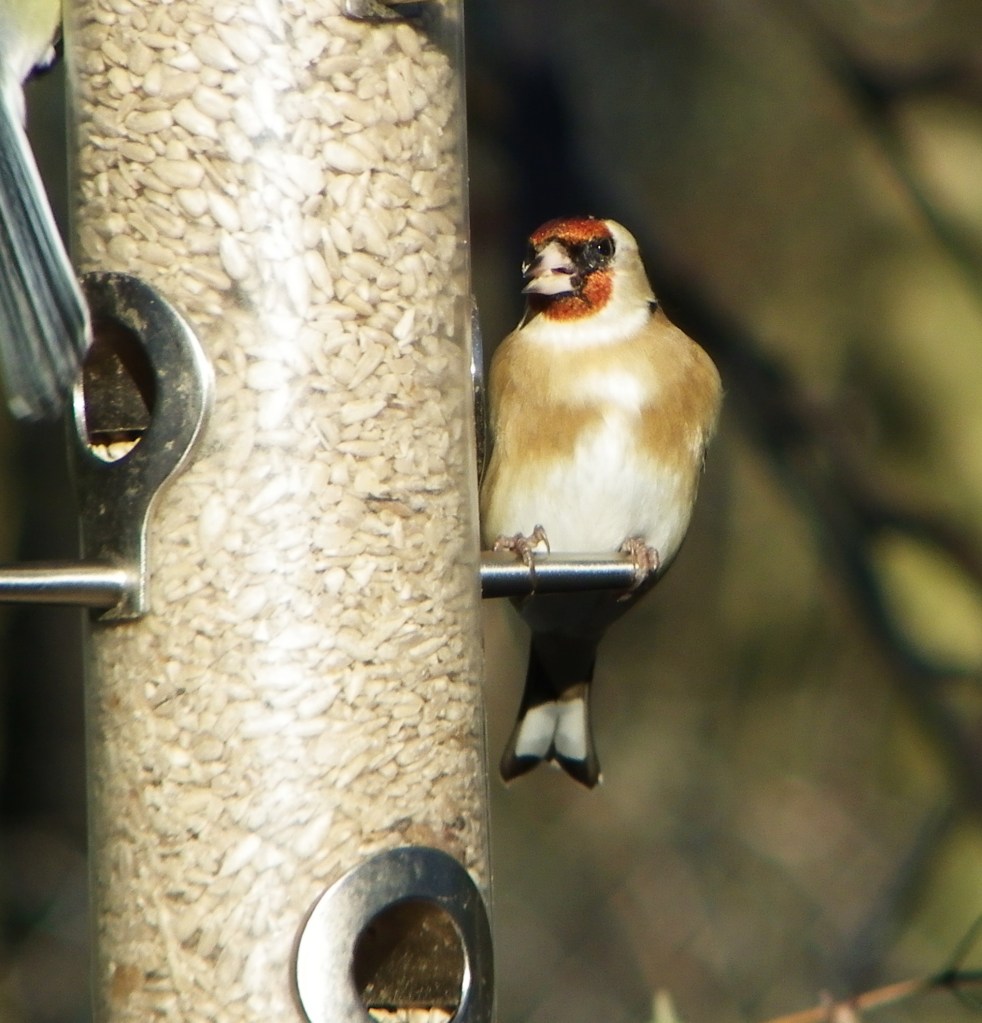
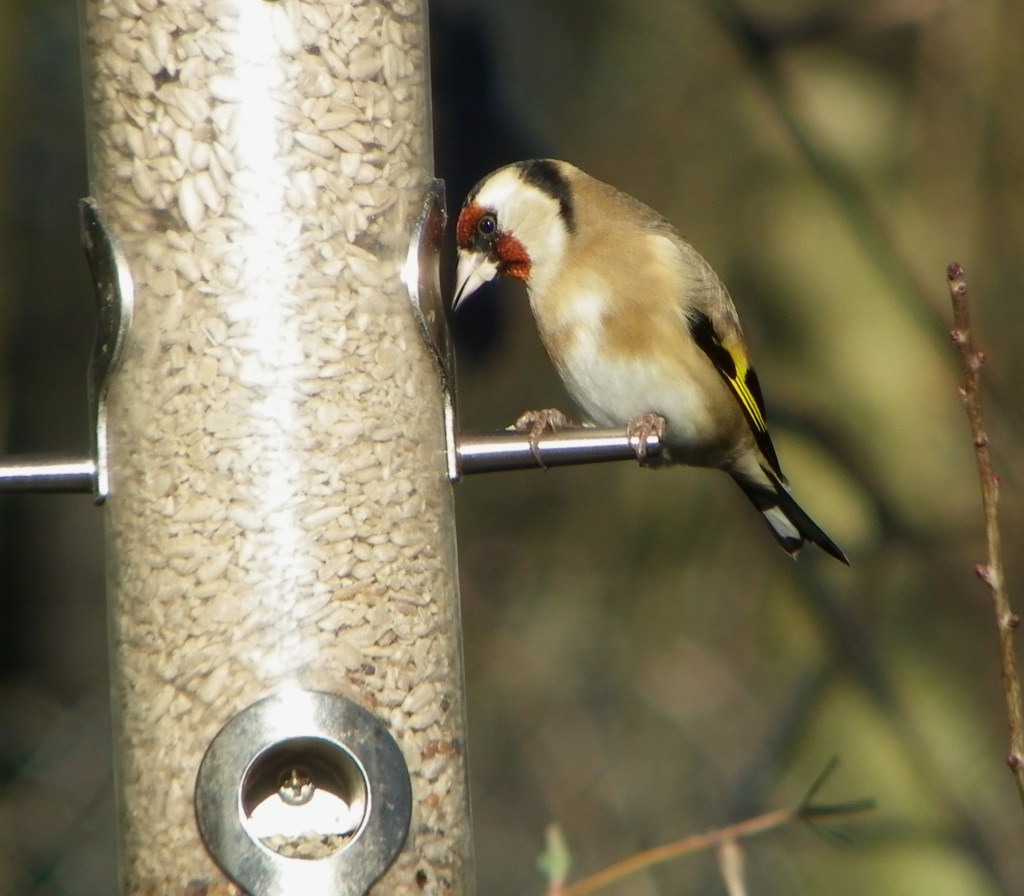


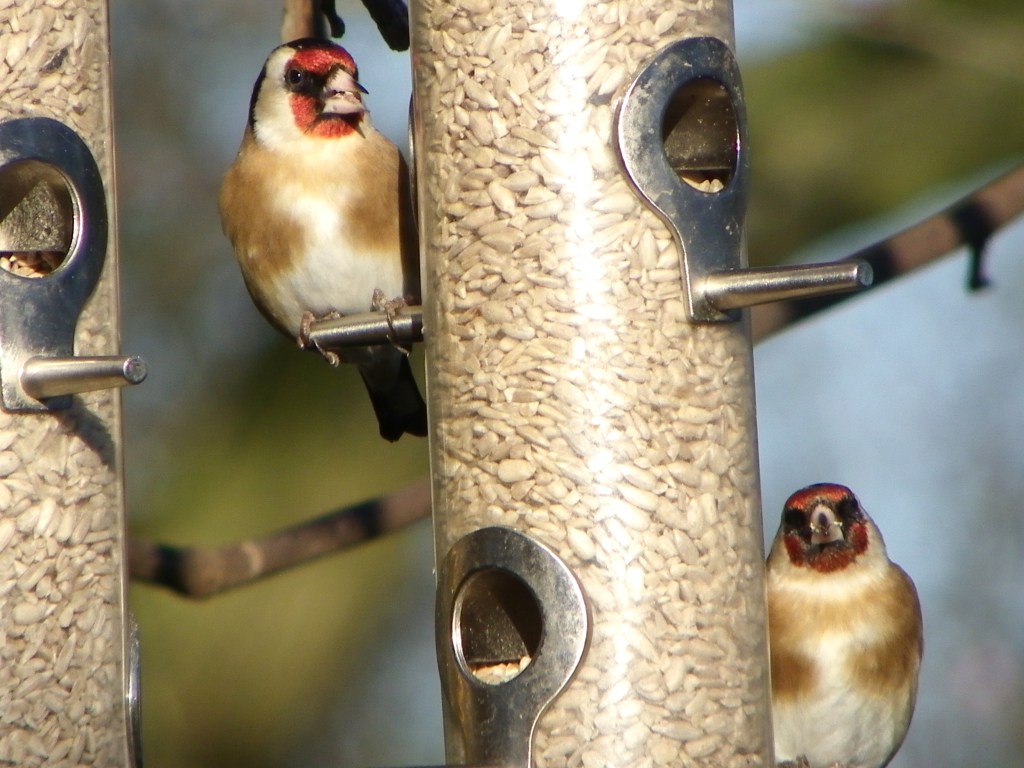
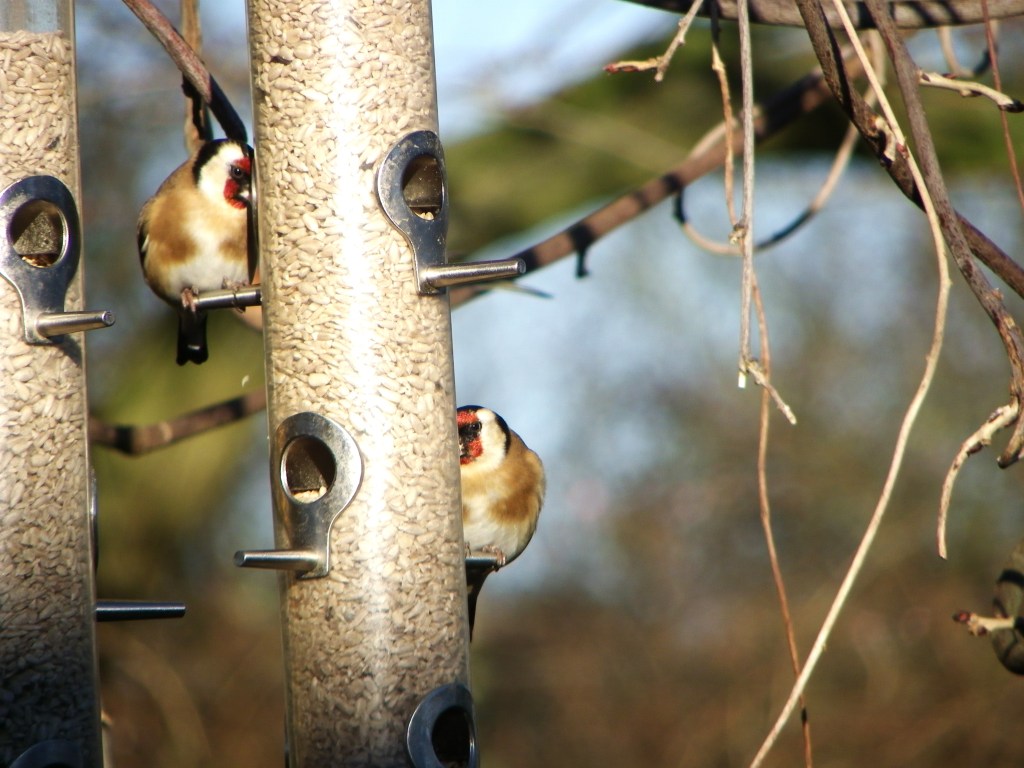



Photo – Pauline
When – 1 Hour Between 26 and 28 January
What is Big Garden Birdwatch?
I (Mark WAV) have tried to attract Goldfinches – See Picture below; into my garden. It worked after a few months of trying; now I get up to 6 on the feeders at the same time. They are beautiful birds as you can see – a host of colour !
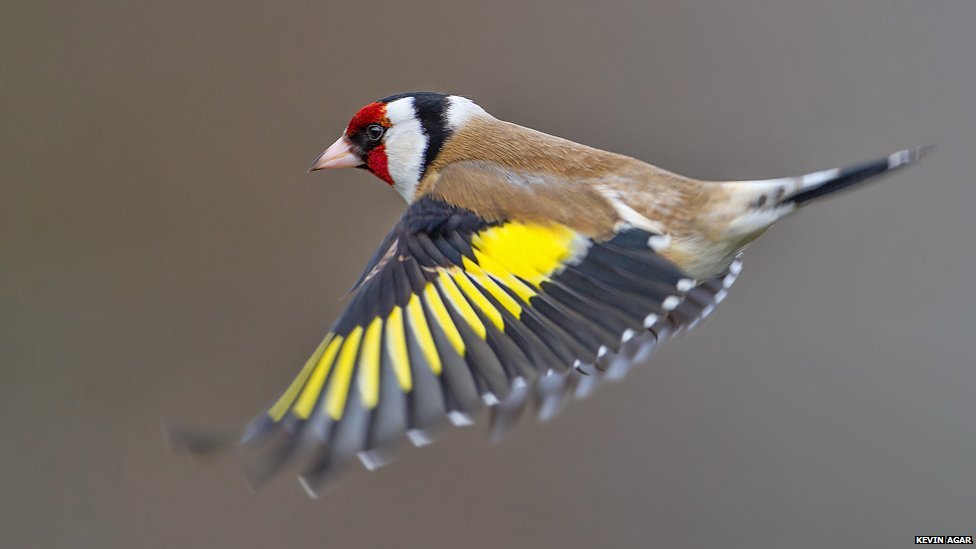
Big Garden Birdwatch is the world’s largest garden wildlife survey. Every year, hundreds of thousands of nature lovers like you take part, helping to build a picture of how garden birds are faring.
It’s easy to be part of Big Garden Birdwatch. Simply choose an hour between 26 and 28 January and count the birds you see in your garden, from your balcony, or in your local park. Only count birds that land. Then tell us what you saw. Even if you saw nothing, it still counts.
Big Garden Birdwatch FAQs (rspb.org.uk)

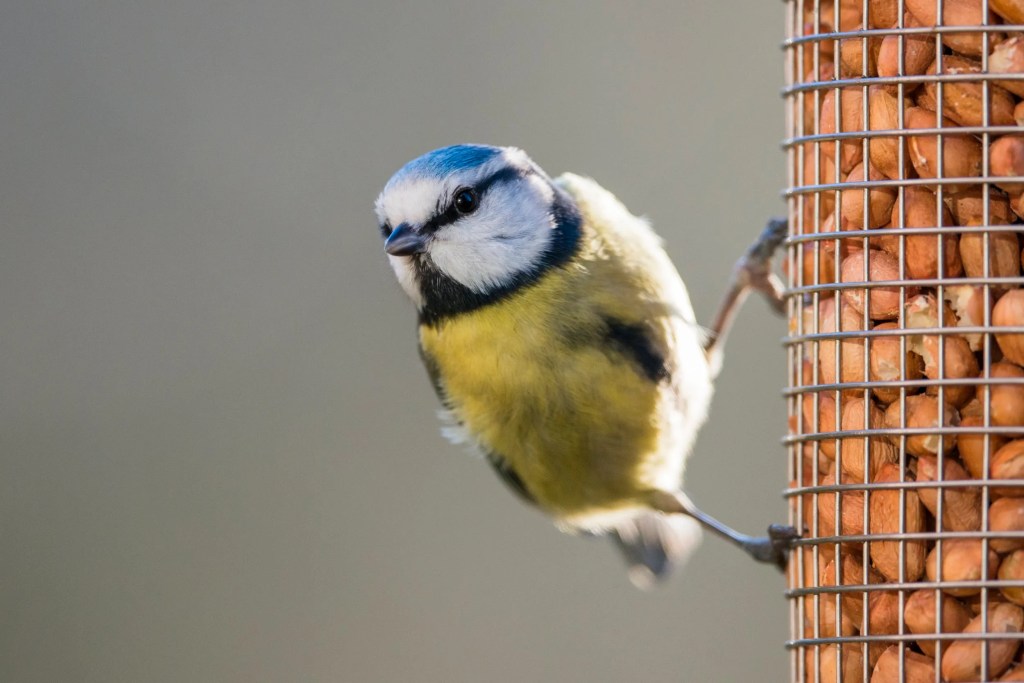
Telling us what you saw
When do I need to send you my results?
Please tell us what you saw at www.rspb.org.uk/birdwatch before 18 February. By giving us your results online, you’re helping us to spend more on saving nature as it reduces our costs. However, if you prefer to post us your results, you can print and complete the form found in the guide, and send it back to reach us by 13 February. Please take a look at the guide before printing, as it may be that you don’t need to print it all. Every piece of paper saved is better for nature!
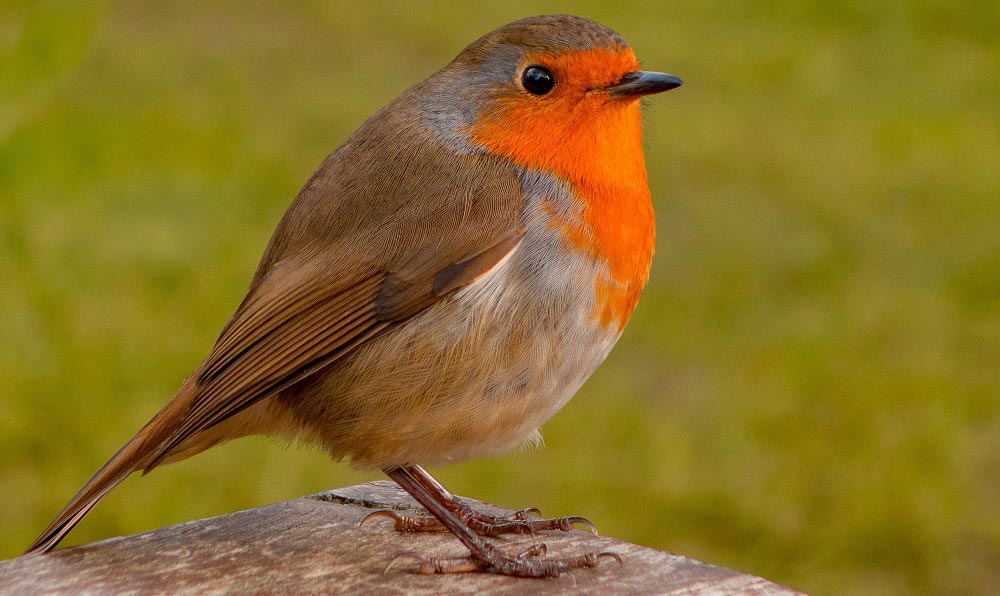

Free Guide and ID chart
You can take part in the Birdwatch by simply counting the birds for one hour then going online to tell us what and how many you saw. However, we know some people prefer to use a guide. You can download this year’s free guide below.
big-garden-bird-watch-how-to-english.pdf
Birds of conservation concern
The UK Red list for Birds keeps track of population trends in 245 species, with birds listed as ‘Red’ deemed most at risk. In 2021,Greenfinches moved onto the Red List for the first time.

Photos – Pauline

Back in 1979, when Big Garden Birdwatch began, Greenfinches first came in at number seven, but in 2023 they were down to 18. This demonstrates the devastating population declines seen in these charming little finches, caused by a disease called trichomonosis. We now know that Chaffinches are affected too.
You can help stop the spread of this disease by removing old food and cleaning your bird tables, bird baths and feeders weekly. Check here for guidance on cleaning feeders to keep you and your garden birds safe.
Big Garden Birdwatch | Register (rspb.org.uk)
Regards Mark
Who knows what else you might see ?

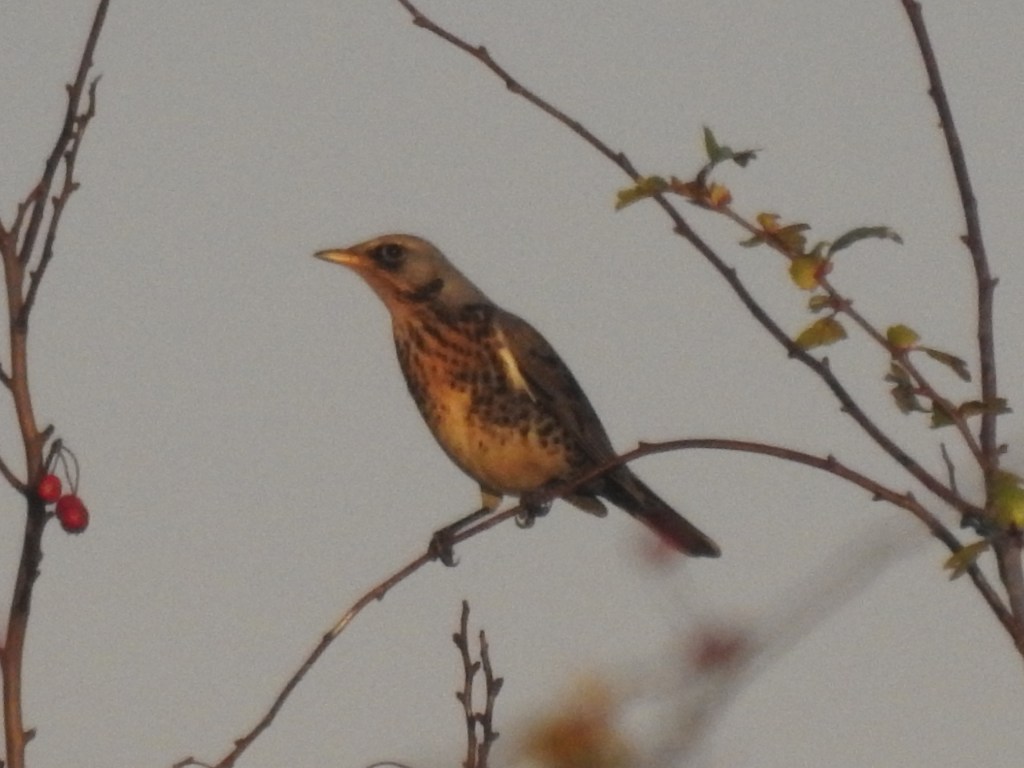
Photo – Pauline


8 January 2024
The European Ombudsman has opened an inquiry into the European Commission’s (EC) failure to publish a legislative proposal to phase-out and ultimately ban cages for farm animals, in line with its official answer to the End the Cage Age European Citizens’ Initiative (ECI).
Eurogroup for Animals and numerous other animal protection organisations wrote to the European Commission in October after it unexpectedly backtracked on the commitment to bring forward legislation banning cages in 2023, and did not provide any clarity on when it would be published.
In June 2021, the EC promised that by the end of 2023, it would put forward a legislative proposal to phase out and finally prohibit the use of cages, a commitment which it re-stated and reinforced on numerous occasions. The EC had generated considerable legitimate expectation among citizens that legislation would be forthcoming, creating a case of maladministration.
After not receiving a response from the EC, in November 2023, Eurogroup for Animals and several of its members made an official maladministration complaint to the European Ombudsman against the EC for failure to uphold its commitment to an ECI in which 1.4 million citizens asked for a ban on cages and failure to appropriately communicate its u-turn on this promise.
The complaint raises the issue of the EC undermining the rules that govern ECIs and the very credibility of the democratic participatory process they represent. In the run up to the European elections in June of this year, this is a particularly poor signal to send to citizens.
The European Ombudsman has now asked the EC to send an official reply to Eurogroup for Animals and all the other complainants by the end of January.
The opening of the inquiry of the European Ombudsman sends a clear signal that the democratic tool of the ECI should not be undermined. Citizens are using the tools at their disposal to make their voice heard on issues that matter. We expect the European Commission to follow through on its commitment, and we continue asking for a timeline indicating when the promised proposals will be published.
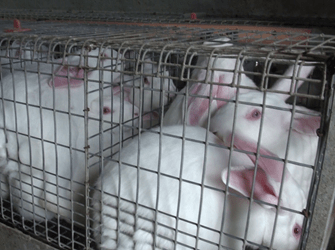
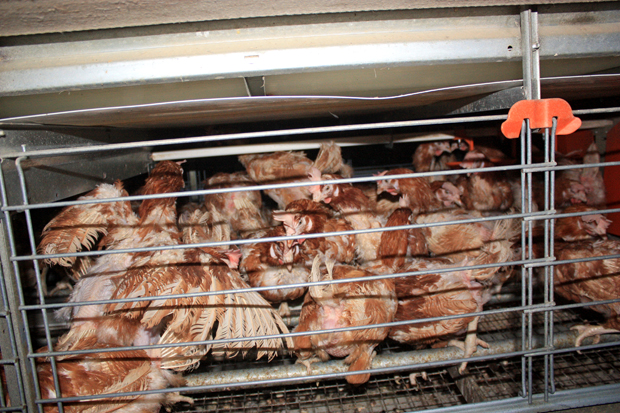
Reineke Hameleers, CEO, Eurogroup for Animals
Regards Mark

Best wishes for the new year to everyone.
I hope that you stick with me and together we can try and do better for the animals.
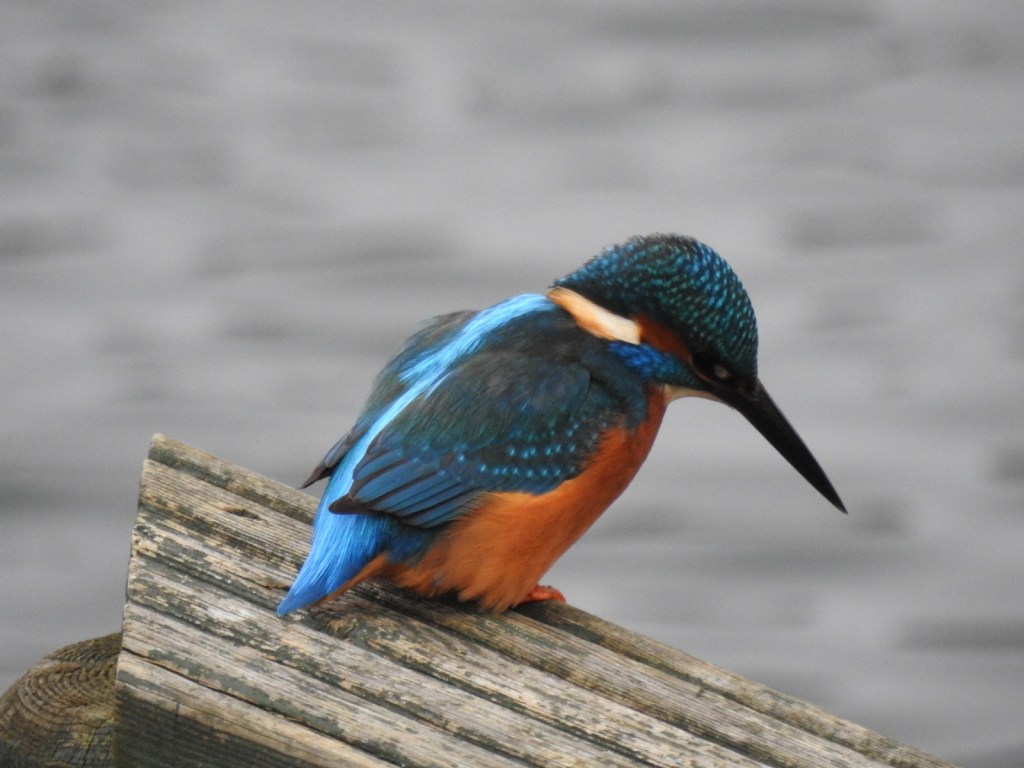
I am starting the new year with some beautiful pictures of a Kingfisher which have been sent to me by Pauline. I am sure you agree that they are wonderful.
If you want to view all of Pauline’s other photos then click on this link – Search Results for “pauline” – World Animals Voice
New year; fresh start to campaigning; lets go !
Regards Mark




I am late in posting these which animal buddy Pauline sent to me over a week ago !
But here they are, so enjoy.
Regards Pauline and Mark
Redwing
https://www.rspb.org.uk/birds-and-wildlife/redwing

Fieldfare
https://www.rspb.org.uk/birds-and-wildlife/fieldfare

Kestrel 1
https://www.rspb.org.uk/birds-and-wildlife/kestrel

Kestrel 2


The King’s Guards are still donning Canadian bearskin caps as ‘greenwashing’ defence officials have used a ‘meaningless’ ethics scheme to ignore suitable faux fur options, animal rights campaigners have claimed.

The Ministry of Defence, who pledged to drop fur once an alternative was found, have now revealed their use of a controversial fur industry marketing scheme to justify the continuing use of fur in the uniform.
People for the Ethical Treatment of Animals (PETA) have accused officials of using ‘Furmark’ a scheme branded ‘meaningless’ by former British Fur Trade Association CEO Mike Moser – ‘Luxury faux fur manufacturer ECOPEL has created the world’s first faux fur that looks identical to the animal-fur cap and is easily rendered 100% waterproof. It has met all of the MoD’s requirements. We urge for the MoD to adopt the new caps.
‘We believe there is no justification to continue using the fur of Canadian black bears for the ornamental caps, when an excellent alternative exists.
‘They cost the taxpayer hundreds of thousands every year and using real fur conflicts with public opinion on this issue.’
‘Luxury faux fur manufacturer ECOPEL has created the world’s first faux fur that looks identical to the animal-fur cap and is easily rendered 100% waterproof. It has met all of the MoD’s requirements. We urge for the MoD to adopt the new caps.
Read more:
Fur flies as animal rights activists accuse King’s Guards of ‘greenwashing’ | Daily Mail Online
Pathetic – Yes they still use the skins of real bears for the hats !
Regards Mark

15 December 2023
Last week, the European Commission published its long-awaited proposal on animal welfare rules during transport. While the transport of terrestrial farm animals is a well-recognised issue, what are the key issues fish face during transport, and to what extent does the new proposal cover them?
Fish are particularly sensitive to disturbance and experience stress while being handled during farming, being moved with nets or pumps, or being transported between sites or to slaughter. Inappropriate transport of fish can result in injury, pain, distress and suffering. A brief period of stress for fish can result in long-lasting effects such as increased disease incidence, reduced appetite, impaired development, deformities and increased mortality.
The most critical aspects of welfare in the transport of fish are:
Handling and loading procedures;
Equipment for monitoring and maintaining water quality;
Feed withdrawal prior to loading;
Monitoring of fish after unloading.
Until now, EU transport legislation was very weak on fish transport, and implementation was difficult. Fish were included within provisions on planning and documenting journeys, but no standards or practices were set. Certain provisions were also detrimental to fish welfare, such as the requirement to inspect fish at border control points, which means increased light exposure, changes in ambient noise causing stress and stationary periods affecting water quality.
The new proposed legislation includes aquatic animals (fish, cephalopods such as octopuses, and decapods such as crabs and lobsters) in its scope. Unfortunately, it excludes fish used in aquariums or ornamental fish as “the transport of ornamental fish rarely represents a major risk for animal welfare“.
Annex two of the proposal outlines basic principles for the transport of aquatic animals, recognising that aquatic animals have specific welfare needs that have to be protected by law. For example, conditions for crowding and loading fish, ensuring that water quality is appropriate for the species, and reasons for considering aquatic animals as not fit for transport are included.
The aquatic annex provides positive recognition of the importance of aquatic animal welfare during transport. The proposal calls for specific provisions for aquatic animals to be set and updated based on new science when the relevant EFSA opinions are available. This follow-up work is essential to ensure specific and implementable requirements for fish and other aquatic animals.
Now that the European Commission has published the proposal, the European Parliament and the Council of the EU will have a chance to review and propose amendments to the text.
Eurogroup for Animals calls for the text to include deadlines for adopting the delegated acts with more species-specific requirements following the scientific opinions.
Regards Mark

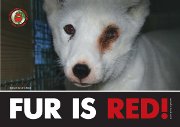
WAV Comment – Here we go again; the gutless, spineless and many other ‘less’ European Commission fails to make a decision; and instead passes the buck over to the EFSA to undertake a ‘scientific opinion’ on the subject. The evidence is there – https://worldanimalsvoice.com/?s=fur – how much longer do we have to wait for opinions to tell us the bleeding obvious ???
So now what ? – ‘after evaluation of the EFSA opinion to be put forward by March 2025’. 2025, that equals another 18 months of animals being subjected to on going abuses on fur farms – https://worldanimalsvoice.com/?s=fur – before any wind down period is even started to be enforced. So how long in reality ? – 2030, 2035 ?? !!!
This gives full justification to the fact that the European Commission is nothing but an un elected body of complete and utter nothing who individually can do nothing, and then together decide that nothing can be done.
Mark
7 December 2023
Press Release
Fur farming and the placement of farmed fur products on the European market could finally be banned by EU law, but the European Commission (EC) failed to take a decision, instead opting to first await a scientific opinion by the European Food Safety Authority (EFSA).
The communication published by the European Commission comes in response to Fur Free Europe, in which more than 1.5 million citizens called on the EU to ban fur farming and the placement of farmed fur products on the European market once and for all.
The reply mentions a possible prohibition of fur farming and placement of farmed fur products on the European market, or alternatively other measures, after evaluation of the EFSA opinion to be put forward by March 2025.
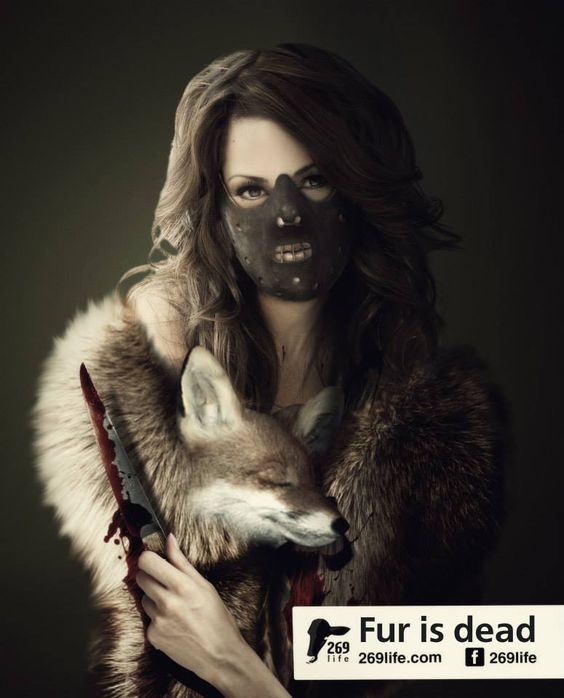
The request for an EFSA opinion comes despite the fact that there is already a vast body of scientific evidence that concludes that the housing system in fur farms, cannot under any circumstances, meet the needs of species kept and killed for fur.
However, we (not WAV) welcome the news of a consideration of a ban, and trust that the scientific opinion will reinforce the well-established scientific basis.
While the Commission asked EFSA to “assess whether these welfare consequences can be prevented or substantially mitigated under current farming conditions”, the opinion should start from the animals’ specific needs, the main premise of this citizens’ call, as opposed to the infrastructure of the system, as several studies have concluded, consistently, that no level of cage enrichment can maintain animal welfare.
Moreover, the mentioned EFSA mandate appears focused on the four main species kept and killed on EU fur farms: mink, foxes, raccoon dogs and chinchillas, while the ECI Fur Free Europe calls for a ban on keeping and killing all animals only or mainly for the purpose of their fur, regardless of the species.
In conjunction with an EFSA opinion, the EC will evaluate several other areas which are impacted by the practice of fur farming, namely public health, environment, social, legal and economics. This comprehensive assessment will be conducted by March 2026, when a final decision is expected to be communicated.
The EC also plans an evaluation and assessment on the revision of the Textile Labelling Regulation, including a public consultation. Adopting labelling rules for fur products does not, in any way, catalyse any difference for the way animals are raised on fur farms and should not be considered as a solution to the welfare problems on fur farms.
Since its peak in 2014, the fur industry in Europe has been in constant decline.
In 2022, around 8.5 million animals were kept and killed for fur production in the European Union. 20 Member States have already totally or partially banned fur farming or implemented stricter measures on grounds of animal welfare, environment and public health. The call to ban fur farms in the EU has been supported by MEPs from all political groups and Member States joined the call at the Agriculture and Fisheries Council (AGRIFISH) in 2021 and 2023.
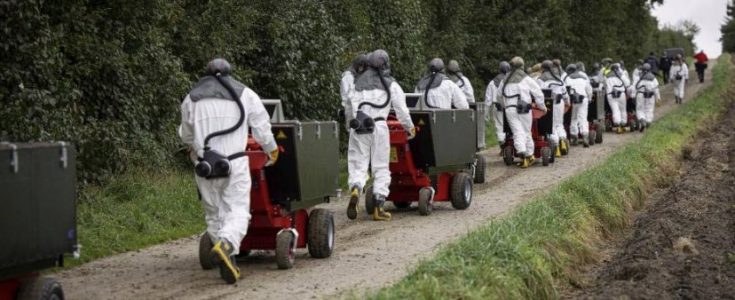
Above – Fur Killing Boxes; Denmark.
It is disappointing that the European Commission failed to take a decisive decision today, while millions of animals keep suffering while this horrendous practice continues to be legitimate in a ‘progressive’ Europe. The welfare of animals on fur farms cannot be improved, and the only option is a full ban, as asked by more than 1.5 million citizens, and reflected in the decision of many Member States.
We trust that the EFSA opinion and the whole evaluation will reflect this, and that we will see a full prohibition, sooner, rather than later.
Reineke Hameleers, CEO, Eurogroup for Animals
Regards Mark
 World Animals Voice