Category: Environmental

What’s the difference between a moth and a butterfly?

Butterflies and moths have numerous behavioral and physical differences.

Say the word “butterfly” and a brilliant, orange-and-black-winged Monarch butterfly may fly through your mind. Say “moth,” meanwhile, and the brain may conjure up an image of a dull, brown-winged pest that nibbles holes through clothing.

But is appearance really the main difference between these two types of winged insects? What exactly is the difference between moths and butterflies?

It turns out the difference is more than wing deep.

Moths and butterflies both belong to the order Lepidoptera, but there are numerous physical and behavioral differences between the two insect types.

Related: How do mosquitoes sniff out humans to bite?

First of all, moths are much more diverse than butterflies. There are about 160,000 species of moths, according to the Smithsonian Institution(opens in new tab), versus about 11,000 of butterflies.

Both types of insects have scales on their wings. But moths tend to have drab, brown or beige wings, while butterflies are typically more brilliantly decorated, Smithsonian Institution notes. 

This coloration difference may in part be due to behavioral differences between the two types of insects. Moths are nocturnal and try to camouflage themselves during the day on dark objects like bark and leaves. 

Butterflies also camouflage themselves in this way, but they are diurnal, meaning they spend the daylight hours flitting from flower to flower sipping nectar. Their brightly colored wings are often an attempt to tell predators that they contain nasty-tasting chemicals, according to Reiman Gardens at Iowa State University(opens in new tab).

Another behavioral difference between the two is that butterflies usually fold their wings back to rest, while moths flatten their wings against their bodies, BBC’s Science Focus reported(opens in new tab).

Their pupal stage (between the larva and adult stages) is slightly different, too. Moths make cocoons wrapped in silk. Butterflies, on the other hand, form chrysalises, which are hard, smooth and silkless, according to the Lewis Ginter Botanical Garden(opens in new tab) in Henrico, Virginia.

Other physical differences abound. Butterfly antennae are thin with club-shaped tips, compared with the feathery or comb-like antennae of moths. 

In addition to the difference in wing coloration, with butterflies sporting more vibrant colors, moth wings, unlike butterfly wings, have a structure called a frenulum, which joins the forewing to the hind wing.

Though these various traits usually distinguish a butterfly from a moth, there are numerous exceptions to these rules. The comet moth or Madagascan moon moth (Argema mittrei) sports brilliant yellow wings dotted with bright red spots and is active during the day, according to the National History Museum(opens in new tab) in London. And the endangered Schaus swallowtail (Heraclides aristodemus ponceanus), which lives in Florida’s swamps, has rather boring brown coloration, speckled with some white spots, according to the University of Florida(opens in new tab).

Regards Mark

Monteverde Cloud Forest in Costa Rica.

Today we’re taking a walk through the clouds to visit one of the most beautiful and biodiverse places on the planet. Costa Rica’s Monteverde Cloud Forest is in the Tilarán mountain range 5,000ft (1,524m) above sea level. Hundreds of different animal species and thousands of insect and plant species call the forest home. Diligent nature lovers could count nearly 700 types of butterflies and 500 species of orchids during a visit. Famous in the scientific community, the forest also attracts more than 70,000 tourists a year.

You may be wondering, what exactly is a ‘cloud forest?’ They’re forests high enough above sea level to be covered by persistent mist and fog generated by the forest’s own evaporating moisture. This makes for a damp and humid, yet cool environment. Generally tropical, they’re pretty rare. Only 1% of the current global woodland is considered true cloud forest. They are entirely dependent on an area’s local climate, so many of the 736 current ‘cloud forest’ locations are expected to change in the coming years. Monteverde, in fact, is where the first climate-related species extinction was recorded. In the 1980s, the golden toad fell victim to a parasitic fungus that spread into the area due to the changing climate.

Monteverde Cloud Forest Reserve – Bing images

monteverde costa rica – Search (bing.com)

Regards Mark

UK: ‘Springwatch’ on the BBC. Starts Tonight 30/5/22.

30/5/22 – A new series of Springwatch starts tonight on the BBC television.  Join Chris, Michela and all the team as they bring us the best of UK wildlife.

For overseas visitors – hopefully the links will work and you will be able too see what this few weeks live television is about.  Broadcast every night it gives an insight into the many lives of nature with the great footage and filmwork of the BBC.

SpringwatchAutumnwatch and Winterwatch, sometimes known collectively as The Watches] are annual BBC television series which chart the fortunes of British wildlife during the changing of the seasons in the United Kingdom. The programmes are broadcast live from locations around the country in a primetime evening slot on BBC Two. They require a crew of 100 and over 50 cameras, making them the BBC’s largest British outside broadcast events. Many of the cameras are hidden and operated remotely to record natural behaviour, for example, of birds in their nests and badgers outside their sett.

Springwatch begins on the Spring Bank Holiday and is broadcast four nights each week for three weeks. After the success of the first Springwatch in 2005, the BBC commissioned a one-off special, Autumnwatch, which became a full series in 2006. Winterwatch began in 2012, broadcast in January or February.

Springwatch returns with three weeks of live programmes showcasing the restorative power of nature – Media Centre (bbc.co.uk)

Hannah’s ‘How to’ Videos – click here:

BBC Two – Springwatch, 2020, Hannah’s how to videos

How to help wildlife – click here:

BBC Two – Springwatch – How to help wildlife

Cornish marine safari – Bing video

Live Springwatch: Day 18 🌦 2021 🐣 BBC – Bing video

Live Springwatch: Day 9 🌦 2021 🐣 BBC – Bing video

Live Springwatch: Day 16 🌦 2021 🐣 BBC – Bing video

BBC Springwatch 2013 – Episode 2 – Bing video

Use the following link to watch many more Springwatch videos:
springwatch – Bing video

Regards Mark


Photo – Mark (WAV)

Photo – Mark (WAV).

England: The Better Side of Metropolis.

London, a sprawling, busy Metropolis like many major cities of the world.

But ignore the busy streets, the bustling crowds, the chaotic tubeways, and take a look into the deeper, more natural abundance of wildlife which adorns and is a major, but often ignored aspect of daily city life.

Pauline has sent yet more super images of the nature of South London and Kent county – Kent – our home county.  See the male Robin feeding his female partner; see the urban fox always ready to pick up the leftovers of the vermin human race who cannot bother with litterbins; and see the hedgehogs; which I know are Pauline’s real love and a creature that she devotes a lot of her time to.  Don’t they look amazing and so healthy ?

Enjoy the other side of the busy metropolis; the one of nature and all the wonders that it brings.

Regards – Mark and Pauline.

Adult Starlings with their new Spring born youngsters – learning life on the wing.
A Dunnock.
Mr Vulpine the Fox.

One of my favourite birds – the beautiful Goldfinch.
A male Robin feeds its partner.

Rabbit.

Shellduck with duckling.

Shellduck on the River Thames with youngsters.

A young Starling asks – where is dinner mum ?

Hedgehog.

Our home – Kent County; near to London but not that near:

https://www.google.co.uk/search?hl=en&site=imghp&tbm=isch&source=hp&biw=1276&bih=543&q=kent+england&oq=kent+england&gs_l=img.3..0l7j0i5l3.5391.9629.0.15898.12.12.0.0.0.0.67.621.12.12.0….0…1ac.1.30.img..0.12.621.2HMLYuXgprU
Badger smile.

England: Animal Rights Activists ‘Sprayed With Manure’ at Beef Event Confrontation.

Animal rights activists have been “sprayed with manure” as hordes of angry farmers confront them over a protest at Britain’s largest beef industry event, the campaign group has claimed.

The demonstration, which began in the early hours of Saturday, is said to have seen one protester taken to hospital after chaos unfolded outside Darlington Farmers Auction Mart (DFAM) in Co Durham.

Photos showed mask-clad activists from the Animal Justice Project (AJP) standing on the roof of the building holding banners and spraying coloured smoke flares.

A spokesperson for the group said campaigners have now been left “covered in excrement” after one event attendee allegedly used a sprayer to blast manure at them.

Another activist was injured after farmers allegedly ploughed towards a group of protesters in a JCB digger and “assaulted” them, the AJP claims.

The National Beef Association (NBA), which is organising the expo taking place over the course of this weekend, describes it as a celebration of the best of British beef, drawing in at least 5,000 guests  annually.

The AJP has said their protest was “peaceful” and “silent” and aimed to highlight “farmed animal suffering and environmental safety concerns”.

Police have been on the scene since 5am working to bring the demonstration to an end as guests and demonstrators clashed with one another but activists have said they intend to stay indefinitely.

Mark Dent, chair of DFAM, said earlier he believed the protesters were the sources of “intimidation”.

He told the PA news agency: “We respect people’s right to protest, but the way they go about it doesn’t help their cause.

“There is no respect for people’s property or livelihood. I’m afraid then you lose your moral high ground… It’s a tin roof and they’re jumping up and down on it, and it’s bending.

“They’ve got their faces covered. It’s intimidation (and) threatening behaviour. I’m all for people protesting what they believe in, but it’s the way they go about it – the face coverings, the intimidation.”

The Animal Justice Project said farming glorifies the killing of animals (Animal Justice Project/PA)

© Provided by PA Media The Animal Justice Project said farming glorifies the killing of animals (Animal Justice Project/PA)

He added: “If you have a pair of eyes you will see how important agriculture is around the world at the moment. Food is top of the agenda.”

An AJP spokesperson told PA: “We’ve been sprayed with cow poo by one farmer using a machine.

“It has been a peaceful protest and a silent protest and we are overwhelmed and outnumbered by hundreds of angry farmers.”

They added: “It’s really violent and there was one farmer who went along and sprayed everyone’s clothes. Shouting, swearing, spraying us with manure, ripped the banners down. It’s absurd.”

The group has said the farming event “glorifies the exploitation and killing of animals” which is “fundamentally wrong and unjust”.

Neil Shand, chief executive of the NBA, said: “Nobody has been hit by a tractor.”

A spokesperson for the NBA claimed there was a “wonderful atmosphere” at the event and did not comment further on the protest.

Durham Police said: “Our officers are working to bring the protest to a safe end and to minimize the impact on the wider community.”

Regards Mark

From Eurogroup for animals. 2 New Member Organisations.

Eurogroup for Animals welcomes two new member organisations

27 May 2022

IWNS

News

From Eurogroup for animals.

We are very pleased to welcome two new member organisations: Intimate With Nature Society (IWNS) Bulgaria and Shrimp Welfare Project based in the UK and Spain.

Learn more about our new members:

Intimate with Nature Society (IWNS)

Intimate With Nature Society (IWNS) was founded in 2001 in Sofia, Bulgaria as an animal advocacy organisation while running campaigns to raise awareness about stray cats and dogs and animals used in entertainment and providing aid for stray animals in need. In the last couple of years IWNS has had two main objectives: control and reduction of stray companion animals’ population, and closure of illegally operating zoos.

Shrimp Welfare Project

Founded in 2021, the Shrimp Welfare Project aims to improve the lives of billions of farmed shrimps in India and Southeast Asia. 350 billion shrimps are farmed each year. This is more than 5x the total number of all farmed land animals put together. Shrimps are highly neglected and many of them suffer from conditions which can and should be addressed, such as: risk of disease, bad water quality, and eyestalk ablation. The Shrimp Welfare Project is the first organisation focusing exclusively on the welfare of these animals.

We look forward to a fruitful collaboration with our new members. Want to learn more about joining Eurogroup for Animals? Click here for information on becoming a member organisation

Regards Mark

Eurogroup members:

Our Members | Eurogroup for Animals

England: Great New Photos From Pauline – 22/5/22.

I have had some new (second set of) excellent photos through from my animal buddy Pauline.

You can view the first pictures she forwarded at:

Pauline has kindly sent some more – and here they are.

Thanks Pauline x; and thanks for the beautiful picture and mouse mat you sent me.

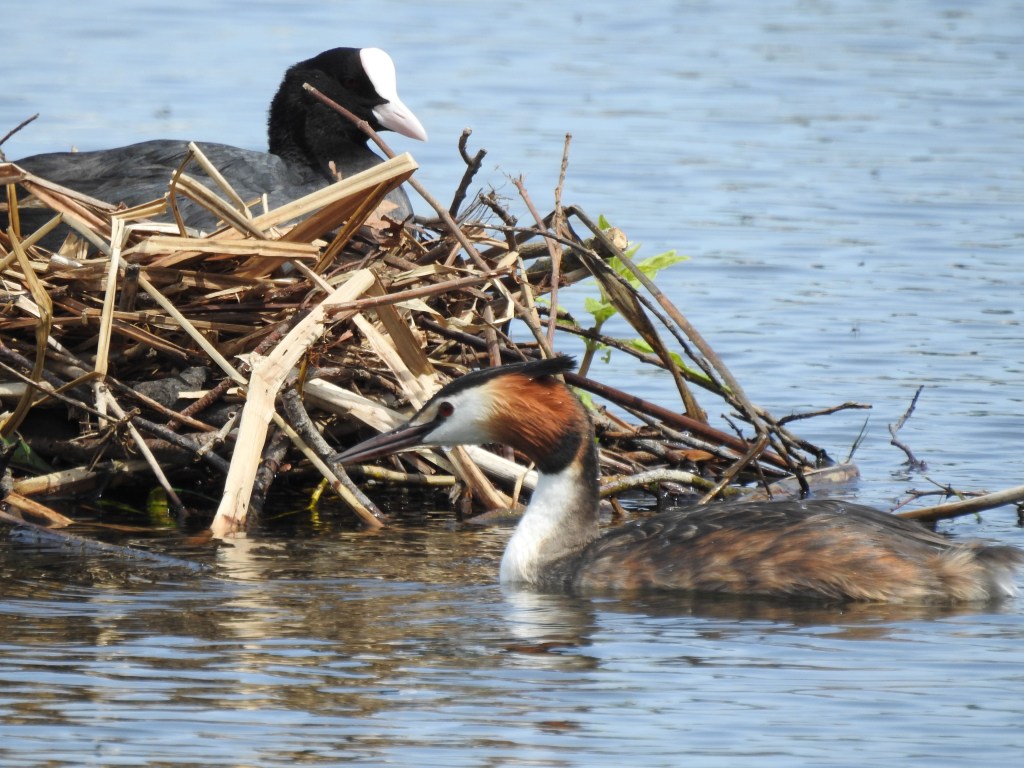
A Coot sits on its nest with a crested Grebe passing by.

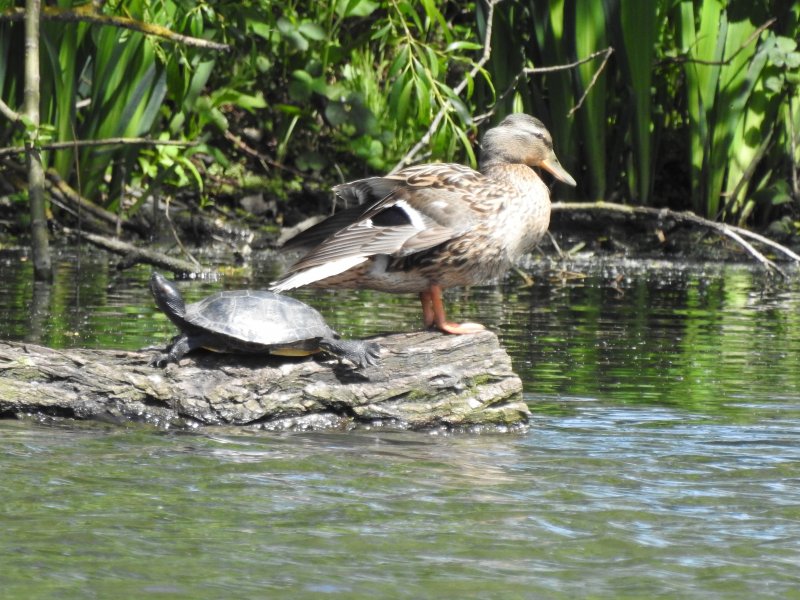
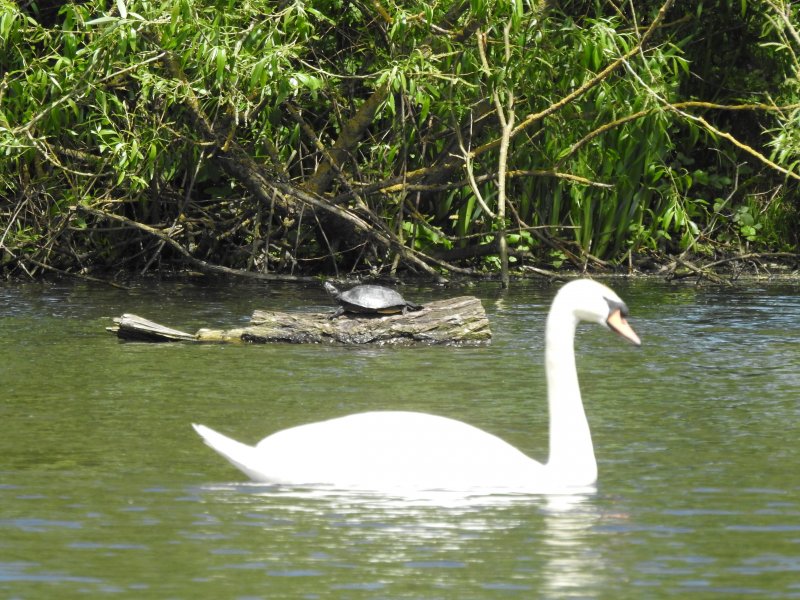
Terrapin and Mallard Duck share a log.

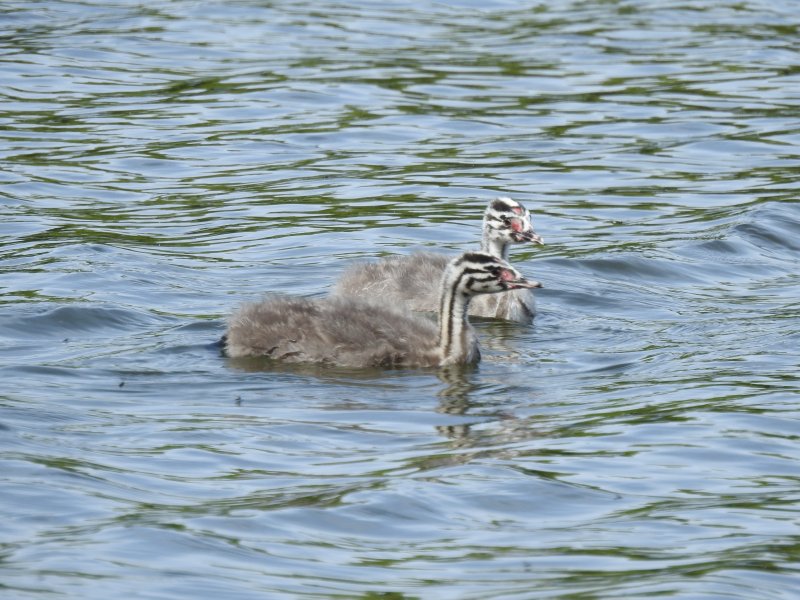
Young Crested Grebes take a swim

Swan passes Terrapin.

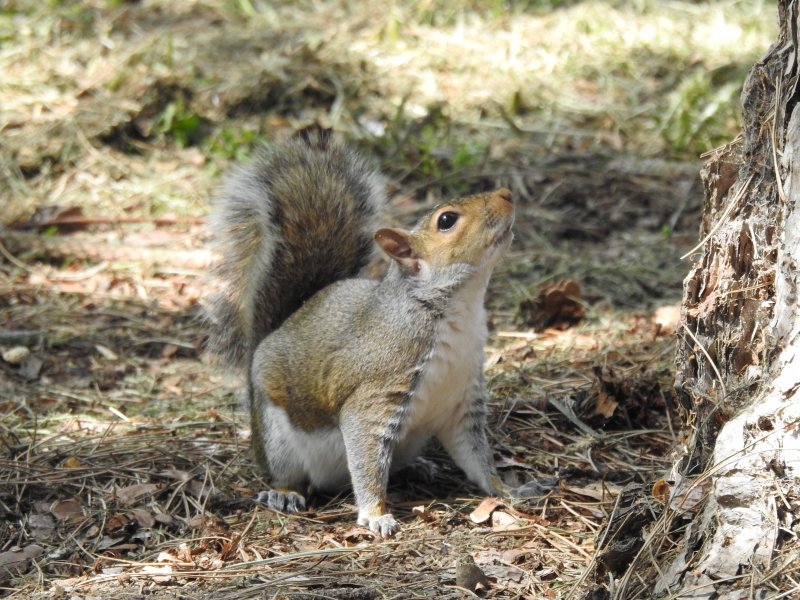
Squirrel at Danson Park, London.

Regards Mark and Pauline.
Canada: Animal welfare advocates ask court to stop white-tailed deer cull south of Montreal.

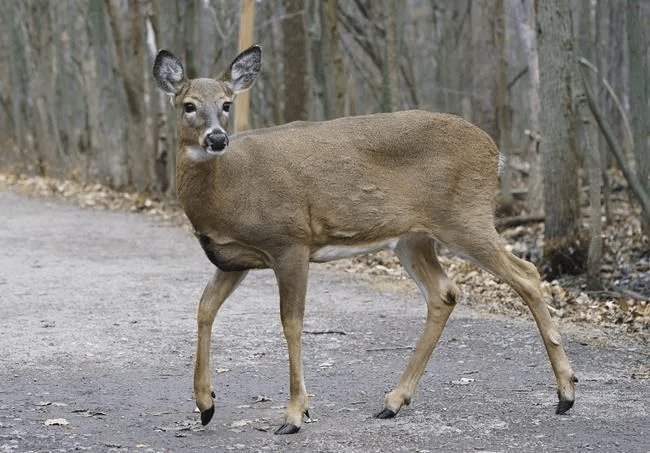
MONTREAL — A well-known Quebec lawyer is going before the Superior Court to prevent the cull of white-tailed deer living in a forest on Montreal’s South Shore.

Lawyer Anne-France Goldwater, who has previously voiced her opposition to the plan, has filed a court petition on behalf of herself, a wildlife rescue organization called Sauvetage Animal Rescue, and a local animal-rights activist.

Goldwater is asking the court to prevent Quebec’s Wildlife Department and the City of Longueuil from killing the deer until the case is heard.

Last November, Longueuil Mayor Catherine Fournier said the city would kill all but about 15 deer in order to protect the Michel Chartrand Park, which can’t support the roughly 70 deer living there.

Sauvetage Animal Rescue had proposed to relocate the animals, but the committee said last year the only short-term solution was to kill them.

Longueuil’s previous administration had planned to cull the deer in the fall of 2020, but the city relented after a strong backlash that included a petition, a protest and threats against the former mayor.

Goldwater says the case is expected before a judge next month.

This report by The Canadian Press was first published May 18, 2022.

The Canadian Press

Animal welfare advocates ask court to stop white-tailed deer cull south of Montreal (yahoo.com)

Regards Mark