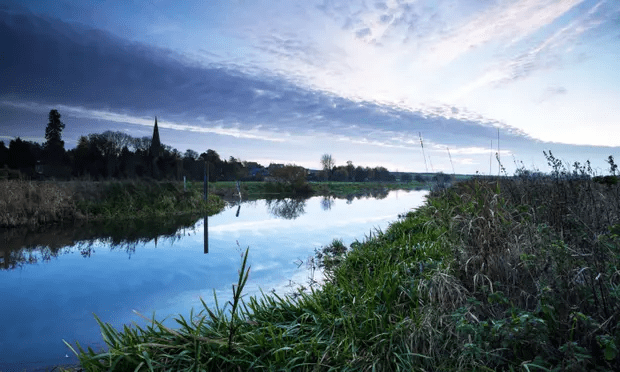
The River Nene in Northamptonshire, where samples were collected with the highest number of microplastics. Photograph: Andrew Baskott/Alamy
Fears for water quality as swimmers discover invisible microfibres in samples 400 feet underground
Invisible microplastics have been found almost 400ft (120 metres) underground in UK water streams, according to the results of a citizen science project conducted by wild swimmers.
More than 100 outdoor swimmers in the UK became “waterloggers”, collecting water samples from their favourite place for a dip using empty glass wine bottles.
This water was then tested, with microplastics present in every single sample.
One of these samples was taken 400ft underground in a cave in Derbyshire. Rebecca Price, a caver who collected the samples deep underground, said, “The cave sample was taken from an underground waterfall which filters through natural rock. I’m shocked to find that nano- and microfibres were found that deep underground.”
She also collected the samples with the highest number of microplastics, at 155 pieces a litre, in the River Nene, Northamptonshire, where she swims frequently.
She added: “The Nene has had very bad reports about its water quality in recent years. These results focus on microplastics and highlight another toxic silent contaminant choking our beautiful river.”
Laura Owen Sanderson, the founder of the non-profit We Swim Wild, which carried out the sampling, said: “We now know that microplastics are infiltrating every aspect of our lives. We breathe in, drink and eat plastic particles every day; and little research has been done to establish what risk that poses to human health.
“This campaign provides a large and unique grassroots dataset for the UK government, as clear evidence that urgent action is needed now.”
The group is calling for the government to test regularly for microplastics in UK rivers, and will soon launch another 12-month study into invisible contaminants in waterways.
Recent research by Outdoor Swimmer Magazine found that wild swimmers are hugely concerned by pollution, and more than one-third of swimmers surveyed had written to their MPs and supported campaigns over the problem.
Michelle Walker, the technical director at the Rivers Trust, told the magazine: “What really stands out to me is how swimming outdoors motivates people to take direct action on water pollution, and we’ve really seen the impact of that in the last year. Tens of thousands of people contacted their MPs to demand amendments to the environment bill, and as a result government were forced to change direction.”
This article was amended on 21 March 2022. The deepest sample was found 400ft underground in a Derbyshire cave, not 400 metres underground in a Nottinghamshire one as stated in an earlier version.
Sadly, we know you’re not kidding, but imagine being so proudly opposed to decreasing suffering that you honestly believe Chris is your weapon-of-choice against veganism. What an absolute clown, to boast you don’t eat “veal” or cats, but eating other victims, including dairy victims, is what – ? An exercise in demonstrating how absolutely absurd and desperate you are to continue causing unimaginable suffering. And, please, tobacco, alcohol, driving, etcetcetc., ad nauseum, don’t REQUIRE victims, but ALL animal exploitation is related and fuels “other” animal exploitation, and it ALL requires victims, including their suffering and violent death.
And feigning indignation while being morally outraged at the perceived “equality towards human animals and non-human animals” is inherently based in the “meat eaters” comparison of human and non-human animals, not vegans’: yes, Chris, YOU’RE making the comparison, it’s only “problematic” when you think vegans are equating them, and I know this because, for example, except for vegans, nobody EVER criticizes nonvegans who benefit from equating nonhuman animals with human animals, but then arbitrarily dismiss similarities to attempt to justify animal suffering and violent death, like vivisectionists do, or animal farmers who claim to care about animals more than their own children but then kill and eat the same animals anyway. And if you don’t eat “veal” (ie, calves, unprofitable casualties of the dairy industry that you DO support and celebrate) because eating infants is “cruel”, are you then guilty of comparing calves to humans, equalizing them? Or is that argument only acceptable when YOU use it in some asinine dimension where you actually make sense?
And what in the AF is a “militant” vegan? One who challenges your cruel behaviours. Right? Like a “militant” opposed to FGM or a “militant” opposed to wrongful incarceration or a “militant” opposed to violence? “Militant” is how animal consumers treat their animal victims: body violation and intrusion, separation of child from mother, and concluding the animal’s brief life of exploitation with violent death. THAT’S “militant”. How people like Chris can use the word “militant” to describe people who DON’T violate, abuse, and kill others is astounding, that he and others don’t recognize their own hypocrisy surrounding their abusively MILITANT actions inflicted on animals is absolutely bizarre.
And COME. ON. Really? Animals are killed in better ways than humans? Are you determined to look as rational as the crusty grossness on the bottoms of your shoes? You’re not only threatened by decency but by logic, too? You have the privileged audacity and human supremacist position of NEVER EVER EVER having to experience a forced violent, terrorizing death in a slaughterhouse for people to eat you.
Were you one of the ones left behind??? Just by odds you should have at least hit one good point by now, but that you haven’t leads me to believe that you evading logic and facts so consistency must be one of your invented superpowers. I mean, effing yikes, Chris.
In a globally indoctrinated, normalized violent world that acceptably causes and celebrates incalculable suffering and death of animals, don’t be a Chris. Be an Ed. Or look like an idiot because any baby vegan could destroy Chris’s clumsy and mindless argument, and when you don’t actually have a legitimate answer, falling back on the BuT i cAn kILl BeCAuSe pErSOnaL cHOicE is a tired, overused, irrational trope. JFC. Seriously. SL
Download Your FREE Vegan PDFHERE Order a FREE vegan kit HERE Dairy-Free Info HERE Take the Dairy-Free Challenge HERE Click HERE for more Dairy-Free Fish alternatives can be foundHERE Learn about eggsHERE Find bacon alternativesHERE and HERE Take PETA’s Cruelty-Free Shopping Guide along with you next time you head to the store! The handy guide will help you find humane products at a glance. Order a FREE copyHERE Searching for Cruelty-Free Cosmetics, Personal-Care Products, Vegan Products, or more? Click HERE to search. Free PDF of Vegan & Cruelty-Free Products/Companies HERE Click HERE to find outHow to Wear Vegan! Want to do more than go vegan? Help others to do so! Click below for nominal, or no, fees to vegan literature that you can use to convince others that veganism is the only compassionate route to being an animal friend: PETA HERE Vegan Outreach HERE Get your FREE Activist Kit from PETA, including stickers, leaflets, and guideHERE Have questions? ClickHERE
A rare Greenland shark that washed up on a U.K. beach could be at least 100 years old, but experts aren’t sure why it became stranded.
The dead shark was first spotted on the sand in Newlyn Harbour, Cornwall, on the southwest coast of England, on March 13. But before experts could examine it, the tide came in and took the carcass back out to sea, according to Cornwall Wildlife Trust Twitter posts.
The shark was then rediscovered floating off the coast of Cornwall on March 15 by a recreational boating company called Mermaid Pleasure Trips and was brought back to shore. Greenland sharks are rarely sighted in the U.K., and this is the country’s second recorded Greenland shark stranding.
“Even though it’s a sad event when these beautiful, spectacular animals do strand on our beaches, it’s such a valuable opportunity for us to study them,” Abby Crosby, a marine conservation officer who manages the marine strandings network at the Cornwall Wildlife Trust, told Live Science.
Greenland sharks (Somniosus microcephalus) live in the Arctic and North Atlantic oceans up to 8,684 feet (2,647 meters) below the surface, according to the International Union for Conservation of Nature (IUCN). A 2016 study published in the journal Scienceestimated that these sharks could live at least 272 years, but scientists still have much to learn about the elusive species.
The shark that washed up in Cornwall was a juvenile female that measured 13 feet (4 m) long and weighed 628 pounds (285 kilograms). Although researchers have yet to determine the shark’s age, Greenland sharks typically become sexually mature when they’re around 150 years old, according to the 2016 study. The animals continue to grow as they age, and adults can be up to 24 feet (7.3 m) long, according to the St. Lawrence Shark Observatory (ORS).
James Barnett, a veterinary pathologist from the Cornwall Marine Pathology Team, carried out a postmortem of the shark on March 16 for the Cetacean Strandings Investigation Programme (CSIP), a national program that partners with Cornwall Wildlife Trust’s Marine Strandings Network.
“It looked like it probably live-stranded,” Barnett told Live Science. In other words, the shark was still alive when it washed up, and it died on the beach. “It obviously hadn’t eaten for some time,” Barnett said. “The stomach was totally empty.”
Barnett noted that the shark showed possible signs of septicemia, an infection in the blood, but it’s not yet clear why the shark wasn’t eating and ended up in shallow waters off Cornwall. There are a variety of reasons, including disease, that can explain why marine animals become stranded and die on beaches, but the movement of ocean currents and other marine conditions also play a part in bringing living and dead animals to shore.
“The majority of our strandings are common dolphins and porpoises, and they would have all died within a kilometer [0.6 mile] of our coastline, if that,” Crosby said. Because Greenland sharks usually swim far from the coast, the likelihood of one being swept in by the right current and weather conditions is really rare, she added.
Barnett said this is the first time a Greenland shark has been given a necropsy in the U.K., to his knowledge. “They are a species that we just don’t encounter,” he said. Samples taken from the shark will help inform Greenland shark research, such as studies investigating their life history and diet, Rob Deaville, project manager for CSIP at the Zoological Society of London, said in a statement.
The Arctic and Antarctica, while similar habitats in some ways, are home to very different creatures. Both poles host a variety of seal and whale species, but only the Arctic is home to Earth’s largest bear, the polar bear.
Polar bears (Ursus maritimus) and their tumbly cubs can be found around the Arctic Circle in Alaska, Canada, Greenland (part of Denmark), Norway, Russia and, occasionally, Iceland. A polar bear’s fur is specially suited for temperatures that can dip below minus 22 degrees Fahrenheit (minus 30 degrees Celsius). They live on ice for most of their lives, feeding on fat-rich seals that keep them energized for long periods between meals.
Antarctica also has sea ice, cold temperatures and seals. So why aren’t there any polar bears on the southernmost continent?
The answer has to do with evolution and the geologic history of Earth.
“Bears are largely a Northern Hemisphere phenomenon,” said Andrew Derocher, a professor of biological sciences at the University of Alberta in Canada who has studied polar bears for nearly 40 years. Aside from the Andean bear (Tremarctos ornatus) of South America, bears appear only in the Northern Hemisphere. There’s no specific reason for this, just that some species evolve in some places and some don’t. “Biogeography is full of oddities,” Derocher said. “Some species made it to new places and some didn’t.”
For polar bears specifically, there was never a time in their evolutionary history when the North and South poles were connected by ice (or land, for that matter). People say polar bears are the “biggest terrestrial carnivore in the world, and yet they’re not a terrestrial species at all,” Derocher told Live Science. The big, white bears live on sea ice for almost their entire lives, only occasionally coming ashore to breed.
Polar bears are, evolutionarily, a relatively young species. They evolved from a common ancestor of the brown bear (Ursus arctos) sometime between 5 million and 500,000 years ago, Derocher said. But even 5 million years ago, the continents were in similar positions to where they are today, so polar bears never got the opportunity to travel from pole to pole. The closest landmass to Antarctica is the southern tip of South America, which includes Chile and Argentina. To get to Antarctica, polar bears would have to cross the treacherous Drake Passage. The area is also known for powerful storms and rough seas as cold water from the south runs into warm water from the north.
But if polar bears got the opportunity, would they survive on the South Pole?
To Derocher, the answer is simple: “They would have so much fun in Antarctica.”
In the Arctic, polar bears feed on seals and the occasional bird or egg. Antarctica is abundant in all three, with six seal species and five penguin species. Plus, none of those animals have evolved to be wary of large, land-roving predators. The Antarctic landscape would be a free-for-all buffet for a polar bear — which is why no one should ever bring polar bears there. Their voracious appetite, combined with the local faunas’ ignorance of large land predators, would likely lead to ecological collapse. It’s probably best for the great white bear to remain in the north.
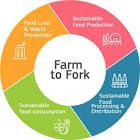
The impetus for the EU to develop and adopt the Farm to Fork strategy was the necessity of making the food system resilient, by adopting healthier and more environmentally sustainable practices, including improved animal welfare and a shift to healthy, sustainable diets.
The crisis in Ukraine has made large agri-businesses cry foul, claiming that without access to Ukrainian and Russian fertilisers, cereals, gas and oil, it is necessary to u-turn on the EU’s objectives and roll back policies that will make its food system more resilient.
The Farm to Fork strategy shows, on the contrary, foresight. Its roll-out will streamline and ensure food security by making the EU less permeable to volatility and constraints in international markets. By moving away from the most industrial and intensive forms of animal agriculture and promoting a shift to more plant-based diets, more people can be fed using less land and resources.
The outcry is about feed, not food
Agri-businesses cynically claim that the war in Ukraine will cause a food crisis, whereas the stress is on feed. The EU wastes 20% of its food, and exports more agri-food than it imports, with a positive trade balance worth €4bn to €6bn each month.
Access to cheap feed for animals and chemicals for intensive feed-crops is under stress because of the war. The Farm to Fork strategy aims at avoiding that intensive animal farming and its supply chains come into competition with food for people.
The EU produces over 290 million tonnes of cereals, 32 million more tonnes than are used domestically. Yet only 20% goes directly to feed people. The lion’s share is for feed (56%) and almost as much cereal is exported (45 million tonnes) than is destined as food for Europeans.
A resilient food system to weather this and future crises
A resilient food system will ensure that domestically produced food-crop is primarily used as food for people, while farm animals feeding themselves primarily by grazing. Agricultural production is, currently, mostly diverted to intensive animal farming. Apart from its detrimental impact on billions of animals it sustains an – economically and medically – unhealthy overconsumption of animal products and reliance on imported feed.
The Farm to Fork strategy will contribute towards cutting the EU’s reliance on the production and import of industrial feeds and allowing the EU’s agricultural sector to increase its production of food for people. The strategy’s objectives of moving towards a greater plant-based diet, reducing the consumption of red meat and improving the well-being of farmed animals will help the EU weather international crises like the deplorable war unfolding at its borders. Overall, the consumption of animal products would need to be reduced by around 70% in the EU in order to stay within the planetary boundaries.
With the war in Ukraine bringing the limits of the EU’s food system, heavy in animal protein, to light, the Commission should accelerate the roll-out of the Farm to Fork strategy: reduce the EU’s reliance on meat production that diverts home-grown food crops for people to feed for animals and requires significant imports of both feed-crop and fertilisers.
As Commission Vice-President Frans Timmermans said on 8 march 2022, “Farm to Fork is part of the answer, not part of the problem”.
Together with 85+ NGOs we sent a letter to Ms Ursula von der Leyen, President of the European Commission; Mr Frans Timmermans, Executive Vice-President for the European Green Deal; Ms Stella Kyriakides, Commissioner for Health and Food Safety; Mr Janusz Wojciechowski, Commissioner for Agriculture; and Mr Virginijus Sinkevičius, Commissioner for Environment, Oceans and Fisheries, asking them to defend the Farm to Fork strategy.
The joint statement, released on 7 March, by the Food and Agriculture Organisation (FAO), World Organisation for Animal Health (OIE) and World Health Organisation (WHO) reinforces that farmed mink have been shown to be capable of infecting humans with the SARS-CoV-2 virus. It recommends prioritisation of monitoring SARS-CoV-2 infection in wildlife and preventing the formation of animal reservoirs.
Three years into the pandemic, the emergence of SARS-CoV-2 variants continues as the virus evolves.
In a new statement from the major global health bodies WHO, FAO and OIE, the risks associated with potential animal reservoirs are laid out, including the risks from both domestic and wild animal populations. The infection and spread of the virus in animal populations could lead to the emergence of new SARS-CoV-2 variants that are then passed back to humans.
In addition to domestic animals, free-ranging, captive or farmed wild animals such as big cats, minks, ferrets, North American white-tailed deer and great apes have thus far been observed to be infected with SARS-CoV-2.
In 2021, Eurogroup for Animals and the Fur Free Alliance released a scientific statement on public health risks associated with SARS-CoV-2 and intensive mink production, signed by numerous scientists from the fields of virology, infectious diseases, clinical microbiology, veterinary medicine and environmental health.
Mink farms, where thousands of mink are housed together in high density, constitute high risk potential reservoirs for SARS-CoV-2 as well as for associated mutations.
FAO, OIE and WHO are calling on all countries to take steps to reduce the risk of SARS-CoV-2 transmission between humans and wildlife with the aim of reducing the risk of variant emergence and for protecting both humans and wildlife.
Although EfA welcomes the above mentioned recommendations, it has been shown that monitoring measures haven’t been enough to contain the spread of the virus in fur farms in the EU. In a letter sent to the Commission in June 2021, EfA and FFA expressed their concern about how fur farmers have been systematically breaching the biosecurity rules recommended by the OIE4 in some Member States. After the implementation of new EU rules to ensure harmonised monitoring activities, new outbreaks of the SARS-CoV-2 virus were detected in European fur farms.
Future spillover between animals and humans can thwart the efforts to eliminate or control the disease. EU mink farms must not become a reservoir for future spillback of SARS-CoV-2 from animals to humans.
Another recent study has found SARS-CoV-2 related viruses in trade-confiscated pangolins in Vietnam. It shows just how much a reform of wildlife policy is required to control the risks of future pandemics, and how wildlife trade risks spillover from viruses that are not detected with current screening methods.
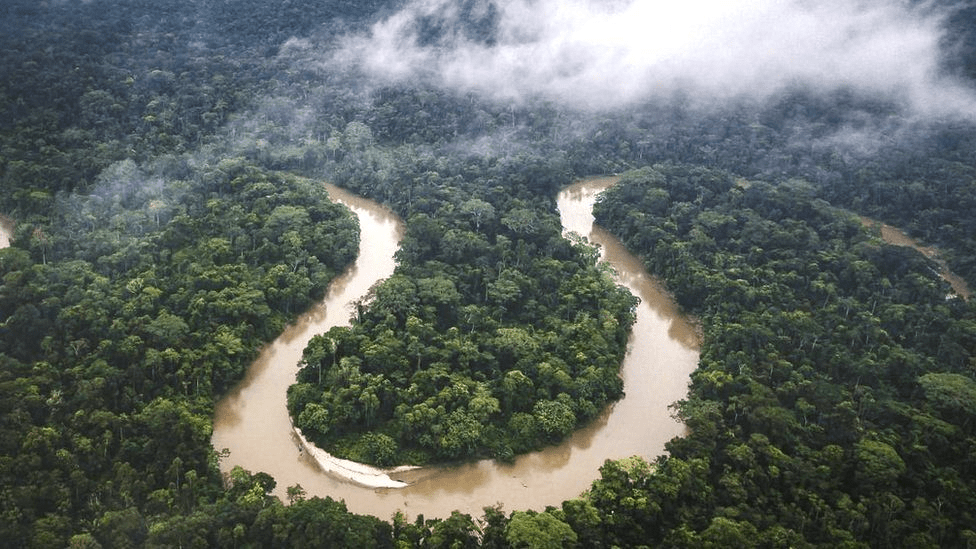
The Amazon contains between 90 and 140 billion metric tons of carbon – Getty Images
The Amazon rainforest is moving towards a “tipping point” where trees may die off en masse, say researchers.
A study suggests the world’s largest rainforest is losing its ability to bounce back from damage caused by droughts, fires and deforestation.
Large swathes could become sparsely forested savannah, which is much less efficient than tropical forest at sucking carbon dioxide from the air.
The giant forest traps carbon that would otherwise add to global warming.
But previous studies have shown that parts of the Amazon are now emitting more carbon dioxide than can be absorbed.
“The trees are losing health and could be approaching a tipping point – basically, a mass loss of trees,” said Dr Chris Boulton of the University of Exeter.
The findings, based on three decades of satellite data, show alarming trends in the “health” of the Amazon rainforest.
The more trees cut down, the less the forest can soak up emissions – Getty Images.
There are signs of a loss of resilience in more than 75% of the forest, with trees taking longer to recover from the effects of droughts largely driven by climate change as well as human impacts such as deforestation and fires.
A vicious cycle of damage could trigger “dieback”, the scientists said.
And while it’s not clear when that critical point might be reached, the implications for climate change, biodiversity and the local community would be “devastating”.
Once the process begins they predict it could be a matter of decades before a “significant chunk” of the Amazon is transformed into savannah – a vastly different ecosystem made up of a mixture of grassland and trees.
“The Amazon stores lots of carbon and all of that would be released into the atmosphere, which would then further contribute to increasing temperatures and have future effects on global mean temperatures,” Dr Boulton said, adding that stopping deforestation would go some way to addressing the problem.
Around a fifth of the rainforest has already been lost, compared to pre-industrial levels, they said.
The research was carried out by the University of Exeter, the Potsdam Institute for Climate Impact Research (PIK) and Technical University of Munich.
“Deforestation and climate change are likely to be the main drivers of this decline,” said Prof Niklas Boers of PIK and the Technical University of Munich.
Commenting, Dr Bonnie Waring of the Grantham Institute – Climate Change and Environment, Imperial College London, said: “These latest findings are consistent with the accumulating evidence that the twin pressures of climate change and human exploitation of tropical forests are endangering the world’s largest rainforest, which is home to one out of every 10 species known to science.”
The findings, based on satellite data from 1991 to 2016, are published in the journal Nature Climate Change.
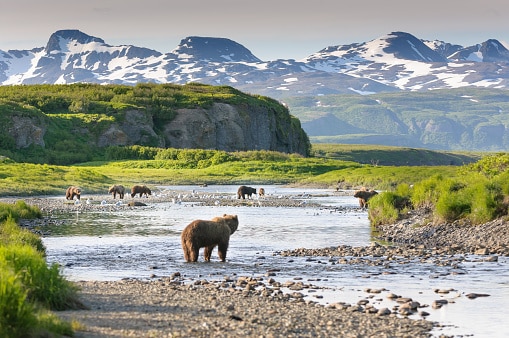
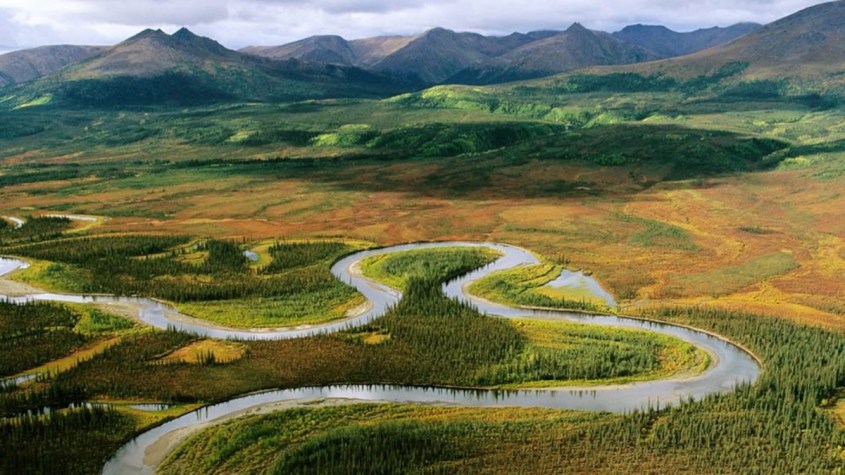
Alaska is home to countless animals and the largest and most pristine remaining wilderness in the United States.
If any remnant of the original wild glory of our country remains, it is there.
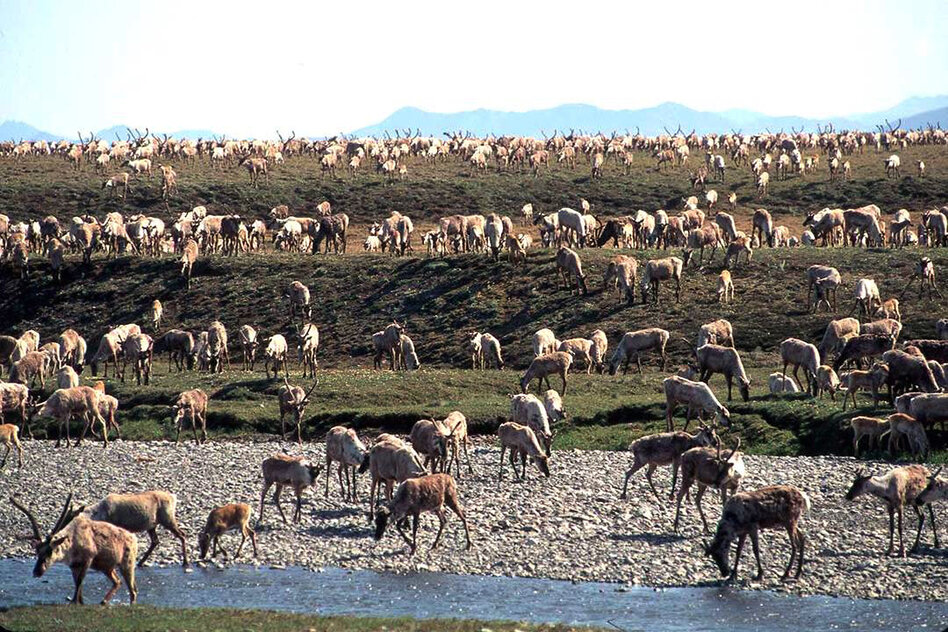
Unfortunately, human greed knows no bounds, and malignant forces are aligning to bulldoze and cement over wildlands by developing a 211-mile industrial access road straight through the heart of the Alaskan wilderness, where it would ravage the pristine landscape and disrupt the migration pathway of the largest caribou herd left in North America.
Roads are one of the most destructive forces against animals and their natural habitats. Animals are frequently struck by vehicles.
Some die instantly, but others are maimed and must endure long, agonizing deaths. In the United States alone, over 1 million vertebrate animals are killed by vehicles every day.
The proposed development could include four or more large-scale mines, along with hundreds of smaller ones across the region.
It would require 48 bridges and 3,000 tunnels to cross 11 major river systems and thousands of smaller wetlands, rivers, and streams.
Roads also fragment habitats by preventing animals from crossing.
This reduces the size of local populations, making them more vulnerable to inbreeding and extinction.
Roads, besides being ongoing massive killers of wild animals, are also a source of pollution, which degrades the natural environment around them. Trucks emit fossil fuels and leak and spill oil.
Light and noise pollution are also harmful to animals.
On top of all this, the road would slice through Gates of the Arctic National Preserve, a U.S. national park established to protect the wilderness area and the animals who live in it.
This is the future in store for the Western Arctic Caribou Herd, whose members undertake one of the longest land migrations on Earth if the Ambler mining road is built.
The herd is already stressed and in decline, and it is entirely possible this road, in severing its migration pathway, could drive the herd to extinction.
Other local species will also be devastated should the road be built.
Urge the Department of the Interior and the Army Corps of Engineers to halt plans for the Ambler mining road!
And I mean…The Road would pose a multitude of threats to wildlife, fish, and soil-, air-, and water-quality…not to mention the visual impacts of such a major development and associated infrastructure marring an otherwise pristine landscape unmatched in but a few places on Earth.
One need only look to similar operations over the world with mines –all are for terrible examples of toxic levels of windblown lead and zinc dust, and the enormous naturdamages through wastewater discharge issues.
Let’s be clear here: we are on the brink of irrevocably alterning one of the last great wildernesses on Earth so that a Canadian company can grow ever wealthier by selling the “product”.
It’s the same tired story that’s been repeated time and again the world over; but the stakes are much higher now because these untrammeled landscapes are truly endangered, if not extinct already by most practical measures.
The idea of making a short-term monetary gain from the loss of species, a homeland and a way of life is, well, kind of criminality.
We have to mobilize us, it is our duty to to save them! with petitions, letters, demonstrations… rather than selling this nation’s greatest wealth to the most convenient bidder.
How about a monkey used in a TV show, surely that can’t be wild?
The term “wild animal” comprises those species of which populations still exist in a wild state, in the country of origin – a species whose collective behaviour, life cycle or physiology remains unaltered from the wild conspecific despite their breeding and living conditions being under human control for multiple generations. This means that a lot more animals than most people realise really are wild. Picking up, handling, keeping, feeding and playing with a wild animal is vastly different than for animals that we call domesticated animals.
Domesticated animals, like our cats, have been selectively bred over thousands of years and generations and are genetically determined to be tolerant of humans. So, they often lack natural instincts that would help them survive in the wild, allowing them to avoid fear, and in many cases seek out the attention of people.
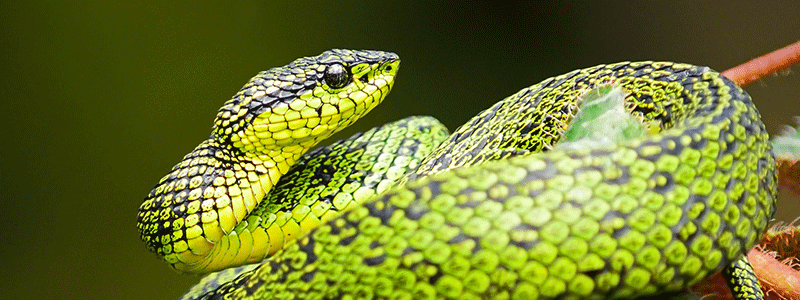
But wild animals have the natural instincts to survive in the wild. Humans are not a part of that wild, or at least if they were, they would be a threat to these animals’ safety. So, when we play, cuddle and pet wild animals (like reptiles, birds or snakes), while they may not look or sound distressed, in fact their instincts are telling them they are in danger and they often exhibit behaviours, that only animal behavioural experts can detect, that show they are suffering greatly.
Moreover, these animals are hardwired to need a wide range of conditions that only nature can provide. Being transported, trained, caged and confined doesn’t allow these animals to live how they naturally need to.
So how does Eurogroup for Animals work to protect wild animals?
What – A Positive List is a list of animals that are allowed to be kept and traded. This tool is the single most effective and efficient measure to reduce the suffering of exotic animals being kept unsuitably as pets in Europe.
Why – There are more than 200 million pets in Europe, including mammals, birds, reptiles, fish and amphibians. However, many species, especially exotic animals, are unsuited to a life in captivity. This may result in severe animal welfare problems, and can also be detrimental to biodiversity, have a negative impact on public health, and present a danger to the health of other animals.
How can you help? – Click on this link to log into the Conference on the Future of Europe website, and endorse our “IDEA” on the Positive List.
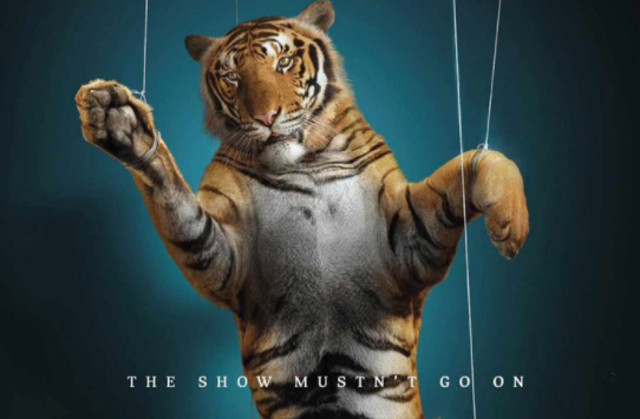
What – Use of wild animals in circuses is not only a problem for animal welfare, but also an important issue of public safety and security. Wild animals are unpredictable and can be very dangerous to people. The temporary nature of travelling circuses and the close proximity of these animals to the public means that this type of public entertainment can never be entirely safe. 24 EU Member States already adopted a national ban, why not the remaining three? (Germany, Italy, Spain).
Why – 478 incidents involving 889 wild animals have been recorded in EU circuses in the past 24 years – Read this report on Wild Animals in EU Circuses : Problems, Risks and Solutions.
How can you help? – Click on this link to log into the Conference on the Future of Europe website, endorse our “IDEA” on the EU-wide ban of wild animals in circuses.
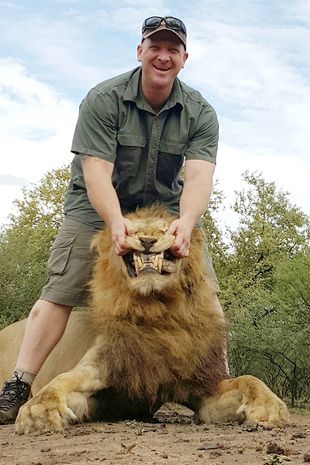
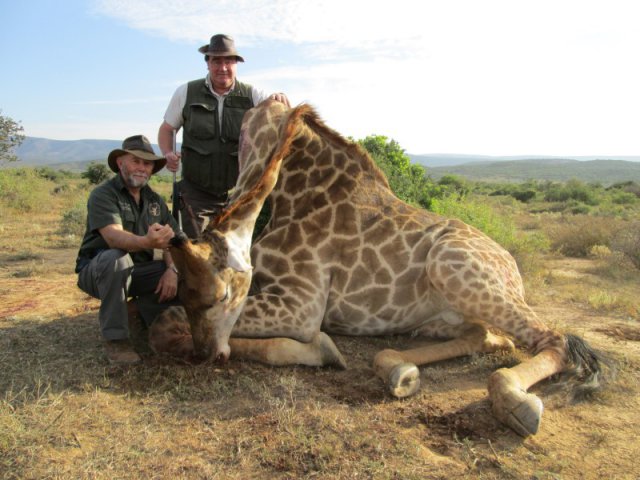
What – Trophy hunting is the hunting and killing of animals for sport or pleasure, in order to acquire parts, or whole bodies as trophies. Current EU legislation allows the import and export of hunting trophies from threatened and protected species.
Why – The EU is the second largest importer of hunting trophies, and since 2016, the largest importer of lion trophies in the world. Many species victim to trophy hunting are classified as vulnerable, endangered or critically endangered in the IUCN Red List of Threatened Species, such as the African elephants and lions, and their populations must be protected to conserve our natural heritage.
How – EU Ban on the import of Trophy Hunting into the EU. This should be a priority in the revision of the Action Plan against Wildlife Trafficking
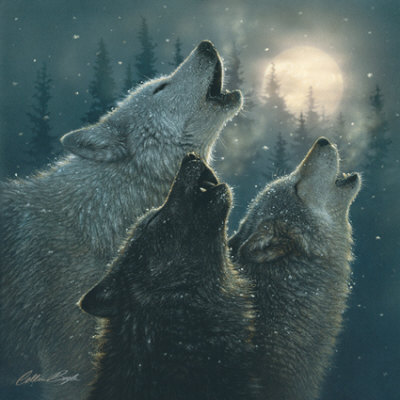
What – Wolves and other large carnivores are strictly protected species in the EU, thanks to the highly successful Habitats Directive and the Bern Convention on the Conservation of European Wildlife and Natural Habitats. Sometimes, when the appropriate protective measures are not used, wolves can depredate livestock leading to conflict between wolves and livestock farmers.
Why – Lobby groups are trying to change the conservation status of wolves and other large carnivores. This will set a bad precedent for other animals and will allow the brutal killing of more wolf families.
How can you help? – Sign this petition to stop the hunt of 20 wolves in Finland. Help in his area could set an example for other Member States doing the same thing.
What – Invasive Alien Species (IAS) are animals and plants that are introduced accidentally or deliberately into a natural environment where they are not normally found, with serious negative consequences for their new environment. The EU IAS Regulation requires restrictions on keeping, importing, selling, breeding and growing. Member States also need to ensure they reduce introduction pathways for invasive species, they need to be able to detect and eradicate newly invasive species, and manage longer term and to manage species that are already widely spread in their territory. This should be done through effective, non-lethal methods that reduce animal suffering as much as possible.
Why – Currently, the regulation has resulted in the hunting and non selective trapping of huge numbers of individuals causing immeasurable suffering of animals in the list of Invasive Alien Species of Union concern (the Union list). These animals also become labelled as “pests” and “vermin”, meaning welfare concerns are often ignored. The same can be said for other animals that are not on the list.
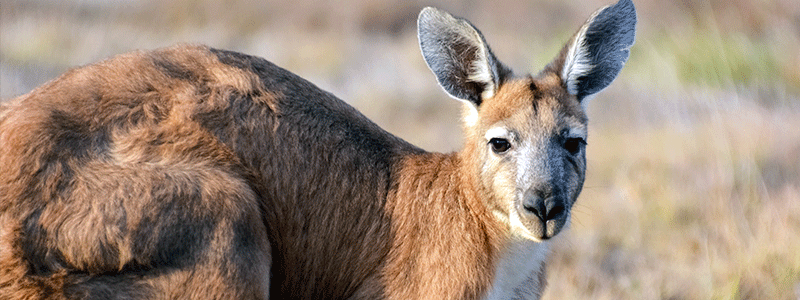
End the import of kangaroo meat and skin products into the EU
What – In the last couple years, the EU has been Australia’s main market for the country’s kangaroo meat and skin exports. There are three major concerns with kangaroo hunting:
Animal welfare – this hunting is cruel as up to 40% of kangaroos that are commercially killed are not shot in the brain, as required, and joey’s skulls are often crushed by swinging their heads against a vehicle.
Animal conservation – there are serious doubts about how Australian authorities are counting certain species.
Sanitary concerns – dead kangaroos are transported, sometimes all night long, in unrefrigerated open trucks and kangaroos harbour multiple pathogens including salmonella species and toxoplasmosis. Kangaroo meat is routinely washed with lactic or acetic acid to reduce and hide the systemic contamination.
Why – Although these animals are suffering in Australia, the EU can act by prohibiting the imports of kangaroo meat and products.









 Roads also fragment habitats by preventing animals from crossing.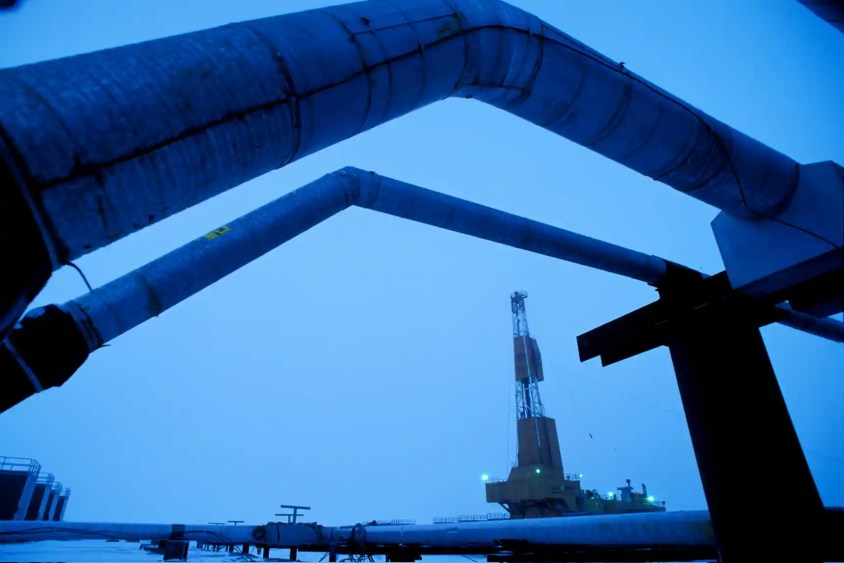
 World Animals Voice