Category: Environmental

Congo: Criminal oligarchs against indigenous people and nature

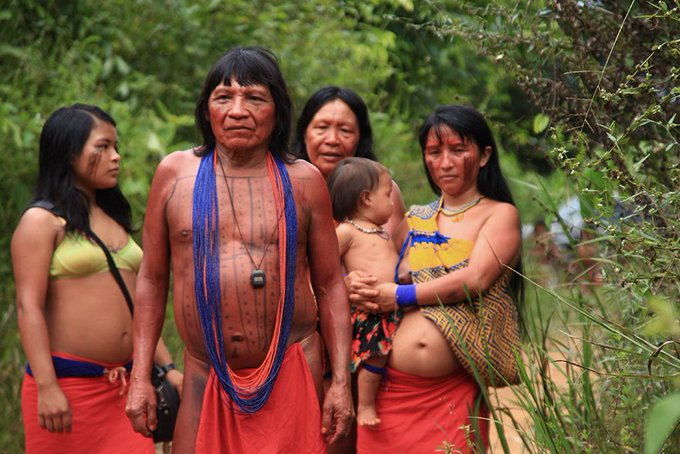
The inhabitants of Mwingi and Bolesa in the Democratic Republic of the Congo need our help: Local activists were jailed after a protest against PHC, a palm oil company.

The inhabitants of more than 100 villages are being impacted by the PHC oil palm plantations (© RIAO-RDC)

Call to action

To: the authorities of the Democratic Republic of the Congo

“We demand the release of the activists and an end to violence and land grabbing. Local people must finally get their land rights and the right to free consent.”
Read letter

Communities in the Democratic Republic of the Congo have suffered under palm oil companies for decades, and violence has erupted time and again: In 2015, a couple accused of stealing palm oil fruits was killed, and in 2019, the villager Joel Imbangola was beaten to death.

In February 2021, following a protest march against the palm oil company PHC, villagers, including local members of RIAO-RDC, were beaten and jailed.
Two reportedly received death threats, and women were sexually assaulted.
The occasion for the protest march was an anticipated visit by Kalaa Mpinga, the new CEO of Feronia-PHC. His Mauritius-registered corporation took over the plantations in 2020.

The villagers are accused of “inciting revolt”. Their taking photos of the protest march and giving interviews to journalists is also being held against them.

The roots of the conflict go back 110 years when the first plantations were established.

The local people were never consulted but were simply robbed of their ancestral land and thus their livelihood.

Continue reading “Congo: Criminal oligarchs against indigenous people and nature”

EU: Help the elephants! Public consultation on new EU measures to ban trade in ivory – Be Quick – Closes 25/2/21.

Help the elephants! Public consultation on new EU measures to ban trade in ivory

16 February 2021

On January 28th the European Commission published draft measures aimed to effectively ban EU trade in ivory.

The draft Commission regulation and guidance are now open for final public feedback before being adopted by the Commission. The period of public feedback will last until 25 February 2021.  

Across Europe, ivory continues to be traded online, in auction houses and markets. The EU and Japan are among the last countries with large, legal domestic ivory markets, while other major markets in the USA, China and the UK are now closed or in the process of closing. 

Luckily, there is wide support in the EU for the closure of domestic elephant ivory markets, from the EU Council to the European Parliament, and among EU citizens and civil society. 

Help the elephants and take part in the EC public consultation

You have time until February 25th

The European Commission has the mandate to introduce comprehensive measures aimed at closing the EU domestic ivory market, thereby showing global leadership. Only by so doing, the EU will remove any financial value from ivory, reduce the opportunity for new ivory to be laundered through legal markets, and send a clear message to the rest of the world that the EU no longer considers ivory a commodity.

We therefore welcome the European Commission’s draft measures to ban the ivory trade in the European Union (EU) and urge the EU and its Member States to support and implement them without further delays.

We would nevertheless like to highlight the following recommendations for the European Commission’s public consultation:

  • We strongly recommend that the EC assess within the next few years the real effectiveness of both the implementing Regulation and the Guidance.
  •  We ask that the changes made to the guidance document on the EU regime governing trade in ivory is integrated into the EU Commission Regulation, in order to ensure that the guidance becomes legally binding and a consistent language in both the Guidance and the proposed Regulation is used.
  • We fully support the proposed measures which provide that antique worked ivory may only be traded within the EU with a certificate. However, only independent approved/recognised experts should be authorised to assess whether an item has been legally acquired or not in order to avoid conflict of interests.

Read more about Wildlife trade and trafficking.


USA: Washington Post – It’s only meatless meals for some kids who have a passion for animals.

WAV Comment – Is this not a really beautiful picture ?

Max Murphy, seen here at age 5, is an 8-year-old animal rights activist from Ontario, Canada. He has been raised vegan and has attended protests against the fur industry and marine parks. “There is no difference between a dog, cow, pig or cat. They are all living animals,” he said. (Julie O’Neill)

Click here to see – It’s only meatless meals for some kids who have a passion for animals – The Washington Post

It’s only meatless meals for some kids who have a passion for animals

Adopting a vegetarian or vegan diet also benefits the health of people and the planet.

There is a good chance that you have at least one vegan or vegetarian friend. It’s the kid who refuses to eat hot dogs at birthday parties because they are typically made from a cow or pig.

But you might wonder what a vegan is and how they are different from a vegetarian. A vegetarian doesn’t eat meat, including beef or seafood. A vegan doesn’t eat meat or any food that comes from animals, such as eggs, cheese and milk. Both may also not wear animal skins, such as fur, leather or wool.

Lone ‘veggie’ in the family

It’s becoming more common for kids to become vegetarian or vegan even when the rest of their family is not.

When Annie Kay from Ontario, Canada, learned that meat comes from animals, she watched several animal rights documentaries. She felt guilty each time she ate meat, so she stopped.

“I just knew it was wrong to eat animals. Their life is just as important as ours; it’s not fair that we eat them,” the 13-year-old said.

A vegetarian for more than a year, she has inspired several friends to try to stop eating meat. But Annie is the lone “veggie” in her family.

“My parents eat meat,” she said. “They put animals in sandwiches, and it makes me feel kind of disgusted.”

Annie’s parents support her decision, however, and make her separate meals.

A healthy choice

Many doctors say that it’s healthy to follow a plant-based diet and that by not eating animals or animal products, you help protect yourself from illness.

The Mayo Clinic, one of the best cancer and heart-care hospitals in the United States, says a vegetarian diet helps reduce the risk of heart disease, diabetes and some cancers. But it can take more meal planning to make sure you, a growing kid, get enough protein, calcium and vitamins such as D and B12. You and your parents should ask your doctor for advice.

Not eating meat or dairy also helps the planet’s health. A vegan diet helps fight climate change by reducing greenhouse gases (such as methane from cow burps). It also helps keep pesticides (used to grow animal feed) and animal waste out of the water, and reduces the need to cut down trees for animal grazing.

Nitrous oxide, often called laughing gas, makes a serious impact on the Earth

Becoming an activist

Max Murphy, who was raised vegan from birth, is an animal activist. The 8-year-old from Ontario has attended protests against the fur industry and marine parks and volunteered at animal rescues around the world. Max volunteers at an animal shelter near his home and helps his mom foster dogs they have rescued from other countries.

Max feeds, socializes and sometimes grooms the foster dogs.

“I have grown up with dogs,” he said. “We get new ones, and then they get adopted.”

Max loves all animals equally.

“There is no difference between a dog, cow, pig or cat. They are all living animals,” he said. “Dogs might have fur and be fancy and cute, but really pigs are the same. They are all the same.”

Max is also determined to find a way to stop pollution.

“Greenhouse gases are going to get too bad from factory farming and gas cars, machines and factories,” he said. “We might not be able to live on this planet if things don’t change.”

Try it

1. Meatless Mondays is a global movement encouraging people around the world to not eat meat one day a week for their health and the planet. It’s a fun way to start your veggie journey. Try these vegan proteins instead of meat: beans, chickpeas, lentils, nuts, quinoa and tofu.

2. Try dairy milk alternatives: oat, rice, soy, coconut or almond. Have you tasted chocolate coconut ice cream or cashew cheese?

3. Not all vegan foods, such as Oreos and soda, are healthy. Doctors recommend eating plenty of vegetables, fruit, whole-grain foods, plant-based-protein food and drinking plenty of water.

4. Watch kid activist and Youth Climate Save spokesperson Genesis Butler’s TED Talk on her experience as a vegan. bit.ly/2LKU53T.

More in KidsPost

Connect with rescued farm animals by becoming a pandemic pen pal

Helping save trees is also helping save lives

12 kids who are changing their communities and our world

Rescued wolves have a safe space in the Pennsylvania woods

It’s only meatless meals for some kids who have a passion for animals – The Washington Post

USA: Pholk Beauty Is The Black-Owned Vegan Skincare Line Dubbed As “Soul Food For The Skin”.

Pholk Beauty Is The Black-Owned Vegan Skincare Line Dubbed As “Soul Food For The Skin”

When it comes to skincare, you deserve the absolute best. From facials and lotions, to washes, mists, and everything in between, your skin is meant to feel soft, healthy, and glowy all the time. There are so many different skincare products out there claiming to offer these results but feature ingredients that you’ve never heard of, can’t pronounce or have no idea if they actually work. There has to be an easier way to figure out which product is right for your skin needs, right?

Read it all at:

Pholk Beauty Black-Owned Skincare | HelloBeautiful

Pholk Beauty
Photo – Pholk Beauty

USA: Los Angeles Times – ‘Beef Is Killing the Planet’. Make A Meaningful Contribution to Climate Change – Go Plant Based.

Beef Is ‘Killing The Planet’, Reads Major News Outlet

‘If you want to make a simple change to your diet to protect the environment, there’s nothing you can do that comes anywhere close to forgoing beef’

Beef production in the US is harmful to the environment. And, it should be replaced more often with plant-based alternatives, an opinion piece in the Los Angeles Times read.

The journalist informed the news outlet’s readership of 1.3 million that switching to a more plant-based diet would make a ‘meaningful contribution’ to climate change.

Plant-based popularity

The article quoted research professor Gidon Eshel, who claimed more consumers are accepting plant-based alternatives.

This is in line with growing concerns for the environment, he said.

Eshel added: “If you want to make a simple change to your diet to protect the environment, there’s nothing you can do that comes anywhere close to forgoing beef.”

Americans are big beef consumers and that’s ‘not going to change any time soon’, the article continued. But, now that consumers bear witness to the climate crisis there is a ‘new urgency’ across the country.

Animal agriculture

The animal agriculture industry ‘appears to be trying to obfuscate’ the environmental impact of beef production, the article added.

A study backed by the US animal agriculture industry claimed otherwise. In it, consumers preferred animal produce over plant-based in economic terms.

The industry was ‘giving consumers permission to avoid dietary changes’. They do this by perceiving eating meat as not as serious as ‘pesky tree huggers might be saying’, the article claimed.

However, the article also included quotes from another researcher who claimed animal agriculture is not ‘the climate villain’ that most people think.

Other studies prove overwhelming evidence that animal agriculture is one of the leading producers of annual greenhouse gas emissions.

Climate change

“I won’t be a card-carrying vegan anytime soon.

“But, if replacing one burger a month with a plant-based alternative is all it takes to make a meaningful contribution to fighting climate change, yeah, I can do that.

Besides, the way plant-based meat products have been steadily improving, it probably won’t be long before we can’t tell the difference anyhow”, the article concluded.

Beef Is ‘Killing The Planet’, Reads Major News Outlet | Plant Based News

WAV Comment – There is a lot more to plant based now – good for the environment; you, animals and your health.:

UK: Positive News – Over A Third Of Brits Now Avoid Animal Products After Watching David Attenborough’s Latest Film & Other Eco Docs.

Over A Third Of Brits Now Avoid Animal Products After Watching David Attenborough’s Latest Film & Other Eco Docs

App development and digital product company, 3 SIDED CUBE recently conducted a survey with over 2,000 people to provide insights into the public’s opinions and motivations with respect to sustainability and the data found that six in 10 Brits are thinking of switching to sustainability due to David Attenborough and over a third of Brits are avoiding animal products due to his recent film ‘A Life On Our Planet‘ as well as other documentaries like James The Game Changers, famously backed by James Cameron and Arnold Schwarzenegger.

Premiering on Netflix late last year, the WWF and Silverback Films co-produced documentary presents an important message from nonagenarian broadcaster and natural historian Attenborough that humans must make drastic changes to their diets in order to save the planet

In the trailer for ‘A Life On Our Planet’, Attenborough explains that the films aims to raise awareness among people about the rate at which global warming is happening and press upon the message that the time to act is now. “I had the most extraordinary life. It’s only now I appreciate how extraordinary. The living world is a unique and spectacular marvel. Yet, the way we humans live on earth is sending it into a decline. Human needs have overrun the world.”

Findings from the survey show that Attenborough is right at the top (59%) when it comes to encouraging consumers to be sustainable and shift to a plant-based diet. Over half of British consumers (51%) also feel pressure from wider society and four in 10 (40%) give young Swedish environmental activist Greta Thunberg credit for helping them switch to sustainable choices in their personal life.

Apart from Attenborough’s A Life On Our Planet documentary, data found that the 2018 documentary film about the benefits of plant-based eating for athletes, The Game Changersbacked by James Cameron and Arnold Schwarzenegger was also responsible for people in the U.K. to avoid animal products.

According to a report by the WWF, stopping animal meat consumption by 50% would not only reduce carbon emissions but also save 12,000 species per year as well as 1.72 million square miles of land. 

A majority of Brits (77%) understand the importance of changing their lifestyle to become greener with 73% of consumers agreeing that businesses too have a responsibility to minimize their environmental impact and 64% urging the government to frame a new legislationthat will ensure thatbusinesses give details about their environmental footprint on the products they’re offering.

In an interview with Plant Based News, 3 SIDED CUBE managing director Richard Strachan mentioned that with influential figures coming ahead to talk about sustainability, the general public is motivated to follow in their footsteps. “Thanks to influential public figures such as David Attenborough and Greta Thunberg, Brits are taking the climate crisis much more seriously now. Now is the time to come together and tackle the crisis wholeheartedly. It is not just up to governments; it is up to businesses and consumers as well.”

Data from the poll further found that 61% would like an app to help them make more sustainable buying decisions and 50% call for an app to calculate and understand their personal carbon footprint with more than half of respondents agreeing that technology can be vital for living a sustainable life.

Discussing how this new data will help them in the Ignite program, Strachan added: “These findings show a clear case for the use of technology, specifically apps, to boost sustainable behaviour change and environmental protection initiatives. The technological tools to help consumers be greener are available to us, we just need to start developing and using them as soon as possible. This is why we have launched Ignite. Through this technology, we can empower consumers, businesses and NGOs to help protect ecosystems, be smarter with energy usage, and reduce our carbon footprints. The Ignite program is wholly dedicated to bringing organisations together on these issues and making these apps a reality.”

Attenborough also released another documentaryExtinction: The Factsthat talks about mass biodiversity loss and the consequences that the world will face as a resultOver the course of the one-hour program, Attenborough takes viewers on a journey through scenes of destruction due to activities conducted by humans on Earth.

Another noteworthy mention in a list of sustainable films to watch is Craig Leeson’s documentary A Plastic Ocean and his upcoming The Last Glaciers, and you can check out his interview here where he shares his journey from writing to filmmaking as well as throwing light on the world’s most pressing issues and what can be done to protect the planet, and ultimately, save humankind. 

If you’re looking for an app to track your personal carbon footprint, you can check out Singapore-based startup Capture that has created an app that helps users keep track of their climate footprint from their everyday transportation choices, and offsetting their impact through forestry planting projects across the globe. 

And if you need an easier way to buy plant-based alternative products, check out this new mobile app FoodForage, which is developed to help vegans and individuals looking to buy plant-based alternative products and offers a feature where you can share your findings with the community.

Over A Third Of Brits Now Avoid Animal Products After Watching David Attenborough’s Latest Film & Other Eco Docs (greenqueen.com.hk)

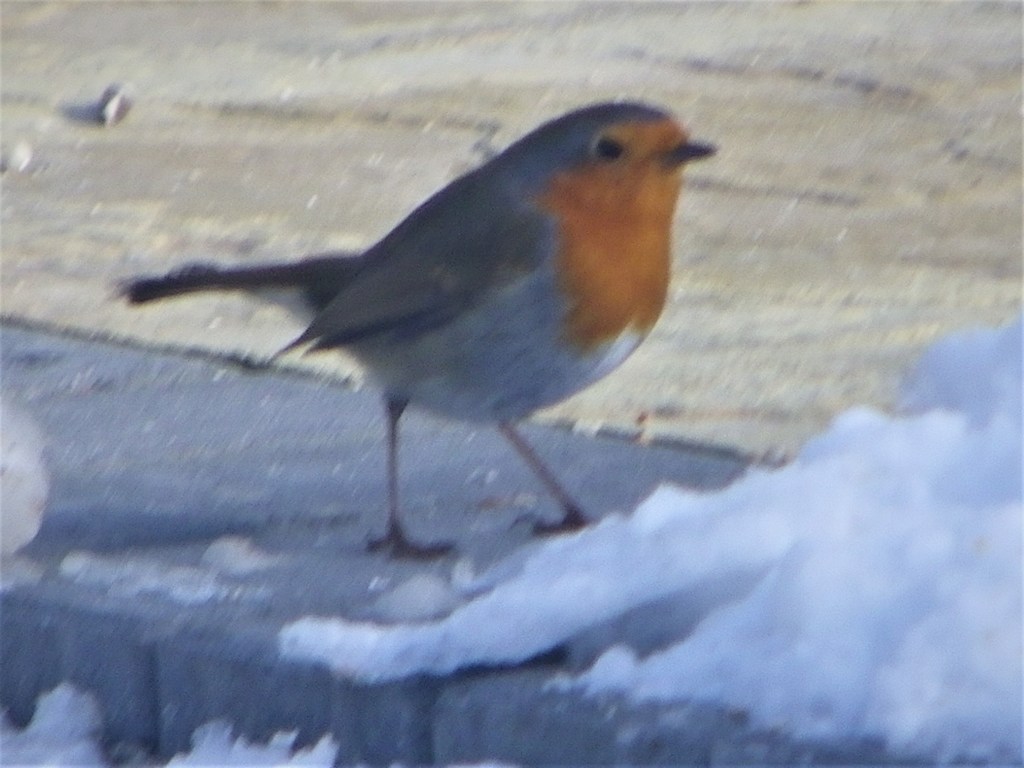
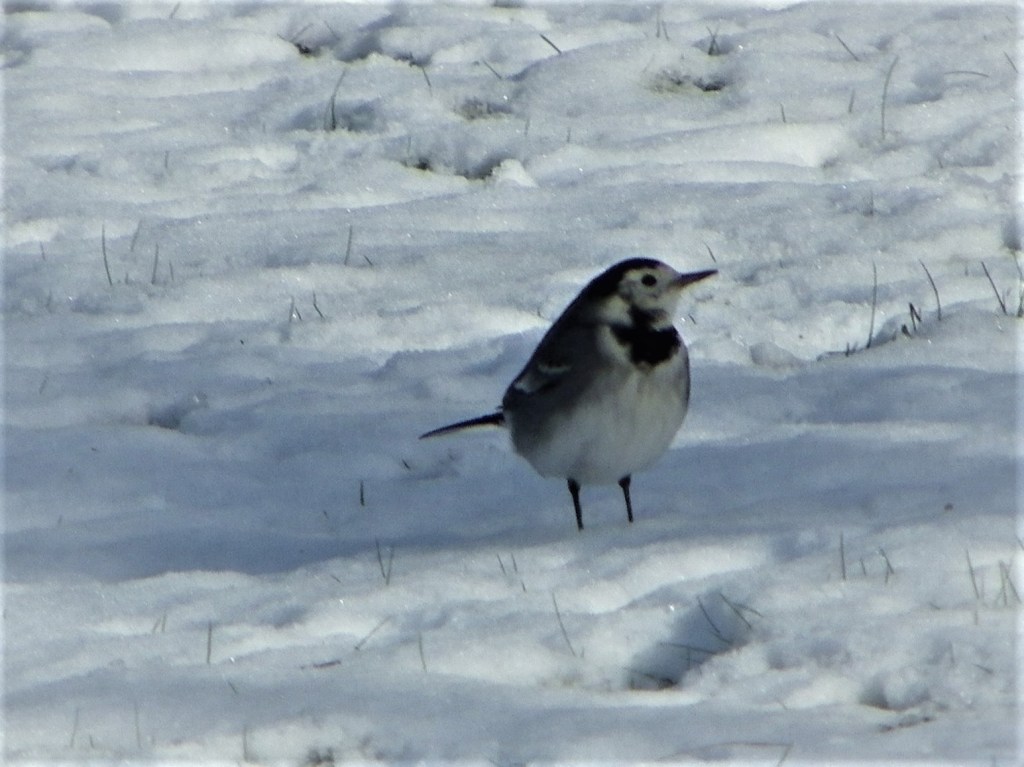
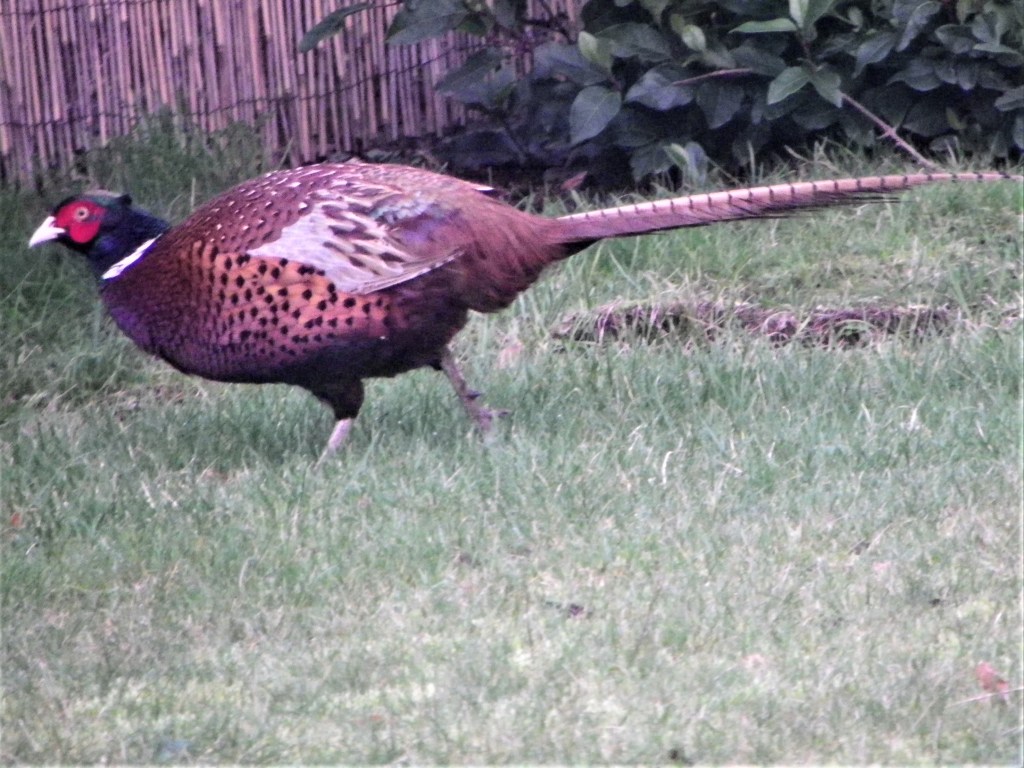
England: 13/2/21 – Some of Todays Garden Visitors.

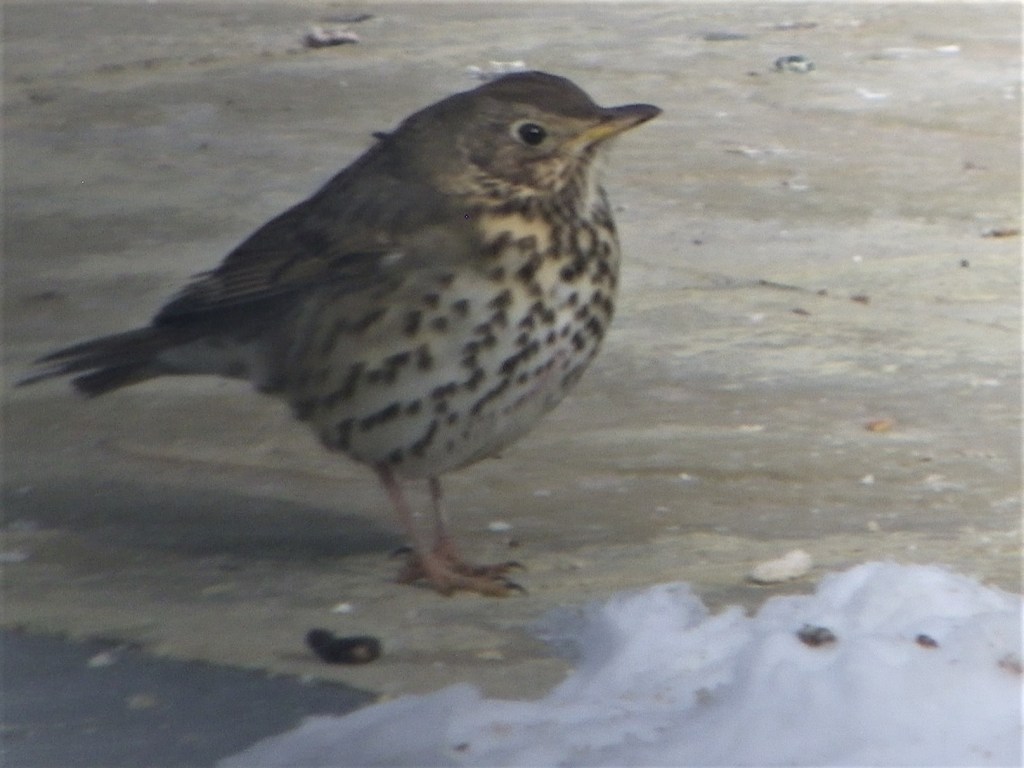
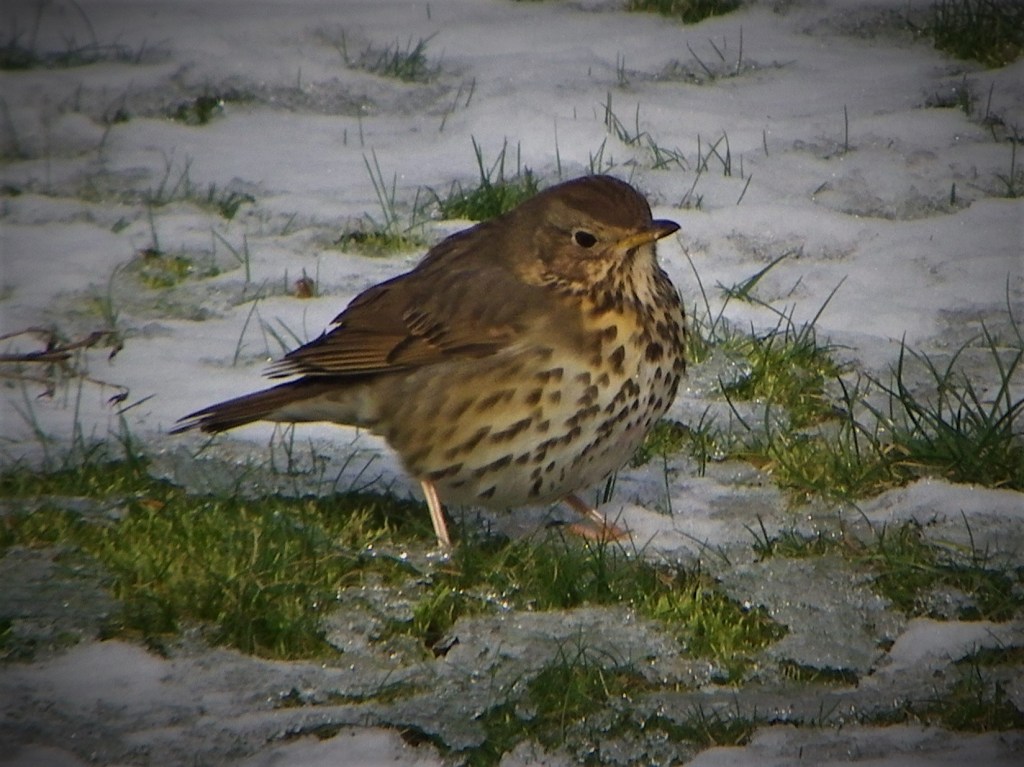
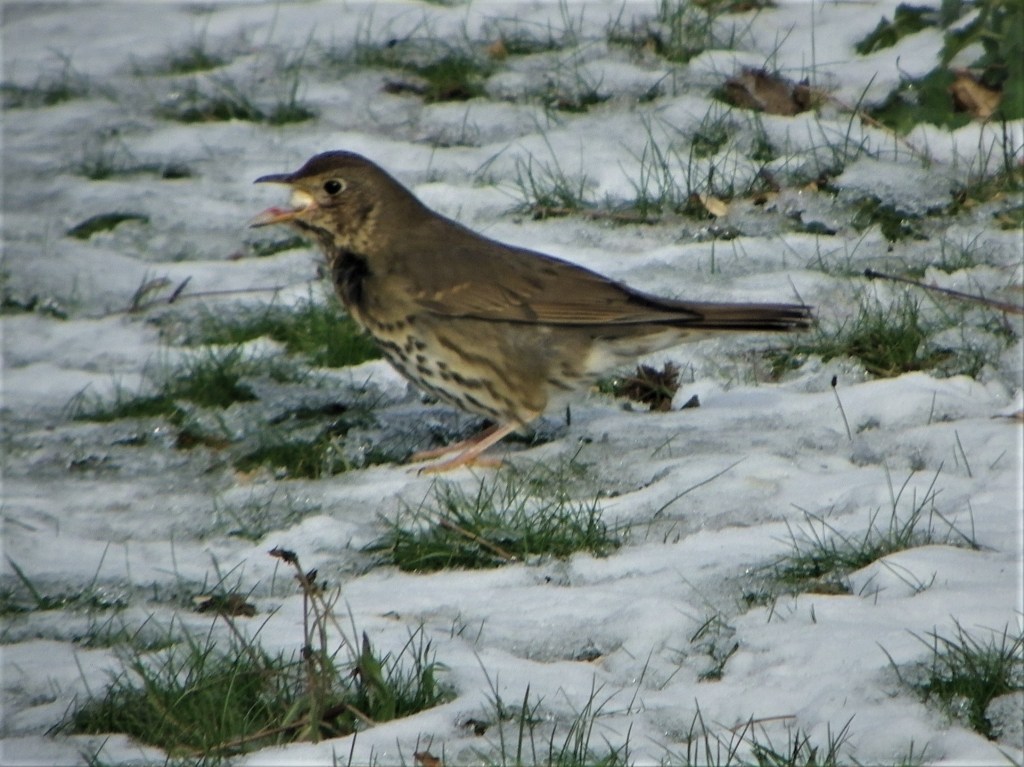
Some of the visitors to the garden today. Tomorrow we (UK) have a warm front coming in from the Atlantic; so temperatures will rise by about 12 degrees; gradually clearing the snow.. Last cold night tonight guys; warmer day tomorrow; but at least you have all had a really good feed up today to help you get through the night just fine. See you all in the morning !

Regards Mark

…………………….. and before the snows came; a real pleasure to feed and see all the garden visitors – it shows what you can attract by putting out some food …………….

STAY FOXY !! – Mark

Will Bolsonaro be on trial for ecocide?

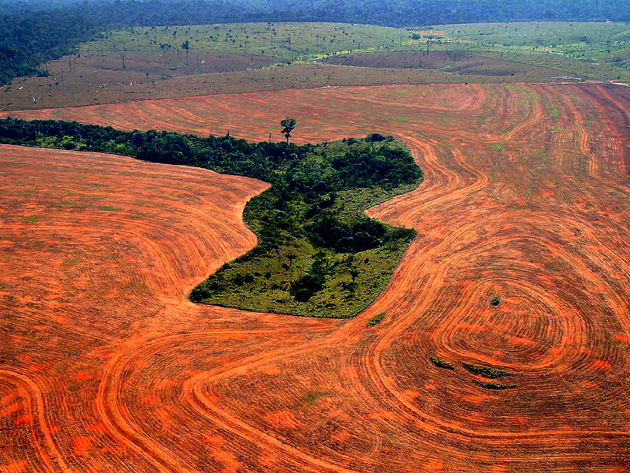
Slash and burn in the Amazon rainforest increased under Brazilian President Jair Bolsonaro.

But is that a crime against humanity? Bolsonaro is now being accused of that.

The International Criminal Court in The Hague could open an investigation.

The leaders of two indigenous peoples in Brazil have filed a complaint against the President of their country, Jair Bolsonaro, at the International Criminal Court in The Hague. Now the court must decide whether to open a formal investigation.


Bolsonaro is charged with crimes against humanity. He is systematically destroying the Amazon rainforest, is responsible for the murder of environmental activists and indigenous people, and undermines the work of the authorities to protect the environment and the indigenous people.

“The situation is the direct result of Jair Bolsonaro’s policy,” said the complaint. The head of state wants to “remove all barriers to the plundering of the treasures of the Amazon”.

It is not difficult to find evidence for the various allegations.

Since Bolsonaro took office in 2019, deforestation has increased by half and is now at its highest level since 2008.
Violations of protected areas for indigenous peoples increased 135 percent in 2019.

At least 18 people were murdered. At the same time, convictions for environmental crimes fell by 40 percent in the year before last.
In addition, responsibility for the indigenous protected areas was transferred to the Ministry of Agriculture.

The Ministry of the Environment is receiving less money this year than ever in the last 21 years.
During this time the budget was never less than 450 million euros, this year it is 260 million.

“It is scary to see that there is a coordinated attack against the climate, the forest, and its people,” said Marcio Astrini, head of the Brazilian environmental organization Observatório do Clima.
The complaint against Bolsonaro was filed by arguably France’s most famous human rights lawyer, William Bourdon.

He hopes to be able to set a precedent: He wants the criminal court to find Bolsonaro guilty of “ecocide”.

https://www.klimareporter.de/protest/kommt-bolsonaro-wegen-oekozid-vor-gericht

And I mean…Since Bolsonaro took office in 2019, the Amazon fires and deforestation rate have increased noticeably.
Environmental authorities have been systematically rebuilt. Employees with technical or environmental policy expertise had to leave, in many protected areas authorities are now understaffed or without management.
Officials have been fired for opposing deforestation.

“We believe the government will continue to use the pandemic to relax environmental guidelines,” said Rita Portela.
She is a biologist and ecology professor at the Federal University of Rio de Janeiro.

A few days ago, the government also presented its plans for 2021. This includes several controversial projects – like legalizing mining projects in indigenous areas.

This catastrophic policy threatened not only species with being lost, more greenhouse gases being produced and indigenous communities being wiped out.
The loss of shelters also harbors another risk: zoonotic infections and thus the risk of new pandemics.

On the other hand, not only the far-right President Jair Bolsonaro should appear before the International Tribunal for killing the world’s green lungs every day, but also the investment giant BlackRock.

The world’s largest investor in deforestation finances companies responsible for the destruction of the Amazon.

Despite all the criticism of right-wing extremist President Jair Bolsonaro, the EU and Mercosur member states, including Brazil, have reached an agreement after more than two decades.
This creates the largest free trade area in the world.

Many criminals, except Bolsonaro, are responsible for the destruction of the Amazon.

My best regards to all, Venus

News from around the world.

News from around the world

French president Emmanuel Macron has said Europe should grow its own soy and that to depend on Brazilian soy “would be to condone deforestation of the Amazon”. The EU is the second largest importer of Brazil’s agricultural products after China, and Brazil is seeking to expand exports with a trade deal with the EU. More than 1m tonnes of soya used by UK livestock farmers to produce chicken and other food could be linked to deforestation, according to Guardian reports last year.

Outbreaks of bird flu continue to be reported across Europe, with hundreds of cases in poultry in France, Germany and Poland. Sweden was reported to be planning to cull about 1.3 million chickens after bird flu was found on a farm. There have been more than 20 bird flu cases on commercial poultry farms in the UK with all birds, including free-range ones, now required to be housed indoors. In Asia, South Korea is reported to be culling 19 million poultry to control bird flu outbreaks in the country.

Denmark is offering more than £2bn in compensation to mink farmers following its decision to cull millions of animals over fears that a Covid-19 mutation moving from mink to humans could jeopardise future vaccines. Denmark had been the world’s largest exporter of mink fur, but has now suspended farming of the animals until 2022. Sweden has also paused mink fur farming for a year, and there have been calls to ban the practice in Spain. A Covid-19 vaccine for mink could, however, soon be available to breeders. In the US, officials have recommended workers on US mink farms to be given the vaccine as a priority.

New strains of the deadly pig disease, African swine fever (ASF), have been discovered in China. The disease has destroyed a large chunk of the pork industry in the country since 2018, although it is reportedly recovering quickly. One beneficiary of the shortfall has been Spain, which reported a rise in pork exports to China in 2020. ASF has continued to spread in Europe, with 30,000 pigs culled after an outbreak on a farm in Romania.

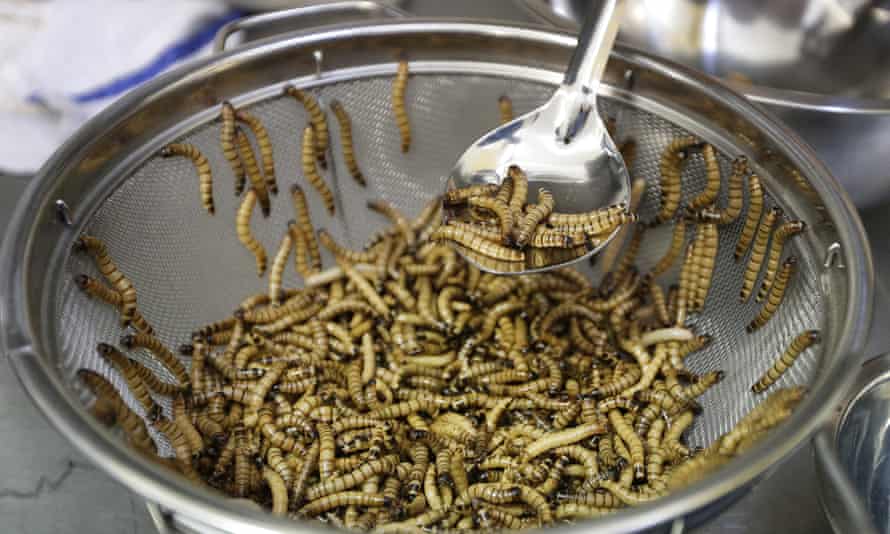
Mealworms are sorted before being cooked in San Francisco
Yellow mealworm, a maggot-like insect, has been approved as safe for human consumption by the EU food safety agency. Photograph: Ben Margot/AP


Yellow mealworm, a maggot-like insect, has been approved as safe for human consumption by the EU food safety agency. Insects are seen as a source of protein with comparatively low associated greenhouse gas emissions. The biggest potential market is expected to be as animal feed for chickens, pigs and other livestock, rather than human food products.

Germany has approved a draft law banning the culling of male chicks from 2022. The government has been exploring the use of dual-purpose breeds of birds which can lay eggs and be reared for meat. It has also invested in technology to detect egg sex prior to hatching and dispose of male eggs earlier. Separately, an Israeli startup has announced that it is planning to go further and change the sex of poultry embryos as they develop, doing away with the need for disposal.

News from the UK

Non-stunned halal and kosher meat must be clearly labelled to give consumers the choice not to buy it, the British Veterinary Association (BVA) has said after a government review of slaughter regulations. More than 90 million cattle, sheep and poultry were slaughtered without being pre-stunned in England in 2018. There is no non-stun slaughter in Scotland, Wales, and Northern Ireland. The BVA said animals not stunned before slaughter are “highly likely to suffer pain, suffering, and distress during the cut and bleeding”.

Egg producers have been left struggling after a collapse in wholesale trade during the pandemic. The difficulties in exporting post-Brexit have also added to a fall in wholesale prices despite positive retail sales. Some producers have warned the situation could lead to chickens being culled. One free-range producer has reported giving tens of thousands of eggs to food banks.

Pig farmers in Northern Ireland are to get more than £2m in government support after a Covid-19 outbreak among workers led to the closure of a food processing factory for two weeks last summer. The meat plant is reported to process about 10,000 animals a week. Some farmers faced additional penalties on overweight pigs. Production was also halted at Scotland’s biggest pork processing plant in Brechin in January after several workers tested positive for the virus.

The UK’s veterinary capacity is at risk post-Brexit, MPs from the environment, food and rural affairs select committee have warned. About 95% of official veterinarians, who undertake vital certification and supervision work in abattoirs, are EEA-qualified nationals. The sector faces an increased workload due to additional export checks, Covid and disease outbreaks such as bird flu.

New Zealand is backing the UK as it seeks to join the Comprehensive and Progressive Agreement for Trans-Pacific Partnership, whose members also include Japan, Australia, Canada, Vietnam, Singapore and Mexico. The New Zealand meat industry has called for greater access to the UK market for its beef and lamb.

Finally, Kim, a 12-month-old Welsh-born sheepdog, has been sold for a world record £27,100. Although a Welsh speaker, the seller Dewi Jenkins said he trains his dogs in English to allow him to sell them across the world, including in the US, Norway, Belgium, France and Ireland.


Animals Farmed

A decade after an outbreak of Q fever killed 95 people in the Netherlands, there are worries about human cases of pneumonia linked to goat farms. The Q fever outbreak followed a period of rapid growth in goat dairying in the Netherlands and its aftermath heightened tensions around zoonotic disease threats, especially in the south of the country where the highest numbers of goat farms and infection rates were found.

Rabbits
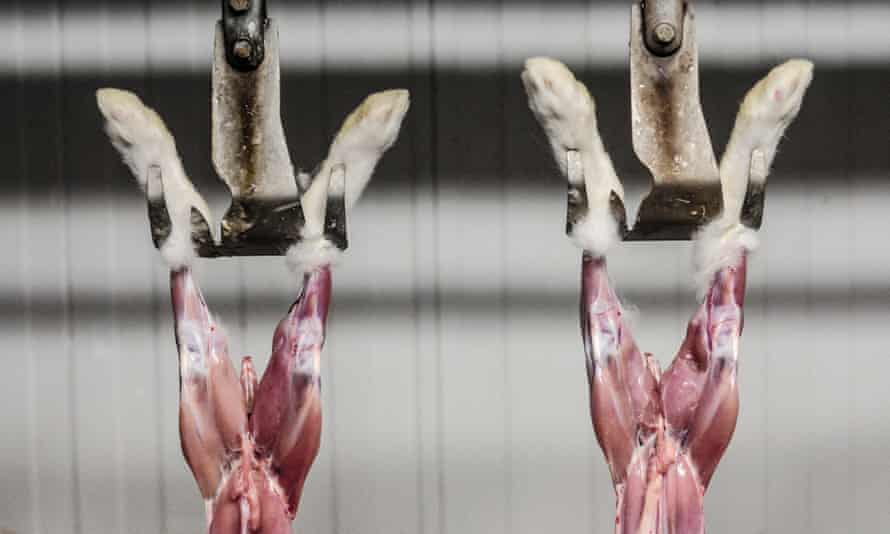
Rabbits being skinned and dismembered at a slaughterhouse as featured in the photo essay: ‘Hidden lives: the animals behind the products we consume’. Photograph: Jo-Anne McArthur/Animal Equality

The EU has been revealed to be world’s biggest live animal exporter with more than 1.6 billion chickens, pigs, sheep, goats and cattle transported across a border in 2019.

In the UK, live farm animal exports to mainland Europe have come to a standstill post-Brexit. The UK government consultation on banning the export of animals for slaughter and fattening is due to end later this month.

Brazilian companies and slaughterhouses including the world’s largest meat producer, JBS, sourced cattle from supplier farms that made use of workers kept in slavery-like conditions, according to a new report. JBS said it had “a zero-tolerance approach to forced labour and also urge anyone who suspects or has evidence of individual or farm-level malpractice to report it”.

Outbreaks of African swine fever and Covid among workers in meat plants in Germany have raised questions over the consequences of the country’s fixation on “cheap meat”. In China, experts have questioned the effectiveness of new animal health rules in preventing another zoonotic disease outbreak. And news of plans to develop animal-only antibiotics has been criticised as a “techno-fix” for intensive farming practices.

A Welsh council has admitted it should not have granted planning permission for a 110,000-chicken farm in the “poultry capital of Wales” after campaigners crowdfunded a judicial review. Former free-roaming nomads in Tibet are facing a struggle for their identity, stuck between China’s push for more industrialised farms and Buddhist monks urging them to embrace vegetarianism. Finally, we’ve reported on the mounting death toll of people and animals in Nigeria as herders seeking dwindling reserves of pasture clash with farmers.

From the brilliant ‘Guardian’ (London) as always:

Animals farmed: insects for lunch, £2bn for mink farmers and the future of male chicks | Environment | The Guardian

Enjoy – Regards Mark

Sweden: Petition – BAN SWEDEN’S CRUEL AND DANGEROUS MINK FUR FARMS. Please Sign.

SIGN: Ban Sweden’s Cruel and Dangerous Mink Fur Farms
Image Credit: Jo-Anne McArthur

BAN SWEDEN’S CRUEL AND DANGEROUS MINK FUR FARMS

PETITION TARGET: Swedish Board of Agriculture

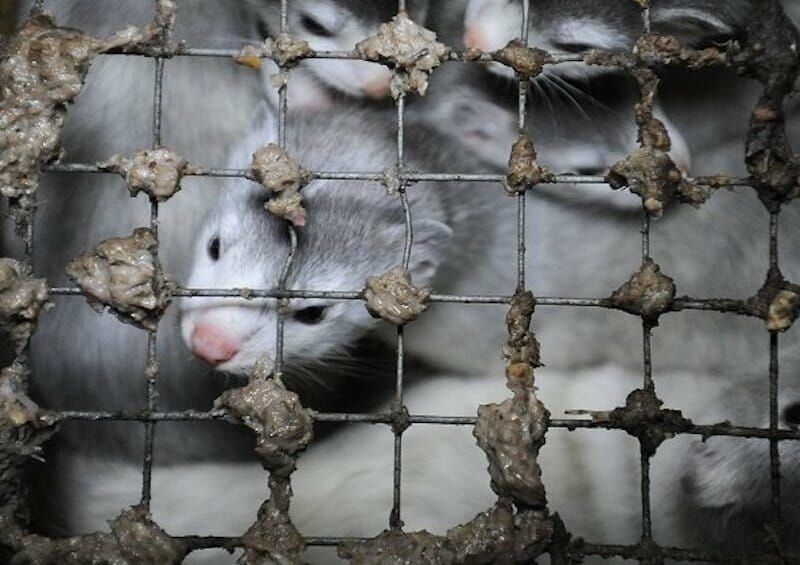
Deprived of their natural habitats, captively-bred mink languish on cruel fur farms in cramped, filthy cages from the day they’re born until the day they’re killed.

These solitary creatures pace restlessly, self-mutilate, and fight with their cage mates, all of which are telltale signs of severe psychological distress and trauma.

After a lifetime of cruel confinement and suffering, these defenseless mink are gassed, electrocuted, bludgeoned, or have their necks broken — all so their fur can be ripped from their bodies and manufactured into products.

Sweden — a major fur-producing country — has banned mink breeding until 2022 following COVID-19 outbreaks at mink farms throughout the world, joining a growing list of nations restricting the dangerous industry.

But the risk of zoonotic disease outbreak is always present at these farms, and a permanent ban is the only viable solution. For the sake of both animal welfare and public health, the torturous fur farming industry in Sweden must end.

Sign this petition urging the Swedish Board of Agriculture to permanently ban mink farming throughout the country.

Petition Link:  PETITION: Ban Dangerous Mink Farming in Sweden (ladyfreethinker.org)