It’s been 55 days since the Gulf Livestock 1 capsized with the loss of 41 crew members, including two New Zealanders, and almost 6,000 cows. This tragedy led to the government announcing a temporary ban on live export and yet another review into this cruel and unnecessary trade.
Last month, Agriculture Minister Hon Damien O’Conner gave the okay for New Zealand to resume exports ‘conditionally’ on 24 October despite the risks. Disappointingly, that day has come.
The live export ship, Yangtze Fortune, will dock at Napier port on Tuesday 3 November and plans to take thousands New Zealand cows on a long and stressful sea journey in unnatural conditions. The majority of animals live exported from New Zealand are sent to countries with lower animal welfare standards than our own and sometimes no animal protection laws at all. This means our animals are being farmed and slaughtered in ways that are illegal in here New Zealand.
The only way we can truly help these animals is to get a permanent ban on live animal export. And we need your help.
The Gulf Livestock 1 disaster has highlighted the risks both humans and animals are forced to endure on live export ships. Tens of thousands of Kiwis have called for a ban on this cruel practice and we won’t stop until our Government leaders align the law with our Kiwi values by permanently banning live animal export.
Prime Minster Jacinda Ardern herself has questioned whether the cruel live export trade should be allowed to continue and has highlighted the fact that the trade is problematic, especially where animal welfare and New Zealand’s reputation is concerned.
Take action for animals by writing to the Prime Minster, Jacinda Ardern to echo her concerns about this trade and urge her to ban live animal export permanently.
We know caring people like you want to see an end to live export. And together we will continue to put pressure on our Government until this cruel trade is permanently banned.
Thank you for your support – together we will get a ban on live export.
Debra Ashton Chief Executive Officer
P.s Join the more than 30,000 people who have already called for a ban on live export from New Zealand. Together, we can stop this cruel trade.
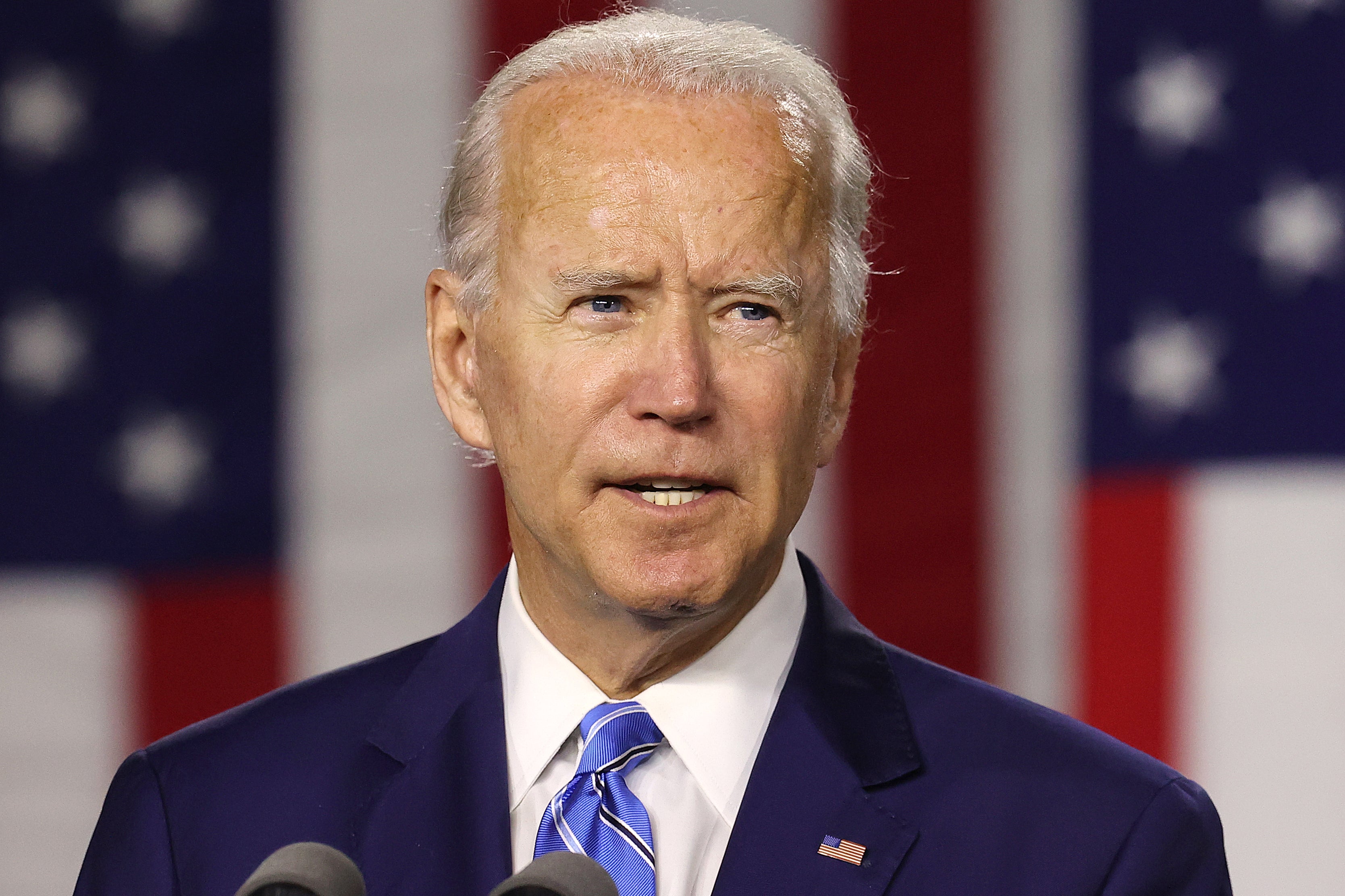
Last week, Trump attempted an insult by saying Joe Biden would “listen to the scientists.”
Phew. Doesn’t that sound like a breath of fresh air?
Not only have our scientists at the Center for Biological Diversity Action Fund endorsed Joe Biden, but for the first time in its 175-year history, Scientific American has endorsed a presidential candidate in Joe Biden. Recently Nature followed suit, saying: “Joe Biden’s trust in truth, evidence, science and democracy make him the only choice in the U.S. election.”
We are working together to create a wave of change that will remake our nation and protect our environment by electing leaders like Joe Biden and Kamala Harris.
For the future,
Dianne DuBois
Campaigner Center for Biological Diversity Action Fund CenterActionFund.org
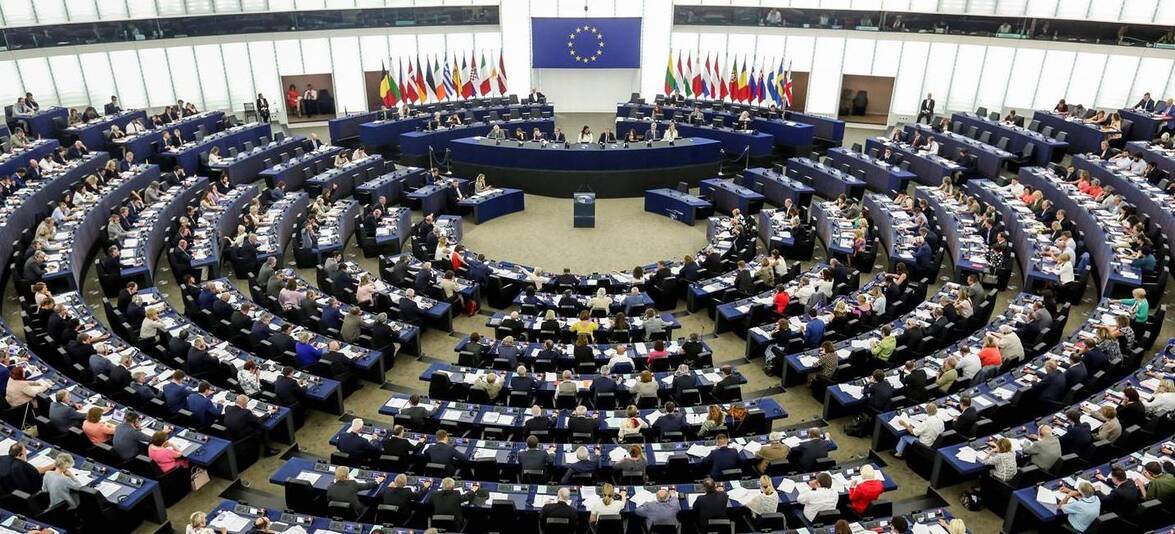
Oatly has slammed the EU Parliament after MEPs voted in favour of the ‘dairy ban’.
The proposal would stop plant-based dairy producers from using descriptive terms.
At this time, EU law already bans the use of terms including ‘almond milk’ or ‘vegan cheese’. However, the new rules would go further.
Consequently, descriptors such as ‘yogurt-style’ and ‘cheese-alternative’ could now be banned too. In addition, the rules could prevent companies from using packaging styles such as butter blocks and milk cartons.
‘Wacko’
The Swedish oat milk giant has responded to the motion, describing it as ‘wacko’ and ‘incomprehensible’ direction to take ‘in the middle of a climate crisis’.
“It isn’t so surprising considering there are more milk lobbyists in Brussels than actual cows in pasture during the summer months,” the brand said.
“…And when the Milk Lobby decides to flex its protein-rich muscles we all know what happens—the public loses out.
“How will consumers now be able to easily compare different food products in order to make more informed decisions about what they eat?”
‘A major blow’
Vice President of ProVeg International Jasmijn de Boo – who spearheaded the campaign against both the dairy and veggie burger ban – described the motion as a ‘major blow to the plant-based dairy sector’.
She added: “Plant-based dairy businesses could now be saddled with significant financial burdens and practical challenges.
“These include renaming, rebranding, and remarketing of products and the potential of high legal costs.”
Pre election promises that, once elected, become non reality.
President Moon of South Korea was elected in 2017; one of his election promises was that he was going to tackle, and make ‘war’ with those involved in the live dog meat farming business. We all remember him smiling while holding the little dogs – here was the hero who would tackle the trade. See one of our past posts with pictures of him cuddling dogs at:
In our post; which related to Covid disease, we stated:
“President Moon; you have failed your nation and you should have lived up to your pre election promises to take action for meat dogs. Kind of ‘Karma’ from the dogs one could say” !
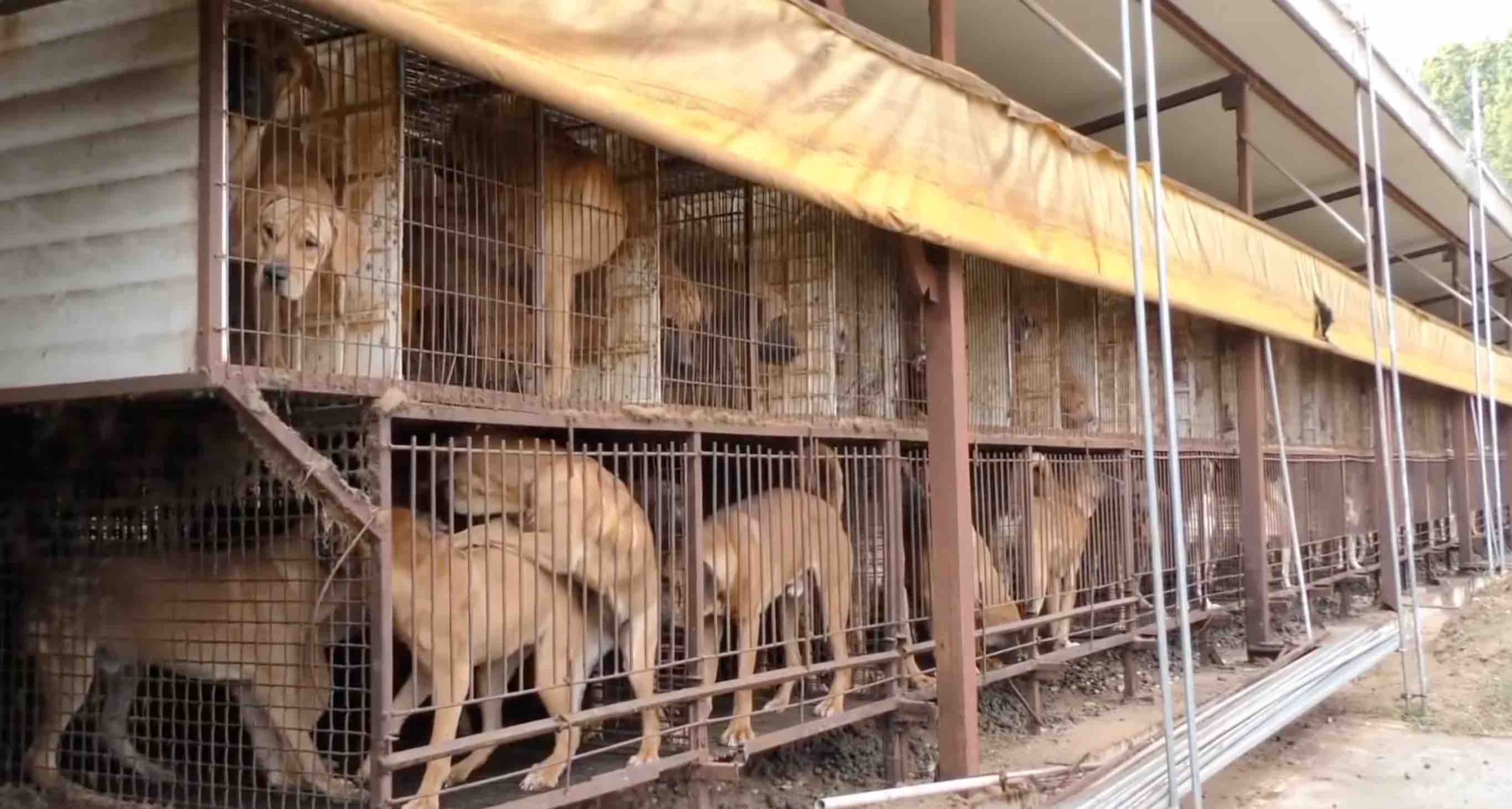
We know that Covid came from wet markets and from deplorable conditions for animals who had to suffer in them. Korean dog meat farms are NO different – animals constantly under stress; no hygiene, no veterinary care – the perfect breeding ground for disease and Covid 19.
President Moon failed to tackle the dog meat industry early on when he was elected. Illegal dog farms continue to be exposed to this very day. Covid is still a major issue to this day. Would you not have thought that unsanitary conditions such as those at illegal dog meat farms would have been tackled early on in 2018; rather than the constant ignorance we have witnessed from the Korean government ?
As we said in our post, the suffering that Korean citizens have endured due to Covid is a kind of ‘Karma’ from the dogs on the illegal farms; the government failed them since the 1027 elections, fails them now and probably will continue to fail them.
TAKE ACTION
Korean dog campaigners have this to say:
We were very hopeful when South Korean president Moon Jae-In, took office in 2017. President Moon Jae-In has a pet dog, and we hoped that he might finally bring the dog and cat meat trade to an end in South Korea. However, President Moon has done absolutely nothing to improve the lives of companion animals.
The dog and cat meat trade continues while President Moon’s administration supports the shameful and illegal industry by turning a blind eye and taking no action to end it. Let’s urge President Moon to end the unethical and cruel dog and cat meat trade in his country once and for all, and to bring honour to his country and their citizens. Please take action today!
Please do what you can to spread the word for action to stop the dog meat trade.
Thanks and regards
WAV.
Visit the Koreandogs.org website at https://koreandogs.org/ for a huge range of actions that you can get involved with. Select your language from the list at the top.
“Can you imagine if the day of your execution was planned the moment you were born?
This is a reality for every animal killed in the meat, dairy, and egg industries”.
Speaker: Gary Yourofsky
And I mean…Meat is a big business.
More precisely, a very big business.
Wherever we look, meat is practically everywhere.
Obviously you need a lot of animals to produce as much meat as is bought, sold, and consumed in our society.
In 2003, ten billion animals were killed in slaughterhouses in the United States alone. That is more than 27 million animals a day, today there are many more.
The situation worldwide is that more than 50 billion animals – mainly chickens, but of course also cattle, pigs, sheep, goats, ducks, geese, and turkeys – are slaughtered for their meat every year. That is more than five times the human population on earth.
But nobody cares about which animals this meat comes from.
The meat mafia has long been aware of the disgust it would cause consumers to learn how animals are kept, abused, and slaughtered.
Therefore, the meat industry invests a lot of money to keep the system of animal exploitation secret, or to fake it.
The organic farms with the happy cows in the pasture, the humanely slaughtered animals, the animal-friendly farm next door… these are all myths that help us to remain either uninformed or misinformed.
Myths are the meat industry’s tools to make meat-eaters think of what they are going to eat, and not the suffering of the animals they eat.
We never tire of saying: Eating meat is not normal, not natural, and not necessary. Eating meat is murder.
And everyone who eats meat is complicit in this murder.
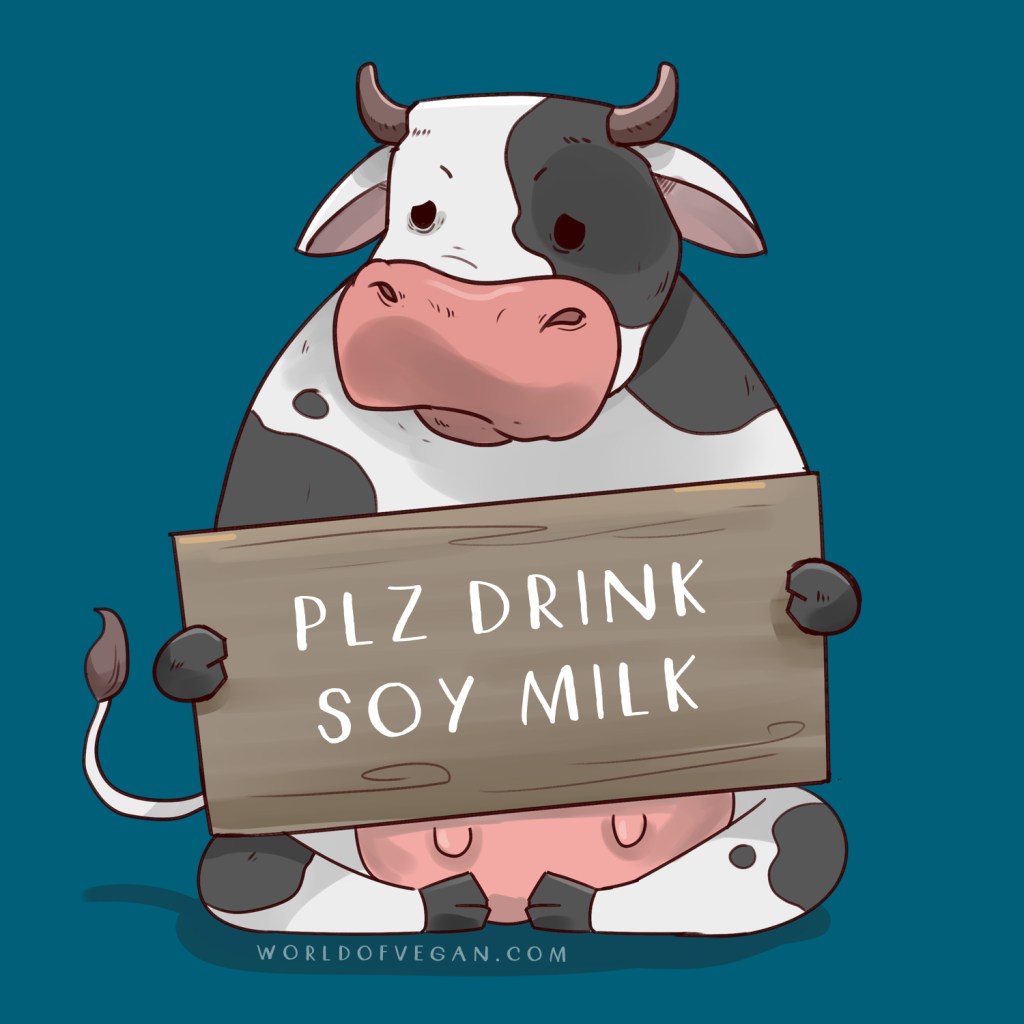
Well, the EU Parliament has this time at least seen part sense. It has been decided that us / you are intelligent enough to know the difference – that a beef burger comes from a dead cow, and that a veggie burger does not. Celebrate with a Vegan ‘Burger’. Now the term ‘milk’ seems more confusing to everyone in industry and the EU Parliament – milk comes from long suffering cows, but ‘milk alternatives’ such as soya milk must not be called such ! – I can sense my Litmus paper coming out later when I have a cup of tea to check if my ‘milk’ is non cow, or from a suffering cow. And to think these people are paid vast sums of Euros to decide for you because they do not think that you, a humble citizen, are intelligent enough to know where your ‘white liquid’ comes from.
Friday 23/10/20 – European farmers lose attempt to ban terms such as ‘veggie burger’
Meat-related words can be used to describe plant-based foods, decides European parliament
Plant-based products that do not contain meat can continue to be labelled “sausages” or “burgers”, European politicians have said, after they rejected a proposal backed by the meat industry to ban the terms.
In votes on issues relating to agricultural products, the European parliament said that so-called veggie burgers, soy steaks and vegan sausages can continue to be sold as such in restaurants and shops across the union.
Europe’s largest farmers’ association, Copa-Cogeca, had supported a ban, arguing that labelling vegetarian substitutes with designations bringing meat to mind was misleading for consumers.
On the opposite side of the debate, a group of 13 organisations including Greenpeace and WWF urged lawmakers to reject the proposed amendments, arguing that a ban would have not only exposed the EU “to ridicule”, but also damaged its environmental credibility.
They said promoting a shift toward a more plant-based diet is in line with the European Commission’s ambition to tackle global warming. Losing the ability to use the terms steak or sausage might make those plant-based products more obscure for consumers.
After the vote, the European Consumer Organization, an umbrella group bringing together consumers’ associations, praised the MEPs for their “common sense”.
“Consumers are in no way confused by a soy steak or chickpea-based sausage, so long as it is clearly labelled as vegetarian or vegan,” the group said in a statement. “Terms such as ‘burger’ or ‘steak’ on plant-based items simply make it much easier for consumers to know how to integrate these products within a meal.”
Together with Greenpeace, the group regretted that lawmakers accepted further restrictions on the naming of alternative products containing no dairy. Terms like “almond milk” and “soy yogurt” are already banned in Europe after the bloc’s top court ruled in 2017 that purely plant-based products cannot be marketed using terms such as milk, butter or cheese, which are reserved for animal products.
E.U. Says ‘Veggie Burgers’ Can Keep Their Name
The European Parliament voted on Friday on proposals that would have banned products without meat from being labelled burgers or sausages.
LONDON — When is a burger not a burger? When it contains no meat. At least according to a divisive proposal that was in front of the European Parliament this week, part of a set of measures that would have banned the use of terms like “steak,” “sausage,” “escallop” or “burger” on labels for plant-based alternative products.
But after a decisive vote against the measure on Friday, it seems veggie burgers will still be on the menu.
“Reason prevailed, and climate sinners lost,” Nikolaj Villumsen, a member of the European Parliament from Denmark posted on Twitter. “It’s worth celebrating with a veggie burger.”
A proposal to expand a ban on descriptions such as “yogurt-style” or “cream imitation” for nondairy replacements did pass, extending previous limitations on the use of words like “milk” and “butter” on nondairy alternatives.
The proposed changes — a small part of a package of agricultural measures — received more attention than perhaps desired either by their proponents among meat and livestock groups, who said they would prefer to focus on helping farmers work sustainably, or the environmentalists and food manufacturers opposing it, for whom it is a distraction from climate-change policy.
Jasmijn de Boo, vice president of ProVeg International, a group aimed at reducing meat consumption, said that the proposal was not in the interest of consumers or manufacturers, and that shoppers were not confused by the labels currently on store shelves.
“Why change something to a ‘veggie disc’ or ‘tube’ instead of a sausage?” she said. “It’s ridiculous.”
Those in favor of the change said that labeling plant-based products with meat terms were misleading and could open the door for other confusing labels.
“We simply call for the work of millions of European farmers and livestock sector workers to be acknowledged and respected,” Jean-Pierre Fleury, the chairman of Copa-Cogeca, Europe’s largest farming lobby group, said in a statement this month. He described the use of meatlike names for plant-based products as “cultural hijacking.”
The decision is a victory for environmental advocates over an E.U. farming lobby that is one of the strongest voices in the bloc and plays an outsize role in policymaking, considering that the sector has been shrinking for years.
Camille Perrin, the senior food policy officer at the European Consumer Organization, called decision “great news” and a “common sense” vote.
“Consumers are in no way confused by a soy steak or chickpea-based sausage, so long as it is clearly labeled as vegetarian or vegan,” she said in a statement after the vote. “Terms such as ‘burger’ or ‘steak’ on plant-based items simply make it much easier for consumers to know how to integrate these products within a meal.”
It is not the first debate over plant-based foods as that sector has exploded in recent years.
Labels for plant-based dairy alternatives like “soy milk” or “tofu butter” are illegal in the bloc after dairy producers won a 2017 ruling backed by the European Court of Justice.
In 2018, France banned the use of meat terms to describe vegetarian products. In dozens of states in the United States, advocates of vegetarian food have clashed with farmers and lobbyists over legislation that makes it illegal for plant-based products to be called meat.
Several parties in the European Parliament had also submitted proposals with different caveats since the initial amendment was introduced, and those are still to be voted on. Manufacturers like Beyond Meat, Unilever and Ikea, along with the European Medical Association, have opposed the changes, which they described in an open letter as “disproportionate and out of step with the current climate.”
Many said that approving the amendment would be counter to a goal set by the European Parliament this month to reduce carbon emissions 60 percent by 2030.
And shoppers seem to like the names. In a 2020 survey from the European Consumer Organization, about 42 percent of respondents said they believed “meaty” names for plant-based products should be permitted if products were clearly labeled vegetarian or vegan. Twenty-five percent said that such names should be banned.
A spokesman for Copa-Cogeca said the organization did not believe that shoppers could not tell the difference between meat and plant-based products, and said that farmers were not against vegetable alternatives. But he said that differentiating the markets — much like those of butter and margarine — was among a host of initiatives that would support struggling farmers who are trying to adapt to a world more focused on sustainability.
Some said the proposal would provide more fodder for what critics call the European Union’s penchant for overregulation. Alexander Stubb, a former prime minister of Finland, said the bloc should legislate only “where there are impediments to the free movement of goods, services, money and people.”
He described the amendment as “overkill” that would bolster the arguments of those who campaigned for Britain’s exit from the bloc: “This is one of these symbolic sad cases — a bit likelegislating on the curve of cucumbers.”
EU lawmakers vote for ‘veggie burgers,’ take hard line on dairy labels
(CNN)Restaurants and shops in the European Union should be allowed to label products as “veggie burgers” or “vegan sausages,” the European Parliament said on Friday, while calling for tighter curbs on labelling of plant-based dairy substitutes.
EU lawmakers voted to reject proposals, backed by farmers, to ban plant-based products from using terms such as steak, sausage or burger.
“I’m going to celebrate with a vegan burger,” Swedish EU lawmaker Jytte Guteland said after the result was announced.
Farmers had argued that the using words like burger or sausage for non-meat products could mislead consumers. European farmers association Copa Cogeca said allowing such terms would open a “Pandora’s box” of confusing wording.
But medical groups, environmentalists and companies that make vegetarian products have said that banning these terms would discourage consumers from shifting to more plant-based diets, undermining the EU’s environmental and health goals.
A majority of EU lawmakers also voted on Friday for stricter rules on labelling of dairy substitutes, backing a ban on terms such as “milk-like” or “cheese-style” for plant-based products that contain no dairy ingredients.
The European Court of Justice already banned terms like “soy milk” and “vegan cheese” three years ago, ruling that words such as milk, butter, cheese and yoghurt cannot be used for non-dairy products.
The labelling rules are part of a bigger EU farming policy package for 2021-2027, and are not final. Parliament must strike a compromise with EU member states on the final policy.
Elena Walden, policy manager at the non-profit Good Food Institute Europe, called on EU countries to “clear up this mess and reject confusing and unnecessary restrictions on plant-based dairy products.”
Lawmakers approved their position on the farming policy package on Friday despite calls from Green lawmakers and campaigners, including Swedish activist Greta Thunberg, to reject the proposal. They say it does not do enough to curb the sector’s emissions or protect nature from the effects of intensive factory farming.
We are sending this out in advance – so please make a note of the date.
It is ‘World Vegan Day’ on November 1st.
Veganism was once dismissed as just another short lived trend, but with plant-based diets surging in popularity over the past few years, vegan food has hit the mainstream. 51% of people questioned are happy to see vegan food in shops and restaurants.
Israel touts itself as the world leading vegan country with 5.2% of the population relying on a plant-based diet
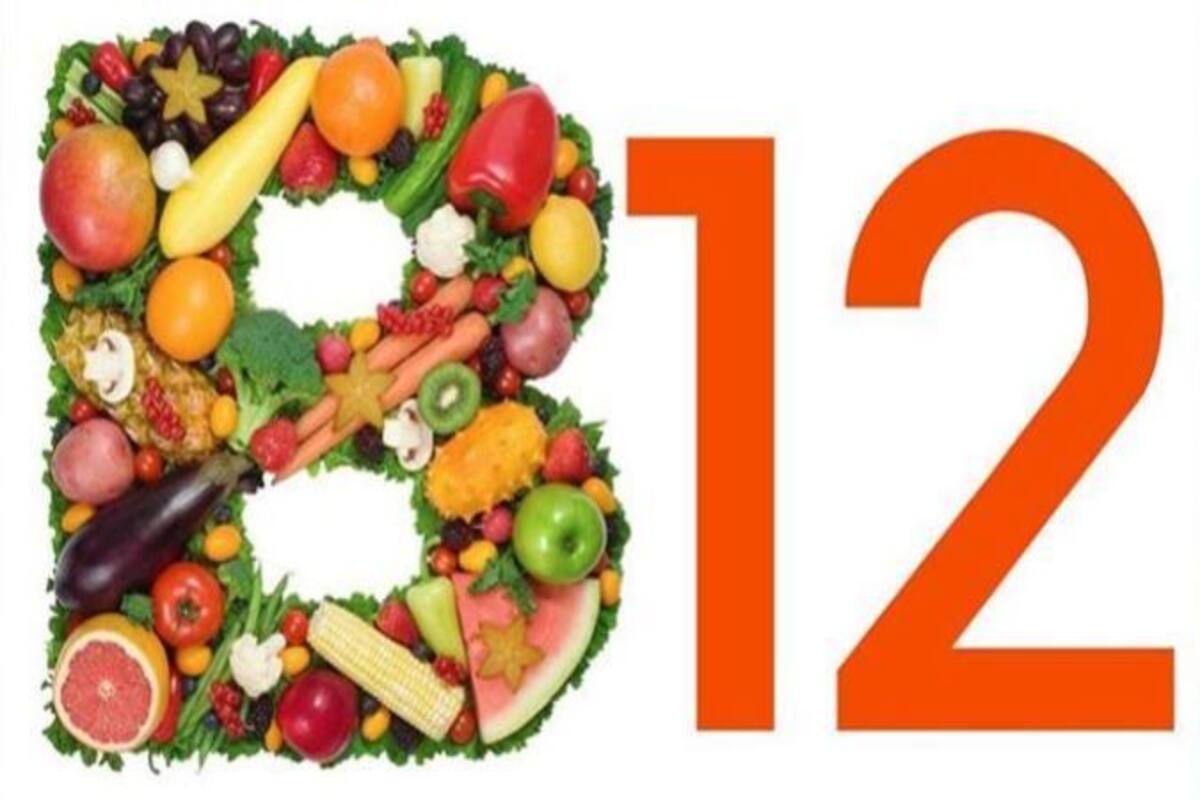
People who eat vegan and vegetarian diets have a lower risk of heart disease, but will require supplements of B12; which is stored in the liver. Researchers found that those who didn’t eat meat had 10 fewer cases of heart disease and three more strokes per 1,000 people compared with the meat-eaters This B12 issue is more than easy to resolve:
To get the full benefit of a vegan diet, vegans should do one of the following:
Eat fortified foods (see below) two or three times a day to get at least three micrograms (mcg or µg) of B12 a day.
OR Take one B12 supplement daily providing at least 10 micrograms.
OR Take a weekly B12 supplement providing at least 2000 micrograms.
Fortified foods are those that have nutrients added to them that don’t naturally occur in the food. These foods are meant to improve nutrition and add health benefits. For example, calcium may be added to fruit juices.
Here are some leads from the Vegan society in the UK which may make you think a bit:
If the world went vegan, it could save 8 million human lives by 2050, reduce greenhouse gas emissions by two thirds and lead to healthcare-related savings and avoided climate damages of $1.5 trillion.
Staggering ! – If the UK population was killed at the same rate farmed animals are killed around the world, it (UK population) would be ended in just 11 hours.
Over a billion farmed animals in Britain are killed each year in slaughterhouses.
UK – Over 10 million pigs, 15 million sheep, 14 million turkeys, 15 million ducks and geese, 982 million broiler chickens, 50 million ‘spent hens’, 2.6 million cattle, 4.5 billion fish and 2.6 billion shellfish are killed in the UK each year – over 8 billion animals.
Interest in ‘veganism’ increased seven fold in the five years between 2014 and 2019, according to Google trends. It now gets almost four times more interest than vegetarian and gluten free searches.
With WAV being part based in the UK (also in Germany); lets check out some UK information:
Demand for meat-free food in the UK increased by a massive 987% in 2017 and going vegan was predicted to be the biggest food trend in 2018. Sources:[1], [2]
The UK plant-based market was worth £443 million in 2018. Source
Meat substitute sales grew by 451% in the European market in the four years to February 2018. Source
The number of vegans in the UK quadrupled between 2014 and 2019. In 2019 there were 600,000 vegans, or 1.16% of the population.
Vegans and vegetarians look set to make up a quarter of the British population in 2025, and flexitarians just under half of all UK consumers.Source
Why ?
Cruelty Free – Over half (56%) of Brits adopt vegan buying behaviours such as buying vegan products and checking to see if their toiletries are cruelty-free. 50% of Brits questioned said they know someone who is vegan, and 1 in 5 Brits (19%) would consider going vegan. Source: Research carried out by Opinion Matters for The Vegan Society between 14 and 16 July 2017 involving a sample of 2,011 UK adults
Europe:
Meat substitute sales grew by 451% in the European market in the four years to February 2018.Source
USA:
The number of vegans in America grew by 600% from nearly 4 million in 2014 to 19.6 million in 2017. Source
Consumption of plant milk increased by 61% while consumption of cow’s milk decreased by 22%. Sources: [1], [2]
Plant milks make up 13% of the entire milk category. Their sale grew by 6% in 2019, while cow’s milk sales declined by 3%. Source
41% of US households purchase plant-based milks.Source
Get this – Agriculture is responsible for 80-90% of all US water consumption.Source
80% of all antibiotics sold in the US are for farmed animals – not to treat illness but to promote growth and preventatively due to the stressful conditions the animals are raised in.Sources: [1], [2], [3]
There were as many people searching for vegan Thanksgiving recipes as there were people searching for turkey Thanksgiving recipes in November 2018. Source
A farm with 2,500 dairy cows produces the same amount of waste as a city of 411,000 people.Source
72% Americans oppose testing cosmetics products on animals.Source
The are a few basic reasons why people often choose to undertake a vegan diet. Two of the main issues are the health benefits associated with and also animal welfare. There is no doubt that changing to vegan can be good for your health.
Many people go plant based because they have big concerns about the animal welfare; intensive farming and what it is doing to the planet.
80% of all antibiotics sold in the US are for farmed animals – not to treat illness but to promote growth and preventatively due to the stressful conditions the animals are raised in. Agriculture is responsible for 80-90% of all US water consumption. A farm with 2,500 dairy cows produces the same amount of waste as a city of 411,000 people.
Intensive farming and the transport and slaughter of the animals in the system is of major concern to many – they don’t like it and want to break free from supporting it.
On the left of the page there is a ‘SEARCH’ box; type in any subject relating to a specific issue (live export, intensive farming etc) and you will be taken to all posts on the site relating to that issue. Search out what you want to obtain more on.
Veganism is here to stay; there is no doubt about that.
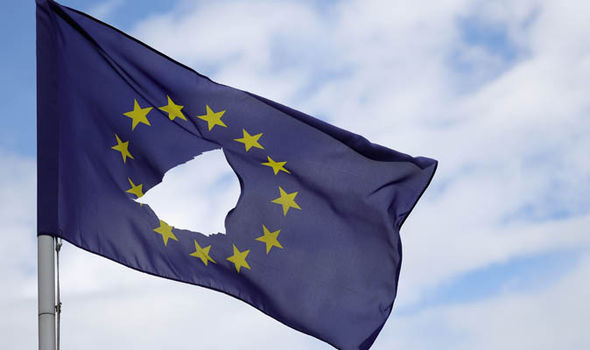
WAV Comment: We hope that by their actions against the call for change by humble EU citizens; as well as causing a death sentence for nature with their ‘extinction machine’ approach; MEPs are directing themselves very well into making ‘their place’ another ‘extinction machine’. ‘Normal’ people (such as EU citizens) will only take so much, and like the fellow (ex EU) citizens of the UK; it will not be long before other EU nations see sense and decide that they can do better by going it alone and walking away from the useless calamity named Members of the European Parliament (MEP). Like the UK having left; this will mean that there are no longer MEPs representing their member state. By its own internal actions, the EU is destroying itself due to sucking up to the lobbyists whilst ignoring the people; many (not all) gutless MEPs who wish to hide behind the EU ‘system’ and the untold damage it is doing to nature and the environment as a result.
Quote from the following article – “Earlier this year, 3,600 scientists called for an overhaul of the CAP, warning that it was a central driver of the biodiversity and climate emergencies as it funded practices that cause significant biodiversity loss, climate change, and soil, land and water degradation.
The new CAP document deletes “the need for farmers to have a tool for more sustainable use of nutrients”, Ms Bradley said, pointing out that agriculture is the biggest source of nitrate pollution in EU waters, responsible for dead zones and toxic algae”.
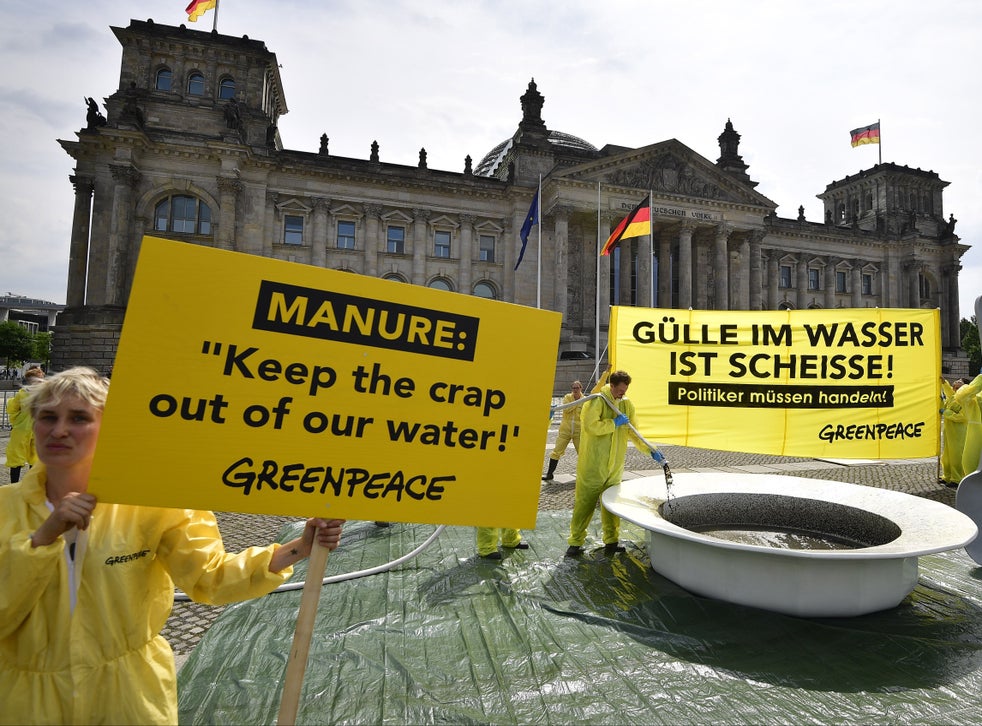
Members of the European Parliament have been accused signing “a death sentence” on nature, the climate and small farms after they rejected a series of eco-friendly reforms.
MEPs voted against proposals to cut subsidies for factory farming and to protect grasslands and peatlands – a major storage reservoir of greenhouse gases.
One critic said the vote on the EU agriculture reform package would bring extinction closer for many species after it failed to offer incentives for farmers to reduce their environmental impact.
Above – Here today – EU gone tomorrow
BirdLife Europe said the politicians voted to make the policy “an extinction machine”, adding: “Nature has lost this battle.”
Now environmentalists are pressuring MEPs before a final vote by the full parliament tomorrow (Friday).
The votes on the Common Agricultural Policy (CAP), funded by nearly €400bn (£350bn), will shape farming in the block for the next seven years.
A deal by the largest groups in the European Parliament – the European People’s Party (EPP), Socialists & Democrats (S&D) and Renew Europe – involved lowering environmental conditions attached to the policy. And MEPs voted against an emissions-reduction target for agriculture of 30 per cent.
Harriet Bradley, an agriculture policy expert at BirdLife Europe, said the decisions meant the world was “one step closer to extinction for many species”.
She said perhaps “one of the most shocking and spiteful” votes to environment was that “in the unlikely event that agri ministries are queuing up to fund environmental schemes, they shall be prevented [from doing so] by maximum spends on environmental measures”.
A ban on converting grasslands in biodiversity-rich nature-protected areas was lifted, so more could be turned into maize fields, she reported.
The intensification of agriculture, including pesticide use, fuels carbon dioxide emissions and pollution, a key factor in nature destruction, including the decline of farmland birds and pollinators.
Earlier this year, 3,600 scientists called for an overhaul of the CAP, warning that it was a central driver of the biodiversity and climate emergencies as it funded practices that cause significant biodiversity loss, climate change, and soil, land and water degradation.
The new CAP document deletes “the need for farmers to have a tool for more sustainable use of nutrients”, Ms Bradley said, pointing out that agriculture is the biggest source of nitrate pollution in EU waters, responsible for dead zones and toxic algae.
Ecoschemes will fund new spraying machines that could potentially cause damage if used to kill insects and weeds, she added.
“This is about how400bn of taxpayers money is going to be spentin the make-or-break decade for #climate and #biodiversity,” she tweeted.
Greenpeace’s EU agriculture policy director Marco Contiero said: “MEPs have signed a death sentence for nature, climate and small farms, which will keep disappearing at an alarming rate. For over 60 years, European farm policy has been blind to farming’s impact on nature, rewarding farmers for producing more or expanding their farms.
“The EU Parliament is wilfully continuing that destruction while scientists warn that farming must change to tackle the climate crisis and protect nature.”
Ecologist Carola Rackete tweeted: “There are no reasons at all to spend a third of the EU budget on industrial agriculture which drives biodiversity loss on land and worsens the climate crisis.”
A report earlier this week by the EU environment agency said unsustainable farming, forestry and the sprawl of urbanisation were degrading the health of Europe’s animals and natural habitats.
The report showed more than half of pollution pressure on biodiversity came from agricultural practices, stating the current CAP did not provide enough funding.
Climate activist Greta Thunberg tweeted: “No matter what the EU climate target for 2030 will be, reaching it with a business-as-usual common agricultural policy will be basically impossible. So the MEPs voting in favour of #FutureofCAP final vote tomorrow will be responsible for surrendering on our future.”
WWF accused politicians of being “in a state of complete denial about the biodiversity and climate crises”.
A European Parliament spokesman said: “There are nearly 2,000 votes on CAP reform this week to three separate reports addressing common market rules, national strategic plans and future financing.
“As with many issues, there are political forces pulling in both directions, so the end result is inevitably a compromise. But this would represent a greener CAP than we currently have as it provides a number of incentives for farmers to produce more sustainably.”
A third of the budget would be for “green” initiatives, assistance to smaller farms and capping payments to large agri-businesses, he said.
Negotiations will take place over the coming weeks to hammer out a deal between the parliament and the European Council.
The EU Council said ministers had voted for financial support for eco-friendly farming; to increase rewards for farmers more committed to greening and to help smaller farmers embrace the green transition.
In Baden-Württemberg,south Germany, a country butcher stunned his cattle with gunshots from a long gun.
Outwardly, the farm presented itself as an idyllic butcher’s shop, but behind the facade, the animals stood in their own feces.
Before being slaughtered, he stuns them with shots from a long gun – absolutely illegal.
In the white butcher’s smock, you can see the farmer in his slaughterhouse with the gun pointed at the cow.
A shot in the head, but it doesn’t work, the cow just stumbles and falls on the calf.
Then there is another shot.
“It was filmed in secret for three weeks,” says Philip Hermann from the organization Butcher Against Animal Murder. “This is a trustworthy butcher who runs a family farm. The keeping of the animals and the slaughtering process are so cruel that it is hard to imagine. The video shows that cows smeared with manure stand knee-deep in manure, unanesthetized turkeys bleed to death, pigs are beaten and piglets can hardly breathe”.
Every Monday is slaughter day on the farm, every Monday the misery repeats itself.
Instead of stunning the cows with a captive bolt, the farmer shoots them in the head with a caliber that is far too small.
Only with the second shot do the animals fall to the ground.
The vet says: “The authorities should have intervened here long ago”.
The butcher-farmer sees it differently: “my animals have no transport routes. We do everything to make sure that they are fine “
The Vet Office speaks of “serious violations of the Animal Welfare Act”, has closed the animal operation, and filed criminal charges.
The public prosecutor’s office is investigating and the farmer is no longer allowed to keep animals.
Some explanations about the video:Philipp Herrmann visits the crime scene with the journalist, where the organization “Butchers Against Animal Murder” secretly filmed the “animal-friendly” stable for three weeks.
He himself used to be a butcher, today he campaigns for animals.
The farmer shoots and does not hit the cow. She falls on the floor with full consciousness.
He doesn’t shoot again until two and a half minutes later.
In addition, because there are other animals around, there is a risk of accidents, according to the veterinarian and animal welfare officer.
The cow is then carried to the slaughterhouse with a crane, and you can clearly see that it was not completely hit by the farmer’s shots, so it is still alive.
The recordings show that it is not re-stunned.
The cow is cut up in this condition, although it is completely smeared with feces. Violation of the hygiene regulations
You can see how the animals are kept in the excrement up to the knee.
The vet doctor finds the images shocking.
The reporter then visits the butcher’s shop, which delivers “own” meat.
She orders turkey steaks and asks if everything comes from one source.
The butcher proudly says: “It’s all our own production, we do everything ourselves, we have our own farm, if you need something for Christmas, you would get it too”.
When the reporter leaves the shop, you can see how many meat eaters are waiting to buy meat from the farmer next door without suffering.
Or rather, to pay dearly for the farmer’s lie.
You can then see in the recordings with what good conscience these consumers can buy the turkey from this “animal-friendly” farm
The turkeys are slaughtered without anesthesia. Their necks are twisted and left bleeding on the ground.
When confronted with the farmer, he claims:” I almost always hit when I shoot, the one in the video was just an exception. I did everything to make the animals feel good”.
As soon as the activist says that he cuts the turkeys himself and makes them bleed and suffer, he replies … no, he doesn’t … “this is all an exaggeration … the activist should leave the court, immediately”!!
Although he hired his lawyer to take over the matter, he couldn’t help much too!
The veterinary office has revoked his license to slaughter animals.
And he has to hand over the animals by the end of the year.
Only the butcher’s shop remains open !!
Maybe he comes up with the idea of transforming the butcher’s shop into a barbershop.
All eyes on EU court for decision on religious slaughter
22 October 2020
Stunning animals before slaughter and avoiding unnecessary suffering is surely the least we owe these fellow sentient beings.
The practice of pre-stunning is mandatory throughout the EU.
Although the EU Animal Slaughter Regulation allows for a ‘religious exception’, it also expressly enables member states to adopt “national rules aimed at ensuring more extensive protection of animals at the time of killing”.
That’s how Denmark, Sweden and Slovenia were able to ban slaughter without stunning.
However, today a compromise between a religious exception, allowing slaughter without stunning, and an outright ban of the practice is close to reach.
EU court adviser backs ritual animal slaughter without stunning
By Reuters Staff
BRUSSELS (Reuters) – EU judges should strike down a Belgian law requiring all animals be stunned prior to their death, which has effectively outlawed slaughter according to Jewish and Muslim rites, an EU court adviser said on Thursday.
Gerard Hogan, an advocate general of the Court of Justice of the European Union, said an EU law of 2009 set out that animals should normally be stunned before they are slaughtered, but made a clear exception for slaughter prescribed by religious rites.
EU judges typically follow the opinions of advocate generals although are not bound to do so. They would normally deliver their ruling in two to four months.
The case came to the EU court in Luxembourg after a 2017 decree in the Belgian region of Flanders to amend its law on protection and welfare of animals by requiring all animals be first stunned.
Jewish and Muslim association challenged the decree and Belgium’s Constitutional Court referred the case to the EU Court of Justice.
Hogan said the religious exception reflected the European Union’s desire to respect freedom of religion and the right to manifest religious belief in practice and observance despite avoidable suffering caused to animals.
Jewish and Muslim methods of slaughter involves the animals’ throats being cut with a sharp knife, which advocates says results in death almost immediately. Traditionally, prior stunning is not permitted.
Belgian campaign group Global Action in the Interest of Animals (GAIA), whose representatives were present at the court on Thursday, said it was disappointed and perplexed by the opinion, but noted the judges might rule differently.
“How will the court deal with (EU) members that have for years had general bans on slaughter without stunning: Denmark, parts of Finland, Slovenia and Sweden?” said GAIA lawyer Anthony Godfroid.
All eyes on EU court for decision on religious slaughter
The popular image of a ritual killing is that of a butcher restraining an animal to expose its throat, covering its eyes with its ears while muttering prayers to calm it.
Sadly, this is far from the experience of animals being killed without pre-stunning for halal or kosher meat, where they are strung up and knifed in a relentless industrial process.
By now technological development makes it possible for animals to be butchered humanely, while still preserving religious freedom (Photo: Lukas Budimaier)
Even when their throat is cleanly cut, the massive injury triggers a barrage of sensory information to the brain, meaning their last, long minutes of consciousness as they bleed out are filled with pain and terror.
Stunning animals before slaughter and avoiding unnecessary suffering is surely the least we owe these fellow sentient beings.
That’s why the practice of pre-stunning is mandatory throughout the EU.
Although the EU Animal Slaughter Regulation allows for a ‘religious exception’, it also expressly enables member states to adopt “national rules aimed at ensuring more extensive protection of animals at the time of killing”.
That’s how Denmark, Sweden and Slovenia were able to ban slaughter without stunning.
However, today a compromise between a religious exception, allowing slaughter without stunning, and an outright ban of the practice is close to reach.
This is the method known as reversible stunning, which renders the animal unconscious for the time it takes to cut its throat while respecting the religious requirement of it remaining alive so the blood is pumped out by its still-beating heart.
According to well-established scientific evidence, this method is not only less traumatising for the animal and makes its handling easier for the butcher, but it is also accepted by a growing number of representatives of these religious communities.
However, reversible stunning now faces a major legal challenge across Europe.
After the Flemish region introduced reversible stunning in 2017, various Jewish and Muslim associations contested this decree before national courts and sought its total or partial annulment.
The case reached the Belgian Constitutional Court, which referred the matter to the European Court of Justice for a final decision.
What’s at stake in the present case is not a ban on religious slaughter, but whether a member state may adopt measures to improve the welfare of animals being slaughtered in the context of a religious rite – the aim of the Flemish legislation in requiring the animal to be reversibly stunned.
Not only does this method meet religious community requirements to have animals alive at the time of the throat cut, but it is also proportionate to its declared goal to protect animal welfare while guaranteeing the religious liberty and freedom contained in the EU’s Charter of Fundamental Rights.
Reversal on reverse stunning?
However, in a recent opinion, though seemingly favourable to the adoption of other technical conditions to minimise the suffering of animals at the time of the killing, a member of the Court of Justice of the EU – Advocate General (AG) Hogan – proposed that the court should find that member states were not permitted to implement reversible stunning.
The opinion argues that the ‘religious exception’ was intended to “grant more specific protection to the freedom of religion” in this context and that when establishing stricter national rules, member states must “operate within [its] confines”.
Yet this appears to overlook the fact that the EU legislation submits the adoption of stricter national rules to only one condition, that the importing country – in this case, Belgium – does not prevent the circulation of animal products from another member state with a laxer regime, i.e. meat from animals that were not stunned before slaughter.
There would be no need for this provision to exist if countries were entirely bound by the ‘religious exception’.
We disagree with the contention that the “preservation of the religious rites of animal slaughter often sits uneasily with modern conceptions of animal welfare” and that as a result, the court should not allow member states to “hollow out” the ‘religious exception’. Technology and best practices are there to guarantee that both interests can be reconciled and respected.
Far from being motivated by Islamophobia and anti-Semitism, the Flemish decree prescribing reversible stunning is the outcome of long-standing consultations with the relevant religious communities in an effort to strike a new balance between the exercise of religious freedom and animal welfare.
The acceptance of reversible stunning appears all the more important when analysing the broader context: in Europe, there are many more animals slaughtered without stunning than those needed, but no labelling is required for such meat.
This situation severely affects EU consumers’ right to know if they’re buying and consuming meat that might be derived from animals that have not been stunned before killing.
When these religious traditions were established, there were well-founded sanitary reasons for encouraging people to shun the flesh of animals they could not identify as being recently alive. But advances in food safety have long made such practices redundant.
By now technological development makes it possible for animals to be butchered humanely, while still preserving religious freedom.
It is time for European law to recognise it is no longer acceptable to deny them a kinder end to their lives.