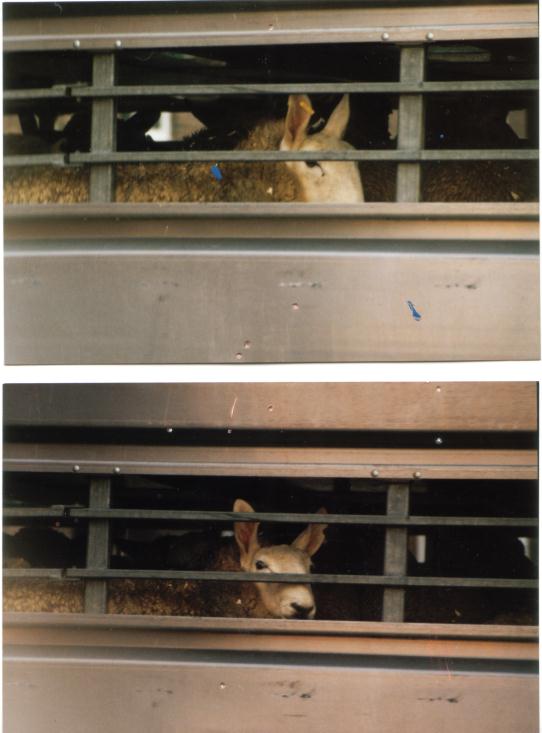
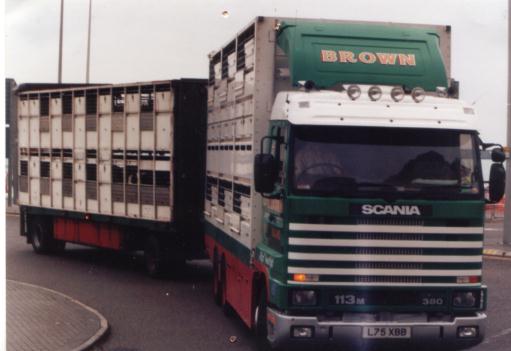
WAV Comment: I have personally been involved with the Ireland / France live calf issue for many years.During 2010–I worked with Dutch investigator friends at ‘Eyes on Animals’ http://eyesonanimals.com/ , as well as with ‘Animals’ Angels’ (Germany) http://www.animals-angels.de/startseite,en_ORG.html and PMAF (France) http://www.pmaf.org/ to produce a 125 page official investigation report for the EU Legal Affairs team in Brussels, Members of the European Parliament (MEP’s) and UK Parliamentarians (MP’s) – a report which specifically investigated live animal (calves) transport between Ireland and France; the very issue here.
Read more about it; plus a copy of one of the investigation reports, at:
Circulate and sign the petition to ask Stella Line to stop the horrific conditions of transport of calves between Ireland and France.
Ireland is a major milk producer in the EU, which means that many calves are born by the country’s dairy cows. Every year, 100 000s of Ireland’s dairy calves are exported alive and unweaned (about three weeks old) to the European continent, via France for further fattening/veal production in countries such as the Netherlands, Belgium and Spain. The sea voyage often goes from Rosslare in Ireland to Cherbourg in France through the Swedish shipping company Stena Line.
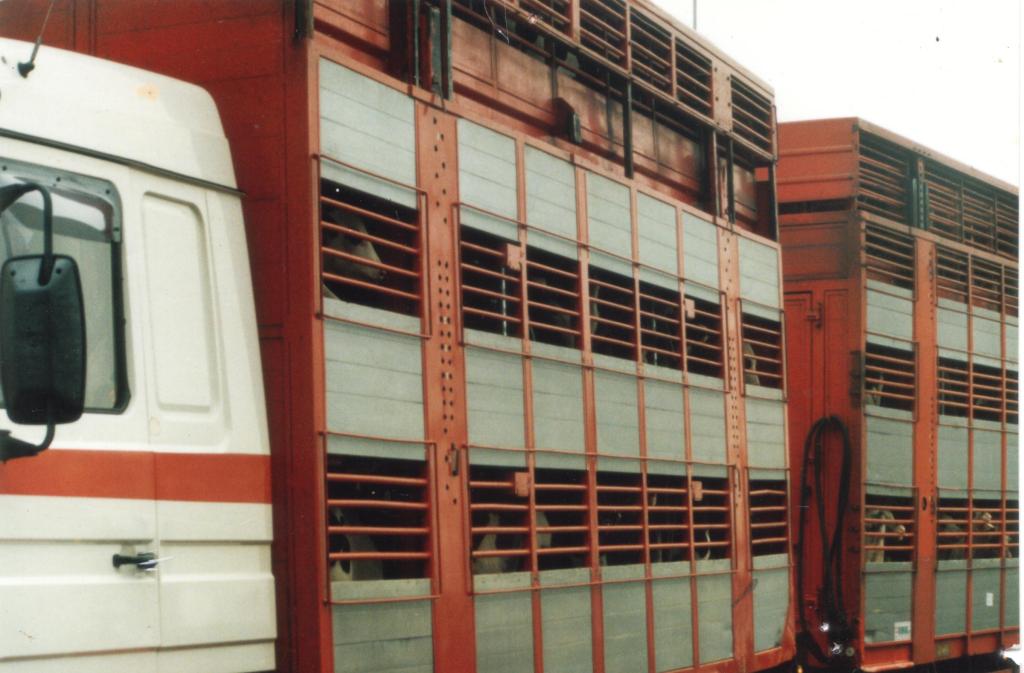
The transport takes place with animal transport trucks and usually takes between 23-29 hours from loading to unloading. During this time, the calves receive no milk substitute, only drinking water. This is a violation of EU Animal Transport Regulation 1/2005, which states that non-weaned calves must be fed at least every 18 hours. The EU regulation’s feed interval in itself is very long, Swedish guidelines are that non-weaned calves should receive milk replacement at least every 8 hours.
The Swedish Animal Welfare Association (Svenska Djurskyddsföreningen) and our partners Eyes on Animals, Ethical Farming Ireland and L214 have since August 2019 repeatedly informed Stena Line that their sea transports of unweaned calves violate EU animal transport rules. We have urged the shipping company to stop accepting these trucks for animal welfare reasons, but Stena Line has chosen to continue the transports. The Irish authorities unfortunately do not seem interested in protecting the calves.
We who sign this petition now call on Stena Lina to stop all maritime transport of calves from Ireland to continental Europe, as long as the EU’s animal transport rules are not followed. We ourselves will boycott Stena Line’s ferries until the shipping company stops the calf transports.
This petition will be handed over to the management of Stena Line by the end of 2020.
The summit is supposed to have taken place on 30/9/20. We will produce more on this as post meeting facts are known.
The year 2020 was meant to be a super year for nature and biodiversity, according to the UN. But with swathes of the planet in lockdown, Covid-19 has highlighted the risk of humanity’s unstable relationship with nature, with repeated warnings linking the pandemic with the destruction of ecosystems and species.
On Wednesday, the world will gather to discuss the biodiversity crisis at a virtual summit in New York. The UN secretary general, António Guterres, Prince Charles and the Chinese president, Xi Jinping, will open proceedings. Here is what to look out for.
Will China step up?
Next year China will for the first time host major international talks on the environment – postponed from this year – at Cop15 in Kunming, where the international community will agree a Paris-style agreement for nature. The stakes are high: governments failed to meet any of the UN targets to slow biodiversity loss for the previous decade and the drum beat of warnings about the state of the planet’s health is growing louder. Now the world’s biggest greenhose gas emitter is tasked with using its growing might to corral 196 countries into agreeing a plan worthy of the crisis.
Q&A
What is biodiversity and why does it matter?
Biodiversity is the variety of life on Earth, in all its forms and all its interactions. “Without biodiversity, there is no future for humanity,” says Prof David Macdonald, at Oxford University. It is comprised of several levels, starting with genes, then individual species, then communities of creatures and finally entire ecosystems, such as forests or coral reefs, where life interplays with the physical environment.
Without plants there would be no oxygen and without bees to pollinate there would be no fruit or nuts. The services provided by ecosystems are estimated to be worth trillions of dollars – double the world’s GDP. Biodiversity loss in Europe alone is estimated to cost the continent about 3% of its GDP, or €450m (£400m) a year.
Changes to the climate are reversible, even if that takes centuries or millennia, and conservation efforts can work. But once species become extinct, there is no going back.
China’s modern record on the environment is poor. Rapid economic development and huge infrastructure projects such as the Belt and Road Initiative have come at a huge cost to nature, destroying precarious ecosystems and leaving many cities with severe air pollution. But Beijing is uniquely placed to influence countries eager to follow its development model but distrustful of the conservation-focus approach of some European nations whose wild areas largely disappeared with industrialisation.
“I think China is absolutely critical to the issue of both climate change and biodiversity and land degradation. We are not going to solve these problems without leadership from China,” says Sir Robert Watson, former chair of the Intergovernmental Science-Policy Platform on Biodiversity and Ecosystem Services (IPBES), which informs the UN biodiversity negotiations with the latest science.
Some privately suspect that President Xi will surprise world leaders with another major environmental commitment during his speech at the summit’s opening, just days after he ramped up China’s carbon commitments by pledging to achieve carbon neutrality by 2060.
“They’ve had some really bad examples of land degradation when they deforested the Yangtze basin. Now, as I understand it, they’ve done a fairly significant replanting of trees in the Yangtze basin because it was leading to extreme floods and dust bowls. They also, of course, have terrible air pollution in their cities. I’m somewhat optimistic that China wants to show it is an economic power and play a leadership role in the world,” Watson says.
“I would argue that governments around the world need to work closely with China and see if, collectively, we can move in the right direction.”
The absentees and the reluctant
Summit organisers have been overwhelmed with requests from world leaders to speak on Wednesday. The Indian prime minister, Narendra Modi, Turkish leader Recep Tayyip Erdoğan, South African prime minister Cyril Ramaphosa and Britain’s prime minister, Boris Johnson, are among dozens of leaders jostling to make statements at the oversubscribed event. But the talks will be marked by those who are not scheduled to speak.
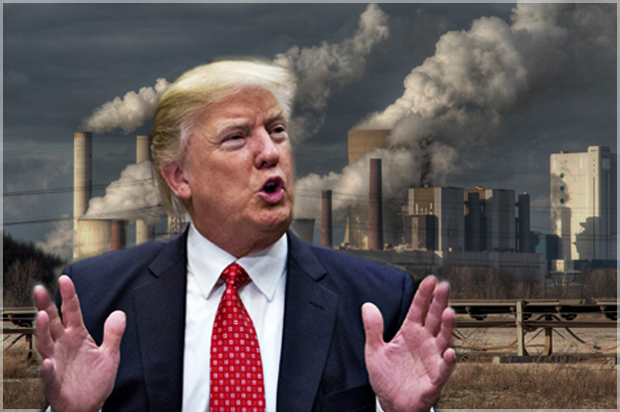
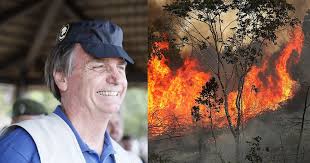
The US president, Donald Trump, will not appear and nobody from his administration is scheduled to address the event. Brazilian foreign minister Ernesto Araújo – who has previously dismissed the climate crisis as a Marxist plot – had been listed to represent his country in the place of president Jair Bolsonaro but the South American leader will now speak.
Russian president Vladimir Putin will not appear, sending the head of the ministry of natural resources, Dmitry Kobylkin, in his place.
All three men oversee vital life-sustaining ecosystems with global significance and Brazil has traditionally been a major player in UN environmental circles through its impressive diplomatic machine.
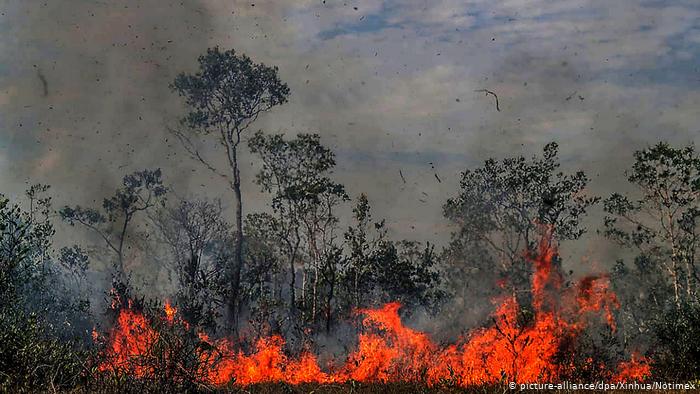
But under Bolsonaro, the Amazon rainforest continues to burn and many fear Brazil’s leader is steering his country towards environmental ruin. Last week the president hit back at the UN general assembly for a second year in a row about how the Amazon has been treated under his leadership, claiming Brazil was the target of a “brutal disinformation campaign”. While the US is not a party to the UN convention on biodiversity, Bolsonaro’s stance on the environment could have a major sway over the final Kunming agreement. Governments will listen to what Bolsonaro has to say with great interest.
One to watch
In between the world leaders, heads of state and royalty, indigenous youth activist Archana Soreng will also speak at the summit’s opening. The member of the Khadia tribe in India is part of the UN secretary general’s youth advisory group on climate change and will be a powerful voice for her generation.
Ambition to protect the planet
Before the coronavirus pandemic disrupted talks, Wednesday’s summit was meant to be the moment international leaders gave their input before negotiators headed to Kunming to thrash out a final agreement. While there is a danger that governments might ignore the environmental targets while grappling to rescue economies and save lives, there is cautious optimism that the opposite has happened.
“Look at the number of governments and states which have registered to make statements. That clearly by itself says something,” the UN’s biodiversity head, Elizabeth Maruma Mrema, told the Guardian. “Noticeable trends have emerged in this period of pandemic and in lockdowns. It has really brought up the voices of many actors we probably would not have seen or noticed.”
Despite the optimism, the ambition of the “Paris agreement for nature” will be reflected in the detail of measurable, targeted actions. As things stand, the draft Kunming agreement has headline targets of protecting 30% of the world’s land and sea by 2030, introducing controls on invasive species and reducing pollution from plastic waste and excess nutrients. Ahead of Wednesday’s summit, 64 leaders and the EU published an ambitious 10-point pledge that many privately hope will bounce other countries into being more ambitious. Watch out for how that translates into statements by countries such as Australia, China and India that did not sign the pledge.
Giving nature a financial value
Expressing nature’s value in financial terms has become a big focus of conservation efforts. With the cost of deforestation, pollution and species extinction absent from most economic models, calculating the economic contribution of ecosystem services that healthy forests, rivers and oceans provide to humanity has helped reframe the conservation debate.
Ahead of the talks, the insurance company Swiss Re calculated that more than half (55%) of global GDP, equal to $41.7tn, is dependent on high-functioning biodiversity and ecosystem services. But the research also found that major economies in south-east Asia, Europe and the US are exposed to ecosystem decline. The EU, Germany, Norway, Costa Rica and the UK are leading efforts to increase funding for nature. But to take meaningful action on the environment, many developing nations with high biodiversity – including Brazil and a number of African countries – want the creation of a global financial system that recognises their ecosystem services.
The UN’s co-chair on the Kunming process, Basile van Havre, who is tasked with combining all of the negotiating positions into a final agreement, said he understood their position.
“I think they’re putting on the table some concerns that need to be heard. There are commodities leaving Brazil and going to other places in the world, and they’re feeding economies in the other places. So, if I buy food items in the supermarket, how do we flow the money back to Brazil to support conservation? I totally understand the need of those local communities.”
While these issues will be sorted in the midnight negotiating hours in Kunming next year, watch for world leaders laying out their countries’ positions on ecosystem services on Wednesday.
The private sector and vested interests
Alongside governments, banks and private companies have announced commitments to protect nature ahead of Wednesday’s summit. HSBC, Allianz and Axa are among 26 financial institutions – representing more than €3tn in assets – calling on world leaders to reach an agreement to protect ecosystem function. Larry Fink, CEO of BlackRock, the world’s largest investor, will also take part in the leaders’ dialogue on harnessing science, technology and innovation for biodiversity.
But like the fossil fuel industry with climate talks, there could be significant pushback from major chemical and agricultural companies that might lose out through restrictions on fertiliser, farming practices and pollution through any agreement. Half a billion dollars of environmentally harmful government subsidies was highlighted as a key failure in the UN report on biodiversity targets.
“The landscape in the private sector is a bit different on nature and that’s one advantage we have,” Van Havre notes. “All that system of agri-food is very active and very worried because their bottom line depends on effective natural systems. They’re very engaged. They’ve learned from their climate change experience. So we’re not dragging them, they’re dragging us.
“It’s a very different world from the energy sector. We’re going to need to feed more people. So if anything, they have a bigger place in the world, it’s just a very different place.”
The summit as a focal point for campaigners
Ahead of the meeting, conservation groups and organisations have fired off a slew of press releases about biodiversity and their campaigning goals. Business leaders and philanthropists have announced increased funding for the preservation of nature alongside foreign ministers.
The Wildlife Trusts has launched a £30m fundraising appeal alongside the UK’s new commitment to protect 30% of land and sea by 2030. Most events have been based around the four-day Nature for Life events, with discussions on the sustainable development goals, business and nature, global ambition and local action.
• This article was amended on 30 September 2020 to reflect an update to the list of leaders expected to address the summit. A caption was also expanded, for avoidance of doubt, to make clear that the sheep photographed were sculptures.
WAV Comment – Morbihan is a department in Brittany, situated in the northwest of France.
New investigation in a cage rabbit farm in Morbihan
29 September 2020
L214
Today L214 presents new investigative images filmed at the end of August 2020 in a cage farm of more than 40,000 rabbits, located in Augan in the Morbihan.
Tomorrow, Thursday October 1, a bill from the Écologie Démocratie Solidarité (EDS) group aimed in particular at prohibiting cage farming will be discussed in the Economic Affairs Committee and voted on in the National Assembly on October 8. This survey concretely illustrates the situation of animals in intensive farming. MEPs will have to say whether or not they support this type of breeding.
The investigation shows terrible images of a large intensive rabbit farm located in the town of Augan, in Morbihan. More than 40,000 rabbits are locked there in small cages on a wire mesh floor. The breeding of nearly 3,000 breeding rabbits (6x more than the French average) who are artificially inseminated every one and a half months.
3 days before insemination, to optimize them, the rabbits are injected with the hormone PMSG, a hormone obtained from the placenta of pregnant mares. Each gives birth to about 9 young rabbits. More than 20,000 rabbits are thus engraved in each cycle.
According to fatality tracking documents, nearly 300 rabbits die at this farm every week.
The covered images of crowded and sick rabbits. Many pharmaceutical products are used routinely. Of all farm animals, rabbits are the animals most exposed to antibiotics.
The post ‘New investigation in a cage rabbit farm in Morbihan’ is modified from an article published by L214 Éthique & Animaux in their original language.
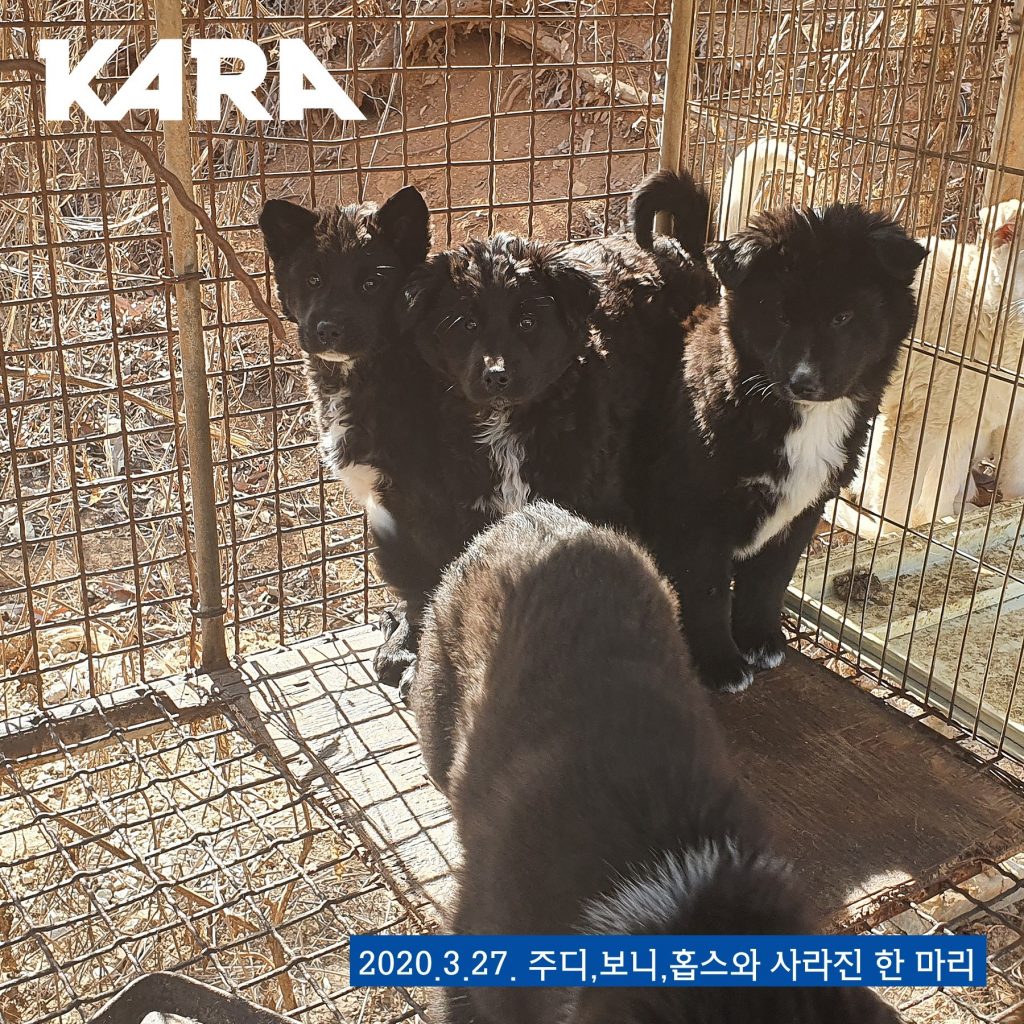
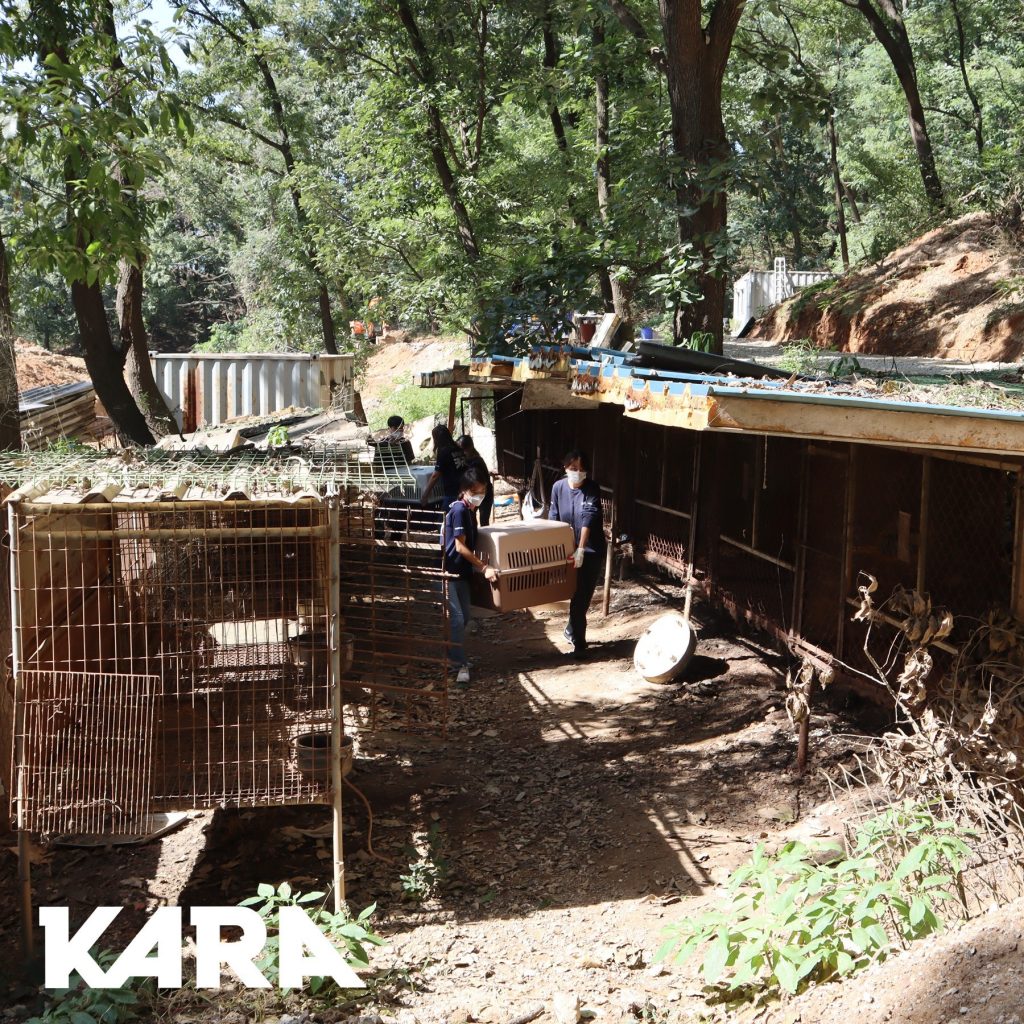
Odo-dong dog farm in Paju was operated by an illegal pig farmer who fed animals nauseating food wastes. This dog farm was not even identified by the city of Paju when the first African Swine Fever outbreak occurred last year in South Korea.
After inspecting the dog farm, KARA paid a visit to Paju City Hall and strongly protested the fact that the site, which was feeding animals with unknown food wastes, was becoming a serious quarantine problem. We also complained that leaving the dogs unattended obviously constituted animal abuse. Paju, however, responded that there was no abuse at the site and the dog farms were not subject to quarantine. Meanwhile, the dogs continued to disappear.
It was only when people, supporting KARA, began to file e-People petition complaints that the City of Paju began to take action. KARA was finally able to go to the site yesterday with a city official and get a waiver of ownership of the dogs, and at last rescue the remaining seven dogs.
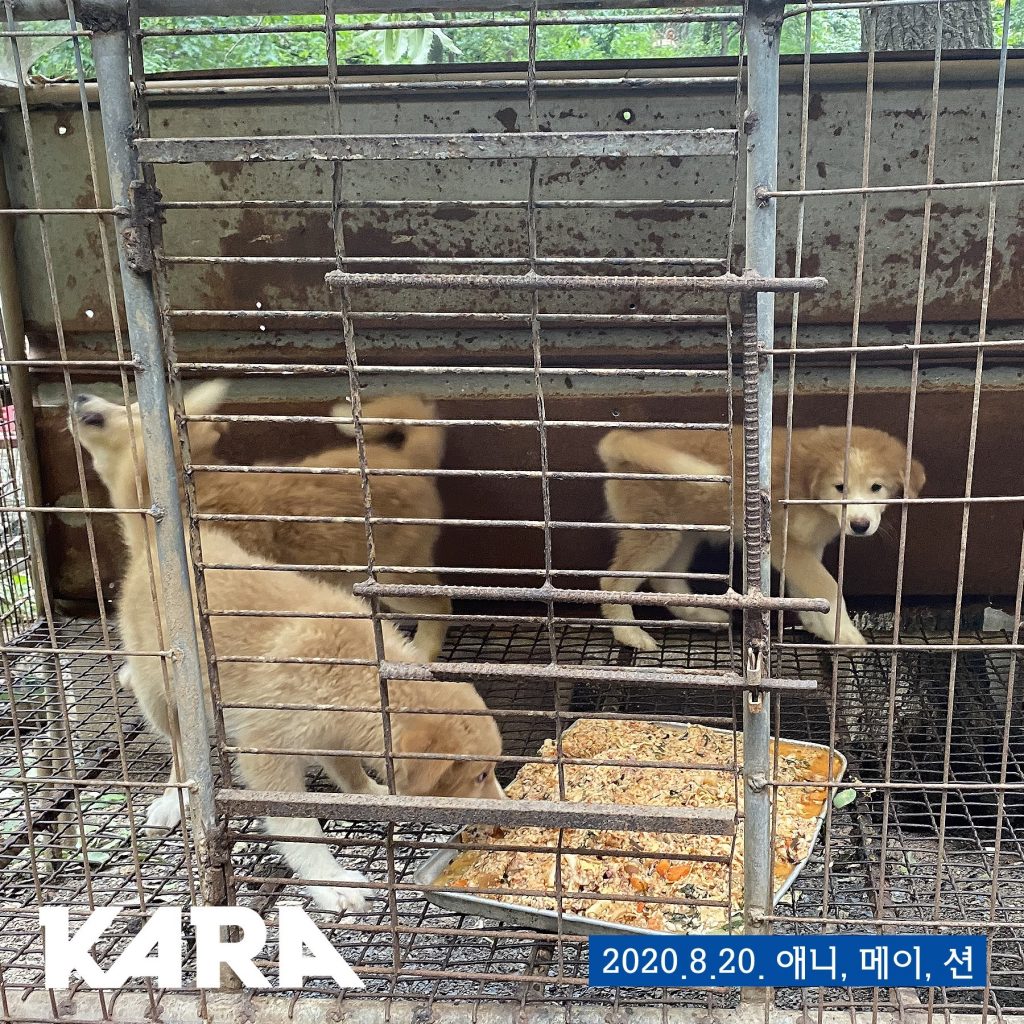
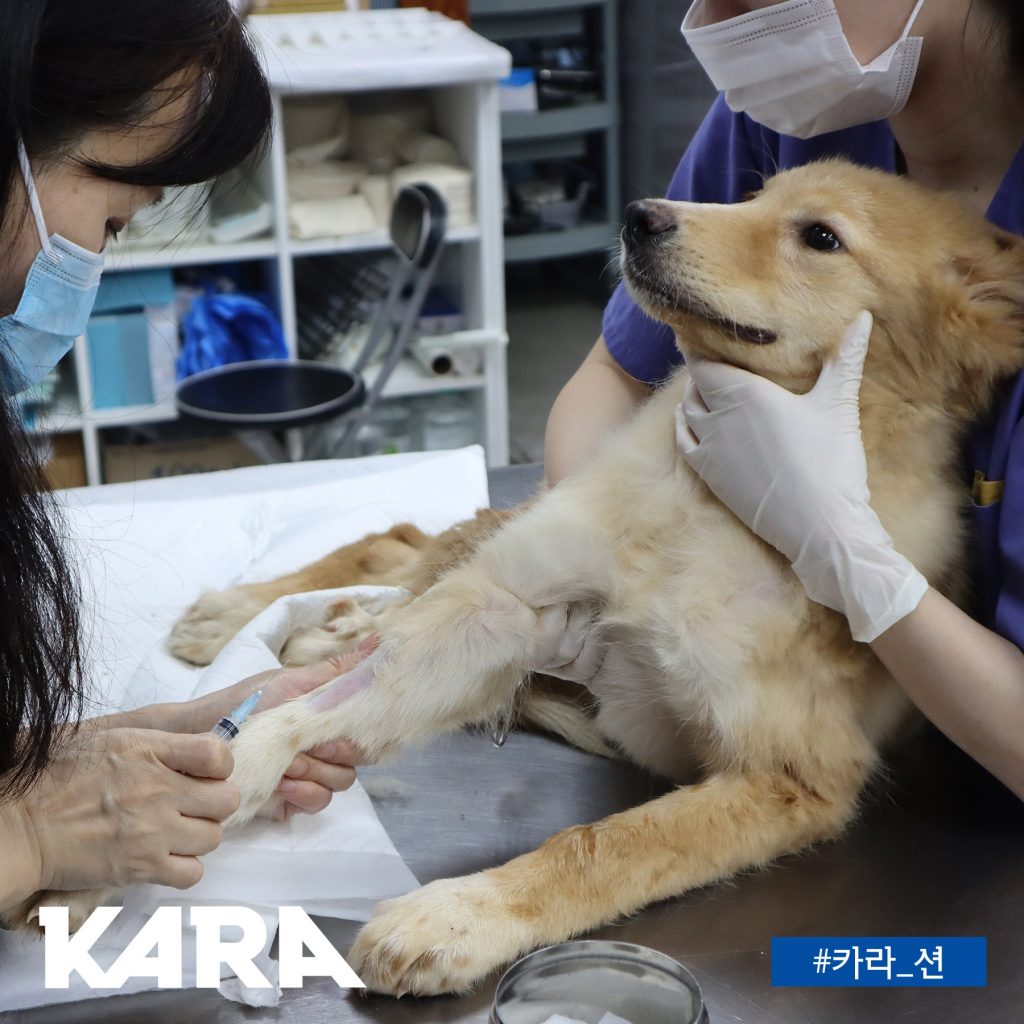
Three of the dogs rescued were siblings about 4 months old – brown haired Annie, May, and Sean. Each time we visited the dog farm in the past, these three young puppies had been left eating disgusting food waste, locked in a raised wire cage, without a sip of fresh water to be found.
Dark-haired Judy, Bonnie, and Hobbs also look like siblings. They are estimated to be between one and two years old.
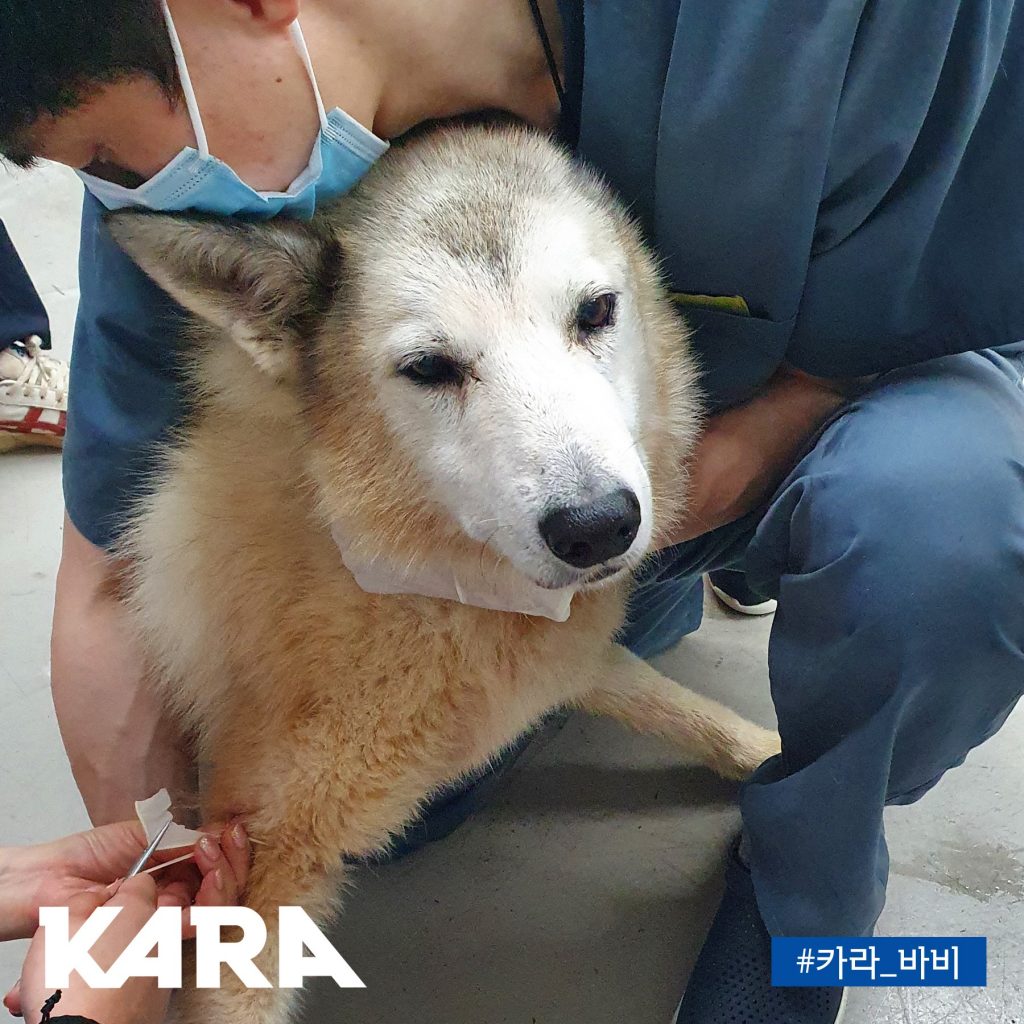
Bobby, appearing to be about eight years old, is the oldest dog rescued yesterday. His teeth are severely worn, presumably because he had been biting on the iron bars of the cage for a very long time. How long had it been since Bobby had been dragged to that dog farm and locked in a cage biting at the iron bars until his teeth were worn down? The poor animal also had a wound on his leg, likely from the sharp wires sticking out all over the inside of the cage.
After their rescue, Annie, May, Sean, Judy, Bonnie, Hobbs, and Bobby were given baths and received medical care. They no longer have to eat rotten food waste. They don’t have to lick their wounds or gnaw at the iron bars of the cage.
Dozens of empty spaces were found at the rescue site. The owner himself admitted that before he was caught there had once been dozens of dogs on the farm, and that they had been sold as “dog meat.” The dog farm in Odo-dong has now been closed down.
And yet, there are still too many dog farms in Paju alone, and the city persists in responding passively. KARA will continue to speak out until the final demolition of the cages left at the Odo-dong site; until the fate of the missing dogs has been determined; and until the Paju administration reverses its passive attitude.
We’ll be back with more details on the seven rescued dogs. We ask for your support to provide for the futures of Annie, May, Sean, Judy, Bonnie, Hobbs, and Bobby, who have been saved thanks to the actions of many caring people.
KARA is an animal rights group that has received perfect scores in non-profit transparency evaluation and is fully committed to honest donation management through external accounting audits.
People Are Ditching Meat ‘More Rapidly Than Thought’ New Research Finds
‘Our research findings may come as a surprise to many…it identified a new class of casual consumer who are reducing their meat consumption much more rapidly than thought’
People across Europe are reducing their meat consumption ‘much more rapidly than thought’, according to new researchpublished by New Food Magazine.
Dutch firm ingredients firm Griffith Foods has undertaken a Pan Europeansurvey looking into consumer behaviour, polling around 4,000 people in the U.K, Germany, France, and the Netherlands.
The organization says the emerging flexitarian market – of people who actively want to reduce their meat intake and try alternative proteins – is larger than previously thought.
Demand for meat-free food
The survey found that consumers want more ‘adventurous’ vegan and veggie options made available – with different cuisines including Asian and Mediterranean on offer rather than just standard veggie burgers.
When it comes to meat alternatives, flexitarian shoppers are seeking products with a more meat-like texture than many of the options currently available.
‘Much more rapidly than thought’
“Our research findings may come as a surprise to many, especially as it identified a new class of casual consumer who are reducing their meat consumption much more rapidly than thought,” said Wim van Roekel, president, Griffith Foods, Europe & Africa, said. https://699ea66e9c4b36ecceec62001322af8f.safeframe.googlesyndication.com/safeframe/1-0-37/html/container.html “That has major implications for food retail manufacturers and producers, and their response to capture and cater to this newfound mass market.
29/9/20 – Breaking News from the Fur Free Alliance
WAV Comment – we have just had this news in and we want to immediately share it with you.
The transition period is stated as 5 years; but we know with experience from the Netherlands and Poland; we feel eventually it will be a very much shorter time – given Covid and the rest.
Even better; it seems that a ban on wild animals in circuses is also to be included in the legislation.
BIG Congrats to all the crew at the FFA – another victory to rid the world of barbaric fur farming.
FRANCE, 29 SEPTEMBER 2020 – In a historic move, this morning the French minister of Ecological Transition announced to prohibit fur production. The decision follows a recent expose from our French member One Voice of the hideous conditions on France’s last 4 remaining fur farms.
The ban on fur farming will go into force after a 5-year transitional period. Besides the prohibition of fur production, the announced measures also include a ban on wild animals in circuses.
Muriel Arnal, CEO of French animal protection organisation One Voice, says:
“What a hard fight… thanks to all our partners in the Fur Free Alliance for their help in the last moments. We finally have a ban. But it will take place in a very long time compared to the Netherlands. With only 4 remaining farms we expected a much stronger announcement. We will keep on fighting to close down these 4 farms before the deadline set by the ministry of Ecology.”
Last week Fur Free Alliance member organisations around the world urged the French government to take immediate action and shut down France’s last remaining fur farms.
Read our joint letter to French Minister Pomili here.
Recent investigations on French fur farms, recorded in 2017, 2019 and once again in 2020, revealed shocking examples of animal suffering, including mink with physical injuries kept in appalling conditions and displaying stereotypical behaviour. Some of them had injured eyes, missing teeth, missing tails, paralysed and necrotic legs, and skin diseases.
Together with OneVoice we call on the French government to speed up the transitional period and prohibit fur farming at the earliest opportunity.
Read more about our work here under the ‘Serbian Animal Voice’ label. After the exports were exposed, the Serbian government denied it all; and issued threats to all those involved with the expose. Serbian animal shelters were even threatened with closure !. We stuck our ground and in the end proved that the sheep exported to Isreal had originated with approval in Serbia. Read the following (SAV) links below for more. Note – we (WAV) still operate SAV in conjunction to WAV, which is now the prime site.
EP Animal Transport Committee meet for the first time
28 September 2020
The ANIT-Committee has not yet published a timetable for upcoming activities but among the important next steps to take will be the appointment of the rapporteur and the shadow rapporteurs of the investigation report.
Almost half of ANIT’s 30 Members and 25 substitutes are also Members of the EP Intergroup on the Welfare and Conservation of Animals which was a driving force in calling for its creation. The Committee of Inquiry was established by a very large majority during the EP’s plenary session in July 2020 upon a request presented by 181 MEPs to the Conference of Presidents (EP President and leaders of political groups in the House).
The Committee’s main objective will be to look into alleged violations in the application of European Union law governing live animal transport both within and outside the Union. For this, they can consult experts and stakeholders and invite them for public hearings or carry out themselves study trips (COVID-19 pandemic allowing) to see the situation on the ground. The results of the inquiries and assessments will be the basis for an investigation report which will be adopted at the end of ANIT’s one-year mandate. This report can be used as a source document for the urgently needed revision of Council Regulation (EC) No 1/2005 on the protection of animals during transport and related operations.
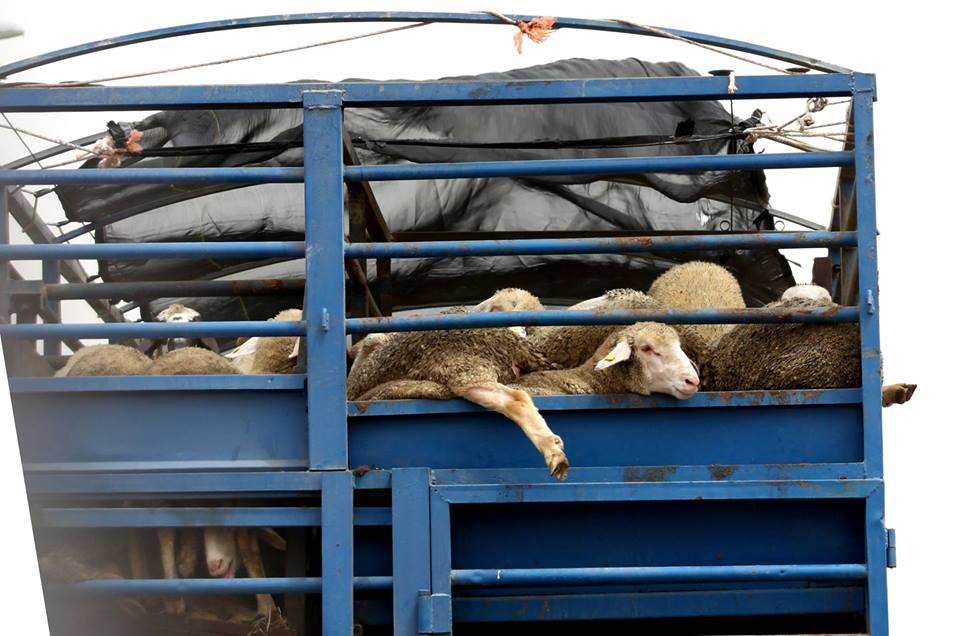
Photo – Sheep being exported – Mark
The ANIT-Committee has not yet published a timetable for upcoming activities but among the important next steps to take will be the appointment of the rapporteur and the shadow rapporteurs of the investigation report.
This report, drafted by Animal Welfare Intergroup Member Jørn Dohrmann MEP (ECR, DK), was adopted at the end of the last Parliamentary term. It specifically recommends in its article 22 that the “Parliament establishes a committee of inquiry on the welfare of animals during transport within and outside the EU as from the beginning of the next parliamentary term in order to properly investigate and monitor alleged contraventions and maladministration in the application of Council Regulation (EC) No 1/2005 on the protection of animals during transport. The current ANIT Committee is therefore also a consequence of this recommendation expressed by the EP during the former term.
A Mercy For Animals investigator went undercover at a U.S. egg factory and found live hens kept in tiny cages with decomposing birds, animals with open wounds, and chickens so calcium deficient they laid eggs without shells.
The investigator describes appalling conditions in dark, windowless sheds, which can be as long as a football field. Here, hundreds of thousands of chickens are forced to live for more than a year—nearly the entirety of their short lives. They are kept in cages so small that they cannot even spread their wings or move without stepping on other birds. In the United States, the vast majority of egg-laying hens are kept in tiny cages just like the ones in this video.
Hens like these have been bred to lay far more eggs than their wild ancestors ever would, laying one egg nearly every day. In fact, the average commercial egg-laying chicken in the United States lays 294 eggs a year, while their direct ancestors, the red junglefowl, lays just 10 to 15 a year.
Laying so many eggs depletes the hens’ bodies of calcium, needed to form eggshells. As a result, their bones often become brittle, and some birds have so little calcium left in their bodies they lay eggs without shells. The investigator said, “I witnessed many hens with broken bones or open wounds but saw none of them receive individual veterinary care.”
Many chickens do not survive the horrific conditions. Those who die are left to rot in the tiny cages, and live hens are forced to stand on or against the decomposing bodies.
At the end of their short lives, the birds are violently removed from their cages, carried upside down by their legs, and stuffed into cages for transport to slaughter. Chickens are sensitive, complex individuals capable of empathizing with their peers and creating strong friendships. Despite this, hens in factory farms are treated like unfeeling objects.
In addition to extreme neglect, disease prevention in the egg factory was not taken seriously. One of the most basic biosecurity measures in agriculture is to step through a tray of disinfectant before entering a building with live animals, yet the investigator “observed workers routinely bypassing the disinfectant tray.”
To make matters worse, the U.S. government recently announced it would stop requiring full-time government inspectors in plants that process egg products, meaning inspectors will visit a plant only once per shift. This decrease in oversight could pose serious risks to food safety.
Above – A sickly young woman sits covered up on a balcony; death (a ghostly skeleton clutching a scythe and an hourglass) is standing next to her; representing tuberculosis. Watercolour by R. Cooper, ca. 1912. Credit: Wellcome Collection
As always; the ‘Guardian’ (UK national press) produces some superb articles about animals and environmental issues.
The only way we can really reproduce the article on farm animal pandemics is to provide the link and then to let you click and read for yourself.
Symposium and Workshop: Replacing Fetal Bovine Serum (FBS) in Research & Testing
21 September 2020
Fetal bovine serum (FBS) is used as an additive for cell and tissue culture media in biomedical research and testing to enhance cell growth.
However, there is massive underlying animal suffering in FBS production: To obtain the serum blood of unborn calves is collected by syringe from the beating heart of fetal calves without anaesthesia, even though there are clear indications that calf fetuses are already capable of suffering. In addition to the ethical dilemma, scientific reasons speak against the use of FBS as well: The exact composition of the serum is unknown and there is the risk of contaminations from pathogens potentially present in animal sera. This can compromise cell cultures performance and subsequent experiments.
Thus, switching to FBS-free medium is both an ethical and a scientific necessity. Alternatives to FBS exist and are already used in many cell cultures. Our symposium at the TranslaTUM in Munich aims to draw the attention on this topic and to increase the acceptance of alternative media already existing. Our subsequent satellite workshop at the Academy for Animal Welfare in Neubiberg will present techniques how cells can be easily switched to FBS-free media.
Symposium on November 3rd, 2020:
International experts from universities, industry, regulatory authorities and animal welfare will discuss the current status on the use of fetal bovine serum (FBS) and present ethical and scientific advantages of FBS-free alternatives. Lectures and discussions will be held in English. The one-day symposium takes place in the large auditorium at the TranslaTUM in Munich. Due to social distancing regulations to restrain the COVID-19 pandemic, participation is currently limited to 50 – 100 participants. Target Group Symposium: Undergraduate, graduate and PhD students in the fields of biology, medicine, veterinary medicine and related fields of study, post-docs, working group leaders.
Speakers Symposium:
Dr. Jan van der Valk (3Rs-Centre Utrecht Life Sciences)
Dr. Karen Bieback (Heidelberg University; German Red Cross Blood Service BadenWürttemberg – Hessen gGmbH)
Dr. Aline Chary (Luxembourg Institute of Science and Technology)
Dr. Sandra Coecke (Joint Research Centre of the European Commission)
Dr. Joachim Wiest (cellasys GmbH) · Tilo Weber (Animal Welfare Academy; Office for Alternatives to the Use of Animals in Research, Testing and Education)
Location Symposium: TranslaTUM Großes Auditorium Einsteinstr. 25 81675 Munich, Germany Date: November 3rd, 2020 from 8:30 a.m. (registration from 8:00 a.m.) to approx. 5:00 p.m.
Workshop on November 4th, 2020:
In the practical section of the satellite workshop, the suitability of serum-free medium for cell cultures will be demonstrated by Dr. Joachim Wiest (cellasys GmbH). Participants will be trained how to perform a switch of cells from serum-containing to serum-free medium using the cellasys #8 protocol. The suitability and the possible effects on the cells will be assessed based on the results of the demonstration.
The theoretical section of the workshop consists of lectures on the scientific risks of FBS and the availability of alternative media (Dr. Jan van der Valk, 3Rs-Center Utrecht Life Sciences) and information on further laboratory reagents of animal origin, such as polyclonal antibodies, gelatine, collagen, trypsin, Matrigel etc. (Tilo Weber, Academy for Animal Welfare). Lectures and demonstrations will be held in English.
The one-day satellite workshop will take place at the cell culture lab of the Academy for Animal Welfare (Akademie für Tierschutz) in Neubiberg. The workshop is limited to 10 participants. Meals are included. For workshop participants that are not resident in Munich or the vicinity, accommodation is included as well. Participation at the Symposium is required. Target Group Workshop: MTA, BTA, PhD students, post-docs.
Location Workshop: Akademie für Tierschutz (Academy for Animal Welfare) Cell Culture Lab Spechtstr. 1 85579 Neubiberg, Germany Date: November 4 th, 2020 from 9:00 a.m. to approx. 5:00 p.m.