With thanks to Stacey at Our Compass
Our Compass | Because compassion directs us … (our-compass.org)
Regards Mark
But if you don’t ignore the violent suffering of animals, kids will get cavities …
FEBRUARY 16, 2023
by Stacey
I’m gonna have to call out some traumatized nonvegans again. On a comment board following a NYT opinion article Rescuing Farm Animals From Cruelty Should Be Legal in favor of a DxE rescue of two chickens from the death industry, some nonvegans had to digitally vocalize why those two chickens should have instead violently suffered death in a “caring, welfare-respectful establishment” – while ignoring that there are zero laws “protecting” “food animals” – in a world where trillions of animals violently suffer yearly for a largely indifferent society that doesn’t experience anger at SUFFERING but rather at people who rescue animals from suffering. I know that was really wordy, but it’s hard summarizing the mass, incalculable violence and pain humans effortlessly inflict, but relentlessly defend, on innocents. (And I’ll just point out here that ALL animal exploitation is cruel, not just “some”.) The comments were eventually closed so I was unable to respond to a couple directly, and while there’s probably a 100% chance of 0 that the original commenters will see my responses here, I think it’s important to make these corrections in general as so many of these excuses are inaccurately-yet-consistently demonstrated by so many non (anti) vegans, whose only change is their name, to attempt to validate injustice. And I can’t just ignore them. Sue me.
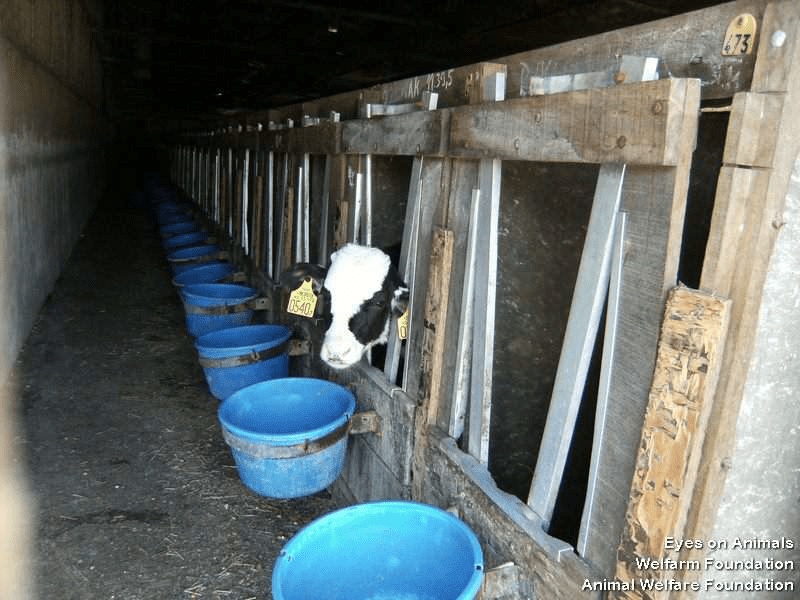
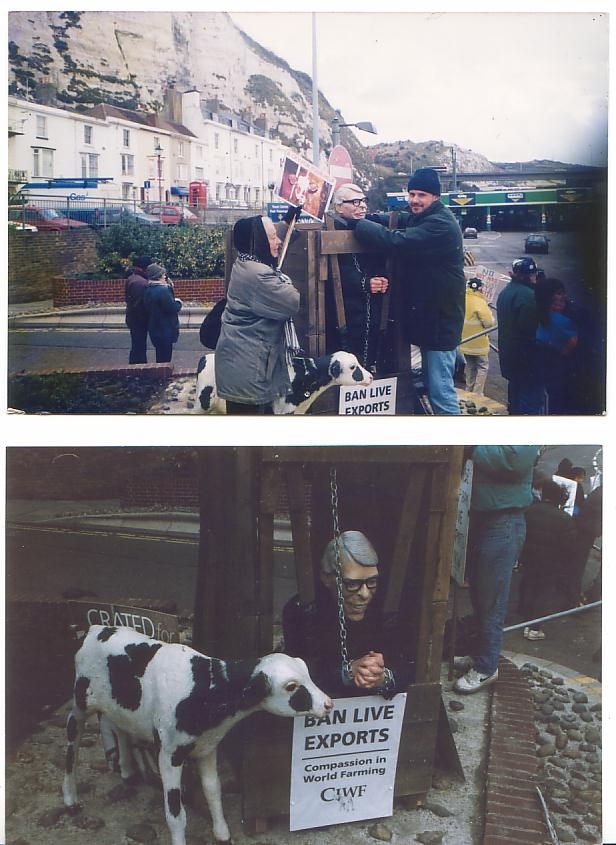
This is a favorite of mine: nonvegans demanding vegans make violence against animals more comfortable for nonvegans. So instead of saving chickens, because obviously Michael likes to eat chickens, animal rescuers need to instead concentrate on saving “veal” calves, obviously because Michael doesn’t like the flavor of infant flesh but needs to deflect from his willing participation in chicken suffering and float the idea that because calves violently die due to not being rescued by vegans – versus being killed for and by nonvegans – he can’t be bothered to not kill chickens. (I mean, antivegan’s excuses are like a brain trust in reverse.)
(And they’re not “its”, but I understand that humans have been exploiting speciesist language to distance themselves from their sentient victims since communication was born and it’s just easier for people to refer to boats as “she” and animals as “its”.)
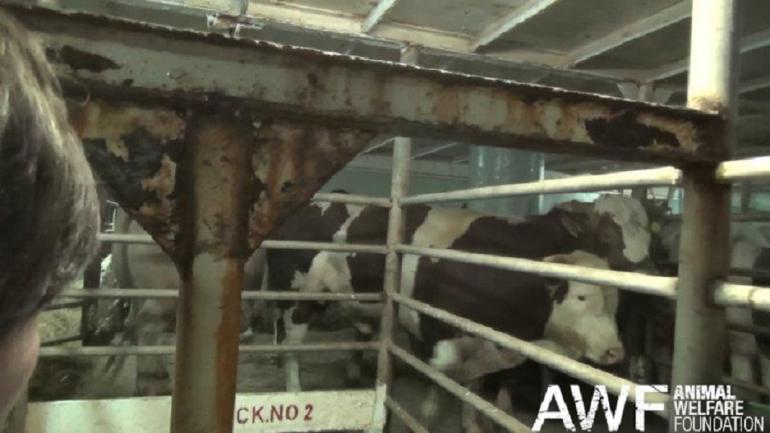
I actually answered this one by factually demonstrating, with USDA data, that “veal” is caused by “dairy”. In other words, Michael, your milk, cheese, and ice cream consumption – because you actually do like to eat those – are responsible for all those poor, sweet baby cows being violently confined and killed as early as 3 weeks of age (of course there are millions who violently die at an even earlier age of 0 in slaughterhouses, too, when their mothers are violently killed and cut open to – surprise! baby here who needs to be killed too).
Michael’s response?
Silence, aka, a hugely silent, “OOOOOOOOOOPS!!! I didn’t know that so will just pretend that I still don’t know and ignore that I personally cause baby cow suffering AND chicken suffering ….”
Of course.
Cruelty is only offensive when you don’t know about or acknowledge that you are directly responsible for said cruelty.
But yes, it’s vegans’ responsibility to help Michael sort his conscience on his self-serving journey to zero accountability….
Just stop the tantrum-blaming, suggesting your cruel actions and violent behaviour are someone else’s responsibility, I’m not here to make you feel better about abusing animals, that’s all on YOU, YOU enable “veal crates” and other suffering via your actions and pathetic welfare “reform” internet support and involvement in an inherently cruel “system” that normalizes a culture of violent animal suffering and death that is ALL RELATED. (And as for those “reforms” I swear I’m going to hurl if I see another person scream, “Yes, pass those regulations, I’m more than happy to pay more for humanely raised animals!!!” while STILL supporting what they admit is cruel NOW. Not to mention – again – that ALL animal exploitation is inherently cruel (if a bigger cage is important, what’s more important than NO CAGE?), it’s just that people have been brainwashed into conformist flesh zombies, believing that unethically and inhumanely violating and violently killing animals is ok because “poor people, male-calves-I-mean-oooops-not-really, a vague future with maybe bigger cages, children’s cavities tho” … :
How about you? Because, you know, instead of spending time criticizing people who spend time helping animals, how many teeth could you have saved by NOT taking time reading and commenting on an article that makes you angsty? (Are you even a dentist or are you implying we all just need to grab some pliers? Seems a bit torturous but I wouldn’t expect an animal abusing apologist to care much about kids anyway.)
But you don’t really care about kids, you care about inventing some fake moral outrage so you don’t have to address the factual suffering and cruelty YOU cause that you could easily NOT.
I mean, imagine feeling so insecure as to suggest that NOT helping animals is required to helping kids while simultaneously ignoring abject animal abuse – animals being boiled alive in this case – because you’re incapable of being a decent human who refuses such cruelties but have to pretend that you’re not complicit because kids get cavities. Desperate much? I can’t even word your illogic logically it’s so bizarre.
But do tell how your violence helps kids with their medical care. And do share also how many sports events, malls, libraries, grocers, theaters, clothing stores, zoos, vet clinics, etc., etc., etc., you’ve visited, screaming at people who shop, play sports, or watch tv, that THEY should instead spend time helping other humans with their dental needs.
Oh. It’s only people who care about animals that you enragingly target: “I refuse to minimize animal suffering so I’m just gonna criticize those who do!!!”
You know why? Because you can’t justify your cruel behaviour, but rather than examine and change it, you have to try to bring others down to your level of indecency and apathy. Indeed, rather than choosing plant-based milk instead of suffering cow’s milk, you have to falsely accuse animal rescuers of being anti-human to deflect from your pro-abuse behaviour.
The hubris irony of “humanitarians” who demand those very humans NOT exercise their rights and ethics to minimize suffering. Honestly, I’ve never been hit with so much hatred than from antivegan “humanitarians” who casually forget that vegans are, you know, human.
And by the way, millions upon millions of animals are condemned (removed from “food supply”) yearly due to disease, neglect, and squalor, do they affect kids’ teeth? Or is it only the animals who are rescued … from you?
And to be clear, the people who spends gobsandgobs of time killing animals, abusing animals, hunting animals, eating animals, cooking animals, using animals, buying animals, wearing animals, breeding animals, impregnating animals, mutilating animals, celebrating animal violence, encouraging more violent exploitation of animals, mocking animal suffering, and mocking people opposed to animal exploitation, are cool, though? As long as a person’s time used to abuse animals aligns with your standard of “legitimate time suckage via animal suffering” they’re good?
So much logic it makes me want to cry ………..
The last comment was correct, but the disinformation machine is alive and violently successful in the first. People say things with zero hesitation because many honestly believe what they’re saying is the truth based on what THEY heard and on and on and on. (Listen to Jem’s They)
You can’t have “empathy” for animals you eat. You have to literally smother your capacity for empathy and instead adopt indifference and word salad justifications overandoverandover to make yourself believe that abusing animals benefits animals. And “humanely raising” is reserved for beings who benefit from a nurturing environment of care and support as they age, not one that exploits and violates your body prior to your body being violently killed and eaten at a fraction of your “normal” lifespan, ffs.
But where are these small farms that slaughter their “own animals” and sell them to community members? I see this “advice” all the time.
Which is really bizarre.
Because it’s illegal.
It’s not a fruit stand, folks, you can’t just “stop by” Farmer Bob’s on your way to bingo and buy a leg and a pound of guts.
In the US, all flesh commercially sold requires inspection and certification via a slaughterhouse. While farmers can kill and consume their “own” animals, it’s illegal to sell their body parts to others.
What’s really (angeringly) interesting is that you’ll NEVER see farmers or industry shills correcting misinformation. No, instead they fuel it with ludicrous, “We love the animals, they’re like our children!!!”
Yikes.
Imagine the absolute betrayal animals experience at the violent hands of their “parents”.
Ah, LB from Minneapolis nobly participates in abject animal suffering because LB is concerned about “poor people”: “I really, really hate abusing animals, but I’m forced to eat dead animals to help poor people…………..”
I wonder if LB smokes and also encourages other people to smoke to sustain tobacco farmers? They have families to feed, too, right?
Honestly.
Caring about poor people doesn’t require animal abuse, that’s just the desperate position you take to garner social approval for being pro-violence. Not one utterance of shock at the violence you cause, LB, just vague references excusing it because “other people tho”; and not actively condemning animal exploitation by being vegan DOES defend factory farming. The entire world loves to object to factory farms on the internet but even with such global condemnation, they still exist “producing” >90% of animals violently killed globally for consumption each year. Someone’s fibbing, LB. Shocker.
And let’s be honest: it’s actually privileged to believe others’ bodies belong to you and abuse and kill them for that belief.
And empathy is free. Use it!
Zero antivegans care about poor people, migrant workers, people who live in food deserts, or quinoa farmers in Peru until vegans enter the room. Then they turn into snot-sobbing humanitarians who boldly sacrifice ethics and exploit other people’s tragedies and negative experiences to (attempt to) legitimatize eating violence (while also ignoring that the largest consumer segment of plant-based food are people who also eat animals).
You can care about animals and humans. At the same time. I do, why can’t you?
A pound of “ground beef” would cost about $35 minus subsidies, how about you stop exploiting animals and use those dollars in a more worthwhile manner? Because rather than admit that you don’t need to support animal abuse, you deflect by instead pretending that violence against animals is ok based on “my (fake) hurty feelings about poor people tho” and criticize people who support animal rescue.
And by the way, when people exploit “poor people” to (attempt to) legitimatize their personal contribution to animal suffering, they’re suggesting that poor people are incapable of being vegan and minimizing animal suffering. And THAT’S offensive. SL
Download Your FREE Vegan PDF HERE
Order a FREE vegan kit HERE
Dairy-Free Info HERE
Take the Dairy-Free Challenge HERE
Click HERE for more Dairy-Free
Fish alternatives can be found HERE
Learn about eggs HERE
Find bacon alternatives HERE and HERE
Take PETA’s Cruelty-Free Shopping Guide along with you next time you head to the store! The handy guide will help you find humane products at a glance. Order a FREE copy HERE
Searching for Cruelty-Free Cosmetics, Personal-Care Products, Vegan Products, or more?
Click HERE to search.
Free PDF of Vegan & Cruelty-Free Products/Companies HERE
Click HERE to find out How to Wear Vegan!
Want to do more than go vegan? Help others to do so! Click below for nominal, or no, fees to vegan literature that you can use to convince others that veganism is the only compassionate route to being an animal friend:
PETA HERE
Vegan Outreach HERE
Get your FREE Activist Kit from PETA, including stickers, leaflets, and guide HERE