Category: Farm Animals

EU: EFSA scientific opinions on the welfare of animals during transport.

Same.

EFSA scientific opinions on the welfare of animals during transport

7 September 2022

The European Food Safety Authority publishes its recommendations to improve animal welfare during transport. Eurogroup for Animals welcomes the new research but we would have hoped for stronger recommendations given that the evidence of animal suffering is there.

Terrestrial animals (pigs, cattle, domestic birds, small ruminants and rabbits)

We welcome EFSA’s opinion on the welfare during transport of pigs, cattle, domestic birds, small ruminants and rabbits. The research confirms and enumerates the many hazards associated with the loading/unloading, transport by road, rail or sea and handling for several species: group stress, handling stress, heat stress, injuries, motion stress, prolonged hunger, prolonged thirst, respiratory disorders, restriction of movement, resting problems and sensory overstimulation, and the list continues.

Although for the different species there is clear evidence that negative mental states such as pain, fear, fatigue, boredom, discomfort and stress are present from the beginning of the transport and only get worse as the duration of the journey increases, EFSA doesn’t recommend shorter journeys for the majority of the species, stating, for example that rabbits and domestic birds can be transported for up to 12 hours. Moreover, EFSA provides recommendations to mitigate the risk related to high stocking densities. In the majority of the species, these recommendations do not even allow animals to lie down comfortably during the journey. 

EFSA concludes that sea transport adds even more hazards to animal welfare than other types of transport for all the species analysed. Nevertheless, the opinion doesn’t take any conclusion regarding this topic, even suggesting that more evidence is needed. During the past decades we witnessed continuous failures of sea live exports, which provided plenty of evidence. The European Commission (EC) should not need more evidence, nor tragedies, to support a ban on live exports. 

On the specific case of unweaned calves, although there is clear evidence that there are higher risks for these animals, EFSA doesn’t recommend a ban, taking a weaker stance and recommending that they can be transported after 4 weeks of age. 

Although we are disappointed that the EC has not gathered the latest scientific knowledge on the welfare of fish and other aquatic animals in these EFSA opinions, we are reassured by Commissioner Kyriakides recent written response to MEPs confirming that the EC will mandate EFSA to gather this knowledge in support of provisions to be introduced through delegated acts.

Finally, we welcome EFSA’s recommendation to transport fertilised eggs and support on-farm hatching in order to reduce the transport and handling stress of day-old chicks. 

Although the EFSA opinions regarding the welfare of pigs, cattle, small ruminants and domestic birds during transport demonstrate the continued suffering of these animals, they lack stronger conclusions to protect their welfare. Animals experience several negative affective states, such as hunger, stress, pain and discomfort, from the very beginning of the journey. Their condition increases in severity with the journey duration. Over the years, practical experience, scientific evidence and experts’ opinions have demonstrated that there is no possible mitigation for the hazards that long journeys over rail, road or sea pose to animal welfare. There is an urgent need to reduce maximum journey times overall, and to introduce a ban on live exports and on the transport of certain types of animals such as unweaned calves. Ultimately, the solution is to replace live animal transport with a meat and carcasses trade

Reineke Hameleers, Eurogroup for Animals CEO

Equids

Eurogroup for Animals welcomes EFSA’s scientific opinion on the Welfare of equids during transport. The new research confirms that transport is a critical stressor with high implications for their welfare, and corroborates the need for stricter legislation on the transport of horses, donkeys and their hybrids. 

EFSA’s recommendations align with Eurogroup for Animals’ proposals on the training requirements for transporters and handlers and confirm the need to develop protocols to assess the welfare of horses during transport. We also acknowledge and support EFSA’s suggestion to use technological tools and systems to ensure and monitor microclimatic and animals’ conditions.

Although we acknowledge EFSA’s recommendation to maintain journey duration to a minimum, we note with concern the absence of clear recommendations on species-specific maximum journey times. Evidence analysed by EFSA clearly demonstrates the need to set limits on journey times at 8 hours, including for equines destined for slaughter. With the abundance of research on the topic, we urge the European Commission not to further delay action.

We support the conclusions of EFSA on the transport conditions of equines destined for slaughter, highlighting that these animals are often transported over long journeys and in poor conditions, because they are considered of lower value and often suffer from health issues prior to their final journey. Along with EFSA, we also encourage further research on whether control posts really address animal welfare concerns during long journeys and support EFSA’s recommended period of minimum 12-hour rest for equines at a control post, including loading and unloading.

While EFSA mentions that there are no agreed scientific guidelines on fitness for transport, World Horse Welfare, Eurogroup for Animals and other organisations contributed to the Practical guidelines to assess fitness for transport of Equidae (horses, donkeys and their hybrids) supported by the European Commission and WOAH.

EFSA’s scientific opinion on the welfare of equidae during transport clearly demonstrates the need to set maximum journey times. The evidence is there, it is now time for the European Commission to act. The new research reminds us that transport conditions affect the welfare of all equines, calling for stricter rules for all these animals, regardless of their destination.

Reineke Hameleers, Eurogroup for Animals CEO

All the scientific opinions can be found on EFSA’s website.

Regards Mark
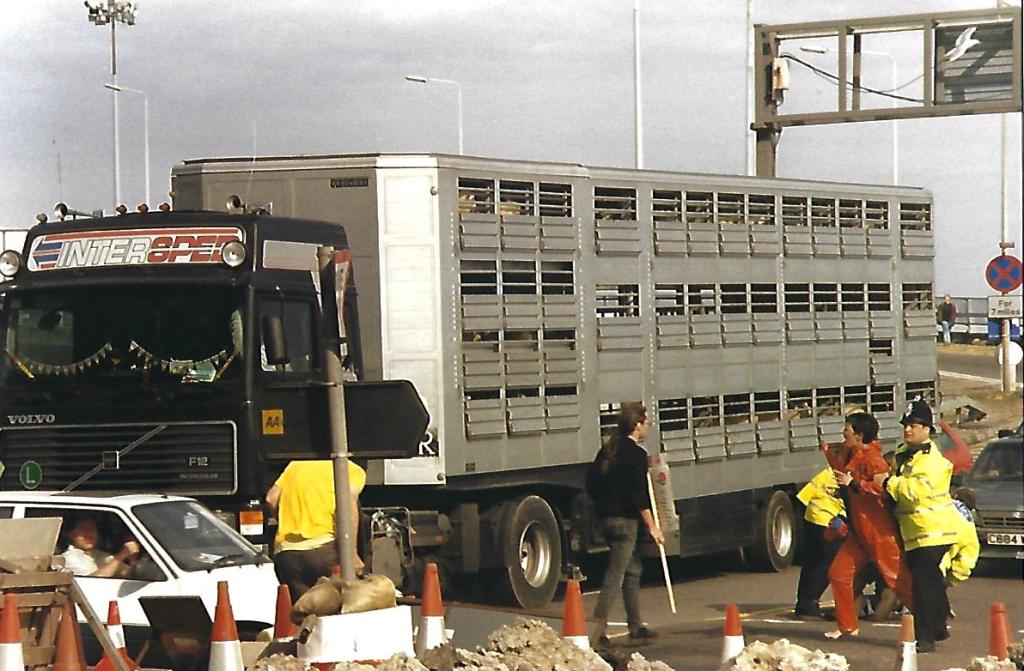
In the past – livestock hauliers run the guantlet at Dover, England.

New documentary SLAY exposes the cruel use of animals in fashion.

Same – White.

New documentary SLAY exposes the cruel use of animals in fashion

8 September 2022

Premiering today, the new documentary SLAY follows filmmaker Rebecca Cappelli as she exposes the fur, wool and leather fashion industry for its greenwashing and cruel treatment of animals. Produced by Keegan Kuhn (known for his work on What the Health and Cowspiracy), the film asks an important question: is it ever acceptable to kill animals for fashion?

From Europe to China, SLAY spans 5 continents as it uncovers the unethical practices of the fashion industry on a global scale, emphasising the horrific ways the animals are kept and killed, all in the name of fashion and profit. The documentary features interviews with animal welfare and sustainability experts, as well as representatives from the fur industry itself. 

Cappelli spent the last 3 years investigating animal skins in fashion, examining the devastating impact on people, the environment and animals.

If someone would have told me even half of what I discovered doing this film, I wouldn’t have believed it.

Rebecca Cappelli

The fur industry 

The documentary is bold in debunking the argument that fur is a sustainable product, and also stresses workers rights, but the real emphasis is keeping the cruel treatment of animals in focus.  SLAY shares behind the scenes footage of the animals kept in confined spaces, unable to stand or move around. The film depicts the abhorrent ways that the animals are killed, with the priority given to the protection of the quality of fur, rather than the welfare of the animal.

The documentary also shines a light on the scale of mis-labelled fur products on the market, including within the EU. Although often seen as a luxury item, fur has often been uncovered on the high street on low cost garments and accessories. Consumers are often unaware that they are purchasing fur products when they buy items such as bobble hats and fur trimmed hooded coats. Due to the mis-labelling of fur, many consumers are not given a choice and are unwittingly supporting the fur industry.

The fashion industry has been keeping animals out of people’s minds for too long, together we can change that.

Rebecca Cappelli

SLAY breaks outside of echo chambers and aims to make a real difference for the animals, for the planet, and the people who live at the mercy of the fashion industry.

From 8th September, the film will be available to watch on WaterBear Network. The free streaming platform is dedicated to sustainability, activism, and conservation. 

Fur free Europe:

Fur Free Europe | Eurogroup for Animals

Regards Mark

I am English but I love so much about the Dutch / Netherlands:

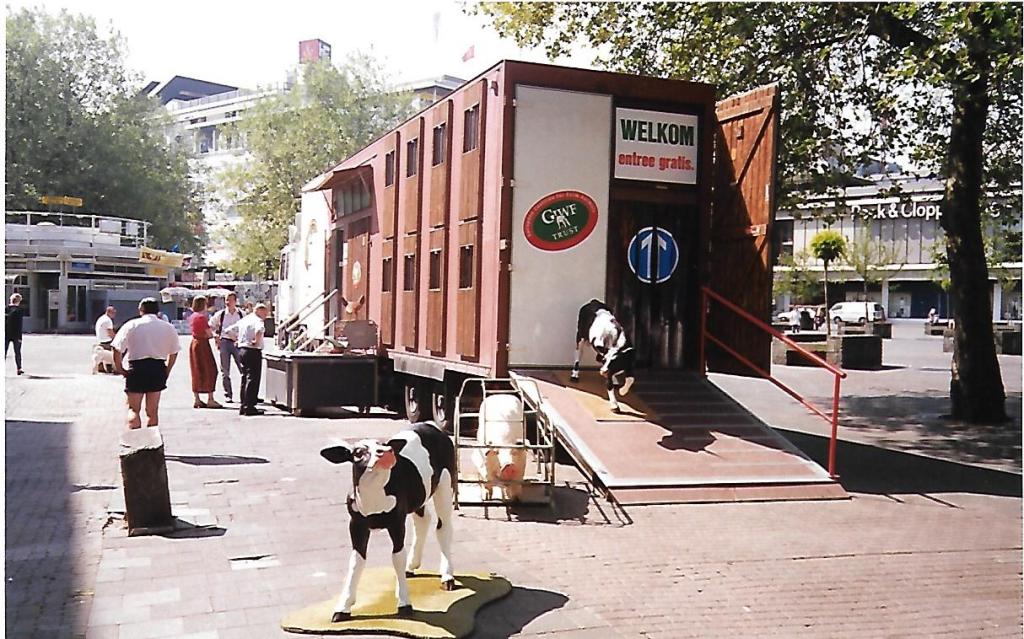
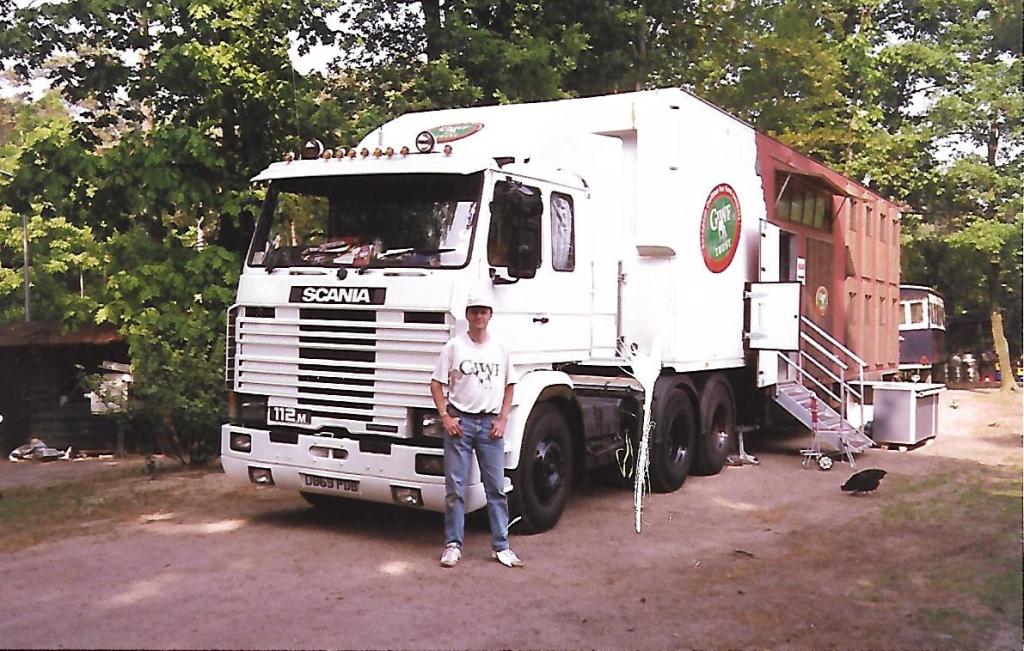
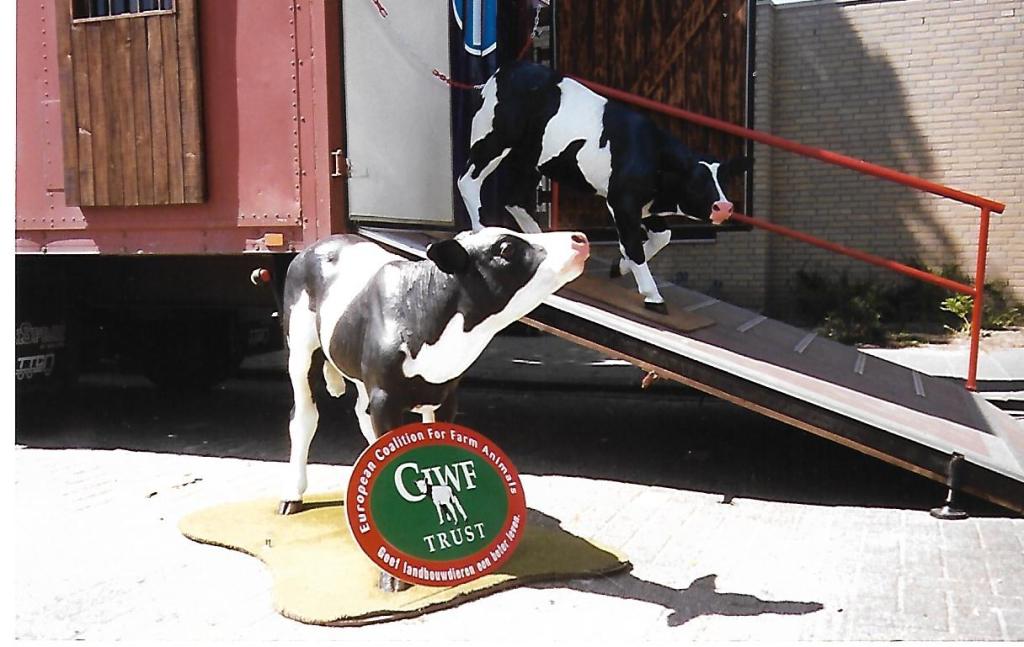
Taking the factory farming tour truck across the Netherlands:

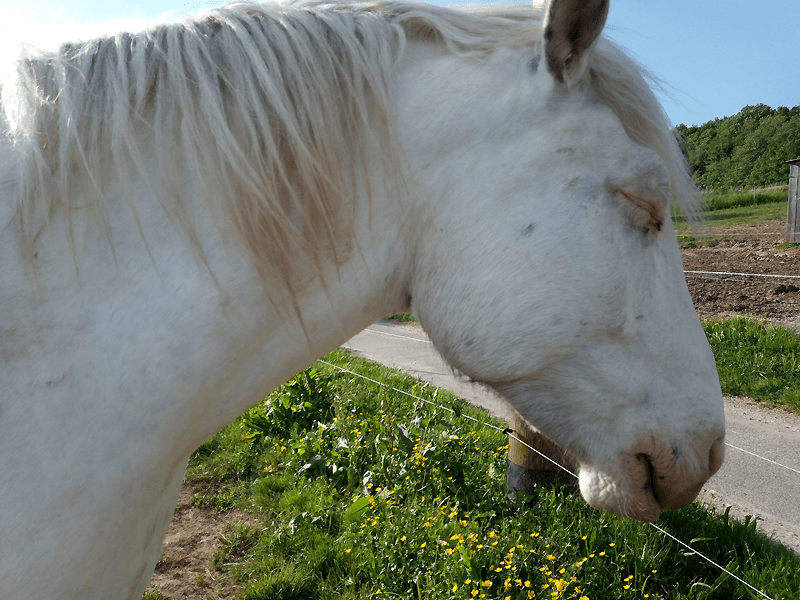
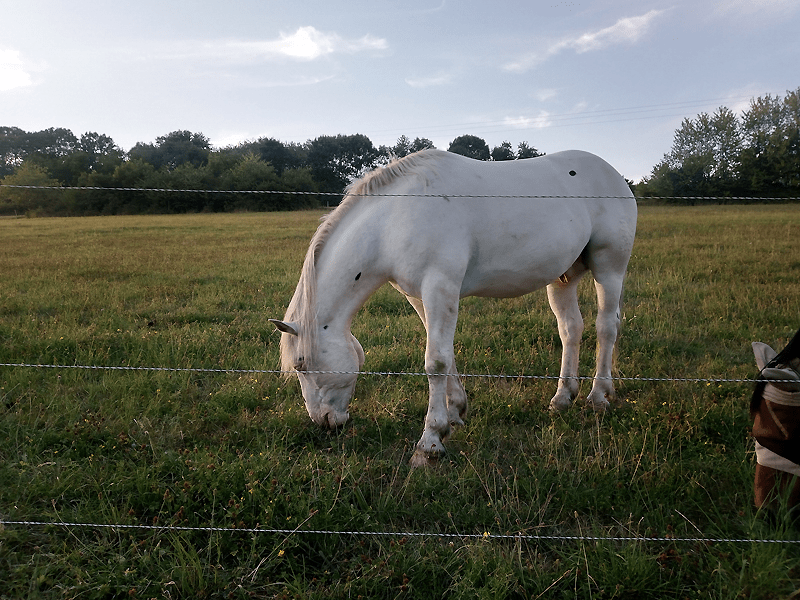
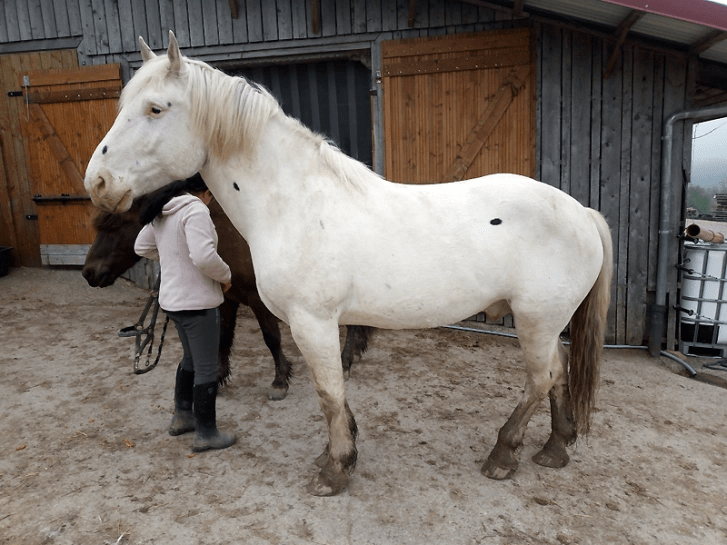
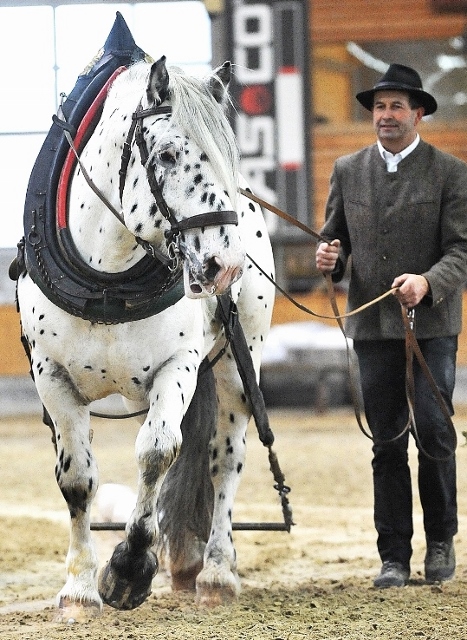
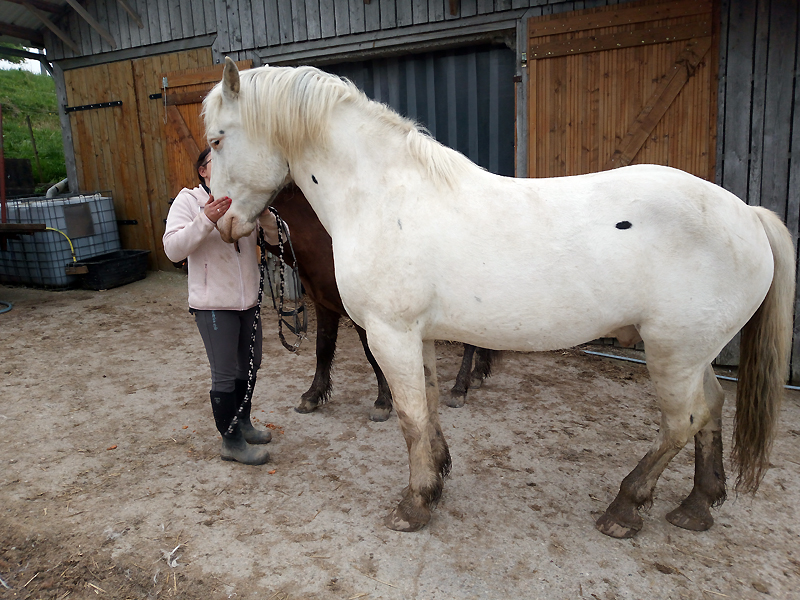
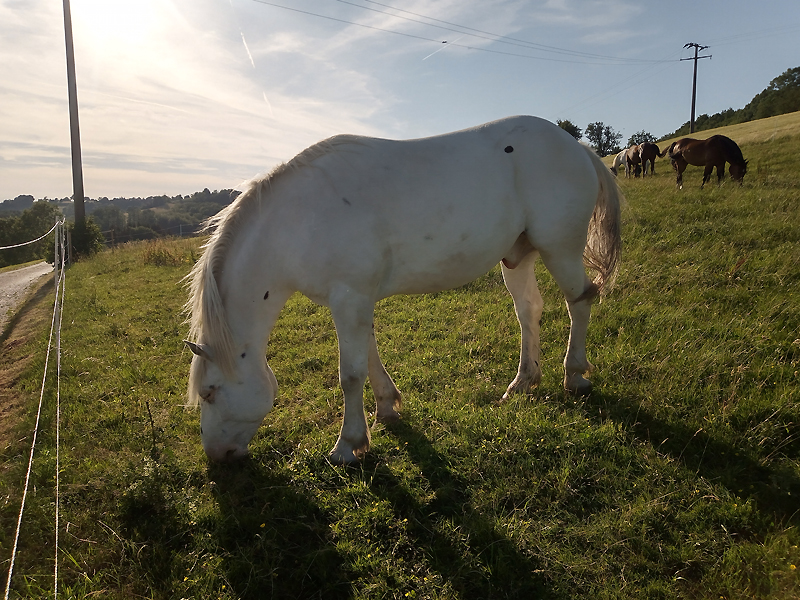
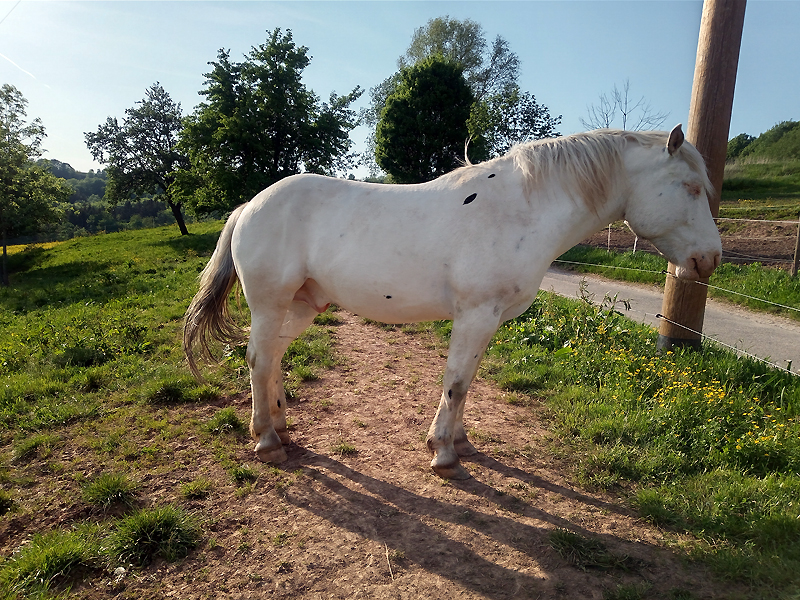
Germany: A Request To Find A New Forever Home for ‘Same’; – Owned By Animal Buddy Di, Who Has Saved Many Heavy Horses From Slaughter In the Past. Details and Contact Below.

WAV Comment – as Di says, we (her and I) have worked together on many animal issues in Germany and the UK for years.  Di has saved many heavy horses from going into the meat trade, and being slaughtered in the past, and now sadly, Same, her own horse, has to be found a new home.  Di provides details below for you.  We need to get Same re homed within the next few weeks if at all possible.

Please use the contact link  Contact – World Animals Voice if you need to follow up; and I will assure that all requests are forwarded over.

Regards Mark
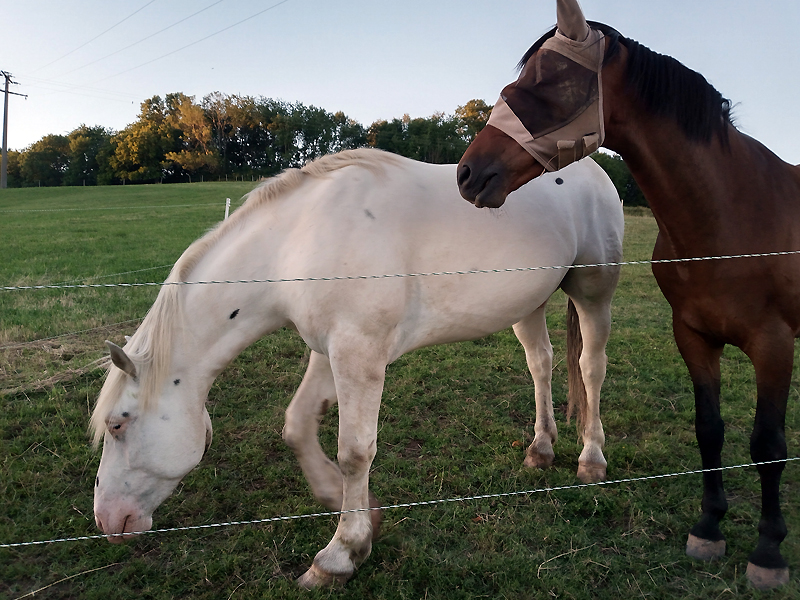
Same’ currently lives in the Greater Stuttgart Area, North; Germany.

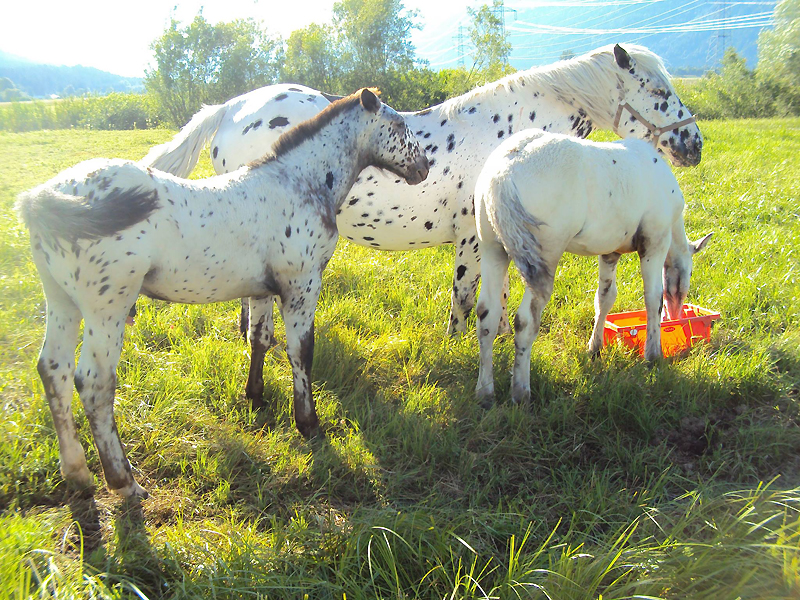
Baby ‘Same’

Samme now.

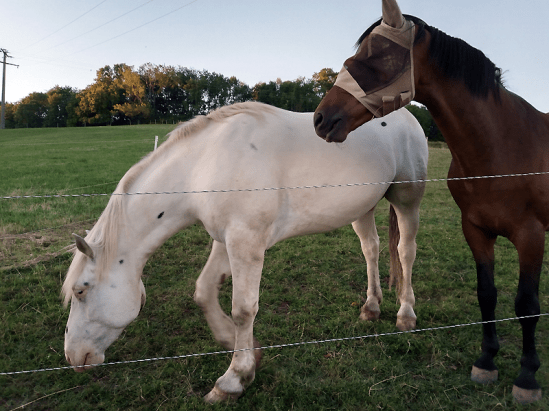
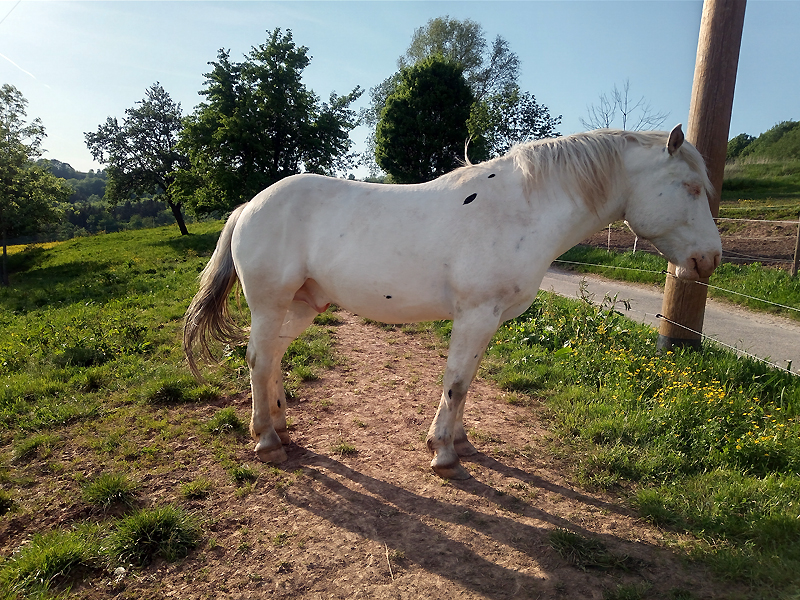
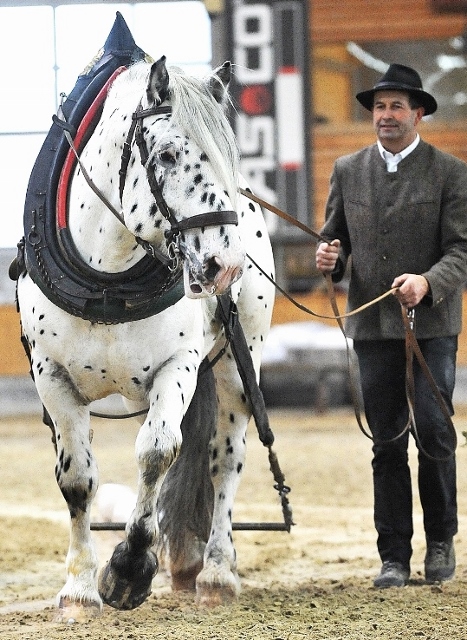
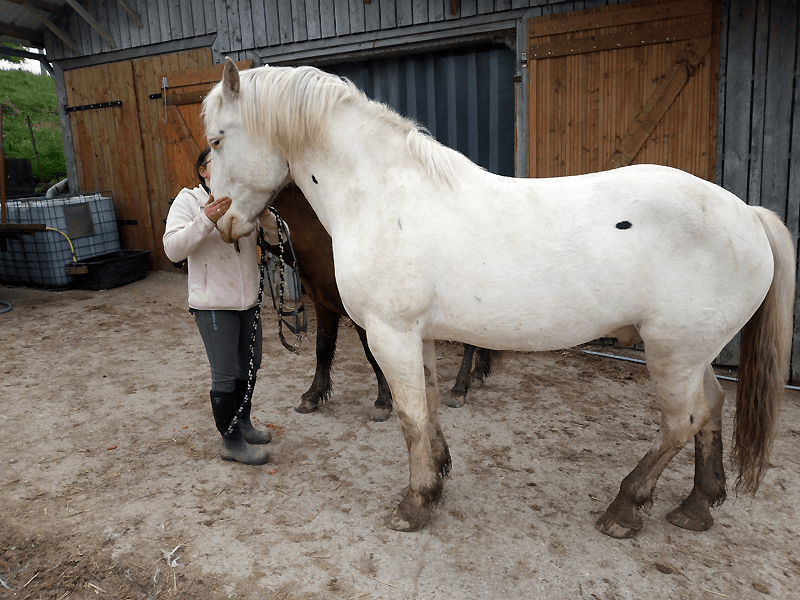
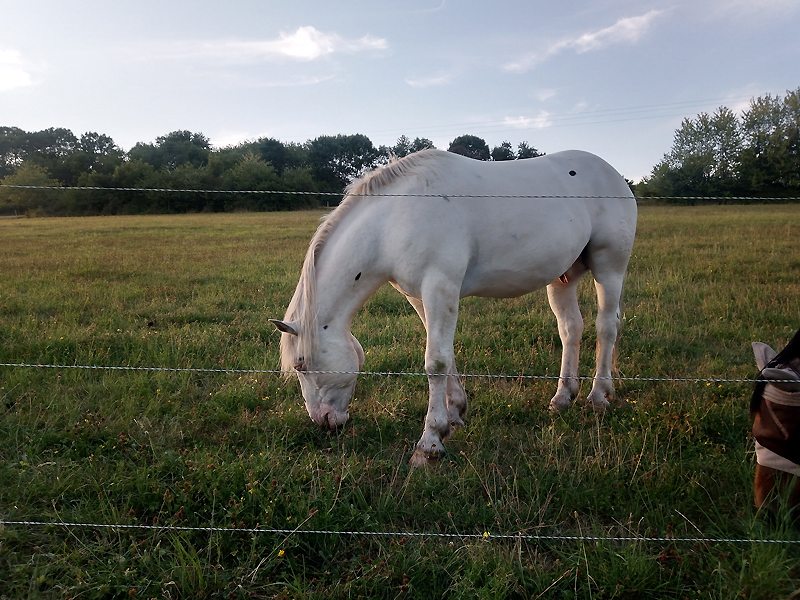
I seek a new home for my 6-year old Noriker gelding “Same Silver Elmar” due to, sadly, financial difficulties after repeated job loss. “Same” has been with me since he was a foal, coming from Kaernten, in Austria, in 2016 – that is, directly from the breeder near Jenig (“Leopard” only breeder).


“Same” is a few-spot leopard, with both parents being spotted, one “Wendy” (since passed), and the reg. stallion “Satan Elmar” (https://www.pferdezucht-austria.at/zapview.asp?zap=1&hid=103https://www.norikerzucht.com/uploads/pics/04000673-00396-09_2.jpg)

Above – Same’s Dad – Satan Elmar.
Same with his mum.

He is not yet trained, but knows a little groundwork, likes going for walks. Hooves, leading, transporting are no problem. He is a good-natured, inquisitive, non-aggressive, human-oriented and very willing. Much like a big dog, who follows his Human around and is willing to please 🙂

Same

I would like, for him, the right person, a friend and partner for life. Someone who can devote time and love into his careful training, and the building of a lasting friendship with him. He deserves no less.

Unfortunately, I am under pressure timewise (end of September – stable notice), after various parties abandoning their “very keen interest in that beautiful horse” recently, and hence I am stuck for options. I want to find the right place and people for him, as he is such a sweet guy, and handing him on to a trader will simply not do.

I have been involved with animal welfare, like Mark here, for many years, and “Same” is my 10th horse, saved from slaughter. I had hoped to be able to keep him, at least, but sadly that is not an option anymore.

The pot. price is a matter of discussion if the right offer comes along. I am also, of course, interested in other options, if someone can offer to help.

Thank you very much.

Diana H.

We are looking for a safe forever home for Same – please pass this link

Germany: A Request To Find A New Forever Home for ‘Same’; – Owned By Animal Buddy Di, Who Has Saved Many Heavy Horses From Slaughter In the Past. Details and Contact Below.

… on to anyone who you feel may be keen to help – Thank you.

England: Animal Rebellion activists drill lorry tyres at Somerset Müller site as part of protests.

Animal Rebellion protesters trespassed onto Arla and Müller sites across England over the weekend (Image: Animal Rebellion)

Following on from our recent article:

England: Animal Rebellion activists stop milk supply in parts of England. – World Animals Voice

Animal Rebellion activists drill lorry tyres at Somerset Müller site as part of protests

It comes after eight people were arrested in protests at the factory in Stonehouse, Gloucestershire

Animal Rebellion protesters broke onto the site of the Müller facility in Bridgwater overnight, drilling holes in truck tyres to disrupt the company’s distribution. The acts come amid a weekend of protests at dairy production areas across England, with eight people arrested after similar protests at the Müller plant in Stonehouse.

Animal rights protestors have targeted dairy distribution sites for the second time in 24 hours after trespassing onto critical dairy distribution facilities and drilling holes in lorry tyres and filling outlet houses with expanding foam.

The nonviolent actions taken by Animal Rebellion on both the morning of September 4, as well as in the early hours of this morning (September 5), were intended to seriously disable the ability of the facilities to process and distribute milk.

As well as Müller Bridgwater, activists entered sites at Arla Aylesbury, and Müller Droitwich – breaking a High Court injunction by doing so.

Today’s action is an escalation in Animal Rebellion’s campaign, which the group has stated will continue until the British Government enters negotiations for its two demands:

  1. Government supports farmers and fishing communities to move away from animal farming and fishing as part of an urgent and immediate transition to a plant-based food system.
  2. Government commits to rewild the freed-up land and ocean as part of a broader programme of wildlife restoration and carbon drawdown.

Theresa Higginson, 24, a retail worker from Biggleswade, one of those at Aylesbury, said: “What you have seen today are actions taken out of love for, and a need to protect, all life. Every individual here is united by a common goal, a better and more just world.

“I stand by all of our actions. We have no alternative. The government had the chance to respond but failed to do so.


Protesters also targeted sites at Arla Aylesbury and Müller Droitwich (Image: Animal Rebellion)

“We have had a leadership contest where the climate crisis has barely had a mention, and we have massive corporations that are able to operate with impunity despite the cost of their businesses on the planet. This Tory leadership election has exposed the need for massive political change, and that starts with the immediate transition to a plant-based food system that supports British farmers into a plant-based future.”

Rachel Steele, 46, a graphic designer from Blackpool, one of those involved at Aylesbury, said: “I came here not because I wanted to cause damage but because I am terrified about the future of the planet and all its inhabitants – human and non-human. We need a political system built on love and compassion. We need massive, fair and rapid system change.

“We cannot allow the government to greenwash and pretend that they can carry on business as usual, while the planet suffers ever more devastation, causing death and misery to millions. The only way to avert this is by massive governmental support for farmers to transition to a plant-based food system”

Protests have been held across the weekend, with eight having been arrested at Müller’s Severnside distribution site near Stonehouse in Gloucestershire.

https://get-latest.convrse.media/?url=https%3A%2F%2Fwww.gloucestershirelive.co.uk%2Fnews%2Fregional-news%2Fanimal-rebellion-activists-drill-lorry-7546996&cre=bottom&cip=18&view=web Early yesterday morning (Sunday, September 4) police seized equipment at the Stonehouse site designed to cause serious disruption, contributing to the initial arrest of five people. A further three had been arrested by around 9.30pm yesterday evening.

The latest update from Gloucestershire Constabulary, released yesterday evening, said all protestors had been removed and that the site is fully operational, with a total of eight people having been arrested.

The weekend’s action comes as part of Animal Rebellion’s demands for a plant-based future, which were announced back in May (Monday 23). The animal and climate group is calling for wholesale governmental support for farmers and fishing communities to transition to a plant-based food system and programme of rewilding that will secure a future for generations to come.

Animal Rebellion is a mass movement using nonviolent civil disobedience to call for a just, sustainable plant-based food system.

Regards Mark
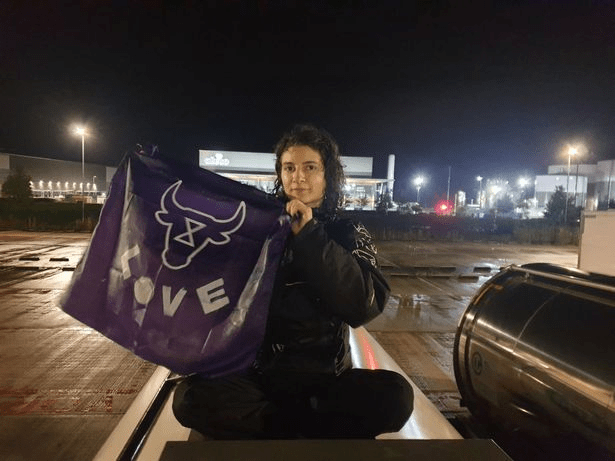
England: Animal Rebellion activists stop milk supply in parts of England.


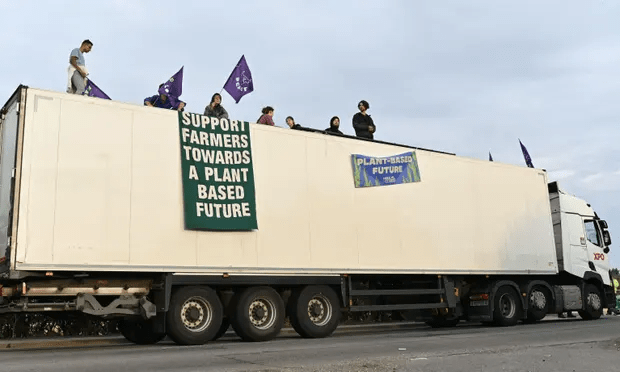
Animal Rebellion protesters climb on top of a truck at the Arla Aylesbury depot. Photograph: Andrea Domeniconi/Alamy Live News/Alamy Live News.

Animal Rebellion activists stop milk supply in parts of England

More than 100 protesters block and climb on trucks at dairies in the Midlands and southern England

More than 100 supporters of Animal Rebellion stopped the supply of fresh milk across large areas of England in the early hours of Sunday, including Arla Aylesbury, which processes 10% of the UK supply.

It came after the activist group, who campaign for a sustainable plant-based food system, received no response to a letter to Downing Street in August, in which they warned of disruptive action in September unless progress towards their demands was made.

Members of Animal Rebellion stopped and climbed on company trucks outside four facilities supplying milk to the Midlands and south of England. Others entered company premises, climbing on to milk silos and the sites’ loading bays.

The four distribution centres, operated by Müller and Arla, together process an estimated 2bn litres of fresh milk annually.

The group has said its supporters will continue to take direct action until the British government negotiates on its two demands.

It is calling for the government to support farmers and fishing communities to move away from animal farming and fishing as part of an immediate transition to a plant-based food system.

It also wants the government to commit to rewild the freed-up land and ocean as part of a broader programme of wildlife restoration and carbon drawdown.

John Appleton, who worked at Arla for six years and is taking part in the protest, said: “I’ve seen this industry first-hand, I know the struggle that farmers and workers go through every single day. We need a food system that works for them, everyone else, and nonhuman animals.

“Governmental support for this is vital to tackle the climate and ecological emergencies. We know the twin solution: transition to a plant-based food system and a mass rewilding programme.”

Steve Bone, a photographer from Thorpe-le-Soken in Essex who also joined the action, said: “A plant-based future would restore the British countryside and all the wonderful nature lost to animal farming … A plant-based future would enable massive carbon drawdown and mitigate the worst impacts of the climate crisis.”

Advertisement

A spokesperson for Müller UK and Ireland confirmed the sites targeted were at Droitwich, Severnside and Bridgwater.

He said: “We are disappointed to be targeted by a small number of activists who don’t represent the 96% of adults in Britain who choose milk every week, and we will ensure that supplies are maintained.

“Dairy is affordable and packed with nutrients that benefit our bodies. During a cost of living crisis it is wrong to try to prevent it from reaching families, including vulnerable members of society.”

An Arla spokesperson said: “We currently have protesters at our Aylesbury site and are working closely with local police to resolve the situation. The safety and security of our colleagues at the site is our number one priority and production is currently running as normal.”

The protest comes a day after Animal Rebellion campaigners gathered at a Whole Foods store in London, and Marks & Spencer supermarkets in Southampton, Manchester and Birmingham, holding signs that read “Plant-based future” and “Rewild our land” as they tried to stop shoppers from buying milk.

Animal Rebellion, a sister movement of Extinction Rebellion, claims it has hundreds of supporters willing to be arrested and go to prison for taking direct action.

So far this year, activists from the group have disrupted the trooping the colour ceremony at the Queen’s platinum jubilee celebrations, invaded the track at the Epsom derby horse race, and emptied milk bottles on to the floor in the food hall at Harrods department store in London. They have also announced plans to block supermarkets and prevent millions of people from buying milk.

Müller and Arla have been contacted for comment.

Animal Rebellion activists stop milk supply in parts of England | Extinction Rebellion | The Guardian

Regards Mark

We reported that this would happen in a recent post:

UK: Animal Rebellion: Vegan Activists Vow to Disrupt UK Dairy Milk Supply in Eco Protest. – World Animals Voice

UK: Animal Rebellion: Vegan Activists Vow to Disrupt UK Dairy Milk Supply in Eco Protest.

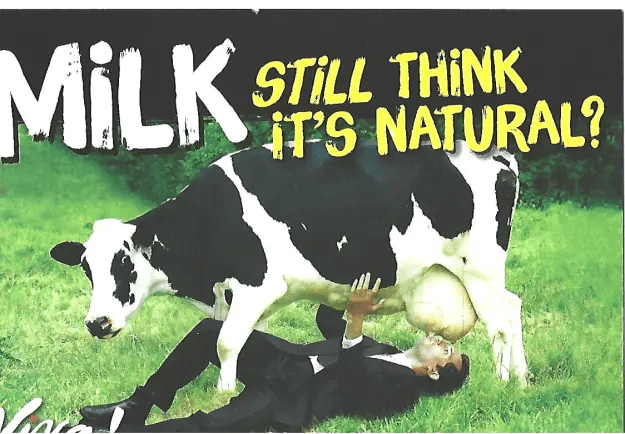
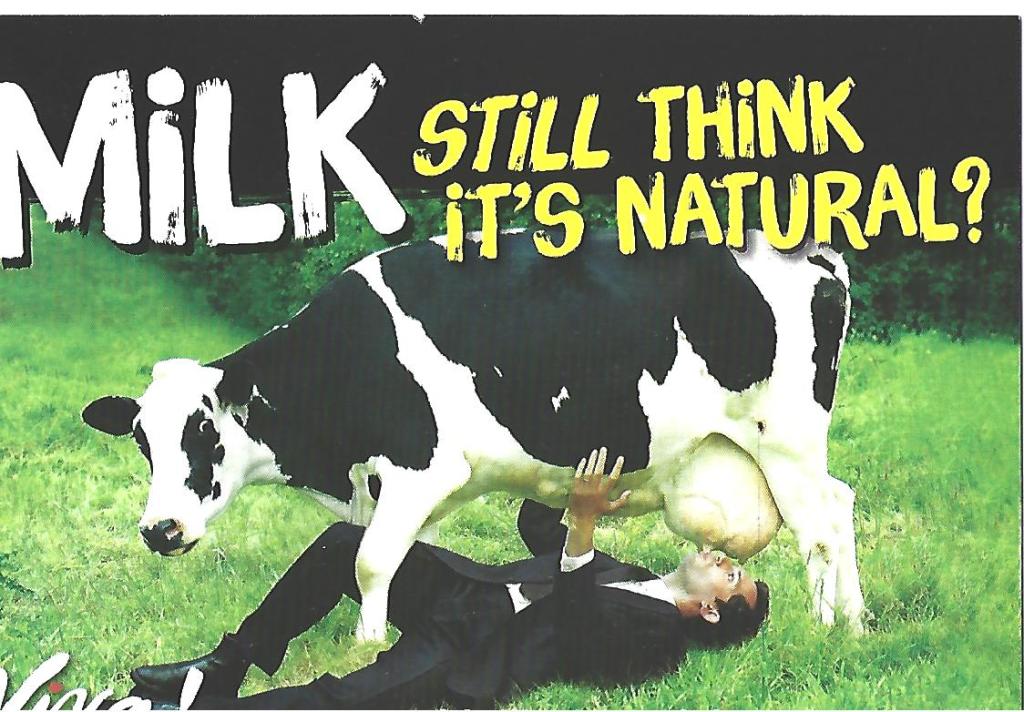
England: Milk; Still Think Its Natural For Humans ? – No, For Baby Cows Only. – World Animals Voice

Animal Rebellion: Vegan activists vow to disrupt UK dairy milk supply in eco protest

Vegan activists have vowed to disrupt the supply of milk to UK supermarkets for the first two weeks of September in an anti-dairy protest.

Animal Rebellion, a group of animal rights activists linked to Extinction Rebellion, said it would take action in supermarkets across the UK, affecting millions of customers, from Saturday.

It claims it has hundreds of volunteers who are prepared to take direct action to prevent people buying dairy milk.

The escalation of the protest comes after demonstrators with the group blockaded supermarkets in London earlier this year and also poured milk onto the floor of Harrods.

In a statement, the group said: “We have spent months trying all the proper channels to engage with the Government on the scientific consensus to transition to a plant-based future, but they have chosen to ignore us.

“We are left with no choice but to step into civil resistance to pressure government action to preserve our futures.

“We are announcing our intentions in advance so the British public to prepare for a disruption to the milk supply this September.

“We apologise for any stress this may cause during a cost of living crisis, but the government are sleepwalking every single one of us into poverty, misery, and climate and ecological collapse. We cannot sit by and let this happen.”

Other direct action taken by the group include disrupting the Trooping the Colour ceremony at the Queen’s Platinum Jubilee and invading the track at the Epsom derby.

Activists have also blockaded factories and restaurants associated with the diary and meat industries.

Some of those involved in the group have been linked to other eco-groups known for their direct action tactics, such as Just Stop Oil.

The chief executive for the Dairy Council, told the Guardian in response to the group’s plans: “It’s difficult to comment upfront before any events take place, but we are very disappointed at Animal Rebellion’s planned action, which could cause totally unnecessary disruption for businesses and consumers and is unhelpful during a cost of living crisis. We’d urge them to rethink their actions.”

Regards Mark

https://www.msn.com/en-gb/news/newslondon/animal-rebellion-vegan-activists-vow-to-disrupt-uk-dairy-milk-supply-in-eco-protest/ar-AA11of6Q

UK: Rabbit Farm Closure; Reindeer Farm Planning Objections; Snare Ban News In Scotland; VegFestUK London – Actions.

Dear Mark,

We’re so thrilled to start this month off by sharing the wonderful news that the T&S rabbit farm in Nottinghamshire is finished for good, after the farmer announced he is retiring from fur farming due to the pressures from animal activists! When asked about his decision by local media, he replied “I made the decision to give into their demands. We couldn’t fight them anymore because they are too strong.”

This success brought together Animal Aid’s undercover investigations and planning expertise with amazing local teams on the ground, including Shut Down T&S Rabbits and Rabbit Farm Resistance – an inspiring reminder that campaigning does make a real difference to the lives of animals!

See our recent WAV post on this victory:

England. Animal Rights Activists Celebrate As Controversial Rabbit (Meat) Slaughter Farm Firm Ceases Trading. Activists Send Owner Box Of Vegan Chocolate Bunnies As Retirement Present ! – World Animals Voice

We have a late but urgent request for people to please object to plans for a new reindeer farm in the UK – and we only have until tomorrow to make our objections! Reindeer are herd animals, adapted to live in a cold climate. These sensitive animals should not be confined to a reindeer farm in the UK. Please submit your objections today!
 

Last year our petition to help ban snares reached over 100,000 signatures – and now it’s time once again to put pressure on Ministers. The wonderful group, OneKind are holding a demonstration outside the Scottish Parliament on Saturday the 17th September from 11:30am-1pm, calling on the Scottish Government to make history and ban snares. Whether or not you’re able to attend the demonstration, you can still use this opportunity to apply pressure – either by writing to your local MP, or by contacting Scottish ministers via email or social media. Don’t forget to use the #BanSnares hashtag!

VegFestUK London, one of the largest vegan lifestyle fairs in Europe, is back! Our Head of Campaigns is speaking at the event, and you can also chat to the campaigners at our stall, where you can help make a positive change for animals! VegFestUK are launching a buy-one-get-one-free offer on tickets from today, so be sure to come along and say hi to us!

Thanks for helping us help animals.

With kindness,

The Animal Aid Team x

Regards Mark
Great News – Spain becomes the first EU country to legislate the installation of video surveillance cameras in all slaughterhouses. Victory !

WAV Comment – congratulations to our friends and fellow campaigners at Equalia for their tireless work in establishing legislation that will require cctv to be installed in all Spanish slaughterhouses.  Wins such as this don’t come easy and they don’t arrive overnight; you have to show tenacity and have it in you to continue the fight until you win.  This has happened here – congratulations all you guys.

Photo – Equalia

Spain becomes the first EU country to legislate the installation of video surveillance cameras in all slaughterhouses

31 August 2022

Equalia

Equalia has been pushing since the end of 2018 for better regulation in Spanish slaughterhouses, which was ratified last week with the approval of the royal decree in the Congress of Deputies.
Three years ago, the NGO Equalia started the campaign “Ley de Cámaras de Videovigilancia en Mataderos” (Law on Video Surveillance Cameras in Slaughterhouses), to call for the mandatory installation of video surveillance cameras in all Spanish slaughterhouses, with the aim of effectively and rigorously guaranteeing compliance with animal welfare and food safety regulations.

This royal decree makes Spain the first country in the European Union to establish a law for the protection of animal welfare and food safety in slaughterhouses. 

All abattoirs regardless of size will have to abide by the law. Large slaughterhouses will have one year to implement the change while smaller facilities will have two.

The NGO Equalia drew up an action protocol together with the veterinary services of the meat sector, which was presented to and adopted by several of the most important companies. It specified the three basic measures of the proposal: the placement of cameras in all areas where live animals are handled, the storage of the images for one month, in strict compliance with the Personal Data Protection Act, and access to the images by the Official Veterinary Service of the autonomous community in order to review them, apart from the operator.

In parallel, an initial law proposal, presented by Equalia, was approved through non-legislative propositions in the parliaments of the Balearic Islands, Navarre, La Rioja, Community of Madrid, Community of Valencia and the Canary Islands.

This work with institutions, entities and companies in the sector was accompanied by the publication of six investigative reports in Spanish slaughterhouses. In them, Equalia highlighted the need for a more exhaustive control of the practices carried out in these facilities. Following the publication of images of serious irregularities in animal welfare in a slaughterhouse in Ávila, where operators were seen cutting the legs off cows while they were still conscious, the meat sector, through ANICE, took a stand in favour of the installation of cameras in slaughterhouses. The same happened with other interest groups such as trade unions (Comisiones Obreras) and consumer associations (Facua).

The national and international repercussions of the images of the investigative report provoked the reaction of the Ministry of Consumer Affairs, which, through AESAN (Spanish Agency for Food Safety and Nutrition), initiated a draft royal decree establishing measures for the control of animal welfare in slaughterhouses through the installation of video surveillance systems. The Ministry of Consumer Affairs, on which AESAN depends, submitted the text for public consultation on 20 October 2020. After studying the allegations received from the interest groups that participated, the royal decree that has been approved today in Congress was drawn up.

In 2018, we started the debate on the need for video surveillance in slaughterhouses in Spain. Today, after positioning the meat sector, government, trade unions and consumer associations in favour of the proposal, this royal decree makes Spain the first country in the EU to require video surveillance systems in slaughterhouses.

Even though it is only a first step, we have to recognise that this royal decree has some weak points such as the viewing of the images. The treatment of the viewing will fall mainly on the operator (slaughterhouse), and not on the official veterinary service of the autonomous community, in addition to not specifying an exhaustive procedure for reviewing images in terms of the periodicity and time of viewing them.

Guillermo Moreno, Director of Equalia

Regards Mark