Category: Fish

Quo Vadis, Oceanus?

Battle to stop Africa’s waters being ravaged by China’s dark fishing fleets

https://observer.co.uk/news/oceans/article/battle-to-stop-africas-waters-being-ravaged-by-chinas-dark-fishing-fleets-1

Sunday 8 June 2025

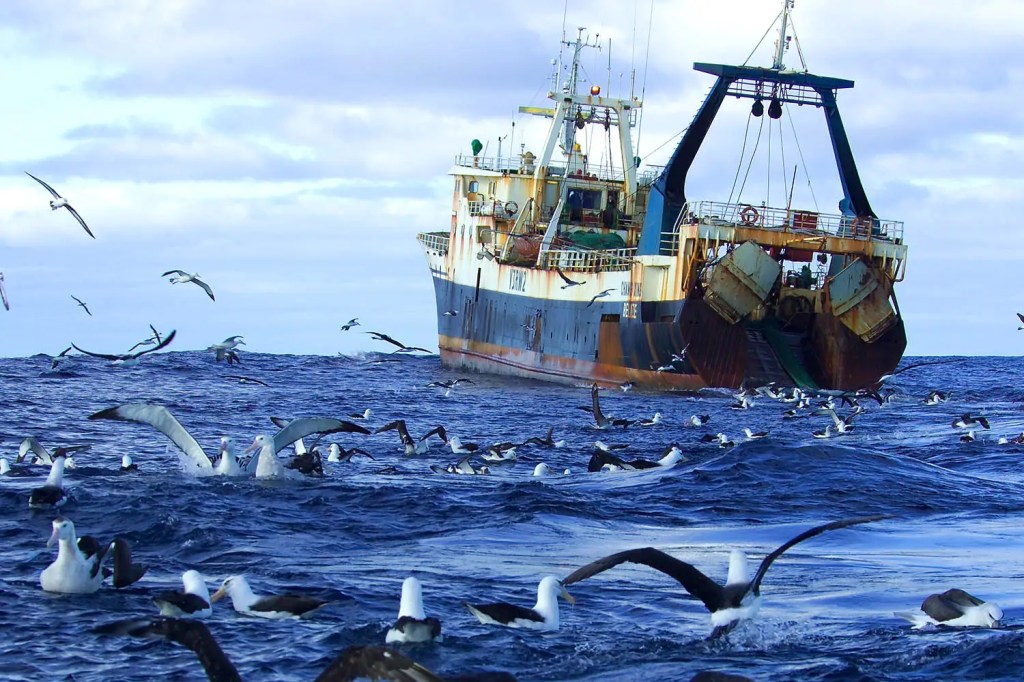
As David Attenborough warns of the damage being wreaked on the oceans by seabed trawling, the role of an army of mystery boats is in the spotlight.

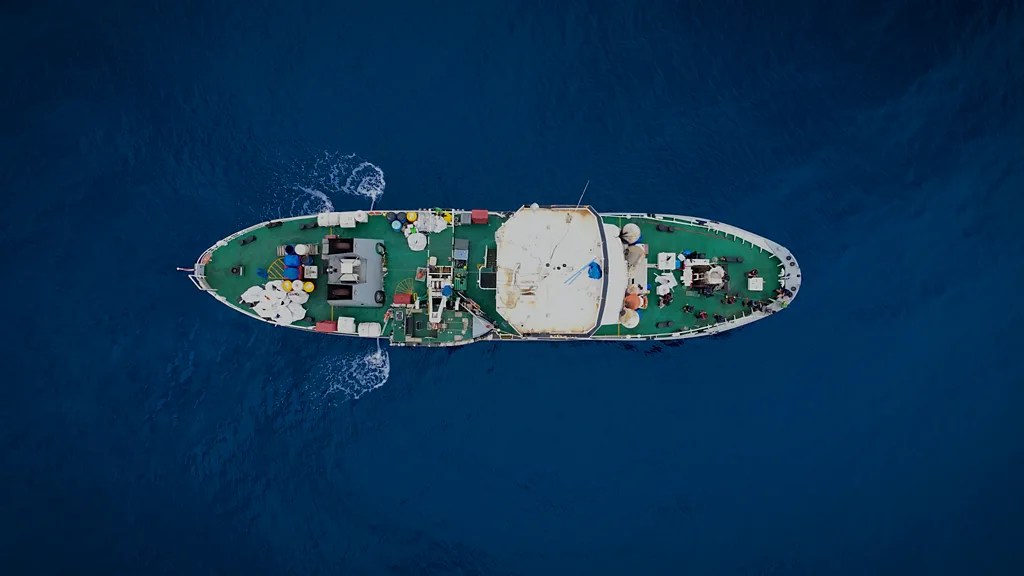
The Ghanaian flag that droops from the mast of the Meng Xin 10 is one of the few African things about the ­fishing boat.

The deckhands are Ghanaian, and officially it is owned by a company in Accra. But the officers are Chinese, all the instruments and telemetry are in Mandarin, and the people who call the shots are based in the northeastern Chinese port city of Dalian.

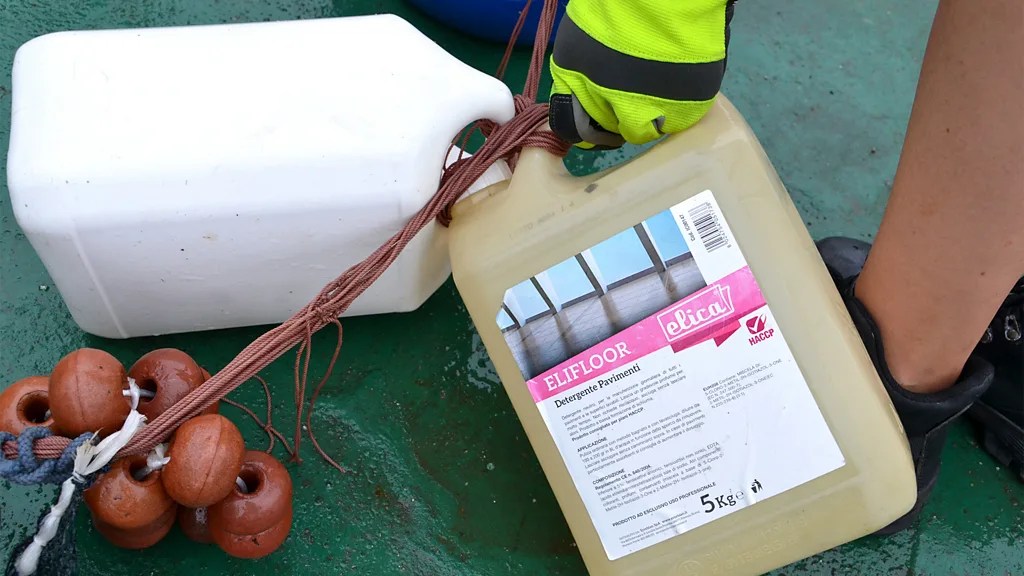
For 10 years the blue-hulled vessel, one of at least 30 that investigators have linked to Dalian Mengxin Ocean Fishery, has meandered along Ghana’s coastline, dragging a heavy beam along the ocean floor about 200m below, bottom trawling for squid and cuttlefish.

Continue reading …

**************

https://observer.co.uk/news/oceans/article/entertainment-or-emergency-global-leaders-heed-attenboroughs-warning

**************

https://observer.co.uk/news/our-planet/article/time-is-running-out-for-our-oceans

**************

https://observer.co.uk/news/opinion-and-ideas/article/the-fight-against-the-climate-crisis-is-a-lost-cause-if-we-ignore-the-oceans

**************

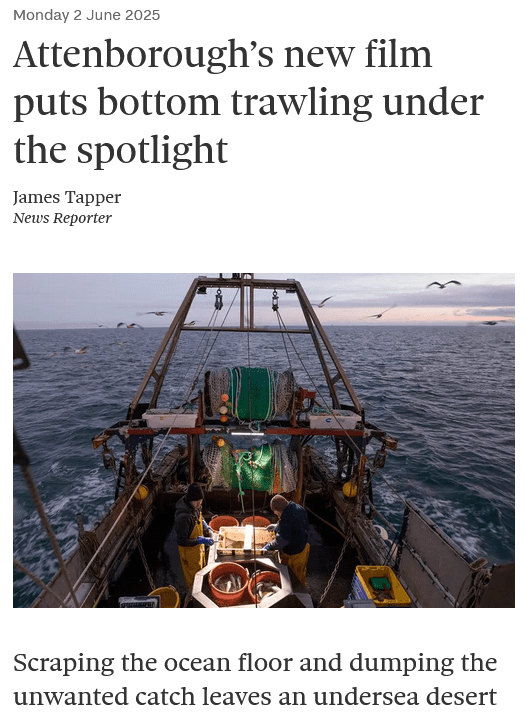
https://observer.co.uk/news/the-sensemaker/article/attenboroughs-new-film-puts-bottom-trawling-under-the-spotlight

**************

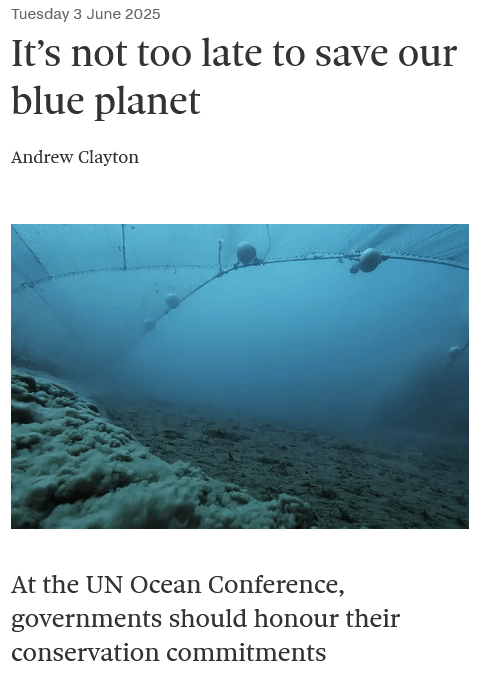
https://observer.co.uk/news/oceans/article/its-not-too-late-to-save-our-blue-planet

**************

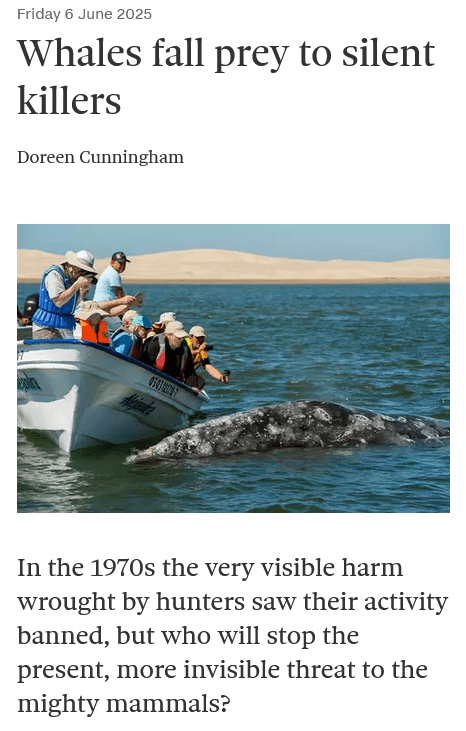
https://observer.co.uk/news/oceans/article/whales-fall-prey-to-silent-killers

Wild animal suffering video course

This course provides an introduction to the problem of wild animal suffering. It covers the situation of animals in the wild as individuals, including the many harms they suffer, and ways of improving their situation, including some of the ways this is already being done.

This is the opening video for the course. It gives an overview of the topics that will be addressed in the  videos of the course.

Wild animal suffering: an overview of the course

Concern about the suffering of wild animals and the ways we can help them has increased a lot in the past decade.  A growing number of people are now aware that the lives of animals in the wild are not idyllic, and that they face threats that dramatically impair their wellbeing. There is more awareness now that this affects not just a few animals, but large numbers of them. While in the past, concern for wild animals was mostly focused on their ecological roles or their  conservation status, many people now are concerned about what happens to them as individuals, as sentient beings.

Some people may think that it is unfortunate that wild animal suffering occurs, but be unsure about how widespread or how serious it is. Others may think this is an important issue, but not know how tractable it is, or what we can do to address it.

This course sheds some light on these questions and helps give a more clear understanding of the reality of wild animal suffering and, what is more important, of what can be done about it. It is intended to provide an introduction to this question for anyone interested in it, and to be especially useful to those involved in animal advocacy who want to know what can be done to help wild animals. The course will also benefit people working in natural sciences with an interest in learning how their work can help animals.

The course will include three parts.

Part I has been completely published already. It explains the ways that wild animals suffer and how we can help them. Part II details the arguments about the moral consideration of animals, and Part III explores the scientific study of the situation of animals from the point of view of their wellbeing. This new field of study has been called welfare biology.

Each part will consist of a set of videos, around 10 minutes each, focused on some specific problems. The entire course contains 28 videos including this one, which you’ll see listed in the course table of contents.

The first part begins with a general presentation summarizing the question of wild animal suffering. Following this, we will clarify in more detail what the concept of “wild animal suffering” entails. The following videos will then explain the different ways in which animals suffer in the wild. We will see the impacts of harmful weather conditions, natural disasters, diseases, parasitism, hunger, psychological stress, conflicts between animals, and accidents. We will also see how the prevalent reproductive strategies significantly increase the proportion of suffering among wild animals. Then, we will see some of the ways to provide help to these animals, including rescues and vaccination programs. Finally, we will see the kinds of things that each of us can do to make a difference for wild animals.

Some people think that we shouldn’t worry about wild animals because we shouldn’t be concerned about what happens to animals at all. We will believe this if we think, for instance, that only humans matter. In order to asess this concern, and to understand better how we can argue for the moral consideration of animals, the second part of the course presents an overview of contemporary debates about ethics and animals. The part will begin by explaining the concepts of speciesism, as well as related concepts like moral consideration. We will next examine the main defenses of the idea that human interests matter more than equally strong interests of other animals. We will then see the main arguments against this view. After that, we’ll cover how the moral consideration of animals relates to different ethical theories. We will then examine the differences between the views defending the moral consideration of animals and those defending other criteria, such as the ones held by some positions in environmental ethics.  In the last part of this part, we will see what sentience is, and consider some indicators of its presence in different animals, especially invertebrates.

Finally, the third part of the course will examine the ways to promote research in academia about how to best help wild animals. In the videos of this part, we will examine the concepts of wellbeing, animal welfare, and wild animal welfare. We will also discuss welfare biology, the study of the situation of animals with regard to their wellbeing. We will see how it is different from other fields that currently exist. We will then see reasons to promote academic research in welfare biology, and what some promising lines of research for this field are. We will see how welfare biology can benefit from work in other cross-disciplinary fields. In light of the work welfare biology could carry out, we will see responses to objections to helping wild animals.. Finally, we will share some ideas concerning the advance of this new field of research, and its importance, especially in the long term.

We hope this course will be interesting to you. Our intention is to help you become familiar with the issues discussed in it, and to share some tools that enable you to do further research on them. We provide information about how to take action in defense of wild animals and to help you make informed decisions about which efforts to support or promote.

If you want to learn more, you can visit our website, where you’ll find much more detailed information about many of the issues addressed in the course.

Manta man: film profiles unlikely bond between diver and giant sea creature

https://www.theguardian.com/environment/2025/jun/08/manta-ray-last-dive-film

Sun 8 Jun 2025

A Pacific manta being photographed by tourists. Photograph: Johnny Friday

The Last Dive tells how a relationship with a giant Pacific manta ray turned a big game fish hunter into a conservationist

Located about 500km off the southern coast of Baja California lies a group of ancient volcanic islands known as the Revillagigedo Archipelago. Home to large pelagic species including whale sharks and scalloped hammerheads, the rugged volcanic peaks were also once the site of an unlikely friendship.

It began in December 1988 when Terry Kennedy, a now 83-year-old American sailor with a storied past, met a six-meter-wide giant Pacific manta ray off San Benedicto island’s rugged shore. He would go on to name him Willy.

Continue reading …

*********

https://thelastdivefilm.com/

Petition: Sharks Need Our Protection. Demand More Marine Sanctuary Areas Now! – ‘A horror movie’: sharks and octopuses among 200 species killed by toxic algae off South Australia

https://www.thepetitionsite.com/163/887/397/?z00m=33472029

The smash-hit movie Jaws was filmed 50 years ago off the coast of New England, on the island of Martha’s Vineyard. It stirred up human fear of sharks, contributing to a popular misconception that sharks were supposedly villains and reckless human-eating monsters.

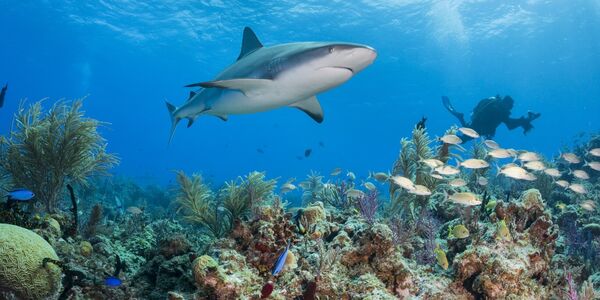
But of course, that is not true about sharks. In fact, humans are the real threat here. Every single day, we kill an average of 274,000 sharks. That amounts to approximately 100 million sharks each year. Today, many species – like the great white, sand tiger, great hammerhead, and others – are endangered or vulnerable to extinction.

That’s why famed athlete, 55-year-old swimmer Lewis Pugh, just completed a grueling 12-day swim around the island to help raise awareness about the importance of sharks.

Sign the petition to urge the U.S. government to protect sharks by expanding and creating more marine sanctuary areas!

The United Nations named Pugh a “patron of the oceans” due to his use of swimming as a way to raise awareness about marine wildlife and ocean conservation. He’s swum near volcanoes, near glaciers, and alongside polar bears, hippos, and crocodiles. He’s the first person ever recorded to have finished a long-distance swim in each one of the world’s 5 oceans, and to swim across the north pole itself.

And he’s worried about the future of sharks – just like we all should be.

Sharks help maintain a precious balance in marine ecosystems. Without them, the entire natural structure begins to deteriorate. They promote biodiversity and keep other species in check before they spiral out of control, and even keep the oceans healthy by scavenging injured, sick, or dead animals.

But today, humans target them for overfishing. They’re suffering from habitat loss and climate change. And, of course, being maligned by humans has only made their survival more difficult.

We must respect sharks – and we must demand more protections to keep sharks safe, alive, and healthy! One way to do that would be for the U.S. Congress to create and expand more shark sanctuaries. These are special areas or zones that would sharply curtail overfishing and destruction of habitats. Sign the petition to demand the U.S. protect sharks!

***********

‘A horror movie’: sharks and octopuses among 200 species killed by toxic algae off South Australia

https://www.theguardian.com/environment/2025/may/13/a-horror-movie-sharks-and-octopuses-among-200-species-killed-by-toxic-algae-off-south-australia

Karenia mikimotoi algae can suffocate fish, cause haemorrhaging and act as a neurotoxin, one expert says

More than 200 marine species, including deepwater sharks, leafy sea dragons and octopuses, have been killed by a toxic algal bloom that has been affecting South Australia’s coastline since March.

Nearly half (47%) of the dead species were ray-finned fish and a quarter (26%) were sharks and rays, according to OzFish analysis of 1,400 citizen scientist reports.

Cephalopods – such as squid, cuttlefish and octopuses – accounted for 7%, while decapods – crabs, lobsters and prawns – made up 6% of species reported dead or washed up on beaches.

Continue reading …

(ES) Legislative proposal seeks to preemptively ban octopus farming in Spain

https://www.eurogroupforanimals.org/news/legislative-proposal-seeks-preemptively-ban-octopus-farming-spain

28 May 2025

The opposition stems from serious welfare and environmental concerns: the extreme cruelty of confining intelligent, solitary animals like octopuses in farming conditions, the lack of humane slaughter methods, and the damaging impact such farms would have on fragile marine ecosystems.

The Spanish association of law professionals, INTERCIDS, has presented a legislative proposal to national politicians that aims to establish a proactive ban on octopus farming across the country. The proposal responds to the growing chorus of scientists, animal and environmental protection organisations, and citizens who have spoken out against octopus farming.

Although no industrial octopus farms currently exist in Spain or elsewhere, seafood multinational Nueva Pescanova announced plans to establish the world’s first industrial-scale octopus farming in the Canary Islands.

Submitted to the Parliamentary Association for the Defence of Animal Rights (APDDA), the proposal seeks to amend Spain’s national Law 23/1984 on marine farming/aquaculture in order to prohibit the farming of octopuses for food and any other productive purpose. It would also ban the commercialisation of octopus products derived from such activities.

Octopuses consumed as food are currently caught in the wild, primarily by small-scale fisheries. There are no existing legal frameworks regulating octopus aquaculture in Spain. Therefore, INTERCIDS’ proposal aims to close that gap preemptively by enshrining a ban into law that addresses the grave risks associated with the farming of captive octopuses.

The next steps for the proposal will depend on national politicians, who must decide whether they will move forward with submitting it as a formal legislative proposal to be approved by the Parliament in the coming months.

First report on world’s animal health reveals changing spread of disease impacting food security, trade and ecosystems 

https://www.woah.org/en/first-report-on-worlds-animal-health-reveals-changing-spread-of-disease-impacting-food-security-trade-and-ecosystems/

Published on 23 May 2025

Inaugural State of the World’s Animal Health report finds several animal diseases reaching new areas, with half of those reported able to jump to people.

Key findings: 

  • Animal diseases are migrating into previously unaffected ​​areas, ​​half (47%) of which have zoonotic – or animal-to-human – potential. 
  • Outbreaks of bird flu in mammals more than doubled last year compared to 2023, increasing the risk of further spread and human transmission. 
  • Access to livestock vaccines remains uneven around the world, with disease eradication efforts facing funding and political challenges. 
  • Antibiotic use in animals fell by 5​​% between 2020 and 2022 and expanding livestock vaccination globally would reduce the risk of antibiotic resistance. 

23 May, PARIS – Infectious animal diseases are affecting new areas and species, undermining global food security, human health and biodiversity, according to the first State of the World’s Animal Health report.   

The new annual assessment, published by the World Organisation for Animal Health (WOAH), provides the first comprehensive review of animal disease trends, risks and challenges, from the uptake and availability of vaccines to the use of antibiotics in animals. Released ahead of WOAH’s 92nd General Session and its Animal Health Forum – where leading experts will gather to discuss vaccination and innovation in disease prevention – the report sets the stage for high-level discussions on how science-based vaccination strategies and emerging technologies can help address current and future animal health threats through a One Health approach. 

Among its findings, the report revealed the reported number of avian influenza outbreaks in mammals more than doubled last year compared to 2023 with 1,022 outbreaks across 55 countries compared to 459 outbreaks in 2023. 

The authors highlighted that, while the risk of human infection remains low, the more mammalian species such as cattle, cats or dogs infected, the greater the possibility of the virus adapting to mammal-to-mammal, and potentially human, transmission. 

The spread, prevalence and impact of infectious animal diseases is changing, bringing new challenges for agriculture and food security, human health and development, and natural ecosystems,” said Dr.Emmanuelle Soubeyran, Director General of WOAH. 

Bird flu, or high pathogenicity avian influenza (HPAI), which has caused the culling or loss of more than 630 million birds in the last two decades was one of several animal diseases to affect new areas last year.

Peste des petits ruminants (PPR), which has traditionally affected sheep and goats in developing countries, has re-emerged in Europe while Africa swine fever (ASF) reached Sri Lanka, travelling more than 1,800 km from the nearest outbreaks, the report found.

Almost half of the WOAH-listed diseases notified to WOAH between 2005 and 2023 were considered a threat to human health with zoonotic, or animal-to-human infection, potential.

The report cited climate change and increased trade among the factors influencing the spread and prevalence of animal diseases. Many are preventable through a combination of vaccination, improved hygiene and biosecurity measures, but the report noted that access to animal vaccines remains uneven around the world.

Alongside other measures, vaccination remains one of the most powerful disease prevention tools available, saving countless lives, preventing economic losses and reducing the need for antimicrobial treatments,” Dr.Soubeyran added. 

To limit the spread of highly damaging diseases like avian influenza, foot and mouth disease and PPR, the global community must strengthen international cooperation and ensure equitable access to safe, effective vaccines, alongside other control measures.” 

Since 2006, WOAH has supported access to animal vaccines through its vaccine banks and currently operates two, one for rabies and one for PPR. As of May 2025, the WOAH Rabies Vaccine Bank has delivered almost 30 million dog vaccines to countries in Africa and Asia. However, progress towards ending rabies has stalled in recent years, with the percentage of countries reporting implementing control measures falling from 85 per cent to 62 per cent. 

The report also emphasised the importance of disease prevention for reducing the need for antibiotic treatment and limiting the development of drug-resistant diseases. 

By 2050, antimicrobial resistance is projected to cause livestock losses that jeopardise the food security of two billion people and result in a US$ 100 trillion economic loss if urgent action is not taken. 

The latest figures indicate that antimicrobial use, including antibiotics, in animals fell five per cent between 2020 and 2022, with use in Europe seeing the biggest decline of 23 per cent, followed by Africa at 20 per cent. However, one in five countries continue to use antimicrobials as growth promoters, which is discouraged by WOAH. 

The indiscriminate use of antimicrobials contributes to antimicrobial resistance, which is a major threat to both animal and human health,” said Dr.Javier Yugueros-Marcos, Head of the Antimicrobial Resistance and Veterinary Products Department at WOAH. “The declining use of antibiotics in almost all regions is encouraging but further reductions can be achieved by prioritising preventative measures against animal diseases, with vaccination as an essential component of these.”  

WOAH calls for investments to strengthen national Veterinary Services, greater global and regional coordination and improved disease surveillance systems to scale up effective disease control. This includes developing and implementing advanced diagnostic tools to differentiate between vaccinated and infected animals, enabling accurate disease tracking and trade transparency. 

Read the report – For interviews, please contact media@woah.org 

Key success stories on vaccination presented in the report 

  • In October 2023, France became the first EU country to implement a nationwide vaccination campaign against bird flu in ducks, which play a key role in the spread of the disease. The campaign helped reduce the number of outbreaks from a forecasted 700 to just 10, according to the report. 
  • Türkiye developed a new vaccine for an outbreak of FMD within just 37 days, vaccinating 14.2 million cattle – 90% of the national herd – and 2.5 million sheep within six months.  
  • The Philippines has now vaccinated millions of dogs against rabies with help of WOAH vaccine bank. In the past, the country received 500,000 doses of rabies vaccine through EU funding, leading to a noticeable decline in rabies cases.  

Speciesism: The Root of Animal Oppression

https://www.idausa.org/campaign/farmed-animal/speciesism-the-root-of-animal-oppression/

We live in a world where we share our homes with some species, eat others, and exploit still more in myriad ways, depending on what we’ve been taught about how we should see and treat different species, and whether we should consider ourselves superior to them. Unfortunately, the misguided belief that some species are worth our moral consideration and protection and others aren’t is known as speciesism, and it’s causing immeasurable harm.

Speciesism is a form of discrimination that considers one species superior to others. This mindset is based on the belief that humans have the right to dominate, use, and kill non-human animals for their own benefit. 

The term “speciesism” was coined in the 1970s by British psychologist and animal rights activist Richard Ryder, who introduced it in a pamphlet distributed as part of a campaign against animal experimentation in Oxford, England.

Like racism, sexism, homophobia, and all forms of discrimination against certain groups, speciesism devalues individuals based on arbitrary characteristics — and in the case of animals, their level of intelligence, their appearance, and if they have fur, feathers, and fins, or whether they walk on four legs instead of two. 

This perspective perpetuates the idea that we have the right to use, exploit, and kill other animals simply because they’re different from us. 

Speciesism is often the first form of discrimination we’re taught, and it manifests in two ways. The first is the belief in the supremacy of the human species over all other species. The second is viewing only certain species — such as animal companions and some wild animals — as worthy of care and protection, with some even considered part of our families. In contrast, most other animals are disregarded, and many are enslaved, tortured, and treated as commodities for food, entertainment, fashion, research, transportation, and much more.

Farmed animals are often depicted in marketing for food products as trivial, cartoonish characters, which strips them of their dignity and status as feeling individuals with their own personalities and preferences. Small family farms tend to be romanticized as wholesome places where animals live happy lives and are cared for by farmers. In reality, the basis of all animal farming is the exploitation and killing of sentient beings. Still, humans have compartmentalized their ethical views, allowing us to rationalize the cruelty and violence inflicted on animals we might otherwise be fascinated by and care about, all for our pleasure, convenience, advancement, habits, traditions, and tastes. Although it has been scientifically proven that humans can survive and thrive on a plant-based diet, most continue to consume the flesh, milk, and eggs of animals because we’ve been conditioned to believe that it’s “normal, natural, and necessary.”

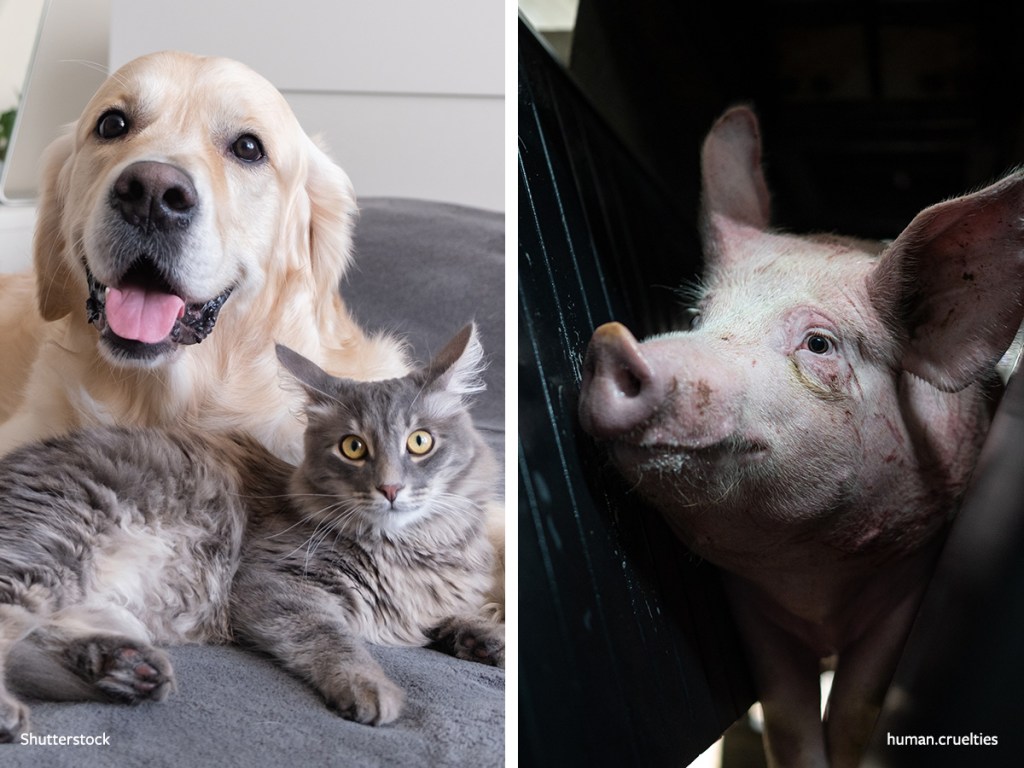
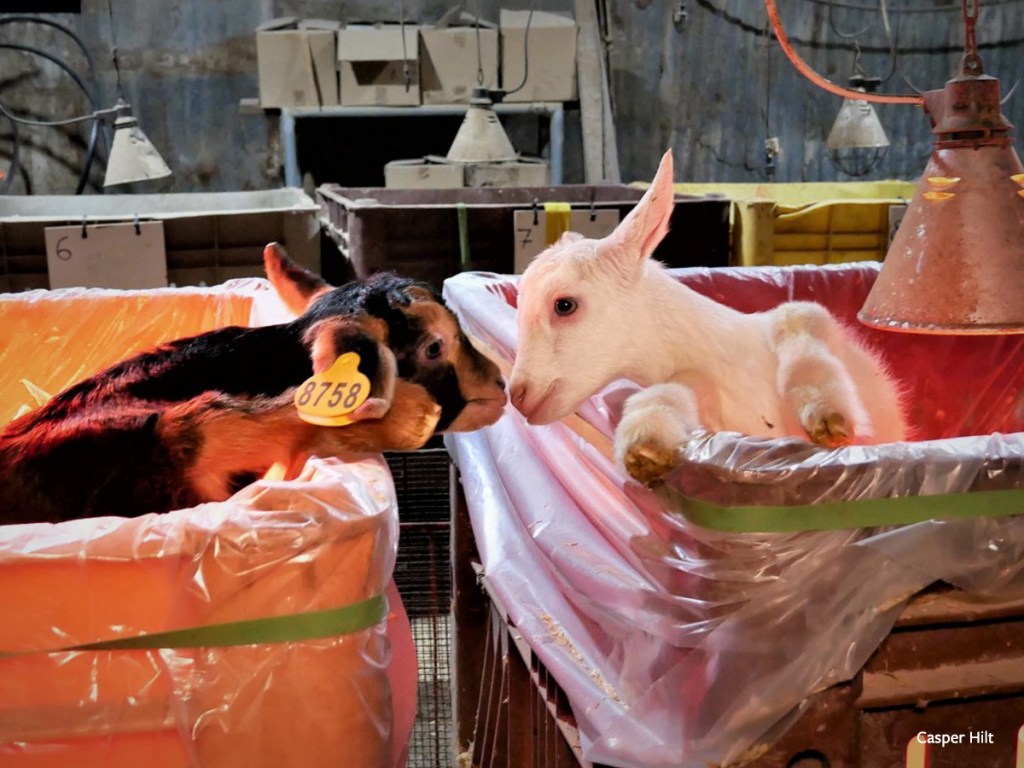
Animal companions and certain wild species are granted some legal protections, while all other animals are not. Cruel practices and mutilations without anesthesia, such as castration, tail docking, burning off horns, and extreme confinement, are inflicted on farmed animals like pigs, cows, chickens, goats, sheep, and turkeys, yet would be considered horrific abuse by most in Western culture if done to dogs or cats.

If we would never subject a dog or cat to these practices, nor send them to a slaughterhouse to end their life, we must recognize that no animal deserves to be used or enslaved by us, nor to have such pain and terror inflicted upon them. Even the desire to keep some animals as companions has led to their exploitation through breeding and selling, prioritizing profit over their well-being, which inevitably results in neglect, abuse, and often death. Beagle dogs and rabbits, usually seen as ‘pets,’ are also tormented and killed in research labs.

Humans often try to justify their oppression of animals by saying that humans are the most intelligent species. Yet many animal species possess sensory and physical abilities that humans do not have.

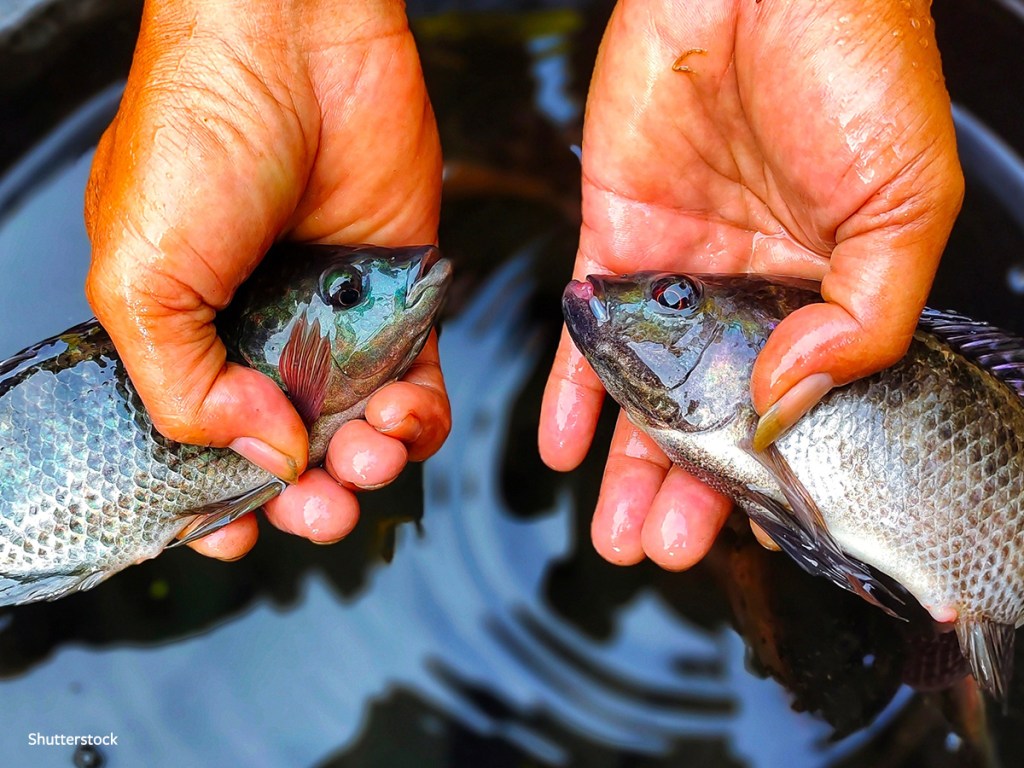
For example, bats use echolocation — the ability to use sound waves to navigate and find objects — to navigate in complete darkness. Tiny wrasse fish can recognize themselves and others in a mirror, joining chimpanzees and dolphins in this rare skill. Octopuses excel at problem-solving and camouflage, altering the texture and color of their skin to blend into their surroundings. Birds like the Arctic tern navigate thousands of miles using environmental cues, including the stars and the Earth’s magnetic field. 

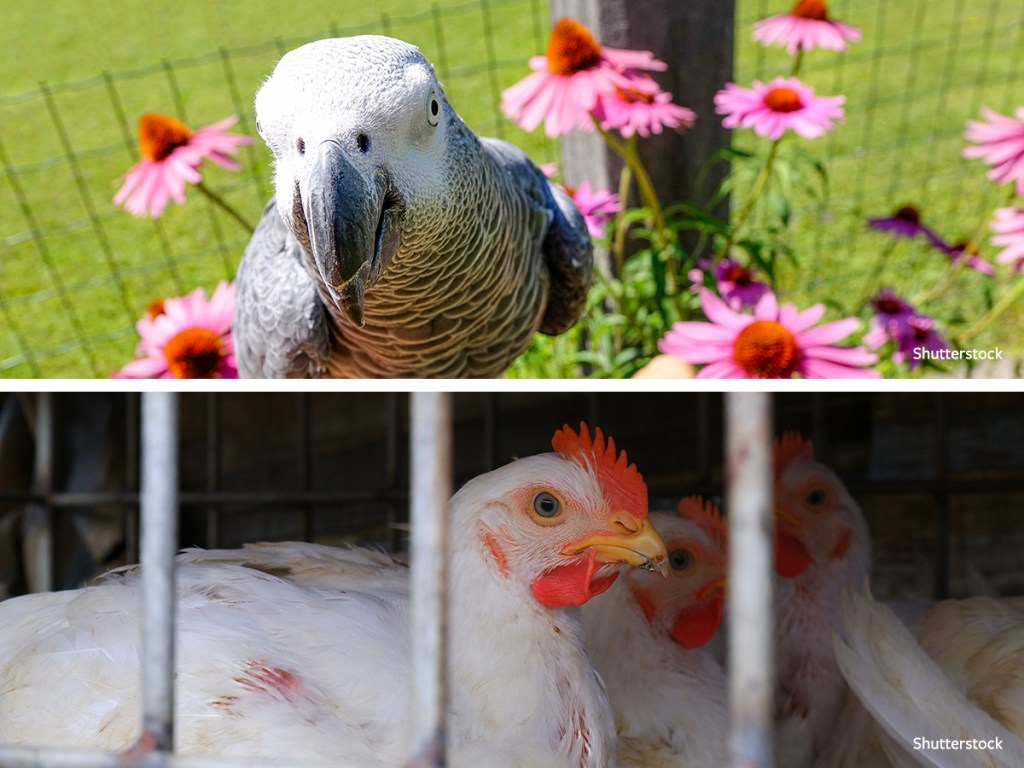
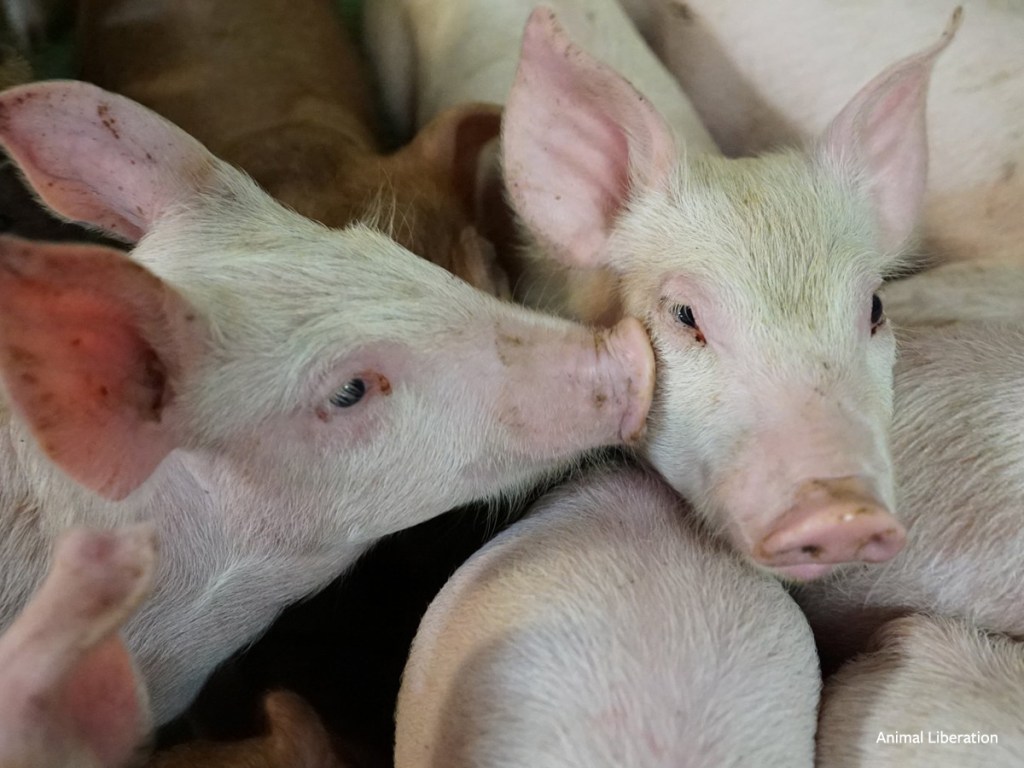
Chickens can recognize faces, form social bonds, and have memory and problem-solving skills on par with many other birds and mammals. Cows demonstrate empathy and many other complex emotions and can also solve puzzles. Pigs can navigate mazes and exhibit emotions and intelligence equivalent to a 3-year-old child.

Regardless, is intelligence truly the measure of whether someone deserves to be protected from harm by others? Some cognitively impaired humans are less intelligent than many animals. Does that mean we can also use and kill them? Of course not. No individual should be required to justify their right to safety and protection from human harm based on their cognitive or physical abilities. 

Whether human or non-human, each individual thinks and feels and has their own subjective experience of life, deserving the right to share this planet with us without being dominated by us. Unlike all forms of discrimination that focus on our differences, we must focus on what all species have in common — our will and desire to live and be free, and our capacity for pain, suffering, and joy. 

If we would not tolerate discrimination and harm based on race, gender, or other differences, we must apply the same reasoning to speciesism and view it as equally unjust. 

To embrace liberation, justice, and compassion for all Earthlings, live vegan—the principle that calls on humans to live without exploiting any other animals.

***********

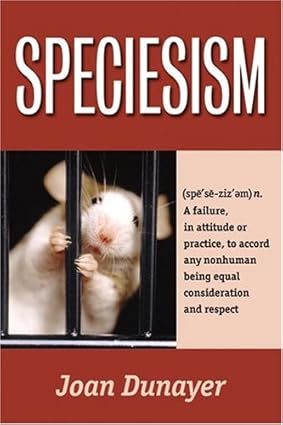
Excellent book on the subject, for more in-depth study:

https://www.amazon.com/Speciesism-Joan-Dunayer/dp/0970647565

Ryce Pub., 2004 – 204 Pages

Defining speciesism as “a failure, in attitude or practice, to accord any nonhuman being equal consideration and respect,” this brilliant work critiques speciesism both outside and within the animal rights movement. The author demonstrates that much of the moral philosophy, legal theory, and animal advocacy aimed at advancing nonhuman emancipation actually perpetuate speciesism. Speciesism examines philosophy, law, and activism in terms of three categories: “old speciesism,” “new speciesism,” and species equality.Old-speciesists limit rights to humans. Speciesism refutes their standard arguments against nonhuman rights. Current law is old-speciesist — legally, nonhumans have no rights. Dunayer shows that “animal laws” such as the Humane Slaughter Act afford nonhumans no meaningful protection. She also explains why welfarist campaigns are old-speciesist.

Instead of opposing the abuse or killing of nonhuman beings, such campaigns seek only to make abuse or killing less cruel; they propose alternative ways of violating nonhumans’ moral rights. Many organizations that consider themselves animal rights advocates engage in old-speciesist campaigns, which reinforce the property status of nonhumans rather than promoting their emancipation.New-speciesists espouse rights for only some nonhumans, those whose minds seem most like those of humans. In addition to devaluing most animals, new-speciesists give greater moral consideration and stronger basic rights to humans than they do to any nonhumans. They see animalkind as a hierarchy, with humans at the top.

Dunayer explains why she categorizes such theorists as Peter Singer, Tom Regan, and Steven Wise as new-speciesists.Nonspeciesists advocaterights for every sentient being. Speciesism makes the case that every creature with a nervous system should be regarded as sentient. The book provides compelling evidence of consciousness in animals often dismissed as insentient — such as fishes, insects, spiders, and snails. Dunayer argues that every sentient being should possess basic legal rights, including rights to life and liberty. Radically egalitarian, Speciesism envisions nonspeciesist thought, law, and action.

We’re close to translating animal languages – what happens then?

https://www.theguardian.com/world/2025/jun/01/were-close-to-translating-animal-languages-what-happens-then

AI may soon be able to decode whalespeak, among other forms of communication – but what nature has to say may not be a surprise

harles Darwin suggested that humans learned to speak by mimicking birdsong: our ancestors’ first words may have been a kind of interspecies exchange. Perhaps it won’t be long before we join the conversation once again.

The race to translate what animals are saying is heating up, with riches as well as a place in history at stake. The Jeremy Coller Foundation has promised $10m to whichever researchers can crack the code. This is a race fuelled by generative AI; large language models can sort through millions of recorded animal vocalisations to find their hidden grammars. Most projects focus on cetaceans because, like us, they learn through vocal imitation and, also like us, they communicate via complex arrangements of sound that appear to have structure and hierarchy.

Legal systems increasingly utilised to protect animals

https://www.ibanet.org/Legal-systems-increasingly-utilised-to-protect-animals

Joanne Harris – Monday 2 June 2025

In April, Michoacán became the sixth Mexican state to ban bullfighting, while the previous month, legislators in Mexico City approved legislation to reform the sport. These reforms will ban ‘traditional’ bullfighting, limiting the length of contests and preventing matadors from killing their animal opponents – making the sport ‘bloodless’. Meanwhile in 2024, the Colombian President signed a bill that calls on the country’s government to completely ban bullfights by 2027.

These developments are part of a number of recent legislative and legal efforts around the world aimed at enhancing animal welfare. In New Zealand, the government plans to outlaw greyhound racing – a result, it says, of the significant number of injuries and deaths suffered by the dogs. It intends to introduce legislation later this year. Meanwhile, a growing number of non-profit organisations are seeking to protect animal rights through the courts. 

‘It’s unmistakeable that there’s a growing trend in favour of protecting animals through the legal system,’ says Christopher Berry, Executive Director of US-based organisation the Nonhuman Rights Project (NhRP). His organisation is now 30 years old, but Berry believes the use of the law to enhance animal welfare has taken strides forward in recent years.

‘We’re currently in the midst of a global change in society’s relationship with animals,’ Berry says, highlighting how science is delving deeper into their intelligence, emotions and communication. There’s reportedly a boom in such research, with an ever-increasing range of species observed using tools or playing for fun.

Helen Mitcheson, a director at non-profit legal organisation Cet Law – which focuses on advocating for the protection of whales, porpoises and dolphins – agrees science has been one of the factors in the growing regulation of facilities that house captive cetaceans in recent years. However, ‘there’s not one driver or one-size-fits-all movement to stop captivity or change practices in captivity and in a lot of cases it’s not even a legal driver. It’s driven by legislative, political and social actions,’ Mitcheson says. 

Looking back at the history of the anti-bullfighting movement in Mexico, Cecilia Stahlhut, Secretary of the IBA Healthcare and Life Sciences Committee, explains that the sport was suspended in Mexico City in 2022, but the ban was later overturned by the country’s Supreme Court in 2023. Since then, groups advocating both for and against bullfighting have been vocal on the subject.

The details of Mexico City’s reforms are still awaited. The city’s government has seven months to publish secondary regulations, detailing exactly how the changes will be brought about. ‘Most of the groups that support bullfights will wait until that moment to submit any claim against this amendment. That’s when the real legal fight will begin,’ says Stahlhut, who’s also a partner at Hogan Lovells in Mexico City.

While other states have already introduced regulations to prohibit bullfights – and also contests involving dogs – some are waiting to see how the situation in Mexico City develops, says Stahlhut. However, she adds that Mexico has strong regulations around animal protection. At the end of 2024, the Mexican Constitution was amended to explicitly protect animals from cruelty and to allow Congress to legislate in matters of their protection and welfare. 

At a federal level, these amendments to the Constitution enhanced the protection of animals in the country, and Stahlhut says the Mexico City proposals on bullfighting would bring its state legislation in line with federal laws. ‘It’s just to be consistent with what the government at a state and federal level has been working on. You can’t criminalise certain acts against animals and not other ones,’ she says. 

However, legislation protecting animals can lead to complex knock-on effects. In 2021, France banned whale and dolphin displays at aquariums – a move that has, according to park managers, directly led to the closure of facilities such as Marineland in Antibes, which shut its doors in January. Mitcheson says the park is still responsible for the care of the dolphins it had in captivity, and questions remain about where they should be sent. 

Similar questions arise in the case of Happy the elephant, who has been in captivity in the Bronx Zoo since 1977. NhRP brought a case to the New York courts arguing that Happy was entitled to the right of habeas corpus – which would allow a challenge to the elephant’s detention. The New York Court of Appeals rejected the case in 2022, but two judges wrote dissenting opinions saying Happy did have a right to freedom – even if that involved merely moving to a more spacious sanctuary. Bronx Zoo operator the Wildlife Conservation Society maintains its elephants are well cared for. 

Efforts to give animals legal rights are growing worldwide. In 2024, Polynesian Indigenous leaders signed the He Whakaputanga Moana – or Declaration for the Ocean – granting whales legal personhood. That move was followed by a pro bono initiative involving the UK’s Simmons & Simmons, marine law firm Ocean Vision Legal and the Pacific Whale Fund, to draft proposed legislation called ‘Te Mana o Te Tohorā’ (‘the enduring power of whales’), which would offer nations a pathway to adopt similar laws. ‘Legal personhood for environmental bodies is a real topic,’ says Mitcheson. ‘It’s very academic at the moment because the difficulty of it is implementation.’

Cultural barriers will probably also remain a challenge when it comes to implementing legislation protecting animals, and there are significant differences in the ways jurisdictions look at these issues – what may be permitted in one country could be banned in another. 

But recent trends certainly show a move towards enhanced animal welfare protection through legislation, regulation and the courts. ‘There’s a lot of energy and there is a lot of progress being made,’ says Berry. ‘It’s incremental and it’s frustrating and there’s a lot of obstacles in our way, but I’m very positive about the way this is headed in the long term. How fast it spreads and how quickly remains to be seen, but the trend line is for more protection and higher legal status for animals.’

EU: What The Hell Is Wrong With Some MEP’s ? – Policy Makers Propose Making The Transport Sector A Damn Site Worse !

I say ‘some’ in the heading; but will acknowledge there have also been some brilliant MEP’s fighting very hard in the defence of animals who are suffering during transport; one immediately springs to mind: Anja Hazenkamp – A Dutch MEP and true hero for all animals:

Those of us who have many decades of experience in investigating the immense wrongs of long distance live animal transport across Europe have always had a saying – ‘Crowd all the negative thinking MEPs together in a transporter truck; with temperatures exceeding 35 degrees; with them crapping and peeing all over each other – THEN SEE HOW QUICKLY THEY WOULD CHANGE THE LEGISLATION WITHIN EUROPE FOR IMPROVEMENTS !!’

Sadly; but realistically; you have to ask what planet some of these people are from; as over 3,000 amendments to the draft update of the Transport Regulation proposed by Members of the European Parliament (MEP) ARE CERTAINLY NOT looking at improving the welfare of animals suffering live transportation across the EU. MEPs represent you – EU Citizens; so are they not supposed to have a certain level of intelligence ?

Several negative thinking MEPs have put forward ideas and suggestions which would weaken or even remove laws that are grossly outdated anyway; and certainly NOT welfare supplements for the billions of sentients being hauled all over Europe each day. Some of the suggested amendments are so bizzare they should be up with the fairies; but they are not; these are proposals presented by some realistic members of the European Parliament.

The Transport Regulation was created over 20 years ago to ‘protect the welfare of animals during transport’ – it never did, and has never worked in the defence of animals – full stop. This chance to now rework the existing joke of legislation should be an ideal opportunity to make thing so much better; but we have some very serious concerns about some proposed changes being put on the table by some MEPs.

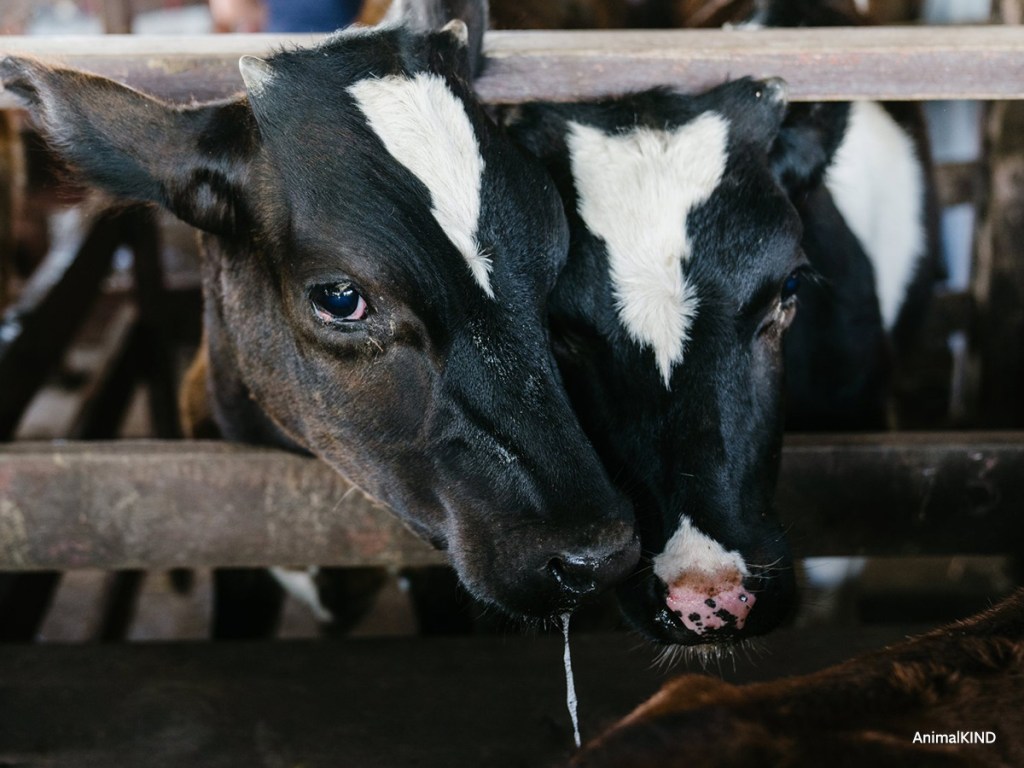
Here is just as one example – one of thousands of recent undercover investigations, here is where current legislation fails the animals. Please take note of stoppage time failures = meaning extensive additional suffering for the animals.

Photo above – Essere Animali

By bringing the policy in line with the latest welfare led science; as well as the recommendations by the European Food Safety Authority, and outlawing some useless, harmful and unnecessary practices, policy makers, the MEPs, could significantly improve the legislation for animals in transport; as well as eradicating the worst aspects of live exports. Unfortunately at this present time, this is not the way things appear to be currently going.

Of the most concern are that if voted on and implemented, in the final policy; some of the legislation would, rather then could, harm rather than help the animals.

Thin I am joking when I say this ? it’s no joke when animal suffering is involved;

The worst amendment put forward on journey times

  • Each transport journey should consist of multiple parts, EACH lasting up to 29 hours
  • Journey times for unweaned calves; lambs, kids, piglets and foals could last for up to 66 sixty six hours.

Transport is inherently stressful for any animal at the best of times, especially those in the early times of their lives. Numerous studies have shown that young animals being transported suffer more than than their elderly peers; as they suffer more due to higher stress and the inability to regulate their own body temperatures. Unweaned animals suffers more as they cannot reach; or are not familiar with drinkers carried of transporters. the only source they know is from their mothers.

Welfare organisations have always stated that journey times should last for a ONE OFF maximum of 8 hours for adult ovines, bovines and swine; and a ONE OFF MAXIMUM OF 4 hours for very young farm animals, which should also include all birds and rabbits.

The worst amendments put forward on extreme temperatures include;

  • Provisions to protect terrestrial animals in extreme road and rail temperatures SHOULD BE REMOVED !
  • Thermal provisions to protect the welfare of animals in containers; including birds and rabbits SHOULD BE REMOVED

Extreme temperatures, especially in Summer, is one of the biggest problems of the live export industry. Past investigations by NGOs have shown that temperatures inside trucks can reach 50 degrees C; leading to severe welfare problems; sometimes fatalities.

The EFSA authority recommends the implementation of lower maximum standards during transport; and that welfare organisations demand that specific species maximums must be defined by official legislation.

The worst amendments on space allowance include:

  • New space allowance provisions, written in line with recommendations by the European Food Safety Authority SHOULD BE REMOVED.

Animals usually suffer from a lack of adequate space during transport. This makes it impossible for them to lie down, move naturally or even move at all to reach essential drinkers. This incapacity exacerbates several of the problems animals already feel, including stress, exhaustion and dehydration.

Welfare science strongly suggests that species and category-specific space allowances must be set by law. Removing or weakening space allowances is clearly a step in the wrong direction.

Getting back on the right path.

The policy of updating the Transport Regulation should be to ensure better protection for all animals undergoing transportation, and not to make a bad situation even worse. MEPs need to unite; accept the latest welfare solutions to them; which is BASED ON SCIENCE. They need to accept the solutions to improve welfare rather then try to score cheap political points as the priority. Only then will the new legislation deliver what it was intended to do.

Further Information

EU based animal welfare anti live export campaign organisations:

https://www.ciwf.org.uk/our-campaigns/ban-live-exports-internationally/

https://www.eyesonanimals.com/

https://www.animals-angels.de/en/