Category: Fur and Fur Farming

Campaign Launched to Check if That ‘Faux’ is Really ‘Fur’. Read More …..

#IsThatFurReal Campaign Launched to Check if That Faux is Really Fur


#IsThatFurReal Campaign Launched to Check if That Faux is Really Fur

Posted by Carly Day | February 9, 2019


Sourcehttps://ladyfreethinker.org/isthatfurreal-campaign-launched-check-faux-really-fur/?utm_source=Newsletter&utm_medium=Email


Although fur is rapidly falling out of favor in the world of fashion, the fight against this inhumane industry is far from over. Compassionate shoppers and fashionistas are turning to fake fur, but may unwittingly be purchasing or wearing the real thing.

Animal Defenders International’s (ADI) new campaign #IsThatFurReal helps people differentiate between real and fake fur in an effort to stamp out cruelty. The initiative will run throughout New York Fashion Week (7-15 February) and London Fashion Week (15-19 Feb).

“Unaware that real fur is often mislabeled or not labeled at all, and cheap, shoppers may unknowingly be supporting animal suffering,” says ADI President Jan Creamer. “Animal Defenders International is here to help the public avoid animal fur and help stop this cruel trade.”

Anyone with an allegedly fake fur item is encouraged to share photos or videos of it on social media with the hashtag #IsThatFurReal, or email ADI at info@ad-international.org.

Experienced fur-spotters will let people know if the fur is real, and provide advice on how to spot the difference in the future.

In spite of a growing movement against the fur industry, more than 110 million animals every year are still killed on fur farms, and a further 16 million trapped and slaughtered directly from the wild.

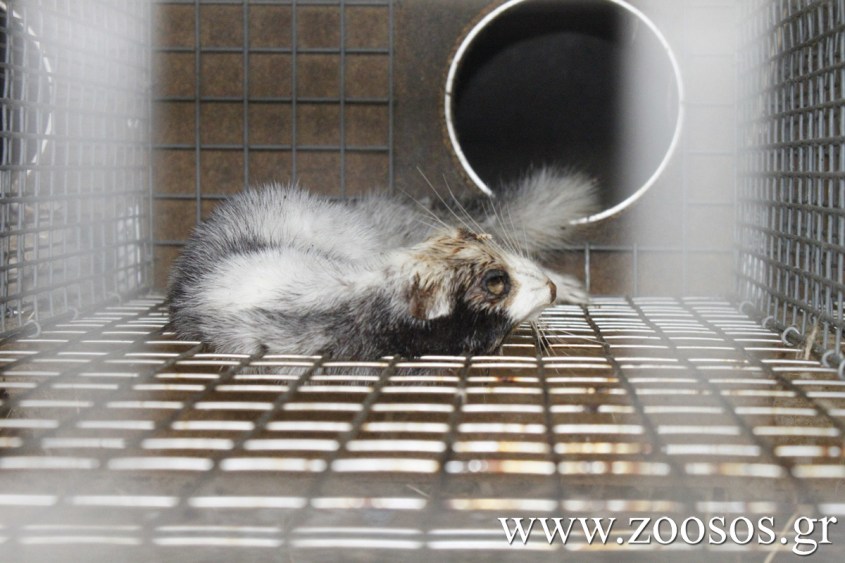
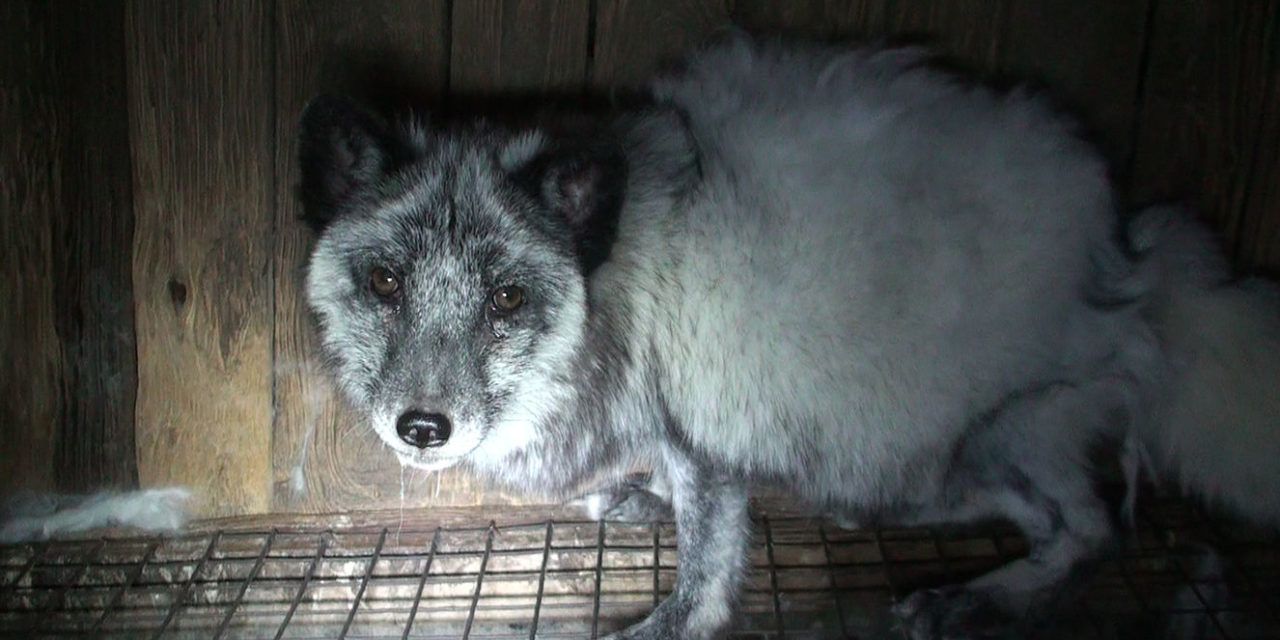
Fur farms are notoriously hellish places, where animals are stuffed into tiny, dirty cages and deprived of the ability to fulfill any natural behaviors. These animals suffer extreme physical and psychological suffering.

In recognition of this cruelty, dozens of high-end designers have dropped fur from their labels, including Burberry, Gucci, DKNY and many more.

If you come across some fur clothing or other items and want to check if they are cruelty-free, ADI offer some tips:

1) Real individual furs taper to a fine point, whereas fake fur features blunt ends.

2) Fake fur is attached to a mesh or fabric base; real fur is attached to skin.

3) If you own the item, pluck a few strands of fur and burn them. Fake fur will smell like plastic, whereas real fur will smell like burnt hair.


Related image

Image result for against real fur

UK: Clothing Retailers Told – Make Sure Your Fake Fur Is Fake; Or We Prosecute You. We Don’t Want Real Fur Being Sold As Fake. You Have Until February 11.


uk


https://www.bbc.co.uk/news/amp/business-46896429

Clothing retailers have been told to take immediate action to ensure items they advertise as containing fake fur are not made from real fur.

The UK’s advertising watchdog has given them a deadline of 11 February, after which they may face sanctions.

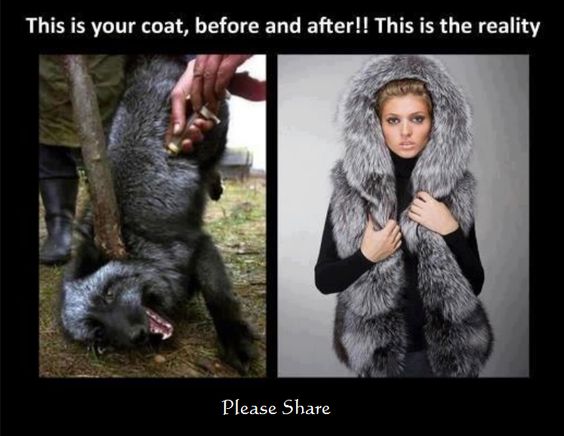
fur before and after

Last week the Advertising Standards Authority found online retailer Boohoo had sold a pompom jumper which used real fur, most likely rabbit fur.

It’s part of a more widespread problem of real fur masquerading as fake fur.

A pompom headband sold by Zacharia Jewellers, a firm trading on Amazon, was also found to have broken the rules. Last year a BBC investigation found TK Maxx and other Amazon retailers had sold items labelled faux fur but using real fur.

The items were spotted by animal welfare charity the Humane Society International as part of an ongoing investigation into the trend.

Real or fake?

Real fur, while traditionally considered a luxury material, can sometimes be cheaper than artificial fur. As a result some manufacturers have used fox, racoon or rabbit fur on items without accurately labelling them.

The findings against Boohoo and Zacharia prompted the Committees of Advertising Practice (CAP), which draws up rules on advertising practice, to issue an enforcement notice.

It requires retailers to ensure they are not misleading consumers and provides some advice on how to go about examining products and supply chains more closely.

Laboratory testing was the most reliable method but the CAP said customers and retailers could also check items themselves using relatively straightforward methods. These include looking at the base material to see whether it is a natural leather or a woven fabric, and burning some of the fur to see whether it singes or melts.

The CAP said it didn’t take a view on the ethics of animal fur as a consumer product, which can be legally bought and sold in the UK. But it said making misleading advertising claims that it was “faux fur” when it wasn’t did breach the rules.

Conscience question

Guy Parker, chief executive of the Advertising Standards Authority (ASA) said consumers who thought they were buying faux fur “in good conscience” could find it “deeply upsetting” to find they had actually purchased animal fur.

The Humane Society (HSI), said it was delighted its complaint had been upheld but there was still “a shocking amount of fake faux fur” for sale in the UK.

Claire Bass, executive director of HSI, said consumers had “the right to be confident that when they buy faux fur they are not being duped into buying the exact animal cruelty they are trying to avoid.”

Companies which don’t comply could end up being referred to Trading Standards for potential prosecution.


From ‘Respect for Animals’ – England:

How to tell the difference between real and fake fur

We frequently receive reports from members of the public who think they have found real fur on sale mislabelled as fake or bearing no label at all. Often, they are not entirely sure if the fur on sale is real or fake as the imitation fur is becoming more realistic.

Please note, that we recommend speaking with the retailer in the first instance.

Here are some handy tips about how to quickly tell if fur is real or fake regardless of what the label says.

  • Look at the base of the hairs.

Fake fur usually has a fabric backing which can be fairly easily observed. Real fur, on the other hand, will be attached to (tanned) skin, similar to thin leather.  Pushing a pin through the base of the hairs can also help here. The pin should pass through easily if it is fake fur, as it doesn’t require that extra effort in order to puncture the leather.

  • Check the hair tips.

Fake fur ‘hairs’ tend to be blunt at the tip whereas real fur can often be seen tapering to a point at the tip. This test can be misleading if the real fur hairs have been sheared or plucked.

  • Burn test.

If a few sample hairs are available, use tweezers in a non-flammable environment. Carefully ignite the sample with a lighter or match. Burnt animal hair will smell like burnt human hair (real) but fake fur will smell like burning plastic.  Only ever carry out this test safely, with the hair sample over a non-flammable plate!

Still not sure? You can send a samples to the Respect for Animals office, where we can do a microscopic test. We can tell quickly whether it is real or fake and will send you our findings.  Email us and we’ll arrange this: info@respectforanimals.org


Serbia: Victory ! – Fur Farms All Now Banned From 1st January 2019.


Serbian Flag

Fur Farms Are Now BANNED In Serbia!

Posted by Carly Day | January 5, 2019


Fur Farms Are Now BANNED In Serbia!

Image: Pixabay

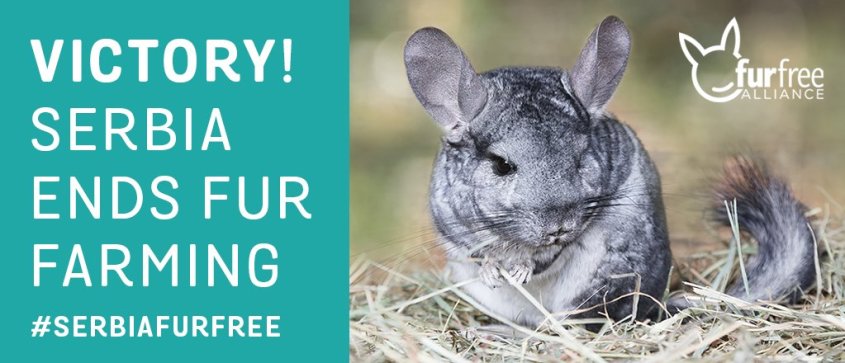
Above – Chinchilla -the only animal farmed for fur in Serbia.

The new ban now saves about 12,000 / 13,000 animals each year.


After ten years of lobbying, Serbia’s long-awaited ban on fur farms finally went into effect on January 1st, 2019, and will save the lives of an estimated 12,000 chinchillas every year.

When it passed, the 2009 Animal Welfare Act included a decade-long transitional period, allowing fur farmers time to phase out their business and find a more sustainable income. But the wait is now finally over for these suffering animals.

Anti-fur organizations such as the Fur Free Alliance have been hard at work during that period, as pro-fur advocates fought to get the ban reversed.

In 2018, with the deadline drawing closer, fur trade groups stepped up their efforts, pressuring the Serbian government to extend the transition period or abandon the ban completely.

Thanks to the relentless work of the Fur Free Alliance and Serbian organization Freedom for Animals, the law stayed in place.

“For 15 years now, Freedom for Animals has advocated for a fur-free Serbia by advancing and supporting legislation to abolish this brutal exploitation of animals,” said Snezana Milovanovic, director of Freedom for Animals. “With the enforcement of the 2009 Animal Welfare Act, that makes it illegal to keep, reproduce, import, export and kill animals only for the production of fur, a great victory is finally achieved. Not only is this ban important for animals kept for fur production in Serbia, but also for the whole South East European region, and it signifies a major step forward for animal rights worldwide.”

The only species farmed for their fur in Serbia, chinchillas are endangered and protected in their natural habitats within South America. These adorable rodents are highly social, often living in colonies of up to 100 individuals. They are monogamous, mobile, shy and nocturnal.

These natural behaviors lie in stark contrast to their tortured lives in fur farms. Crammed into tiny cages barely big enough to move around in, they are forced to be active in the daytime.

Research has shown that chinchillas are prone to serious health and behavioral issues when kept in these horrific conditions. From stereotypic behaviors to self-mutilation, the intense stress of their enforced imprisonment is clear.

Serbia’s ban now puts them on a par with around a dozen other countries that have put an end to fur farming, including Norway, Belgium, and Luxembourg.

Should There Be A Worldwide Ban On Fur Farming ?


watch the video


https://focusingonwildlife.com/news/poll-should-there-be-a-worldwide-ban-on-fur-farming-2/

We don’t typically get to follow the lives of individual animals who are killed for their coats. Now, a short film is offering us a harrowing glimpse into the short and tragic lives of three fox siblings who were born, raised and killed on a fur farm.  

The film, Fur: A Lifetime, which was just released by Animal Defenders International (ADI), was taken by hidden cameras placed on a fur farm in Poland – the fourth largest fox fur producer in the world. It spans the short lives and deaths of three arctic fox cubs, who ADI named Borys, Eryk and Aleska.

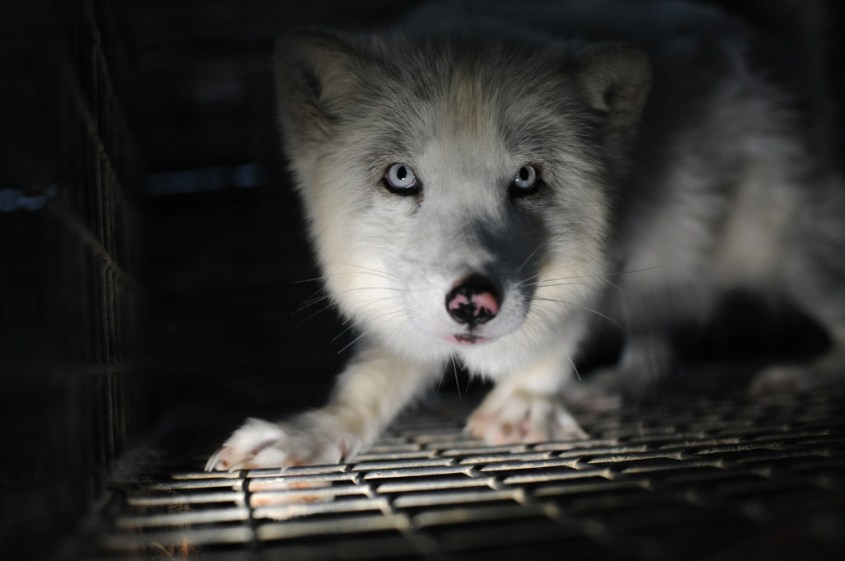
fur farm fox

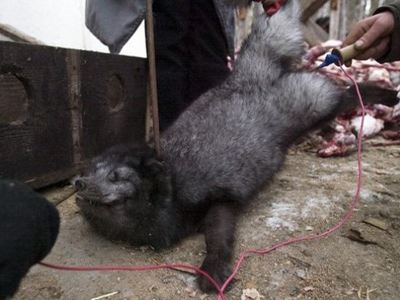
First the tiny cubs are nurtured by their mother, as best she can given the circumstances, before she is taken away from them. As they get older, their personalities come out and they attempt to play in their tiny wire cage. Soon their coats change color, and before they’re even seven months old, terrified Borys and Eryk are dragged out of their cage by a farmer, strung up by a leg and electrocuted to death.

Aleska watches as her brothers are torn away from her and killed. She is only spared because she will be used to produce more cubs, who will be torn from her to be killed for their fur as the cycle repeats.

“Over 100 million animals die for their fur every year. Our film shows the lives of these intelligent, feeling individuals and the cruelty they suffer when treated like a product. Just because they are not like us. Playfulfox cubs Borys and Eryk grow up in a small cage and die a terrifying and painful death for vanity and trinkets. This is the real cost of fur – when you buy fur, you buy cruelty, not beauty or luxury,” said ADI’s President, Jan Creamer.

The lives of these three cubs resemble nothing of their wild counterparts. They never knew the safety of a den, or the caring parents they would have had in the wild, who would have protected them and taught them the valuable skills they would need as they explored the world before setting out on their own.

Instead, they only experienced extreme confinement on the equivalent of a factory farm, and denied everything that would have enabled them to thrive. As a result, they and others like them pay a physical and psychological toll. On this single farm, ADI found foxes with bent feet and overgrown claws from living on wire floors, self-mutilation, aggression, injuries and illnesses that were left untreated, and filthy living conditions, while other investigations have found similar issues elsewhere.

According to ADI, over 15 million foxes are killed every year, usually to make trinkets, trims and accessories, but it can take up to 35 individuals to make a single coat. Sadly, foxes aren’t the only victims of this brutal industry. It’s estimated that over 110 million animals are killed on fur farms, every year, while more than 16 million are trapped in the wild, including mink, raccoon dogs, rabbits, chinchillas, coyotes, seals, otters, cats and dogs.

While the fur industry and its apologists continue to claim fur products are sustainable, eco-friendly and humane, those arguments couldn’t be further from the truth, and what few regulations and certification schemes there are do little to nothing to stop widespread suffering. While there have been major victories with nations banning fur farming, and imports, those that are still making fur are exporting products around the world.

While there are now plenty of faux options around, they still send the message that fur is trendy and open the door to other problems with mislabeling, which continues to be found to lead otherwise caring consumers to unwittingly support this industry by buying the real thing.

ADI added that the best ways to stop this cruel industry include pushing for legislation that bans fur farming, trapping and imports, urging designers and retailers to stop using and selling fur, and for us to stop buying it.

“Be comfortable in your own skin, and not that of a poor defenceless animal caged and killed to provide it. Say no to fur and yes to helping these fashion victims. Please help ADI stop this brutal trade,” said actress Joanna Lumley, who is supporting ADI’s campaign to end the fur trade, along with actor Brian Blessed.

For more on how to help, check out Animal Defenders International.

http://www.ad-international.org/adi_home/ 

This article was first published by Care2.com on 18 Sep 2017.

Serbia: Also Starts Off 2019 By Going ‘Fur Free’ – Great News !

Serbia fur free 2019


Serbian Flag

Following on from other wonderful news which you can read on our site – https://worldanimalsvoice.com/2019/01/01/good-news-for-the-start-in-2019/ – we have more great news as a result of many of us working hard for the last year or more.  

It is …………………………

We at WAV / SAV have worked hard over the last year with ‘Respect for Animals’ and the ‘Fur Free Alliance’; as well as Serbian activists; to provide them with lots of information relating to fur farming in Serbia.  Finally, today; 1/1/2019, we can say that all the effort has been worth it; and that as of today, 1/1/2019:

https://www.furfreealliance.com/serbia-starts-2019-off-right-by-outlawing-fur-farms/

Serbia starts 2019 off right by outlawing fur farms

SERBIA, 1 JANUARY 2019 – Animal advocates around the globe rejoice as Serbia starts off the new year by effectively banning fur farms after a 10-year phase-out. The enforcement of the ban is the successful result of a decade-long decisive and persistent struggle by citizens, experts and animal rights activist during which fur industry lobby groups consistently put pressure to reverse the ban.

The adoption of the 2009 Animal Welfare Act, that outlawed fur farming in Serbia including a 10-year transitional period, was hailed by animal protection organisations worldwide. However, ever since the ban has been continuously threatened by fur trade interest groups. Desperately seeking to reverse the upcoming fur farming ban, fur farmers upped their lobbying of the Serbian government in 2018, resulting in a debate on the cancelation of the ban in a public session last June.

Above – Chinchilla – farmed in Serbia for their fur up until 1/1/2019.

Animal advocate groups worldwide have persistently urged the Serbian government to stay committed to the 2009 Act and make an end to the widely-condemned practice of fur farming once and for all. To counter the campaign of misinformation spread by fur trade lobbyist in Serbia, the Fur Free Alliance worked closely together with Serbian member organisation Freedom for Animals to expose the scientific facts on fur production and stress the need for a national ban.

To generate political and media interest and push back against proposed law changes, last June the Make Fur History exhibition was organised in Belgrade by Freedom for Animals, joining international experts, decision makers and journalists to address the negative impact of fur farming.

Ultimately, Serbia’s government righteously listened to the concerned public and animal rights groups and made an end to the unnecessary and cruel practice of fur production, sparing thousands of animals unimaginable suffering on Serbian fur farms.

Snezana Milovanovic, director of the Serbian animal protection organization Freedom for Animals, says:

“For 15 years now, Freedom for Animals has advocated for a fur-free Serbia by advancing and supporting legislation to abolish this brutal exploitation of animals. With the enforcement of the 2009 Animal Welfare Act, that makes it illegal to keep, reproduce, import, export and kill animals only for the production of fur, a great victory is finally achieved. Not only is this ban important for animals kept for fur production in Serbia, but also for the whole South East European region, and it signifies a major step forward for animal rights worldwide.”

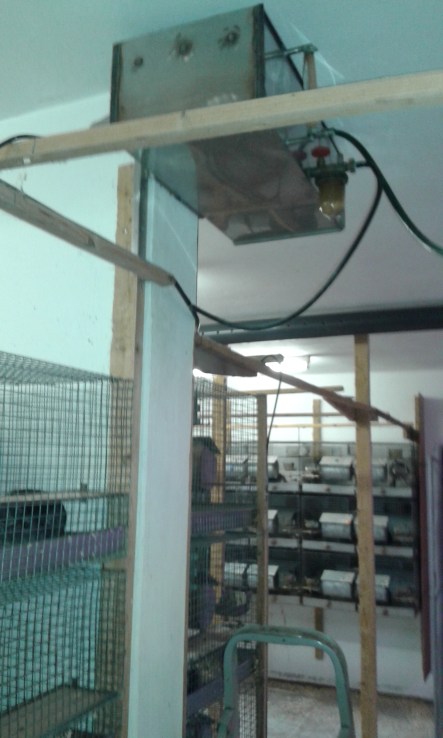
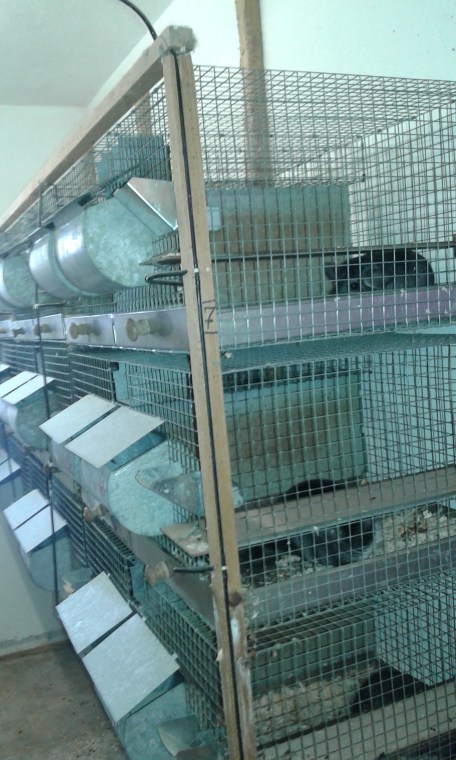
Above – Inside a Serbian fur farm

Chinchillas are the only animals kept for fur in Serbia.

Each year, approximately 12.000 chinchillas were killed on Serbian fur farms by the end of the phase-out period. The intense battery cage system used on fur farms deprives chinchillas from the opportunity to express their natural behavior – such as running and jumping – and causes severe welfare problems. International studies have shown stress-related behavioral disorders, such as pelt biting and infant mortality, are highly common on chinchilla fur farms.

Learn more about welfare problems on chinchilla fur farms.

Chinchillas are rodents and are native to the Andes Mountains of northern Chile. Although often kept as pets, chinchillas were nearly driven to extinction because of the demand for their fur. To breed chinchillas for fur, the rodents were taken from their natural habitat in such large numbers chinchillas are now an endangered species. Even though chinchillas are now protected by law in their natural habitat as endangered species, the populations continue to decline. However, thousands of chinchillas are still bred commercially for their fur in several regions of Europe (i.e. Poland, Denmark, Hungary) and in South-America (Brazil and Argentina).

The ban in Serbia is in line with developments all across Europe, where in the past decades 14 countries have voted for legislation to end fur farming. In the past year alone, Norway, once world’s largest fox pelt producer, Belgium and Luxembourg adopted legislation to end fur farming. At this moment, fur farming bans are on the parliamentary agenda in Poland, Ireland, Lithuania, Denmark and Estonia.

 Some other pictures from our own archive used for the ‘ban’ campaign – WAV:

serb fur 1.jpgserb fur 2.jpg


Good news for the start in 2019!


Flag_of_the_Czech_Republic.svg


From 2019, the keeping of animals on fur farms will be banned in the Czech Republic. Thus, the Czech Senate confirmed a law passed in June 2017. In countries such as Austria, Great Britain, the Netherlands, Switzerland, Slovenia, Croatia, Japan and Macedonia there is already a fur ban.

“More and more governments are realizing that fur farming is morally unjustifiable,” commented Frank Schmidt, specialist for animals in the garment industry at PETA Germany. “The fur industry is on the decline in much of Europe.”

Mink Kastoria 2_1

In the Czech Republic, this should save around 20,000 animalsmainly mink and foxes – per year, which are currently kept in nine fur farms. These could receive compensation for this from the Ministry of Agriculture. An opinion poll published in April 2017 found that 83 percent of Czechs supported the ban.

Germany will soon be fur-free!

In September 2017, a new fur farming law was passed in Germany, making stricter animal welfare requirements, such as swimming pools and larger cages for mink, make breeding animals uneconomic,  and that farms close by themselves.

Now it goes downhill faster than hoped with the last fur farms.

The last large mink farm in Grabow (North Germany) is already closed in February 2018.
All that remains is a large fur farm in Rahden, North Rhine Westphalia. Here the operator refuses to implement animal welfare requirements for many years and suffers numerous minks in much too small cages.

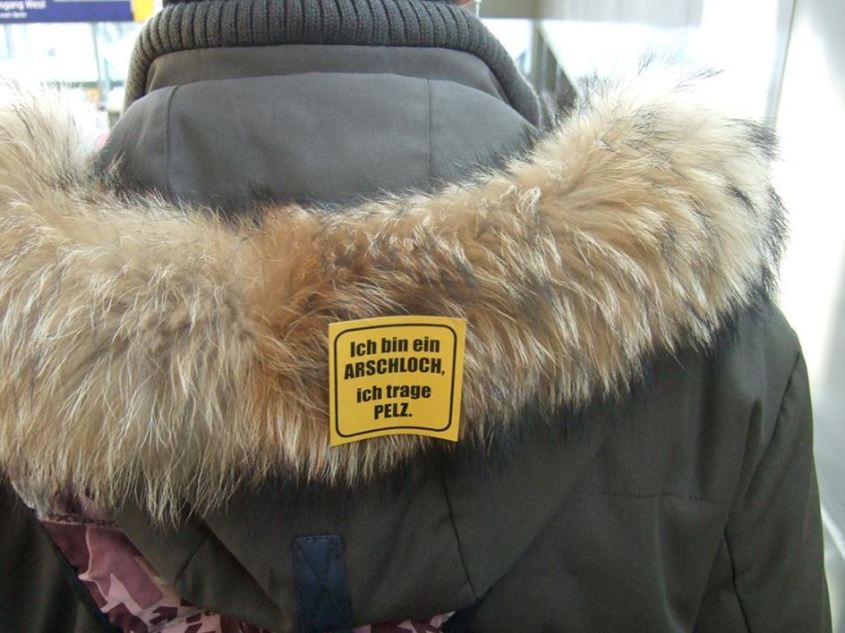
Ich bin ein Arschloch ich trage Pelz No 2I’m an asshole, I’m wearing fur

Most fur farms in the world are in China, Scandinavia and the USA.

https://fashionunited.de/nachrichten/mode/tschechien-verbietet-pelzfarmen/2017072522636

My comment: That`s  very good news.
But we still have to stay alert. In Europe there are still over 7000 fur farms.
Most people are against the cruel fur industry, and we may experience that at least Europe will release fur farms.
But the fur mafia has a great interest in getting this business! so dogs, cats and raccoon dogs fur are declared on the market as “fake fur”. Where “faux fur” is written, it is not necessarily a faux fur too! More than half of the total turnover of fur products is achieved with parkas with fur collar and fur hats. And these are mostly made of cat fur.

One thing is clear: we have to be extremely careful with alleged artificial fur. In this video by WSPA is explained how we can distinguish real fur from fake fur:

To be on the safe side, however, only the waiver of fur imitations helps. At least until the labeling obligation.

Best regards, Venus

A Message From Venus and Mark (Founders – WAV / SAV).


Thank you 3


To all our readers, friends, animal lovers

A year is finishing, a new one is coming.

For all of us who see it as a mission to fight for the rights of animals and to give them a better world, there is always a balance sheet exclusively dealing with this mission.

What have we achieved in this direction is often a difficult decision for us personally, how much do we write that is good, how much do we write that is sad.

We all know that we are always faced with a perfectly equipped system of violence, lobbying and exploitation that makes our struggle ever more difficult.

Witnessing the suffering of any animal(s); through video, photos or other media routes is never an easy one for any of us.  It takes its toll; but we have to be strong against an often stronger opposition of abusers, bureaucrats and politicians.

Through our blog sites, ‘Serbian Animals Voice’ https://serbiananimalsvoice.com/  and ‘World Animals Voice’  https://worldanimalsvoice.com/ , we aim to cover as many issues as we can in often, the harshest of blogs – with us, what you see is what you get; cruelty is cruelty and we will never disguise the daily system of abuse and suffering that many animals have to endure the world over.

On the other hand, we know that only if we all fight together against this ‘system’ of abuse, do we then have any chance of winning campaigns.

Illustration with joyful piggy who says - thank you. For design of funny avatars, posters and cards. Cute animal in vector

Looking back, we realize that all the best this year has already been achieved by many using this very same approach, because we participated in solidarity and cooperation in actions, that wanted to abolish the suffering and slavery of animals.

So we have to continue to move forward into next year: active, solidary, united!

Also in the New Year (of 2019) we will do a part in this fight with our two blogs. With information, education, criticism, and facts !

Stay true to us, we all remain faithful to the animals, and faithful to you, our dear campaigner friends !

What one alone does not achieve, many unite to create victories together.  Be part of our team uniting in achieving victories !.

In this Sense and with this hope, we wish you all a healthy and happy new year of fighting for the voiceless in 2019.

Best wishes – Venus and Mark.


Here is a message from Erika at Animal Aid Unlimited that shows this exactly:


UNITE to make dreams a reality !

Greek: how the fur mafia cocks EU-money up!


Greece


Through letters to the ministers, MPs and Members of the European Parliament, the Greek organization VeGaia has protested against an increase in the number of fur farms in Greece (from 43 in 2011 to 131 in 2018) and the state aid which the fur industry receives from national and EU funds.

The Greek government is financing the establishment of new fur farms, the expansion and modernization of existing ones, fur manufacturing and pelt processing facilities, as well as promotional activities such as assisting fur companies in taking part in exhibitions and trade missions aimed at of increasing sales.

Ausstellung von Pelz-Griechenland

Data from the Hellenic Statistical Authority show a sharp decrease in Greek fur exports, proving fur production to be not only an outdated economic activity but also an unsuccessful investment choice.

Furthermore, reports compiled in the Region of Dytiki Makedonia (West Macedonia), where the fur is being produced, show tourism is at the lowest level in the country. This clearly proves, the devastating impact of the fur industry on the region, by preventing other economic activities, such as tourism, from being developed, which could create a wealth of new jobs as an alternative to this outdated industry. It is important to note, that Dytiki Makedonia consistently has the highest unemployment rates in Greece and, according to Eurostat, is also the first on the list of all the Regions in the EU. This means that the fur industry which has reigned supreme in the region for so many years, not only failed to tackle the unemployment, but on the contrary is actually responsible for the deplorably high unemployment rate.

minkk-thumb-Kastoria

Despite the fact that many major fashion designers have stopped using real fur, increasing numbers of consumers are refusing to buy it, and that fur exports have fallen dramatically, making the fur trade an unsuccessful investment, the Greek government insists on wasting EU taxpayers’ money on financing this cruel, outdated and dying industry.

mink. Kastoria jpg

European citizens have a right to expect that their money is correctly spent. As the majority of EU citizens oppose fur production, and many Member States have either banned, or are in the process of banning it, the Greek government has a grave responsibility to ensure that European taxpayers’ money is not be wasted in supporting this industry.

Sustainable development, which is the professed goal, not only of the EU but surely of every civilized society, means not investing in the past, but rather of, embracing the future and preparing for tomorrow, through a pragmatic appreciation of contemporary mores and current trends, not by slavish adherence to the archaic practices of yesteryear.

Toter Mink- Griechenland


In memory: Nobody talked about this crime for four years …

It is outrageous that no one spoke in time about “this crime”  which has been going on for four years, 2014, and everyone knew about it.
It was the first time that a crime of such degree happened against fur animals, not only at national but at European level!

In Galati, Kozani, (North Greece) in August 2014, in a farm and in less than two months, about 33,000 mink died of  hunger, clothed in their cages. (see below the videos)

Videos, showing wildlife starving and muttering because of people who treat them only as capital and as a means of profit, are literally heartbreaking. That was the case, according to Mr. Mantzavinos, the lawyer of the breeder to whom owned the 33.000 mink, when the company that supplied the feed to his client and after a legal dispute with him eventually cut off his credit and the provision of food.

https://www.vegaia.gr/blog/the-greek-government-wastes-eu-funds-on-the-cruel-and-dying-fur-industry?fbclid=

My comment: For a business that does not work, the Greek government (a left, by the way) wants to receive subsidies from the EU and continue to keep the fur farms alive at all costs.
Even if 33,000 creatures crawl hunger painfully because the owner has no money for their food, the Greek government claims that fur is the tradition and future of the country and trebles the number of Dachau places.
The reason: fur is the future and the hope for the greek economy!
Greece is not alone guilt! As long as the EU subsidizes such horror farms with our money, corruption and crime against animals on this continent will always be in demand.

Best regards, Venus

England: ‘Respect for Animals’ – A Year of Campaigning.

England

Website – http://www.respectforanimals.org/ 

January

  • Our Fur Free Markets scheme is fully up and running, with our online database of every council in the UK going live.

The new three party coalition in Norway agrees to ban fur farming by 2025


February

A petition to Parliament calling for fur to be banned, started by two activists and friends of Respect for Animals, begins to near the prized 100,000 signature mark needed to secure a Parliamentary debate


March

  • Versace goes fur free, with Donatella Versace declaring: ‘Fur?! I’m OUT of that!’

San Francisco bans the sale of real fur, becoming the largest US city to do so.


April

  • The first markets officially join the Fur Free Markets scheme, as LSD Promotions, who run markets across the West Midlands, make their fur free pledge.


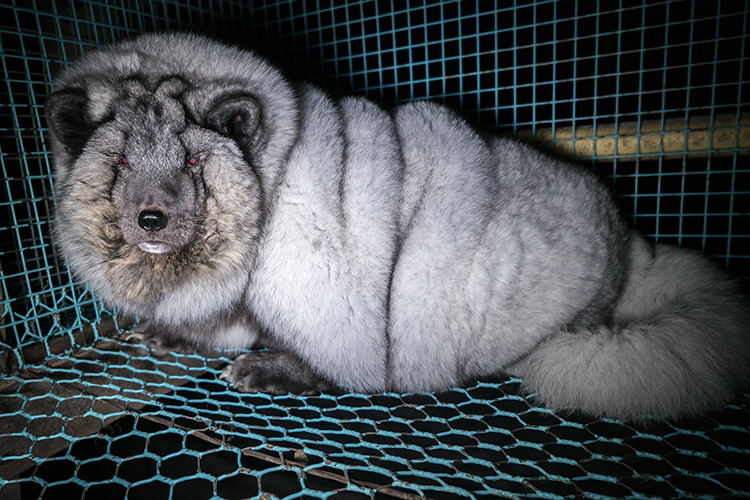
  • Horrible footage of monster obese foxes kept on Finnish fur farms shocks compassionate people around the world. Respect for Animals supporters contact the Finnish Embassy to call for a fur farming ban in Finland.


The top officials representing the fur industry give evidence to the EFRA Select Committee and shock the room by claiming it is ‘natural’ for foxes to be kept in small cages.


May

  • Having smashed past 100,000 signatures the petition to Parliament secures a confirmed date for a Westminster debate on the banning of real fur. The lobbying of MPs by constituents and NGOs like Respect for Animals begins.


With Burberry appointing a new creative director, Respect for Animals asks supporters to email Burberry customer service and call for the end of the use of real fur.


June

  • MPs line up to slam the fur industry at the debate on fur in Westminster Hall.

Respect for Animals Director Mark Glover travels to Belgrade to help save the fur farming ban in Serbia.


July

  • The Environment, Food & Rural Affairs Select Committee publishes its report on the fur trade in the UK. The report calls for changes to the law regarding fur labelling and suggests the government ‘consider’ holding a consultation on banning the import of real fur after Brexit.


Respect for Animals presents the Fur Free Markets scheme to councillors from around the UK at the annual Local Government Association Conference in Birmingham.


August


In Ireland, the Solidarity Party announce they will introduce a Bill to ban fur farming in Ireland once the Dail returns.

September

  • Harrowing footage from Lithuania is described by Respect for Animals founder Mark Glover as ‘the worst fur farm footage I have ever seen’.  The cruelty of what we are fighting against is laid bare once again.
  • Respect for Animals is present at Labour Party Conference as years of lobbying pays off when the party officially adopts a policy to phase in a ban on the import of real fur.
  • A few months after our email campaign, Burberry stun the fashion world by announcing they are ditching real fur.
  • Respect for Animals join animal protection organisations around the world in targeting Prada to be the next big name in fashion to stop using real fur.

Los Angeles City Council votes unanimously to ban the sale of real fur.


October

  • The Prohibition of Fur Farming In Ireland Bill is presented to the Dail in Dublin, by Solidarity TD Ruth Coppinger TD.


  • Acclaimed actor and animal activist Peter Egan backs the Bill to ban fur farming in Ireland: ‘Many of us are shocked to learn that Ireland still has fur farms. I believe the continuance of this cruel industry is a stain on Ireland’s character.’


Lincoln Christmas Market – one of the biggest seasonal events in the region- is confirmed as fur free.


November

  • A poll of public opinion in Ireland, commissioned by Respect for Animals, finds that an impressive 80% of people in Ireland support a ban on fur farming. 
  • Mark Glover co-hosts a major event in Dublin, discussing the urgency of a fur farm ban with TDs and Senators, as well as holding a press conference.

Legendary folk punk/rock band the Levellers say NO to fur, by backing our campaigns for fur free markets and the Ireland fur farming campaign.


December

  • Manchester Christmas Market goes fur free after a public outcry.
  • Chanel announce they are moving away from using real fur.
  • Our Fur Free Markets database passes 400,000 hits for the calendar year.


Finnland.jPelz Tier übergewichtigpg